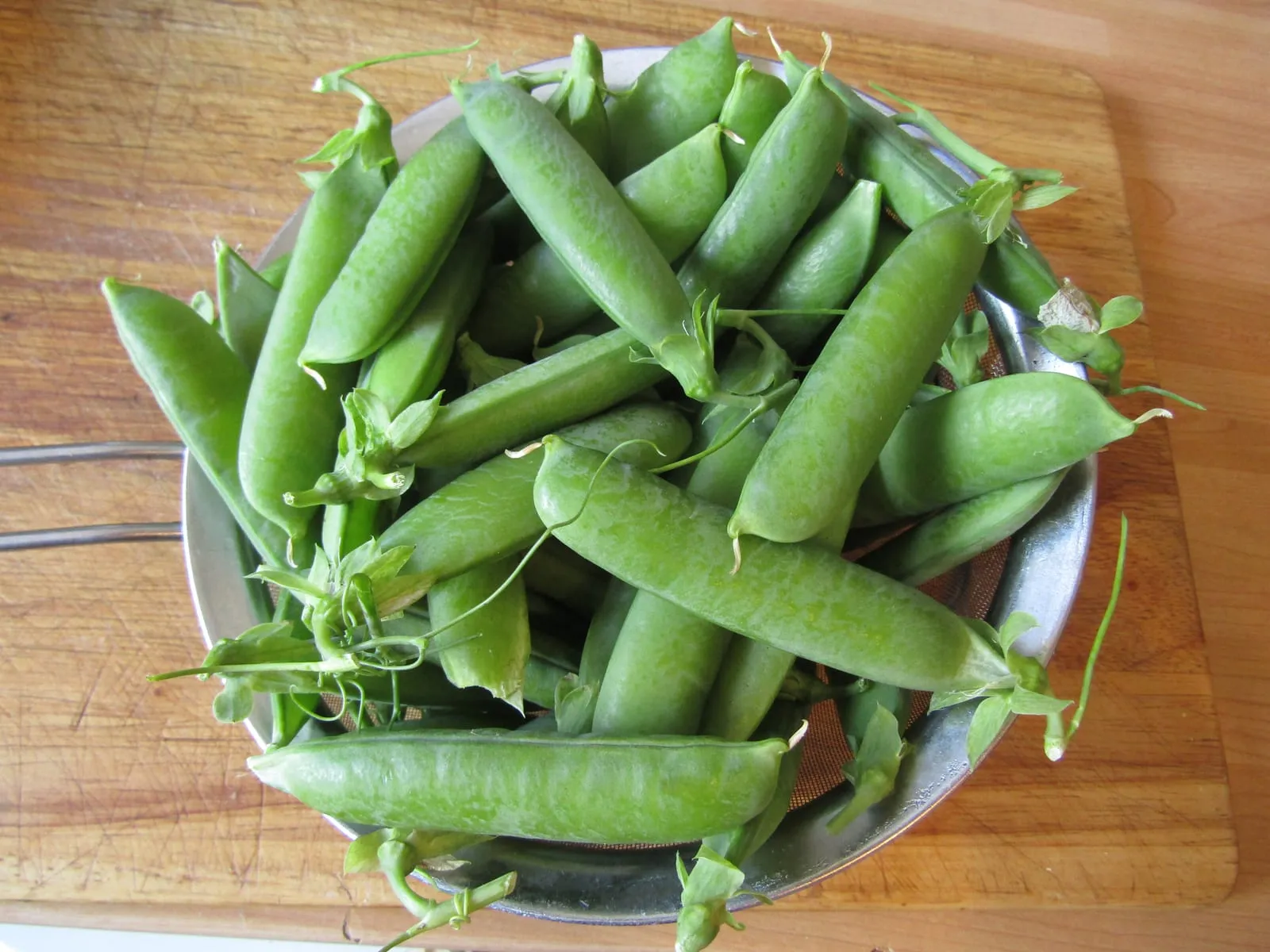
vegetable in zone 5b
Growing pea in zone 5b
Pisum sativum
- Zone
- 5b -15°F to -10°F
- Growing season
- 165 days
- Suitable varieties
- 4
- Days to harvest
- 55 to 75
The verdict
Zone 5b is a solid fit for peas. As a cool-season crop, peas do not have the chill-hour accumulation requirements that fruit trees carry; instead, they need sustained temperatures below about 75°F during their productive window. Zone 5b's 165-day growing season and characteristically cool, moist springs provide that window reliably. The compatible varieties for this zone (Lincoln, Sugar Snap, Oregon Sugar Pod II, and Cascadia) are all well-matched to these conditions. This is not a marginal zone for peas. The ceiling is summer heat rather than winter cold: zone 5b winters are well within what peas can handle, and the spring planting window is generous. Growers who get seeds in the ground by early April typically capture 8 to 10 weeks of productive weather before July heat curtails pod set.
Recommended varieties for zone 5b
4 cultivars suited to this zone, with disease-resistance and zone-fit annotations.
| Variety | Notes | Zone fit | Disease resistance |
|---|---|---|---|
| Lincoln fits zone 5b | Sweet, classic shelling-pea flavor; long pods with 7-9 dark green peas. Fresh, freezing, classic pea soup. Heritage variety, productive, cold-tolerant for early planting. | | none noted |
| Sugar Snap fits zone 5b | Very sweet, crisp, edible pod with full peas; the original snap pea. Fresh raw, stir-fries, blanched salads. AAS winner, productive, the home-garden snap pea standard. | | none noted |
| Oregon Sugar Pod II fits zone 5b | Sweet, tender, edible flat pod harvested before peas swell; classic snow pea. Stir-fries, fresh salads, garnish. Productive, disease-tolerant. | | none noted |
| Cascadia fits zone 5b | Sweet, crisp, full snap-pea flavor; short vines (3 ft) suit small gardens. Fresh raw, stir-fries. Productive, disease-resistant, the modern home-grower's compact snap. | | none noted |
Critical timing for zone 5b
In zone 5b, the last spring frost typically falls in late April to early May. Peas tolerate light frost and can be direct-sown 4 to 6 weeks before that date, meaning mid-March plantings are feasible once soil temperature reaches around 45°F. Bloom follows sowing by roughly 50 to 60 days, placing flowers in mid-May to early June for typical spring sowings. Harvest for shelling varieties like Lincoln runs late May through June; Sugar Snap and Oregon Sugar Pod II extend harvesting somewhat longer in cool years. A fall planting started in late July can yield a second harvest before the first fall frost, which arrives around mid-October in most of zone 5b.
Common challenges in zone 5b
- ▸ Plum curculio
- ▸ Codling moth
- ▸ Cedar-apple rust
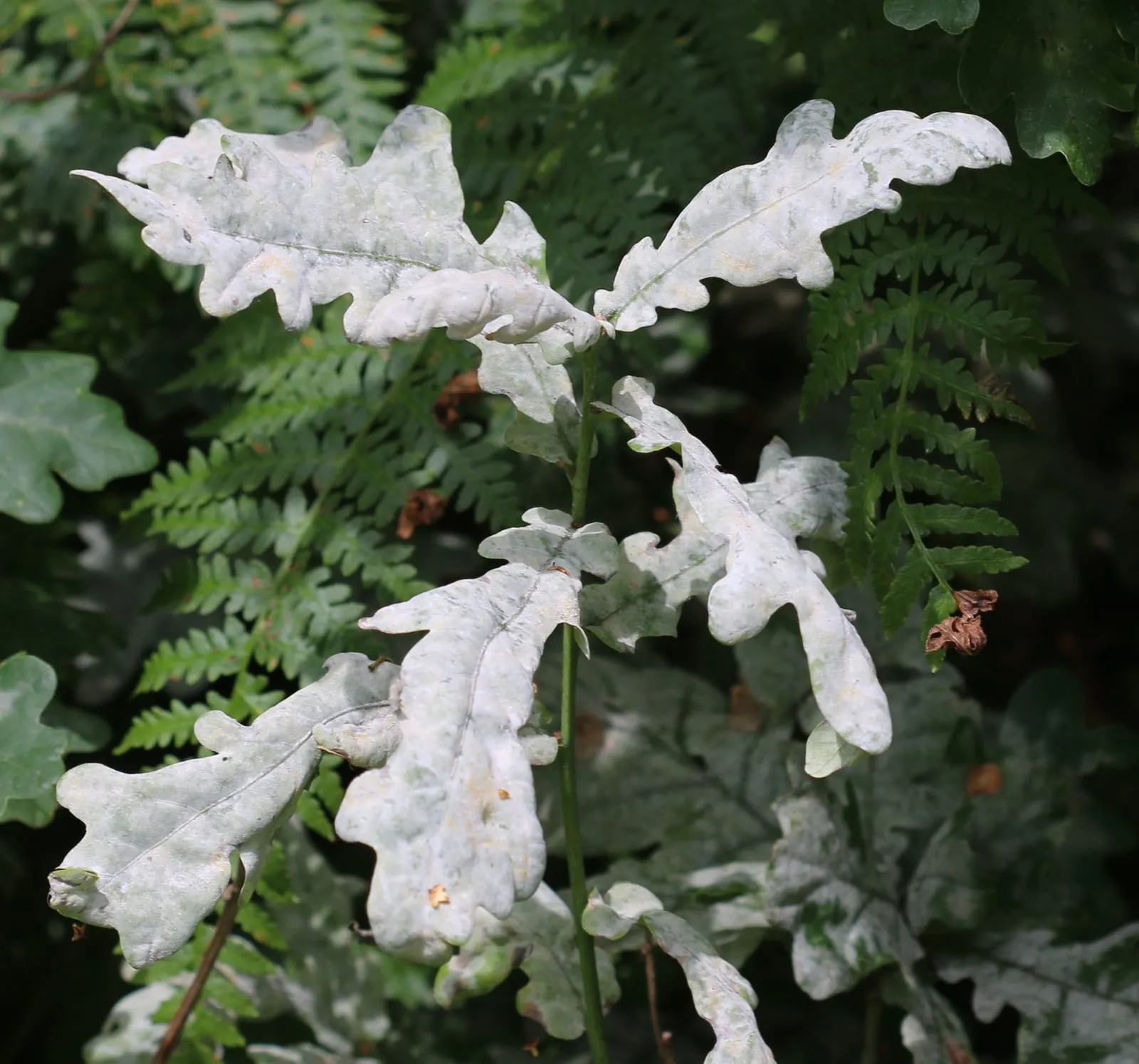
Disease pressure to watch for
Modified care for zone 5b
The main timing adjustment for zone 5b is planting early enough to capture the full cool window before July heat ends production. Seeds sown after early May lose several weeks of productive growing weather. Soil in zone 5b may still be wet and cold in mid-March; raised beds warm faster and allow earlier establishment. Vegetable powdery mildew pressure increases as late-spring temperatures climb; Oregon Sugar Pod II shows moderate resistance, but adequate plant spacing and avoiding overhead irrigation reduce incidence regardless of variety. Fall plantings require attention to both temperature and day length: seeds sown after August 1 may not have enough growing days for full pod development before frost. Trellising practices are consistent across the crop's range and require no zone-specific modification.
Frequently asked questions
- Can pea plants survive a late frost in zone 5b?
Established pea plants tolerate light frosts down to around 28°F without significant damage. Seedlings are somewhat more vulnerable, but zone 5b's late-spring frost events are generally manageable for mid-March plantings. Row cover provides adequate protection when a hard frost is forecast after germination.
- Why do zone 5b pea plants stop producing by midsummer?
Peas have an upper threshold around 75 to 80°F; sustained heat above that range causes plants to stop setting pods. In zone 5b, July temperatures routinely exceed this range, closing the spring harvest window by late June or early July. This is normal behavior, not a disease or soil problem.
- Is a fall pea planting practical in zone 5b?
Timing is tight but workable. Seeds sown by late July should reach harvest before the first fall frost in mid-October. Germination in warm summer soil can be slower than spring plantings; keeping the seedbed moist during the first two weeks improves emergence rates.
+−
+−
+−
Pea in adjacent zones
Image: "-2020-06-28 Garden pea (Pisum sativum), Trimingham, Norfolk (1)", by Kolforn ( Kolforn ) I'd appreciate if you could mail me ([email protected]) if you want to use this picture out of the Wikimedia project scope. This file is licensed under the Creative Commons Attribution-Share Alike 4.0 International license. You are free: to share – to copy, distribute and transmit the work to remix – to adapt the work Under the following conditions: attribution – You must give appropriate credit, provide a link to the license, and indicate if changes were made. You may do so in any reasonable manner, but not in any way that suggests the licensor endorses you or your use. share alike – If you remix, transform, or build upon the material, you must distribute your contributions under the same or compatible license as the original. https://creativecommons.org/licenses/by-sa/4.0 CC BY-SA 4.0 Creative Commons Attribution-Share Alike 4.0 true true, via Wikimedia Commons, licensed under CC-BY Source.
,_Trimingham,_Norfolk_(1).JPG)
Related