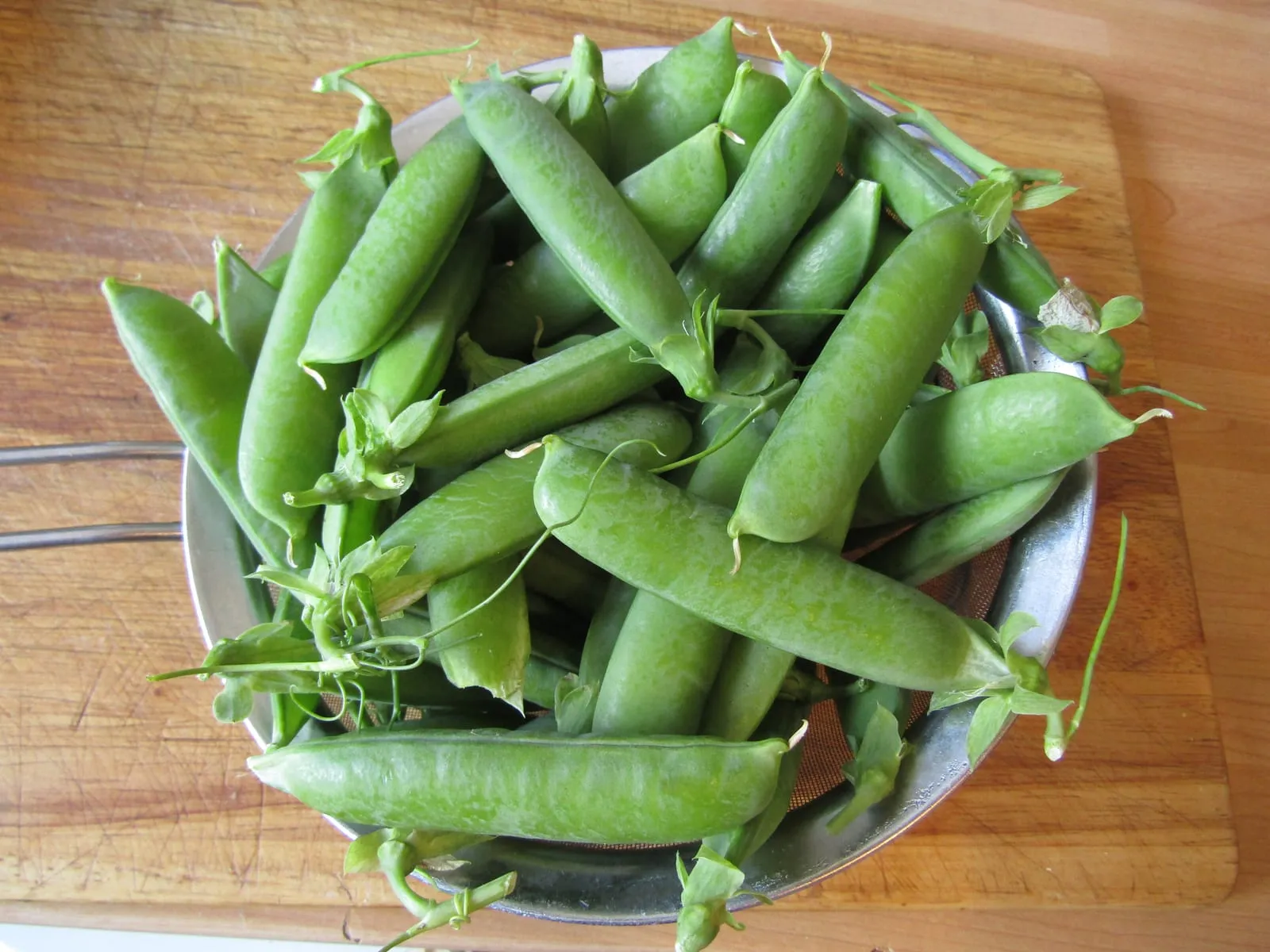
vegetable in zone 8b
Growing pea in zone 8b
Pisum sativum
- Zone
- 8b 15°F to 20°F
- Growing season
- 260 days
- Suitable varieties
- 0
- Days to harvest
- 55 to 75
The verdict
Zone 8b presents a workable but narrow window for peas. Peas are cool-season annuals that perform best between 45 and 75°F and can tolerate light frosts to around 28°F. The zone's minimum winter temperatures (15 to 20°F) are cold enough to kill established plants, but peas are grown as a short-season crop, not overwintered, so that figure is less relevant than it appears.
The real limiting factor in zone 8b is not winter cold but summer heat. With a 260-day growing season dominated by months of temperatures well above 80°F, peas must be timed carefully to avoid collapsing under heat stress before pods fill. This is not a sweet spot for the crop, but it is not a lost cause. The zone's mild shoulder seasons, particularly fall, fit pea production naturally. Chill hours are not a factor; peas are not vernalization-dependent, so the low-chill-hour conditions that restrict apple variety selection in zone 8b have no bearing here.
Critical timing for zone 8b
Two planting windows exist in zone 8b. The fall window, running from mid-September through late October, is generally the more reliable of the two. Seeds germinate in still-warm soil and plants mature through the cooler months of November and December, with harvest typically falling between late November and January depending on variety and sowing date.
The spring window is narrower. Direct seeding in January or early February gives plants the best chance of maturing before temperatures consistently exceed 75°F. An average last frost date around mid-February adds some risk to late-January sowings, but peas tolerate light frost and often benefit from it. Waiting until March in zone 8b usually means the harvest window closes before pods fill properly, as heat arrives quickly and does not retreat.
Common challenges in zone 8b
- ▸ Low chill hours limit apple variety selection
- ▸ Citrus greening risk
- ▸ Nematodes in sandy soils
Disease pressure to watch for
Modified care for zone 8b
The primary adjustment for zone 8b is orienting the growing calendar toward fall rather than spring. Growers accustomed to spring-only pea production in cooler climates should treat fall as the main planting and spring as a secondary, shorter window with less margin for error.
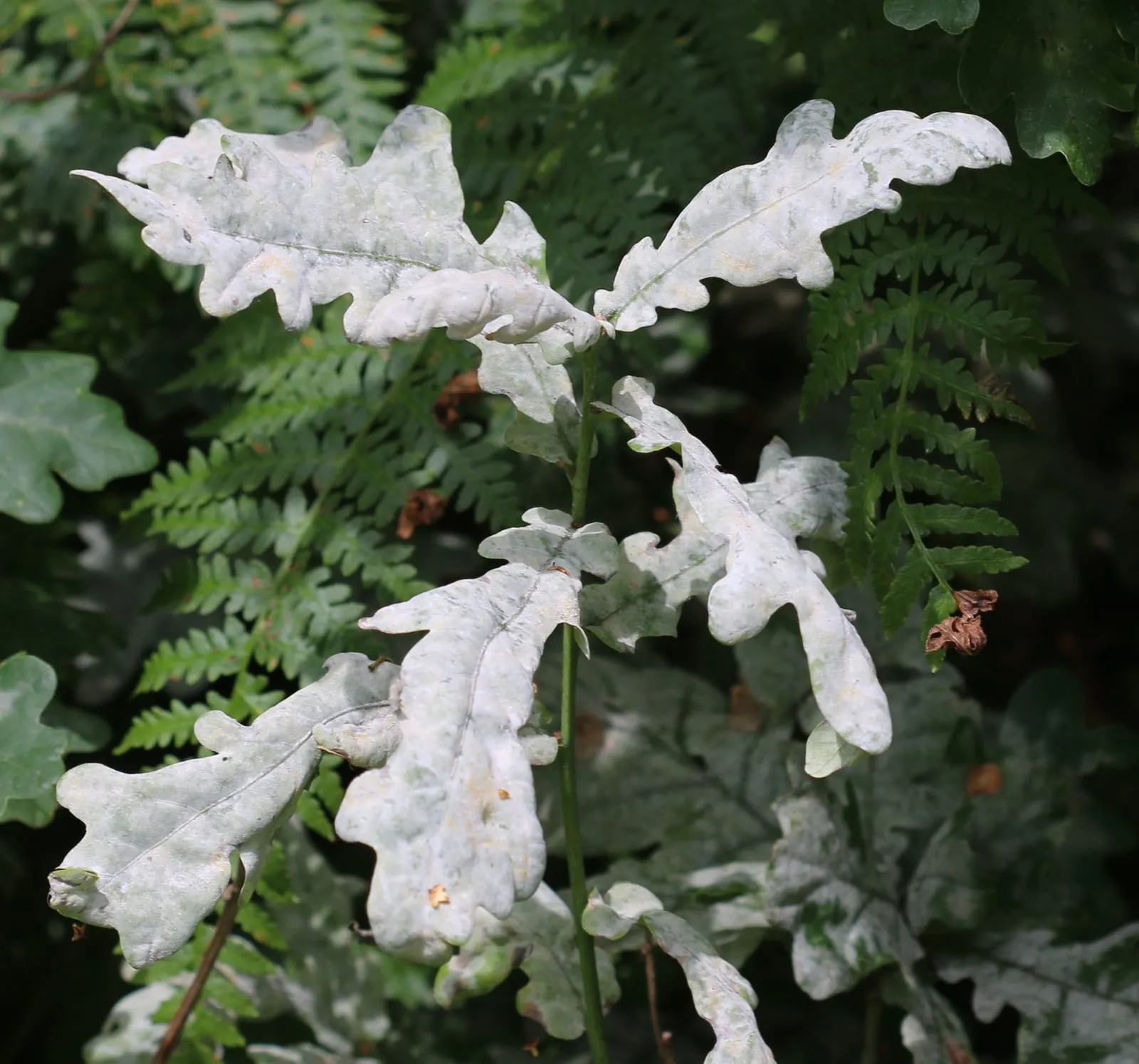
Powdery mildew pressure intensifies as temperatures climb through spring, so fall crops avoid the worst of it. For spring plantings, selecting varieties with published mildew resistance reduces the need for intervention late in the season.
Sandy soils, common in parts of zone 8b, can harbor root-knot nematodes that reduce plant vigor and yields. Where nematode pressure is a known issue, raised beds filled with fresh compost-amended soil offer some separation from infested ground. Consistent irrigation matters more in zone 8b than in cooler regions; plants must size up and set pods quickly, and moisture stress during pod fill compresses an already tight window.
Pea in adjacent zones
Image: "-2020-06-28 Garden pea (Pisum sativum), Trimingham, Norfolk (1)", by Kolforn ( Kolforn ) I'd appreciate if you could mail me ([email protected]) if you want to use this picture out of the Wikimedia project scope. This file is licensed under the Creative Commons Attribution-Share Alike 4.0 International license. You are free: to share – to copy, distribute and transmit the work to remix – to adapt the work Under the following conditions: attribution – You must give appropriate credit, provide a link to the license, and indicate if changes were made. You may do so in any reasonable manner, but not in any way that suggests the licensor endorses you or your use. share alike – If you remix, transform, or build upon the material, you must distribute your contributions under the same or compatible license as the original. https://creativecommons.org/licenses/by-sa/4.0 CC BY-SA 4.0 Creative Commons Attribution-Share Alike 4.0 true true, via Wikimedia Commons, licensed under CC-BY Source.
,_Trimingham,_Norfolk_(1).JPG)
Related