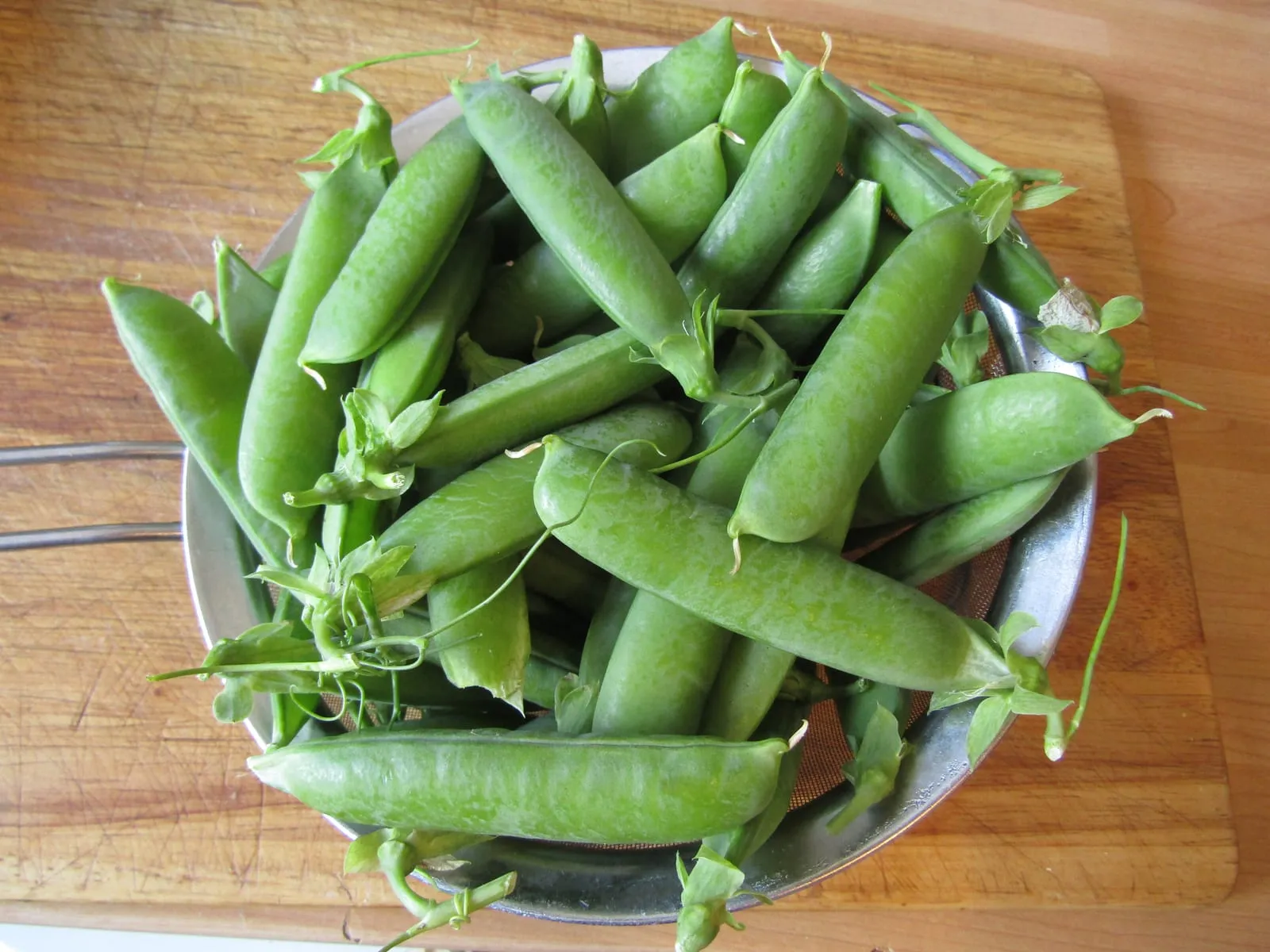
vegetable in zone 8a
Growing pea in zone 8a
Pisum sativum
- Zone
- 8a 10°F to 15°F
- Growing season
- 240 days
- Suitable varieties
- 1
- Days to harvest
- 55 to 75
The verdict
Peas are cool-season crops with no chill-hour requirement, so zone compatibility is about temperature windows, not dormancy math. Zone 8a's minimum winter temperatures of 10 to 15°F are cold enough to kill exposed seedlings but rarely sustained long enough to prevent fall or late-winter plantings from succeeding. The real constraint is the opposite end: summer heat arrives early and decisively in zone 8a, compressing the spring harvest window to a matter of weeks. The 240-day growing season sounds generous, but for peas, most of it is unusable.
Zone 8a is workable for peas, not ideal. Growers who time plantings precisely can get two productive windows per year. Those who miss the fall planting or push spring too late will face pods that shrivel before they fill. Oregon Sugar Pod II performs reasonably in this zone, showing better heat tolerance than many snow pea types, but no variety fully sidesteps the timing constraint.
Recommended varieties for zone 8a
1 cultivar suited to this zone, with disease-resistance and zone-fit annotations.
| Variety | Notes | Zone fit | Disease resistance |
|---|---|---|---|
| Oregon Sugar Pod II fits zone 8a | Sweet, tender, edible flat pod harvested before peas swell; classic snow pea. Stir-fries, fresh salads, garnish. Productive, disease-tolerant. | | none noted |
Critical timing for zone 8a
The fall planting window is the more reliable of the two in zone 8a. Sow seeds in late September through mid-October, when daytime highs consistently drop below 75°F. Plants establish through November, bloom in December and January, and pods fill during the coolest weeks of the year. Harvest typically runs from late December through February, depending on planting date and weather.
For spring plantings, sow in late January or early February, as soon as soil temperatures reach 40°F. Last frost risk in zone 8a typically extends to late February or early March, so seedlings may need frost cloth on cold nights. Expect bloom in March and harvest pressure by mid-April before rising heat shuts pod set down. The spring window is shorter and less forgiving than fall.
Common challenges in zone 8a
- ▸ Insufficient chill hours for some apple varieties
- ▸ Pierce's disease in grapes
- ▸ Heat stress on cool-season crops
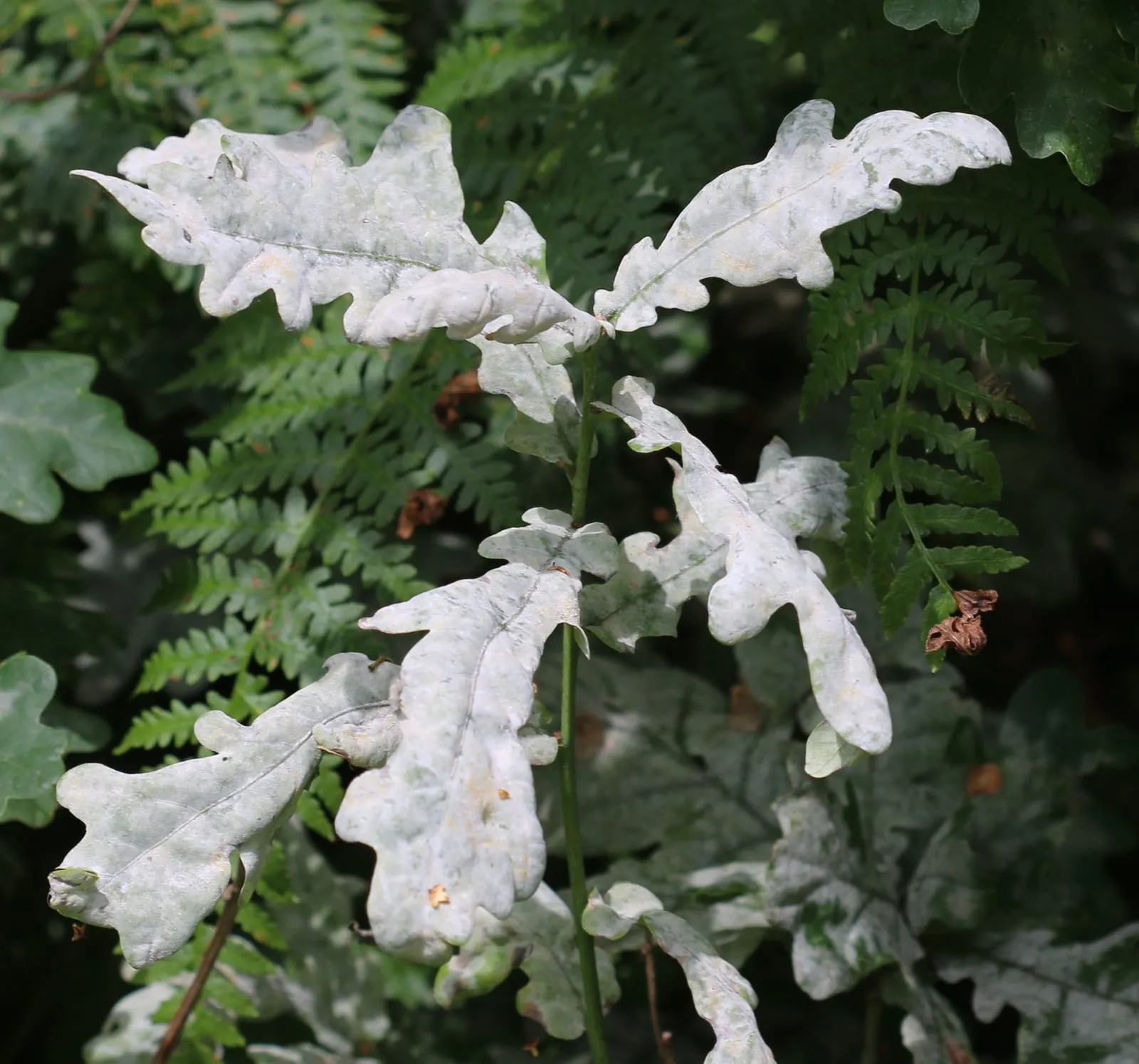
Disease pressure to watch for
Modified care for zone 8a
The primary adjustment in zone 8a is committing to fall as the primary season rather than treating it as secondary to spring. Fall plantings avoid the heat-cutoff problem entirely and generally produce more consistently.
Vegetable powdery mildew becomes a significant problem as temperatures warm toward the end of the spring window. Adequate spacing for airflow, avoiding overhead irrigation, and choosing resistant varieties like Oregon Sugar Pod II reduce pressure but do not eliminate it. If spring plantings show mildew before harvest is complete, prioritize picking frequently rather than waiting for pods to reach maximum size.
In cold snaps below 25°F, which occur occasionally in zone 8a, row cover over established seedlings provides enough protection to prevent stem damage. Mature plants in active growth are more vulnerable than those still in the seedling stage.
Frequently asked questions
- Can peas be grown year-round in zone 8a?
No. Summers in zone 8a are too hot for productive pea growth. The viable windows are fall (sow September to October) and late winter (sow January to February). Attempting to grow peas through summer will result in poor pod set and rapid decline.
- Which pea types perform best in zone 8a?
Snow peas and snap peas generally outperform shelling peas in warm-end conditions. Oregon Sugar Pod II is a proven performer in zone 8a's compressed windows. Avoid varieties marketed specifically for northern or high-elevation climates, as they tend to bolt quickly under zone 8a spring conditions.
- How do I manage powdery mildew on peas in zone 8a?
Space plants at least 4 to 6 inches apart in rows with full airflow. Water at the base rather than overhead. Once daytime temperatures consistently exceed 70°F, mildew pressure rises sharply and is difficult to reverse. Harvest frequently and pull spent plants rather than treating aggressively late in the season.
+−
+−
+−
Pea in adjacent zones
Image: "-2020-06-28 Garden pea (Pisum sativum), Trimingham, Norfolk (1)", by Kolforn ( Kolforn ) I'd appreciate if you could mail me ([email protected]) if you want to use this picture out of the Wikimedia project scope. This file is licensed under the Creative Commons Attribution-Share Alike 4.0 International license. You are free: to share – to copy, distribute and transmit the work to remix – to adapt the work Under the following conditions: attribution – You must give appropriate credit, provide a link to the license, and indicate if changes were made. You may do so in any reasonable manner, but not in any way that suggests the licensor endorses you or your use. share alike – If you remix, transform, or build upon the material, you must distribute your contributions under the same or compatible license as the original. https://creativecommons.org/licenses/by-sa/4.0 CC BY-SA 4.0 Creative Commons Attribution-Share Alike 4.0 true true, via Wikimedia Commons, licensed under CC-BY Source.
,_Trimingham,_Norfolk_(1).JPG)
Related