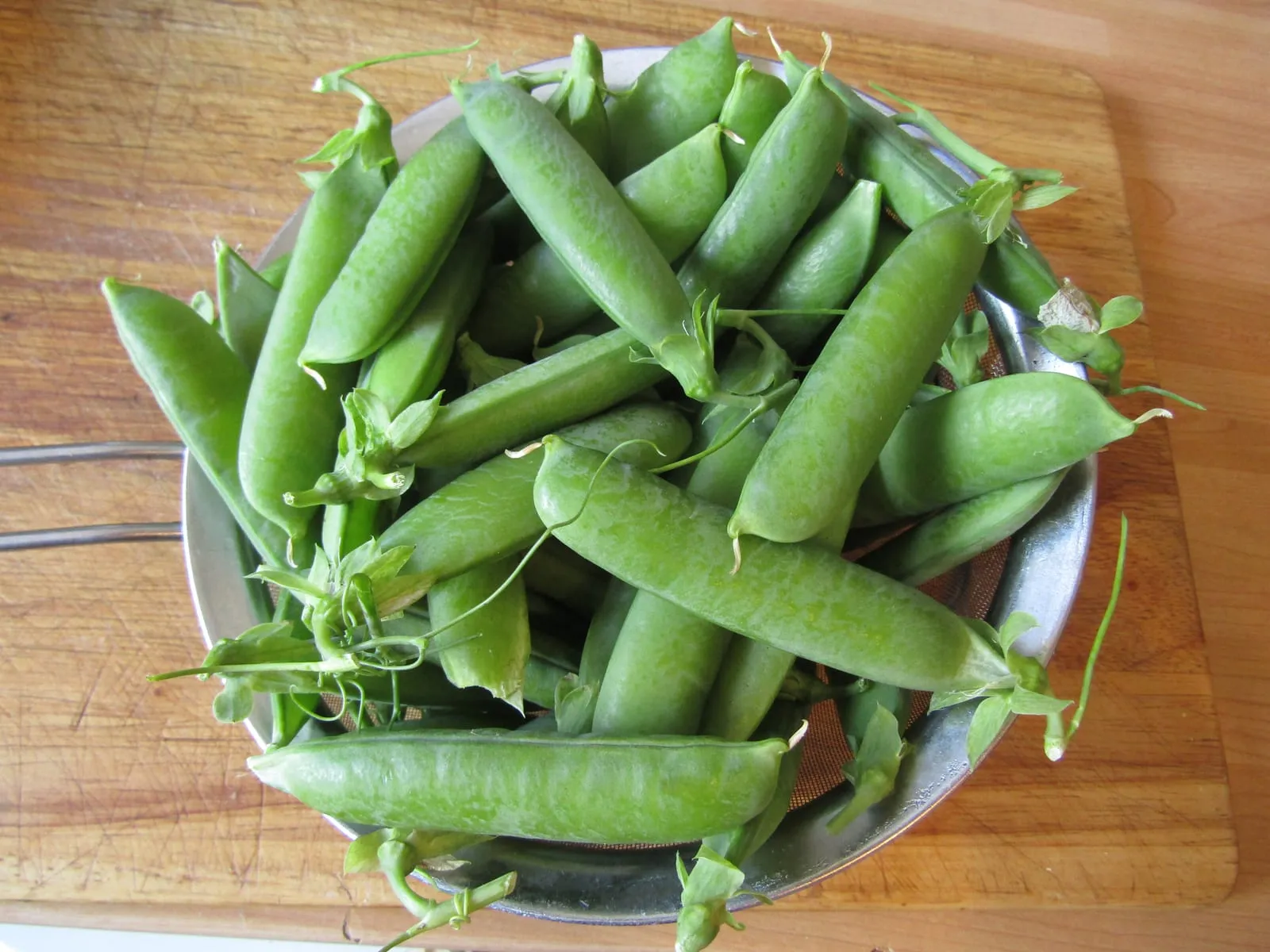
vegetable in zone 7b
Growing pea in zone 7b
Pisum sativum
- Zone
- 7b 5°F to 10°F
- Growing season
- 220 days
- Suitable varieties
- 4
- Days to harvest
- 55 to 75
The verdict
Peas are a cool-season crop, and zone 7b is workable rather than ideal. The crop's core requirement is a sustained stretch of temperatures between 45°F and 75°F for germination, growth, and pod fill. Zone 7b provides that window twice per year, in spring before summer heat arrives and in fall after it breaks. The 220-day growing season is largely too warm for peas; the usable portion is a narrow shoulder on each end.
The zone's minimum winter temperatures (5 to 10°F) are rarely a limiting factor because pea plantings are timed to avoid hard freezes, not to survive them. The real constraint is the summer heat ceiling. Temperatures above 80°F cause blossom drop and sharply reduce yields, which means the spring window from late winter through mid-spring closes fast. Growers who time well get reliable harvests. Those who miss the window by two or three weeks often get thin yields from heat-stressed plants.
Recommended varieties for zone 7b
4 cultivars suited to this zone, with disease-resistance and zone-fit annotations.
| Variety | Notes | Zone fit | Disease resistance |
|---|---|---|---|
| Lincoln fits zone 7b | Sweet, classic shelling-pea flavor; long pods with 7-9 dark green peas. Fresh, freezing, classic pea soup. Heritage variety, productive, cold-tolerant for early planting. | | none noted |
| Sugar Snap fits zone 7b | Very sweet, crisp, edible pod with full peas; the original snap pea. Fresh raw, stir-fries, blanched salads. AAS winner, productive, the home-garden snap pea standard. | | none noted |
| Oregon Sugar Pod II fits zone 7b | Sweet, tender, edible flat pod harvested before peas swell; classic snow pea. Stir-fries, fresh salads, garnish. Productive, disease-tolerant. | | none noted |
| Cascadia fits zone 7b | Sweet, crisp, full snap-pea flavor; short vines (3 ft) suit small gardens. Fresh raw, stir-fries. Productive, disease-resistant, the modern home-grower's compact snap. | | none noted |
Critical timing for zone 7b
In zone 7b, spring peas should go in the ground from late January through mid-February, targeting 6 to 8 weeks before the average last frost date. This allows pod fill to complete before daytime highs climb consistently above 75°F, typically by late April or early May in the piedmont. Harvest runs from late March into May depending on the season and variety, with snap types like Sugar Snap and Cascadia finishing slightly later than shelling types.
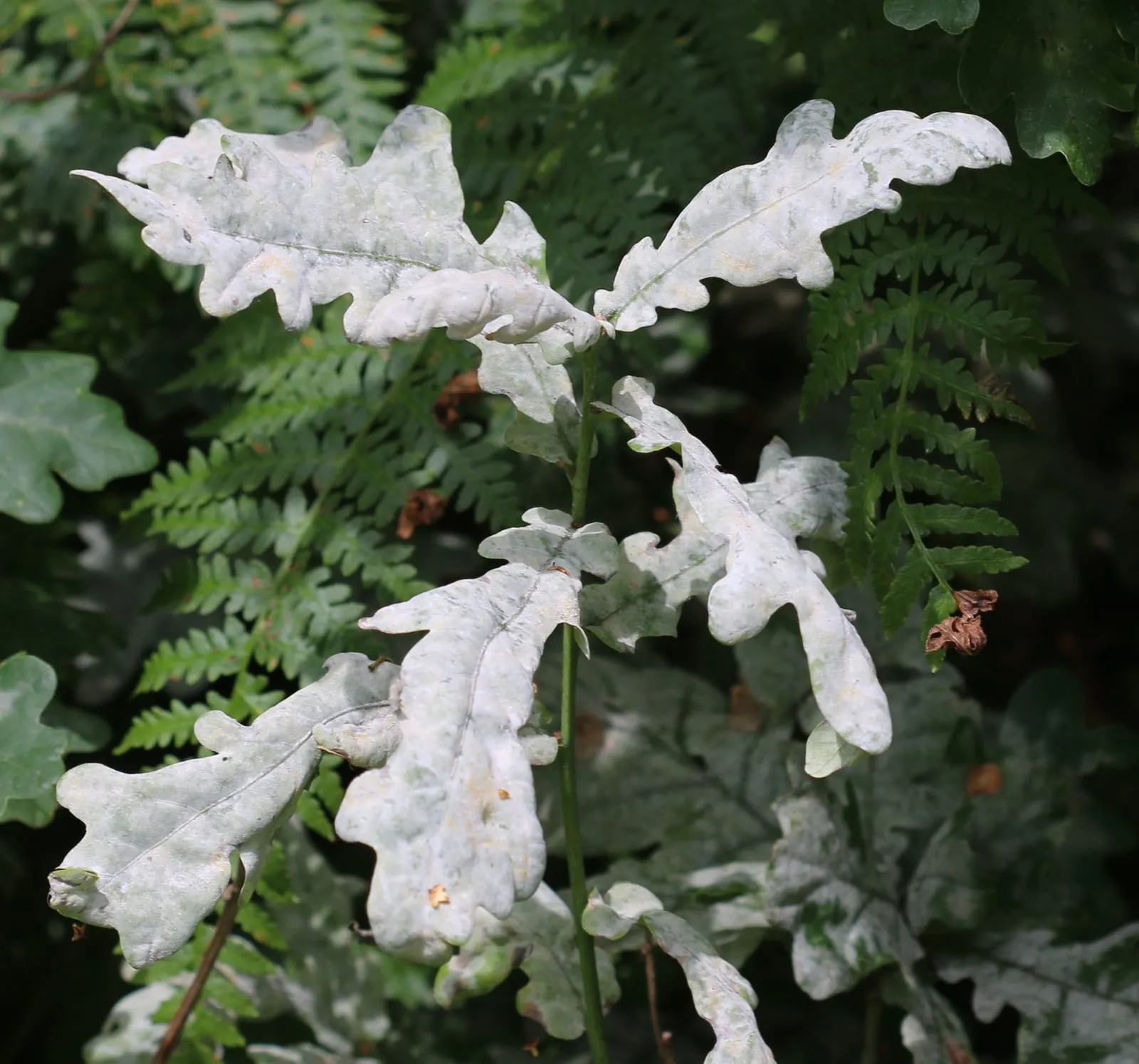
Fall plantings are an underused option. Direct sow in late August through early September for harvest in October and November, after the first light frosts have sweetened the pods. Powdery mildew pressure is heavier in fall, so variety selection matters more in that planting window.
Common challenges in zone 7b
- ▸ Cedar-apple rust pressure heavy in piedmont
- ▸ Japanese beetles
- ▸ Brown marmorated stink bug
- ▸ Late summer disease pressure
Disease pressure to watch for
Modified care for zone 7b
The primary adjustment in zone 7b is accepting that peas are a short-window crop here and planning accordingly. Succession planting is less useful than in cooler zones because the heat cutoff is hard and affects all plantings simultaneously. One well-timed sowing outperforms two mistimed ones.
Powdery mildew is the main disease pressure, particularly as spring warms into May. Oregon Sugar Pod II and Cascadia both carry moderate mildew tolerance; Lincoln is more susceptible and benefits from good airflow and prompt harvest before the disease advances. Avoid overhead irrigation once temperatures consistently exceed 70°F.
Brown marmorated stink bug and Japanese beetles are present in the zone but typically peak in midsummer, after spring peas are done. Fall plantings may see more stink bug pressure during pod fill; row cover is practical protection given the low canopy height. No special winter protection is needed for the plants themselves since the crop is direct-sown and doesn't overwinter.
Frequently asked questions
- Can peas be grown year-round in zone 7b?
No. Peas require cool temperatures for pod set and will fail in zone 7b's summer heat. The viable windows are late January through May for spring plantings and late August through November for fall plantings. Attempting a summer planting results in blossom drop and negligible yields.
- Which pea varieties perform best in zone 7b?
Sugar Snap and Cascadia are reliable choices for zone 7b, offering reasonable heat tolerance and mildew resistance for the spring window. Oregon Sugar Pod II is a strong snow pea option with moderate mildew tolerance. Lincoln is a classic shelling type that performs well when the timing is tight.
- Should peas be planted before or after the last frost in zone 7b?
Before. Peas tolerate light frost and need to be in the ground 6 to 8 weeks before the average last frost date so that pod fill completes before summer heat arrives. Waiting until after frost-free conditions significantly shortens the productive window.
- How does powdery mildew affect peas in zone 7b?
Powdery mildew pressure increases as spring temperatures rise and is heaviest in the final weeks of the harvest window. Selecting tolerant varieties, maintaining plant spacing for airflow, and harvesting promptly are the practical controls. Fungicide applications are rarely cost-effective for a short-season crop at garden scale.
+−
+−
+−
+−
Pea in adjacent zones
Image: "-2020-06-28 Garden pea (Pisum sativum), Trimingham, Norfolk (1)", by Kolforn ( Kolforn ) I'd appreciate if you could mail me ([email protected]) if you want to use this picture out of the Wikimedia project scope. This file is licensed under the Creative Commons Attribution-Share Alike 4.0 International license. You are free: to share – to copy, distribute and transmit the work to remix – to adapt the work Under the following conditions: attribution – You must give appropriate credit, provide a link to the license, and indicate if changes were made. You may do so in any reasonable manner, but not in any way that suggests the licensor endorses you or your use. share alike – If you remix, transform, or build upon the material, you must distribute your contributions under the same or compatible license as the original. https://creativecommons.org/licenses/by-sa/4.0 CC BY-SA 4.0 Creative Commons Attribution-Share Alike 4.0 true true, via Wikimedia Commons, licensed under CC-BY Source.
,_Trimingham,_Norfolk_(1).JPG)
Related