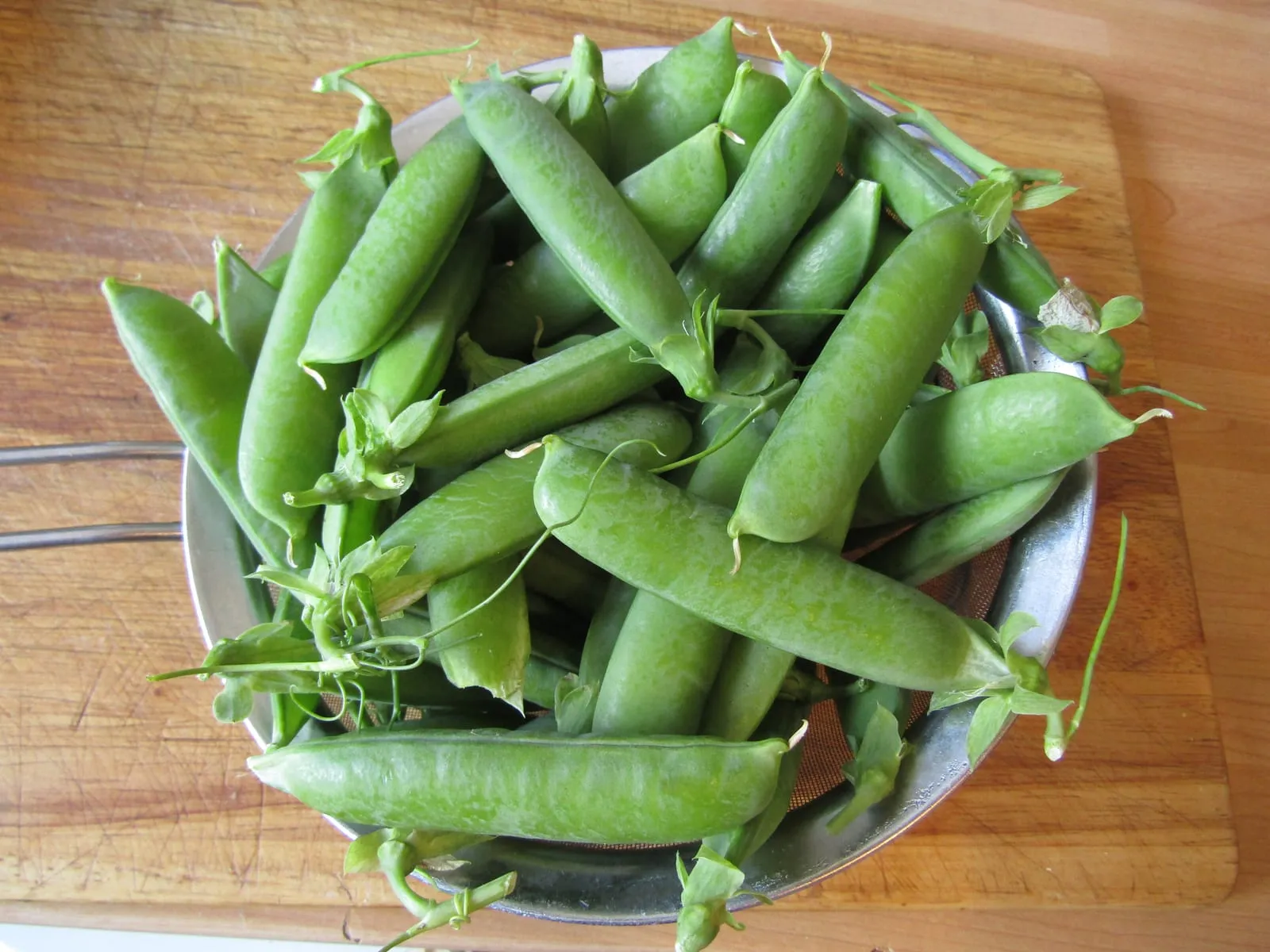
vegetable in zone 7a
Growing pea in zone 7a
Pisum sativum
- Zone
- 7a 0°F to 5°F
- Growing season
- 210 days
- Suitable varieties
- 4
- Days to harvest
- 55 to 75
The verdict
Zone 7a is a reliable zone for peas, not a marginal one. Peas are cool-season annuals without true chill-hour requirements in the fruit tree sense; they germinate when soil temperatures reach 40°F and perform best when daytime temperatures stay between 45°F and 75°F. Zone 7a's minimum winter temperatures (0°F to 5°F) pose no planting challenge, since peas are direct-sown in early spring and finished well before winter returns.
The 210-day growing season is longer than a single pea crop needs, which gives zone 7a growers two planting windows: a spring window (the primary season) and a fall window. The binding constraint in this zone is summer heat, not cold. Temperatures above 80°F cause vines to decline and pods to become fibrous quickly. Varieties like Lincoln and Sugar Snap have performed consistently across similar climates. Oregon Sugar Pod II and Cascadia carry tolerance to warm finishes, which matters at the tail end of zone 7a springs when heat arrives faster than expected.
Recommended varieties for zone 7a
4 cultivars suited to this zone, with disease-resistance and zone-fit annotations.
| Variety | Notes | Zone fit | Disease resistance |
|---|---|---|---|
| Lincoln fits zone 7a | Sweet, classic shelling-pea flavor; long pods with 7-9 dark green peas. Fresh, freezing, classic pea soup. Heritage variety, productive, cold-tolerant for early planting. | | none noted |
| Sugar Snap fits zone 7a | Very sweet, crisp, edible pod with full peas; the original snap pea. Fresh raw, stir-fries, blanched salads. AAS winner, productive, the home-garden snap pea standard. | | none noted |
| Oregon Sugar Pod II fits zone 7a | Sweet, tender, edible flat pod harvested before peas swell; classic snow pea. Stir-fries, fresh salads, garnish. Productive, disease-tolerant. | | none noted |
| Cascadia fits zone 7a | Sweet, crisp, full snap-pea flavor; short vines (3 ft) suit small gardens. Fresh raw, stir-fries. Productive, disease-resistant, the modern home-grower's compact snap. | | none noted |
Critical timing for zone 7a
Spring planting begins when soil temperatures reach 40°F to 45°F, typically late February through mid-March in zone 7a depending on elevation and microclimate. Seeding 6 to 8 weeks before the average last frost date captures the cool window peas require. Most zone 7a locations see last frost between late March and mid-April, putting prime pod harvest in late April through May.
Fall plantings are worth adding to the rotation. Seeding in late August to early September allows vines to establish as temperatures moderate, with harvest extending into November. First fall frost in zone 7a typically arrives in late October to mid-November, giving fall peas a workable run. The fall window also tends to escape the worst of the powdery mildew pressure that builds during warm, humid late-spring conditions.
Common challenges in zone 7a
- ▸ Cedar-apple rust
- ▸ Brown rot
- ▸ Fire blight
- ▸ High humidity disease pressure
Disease pressure to watch for
Modified care for zone 7a
The primary scheduling adjustment in zone 7a is ensuring spring plantings finish pod production before sustained heat arrives. Once daytime temperatures consistently reach 80°F, yields drop and pod quality deteriorates. Spring-planted peas should be setting pods by early May and harvested out by late May or early June in most zone 7a locations.
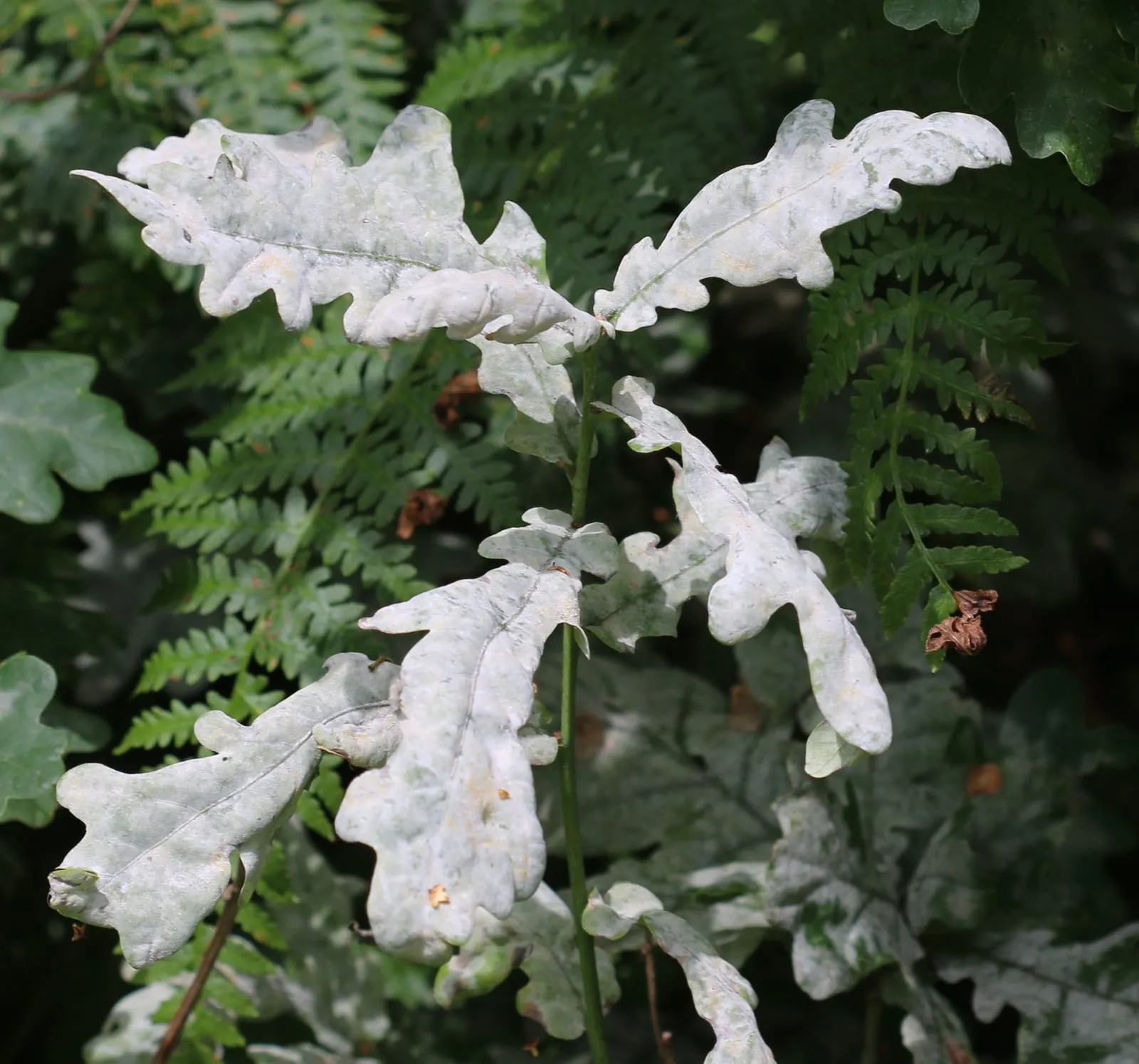
Vegetable powdery mildew is the disease to manage. Zone 7a's humidity, particularly across mid-Atlantic and Southeast portions of the zone, creates favorable conditions for mildew as spring temperatures rise. Cascadia and Oregon Sugar Pod II carry better field tolerance to powdery mildew than older open-pollinated types such as Lincoln. Wider row spacing, morning irrigation (not evening), and avoiding overhead water during pod fill all reduce infection pressure. Where mildew is a consistent problem, the fall planting window often produces cleaner crops than late-spring plantings that run directly into warm, humid conditions.
Pea in adjacent zones
Image: "-2020-06-28 Garden pea (Pisum sativum), Trimingham, Norfolk (1)", by Kolforn ( Kolforn ) I'd appreciate if you could mail me ([email protected]) if you want to use this picture out of the Wikimedia project scope. This file is licensed under the Creative Commons Attribution-Share Alike 4.0 International license. You are free: to share – to copy, distribute and transmit the work to remix – to adapt the work Under the following conditions: attribution – You must give appropriate credit, provide a link to the license, and indicate if changes were made. You may do so in any reasonable manner, but not in any way that suggests the licensor endorses you or your use. share alike – If you remix, transform, or build upon the material, you must distribute your contributions under the same or compatible license as the original. https://creativecommons.org/licenses/by-sa/4.0 CC BY-SA 4.0 Creative Commons Attribution-Share Alike 4.0 true true, via Wikimedia Commons, licensed under CC-BY Source.
,_Trimingham,_Norfolk_(1).JPG)
Related