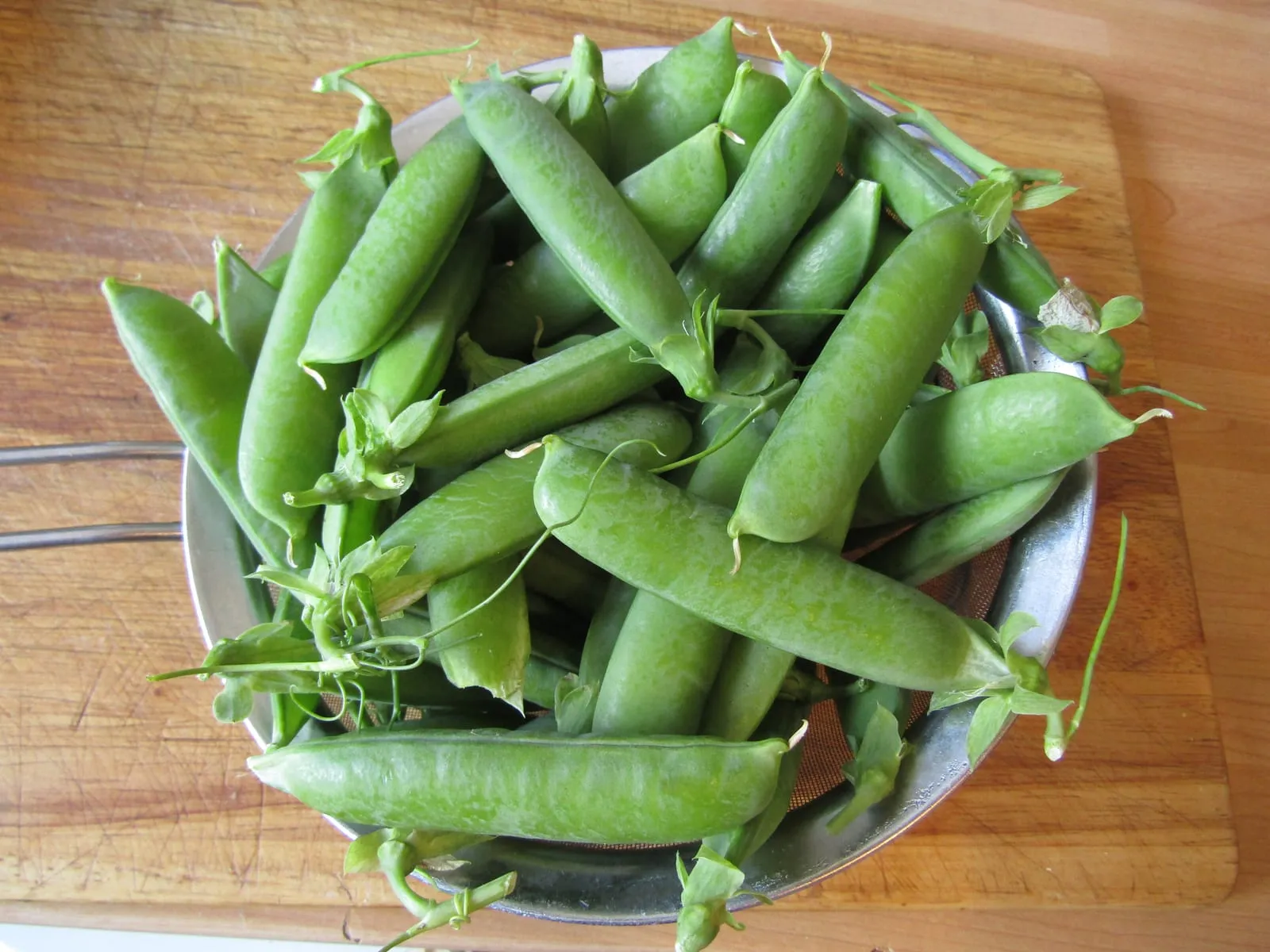
vegetable in zone 6b
Growing pea in zone 6b
Pisum sativum
- Zone
- 6b -5°F to 0°F
- Growing season
- 190 days
- Suitable varieties
- 4
- Days to harvest
- 55 to 75
The verdict
Zone 6b is a reliable sweet spot for peas, not a marginal one. Peas are cool-season annuals that prefer soil temperatures between 45°F and 65°F and air temperatures that stay well below 80°F during the active growing period. Zone 6b's winter minimum of -5°F to 0°F is irrelevant to pea culture since the crop is grown and harvested before summer heat arrives or replanted in late summer for a fall run. The 190-day growing season comfortably accommodates two pea crops per year if timing is managed carefully. Varieties like Lincoln, Sugar Snap, Cascadia, and Oregon Sugar Pod II all perform reliably in zone 6b and were largely developed or popularized in climates with similar cool-spring profiles. The primary limiting factor is not cold but heat: peas set pods poorly once daytime temperatures consistently exceed 80°F, which in zone 6b typically arrives in late June or July. Growers who plant on time can harvest and pull spring crops before that window closes.
Recommended varieties for zone 6b
4 cultivars suited to this zone, with disease-resistance and zone-fit annotations.
| Variety | Notes | Zone fit | Disease resistance |
|---|---|---|---|
| Lincoln fits zone 6b | Sweet, classic shelling-pea flavor; long pods with 7-9 dark green peas. Fresh, freezing, classic pea soup. Heritage variety, productive, cold-tolerant for early planting. | | none noted |
| Sugar Snap fits zone 6b | Very sweet, crisp, edible pod with full peas; the original snap pea. Fresh raw, stir-fries, blanched salads. AAS winner, productive, the home-garden snap pea standard. | | none noted |
| Oregon Sugar Pod II fits zone 6b | Sweet, tender, edible flat pod harvested before peas swell; classic snow pea. Stir-fries, fresh salads, garnish. Productive, disease-tolerant. | | none noted |
| Cascadia fits zone 6b | Sweet, crisp, full snap-pea flavor; short vines (3 ft) suit small gardens. Fresh raw, stir-fries. Productive, disease-resistant, the modern home-grower's compact snap. | | none noted |
Critical timing for zone 6b
In zone 6b, the average last spring frost falls between April 5 and April 20 depending on local topography and elevation. Peas tolerate light frost well and germinate in soil as cool as 40°F, so direct sowing can begin in late February or early March once soil is workable. Most shelling varieties reach harvest in 60 to 75 days; snap and snow types average 55 to 65 days. A late-February planting typically yields in late April through May, before powdery mildew and heat pressure build. For a fall crop, count back 10 to 12 weeks from the first expected fall frost (mid-October in most of zone 6b) and sow in mid- to late July. Fall crops often avoid the worst powdery mildew pressure because days shorten and cool before the crop matures.
Common challenges in zone 6b
- ▸ Cedar-apple rust
- ▸ Fire blight
- ▸ Stink bugs
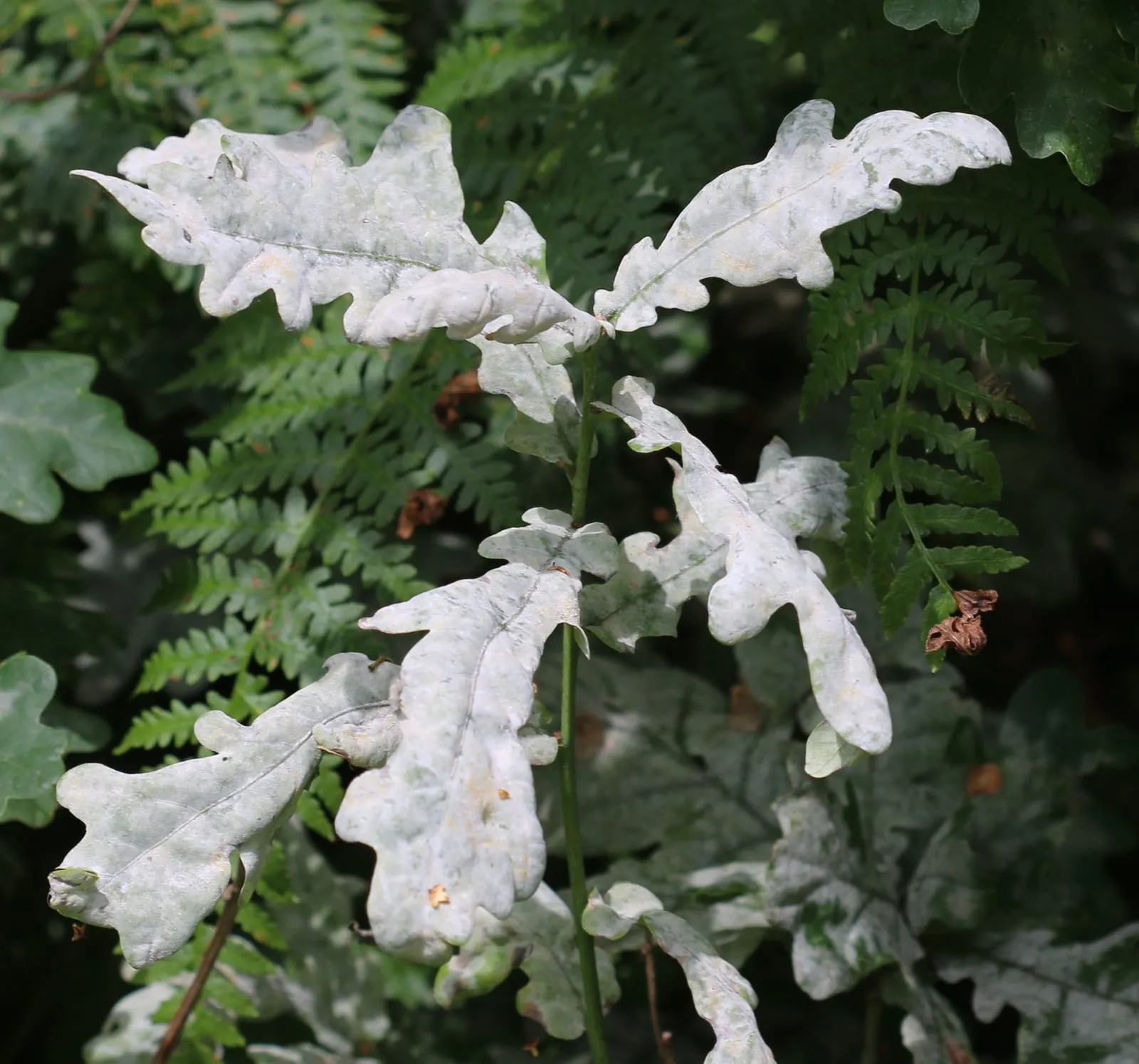
Disease pressure to watch for
Modified care for zone 6b
The main care adjustment in zone 6b is timing relative to summer heat, not winter cold. Planting as early as soil conditions allow, rather than waiting for the last frost date, is the single most effective strategy. Powdery mildew (caused by Erysiphe pisi) becomes a serious problem once humidity builds and nights stay warm, typically in late May through June. Choosing varieties with documented mildew resistance, such as Cascadia and Oregon Sugar Pod II, reduces but does not eliminate that pressure. Adequate spacing and row orientation to maximize airflow matter more in zone 6b than in cooler northern climates where the disease window is shorter. Stink bugs feed on developing pods in late spring and early summer; row cover removed once flowering begins can limit early damage. No special winter protection is needed since peas are pulled after harvest, not overwintered.
Frequently asked questions
- Can peas be grown twice per year in zone 6b?
Yes. A spring planting in late February or early March and a fall planting in mid-July both work in zone 6b. Spring crops are generally more productive because soil fertility is higher and pest pressure is lower early in the season. Fall crops are worth attempting but depend on accurate frost-date timing.
- Which pea types do best in zone 6b?
Snap peas like Sugar Snap and Cascadia and snow peas like Oregon Sugar Pod II perform reliably. Lincoln is a classic shelling pea with good disease tolerance. All four are suited to zone 6b's cool-spring profile. Avoid varieties bred specifically for short cool seasons in maritime climates, as they may underperform when spring warms quickly.
- How do I manage powdery mildew on peas in zone 6b?
Plant early so crops mature before late-May humidity builds. Choose mildew-resistant varieties such as Cascadia or Oregon Sugar Pod II. Space plants to allow airflow and avoid overhead irrigation in the evening. If the spring crop shows heavy infection, pull it promptly rather than letting it persist as an inoculum source for nearby plantings.
+−
+−
+−
Pea in adjacent zones
Image: "-2020-06-28 Garden pea (Pisum sativum), Trimingham, Norfolk (1)", by Kolforn ( Kolforn ) I'd appreciate if you could mail me ([email protected]) if you want to use this picture out of the Wikimedia project scope. This file is licensed under the Creative Commons Attribution-Share Alike 4.0 International license. You are free: to share – to copy, distribute and transmit the work to remix – to adapt the work Under the following conditions: attribution – You must give appropriate credit, provide a link to the license, and indicate if changes were made. You may do so in any reasonable manner, but not in any way that suggests the licensor endorses you or your use. share alike – If you remix, transform, or build upon the material, you must distribute your contributions under the same or compatible license as the original. https://creativecommons.org/licenses/by-sa/4.0 CC BY-SA 4.0 Creative Commons Attribution-Share Alike 4.0 true true, via Wikimedia Commons, licensed under CC-BY Source.
,_Trimingham,_Norfolk_(1).JPG)
Related