vegetable
Radish
Raphanus sativus
USDA hardiness range
- Zones
- 3a–9a
- Days to harvest
- 22 to 70
- Sun
- Full
- Water
- Moderate
- Lifespan
- annual
Growing radish
Radish (Raphanus sativus) is one of the fastest-maturing vegetables in the garden, with spring varieties like Cherry Belle reaching harvest in as few as 22 days. That speed makes radish useful as a gap crop between slower plantings, a quick-feedback test of soil condition, and a reliable early-season producer when the garden is otherwise idle.
The crop succeeds across a wide zone range, from 3a through 9a, but timing determines everything. Radish performs best in cool soil (50 to 65°F) and deteriorates rapidly in heat. In zones 8a and above, the spring window is narrow, often 6 to 8 weeks before daytime temperatures consistently push past 75°F. Summer plantings in those zones will bolt before developing usable roots. A fall planting, sowed 6 to 8 weeks before the first expected frost, often outperforms spring in warmer zones.
In zones 3a through 6b, both spring and fall crops work reliably. Radishes tolerate light frost, so fall plantings can extend well into October without heat pressure. The risk in short-season zones is the opposite: soil below 40°F slows germination and root development, potentially pushing harvest past the useful window before winter closes in.
What separates a productive planting from a failed one is almost always timing and prompt harvest. Radishes left in the ground past peak quickly become pithy, hollow, or sharp to the point of being inedible. The Cornell Radish Production Guide underscores this: days-to-harvest figures assume cool temperatures and good soil, and both departure from those conditions extends those timelines unpredictably.
Recommended varieties
See all 5 →5 cultivars for home growers, with notes on flavor, ripening, and disease resistance.
| Variety | Notes | Zone fit | Disease resistance |
|---|---|---|---|
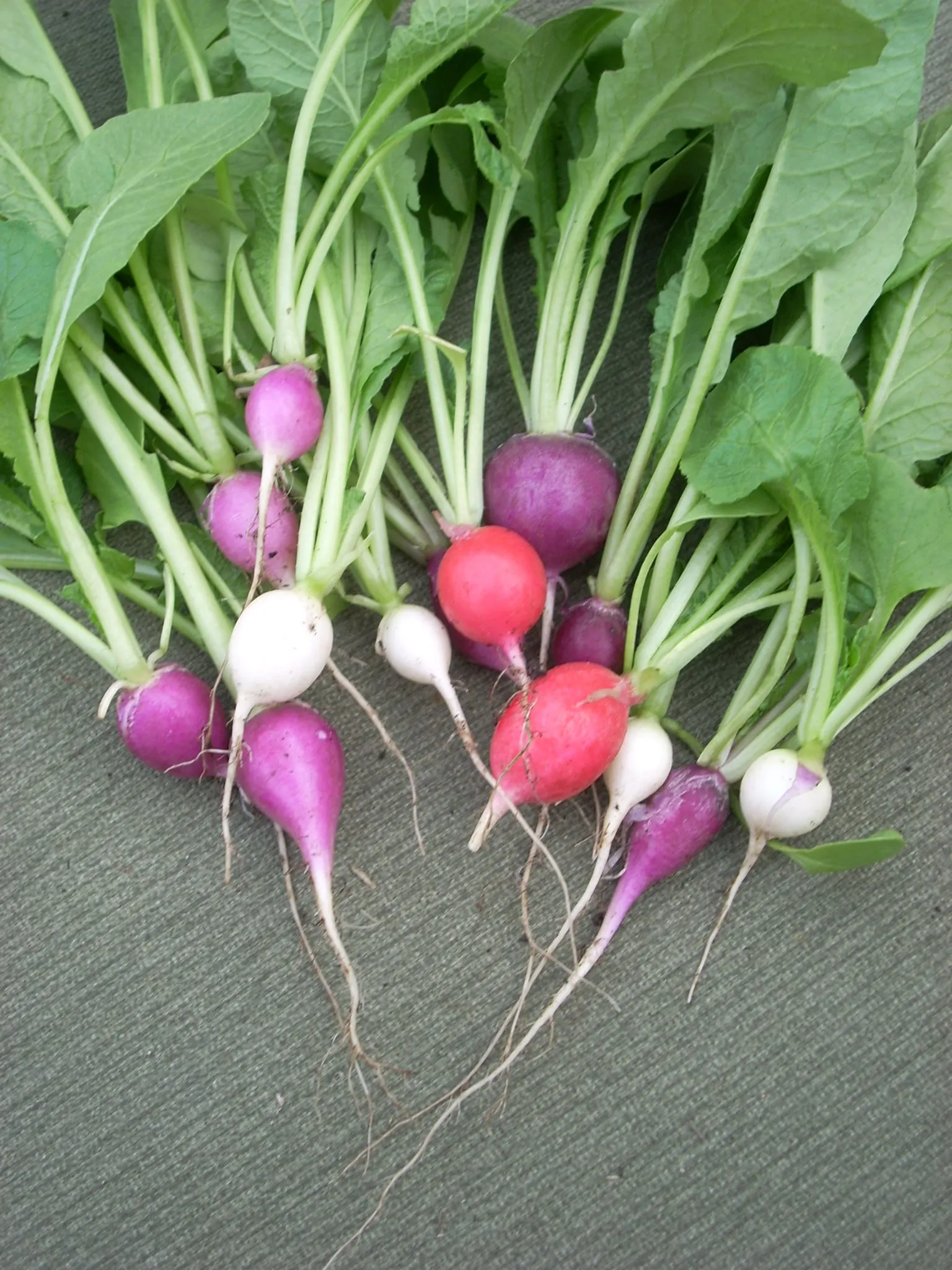
| Cherry Belle | Crisp, mildly peppery; small round bright-red roots with white flesh. Salads, fresh sliced on bread with butter. AAS winner, ready in 22 days, the home-garden quick-radish standard. | | none noted |
| French Breakfast | Mild, slightly peppery, crisp; oblong red roots with white tips. Sliced fresh with butter and salt, salads. Heritage French variety, milder than round types. | | none noted |
| Watermelon Radish | Mild, slightly sweet, large; pale green skin with deep pink flesh. Fresh raw, salads, pickling, dramatic plating. Asian heirloom, takes longer (60-70 days). | | none noted |
| Daikon | Mild, juicy, slightly sweet; long white Asian radish (12-18 inches). Pickling (takuan), grated raw, simmered in broth, fermented kimchi. Productive fall crop, stores 2-3 months. | | none noted |
| Black Spanish Round | Sharp, peppery, dense; black-skinned white-fleshed storage radish. Fermented, grated raw, soups. Heritage European variety, stores 4-6 months. | | none noted |
Soil and site requirements
Radish roots need loose, well-drained soil to develop cleanly. Dense, compacted, or clay-heavy ground produces forked, stunted, or misshapen roots even when every other condition is favorable. Loamy soil with a pH between 6.0 and 7.0 suits most varieties, with the upper end of that range (6.5 to 7.0) having the added benefit of suppressing clubroot activity. Work the bed to a depth of at least 6 inches before planting, removing rocks and breaking up clods that would deflect root growth.
Avoid high-nitrogen amendments applied immediately before planting. Excess nitrogen promotes leafy top growth at the expense of root development, a common cause of lush foliage paired with undersized, poor-quality roots.
Full sun is the baseline requirement: 6 or more hours of direct light daily. Partial shade is tolerable in high summer, where it can modestly slow bolting, but shade-grown radishes in cool weather produce slower, less uniform roots without any compensating benefit.
Spacing matters more than it typically gets credit for. Sow seed about 1 inch apart and thin to 2 to 3 inches after germination. Crowded plants produce small, misshapen roots or bolt prematurely. Rows spaced 6 inches apart allow adequate airflow, which reduces foliar disease pressure through the season.
Microclimate considerations apply in the extreme zones. South-facing beds in zones 3a through 5b warm earlier in spring, permitting planting 1 to 2 weeks ahead of north-facing beds in the same zone. In zones 8a and above, a site with afternoon shade extends the viable spring window by a similar margin.
Common diseases
Common pests
Pieris rapae
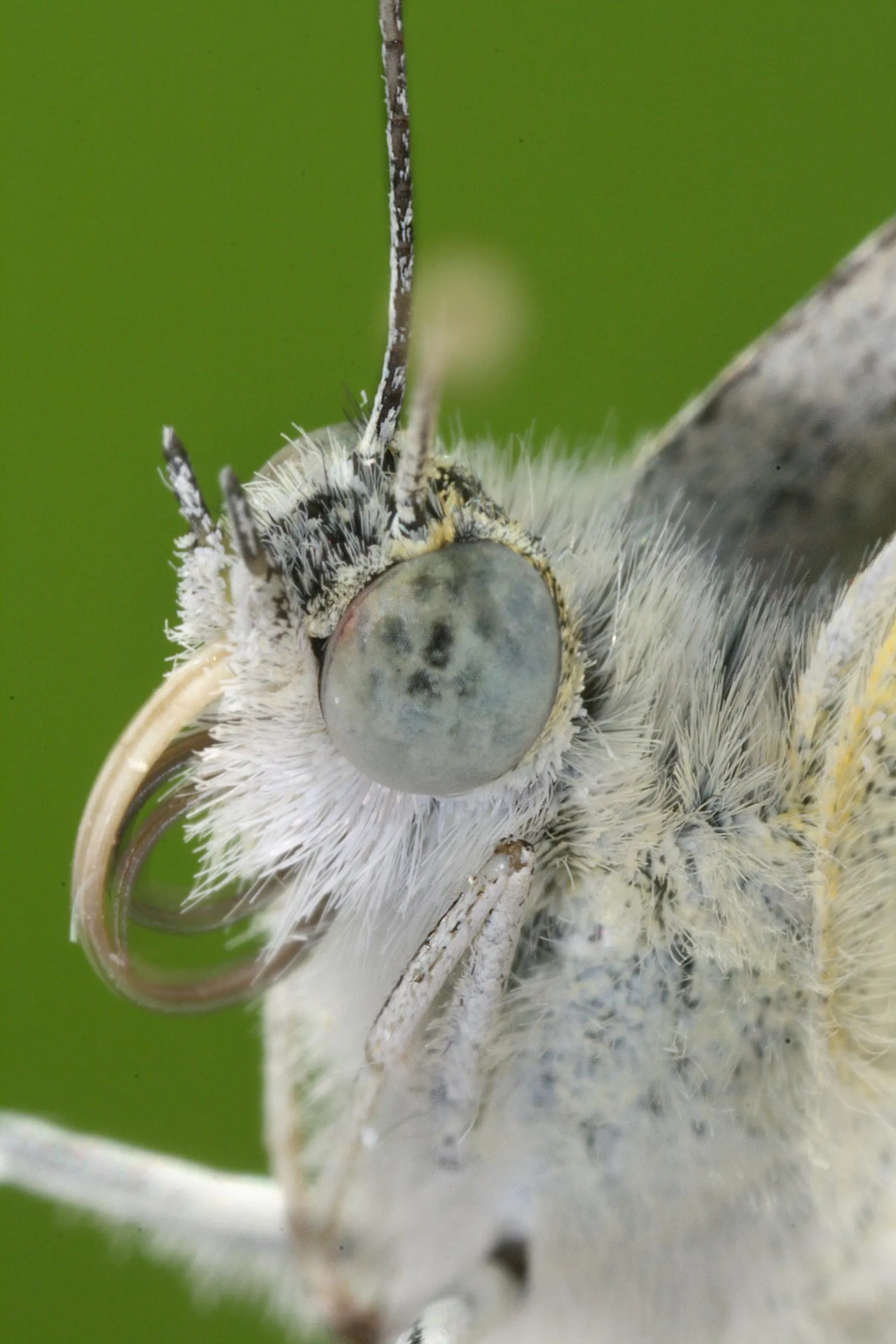
Velvety green caterpillars that chew large irregular holes in brassica leaves and bore into heads. Adults are the small white butterflies seen fluttering through the garden.
Multiple species (Chrysomelidae)
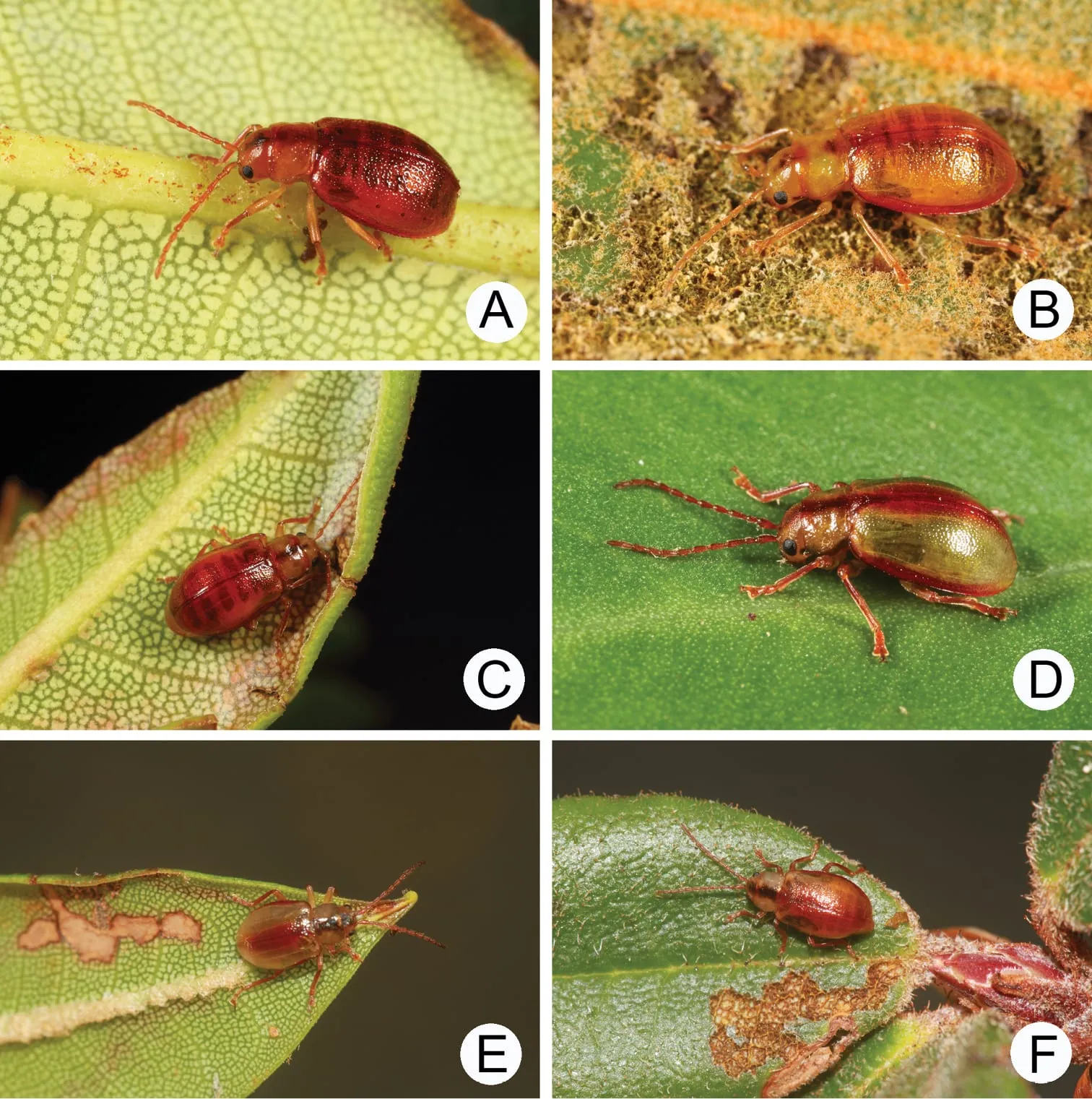
Tiny black or bronze jumping beetles that put hundreds of small holes in seedling leaves. Most damaging on direct-seeded brassicas and young eggplant.
Common challenges
Heat is the primary failure mode. When air temperatures consistently exceed 75 to 80°F, radishes bolt rather than develop roots. Once a flower stalk emerges, the roots become woody and inedibly sharp; the process is not reversible. In zones 7a and warmer, the spring planting window may close as early as late April or early May. Gardeners who miss it should plan a fall crop rather than attempting to force a summer planting.
Flea beetles are the most common pest across most growing regions. These small, jumping insects chew tiny holes in radish leaves throughout the season, weakening plants and making foliage unusable if greens are part of the harvest. Row cover applied at planting is the most reliable control; remove it when thinning or harvest begins. Flea beetle pressure is typically lighter in fall plantings than in spring.
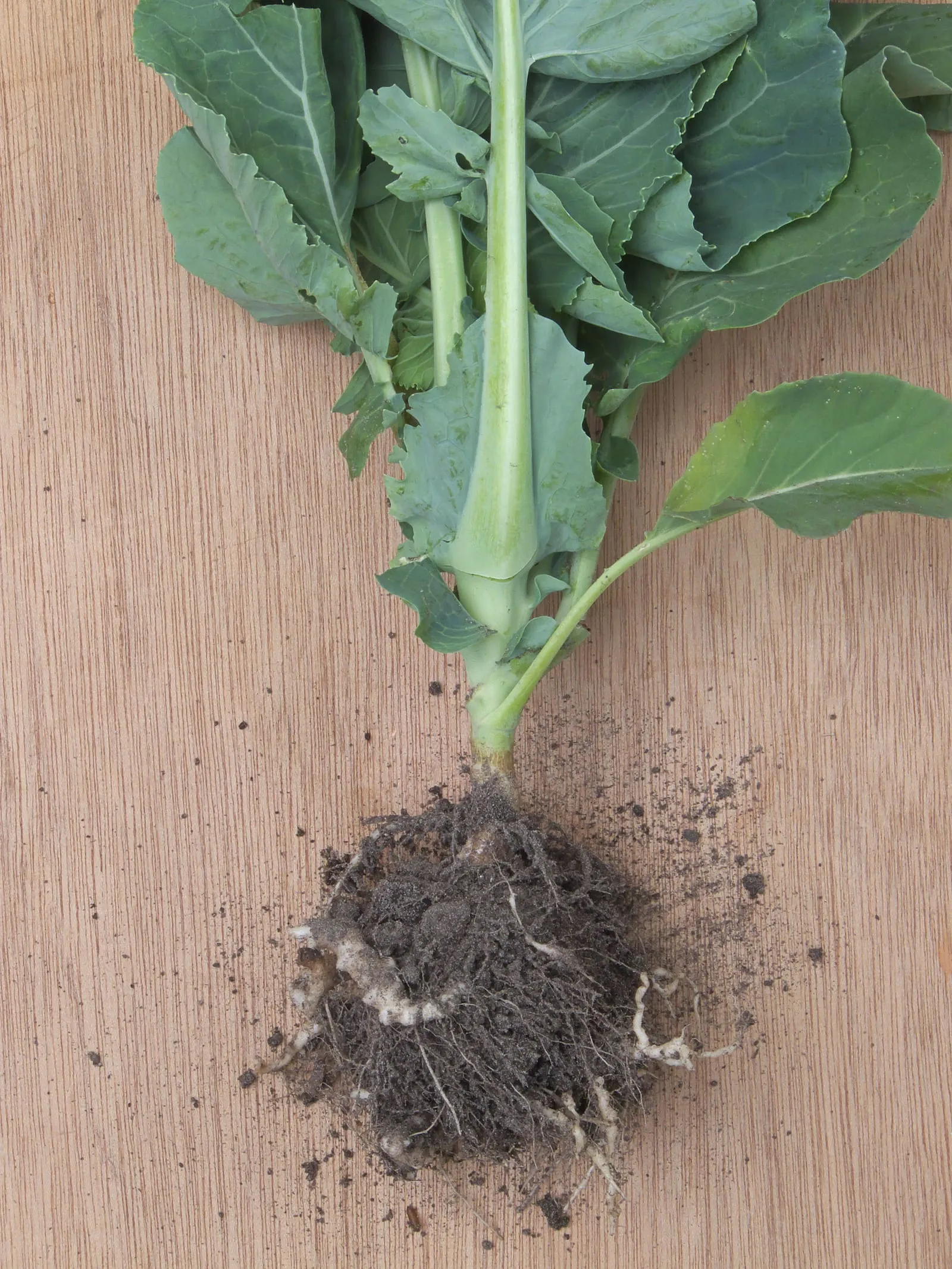
Clubroot, caused by the soil-borne pathogen Plasmodiophora brassicae, is the most consequential disease risk. Infected roots develop swollen, distorted galls that block water and nutrient uptake. There is no curative treatment once the pathogen is established in a bed. Clubroot persists in soil for up to 20 years, so rotation away from all brassica crops for at least 3 to 4 years is the primary management strategy. Raising soil pH toward 7.0 to 7.2 suppresses (but does not eliminate) clubroot activity. Any bed with a confirmed history of clubroot warrants soil testing before replanting radish or any related crop.
Companion plants
Frequently asked questions
- Do radishes have chill-hour requirements?
No. Chill-hour accumulation applies to dormant perennial crops like apples and peaches, not to cool-season annuals like radish. Radish prefers cool growing temperatures (50 to 65°F soil) but does not require a cold dormancy period. The relevant concern is avoiding heat, not meeting a minimum cold accumulation.
- How long does radish take from seed to harvest?
It varies by variety. Spring radishes like Cherry Belle are ready in 22 to 30 days under good conditions. Larger types such as Watermelon Radish take 60 to 70 days. Those figures assume cool soil and adequate moisture; heat and poor soil extend the timeline and degrade root quality before harvest size is reached.
- What USDA zones can grow radish?
Zones 3a through 9a. In zones 3a through 7b, both spring and fall crops are productive. In zones 8a and 9a, summer planting is impractical due to heat-triggered bolting; fall and winter crops are the reliable windows in those zones.
- Does radish need pollinators to produce a harvestable root?
No. Radish is grown for its root, not its fruit, so pollination is irrelevant to the harvest. Pollination only matters for seed saving. Radish flowers are insect-pollinated and will cross readily with other Raphanus sativus varieties if multiple types are flowering simultaneously in proximity.
- What is the most serious disease affecting radish?
Clubroot (Plasmodiophora brassicae) is the most consequential. The soil-borne pathogen causes swollen, distorted root galls that prevent normal development. It has no curative treatment and persists in soil for up to 20 years. Rotation with non-brassica crops and raising soil pH toward 7.0 to 7.2 are the primary management strategies.
- Why do radishes turn hollow or pithy before I pull them?
Pithy or hollow roots result from leaving radishes in the ground past peak maturity. Most spring varieties hold well for only a few days to a week after reaching harvest size. High temperatures accelerate the decline significantly. Check root diameter at the expected days-to-maturity and harvest promptly rather than waiting for a convenient moment.
- Can radish tolerate frost?
Yes. Established radishes tolerate light frosts down to approximately 28 to 30°F without root damage. Seeds germinate in soil as cool as 40°F, though germination is slow below 50°F. This frost tolerance makes fall crops practical in zones 3a through 6b as nights cool through September and October.
+−
+−
+−
+−
+−
+−
+−
Sources
Image: "Radish 3371103037 4ab07db0bf o", by Self, en:User:Jengod, via Wikimedia Commons, licensed under CC-BY. Source.

Radish by zone
Related