vegetable in zone 3a
Growing radish in zone 3a
Raphanus sativus
- Zone
- 3a -40°F to -35°F
- Growing season
- 90 days
- Suitable varieties
- 1
- Days to harvest
- 22 to 70
The verdict
Radish is one of the better-adapted vegetables for zone 3a. Unlike fruit crops that require specific chill-hour accumulation, radishes are direct-seeded annuals that complete their lifecycle well within the 90-day growing window. They are cool-season crops that actually prefer the cold shoulder seasons zone 3a offers in abundance, germinating in soil as cool as 40°F and maturing fastest when daytime temperatures stay in the 50s and 60s.
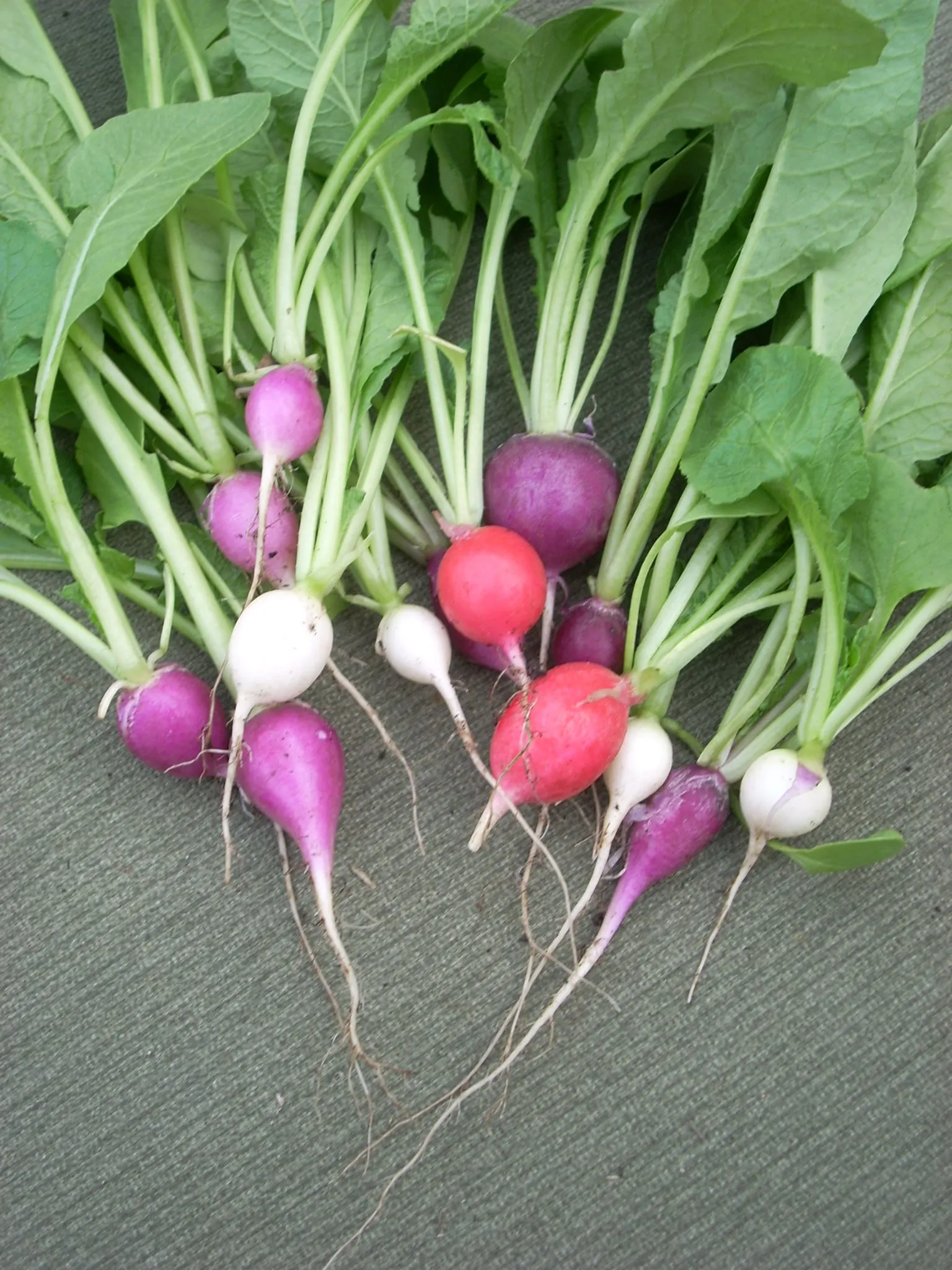
Zone 3a is not marginal for radish, it is close to a sweet spot for spring and early-fall sowings. The main constraint is the compressed window between the last killing frost and the first summer heat, which can push radishes to bolt before sizing up. Cherry Belle, the variety best documented for this zone, matures in roughly 22 to 24 days, making it well-matched to the available season length. Larger storage-type radishes with 50-plus-day maturities are riskier, as the fall window may close before roots are ready.
Recommended varieties for zone 3a
1 cultivar suited to this zone, with disease-resistance and zone-fit annotations.
| Variety | Notes | Zone fit | Disease resistance |
|---|---|---|---|
| Cherry Belle fits zone 3a | Crisp, mildly peppery; small round bright-red roots with white flesh. Salads, fresh sliced on bread with butter. AAS winner, ready in 22 days, the home-garden quick-radish standard. | | none noted |
Critical timing for zone 3a
Last spring frost in zone 3a typically falls between late May and early June depending on elevation and local topography. Direct sow as soon as the soil can be worked, which in most zone 3a locations means late April to mid-May; seedlings tolerate light frost. Cherry Belle can be ready for harvest within 22 to 24 days of germination, which places the first harvest window in late May to mid-June.
Succession sowings every 10 to 14 days extend the harvest through July. Pause sowing when daytime highs consistently exceed 80°F, as heat accelerates bolting and pithy roots. Resume in late July or early August for a fall run; radishes sown 4 to 5 weeks before the expected first fall frost (typically mid-August to early September in zone 3a) will size up before the ground hardens.
Common challenges in zone 3a
- ▸ Very short growing season
- ▸ Late spring frosts
- ▸ Limited fruit-tree options
- ▸ Heavy mulching required
Disease pressure to watch for
Modified care for zone 3a
The primary adjustment in zone 3a is timing discipline. Late spring frosts arrive unpredictably; cover young seedlings with row fabric if a hard frost is forecast after germination. Consistent soil moisture matters more than in warmer zones because the short season leaves little time to recover from drought stress or bolting.
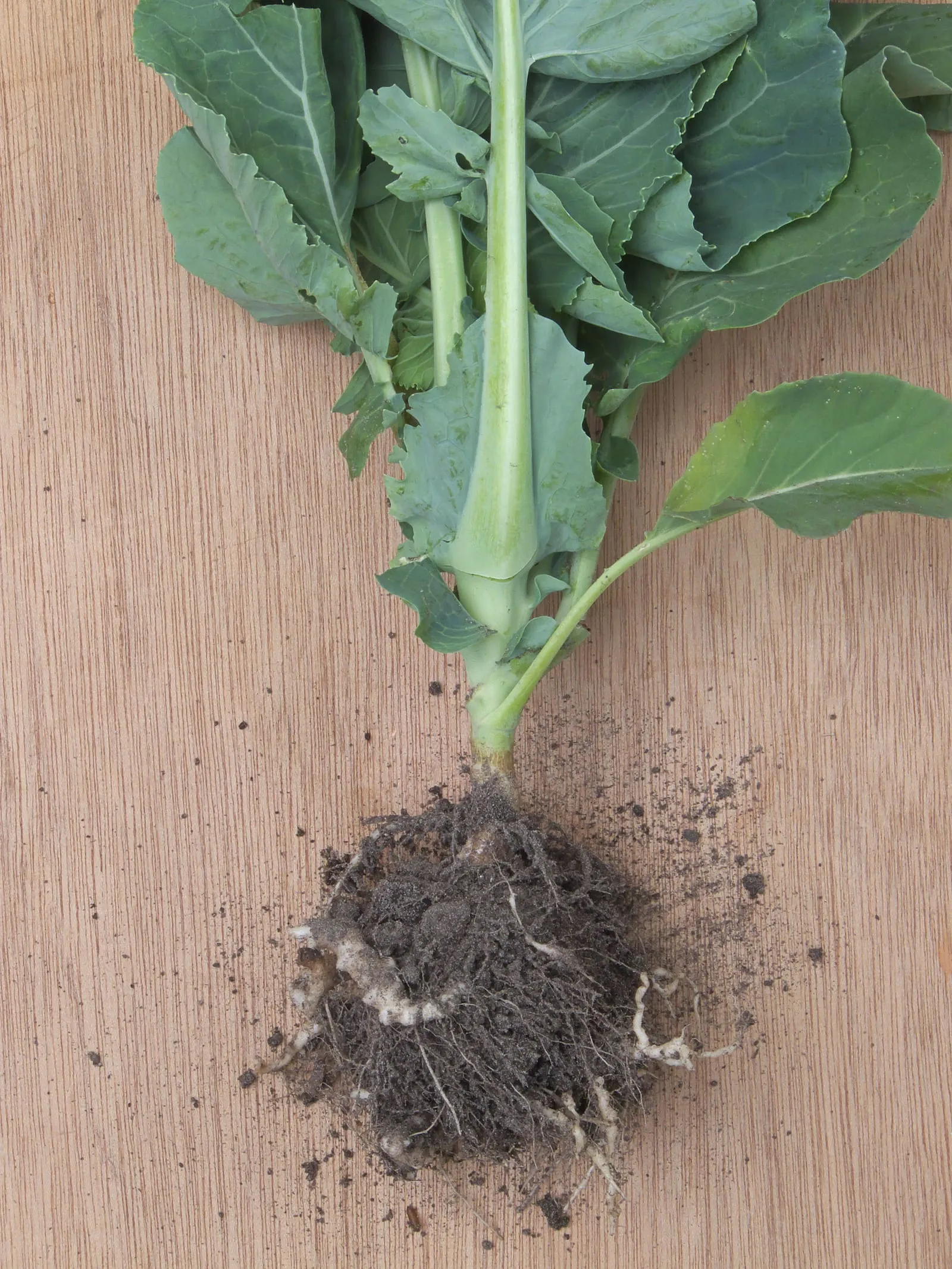
Clubroot is the main disease concern. It persists in soil for up to 20 years and is most damaging in acidic, poorly drained ground. Lime the bed to bring pH above 7.0 and avoid planting any brassica family crop in the same spot more than once every 4 to 5 years. Heavy mulching, recommended generally in zone 3a to buffer soil temperature swings, should be applied after soil warms to avoid delaying germination. Black plastic mulch can accelerate soil warm-up in early spring, buying a few extra days at the start of the season.
Frequently asked questions
- Can radishes handle frost in zone 3a?
Young radish seedlings tolerate light frosts down to around 28°F. Seeds germinate in soil as cool as 40°F, so early sowing is practical. Hard late-spring frosts below 26°F can damage emerged seedlings; row cover provides adequate protection.
- Why do radishes bolt before sizing up in zone 3a?
Bolting is triggered by a combination of long days and heat rather than cold. Once daytime temperatures consistently exceed 80°F and day length stretches past 14 hours, radishes shift energy to flowering. Sowing early enough that roots size up before mid-summer heat arrives is the main countermeasure.
- Is Cherry Belle the only viable variety for zone 3a?
Cherry Belle is the most reliably documented variety for short-season conditions, but other fast-maturing spring radishes in the 22-to-28-day range should perform comparably. Avoid long-season storage radishes like daikon unless starting them in midsummer for a fall harvest.
- How do you manage clubroot in a zone 3a radish bed?
Raise soil pH to 7.0 or above with ground limestone, improve drainage, and rotate brassica crops on at least a 4-year cycle. Infected plant material should be removed and disposed of, not composted, since clubroot spores survive decomposition.
+−
+−
+−
+−
Radish in adjacent zones
Image: "Radish 3371103037 4ab07db0bf o", by Self, en:User:Jengod, via Wikimedia Commons, licensed under CC-BY Source.

Related