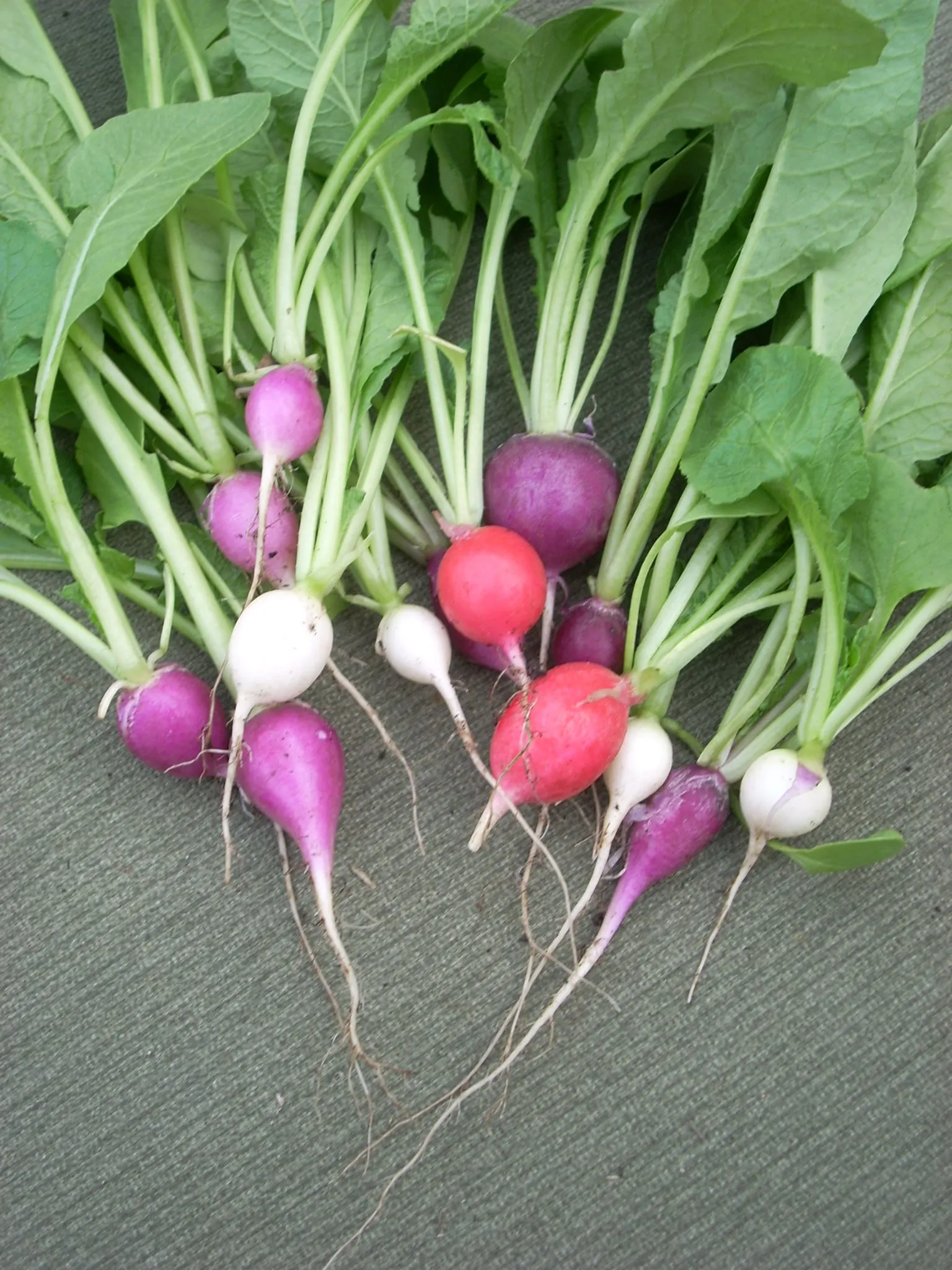
vegetable in zone 3b
Growing radish in zone 3b
Raphanus sativus
- Zone
- 3b -35°F to -30°F
- Growing season
- 100 days
- Suitable varieties
- 3
- Days to harvest
- 22 to 70
The verdict
Radish is one of the most reliably productive crops for zone 3b. Unlike fruit trees or perennial vegetables, radish carries no chill-hour requirement and no vernalization dependency. The constraint in zone 3b is calendar length, not cold tolerance, and radish is among the fastest-maturing vegetables in common cultivation. Spring varieties like Cherry Belle reach harvest in 22 to 28 days; French Breakfast runs 25 to 30 days. A 100-day growing season comfortably supports multiple successions.
The cool temperatures that define zone 3b growing conditions are a genuine advantage. Radish prefers soil temperatures in the 50 to 65°F range and tends to bolt or develop pithy roots when heat accumulates. The compressed, mild summers of zone 3b limit that risk considerably. Black Spanish Round, a storage-type winter radish requiring 55 to 60 days to maturity, is the tightest fit among the compatible varieties, but still achievable with careful timing. Zone 3b is a practical sweet spot for radish, not a marginal one.
Recommended varieties for zone 3b
3 cultivars suited to this zone, with disease-resistance and zone-fit annotations.
| Variety | Notes | Zone fit | Disease resistance |
|---|---|---|---|
| Cherry Belle fits zone 3b | Crisp, mildly peppery; small round bright-red roots with white flesh. Salads, fresh sliced on bread with butter. AAS winner, ready in 22 days, the home-garden quick-radish standard. | | none noted |
| French Breakfast fits zone 3b | Mild, slightly peppery, crisp; oblong red roots with white tips. Sliced fresh with butter and salt, salads. Heritage French variety, milder than round types. | | none noted |
| Black Spanish Round fits zone 3b | Sharp, peppery, dense; black-skinned white-fleshed storage radish. Fermented, grated raw, soups. Heritage European variety, stores 4-6 months. | | none noted |
Critical timing for zone 3b
In zone 3b, the last spring frost typically falls in late May to early June depending on elevation and local topography. Direct sowing can begin as soon as soil is workable and consistently above 40°F, often late April or early May under row cover. Spring varieties reach harvest before summer heat becomes a factor, typically by late June.
Fall planting requires back-calculation from the first frost, which arrives in early to mid-September in most of zone 3b. Cherry Belle and French Breakfast need 25 to 30 days, so a mid-August sowing catches the fall window cleanly. Black Spanish Round at 55 to 60 days needs a late-July start for reliable maturity before hard frost. Fall-harvested Black Spanish Round stores well in a root cellar through winter, making late-season timing worth the planning effort.
Common challenges in zone 3b
- ▸ Short season
- ▸ Winter desiccation
- ▸ Site selection critical for fruit trees
Disease pressure to watch for
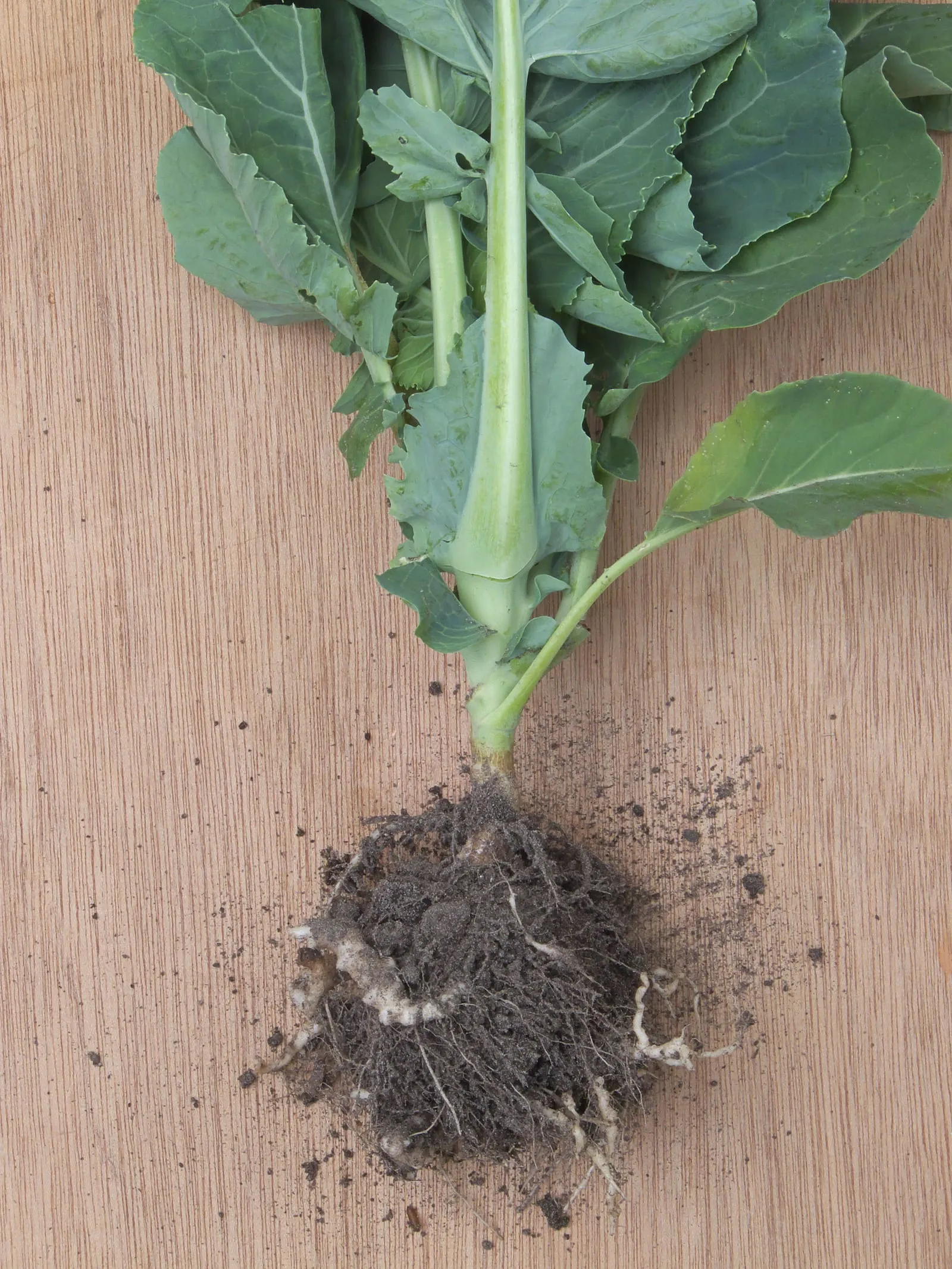
Modified care for zone 3b
The primary disease concern for radish in zone 3b is clubroot, a soilborne pathogen (Plasmodiophora brassicae) that persists in acidic soils and stunts root development across all brassica family crops. Maintaining soil pH above 7.0 through lime applications reduces infection pressure significantly. Avoid planting radish in ground that has grown cabbage, broccoli, kale, or other brassicas within the previous three years.
The short zone 3b season rewards succession planting over single large sowings. Planting every 10 to 14 days from late April through early August keeps the harvest spread across the season and avoids the glut-and-gap pattern common with single-sowing approaches. Row cover applied at planting warms soil by 4 to 8°F, allowing earlier starts and protecting against late-spring frost events. For Black Spanish Round, row cover at season's end extends usable harvest time when early frost threatens to catch the crop short of maturity.
Frequently asked questions
- Can radish handle zone 3b winters if left in the ground?
No. Mature radish roots left in the ground through zone 3b winters will freeze solid and become unusable. Black Spanish Round and other storage radishes should be harvested before hard frost and stored in a root cellar or insulated space at 32 to 40°F with high humidity.
- How many radish successions fit in a 100-day zone 3b season?
Spring varieties maturing in 25 to 30 days can support three to four successions between late April and late July. Planting every 10 to 14 days keeps harvests spread. A final fall sowing in mid-August rounds out the season before September frost arrives.
- Does clubroot affect radish the same way it affects cabbage?
Clubroot infects all brassica family crops including radish, causing swollen, distorted roots and stunted growth. The impact on a fast-maturing spring radish can be less dramatic than on a long-season cabbage, but yield and root quality still suffer. Soil pH management and crop rotation are the primary controls.
+−
+−
+−
Radish in adjacent zones
Image: "Radish 3371103037 4ab07db0bf o", by Self, en:User:Jengod, via Wikimedia Commons, licensed under CC-BY Source.

Related