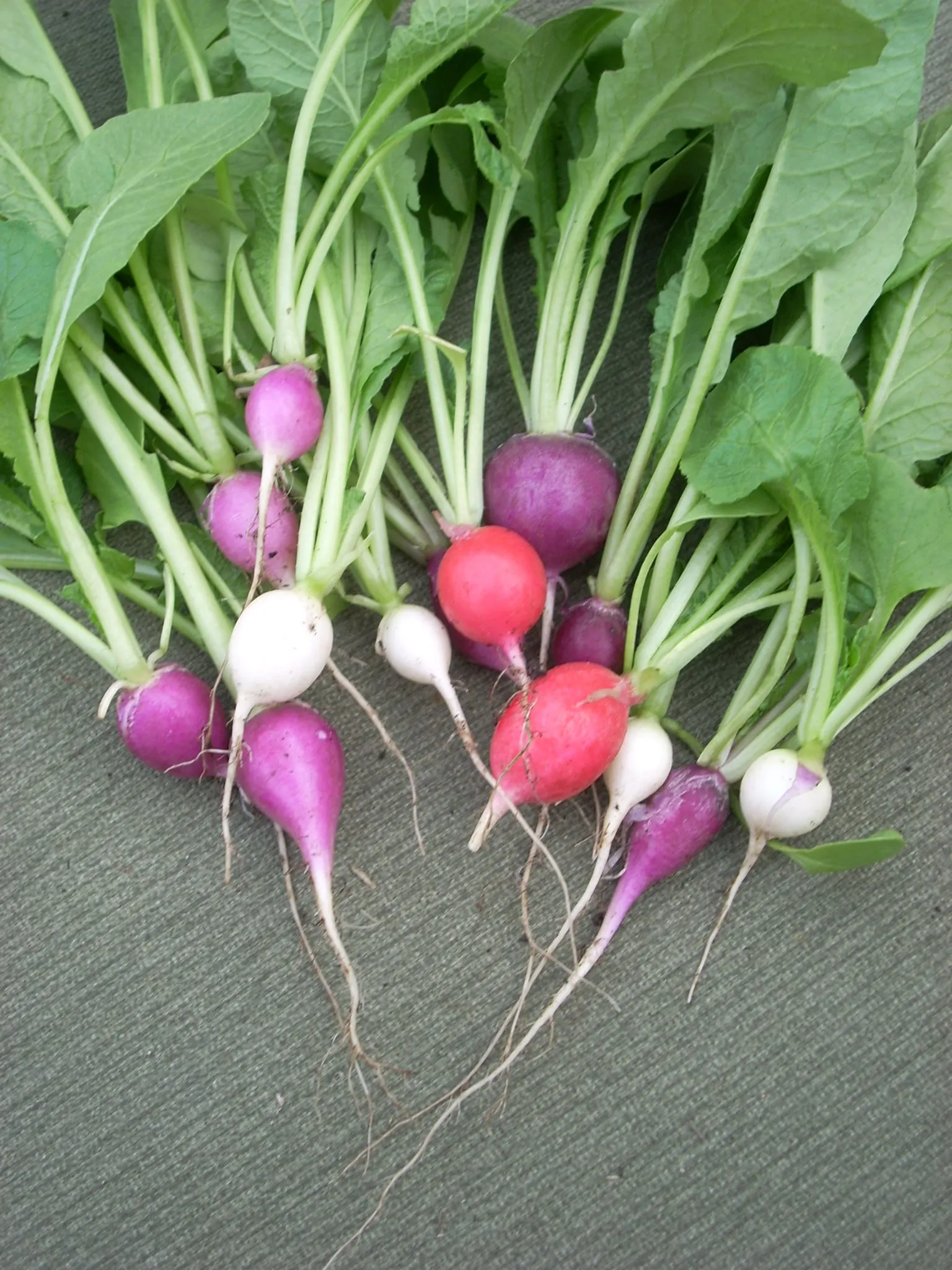
vegetable in zone 6b
Growing radish in zone 6b
Raphanus sativus
- Zone
- 6b -5°F to 0°F
- Growing season
- 190 days
- Suitable varieties
- 5
- Days to harvest
- 22 to 70
The verdict
Radishes are cool-season annuals with no chill-hour requirement, which makes zone 6b a reliable fit rather than a marginal one. The 190-day growing season provides two distinct planting windows: a spring window before summer heat arrives and a fall window after peak temperatures subside. Small-rooted varieties like Cherry Belle and French Breakfast reach maturity in 22 to 30 days, well within either window. Larger storage types such as Daikon and Black Spanish Round need 50 to 70 days, which fits comfortably in a fall succession started in late August.
The binding constraint in zone 6b is not cold but heat. Radishes sown into warming June or July soils will bolt before producing usable roots. The zone's reliable spring cool period and extended fall window make it more suitable for radishes than warmer zones where the cool planting window compresses sharply. Watermelon Radish, which prefers cooler soil for color development, is particularly well matched to fall timing here.
Recommended varieties for zone 6b
5 cultivars suited to this zone, with disease-resistance and zone-fit annotations.
| Variety | Notes | Zone fit | Disease resistance |
|---|---|---|---|
| Cherry Belle fits zone 6b | Crisp, mildly peppery; small round bright-red roots with white flesh. Salads, fresh sliced on bread with butter. AAS winner, ready in 22 days, the home-garden quick-radish standard. | | none noted |
| French Breakfast fits zone 6b | Mild, slightly peppery, crisp; oblong red roots with white tips. Sliced fresh with butter and salt, salads. Heritage French variety, milder than round types. | | none noted |
| Watermelon Radish fits zone 6b | Mild, slightly sweet, large; pale green skin with deep pink flesh. Fresh raw, salads, pickling, dramatic plating. Asian heirloom, takes longer (60-70 days). | | none noted |
| Daikon fits zone 6b | Mild, juicy, slightly sweet; long white Asian radish (12-18 inches). Pickling (takuan), grated raw, simmered in broth, fermented kimchi. Productive fall crop, stores 2-3 months. | | none noted |
| Black Spanish Round fits zone 6b | Sharp, peppery, dense; black-skinned white-fleshed storage radish. Fermented, grated raw, soups. Heritage European variety, stores 4-6 months. | | none noted |
Critical timing for zone 6b
Spring sowings can begin 5 to 6 weeks before the average last frost date, placing the opening window in late March to early April across most of zone 6b. Cherry Belle and French Breakfast are harvestable in 22 to 30 days; sowing every 10 days extends the spring harvest through mid-May before bolt risk climbs. Once daytime temperatures consistently exceed 75°F, radishes shift energy toward flowering rather than root development, ending the spring window.
Fall sowings begin 8 to 10 weeks before the average first frost, generally late August into early September. Daikon and Black Spanish Round, which need 50 to 65 days, are the best candidates for fall timing. Both tolerate light frosts that slow but do not halt growth, and cooler soil in the final weeks before harvest tends to improve root density and flavor. Watermelon Radish develops its characteristic interior color most reliably in fall conditions.
Common challenges in zone 6b
- ▸ Cedar-apple rust
- ▸ Fire blight
- ▸ Stink bugs
Disease pressure to watch for
Modified care for zone 6b
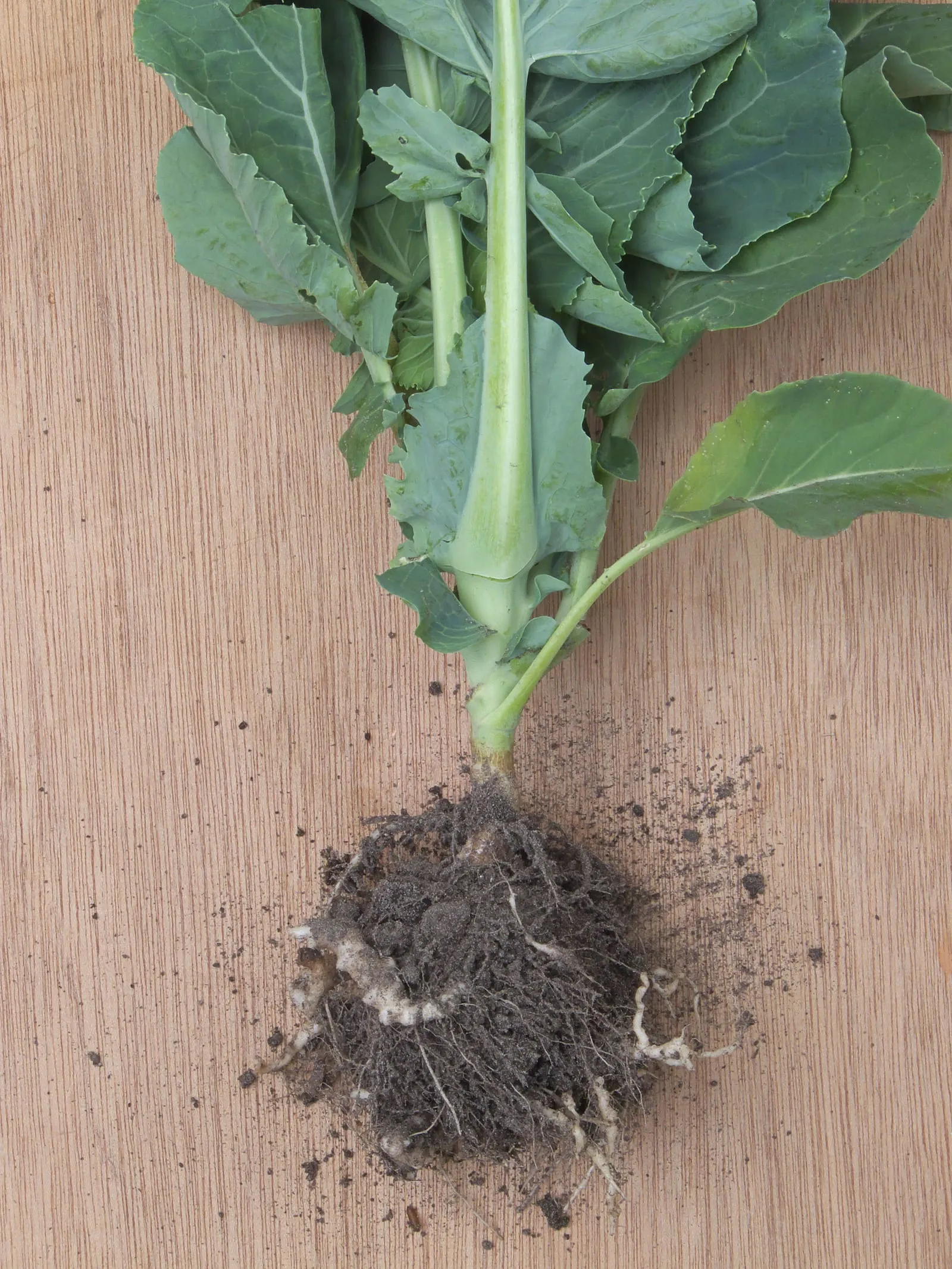
Clubroot is the primary disease concern for radishes and other brassicas in zone 6b. The soil-borne pathogen persists for 10 to 20 years once established, so rotating radishes and all brassica family crops out of previously infected beds is essential. Raising soil pH to 7.0 or above suppresses clubroot infection, which is most aggressive in acidic conditions below 6.5.
Stink bugs, present across zone 6b, will puncture radish roots and cause cosmetic or structural damage. Row cover applied at germination and kept on through harvest blocks most stink bug pressure without requiring pesticide applications.
In spring, zone 6b temperatures can spike from comfortable to bolt-inducing across a single week in late April or early May. Monitoring soil temperature and using lightweight shade cloth during warm spells can extend the spring harvest window by one to two weeks. Germination is optimal at soil temperatures between 50 and 65°F; sowing into soil above 70°F reduces stand uniformity and accelerates bolting.
Frequently asked questions
- Can radishes survive frost in zone 6b?
Young radish seedlings tolerate light frosts down to around 28°F without significant damage. Fall-grown radishes actually benefit from cool temperatures approaching first frost, which concentrates sugars and improves flavor. Hard freezes below 25°F will damage unprotected leaves, though roots in the ground can often be salvaged with a layer of straw mulch.
- Why do radishes bolt before forming a usable root in zone 6b?
Bolting is triggered by sustained warm temperatures, long days, or both. In zone 6b, late spring sowings made after mid-April often encounter the warming days of May before roots size up. Sow earlier in spring or shift to fall sowings after late August to keep radishes in the 50 to 70°F soil temperature range where root development outpaces flowering.
- What is clubroot and how do I prevent it in a zone 6b garden?
Clubroot is a soil-borne disease caused by the organism Plasmodiophora brassicae that deforms roots of brassica crops, including radishes. Prevention relies on crop rotation (avoid planting any brassica in the same bed more than once every four years), maintaining soil pH at 7.0 or above, and sourcing transplants or seed from clean sources. There is no cure once a bed is infected.
- Which radish varieties are best for fall growing in zone 6b?
Daikon, Black Spanish Round, and Watermelon Radish are the strongest performers for fall sowings in zone 6b. All three need 50 to 65 days to mature, which aligns well with a late-August sowing before first frost. Watermelon Radish develops its pink interior color most reliably when roots mature in soil below 60°F.
+−
+−
+−
+−
Radish in adjacent zones
Image: "Radish 3371103037 4ab07db0bf o", by Self, en:User:Jengod, via Wikimedia Commons, licensed under CC-BY Source.

Related