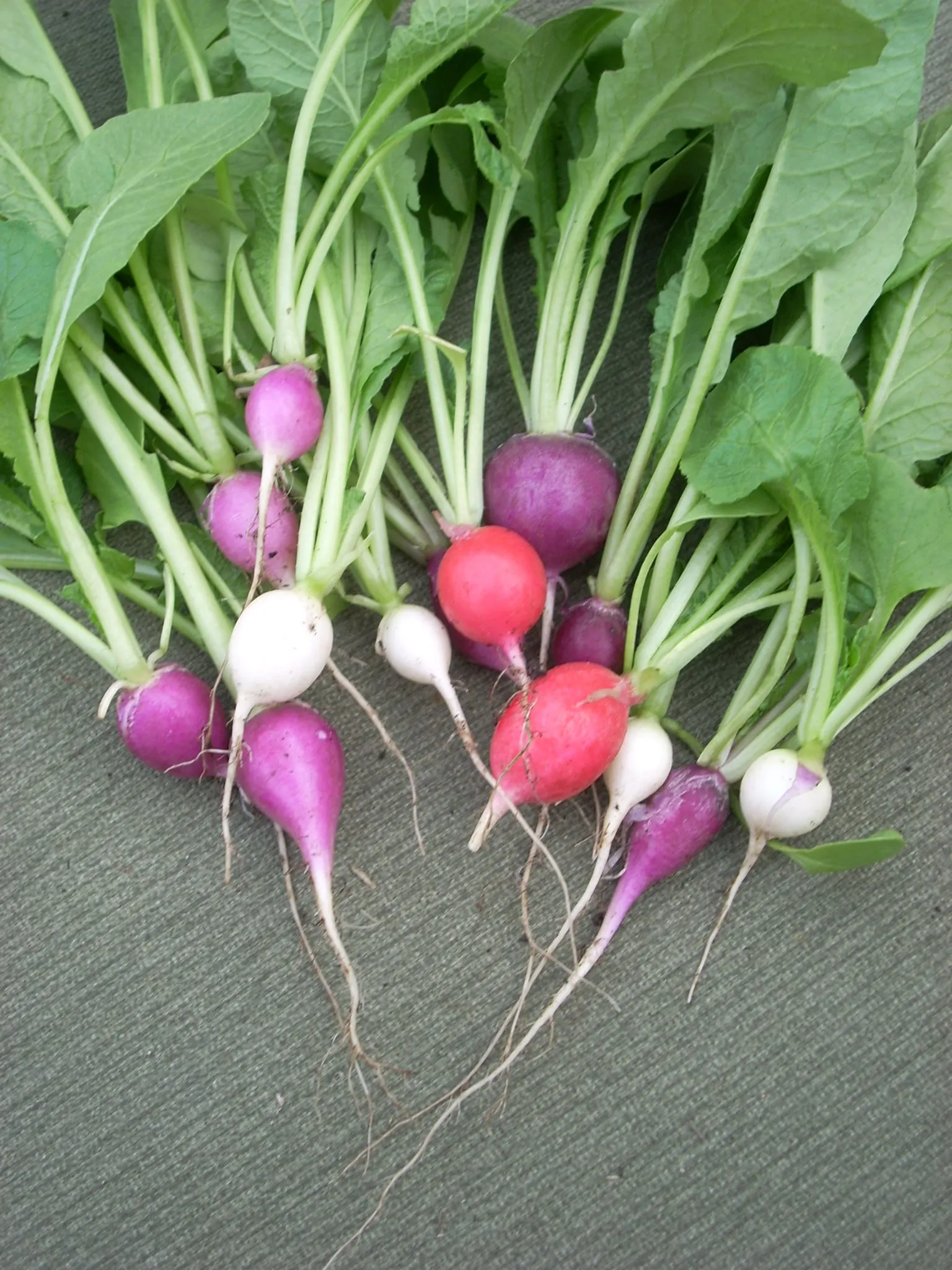
vegetable in zone 9a
Growing radish in zone 9a
Raphanus sativus
- Zone
- 9a 20°F to 25°F
- Growing season
- 290 days
- Suitable varieties
- 0
- Days to harvest
- 22 to 70
The verdict
Radish is a cool-season annual with no chill-hour requirement, which makes zone 9a a workable environment once growers accept its fundamental constraint: summer is off the table. The 290-day growing season is an asset, but only the cooler portion of it applies. Radish bolts rapidly when daytime temperatures climb above 75°F, producing seed stalks instead of the edible root.
For fall, winter, and early spring production, zone 9a is close to ideal. Mild winters keep the soil workable year-round, and the absence of hard freezes means radishes planted in October can be harvested through February without row cover. Small salad varieties (25 to 30 days to maturity) turn over quickly enough to fit multiple successions between the end of summer heat and the return of it. Daikon and other long-season types need a longer cool window and do best when started in late October or November.
Critical timing for zone 9a
The practical planting window in zone 9a runs from mid-September through early March, with the most reliable harvests coming from October and November sowings. Seeds germinate in soil temperatures between 45°F and 85°F; zone 9a soils rarely dip below that range in winter, so germination is fast and consistent.
Small globe varieties are ready in 25 to 30 days; daikon types need 50 to 60 days. A September start can yield a first harvest before Thanksgiving. Successive sowings every two to three weeks extend the season through late February before warming soils trigger bolting. Spring frost is rarely a limiting factor in zone 9a, so the timing decision is almost entirely about avoiding heat rather than protecting against cold.
Common challenges in zone 9a
- ▸ Limited stone fruit options due to insufficient chill
- ▸ Hurricane and tropical storm exposure
- ▸ Citrus disease pressure
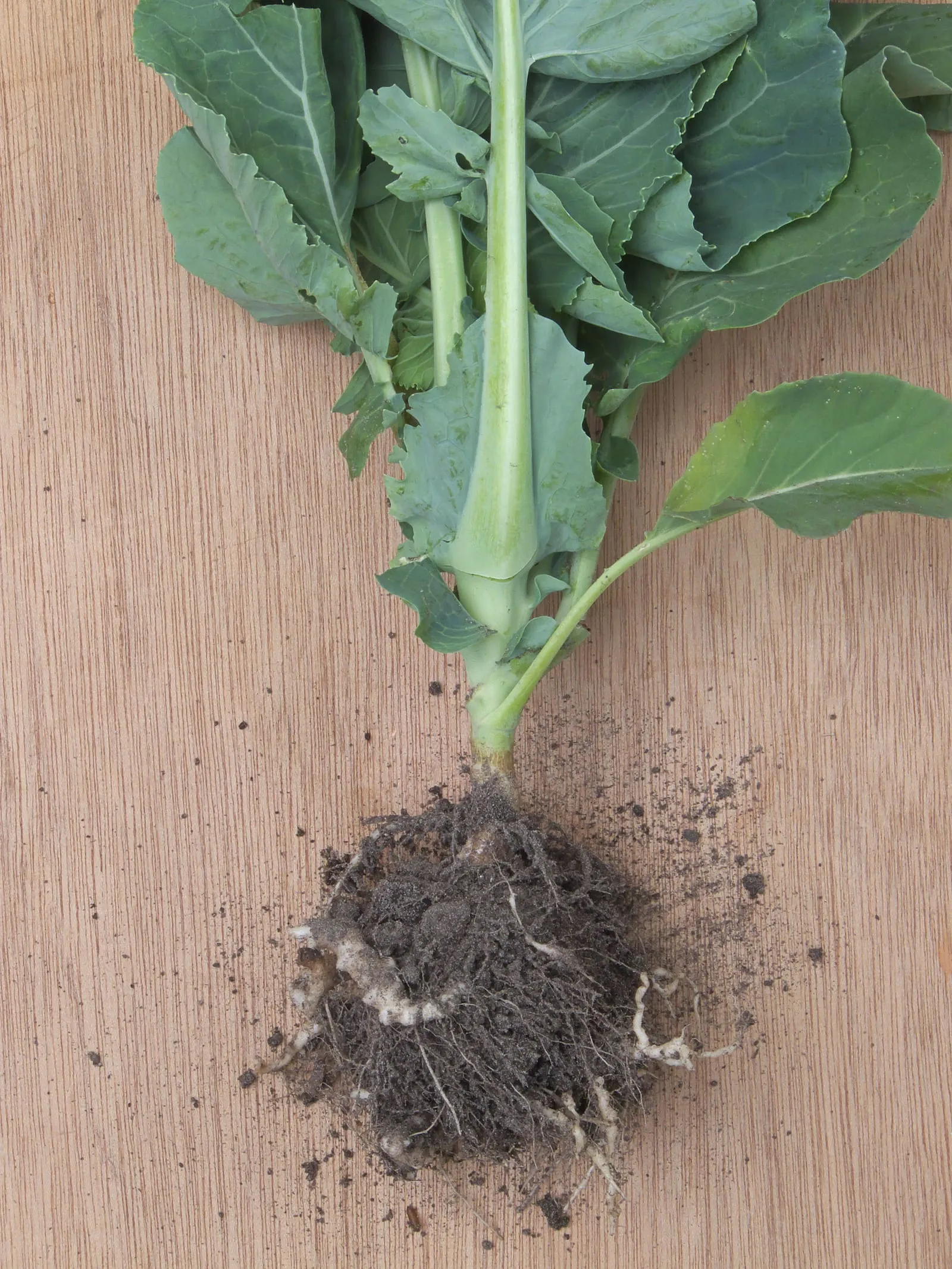
Disease pressure to watch for
Modified care for zone 9a
The primary management adjustment in zone 9a is scheduling: plant exclusively in the cool season and stop sowing by late February. Attempting a spring crop is possible in years with a late heat arrival, but the window is narrow and unpredictable.
Clubroot, a soilborne disease caused by Plasmodiophora brassicae, is the main disease concern. It infects all brassica crops, including radish, and persists in soil for years. Rotating brassicas to a different bed each season is the most effective control; zone 9a's long season makes it easy to fit non-brassica crops in between. Maintaining soil pH above 7.0 reduces clubroot severity, as the pathogen favors acidic conditions.
Watering in the morning rather than the evening helps keep foliage dry and limits foliar disease during the humid stretches that come with the zone's proximity to coastal weather systems.
Frequently asked questions
- Can radishes grow year-round in zone 9a?
No. Radishes bolt in warm weather, making summer sowing impractical. The workable season runs roughly mid-September through late February. The rest of the year is better suited to heat-tolerant crops.
- What radish varieties work best in zone 9a?
Fast-maturing salad types like French Breakfast and Cherry Belle finish in 25 to 30 days, which fits well within the cool-season window. Daikon varieties need 50 to 60 days and should be started by late October to avoid the return of summer heat.
- How do I manage clubroot in a zone 9a radish bed?
Rotate brassica crops to a new location each season and avoid replanting brassicas in an affected bed for at least four years. Raising soil pH to 7.0 or above with lime reduces infection severity, though it does not eliminate the pathogen.
+−
+−
+−
Radish in adjacent zones
Image: "Radish 3371103037 4ab07db0bf o", by Self, en:User:Jengod, via Wikimedia Commons, licensed under CC-BY Source.

Related