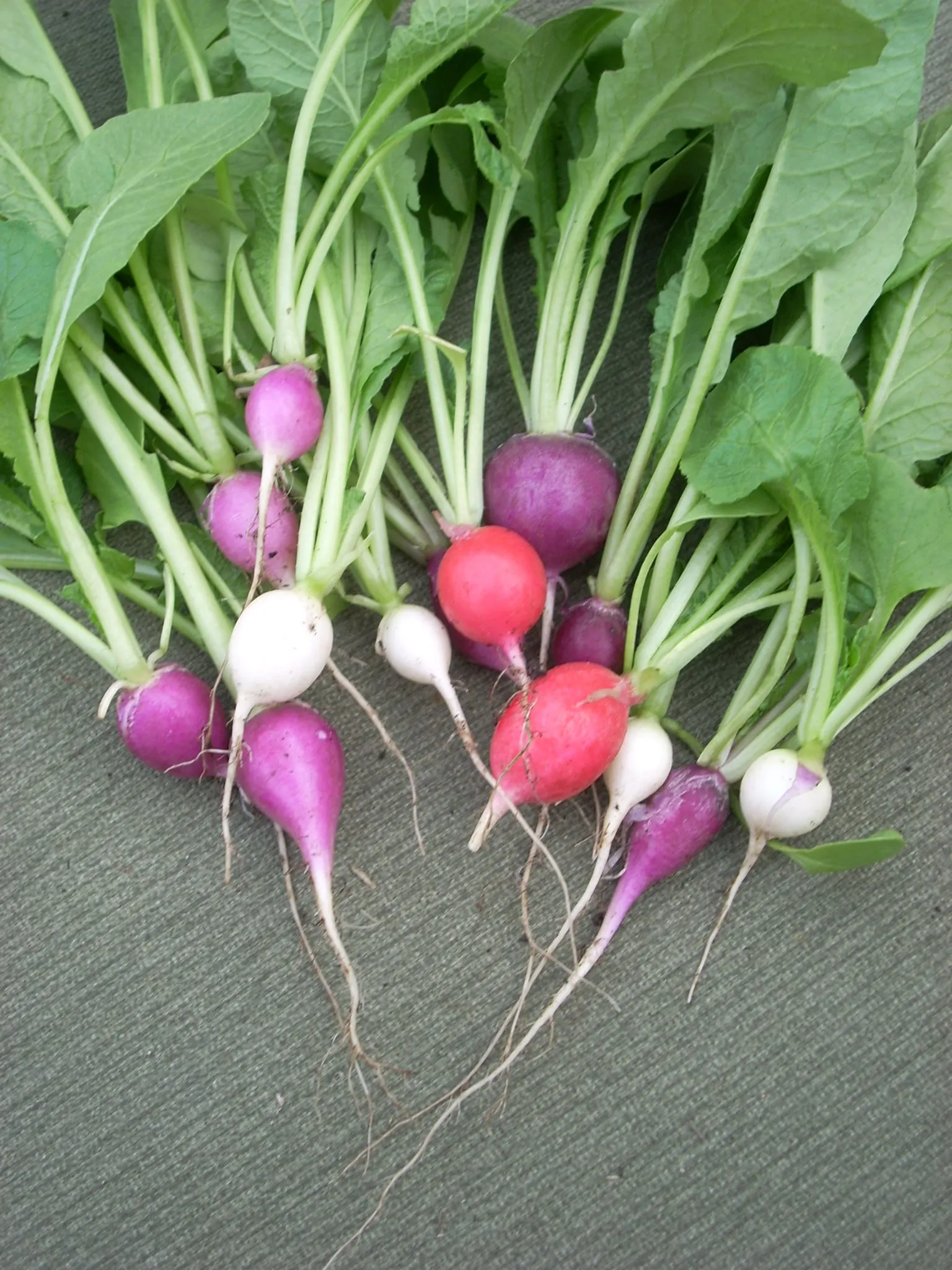
vegetable in zone 8b
Growing radish in zone 8b
Raphanus sativus
- Zone
- 8b 15°F to 20°F
- Growing season
- 260 days
- Suitable varieties
- 0
- Days to harvest
- 22 to 70
The verdict
Radish is well-suited to zone 8b, where the 260-day growing season allows for multiple back-to-back plantings across fall, winter, and early spring. Unlike fruit crops, radish has no chill-hour requirement, so zone 8b's mild winters are an asset rather than a limitation. The crop treats this zone as a sweet spot for cool-season production, not a marginal case.
The primary constraint is summer. Temperatures above 80°F trigger rapid bolting, making June through August essentially off-limits for most varieties. Growers who understand this can work around it by treating radish as a fall-through-spring crop with a hard summer pause. The zone's frost window is narrow enough that winter plantings often need no protection at all, and succession planting every two to three weeks extends harvest across the cooler months.
Critical timing for zone 8b
In zone 8b, fall planting typically begins in mid-September, once daytime highs drop below 85°F, and continues through November. Small salad varieties like Cherry Belle mature in 22 to 28 days; larger storage types such as daikon require 50 to 70 days. A second planting window opens in late January or February, depending on local frost patterns, and runs through late March before warming weather triggers bolting.
Zone 8b's average last frost falls between mid-February and early March. This means late-winter plantings face occasional frost risk, though radish tolerates light frosts down to around 28°F without significant damage. Harvest timing matters: leaving radish in the ground even a week past maturity in warming weather leads to pithy, hot-flavored roots.
Common challenges in zone 8b
- ▸ Low chill hours limit apple variety selection
- ▸ Citrus greening risk
- ▸ Nematodes in sandy soils
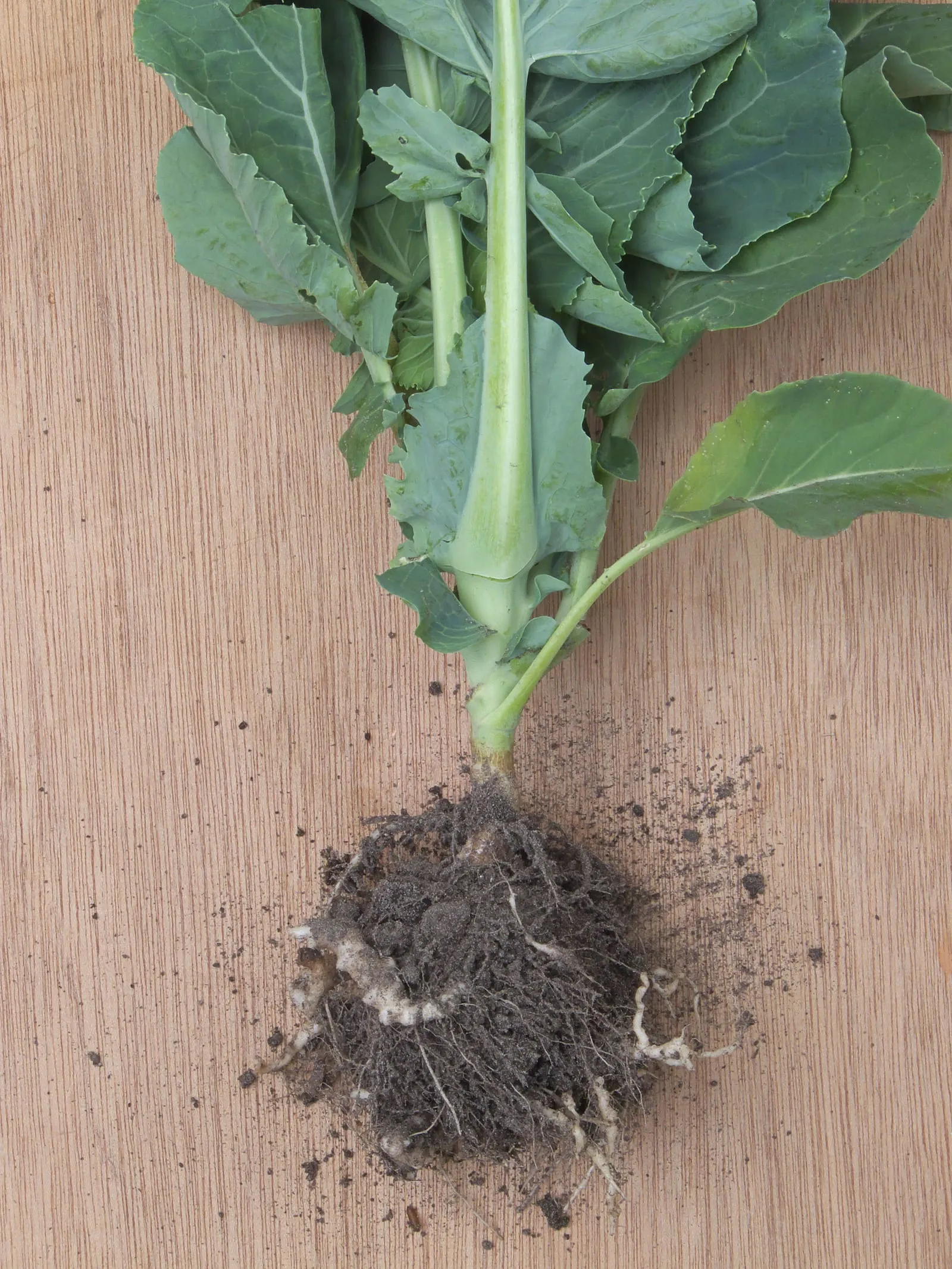
Disease pressure to watch for
Modified care for zone 8b
Sandy soils common in parts of zone 8b create two problems for radish: inconsistent moisture and elevated nematode pressure. Sandy ground dries out quickly, and radish grown in uneven moisture conditions develops cracked or pithy roots. Mulching between rows and irrigating on a consistent schedule reduces this. In fields with a history of nematode damage, rotating radish away from other root crops and incorporating cover crops helps reduce population pressure over time.
Clubroot, a soilborne pathogen affecting brassicas, is the primary disease risk to monitor. It thrives in acidic, wet soils. Maintaining soil pH between 6.5 and 7.2 suppresses clubroot development; lime applications before planting are practical prevention in acidic sandy soils. Avoid replanting brassicas, including radish, in the same bed more than once every three years in zones where clubroot has been confirmed.
Frequently asked questions
- Can radish be grown year-round in zone 8b?
Not practically. Summer heat causes radish to bolt before roots develop, so June through August are generally unproductive. Fall, winter, and early spring are the reliable windows, and the zone's mild winters allow continuous production through most of December and January without row covers.
- What causes pithy, hollow radish roots in zone 8b?
The two most common causes are harvesting too late and inconsistent watering. Radish left in the ground past maturity, especially as temperatures rise, quickly turns pithy. Sandy soils in zone 8b dry out fast; irregular moisture causes roots to crack or develop hollow centers. Consistent irrigation and timely harvest prevent both problems.
- How do I prevent clubroot in my radish bed?
Raise soil pH to at least 6.5 using agricultural lime before planting, practice a three-year or longer rotation away from all brassica crops, and avoid working wet soil, which spreads spores. There are no curative treatments once clubroot is established in a bed.
+−
+−
+−
Radish in adjacent zones
Image: "Radish 3371103037 4ab07db0bf o", by Self, en:User:Jengod, via Wikimedia Commons, licensed under CC-BY Source.

Related