vegetable in zone 8a
Growing radish in zone 8a
Raphanus sativus
- Zone
- 8a 10°F to 15°F
- Growing season
- 240 days
- Suitable varieties
- 3
- Days to harvest
- 22 to 70
The verdict
Radish performs reliably in zone 8a, but success depends on planting-window discipline rather than any inherent difficulty with the zone. Radish is a cool-season crop with no chill-hour requirement; the limiting factor is heat accumulation, not cold. Zone 8a's 240-day growing season sounds generous, but the summer months push soil temperatures well above the 75°F threshold where radish bolts before the root develops. The practical effect is two distinct planting windows per year rather than one long season. Cherry Belle and French Breakfast suit the shorter spring window, maturing in 22-30 days before heat builds. Daikon, with broader temperature tolerance and a 50-60 day maturity, fits the fall window well and can overwinter in zone 8a's mild conditions without significant cold protection. For growers who plan around the fall window as the primary season and treat spring as a secondary opportunity, zone 8a is a comfortable zone for radish rather than a marginal one.
Recommended varieties for zone 8a
3 cultivars suited to this zone, with disease-resistance and zone-fit annotations.
| Variety | Notes | Zone fit | Disease resistance |
|---|---|---|---|
| Cherry Belle fits zone 8a | Crisp, mildly peppery; small round bright-red roots with white flesh. Salads, fresh sliced on bread with butter. AAS winner, ready in 22 days, the home-garden quick-radish standard. | | none noted |
| French Breakfast fits zone 8a | Mild, slightly peppery, crisp; oblong red roots with white tips. Sliced fresh with butter and salt, salads. Heritage French variety, milder than round types. | | none noted |
| Daikon fits zone 8a | Mild, juicy, slightly sweet; long white Asian radish (12-18 inches). Pickling (takuan), grated raw, simmered in broth, fermented kimchi. Productive fall crop, stores 2-3 months. | | none noted |
Critical timing for zone 8a
Spring planting begins when soil temperature reaches 40°F, typically late January through February in zone 8a. Fast-maturing varieties like Cherry Belle (22-25 days) and French Breakfast (25-30 days) can complete their cycle before consistent heat arrives. Any sowing pushed past early March carries meaningful bolt risk. The fall window opens in September as soil temperatures drop below 75°F; this is the more forgiving window in zone 8a. Succession planting every 10-14 days from early September through mid-October extends harvest from October into December. Daikon sowings in late August to early September allow the longer maturity period to play out without heat interference. The last frost date in zone 8a (typically late November to mid-December) does not meaningfully constrain fall radish harvest, since mature radishes tolerate light frost and can stay in the ground short-term.
Common challenges in zone 8a
- ▸ Insufficient chill hours for some apple varieties
- ▸ Pierce's disease in grapes
- ▸ Heat stress on cool-season crops
Disease pressure to watch for
Modified care for zone 8a
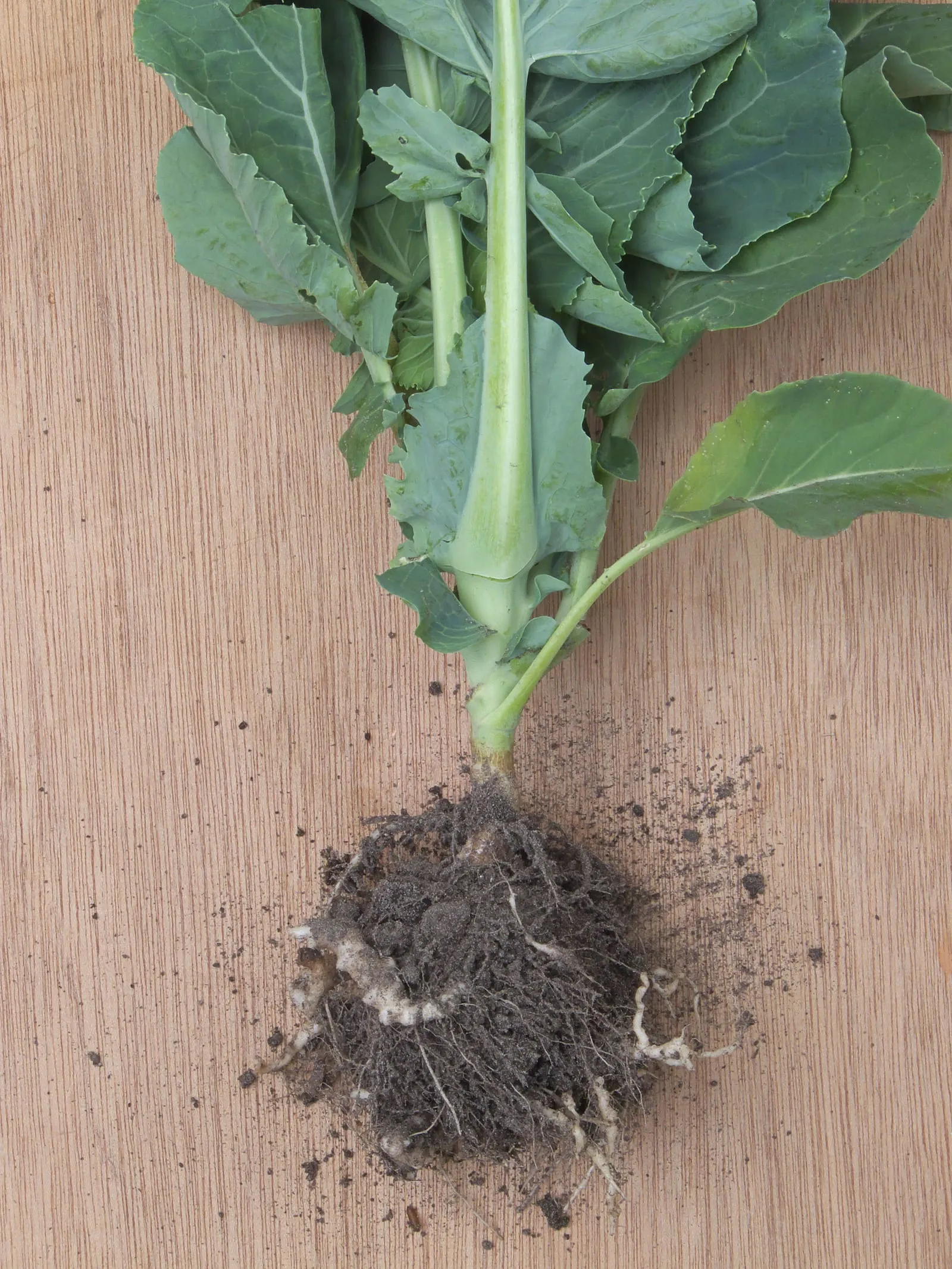
The most important adjustment in zone 8a is treating fall as the primary radish season and spring as a secondary window with a hard deadline. Growers accustomed to northern zones may underestimate how quickly spring heat terminates the spring window. A two-week planting delay in March can convert a productive crop into a bolted one. Summer sowing is not worth attempting; redirect those beds to heat-tolerant crops and return to radish in September. Clubroot, a soil-borne pathogen affecting all brassica family members including radish, warrants attention in zone 8a soils with poor drainage or a history of brassica production. Rotating radish out of brassica beds for three to four years is the primary management tool; no effective chemical treatment exists once Clubroot is established. Raised beds or amended planting areas with good drainage reduce infection pressure. Beyond timing and Clubroot management, radish in zone 8a requires no extra winter protection and no shade infrastructure.
Radish in adjacent zones
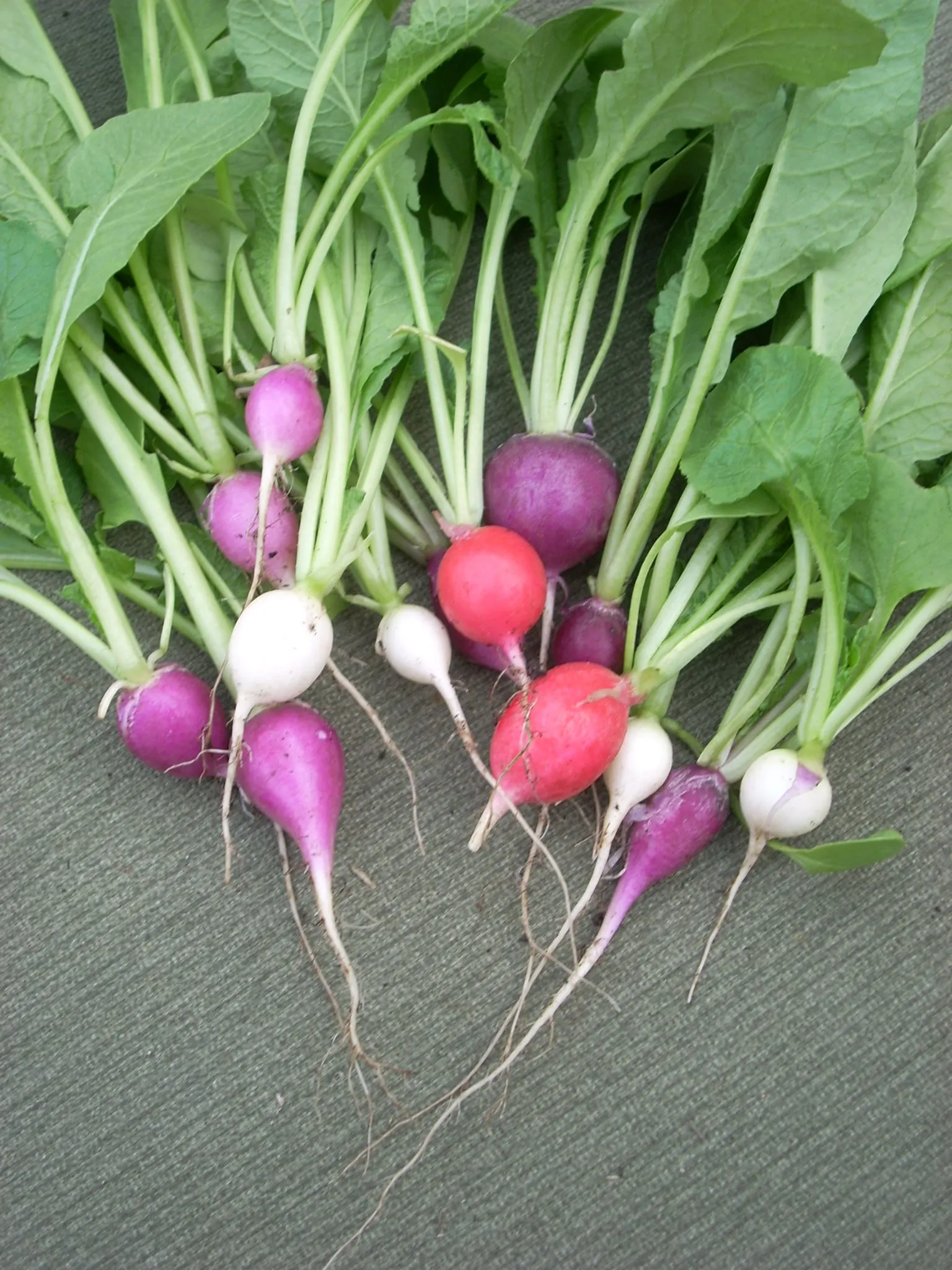
Image: "Radish 3371103037 4ab07db0bf o", by Self, en:User:Jengod, via Wikimedia Commons, licensed under CC-BY Source.

Related