vegetable in zone 7b
Growing radish in zone 7b
Raphanus sativus
- Zone
- 7b 5°F to 10°F
- Growing season
- 220 days
- Suitable varieties
- 4
- Days to harvest
- 22 to 70
The verdict
Radish is a cool-season annual with no chill-hour requirement, so zone suitability turns entirely on temperature timing rather than winter cold accumulation. Zone 7b is a genuine sweet spot. Spring soil temperatures reach the 50 to 65°F range that radish prefers for germination and root development by late February or early March, and fall temperatures stay favorable well into November. The 220-day frost-free season is far longer than radish needs for any individual planting, which means multiple successions are realistic in a single year.
The one limitation zone 7b imposes is summer heat. Radish bolts quickly once daytime temperatures climb above 80°F, which in the piedmont typically arrives by late May and doesn't relent until September. That rules out roughly 14 weeks of potential growing time in the middle of the season. Growers who treat radish as a spring-and-fall crop, rather than a continuous one, will get reliable yields. Daikon and Watermelon Radish, which have longer days-to-maturity, are better suited to the longer fall window than to the compressed spring slot.
Recommended varieties for zone 7b
4 cultivars suited to this zone, with disease-resistance and zone-fit annotations.
| Variety | Notes | Zone fit | Disease resistance |
|---|---|---|---|
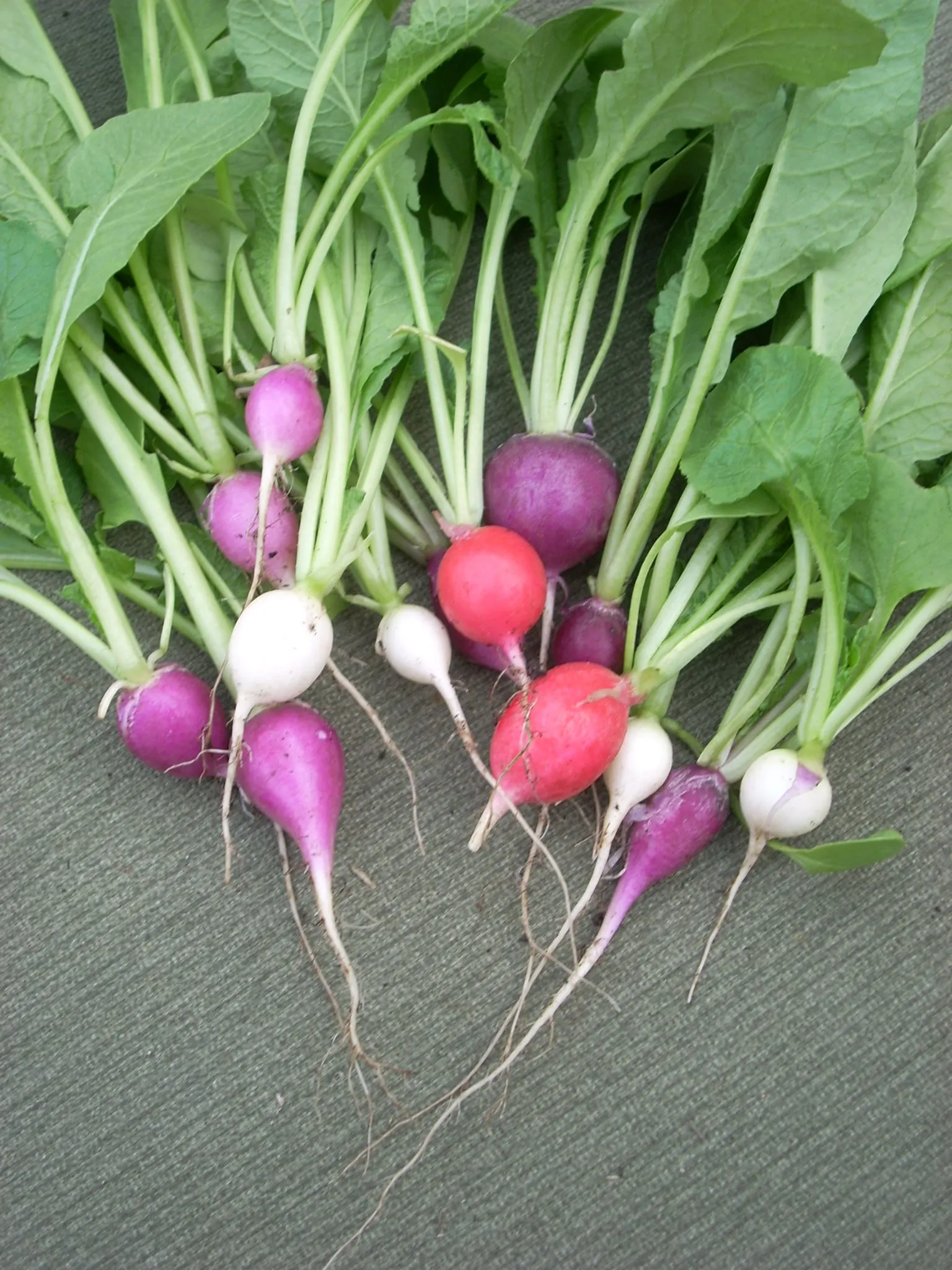
| Cherry Belle fits zone 7b | Crisp, mildly peppery; small round bright-red roots with white flesh. Salads, fresh sliced on bread with butter. AAS winner, ready in 22 days, the home-garden quick-radish standard. | | none noted |
| French Breakfast fits zone 7b | Mild, slightly peppery, crisp; oblong red roots with white tips. Sliced fresh with butter and salt, salads. Heritage French variety, milder than round types. | | none noted |
| Watermelon Radish fits zone 7b | Mild, slightly sweet, large; pale green skin with deep pink flesh. Fresh raw, salads, pickling, dramatic plating. Asian heirloom, takes longer (60-70 days). | | none noted |
| Daikon fits zone 7b | Mild, juicy, slightly sweet; long white Asian radish (12-18 inches). Pickling (takuan), grated raw, simmered in broth, fermented kimchi. Productive fall crop, stores 2-3 months. | | none noted |
Critical timing for zone 7b
For spring plantings in zone 7b, direct sowing can begin as early as late February, when soil temperatures typically reach 45°F. Zone 7b's average last spring frost falls around April 15 in the piedmont, but radish tolerates light frost, so earlier sowing carries minimal risk. Cherry Belle and French Breakfast mature in 22 to 28 days, allowing two or three quick successions before summer heat shuts down the season in late May.
Fall plantings work better for longer-maturing types. Daikon and Watermelon Radish need 50 to 70 days, so a mid-August to early September sowing targets harvest before the average first fall frost in zone 7b, which arrives around November 1. Sowings in mid-September will still mature if conditions stay mild, but the margin narrows. Root quality on fall crops is often better than spring, as the roots size up in cooling rather than warming soil.
Common challenges in zone 7b
- ▸ Cedar-apple rust pressure heavy in piedmont
- ▸ Japanese beetles
- ▸ Brown marmorated stink bug
- ▸ Late summer disease pressure
Disease pressure to watch for
Modified care for zone 7b
The primary care adjustment in zone 7b is strict seasonal timing. Any sowing after late May risks bolting before harvest, and summer sowings are not worth attempting. A hard cutoff before daytime highs consistently exceed 78 to 80°F keeps quality predictable.
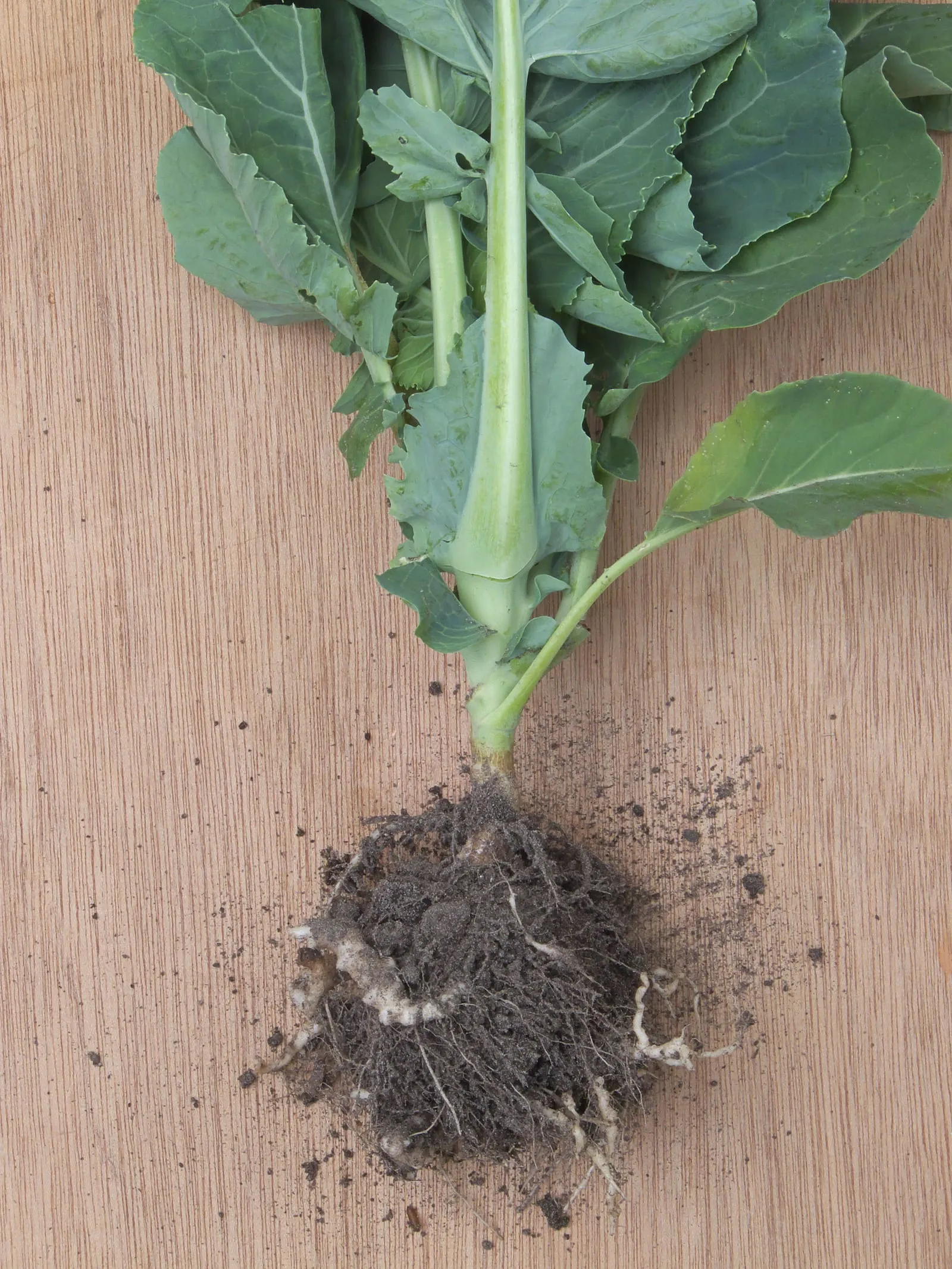
Clubroot is worth monitoring in zone 7b soils, particularly in areas with a history of brassica production or imported transplants. The pathogen persists in soil for years. Soil pH above 7.0 reduces clubroot severity; lime applications before planting are a practical first step where pH runs low. Rotating radish out of any bed that has shown clubroot symptoms for at least four years is advisable.
Brown marmorated stink bug and Japanese beetles both feed on radish foliage in zone 7b. Foliage damage on a crop with a 25-day maturity window rarely reaches economically significant levels, but if pest pressure is heavy, lightweight row cover applied at sowing resolves the issue without chemical intervention. Remove cover during warm spells to prevent heat buildup.
Frequently asked questions
- Can radish be grown year-round in zone 7b?
No. Zone 7b's summer heat, with daytime highs above 80°F from roughly June through August, causes radish to bolt before roots develop. Productive windows are spring (late February to late May) and fall (mid-August to early November).
- Which radish varieties perform best in zone 7b?
Cherry Belle and French Breakfast suit the compressed spring window due to their short 22 to 28 day maturity. Watermelon Radish and Daikon are better matched to the fall, where their longer 50 to 70 day maturity aligns with the extended mild period before first frost.
- How do I prevent clubroot in my zone 7b radish bed?
Raise soil pH to at least 7.0 with lime before planting, practice a four-year or longer rotation away from any brassica family crop, and avoid introducing transplants or soil from unknown sources. Clubroot has no chemical cure once established in a bed.
+−
+−
+−
Radish in adjacent zones
Image: "Radish 3371103037 4ab07db0bf o", by Self, en:User:Jengod, via Wikimedia Commons, licensed under CC-BY Source.

Related