vegetable in zone 4b
Growing radish in zone 4b
Raphanus sativus
- Zone
- 4b -25°F to -20°F
- Growing season
- 130 days
- Suitable varieties
- 5
- Days to harvest
- 22 to 70
The verdict
Radish is a cool-season annual with no chill-hour requirement, so zone 4b's winters are not the limiting factor. What matters is the temperature and length of the shoulder seasons. Zone 4b's 130-day frost-free window is sufficient for multiple succession plantings of fast-maturing spring types (22 to 30 days from seed to harvest) and a full fall run of larger storage varieties like Daikon and Watermelon Radish, which need 55 to 70 days.
Zone 4b is closer to a sweet spot than a marginal zone for radish. The cool springs and falls match radish's preferred growing temperature of 50 to 70°F almost exactly. Soil temperatures in the upper 40s to low 50s°F in early April are sufficient for germination, and the season ends with another cool window in August through September that suits fall storage types well. The only period that works against radish is midsummer, when daytime temperatures can push the crop toward bolting; in zone 4b that window is relatively short.
Recommended varieties for zone 4b
5 cultivars suited to this zone, with disease-resistance and zone-fit annotations.
| Variety | Notes | Zone fit | Disease resistance |
|---|---|---|---|
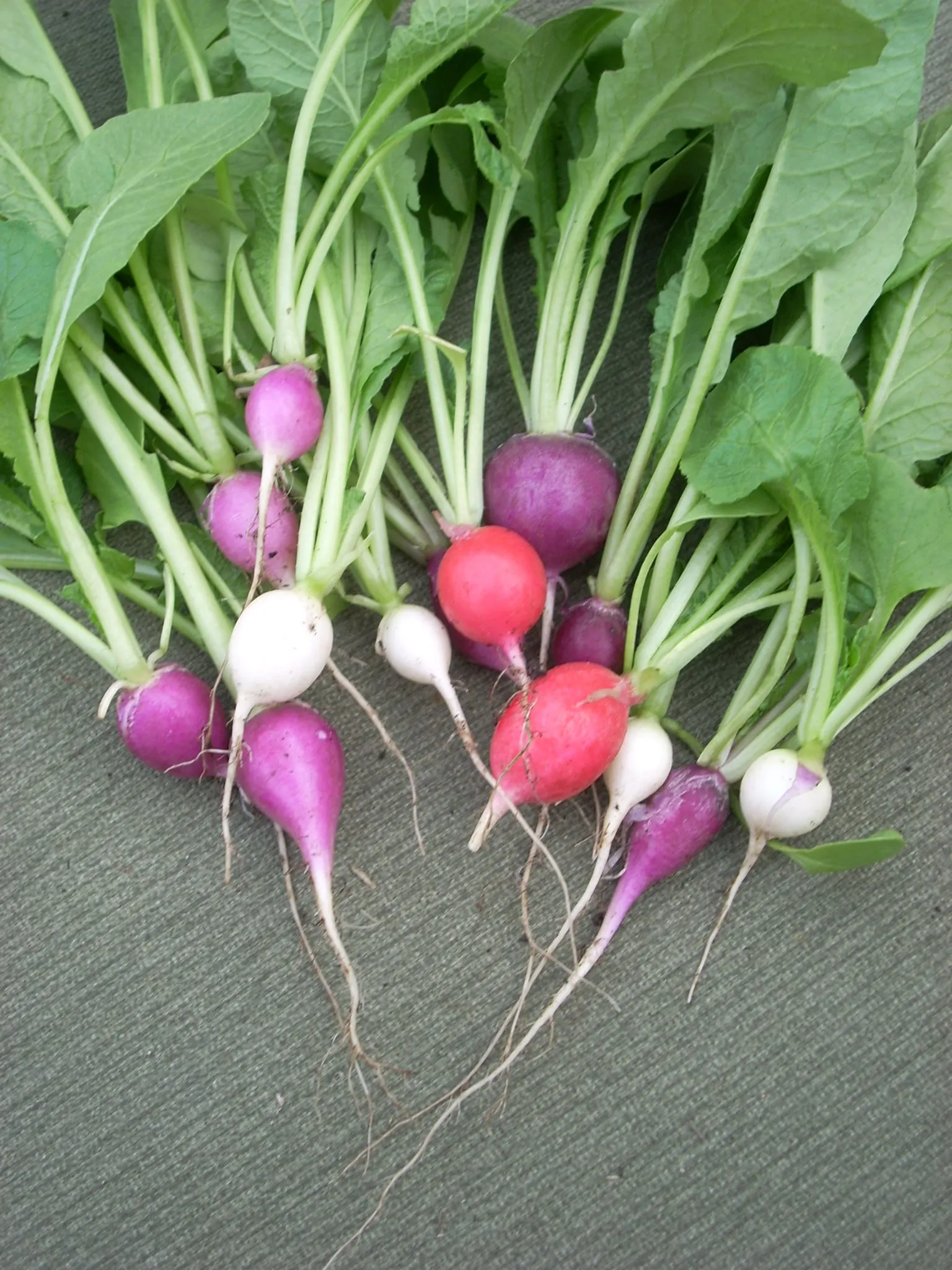
| Cherry Belle fits zone 4b | Crisp, mildly peppery; small round bright-red roots with white flesh. Salads, fresh sliced on bread with butter. AAS winner, ready in 22 days, the home-garden quick-radish standard. | | none noted |
| French Breakfast fits zone 4b | Mild, slightly peppery, crisp; oblong red roots with white tips. Sliced fresh with butter and salt, salads. Heritage French variety, milder than round types. | | none noted |
| Watermelon Radish fits zone 4b | Mild, slightly sweet, large; pale green skin with deep pink flesh. Fresh raw, salads, pickling, dramatic plating. Asian heirloom, takes longer (60-70 days). | | none noted |
| Daikon fits zone 4b | Mild, juicy, slightly sweet; long white Asian radish (12-18 inches). Pickling (takuan), grated raw, simmered in broth, fermented kimchi. Productive fall crop, stores 2-3 months. | | none noted |
| Black Spanish Round fits zone 4b | Sharp, peppery, dense; black-skinned white-fleshed storage radish. Fermented, grated raw, soups. Heritage European variety, stores 4-6 months. | | none noted |
Critical timing for zone 4b
Spring sowing begins as soon as soil reaches 40°F, typically early to mid-April in zone 4b. Spring radishes sown then harvest by early May, ahead of the average last frost window. A second spring succession in late April extends harvest into late May before summer heat accelerates bolting.
For fall crops, count backward from the first expected hard frost, which falls between mid-September and early October across most of zone 4b. Cherry Belle and French Breakfast need 25 to 30 days; Watermelon Radish and Daikon need 55 to 70 days, placing their sowing deadline at late July to early August. Missing that window by more than a week or two risks frost catching the roots before they reach usable size.
Note that radish is harvested as a root crop before it bolts and flowers; bloom timing is not a harvest signal. Bolting risk rises when daytime temperatures consistently exceed 75°F, which in zone 4b typically occurs in July.
Common challenges in zone 4b
- ▸ Spring frost timing
- ▸ Apple scab pressure
- ▸ Cane berry winter dieback
Disease pressure to watch for
Modified care for zone 4b
The primary adjustment in zone 4b is timing precision. The useful shoulder seasons are short, and each succession window is narrow. Delaying the spring sowing past mid-April or the fall sowing past early August compresses the harvest window and reduces yield on storage types.
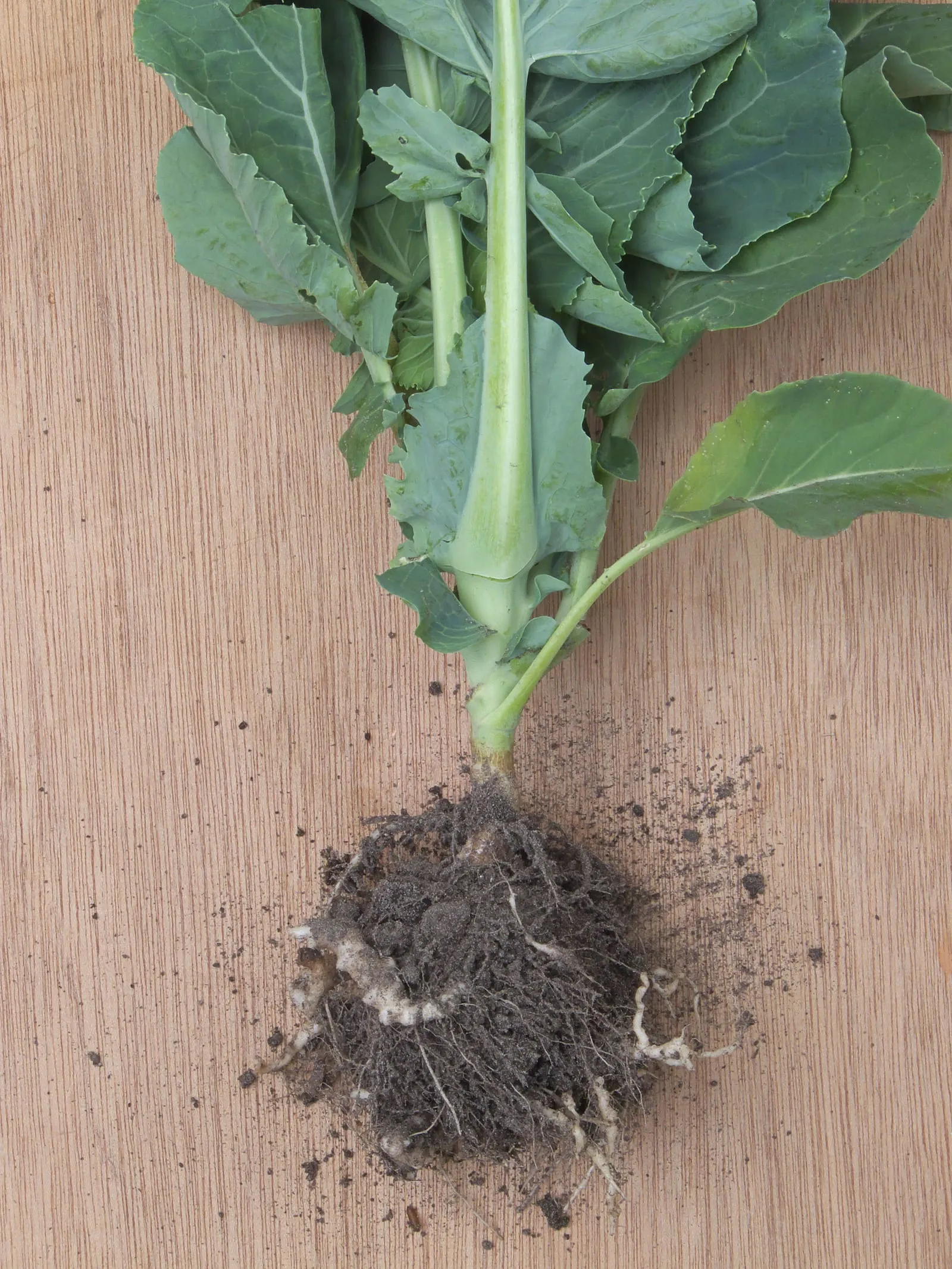
Clubroot, caused by Plasmodiophora brassicae, is the disease to manage proactively. It persists in soil for up to 20 years and thrives in acidic conditions. Maintaining soil pH at or above 7.0 through lime application reduces infection pressure substantially. Any bed that has shown clubroot symptoms should be kept out of brassica production, including radish, for at least four years.
Black Spanish Round and Daikon handle zone 4b's cool fall window well but require soil that drains freely; waterlogged beds slow root development and increase disease risk heading into fall. Mulching after mid-August sowing can extend the harvest window by a few days if an early light frost threatens before roots size up.
Frequently asked questions
- Can radish roots stay in the ground through a zone 4b winter?
No. Zone 4b temperatures drop to -25 to -20°F, well below the threshold any radish root can survive. Harvest all roots before the first hard frost (below 28°F). Storage types like Daikon and Black Spanish Round keep well for several months in a cool root cellar after harvest.
- Why do spring radishes bolt before the roots size up?
Bolting is triggered by heat and lengthening days. In zone 4b, that threshold arrives in late June and July when daytime temperatures push past 75°F. Sow spring types in early to mid-April so roots reach harvest size before the heat sets in. Summer succession plantings rarely succeed; shift back to fall sowing in late July instead.
- How do I know if clubroot is present in my soil?
Infected plants stunt and wilt despite adequate moisture. Pulling roots reveals enlarged, distorted galls rather than clean taproots. Once confirmed, lime the bed to raise pH above 7.0 and rotate out of all brassicas for at least four years. There is no curative treatment once infection is established.
+−
+−
+−
Radish in adjacent zones
Image: "Radish 3371103037 4ab07db0bf o", by Self, en:User:Jengod, via Wikimedia Commons, licensed under CC-BY Source.

Related