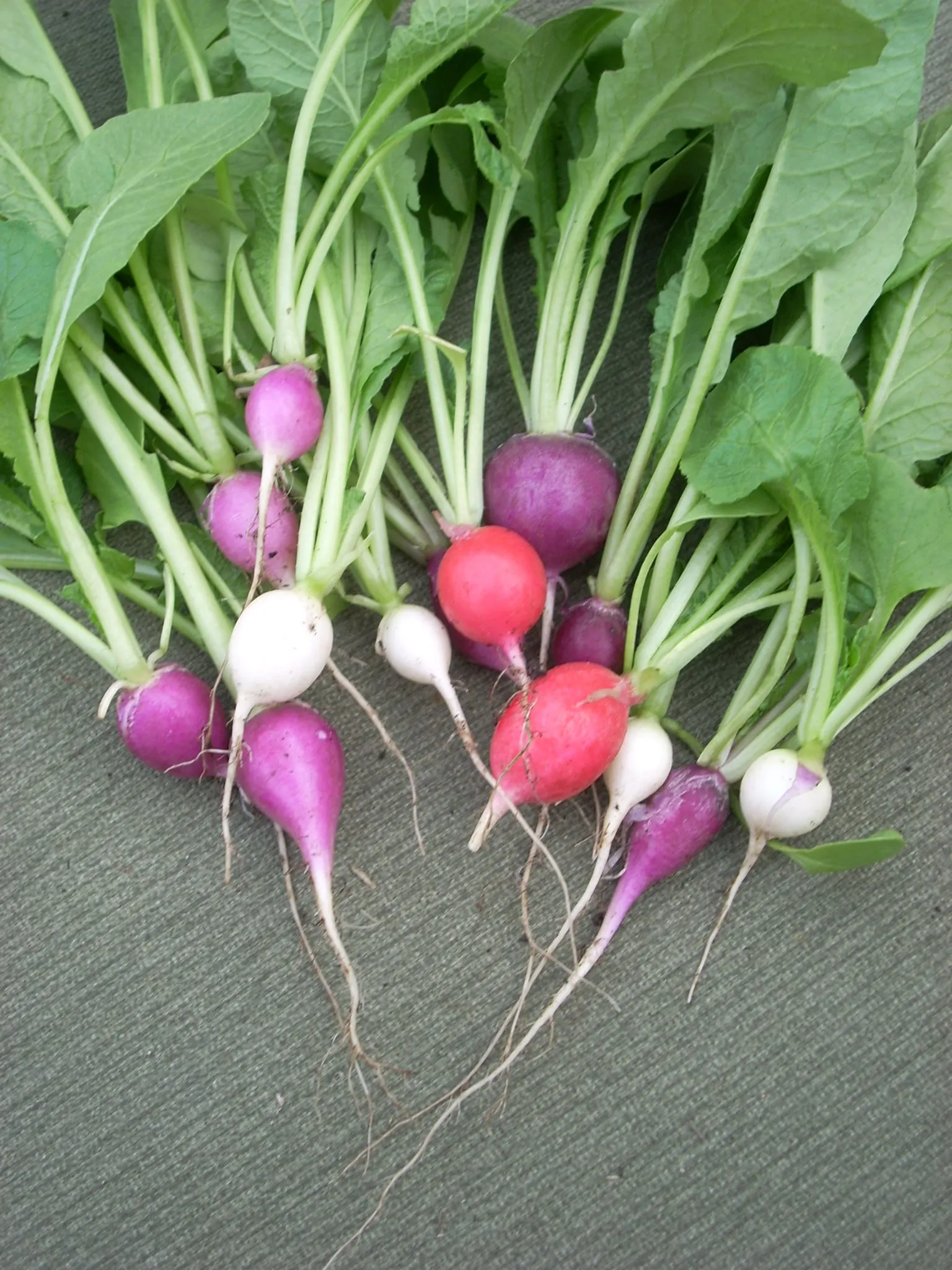
vegetable in zone 5a
Growing radish in zone 5a
Raphanus sativus
- Zone
- 5a -20°F to -15°F
- Growing season
- 150 days
- Suitable varieties
- 5
- Days to harvest
- 22 to 70
The verdict
Radish is a cool-season annual with no chill-hour requirement, so zone 5a's hard winters are not a limiting factor. What matters for radish is shoulder-season temperature: optimal growth occurs between 50 and 65°F, and the crop bolts quickly once daytime temperatures climb above 75°F. Zone 5a's 150-day growing season comfortably accommodates two distinct radish windows, spring and fall, with the spring window often opening before most other vegetables can go in the ground.
Zone 5a is not marginal for radish; it is close to ideal for the crop. The cold winters ensure soil temperatures drop low enough to interrupt brassica disease cycles, and the moderate spring warm-up gives radishes several weeks of suitable growing conditions before summer heat sets in. Standard round varieties like Cherry Belle perform reliably across the zone. Longer-season types such as Daikon and Black Spanish Round are better suited to the fall window, when a natural cooling trend works in their favor rather than against them.
Recommended varieties for zone 5a
5 cultivars suited to this zone, with disease-resistance and zone-fit annotations.
| Variety | Notes | Zone fit | Disease resistance |
|---|---|---|---|
| Cherry Belle fits zone 5a | Crisp, mildly peppery; small round bright-red roots with white flesh. Salads, fresh sliced on bread with butter. AAS winner, ready in 22 days, the home-garden quick-radish standard. | | none noted |
| French Breakfast fits zone 5a | Mild, slightly peppery, crisp; oblong red roots with white tips. Sliced fresh with butter and salt, salads. Heritage French variety, milder than round types. | | none noted |
| Watermelon Radish fits zone 5a | Mild, slightly sweet, large; pale green skin with deep pink flesh. Fresh raw, salads, pickling, dramatic plating. Asian heirloom, takes longer (60-70 days). | | none noted |
| Daikon fits zone 5a | Mild, juicy, slightly sweet; long white Asian radish (12-18 inches). Pickling (takuan), grated raw, simmered in broth, fermented kimchi. Productive fall crop, stores 2-3 months. | | none noted |
| Black Spanish Round fits zone 5a | Sharp, peppery, dense; black-skinned white-fleshed storage radish. Fermented, grated raw, soups. Heritage European variety, stores 4-6 months. | | none noted |
Critical timing for zone 5a
In zone 5a, the spring radish window opens as soon as soil is workable, typically late March to early April. Radishes tolerate light frosts, so germination can begin 4 to 6 weeks before the average last frost (mid-to-late April across much of zone 5a). Cherry Belle and French Breakfast reach harvest in 25 to 30 days, meaning a late March sowing yields mature roots by late April. Successive sowings every 7 to 10 days extend the spring harvest into May, after which rising temperatures trigger bolting and the window closes.
The fall window opens in late August. Back-counting from a first fall frost of late September to early October gives a planting target of late August through mid-September for spring-type varieties. Daikon and Black Spanish Round, which need 50 to 70 days to mature, should be sown by mid-August to finish before hard freezes arrive.
Common challenges in zone 5a
- ▸ Fire blight in pears
- ▸ Cedar-apple rust
- ▸ Late spring frosts
Disease pressure to watch for
Modified care for zone 5a
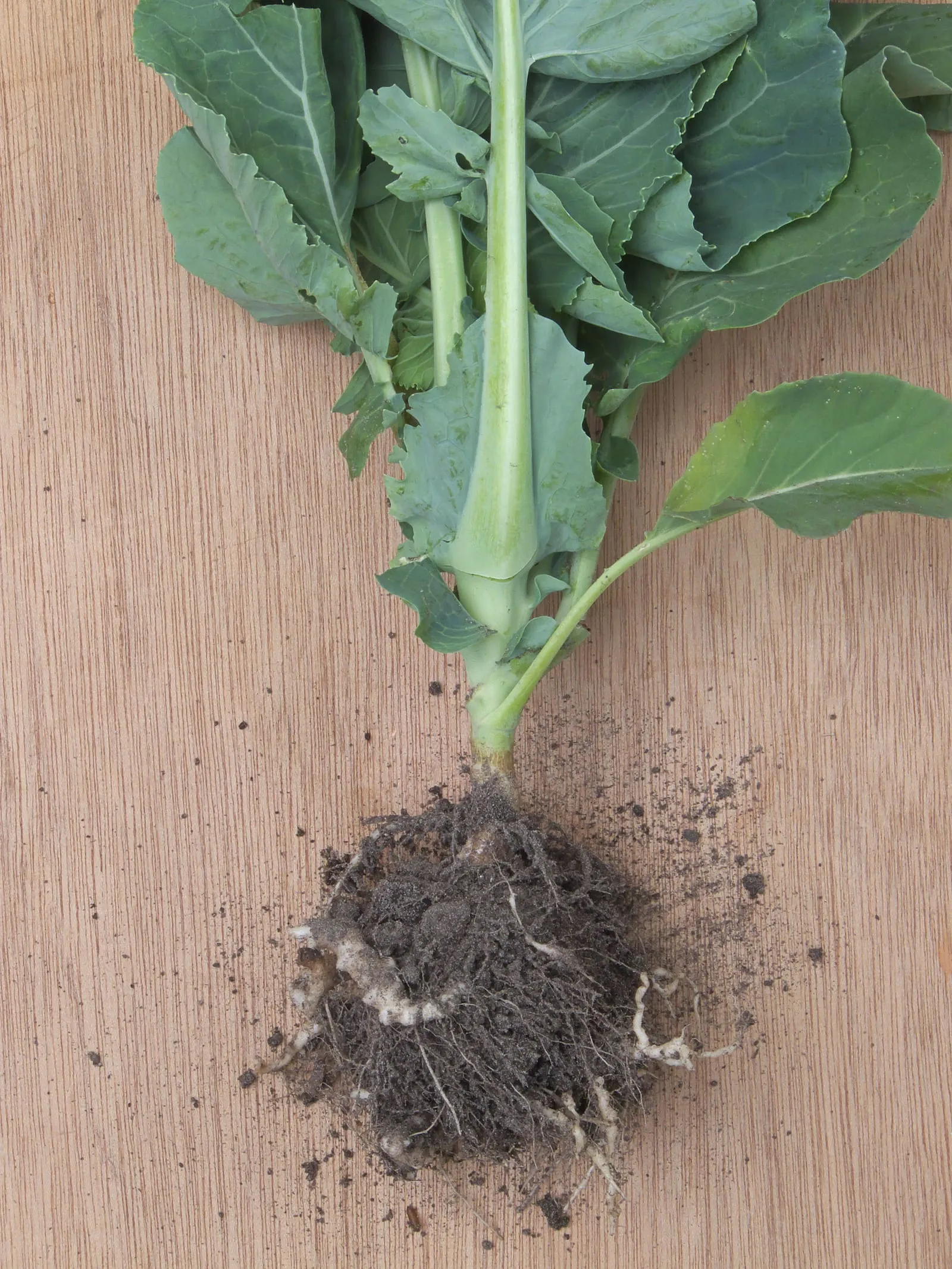
Clubroot is the primary disease concern for radish in zone 5a. The pathogen persists in soil for up to 20 years and affects all brassicas, including radish, turnip, and kale. Rotate brassica crops on a minimum three-to-four year cycle, and raise soil pH to 7.2 or above before planting; clubroot severity drops sharply in alkaline conditions.
Late spring frosts, a zone 5a regularity, rarely damage established radish seedlings, which tolerate temperatures down to roughly 28°F. However, an unexpected freeze shortly after germination can slow development noticeably. Row cover provides a few degrees of protection for early March sowings and is worth the effort when a frost is forecast.
Summer planting should be skipped entirely. Radishes sown in June or July in zone 5a bolt within days of warm temperatures, producing fibrous, pithy roots with little culinary value. Redirect summer bed space to heat-tolerant crops and return to radishes in late August.
Frequently asked questions
- Can radishes survive zone 5a winters in the ground?
No. Zone 5a lows of -20 to -15°F will kill radish plants in the ground. Fall radishes should be harvested before the first hard freeze. Winter radish types like Black Spanish Round and Daikon can be pulled and stored in a root cellar or refrigerator through winter.
- Why do radishes bolt before forming a good root?
Bolting is triggered by rising temperatures and lengthening days. In zone 5a, spring sowings made after late May are especially prone to the problem. Staying within the late March to early May planting window gives roots enough time to size up before heat sets in.
- What is the difference between spring radish varieties and winter radish varieties?
Spring types like Cherry Belle and French Breakfast mature in 25 to 30 days, have mild flavor, and do not store well. Winter types like Daikon and Black Spanish Round take 50 to 70 days, tolerate heavier frost at harvest, have a sharper flavor, and keep for months in cool storage.
- How do I know if my soil has clubroot?
Dig up a struggling brassica plant and examine the roots. Clubroot causes distinctive swollen, club-shaped galls on the root system. Affected plants wilt in warm weather even when soil moisture is adequate. A soil test cannot detect clubroot directly; history of the disease on the site is the most reliable indicator.
+−
+−
+−
+−
Radish in adjacent zones
Image: "Radish 3371103037 4ab07db0bf o", by Self, en:User:Jengod, via Wikimedia Commons, licensed under CC-BY Source.

Related