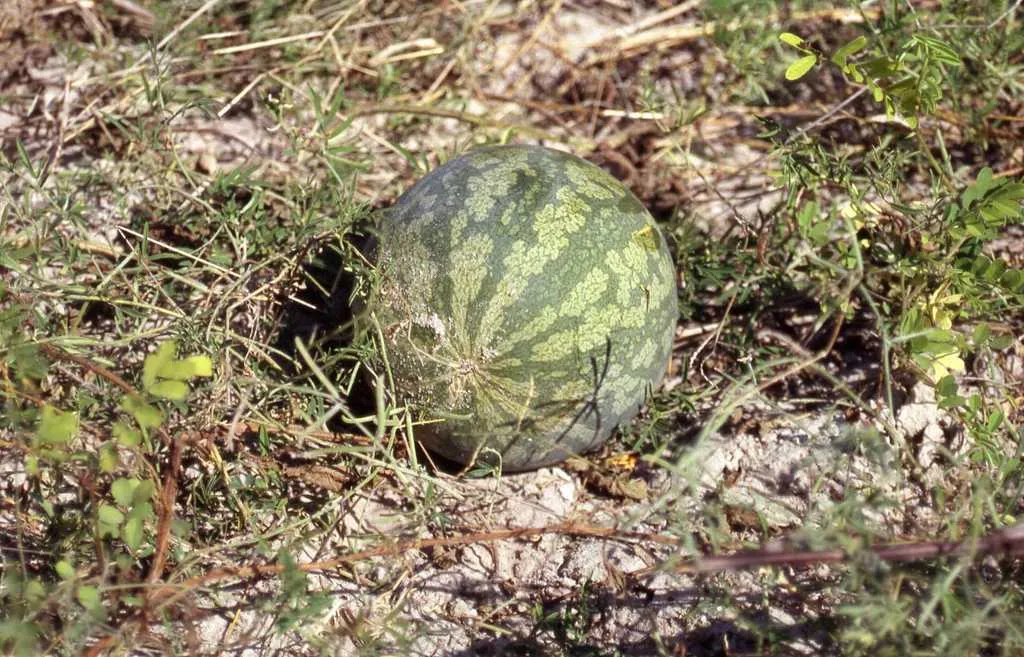
vegetable
Watermelon
Citrullus lanatus
USDA hardiness range
- Zones
- 5b–10a
- Days to harvest
- 75 to 100
- Sun
- Full
- Water
- Moderate
- Lifespan
- annual
Growing watermelon
Watermelon is a warm-season annual that demands a long, hot growing season to reach its potential. It performs across zones 5b through 10a, but the conditions it needs differ substantially across that range. In zones 7 through 9b, the combination of heat accumulation, frost-free days, and warm nights gives most varieties a reliable window. In zones 5b and 6a, the math is tighter: watermelon needs 75 to 100 frost-free days with sustained soil temperatures above 70°F, and where summer heat accumulates slowly or the season closes abruptly, only short-season varieties like Sugar Baby (75 days) can reliably finish before frost.
The crop originated in subtropical Africa and has no tolerance for cool nights, which inhibit sugar development even when daytime temperatures are adequate. A watermelon that reaches the end of the season technically but never experienced consistently warm nights will be bland regardless of variety.
What separates a productive planting from a failed one is usually pollination and timing, not fertilizer or variety selection. Watermelon flowers are open for a single morning, and each female flower requires multiple bee visits to set a well-shaped fruit. Without adequate pollinator activity during the 2 to 3 week flowering window, flowers drop without fruit set. Planting in full sun (8 or more hours), allowing adequate vine spacing (6 to 8 feet between hills), and protecting the crop from early-fall frost complete the picture.
Recommended varieties
See all 5 →5 cultivars for home growers, with notes on flavor, ripening, and disease resistance.
| Variety | Notes | Zone fit | Disease resistance |
|---|---|---|---|
| Sugar Baby | Sweet, classic watermelon flavor; small round dark-green icebox melon (8-10 lb). Fresh out of hand, fruit salads. Short-season variety good for northern gardens. | | none noted |
| Crimson Sweet | Very sweet, deep red flesh, the standard backyard watermelon flavor; oval green-striped fruit (15-25 lb). Fresh, picnics. Disease-tolerant, productive. | | none noted |
| Charleston Gray | Sweet, tender, large oblong gray-green fruit (25-35 lb); the classic Southern watermelon. Fresh slicing, picnics. Heat-tolerant heritage variety. | | none noted |
| Yellow Doll | Sweet, mild, golden-yellow flesh in a small round green melon; novelty home-garden choice. Fresh, fruit salads, photogenic for parties. | | none noted |
| Moon and Stars | Sweet, classic flavor; dark green rind speckled with yellow stars and a moon, deep red flesh. Heritage Amish variety, ornamental and edible. | | none noted |
Soil and site requirements
Watermelon performs best in well-drained sandy loam with a pH between 6.0 and 6.8. Heavy clay soils drain poorly after rainfall and raise the risk of Fusarium wilt, one of the crop's most persistent and damaging diseases. Raised beds or ridged rows improve drainage where the native soil retains water.
Full sun is non-negotiable. Eight or more hours of direct sun daily drives the sugar accumulation that makes watermelon worth growing. Partial shade extends days to maturity and reduces both fruit size and sweetness measurably.
Standard varieties need 6 to 8 feet between planting hills and 8 to 12 feet between rows. Icebox types like Sugar Baby can be managed somewhat tighter but still require 4 to 6 feet of vine run. Crowded plantings also increase foliar disease pressure by restricting airflow.
Microclimate matters in marginal zones. A south-facing slope or a site that absorbs and radiates heat from masonry adds several degrees of effective growing temperature and can extend the usable season by 1 to 2 weeks. In zones 5b and 6a, black plastic mulch laid before transplanting warms soil 5 to 10°F, with a measurable effect on harvest timing. NC State Watermelon Production documents the benefit of this practice for northern-edge growing conditions.
Common diseases
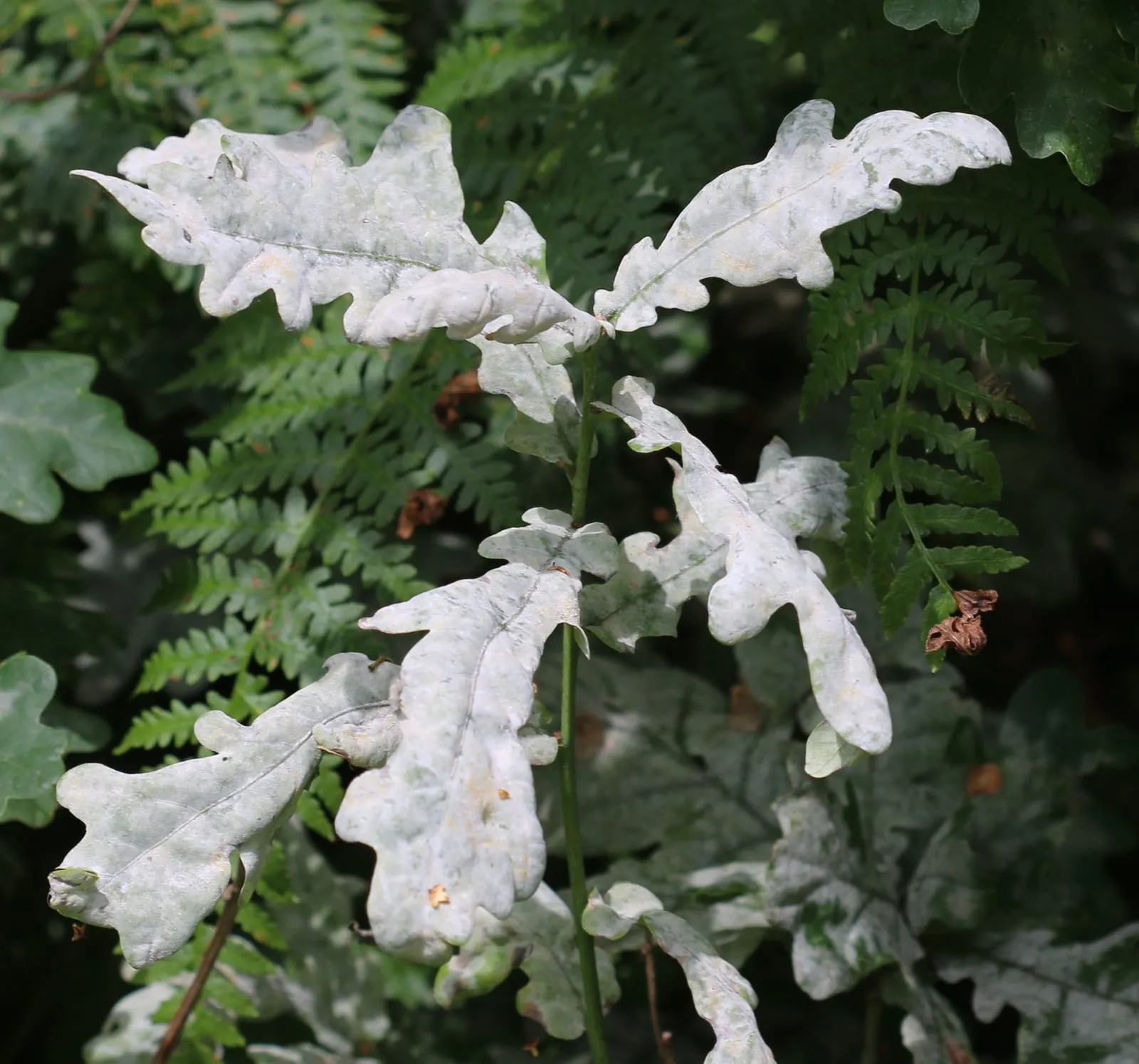
Multiple species (Erysiphales)
Surface-feeding fungal disease producing white powdery growth on leaves and stems. Reduces yield by stealing photosynthate and accelerating senescence.
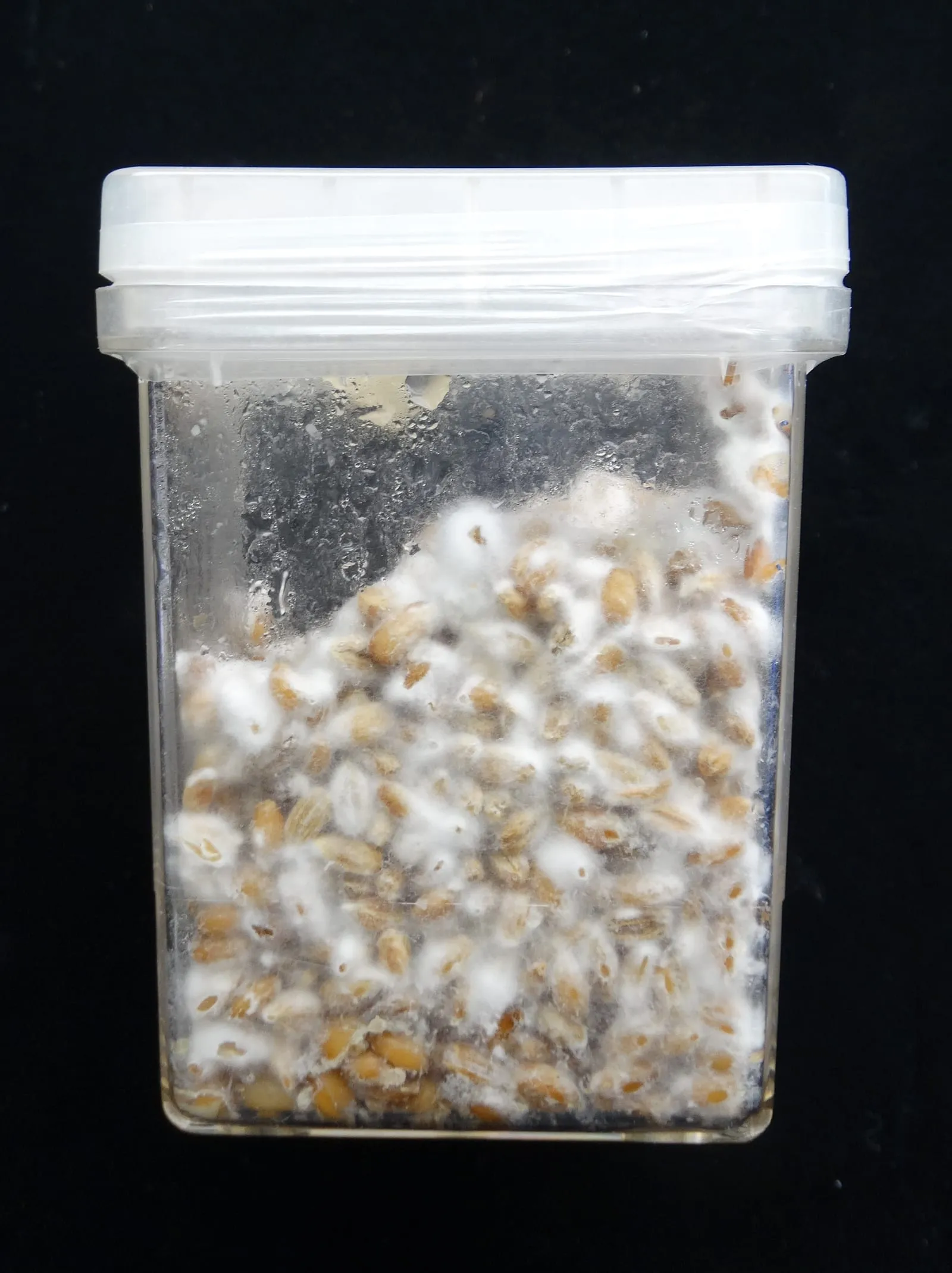
Fusarium oxysporum
Soil-borne fungal disease that plugs vascular tissue and kills affected plants. Persists in soil for many years; impossible to eliminate once established.
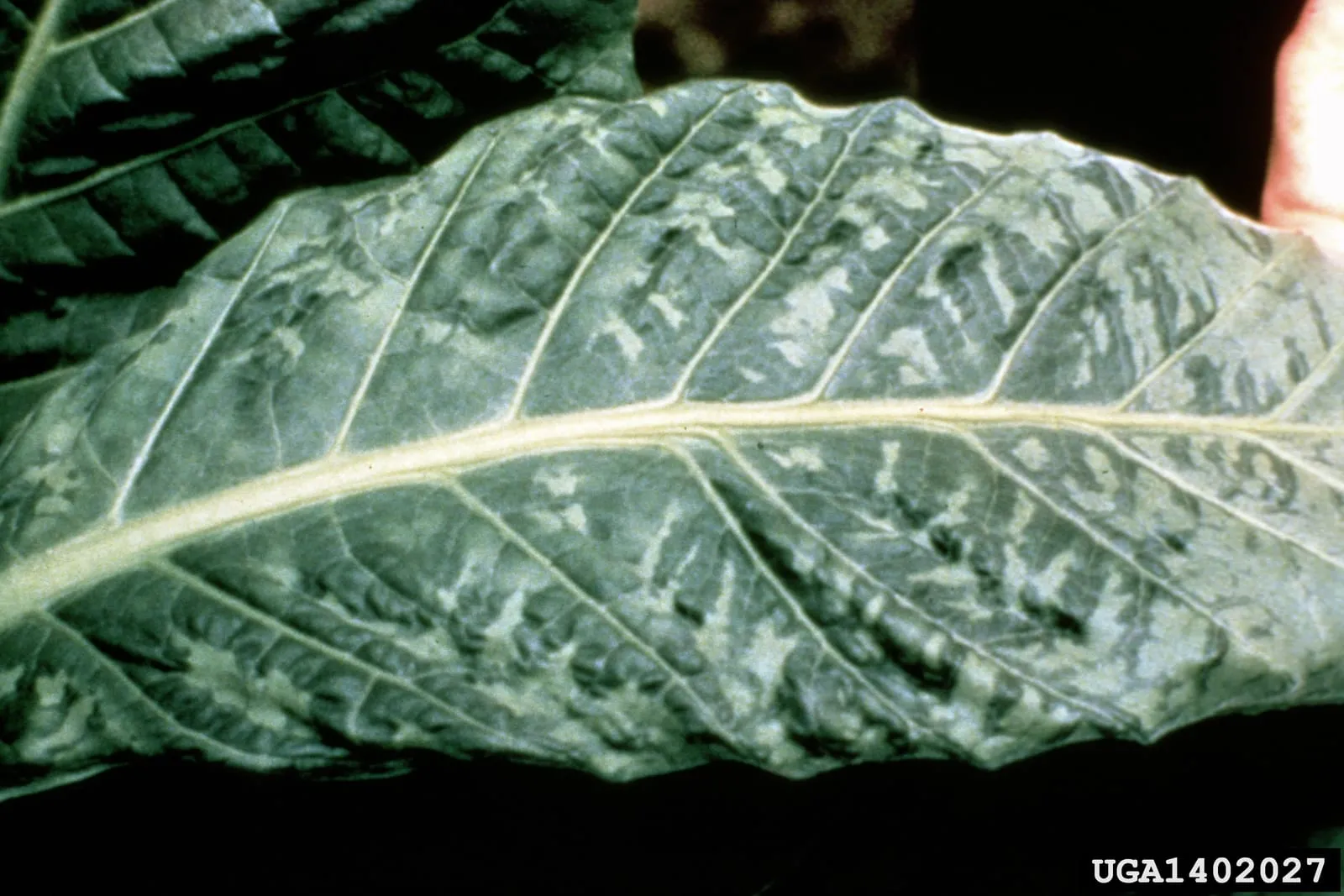
Cucumber mosaic virus, Tobacco mosaic virus, and others
Family of plant viruses producing mottled yellow-and-green leaf patterns. Vectored primarily by aphids; some are seed-transmitted or spread by handling tools and tobacco products.
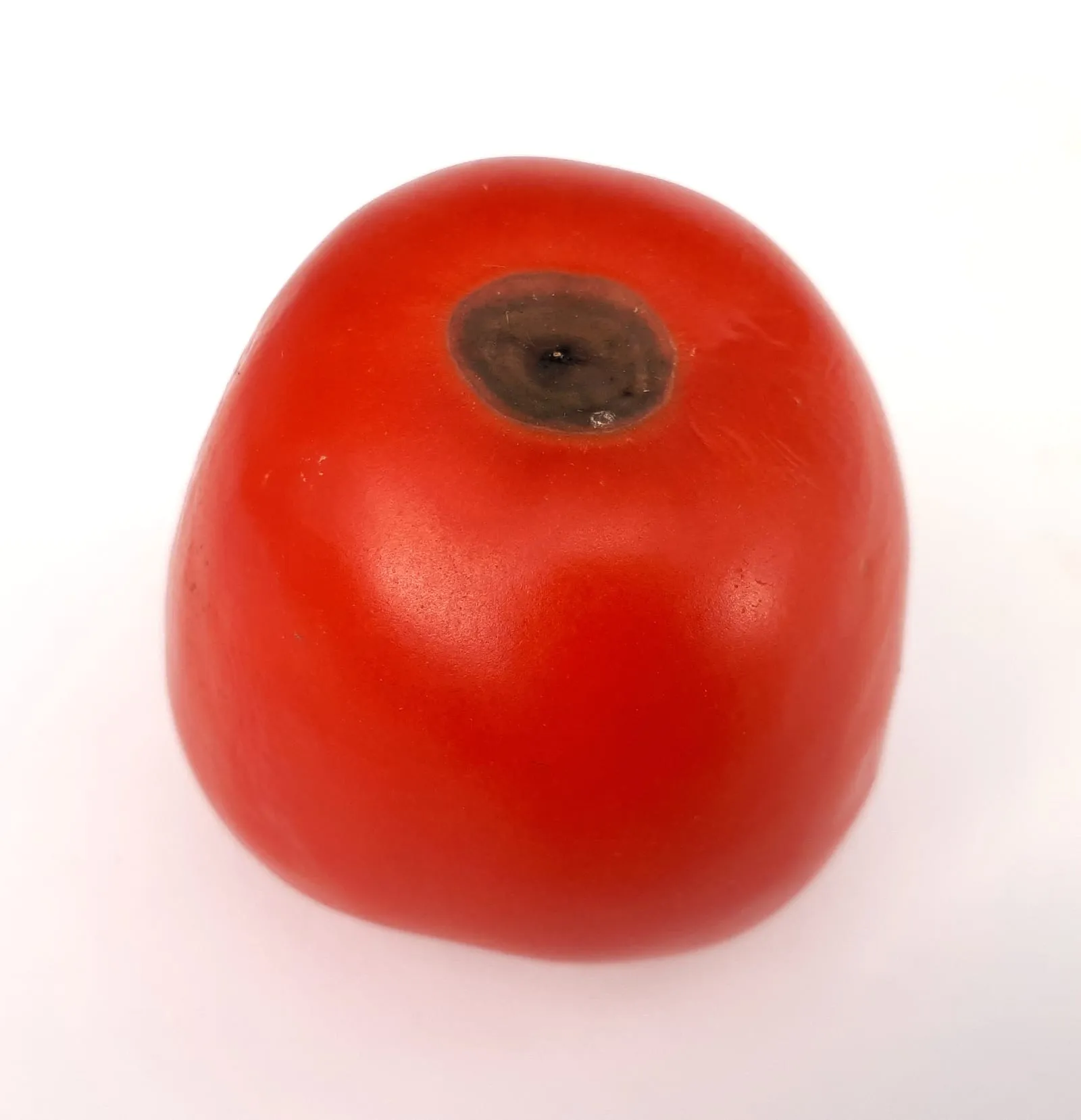
Calcium deficiency physiological disorder
Not a true disease but a calcium-uptake disorder caused by inconsistent soil moisture during fruit development. The dominant cause of damaged first-fruit on home tomato plantings.
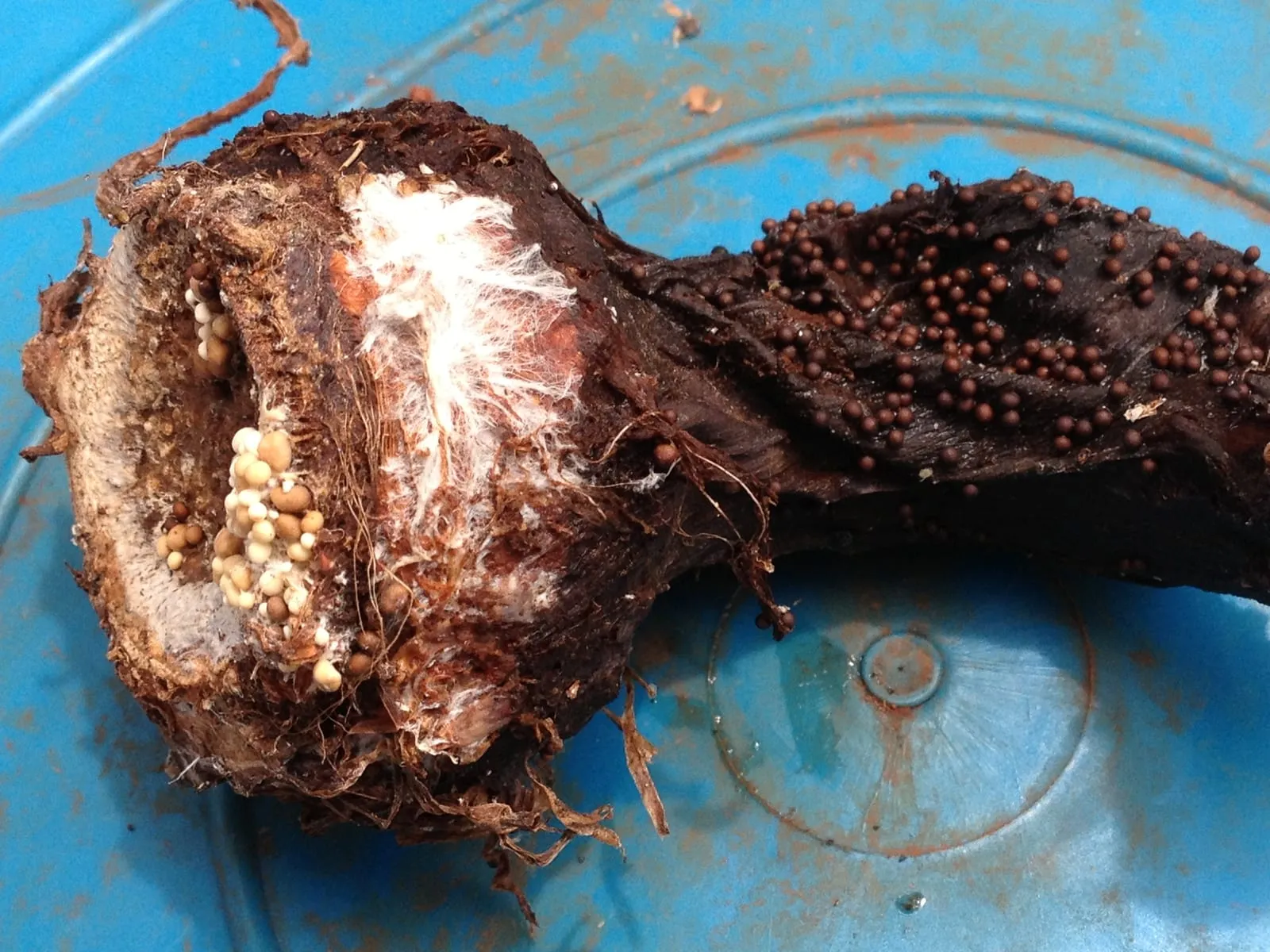
Sclerotium rolfsii
Soil-borne fungal disease most damaging in warm humid Southern conditions. White mycelial fans and small mustard-seed-sized sclerotia at the soil line are diagnostic.
Common pests
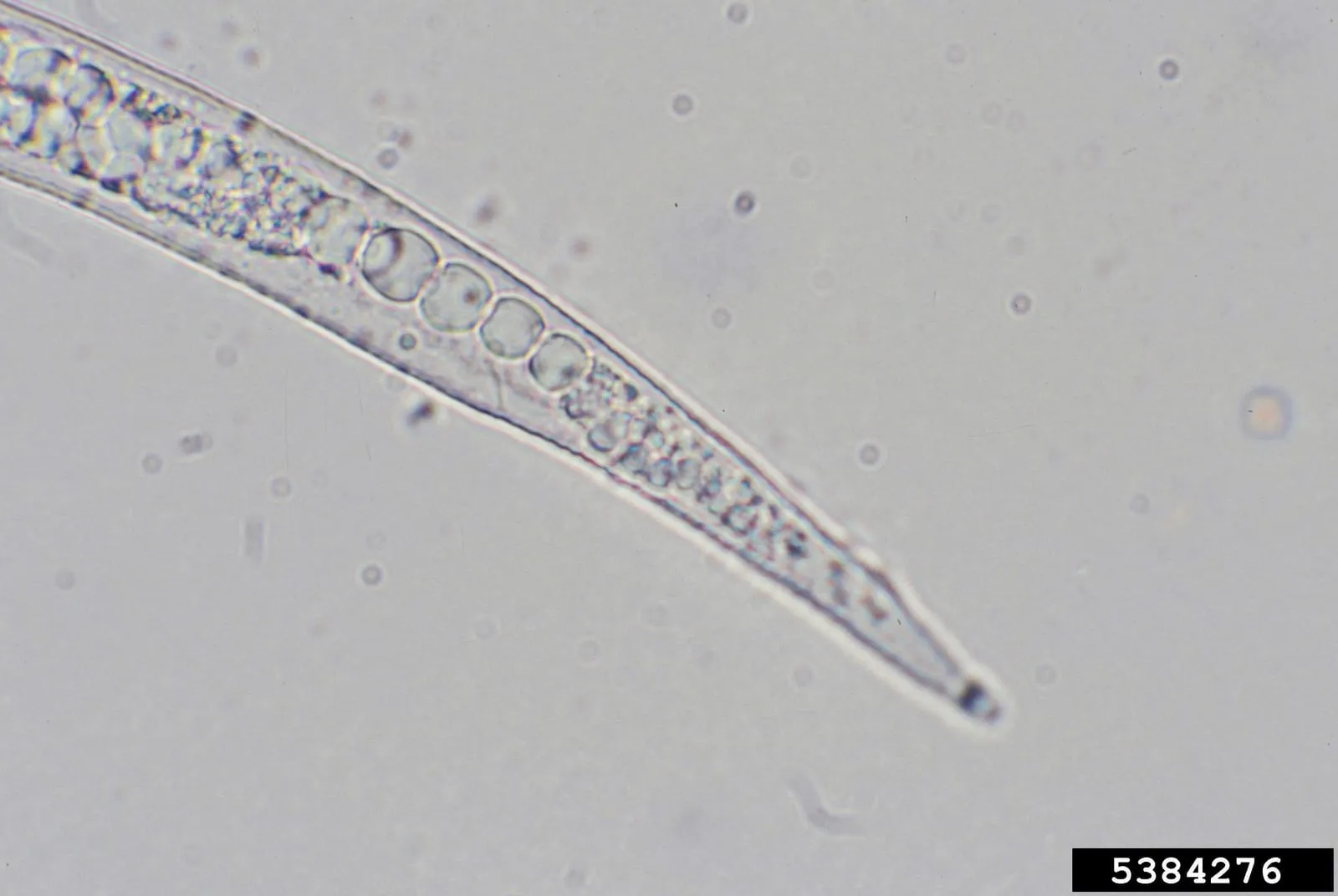
Meloidogyne species
Microscopic soil-dwelling worm that forms galls on roots, reducing vigor and yield.
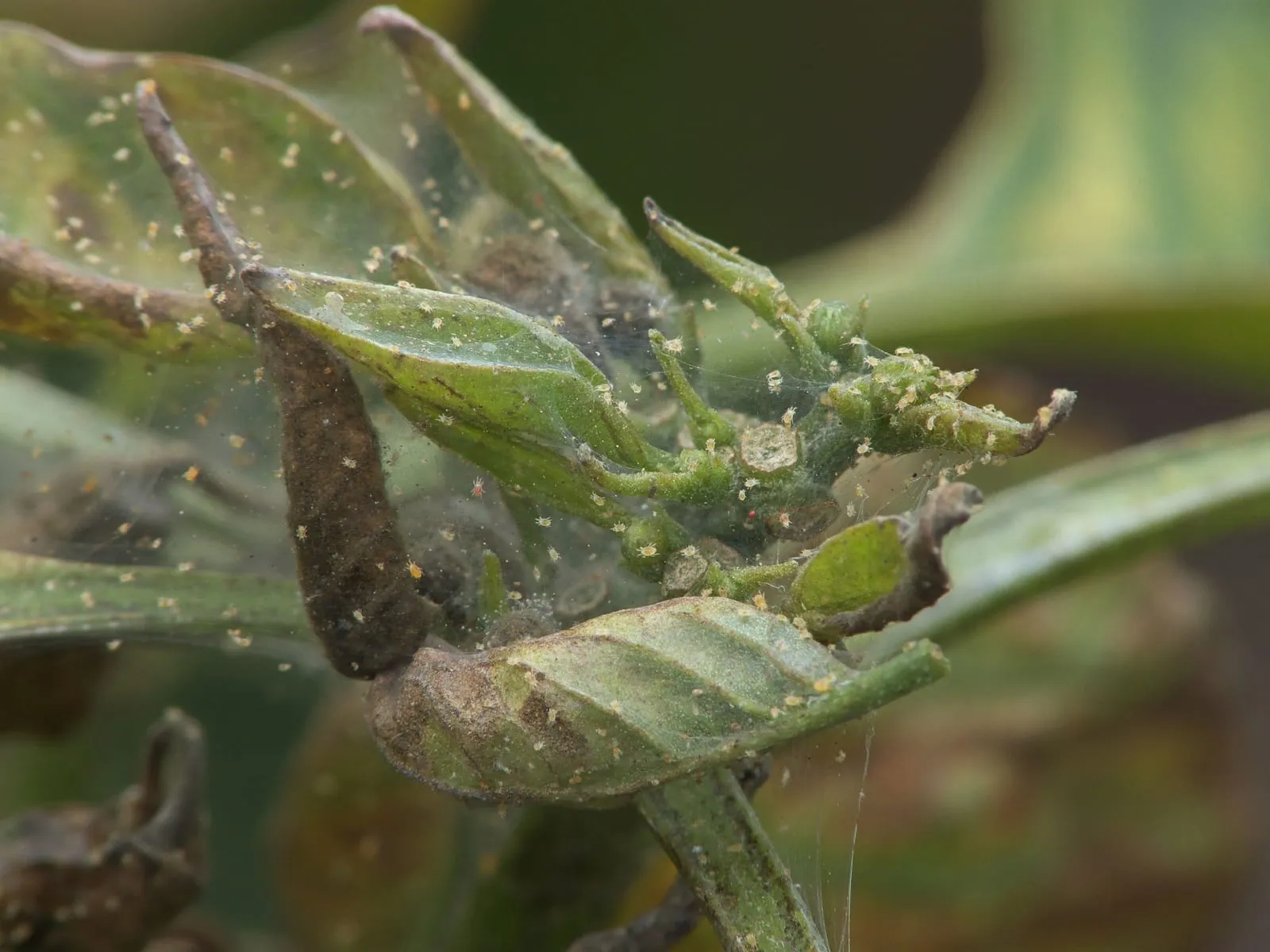
Tetranychus urticae
Tiny mite that feeds on leaf undersides, causing stippling and webbing during hot dry weather.
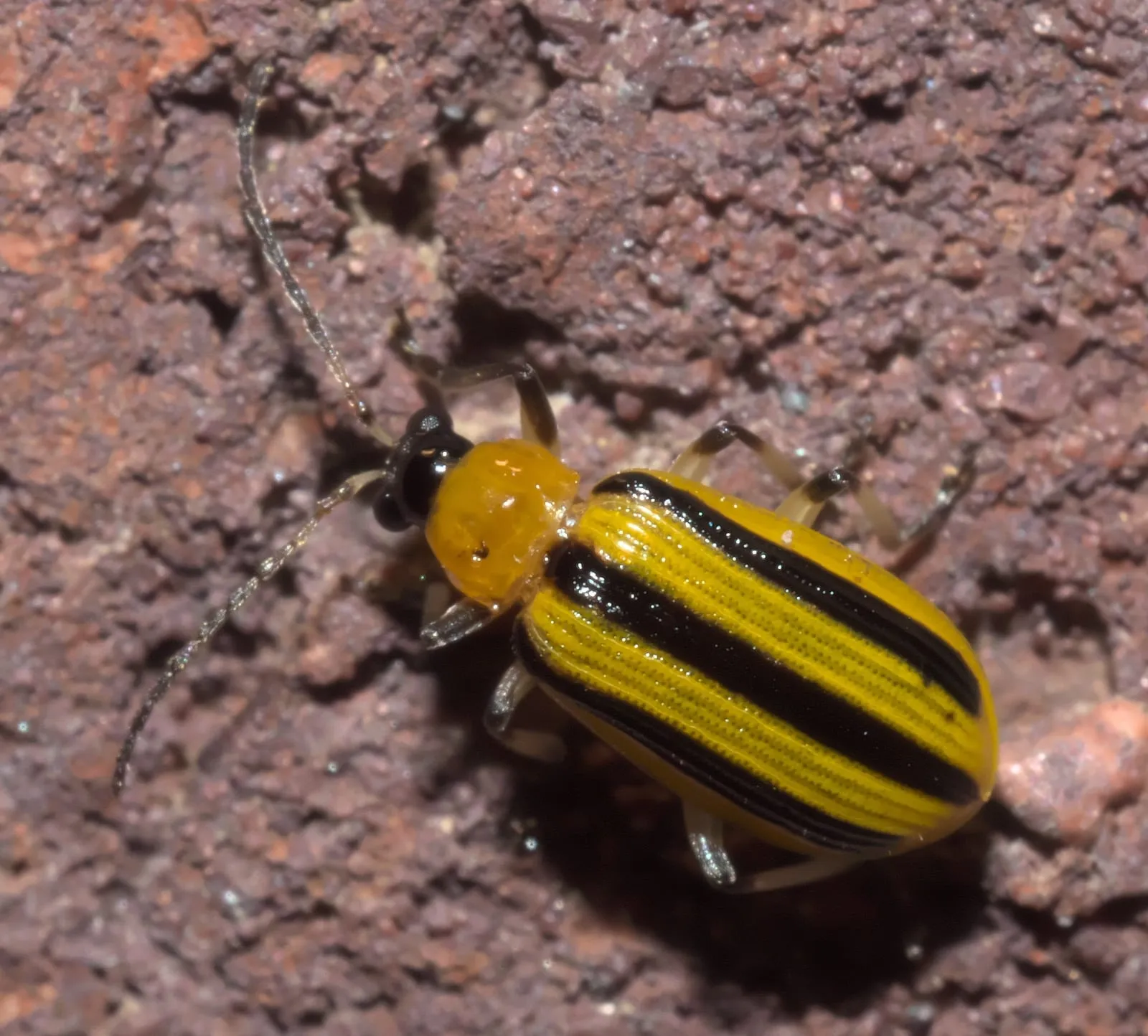
Acalymma vittatum (striped) and Diabrotica undecimpunctata (spotted)
Yellow-and-black beetles that feed on cucurbit foliage and flowers, but the bigger problem is that they vector bacterial wilt and cucumber mosaic virus.
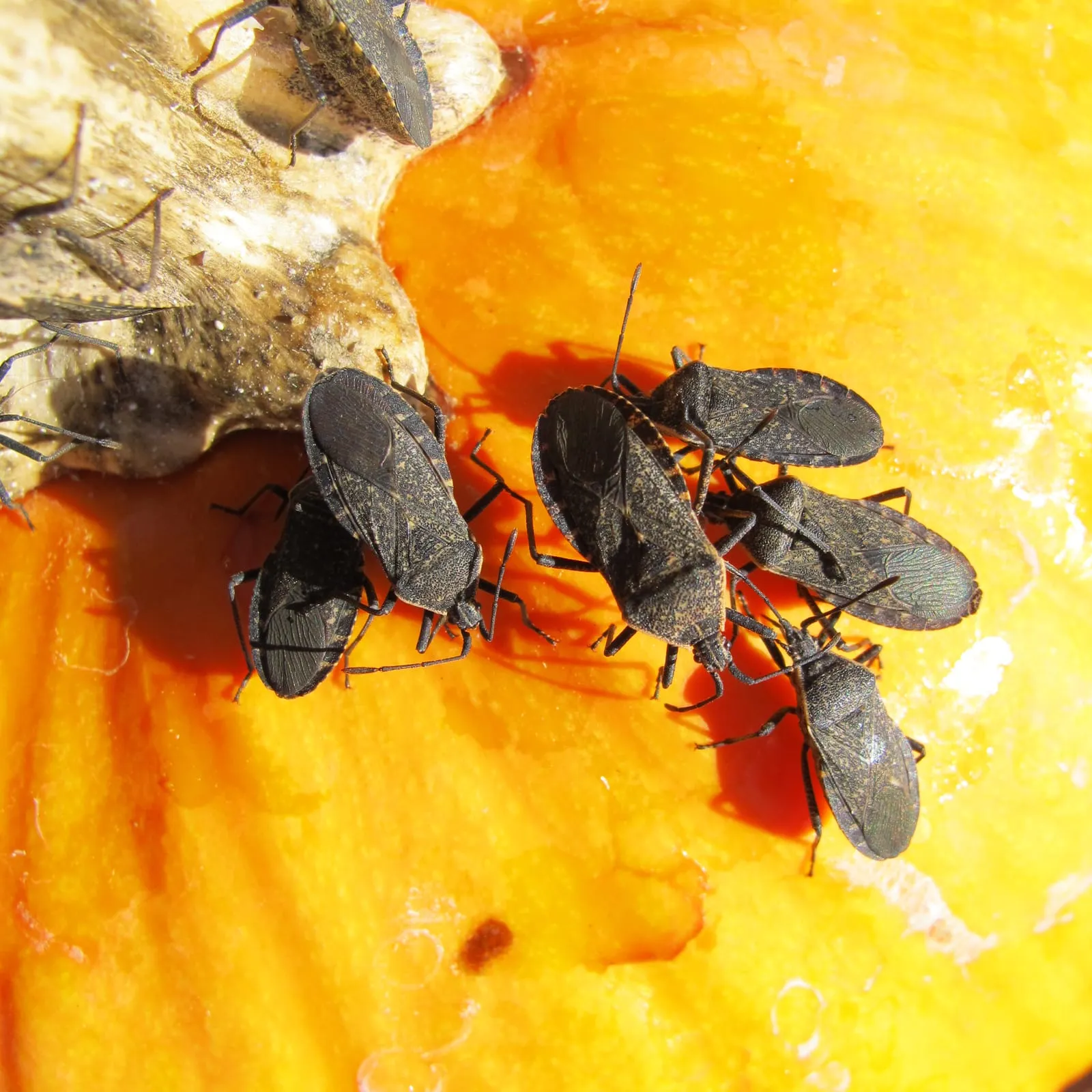
Anasa tristis
Brown shield-shaped bugs that feed on cucurbit foliage and fruit, causing wilting and fruit-quality damage. Transmit cucurbit yellow vine disease.
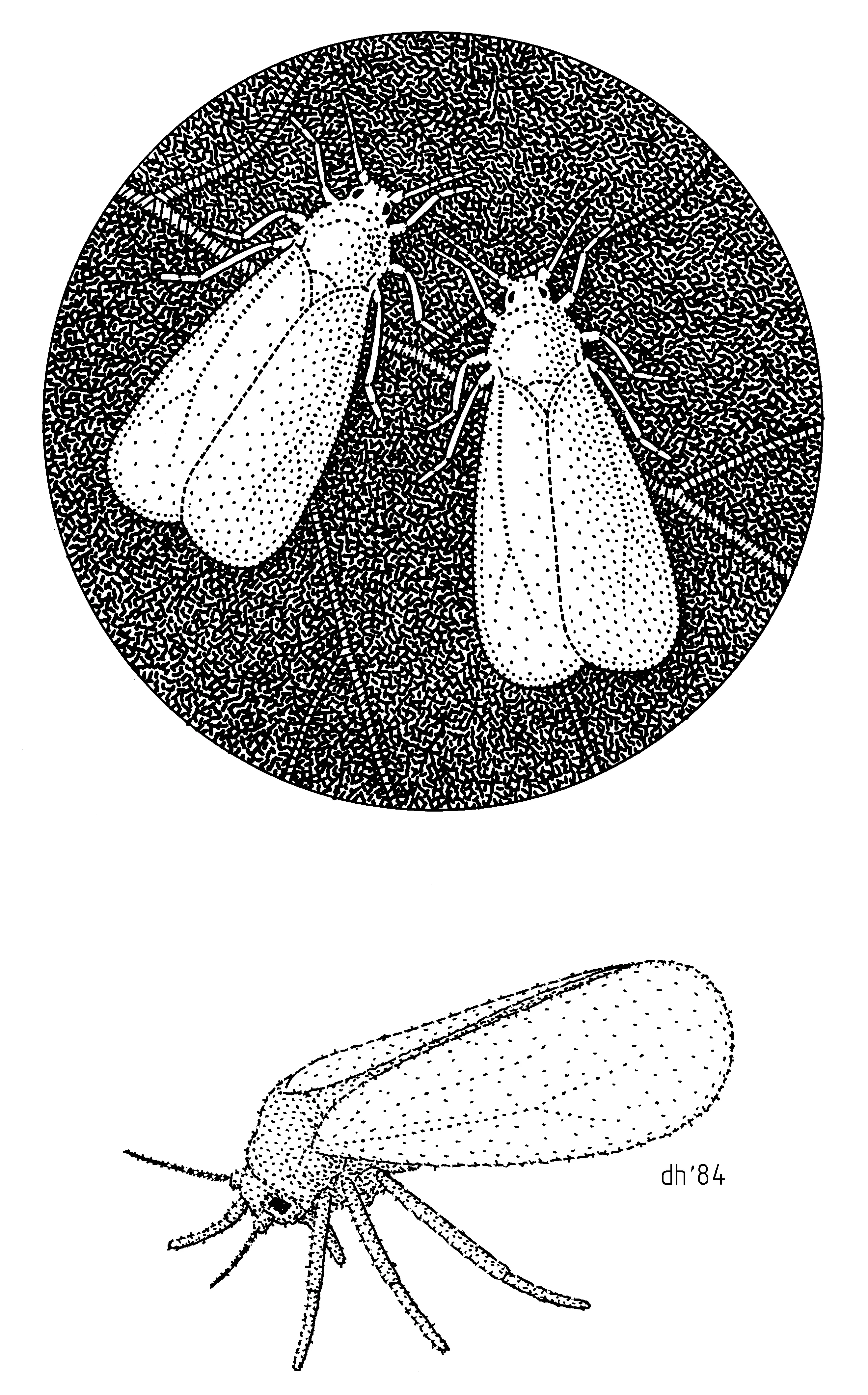
Multiple species (Aleyrodidae)
Tiny white moth-like flying insects that feed on plant sap and excrete honeydew. Transmit numerous viral diseases including tomato yellow leaf curl virus.
Common challenges
The three failure modes that most reliably end watermelon seasons early are inadequate pollination, Fusarium wilt, and frost timing in marginal zones.
Pollination failure is underappreciated by most home growers. Watermelon flowers are open for a single morning and require multiple bee visits to set a well-shaped fruit. Insecticide applications during flowering, or simply low pollinator activity during a given week, can eliminate an entire flush of fruit set. Avoiding sprays when flowers are open and planting pollinator-attracting companions nearby reduces this risk substantially.
Fusarium wilt, caused by a soilborne fungus, is persistent: it can survive in soil for 10 or more years, and there is no effective treatment once it is established. Crop rotation on a minimum 4-year cycle is the primary management tool. Where Fusarium pressure is documented, grafted plants on wilt-resistant rootstock are commercially available and worth the added cost on longer-season varieties that have more time to show symptoms.
In zones 5b through 6b, frost timing is the binding constraint. Watermelon is frost-intolerant at any stage and also needs warm nights to accumulate sugar in the final weeks before harvest. A cool August can delay maturity past the first fall frost. Starting transplants indoors 3 to 4 weeks before the last frost date and selecting short-season varieties gives the crop the best chance of finishing.
Companion plants
Frequently asked questions
- Does watermelon have chill-hour requirements?
No. Watermelon is a warm-season annual with no chilling requirement. The relevant number for site matching is days to maturity (75 to 100 days depending on variety) and sustained summer heat. Chill hours are a factor for perennial fruit trees, not for cucurbits.
- How long does watermelon take from transplant to harvest?
75 to 100 days from transplanting, depending on variety. Short-season types like Sugar Baby mature around 75 days; larger varieties like Charleston Gray need closer to 90 to 100 days. Starting from direct seed rather than transplants adds approximately 1 to 2 weeks to those estimates.
- What USDA zones does watermelon grow in?
Zones 5b through 10a. In zones 5b and 6a, the season is tight enough to require short-season varieties and transplant starts rather than direct seeding. In zones 9b and 10a, the primary challenges shift to managing heat stress during midsummer and maintaining consistent irrigation through dry stretches.
- Does watermelon need pollinators to set fruit?
Yes. Watermelon is not self-fertile. Each female flower requires multiple bee visits on a single morning to set a well-formed fruit. Low pollinator activity during the 2 to 3 week flowering window is a common, often unrecognized cause of poor fruit set, particularly in gardens where insecticides are applied during bloom.
- What is the most damaging disease for watermelon?
Fusarium wilt is typically the most damaging for home growers because it persists in soil for 10 or more years with no curative treatment once established. Crop rotation on a minimum 4-year cycle and selection of wilt-tolerant varieties are the primary management approaches.
- Can watermelon be grown successfully in zone 5b?
Yes, with short-season varieties (75 days) started indoors 3 to 4 weeks before the last frost date. Black plastic mulch to warm the soil before transplanting and row cover to extend the season into early fall make success more reliable at the northern edge of the range.
- How much space does watermelon require?
Standard varieties need 6 to 8 feet between hills and 8 to 12 feet between rows. Icebox types like Sugar Baby can be managed in somewhat tighter spaces but still require 4 to 6 feet of vine run. Crowded plants produce less fruit and have higher foliar disease pressure due to restricted airflow.
+−
+−
+−
+−
+−
+−
+−
Sources
Image: "Fodder Melon", by no rights reserved, via iNaturalist, licensed under CC0. Source.
Watermelon by zone
Related