vegetable in zone 8b
Growing watermelon in zone 8b
Citrullus lanatus
- Zone
- 8b 15°F to 20°F
- Growing season
- 260 days
- Suitable varieties
- 4
- Days to harvest
- 75 to 100
The verdict
Zone 8b is a genuine sweet spot for watermelon, not a marginal case. Watermelon is a warm-season cucurbit with no chill-hour requirement; it needs heat accumulation, not winter cold, to perform well. The zone's 260-day growing season comfortably accommodates even large-fruited varieties that need 85 to 95 days from transplant to harvest, with room left over for a second planting or a fall crop.
The listed zone challenges around chill hours and citrus greening are not relevant to watermelon. The real limiting factors here are soil-borne: nematodes thrive in the sandy soils common across zone 8b's Gulf Coast and Lower South regions, and Fusarium wilt pressure is significant enough to make variety selection consequential. Crimson Sweet and Charleston Gray both carry useful field tolerance. Growers on nematode-prone sites should treat variety tolerance and soil preparation as the primary decisions, not frost timing.
Recommended varieties for zone 8b
4 cultivars suited to this zone, with disease-resistance and zone-fit annotations.
| Variety | Notes | Zone fit | Disease resistance |
|---|---|---|---|
| Crimson Sweet fits zone 8b | Very sweet, deep red flesh, the standard backyard watermelon flavor; oval green-striped fruit (15-25 lb). Fresh, picnics. Disease-tolerant, productive. | | none noted |
| Charleston Gray fits zone 8b | Sweet, tender, large oblong gray-green fruit (25-35 lb); the classic Southern watermelon. Fresh slicing, picnics. Heat-tolerant heritage variety. | | none noted |
| Yellow Doll fits zone 8b | Sweet, mild, golden-yellow flesh in a small round green melon; novelty home-garden choice. Fresh, fruit salads, photogenic for parties. | | none noted |
| Moon and Stars fits zone 8b | Sweet, classic flavor; dark green rind speckled with yellow stars and a moon, deep red flesh. Heritage Amish variety, ornamental and edible. | | none noted |
Critical timing for zone 8b
The last frost in zone 8b typically falls between late February and mid-March, depending on exact location within the zone. Watermelon transplants go out when soil temperatures reach 70°F consistently, which usually arrives in late March to early April across most of the zone. Direct seeding is possible a week or two later.
Blooms appear roughly 35 to 50 days after transplanting. For an early April planting, that puts pollination in May, well before summer heat peaks. Most standard varieties reach harvest between late July and mid-August for spring plantings. The 260-day season allows a second round started in late June or early July, with harvest completing before the first fall frost in mid-November.
Common challenges in zone 8b
- ▸ Low chill hours limit apple variety selection
- ▸ Citrus greening risk
- ▸ Nematodes in sandy soils
Disease pressure to watch for
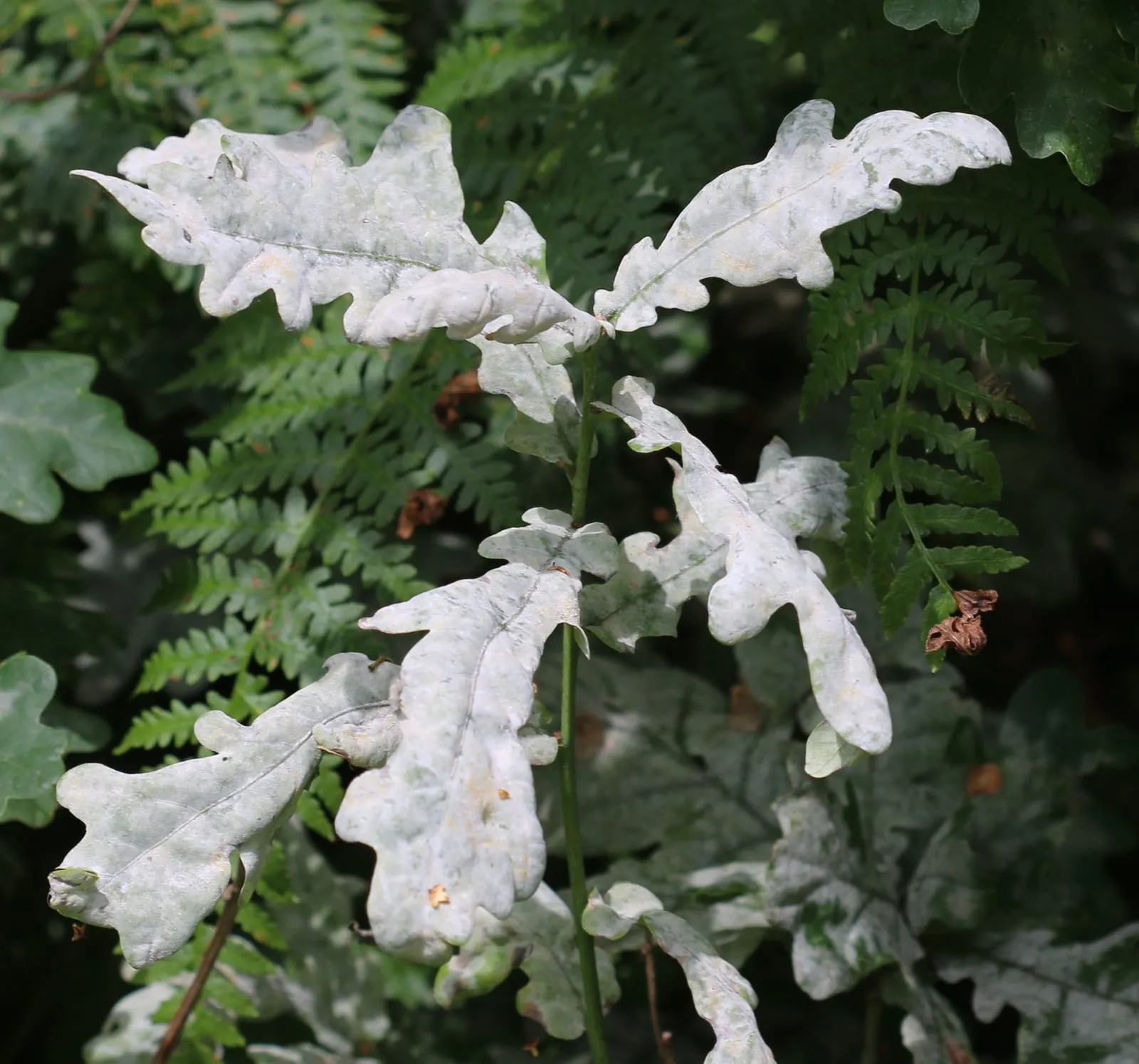
Multiple species (Erysiphales)
Surface-feeding fungal disease producing white powdery growth on leaves and stems. Reduces yield by stealing photosynthate and accelerating senescence.
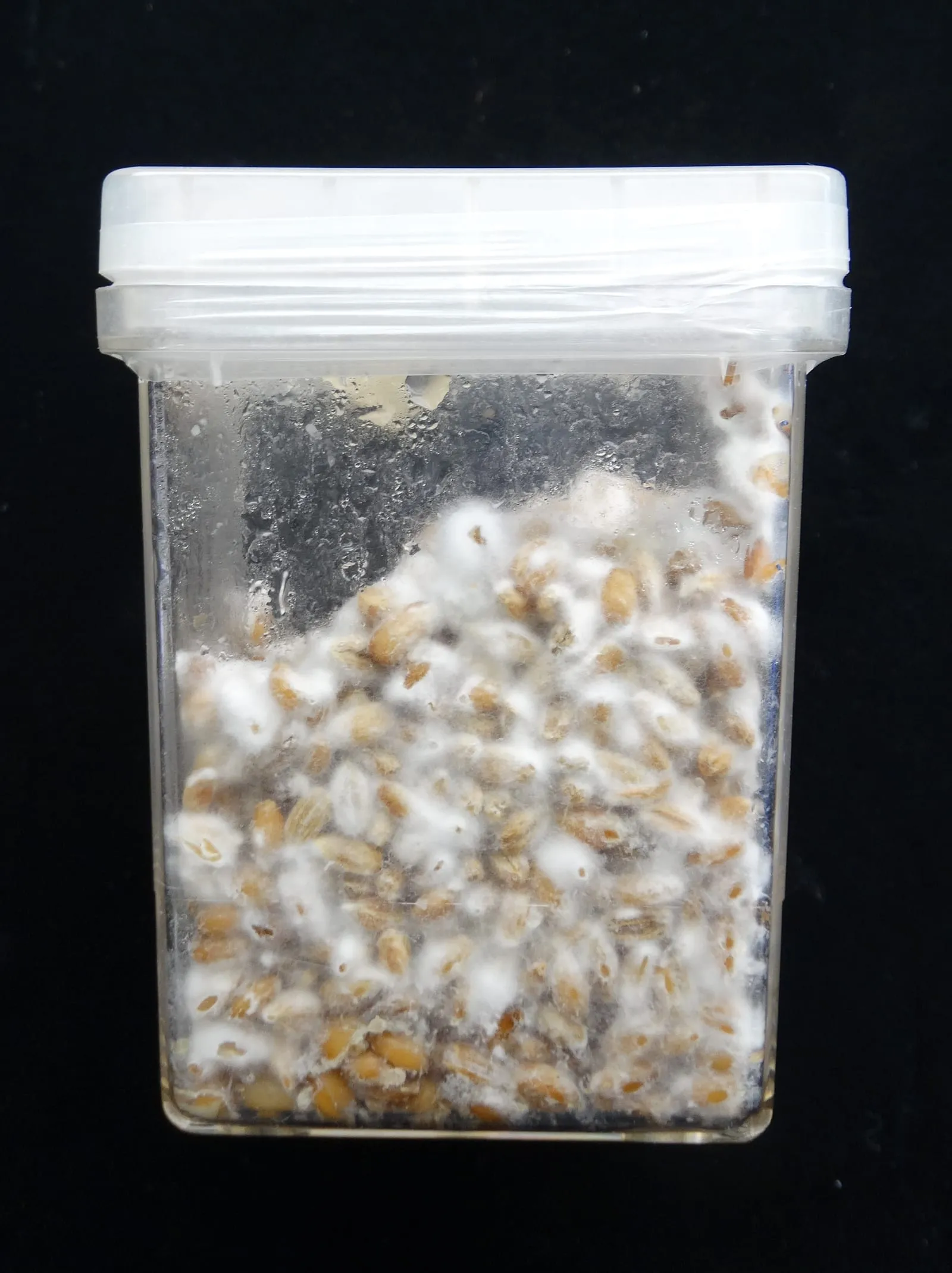
Fusarium oxysporum
Soil-borne fungal disease that plugs vascular tissue and kills affected plants. Persists in soil for many years; impossible to eliminate once established.
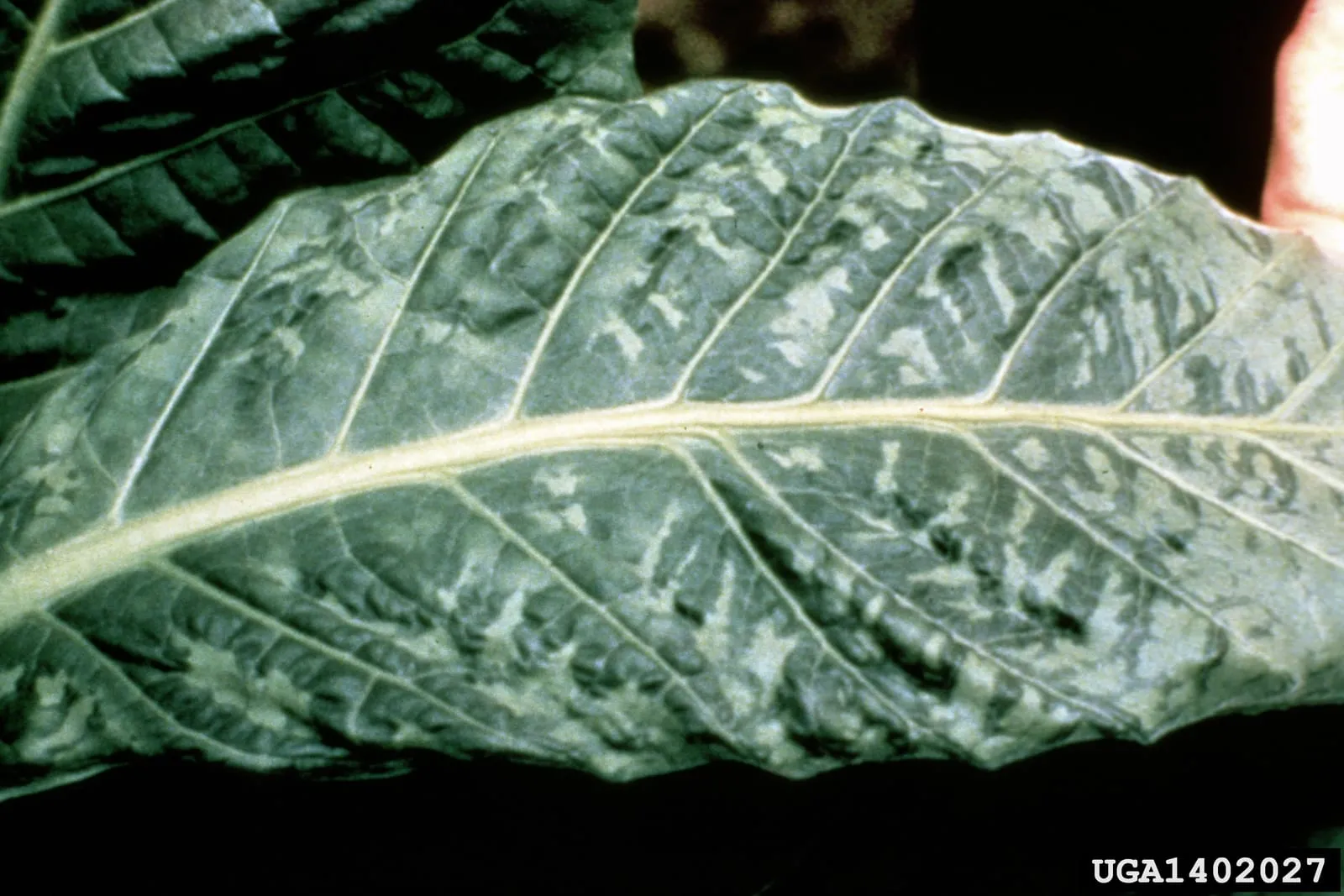
Cucumber mosaic virus, Tobacco mosaic virus, and others
Family of plant viruses producing mottled yellow-and-green leaf patterns. Vectored primarily by aphids; some are seed-transmitted or spread by handling tools and tobacco products.
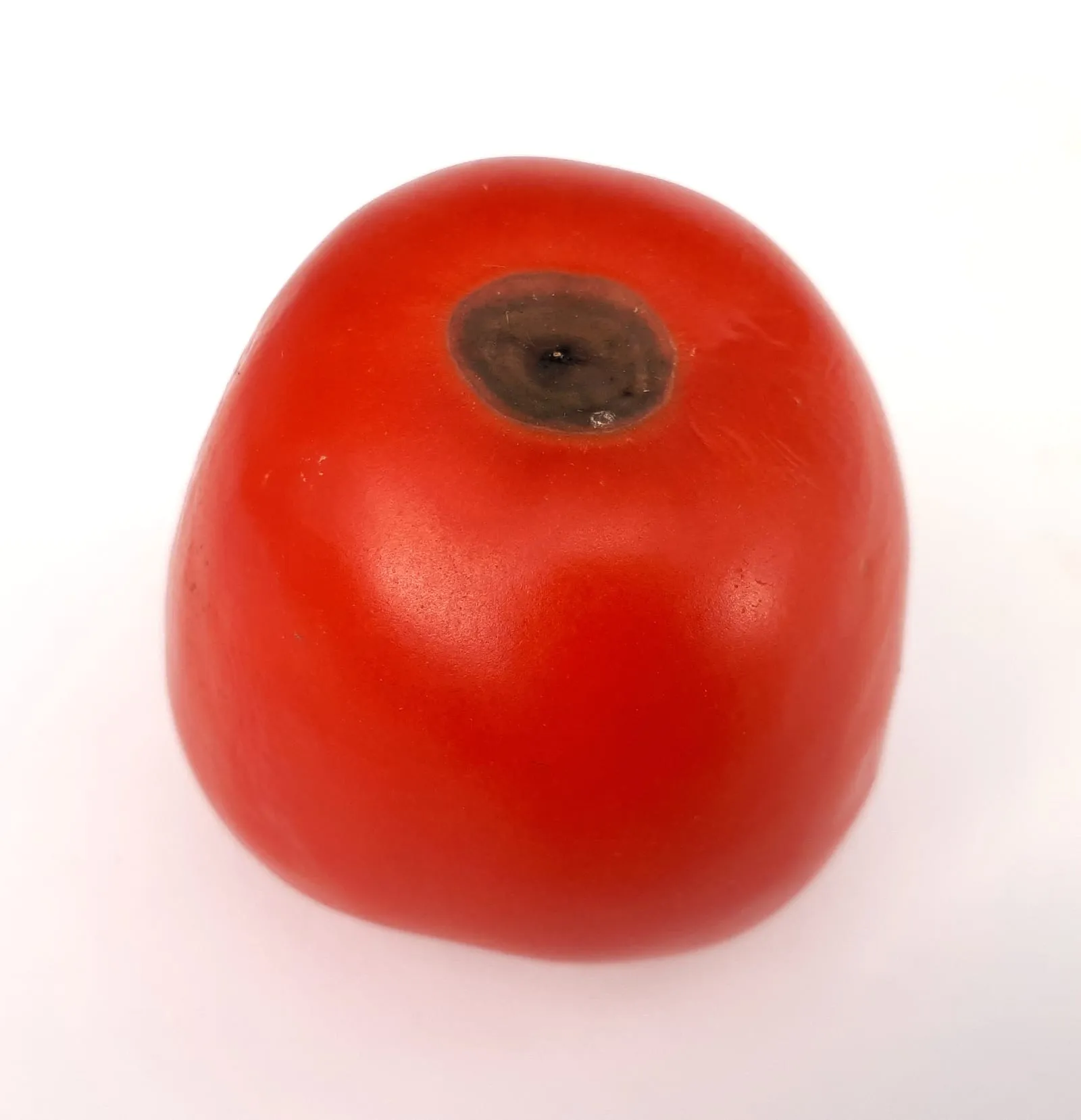
Calcium deficiency physiological disorder
Not a true disease but a calcium-uptake disorder caused by inconsistent soil moisture during fruit development. The dominant cause of damaged first-fruit on home tomato plantings.
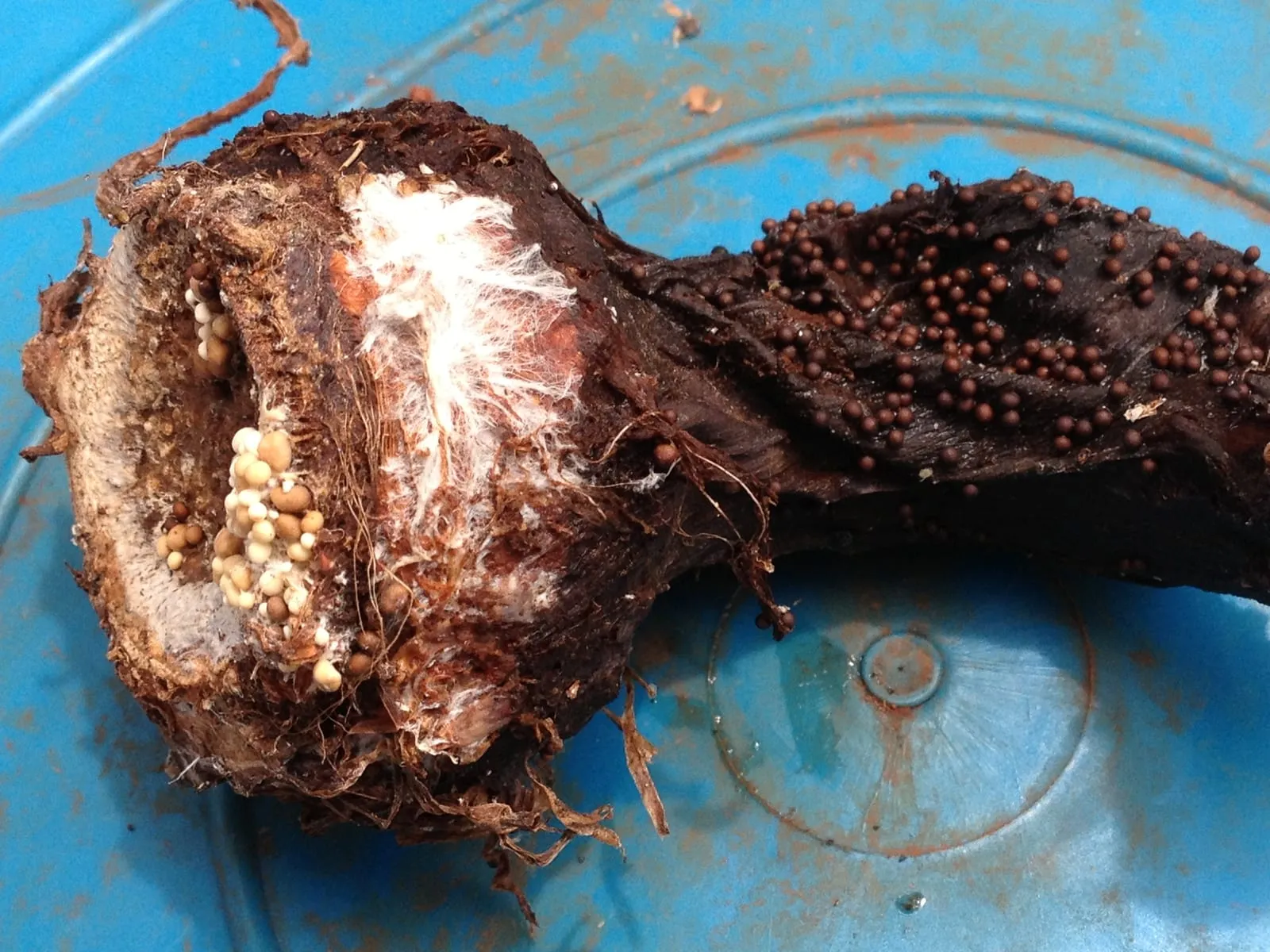
Sclerotium rolfsii
Soil-borne fungal disease most damaging in warm humid Southern conditions. White mycelial fans and small mustard-seed-sized sclerotia at the soil line are diagnostic.
Modified care for zone 8b
The biggest adjustment in zone 8b is managing soil-borne pressure rather than climate extremes. On sandy soils, root-knot nematodes can severely stunt or kill plants before visible symptoms appear above ground. Rotating out of cucurbits for two to three seasons, using certified transplants, and selecting tolerant varieties reduces risk but does not eliminate it on heavily infested ground.
Fusarium wilt persists in soil for years, so fields with a history of the disease require resistant varieties. Powdery and downy mildew both intensify during the humid stretches common in late summer; fungicide programs timed to early canopy closure outperform reactive sprays. Summer heat in zone 8b can reduce fruit set when night temperatures stay above 85°F for extended periods; afternoon shade on the vine is not practical at scale, but maintaining consistent soil moisture through drip irrigation reduces heat stress during pollination.
Frequently asked questions
- Can watermelon be grown successfully in zone 8b?
Yes, zone 8b is well-suited for watermelon. The 260-day growing season and warm summers align closely with what watermelon needs. The primary concerns are soil-borne diseases and nematodes, not the climate itself.
- Which watermelon varieties perform best in zone 8b?
Crimson Sweet and Charleston Gray have long track records in the South and carry field tolerance to Fusarium wilt, which is common in zone 8b soils. Yellow Doll is a fast-maturing (70-day) option useful for second plantings or shorter growing windows within the zone.
- When should watermelon be transplanted in zone 8b?
Transplant after the last frost and once soil temperatures hold at 70°F or above, typically late March to early April in most zone 8b locations. Planting into cold soil delays establishment and increases disease susceptibility.
- Is a second watermelon planting possible in zone 8b?
Yes. A late June to early July planting of a faster-maturing variety like Yellow Doll (around 70 days) can produce fruit in September, well before the first fall frost. Heat during pollination in July can occasionally reduce fruit set, so consistent irrigation matters more on the second planting.
- How serious is Fusarium wilt for watermelon in zone 8b?
Fusarium wilt is a persistent soil-borne pathogen that survives for years in affected fields. Resistant or tolerant varieties are the most practical management tool. Rotation helps slow buildup but does not eliminate established infections.
+−
+−
+−
+−
+−
Watermelon in adjacent zones
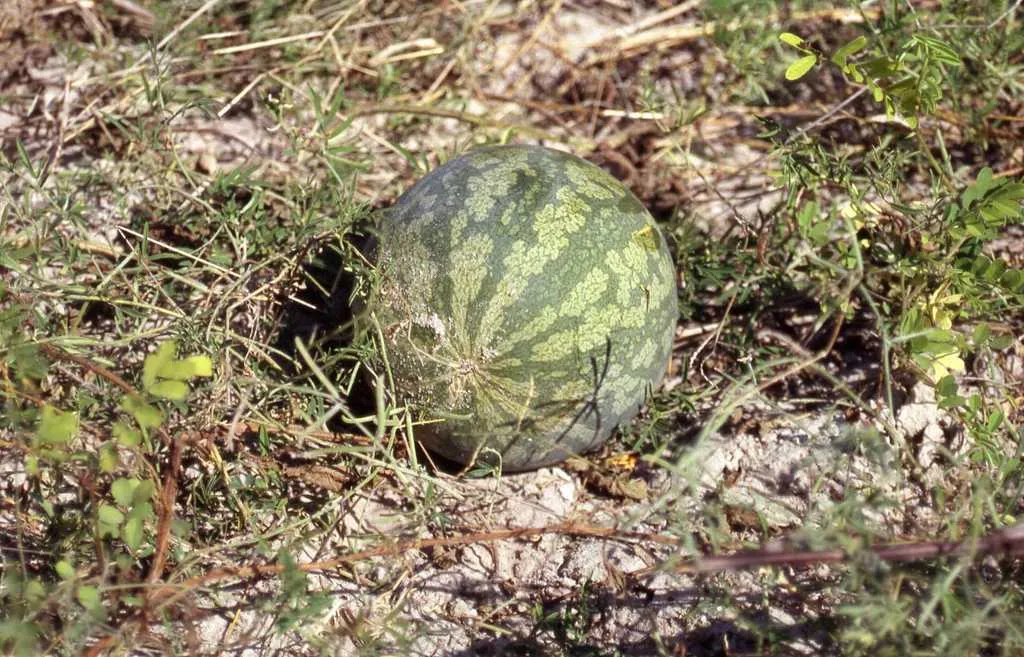
Image: "Fodder Melon", by no rights reserved, via iNaturalist, licensed under CC0 Source.
Related