vegetable in zone 9a
Growing watermelon in zone 9a
Citrullus lanatus
- Zone
- 9a 20°F to 25°F
- Growing season
- 290 days
- Suitable varieties
- 2
- Days to harvest
- 75 to 100
The verdict
Watermelon is among the warmest-season crops in common cultivation, and zone 9a sits squarely in its comfort zone. The 290-day growing season far exceeds what watermelon requires, and the crop carries no chill-hour requirement whatsoever, unlike stone fruits that struggle in zone 9a due to insufficient winter cold. The warm winters and long summers are assets here, not obstacles. Minimum winter temperatures in the 20 to 25°F range pose little risk because watermelon is planted well after frost danger passes and is typically out of the ground before any fall cold arrives. Crimson Sweet and Charleston Gray both perform reliably in this zone, with heat tolerance and disease resistance that helps offset the elevated disease pressure common in humid zone 9a conditions. For watermelon specifically, zone 9a is a productive, reliable growing environment, not a marginal one.
Recommended varieties for zone 9a
2 cultivars suited to this zone, with disease-resistance and zone-fit annotations.
| Variety | Notes | Zone fit | Disease resistance |
|---|---|---|---|
| Crimson Sweet fits zone 9a | Very sweet, deep red flesh, the standard backyard watermelon flavor; oval green-striped fruit (15-25 lb). Fresh, picnics. Disease-tolerant, productive. | | none noted |
| Charleston Gray fits zone 9a | Sweet, tender, large oblong gray-green fruit (25-35 lb); the classic Southern watermelon. Fresh slicing, picnics. Heat-tolerant heritage variety. | | none noted |
Critical timing for zone 9a
In zone 9a, the last frost typically falls between late January and mid-February depending on local conditions, allowing direct seeding or transplanting to begin as early as late February. Watermelon vines need soil temperatures above 70°F to germinate and establish reliably, so waiting until March is often the safer choice in cooler pockets of the zone. Days to harvest for Crimson Sweet and Charleston Gray range from 80 to 90 days, placing the first harvest window in late May through early July for spring plantings. The 290-day growing season also permits a second planting in late July or early August for a fall harvest before the first frost. Bloom typically occurs 5 to 7 weeks after transplanting, falling during May and June in zone 9a, when pollinator activity is high and temperatures favor fruit set.
Common challenges in zone 9a
- ▸ Limited stone fruit options due to insufficient chill
- ▸ Hurricane and tropical storm exposure
- ▸ Citrus disease pressure
Disease pressure to watch for
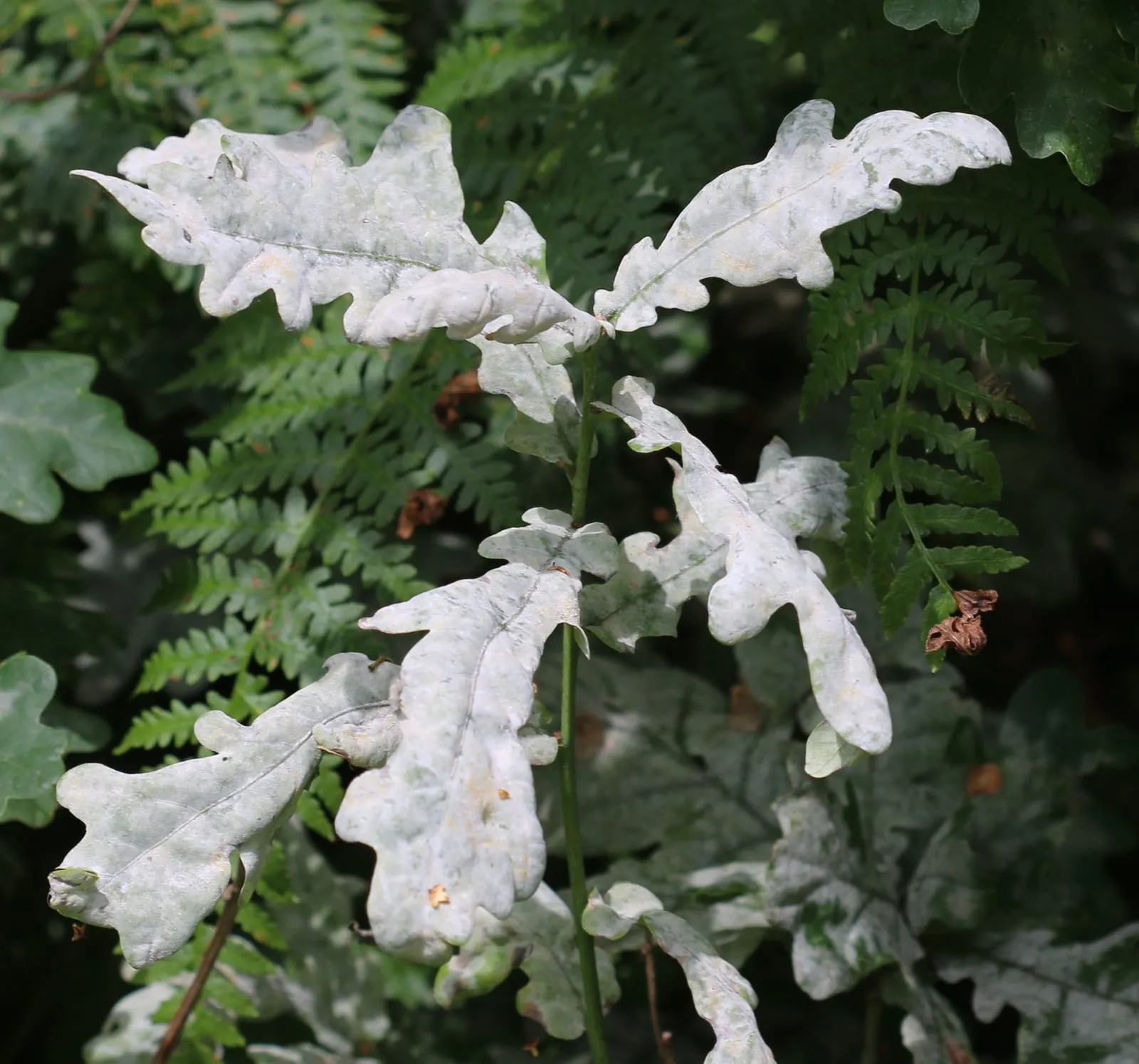
Multiple species (Erysiphales)
Surface-feeding fungal disease producing white powdery growth on leaves and stems. Reduces yield by stealing photosynthate and accelerating senescence.
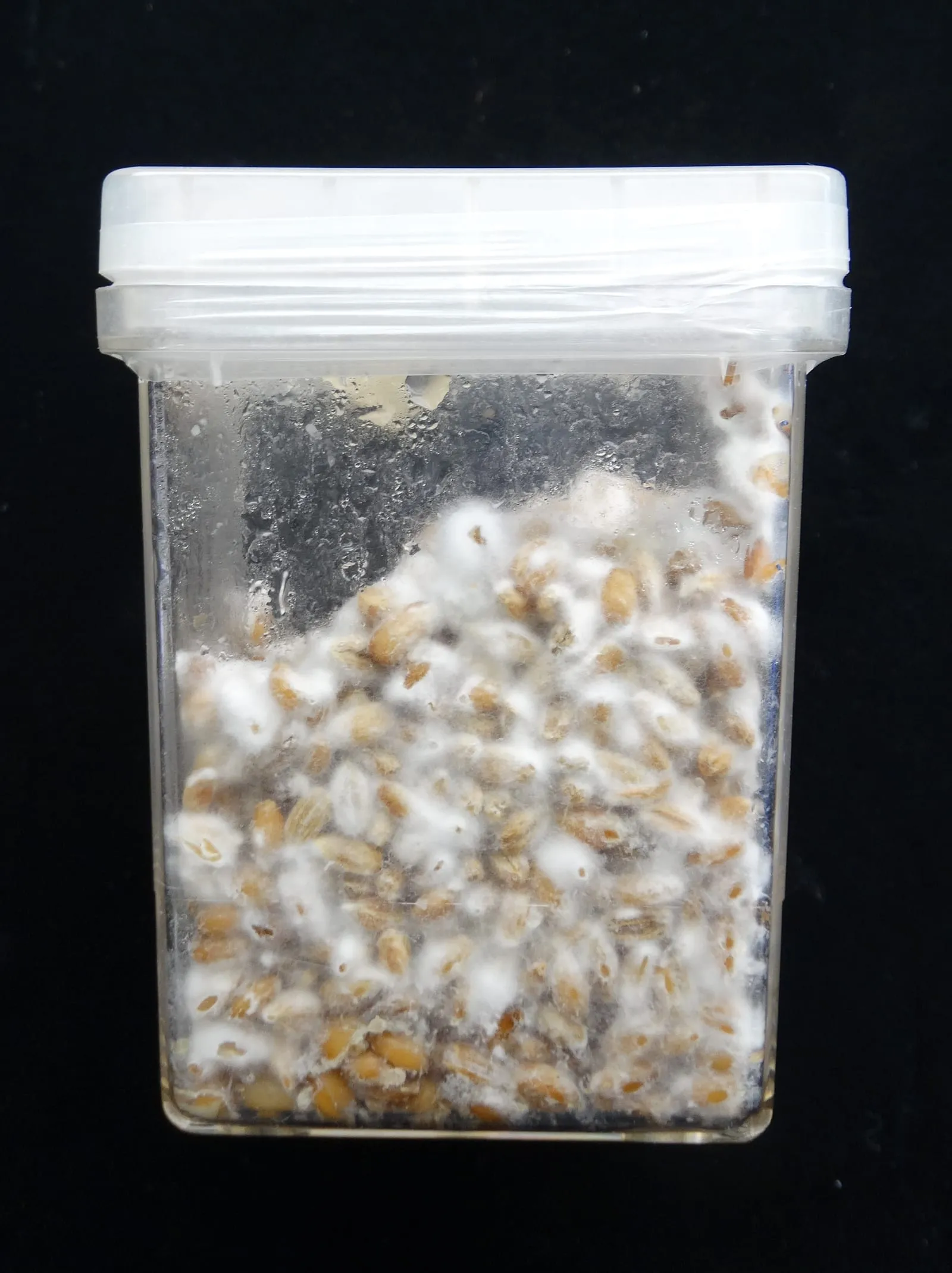
Fusarium oxysporum
Soil-borne fungal disease that plugs vascular tissue and kills affected plants. Persists in soil for many years; impossible to eliminate once established.
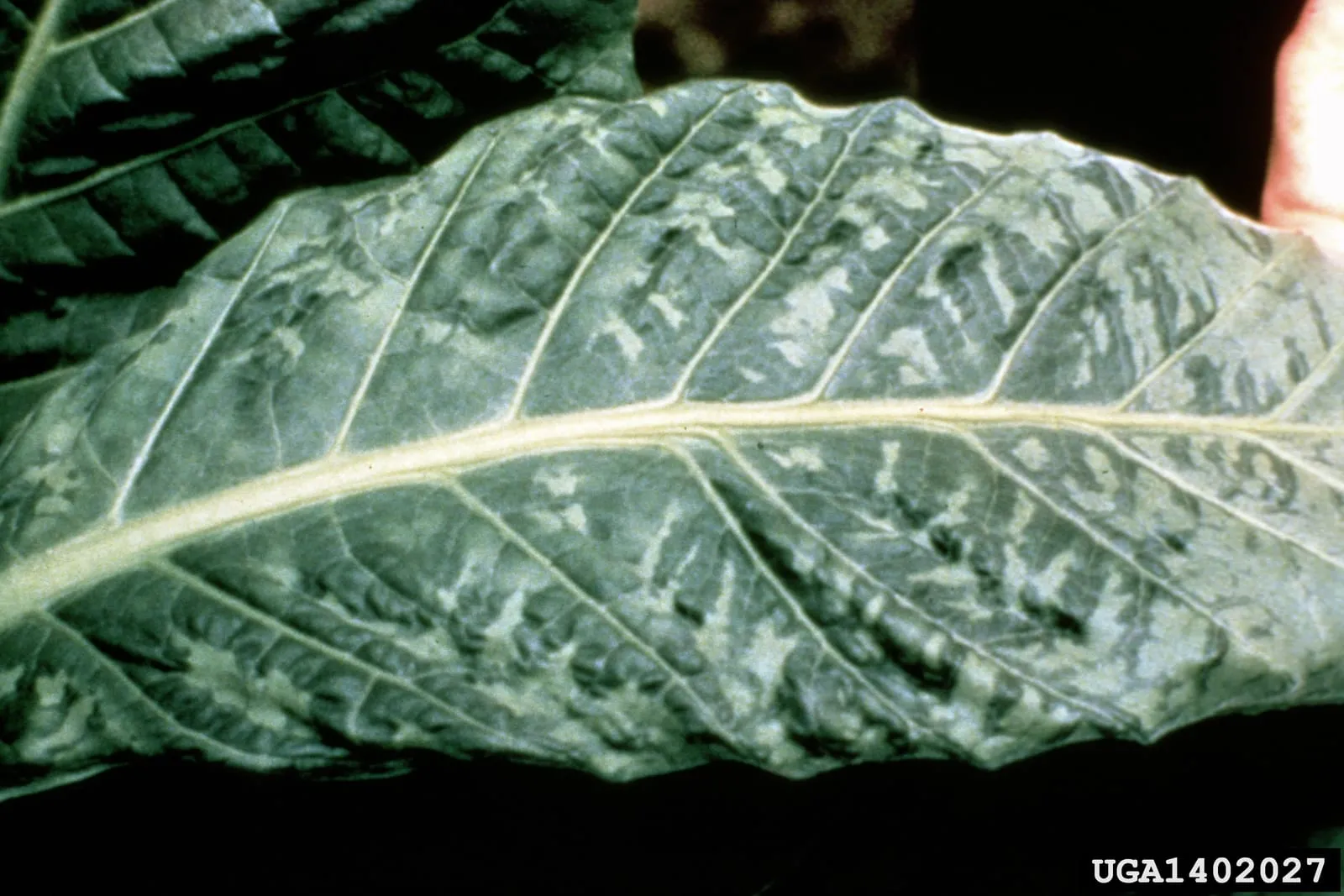
Cucumber mosaic virus, Tobacco mosaic virus, and others
Family of plant viruses producing mottled yellow-and-green leaf patterns. Vectored primarily by aphids; some are seed-transmitted or spread by handling tools and tobacco products.
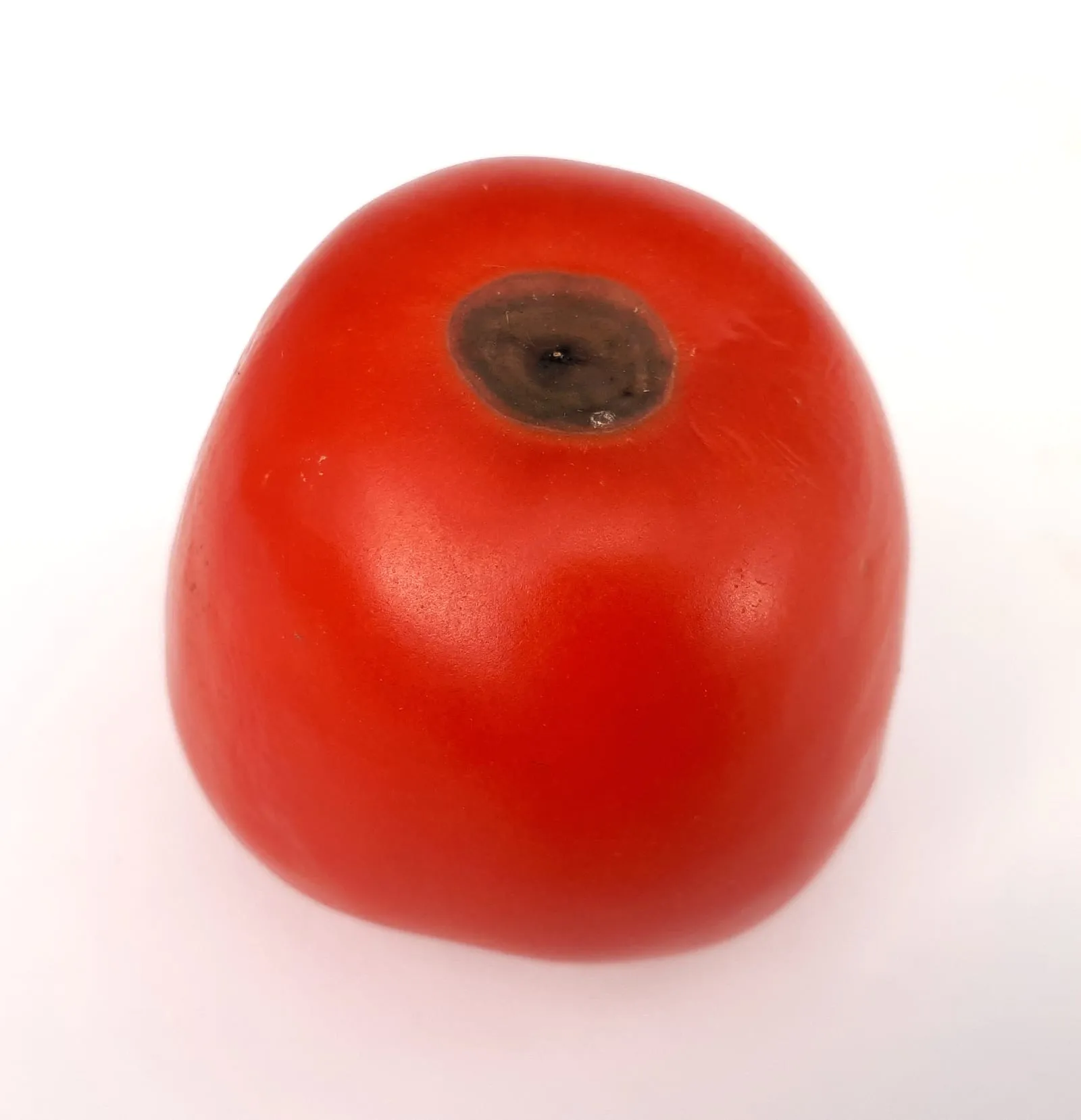
Calcium deficiency physiological disorder
Not a true disease but a calcium-uptake disorder caused by inconsistent soil moisture during fruit development. The dominant cause of damaged first-fruit on home tomato plantings.
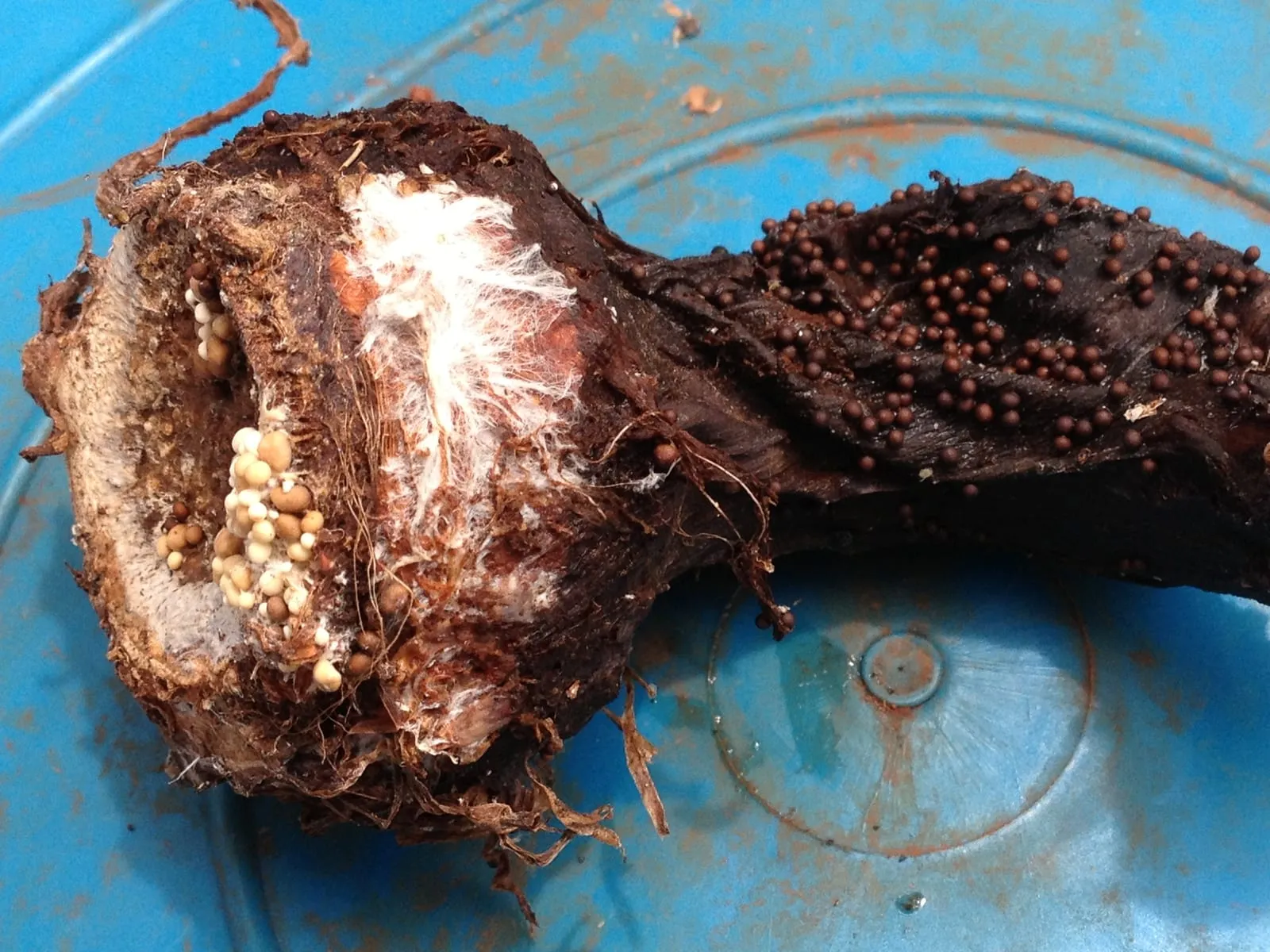
Sclerotium rolfsii
Soil-borne fungal disease most damaging in warm humid Southern conditions. White mycelial fans and small mustard-seed-sized sclerotia at the soil line are diagnostic.
Modified care for zone 9a
The primary disease threats in zone 9a watermelon plantings are Fusarium wilt, powdery mildew, and downy mildew. Fusarium wilt is soil-borne and can persist in garden soil for a decade or more; crop rotation on a 3 to 4 year cycle is the most reliable management tool, since no fungicide controls it effectively once established. Powdery and downy mildew both intensify under humid conditions, which are common in zone 9a during summer afternoons. Adequate vine spacing to promote air circulation, combined with early morning irrigation rather than overhead watering, reduces mildew pressure significantly. Hurricane and tropical storm exposure is a real risk in coastal and near-coastal zone 9a areas; watermelon vines sprawling across open beds are vulnerable to wind damage and flooding. Timing the second planting to finish harvest before peak hurricane season (September) reduces that exposure.
Watermelon in adjacent zones
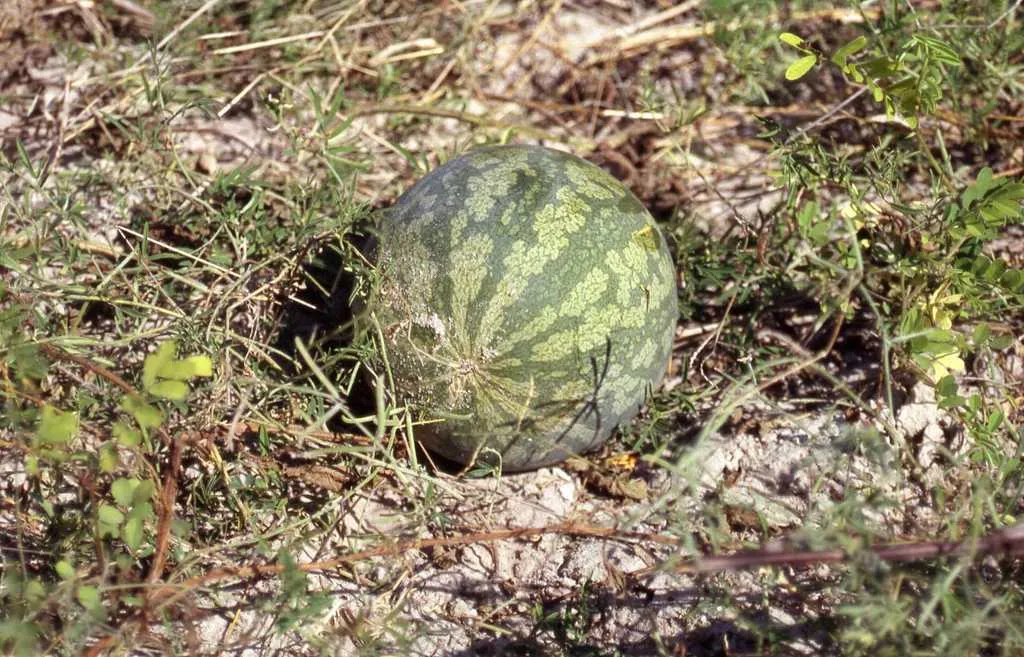
Image: "Fodder Melon", by no rights reserved, via iNaturalist, licensed under CC0 Source.
Related