vegetable in zone 9b
Growing watermelon in zone 9b
Citrullus lanatus
- Zone
- 9b 25°F to 30°F
- Growing season
- 310 days
- Suitable varieties
- 0
- Days to harvest
- 75 to 100
The verdict
Watermelon is a warm-season cucurbit with no chill-hour requirement, which makes zone 9b a genuine sweet spot rather than a marginal zone. The 310-day growing season provides ample time for two successions, and the zone's minimum winter temperatures (25 to 30°F) are well above the crop's frost-sensitivity threshold. Watermelon's preference for soil temperatures above 70°F and daytime air temperatures in the 80 to 95°F range aligns well with zone 9b summers.
The primary challenge isn't cold, it's the intensity of midsummer heat in inland parts of the zone. Sustained temperatures above 95 to 100°F can cause blossom drop and hollow heart if irrigation lapses. Along coastal margins, salt spray can damage foliage and affect fruit set. Fusarium wilt, a soil-borne pathogen that persists in warm soil that never fully cools between seasons, poses a recurring risk. Selecting resistant varieties addresses that last concern more reliably than any cultural practice alone.
Critical timing for zone 9b
The last frost in zone 9b typically falls between late January and mid-February. Direct seeding is feasible as early as late February once soil temperature reaches 65°F; transplants can go in the ground by early March. With 70 to 90 days to maturity depending on variety, spring-planted watermelons reach harvest from late May through early July, ahead of the most intense summer heat.
A fall succession, planted in late July or early August, matures in October after temperatures moderate. This two-window schedule lets growers work around peak midsummer conditions while still capturing the full length of the season. Bloom and fruit set on both successions occur well clear of the frost window, so late-cold interference is not a practical concern in zone 9b.
Common challenges in zone 9b
- ▸ Heat stress in summer
- ▸ Insufficient chill for most apples
- ▸ Salt spray near coasts
Disease pressure to watch for
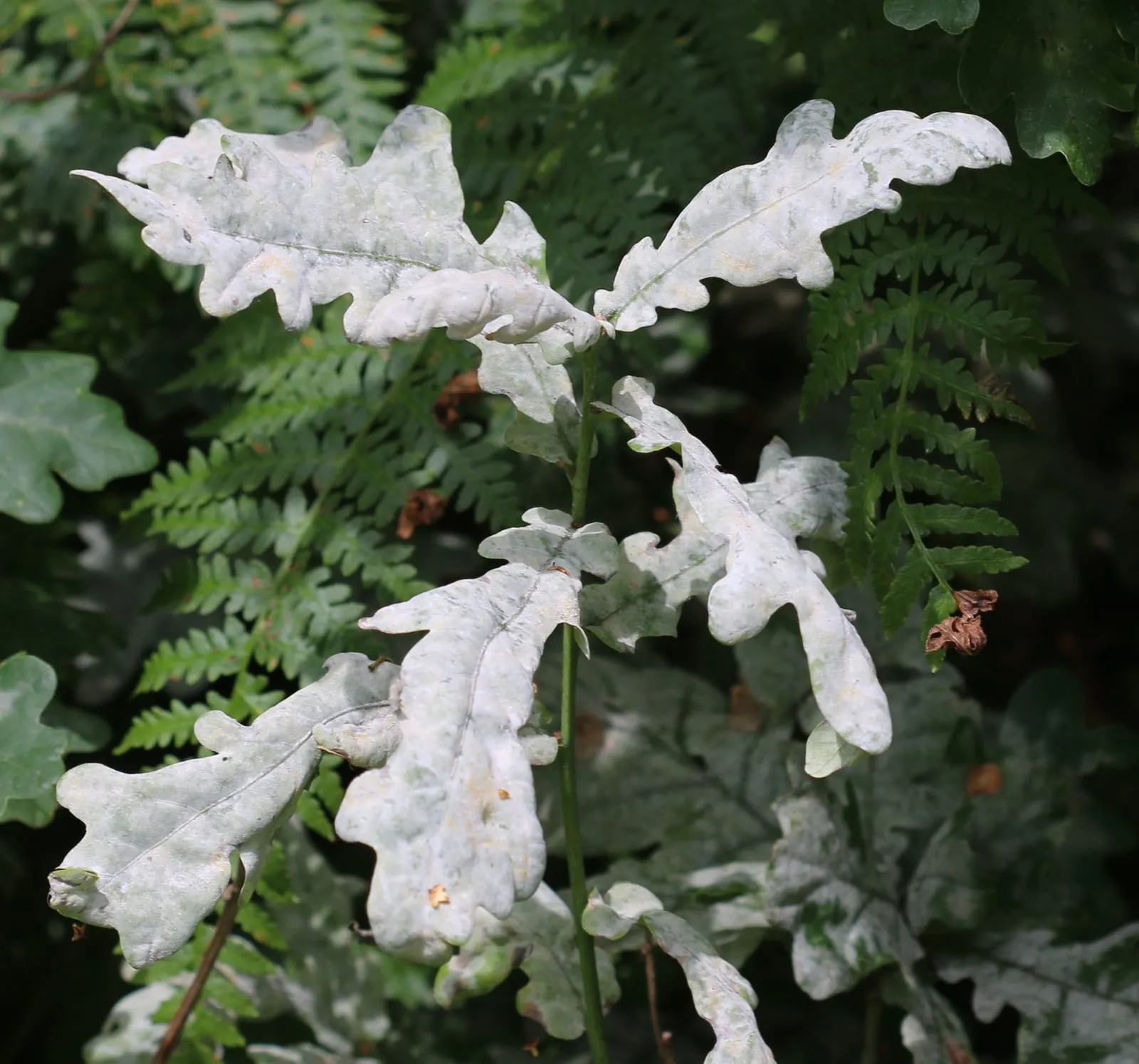
Multiple species (Erysiphales)
Surface-feeding fungal disease producing white powdery growth on leaves and stems. Reduces yield by stealing photosynthate and accelerating senescence.
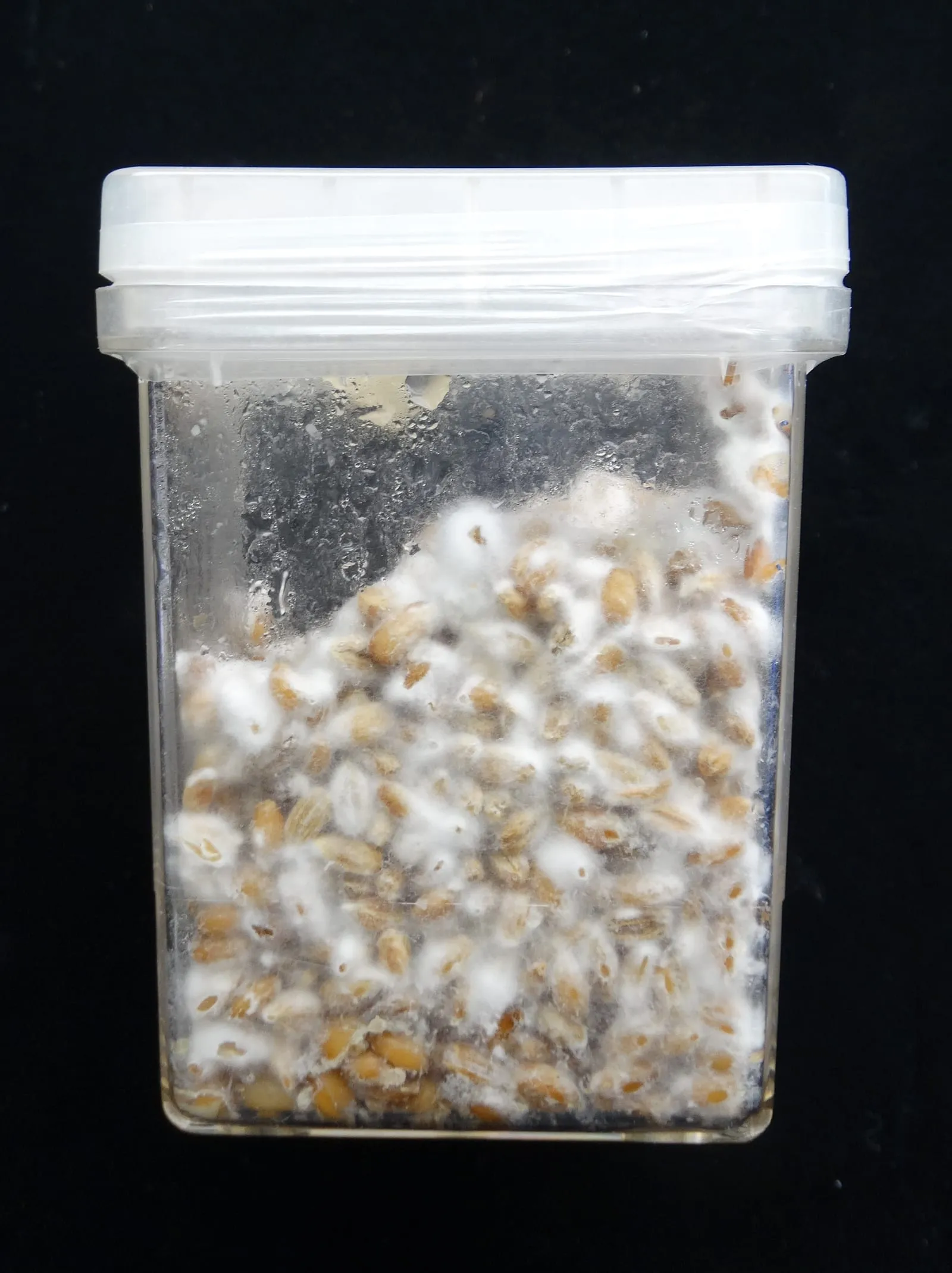
Fusarium oxysporum
Soil-borne fungal disease that plugs vascular tissue and kills affected plants. Persists in soil for many years; impossible to eliminate once established.
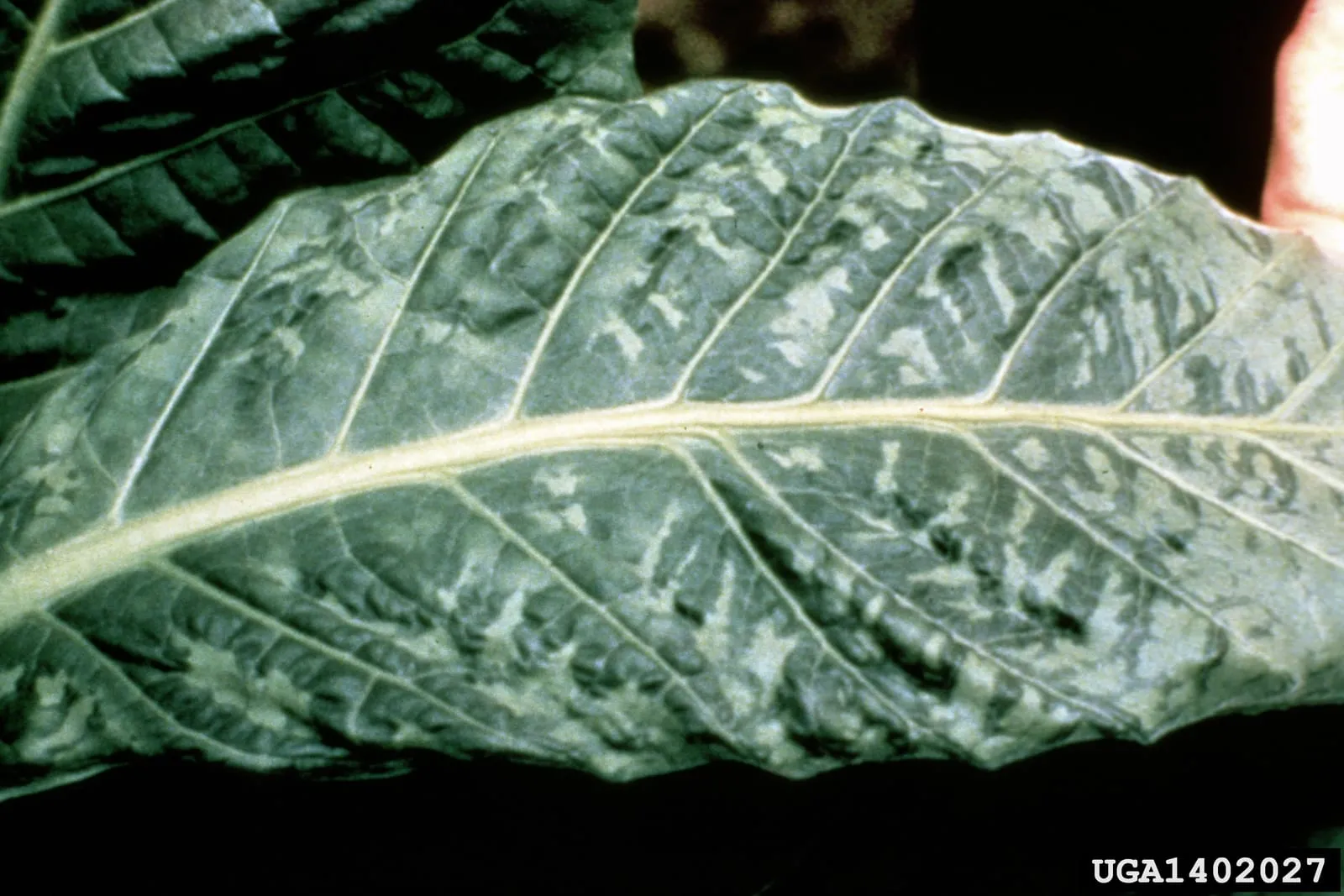
Cucumber mosaic virus, Tobacco mosaic virus, and others
Family of plant viruses producing mottled yellow-and-green leaf patterns. Vectored primarily by aphids; some are seed-transmitted or spread by handling tools and tobacco products.
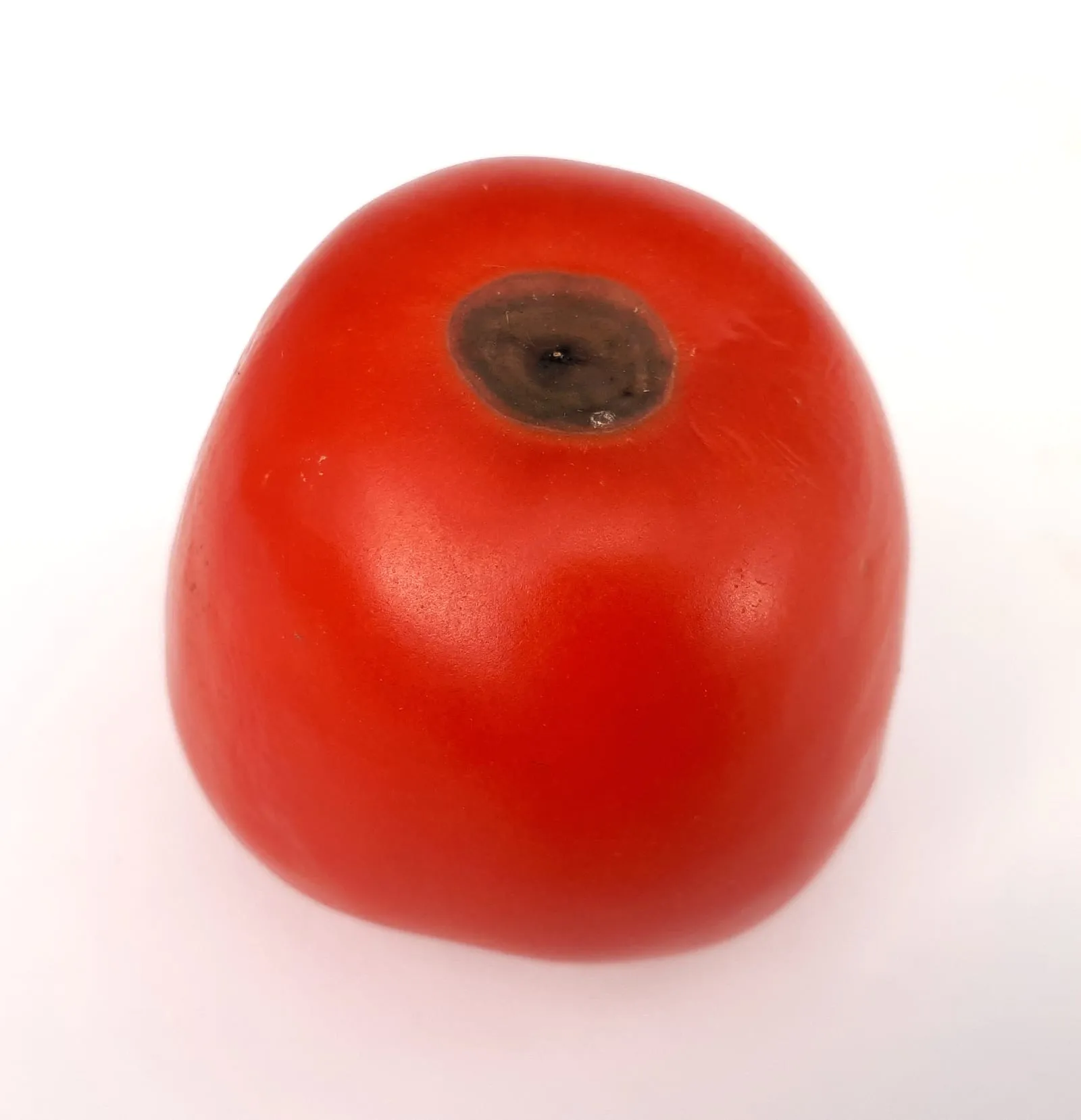
Calcium deficiency physiological disorder
Not a true disease but a calcium-uptake disorder caused by inconsistent soil moisture during fruit development. The dominant cause of damaged first-fruit on home tomato plantings.
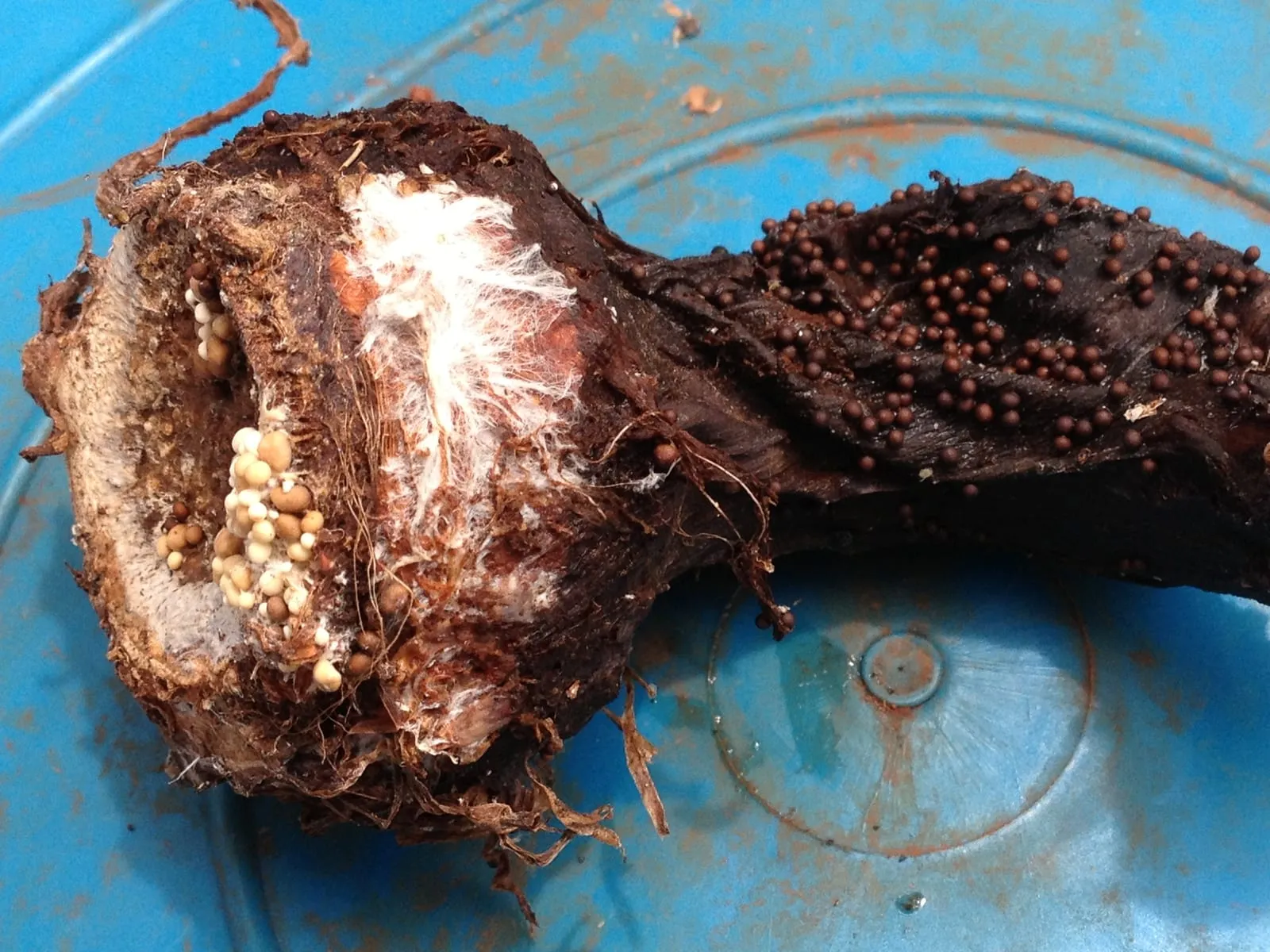
Sclerotium rolfsii
Soil-borne fungal disease most damaging in warm humid Southern conditions. White mycelial fans and small mustard-seed-sized sclerotia at the soil line are diagnostic.
Modified care for zone 9b
Consistent irrigation is the most consequential adaptation for zone 9b. Watermelon roots run deep, but the extended hot season demands steady soil moisture to prevent blossom drop and hollow heart. Drip irrigation under black plastic mulch manages both soil temperature and moisture while limiting the leaf wetness that favors powdery mildew and downy mildew.
Fusarium wilt (Fusarium oxysporum f. sp. niveum) is a persistent concern where warm soil prevents natural pathogen suppression between seasons. Rotating watermelon out of any bed for at least three years reduces inoculum load. Where rotation is impractical, grafted transplants on Fusarium-resistant rootstocks provide reliable protection.
Coastal growers should rinse salt spray from foliage after storm events and consider windbreaks for chronic exposure sites. No winter protection is needed in zone 9b, but shade cloth during heat events above 100°F can prevent sunscald on developing fruit.
Frequently asked questions
- Does watermelon need chill hours to produce fruit?
No. Watermelon has no chilling requirement. It needs soil temperatures above 65 to 70°F for germination and sustained warmth through the growing season. Zone 9b provides both without any concern about insufficient cold.
- Can watermelon be planted twice in zone 9b?
Yes. A spring planting in late February or early March and a fall planting in late July or early August both fit within the 310-day growing season. Harvests land in late spring and mid-fall, bracketing the most intense summer heat.
- How is Fusarium wilt managed in warm zones where soil stays warm year-round?
A three-year crop rotation out of the affected bed is the standard recommendation. Where rotation isn't feasible, grafted transplants on Fusarium-resistant rootstocks are an effective alternative. Resistant open-pollinated varieties offer a lower-cost option for smaller plantings.
+−
+−
+−
Watermelon in adjacent zones
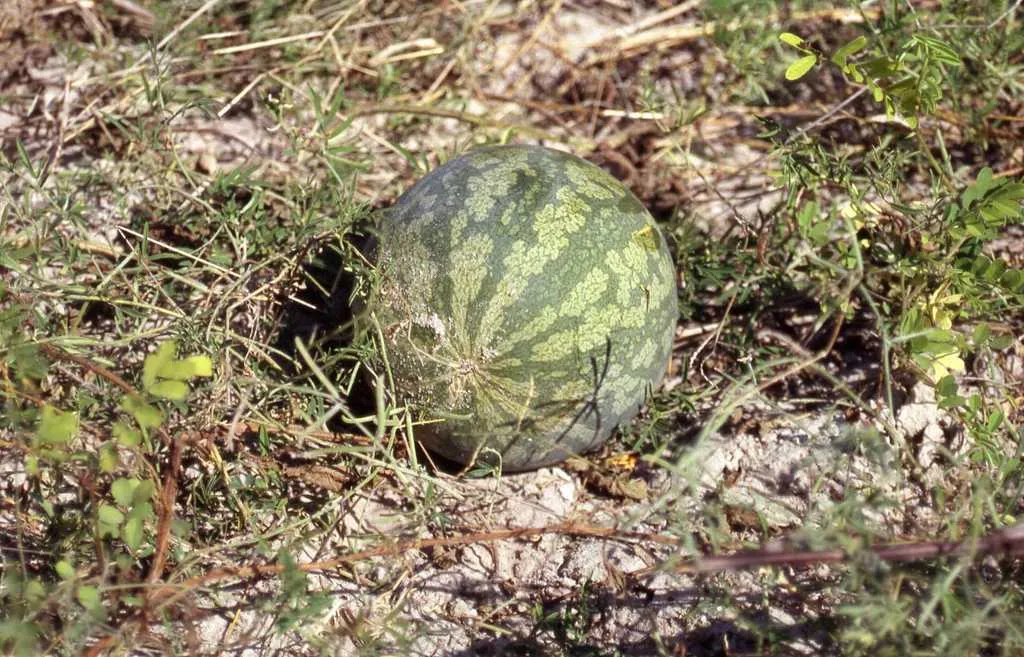
Image: "Fodder Melon", by no rights reserved, via iNaturalist, licensed under CC0 Source.
Related