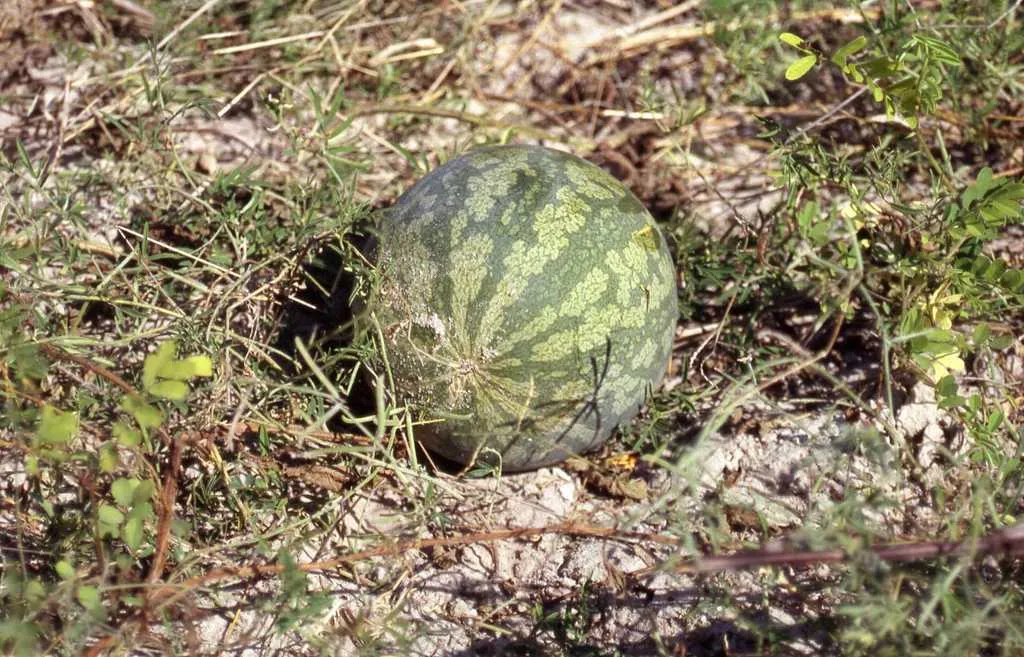
vegetable in zone 10a
Growing watermelon in zone 10a
Citrullus lanatus
- Zone
- 10a 30°F to 35°F
- Growing season
- 340 days
- Suitable varieties
- 0
- Days to harvest
- 75 to 100
The verdict
Zone 10a is a sweet spot for watermelon, not a marginal zone. Unlike temperate tree fruits, watermelon requires no chilling hours. It is a heat-loving annual that performs best where summers are long and hot, making the zone's 340-day frost-free growing season an asset rather than a complication. Minimum winter temperatures of 30 to 35°F pose no production risk once seedlings are established in spring.
The zone challenges listed for 10a (no chilling accumulation, heat-tolerant cultivars only, hurricane exposure) apply primarily to subtropical perennials adapting to heat stress. Watermelon faces none of those constraints and benefits directly from the extended warmth. Disease pressure from Fusarium wilt, downy mildew, and powdery mildew is the dominant production risk in warm, humid 10a locations, particularly along the Gulf Coast and in peninsular Florida where persistent humidity accelerates pathogen cycles. Variety selection and crop rotation address that risk more effectively than any zone accommodation.
Critical timing for zone 10a
Zone 10a supports two full watermelon production windows per year. The primary spring planting runs from February through March, with transplants going out as soon as nighttime temperatures stabilize above 60°F. Vines flower approximately 50 to 70 days after transplant, and fruit reaches harvest maturity 75 to 95 days after transplant, depending on variety. The fall window opens in late July or early August, targeting harvest before the November slowdown in vine vigor.
Summer peak heat from June through August can stress pollinators and reduce fruit set, making February and March transplant dates preferable for consistently large fruit. Frost timing is nearly irrelevant in zone 10a; it rarely intersects with the crop's bloom or maturation window in either production window, removing a constraint that growers in zones 6 through 8 routinely manage around.
Common challenges in zone 10a
- ▸ No chilling for traditional temperate fruit
- ▸ Hurricane exposure
- ▸ Heat-tolerant cultivars only
Disease pressure to watch for
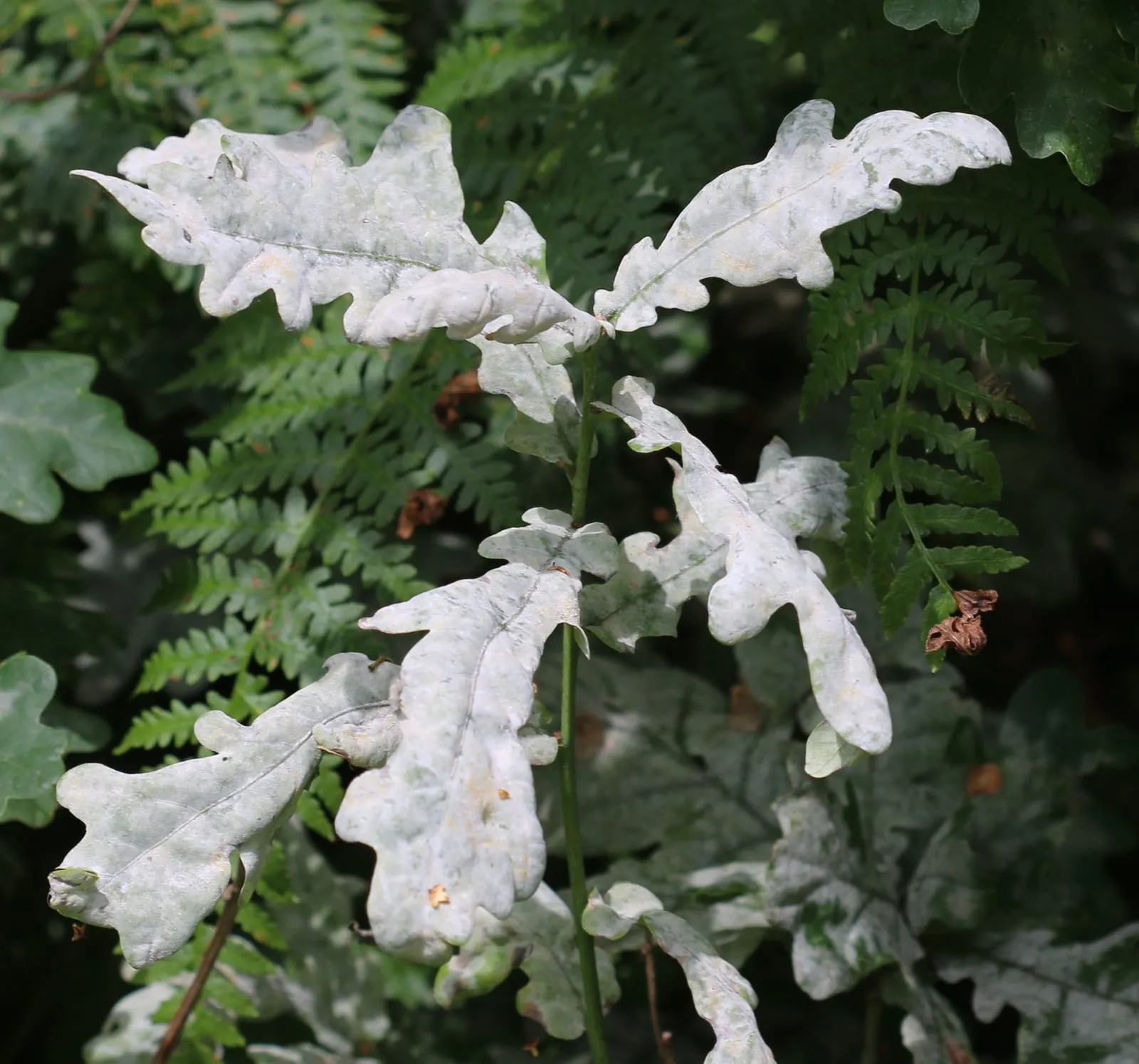
Multiple species (Erysiphales)
Surface-feeding fungal disease producing white powdery growth on leaves and stems. Reduces yield by stealing photosynthate and accelerating senescence.
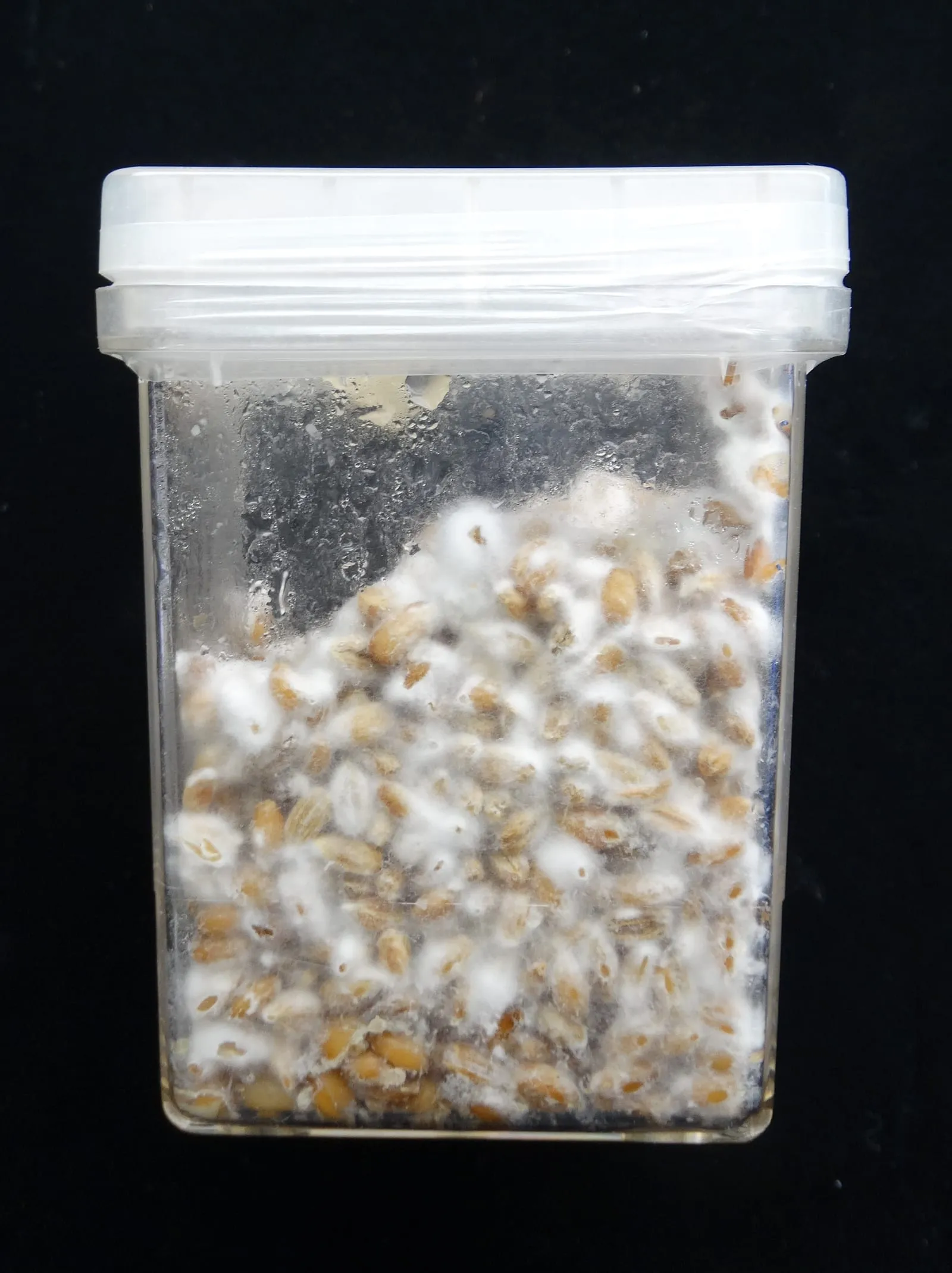
Fusarium oxysporum
Soil-borne fungal disease that plugs vascular tissue and kills affected plants. Persists in soil for many years; impossible to eliminate once established.
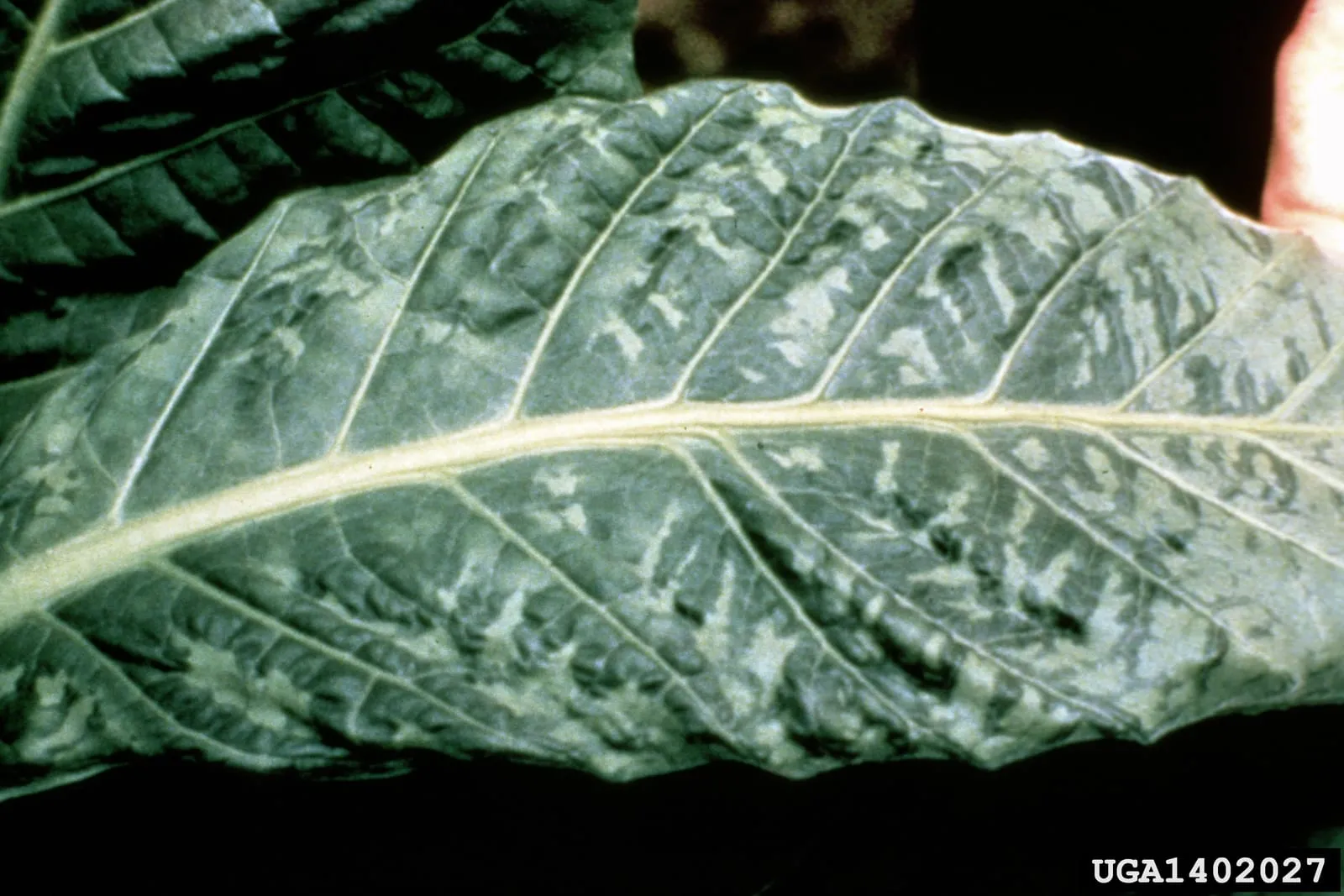
Cucumber mosaic virus, Tobacco mosaic virus, and others
Family of plant viruses producing mottled yellow-and-green leaf patterns. Vectored primarily by aphids; some are seed-transmitted or spread by handling tools and tobacco products.
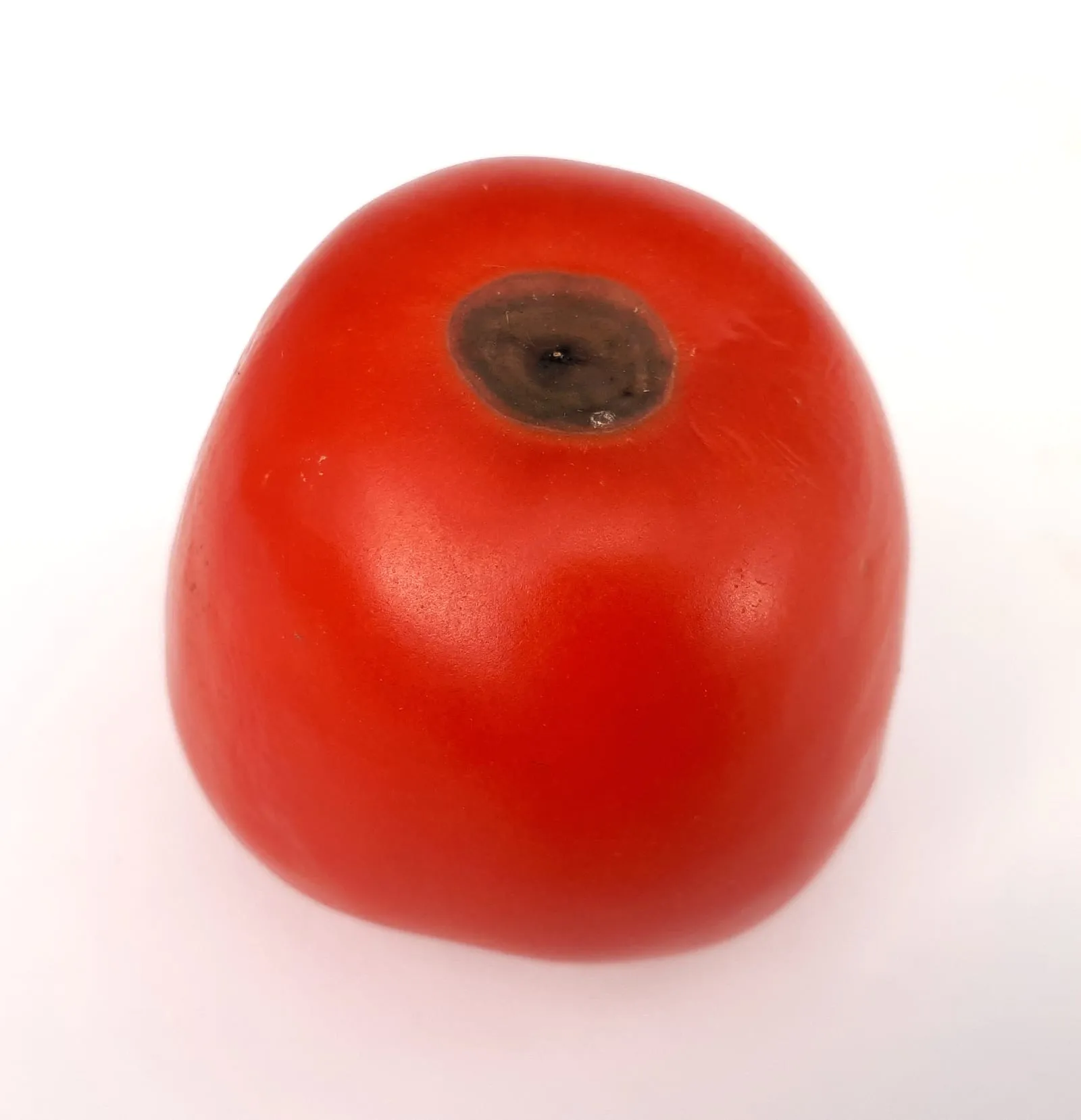
Calcium deficiency physiological disorder
Not a true disease but a calcium-uptake disorder caused by inconsistent soil moisture during fruit development. The dominant cause of damaged first-fruit on home tomato plantings.
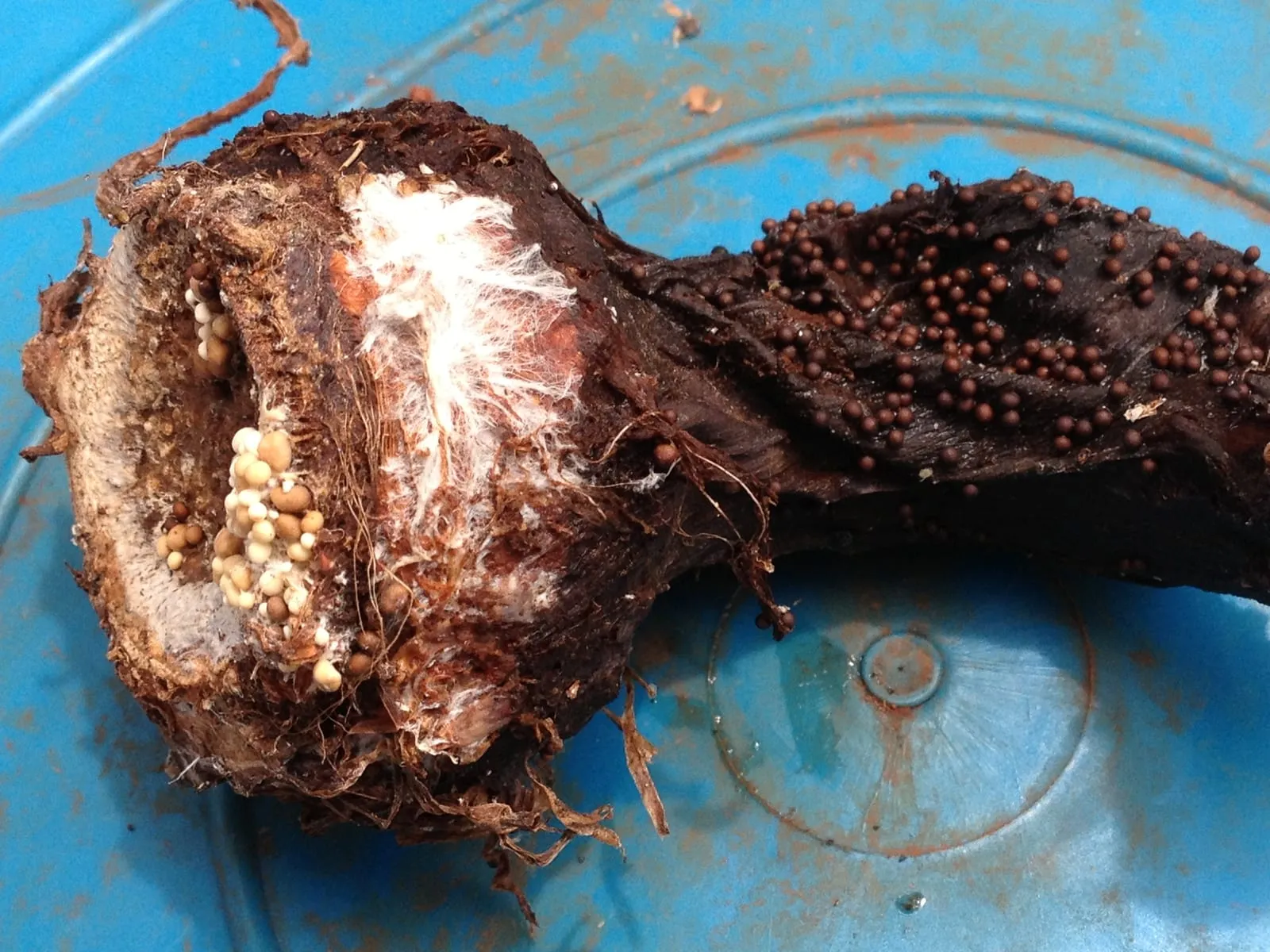
Sclerotium rolfsii
Soil-borne fungal disease most damaging in warm humid Southern conditions. White mycelial fans and small mustard-seed-sized sclerotia at the soil line are diagnostic.
Modified care for zone 10a
Disease management takes precedence over cold protection in zone 10a. Fusarium wilt is soil-borne and persists for years; rotating watermelon to a new bed every three to four seasons is not optional in this climate. Downy mildew and powdery mildew pressure peaks during the humid summer months. Raised beds or trellising that improves air circulation around foliage reduces infection rates significantly. Heavy mulch limits soil splash during rain events, and drip irrigation rather than overhead watering keeps foliage consistently dry.
Hurricane season (June through November) overlaps with the tail end of spring crops and the full fall production window. A mature vine pinned to the ground by fruit is more resilient in high winds than a trellised plant, but ripe fruit left on the vine during a storm event will crack or be damaged. Monitoring fruit maturity closely and harvesting promptly when ready becomes especially important from August onward.
Watermelon in adjacent zones
Image: "Fodder Melon", by no rights reserved, via iNaturalist, licensed under CC0 Source.
Related