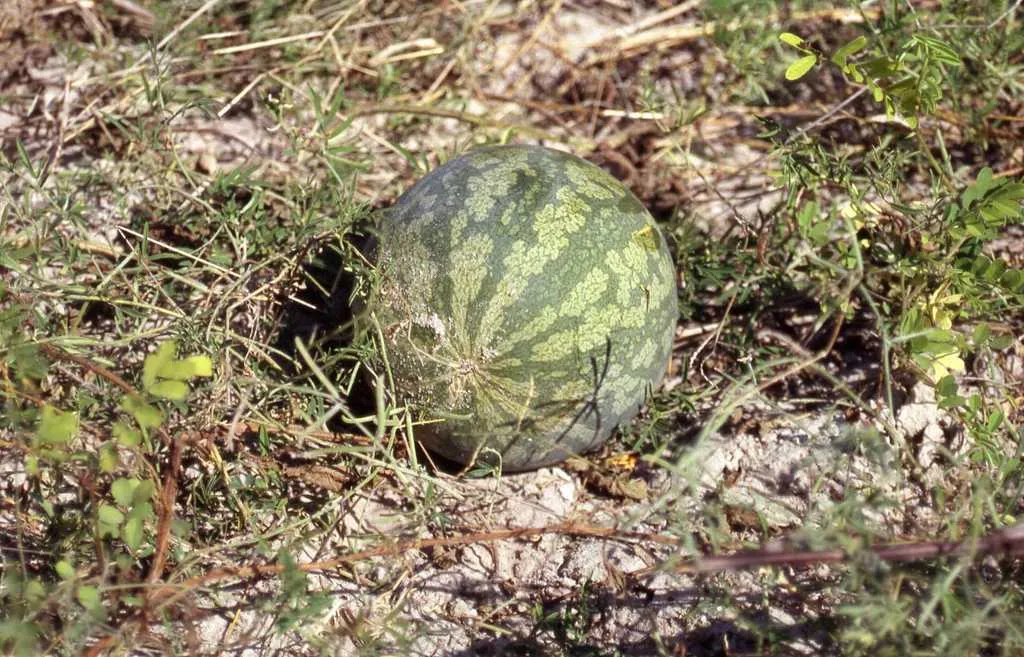
vegetable in zone 5b
Growing watermelon in zone 5b
Citrullus lanatus
- Zone
- 5b -15°F to -10°F
- Growing season
- 165 days
- Suitable varieties
- 1
- Days to harvest
- 75 to 100
The verdict
Zone 5b sits at the northern edge of reliable watermelon production. Unlike fruit trees, watermelon has no chill-hour requirement; the limiting factor here is accumulated summer heat, not winter cold. The zone's 165-day frost-free season is long enough on paper, but watermelon needs sustained warmth, and cool, overcast summers in zone 5b can stall fruit development even when the calendar allows it.
Sugar Baby is the variety best matched to this zone. Its 75-to-80-day maturity window fits comfortably within the warm portion of a zone 5b season when transplants go in at the right time. Full-season varieties (90 days or more) are a gamble: a cool August or an early September frost can catch fruit still weeks from ripe. Zone 5b is workable for watermelon, but it rewards good site selection and season-extension practices far more than warmer zones do.
Recommended varieties for zone 5b
1 cultivar suited to this zone, with disease-resistance and zone-fit annotations.
| Variety | Notes | Zone fit | Disease resistance |
|---|---|---|---|
| Sugar Baby fits zone 5b | Sweet, classic watermelon flavor; small round dark-green icebox melon (8-10 lb). Fresh out of hand, fruit salads. Short-season variety good for northern gardens. | | none noted |
Critical timing for zone 5b
Last frost in zone 5b typically falls in mid-May, though local elevation and proximity to water bodies can shift that by one to two weeks in either direction. Direct seeding outdoors is not reliable; starting transplants indoors three to four weeks before the last frost date gives vines a head start that matters in a shortened season.
Flowers appear roughly 50 to 60 days after transplanting, placing bloom in late June to early July for a typical zone 5b planting. Sugar Baby fruit matures approximately 80 days from seed, or about 60 days from transplant, targeting harvest in mid to late August. First frost in zone 5b arrives in late September to early October, leaving a narrow but workable window. Any planting delay past late May compresses that window meaningfully.
Common challenges in zone 5b
- ▸ Plum curculio
- ▸ Codling moth
- ▸ Cedar-apple rust
Disease pressure to watch for
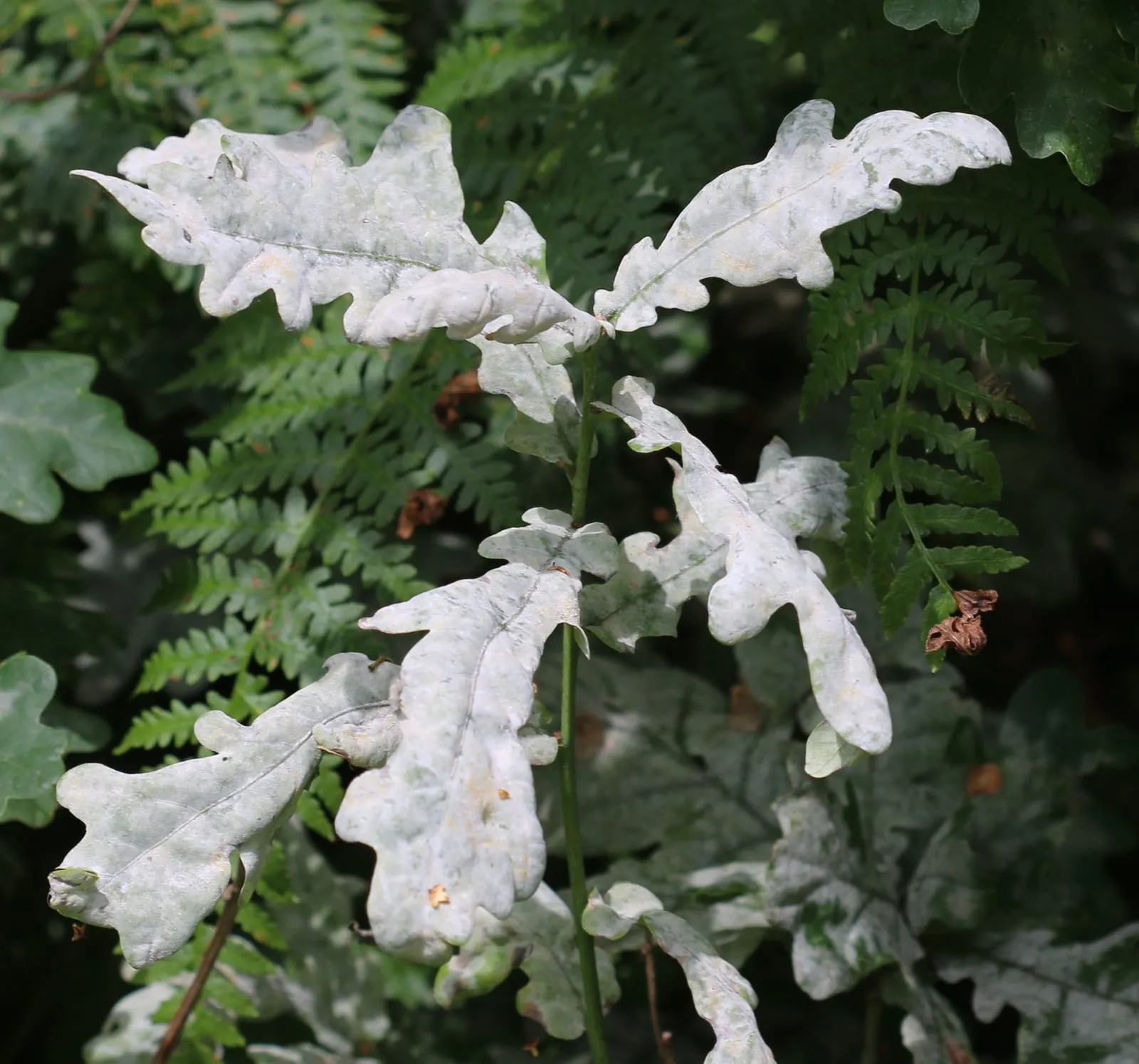
Multiple species (Erysiphales)
Surface-feeding fungal disease producing white powdery growth on leaves and stems. Reduces yield by stealing photosynthate and accelerating senescence.
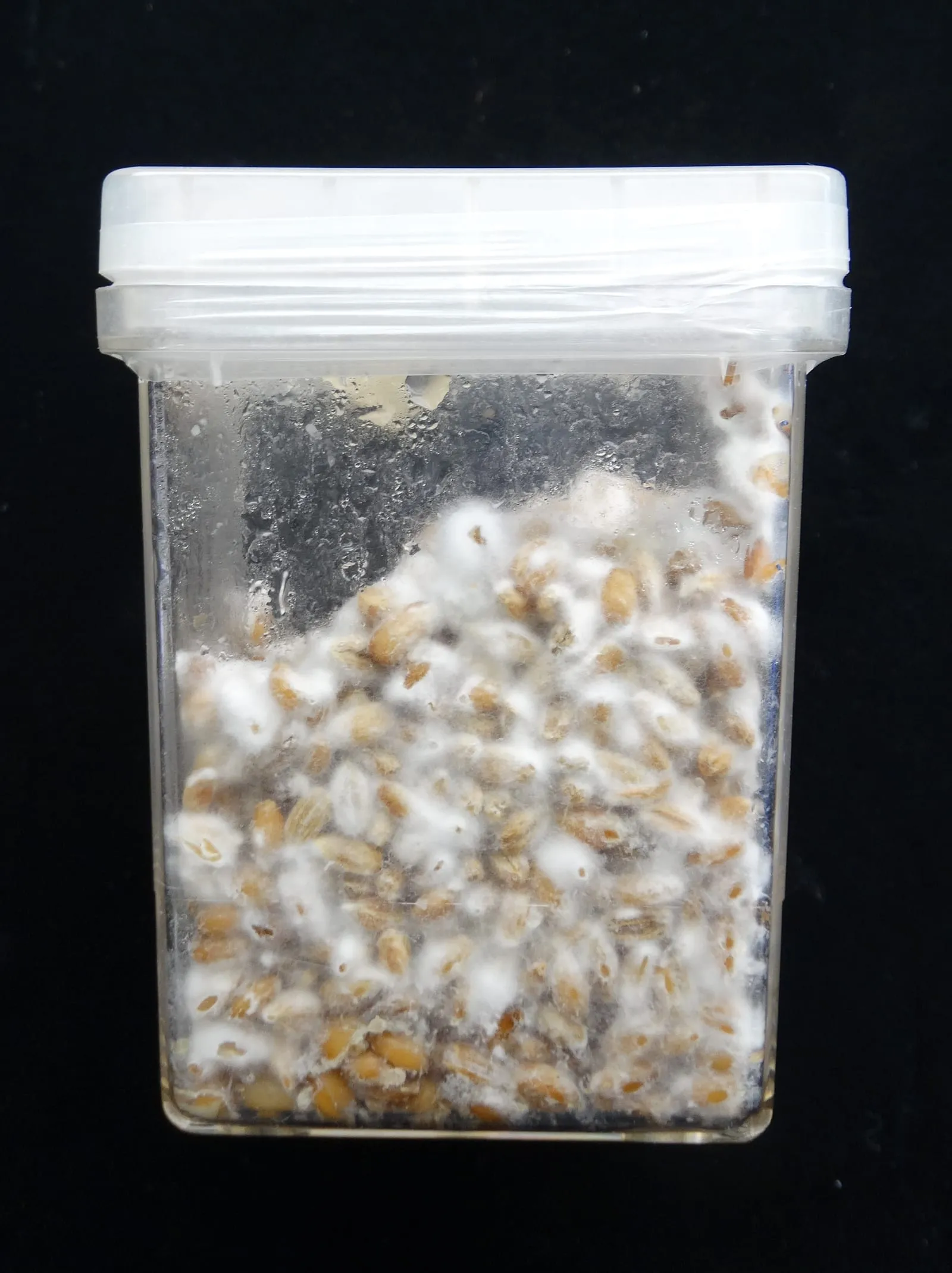
Fusarium oxysporum
Soil-borne fungal disease that plugs vascular tissue and kills affected plants. Persists in soil for many years; impossible to eliminate once established.
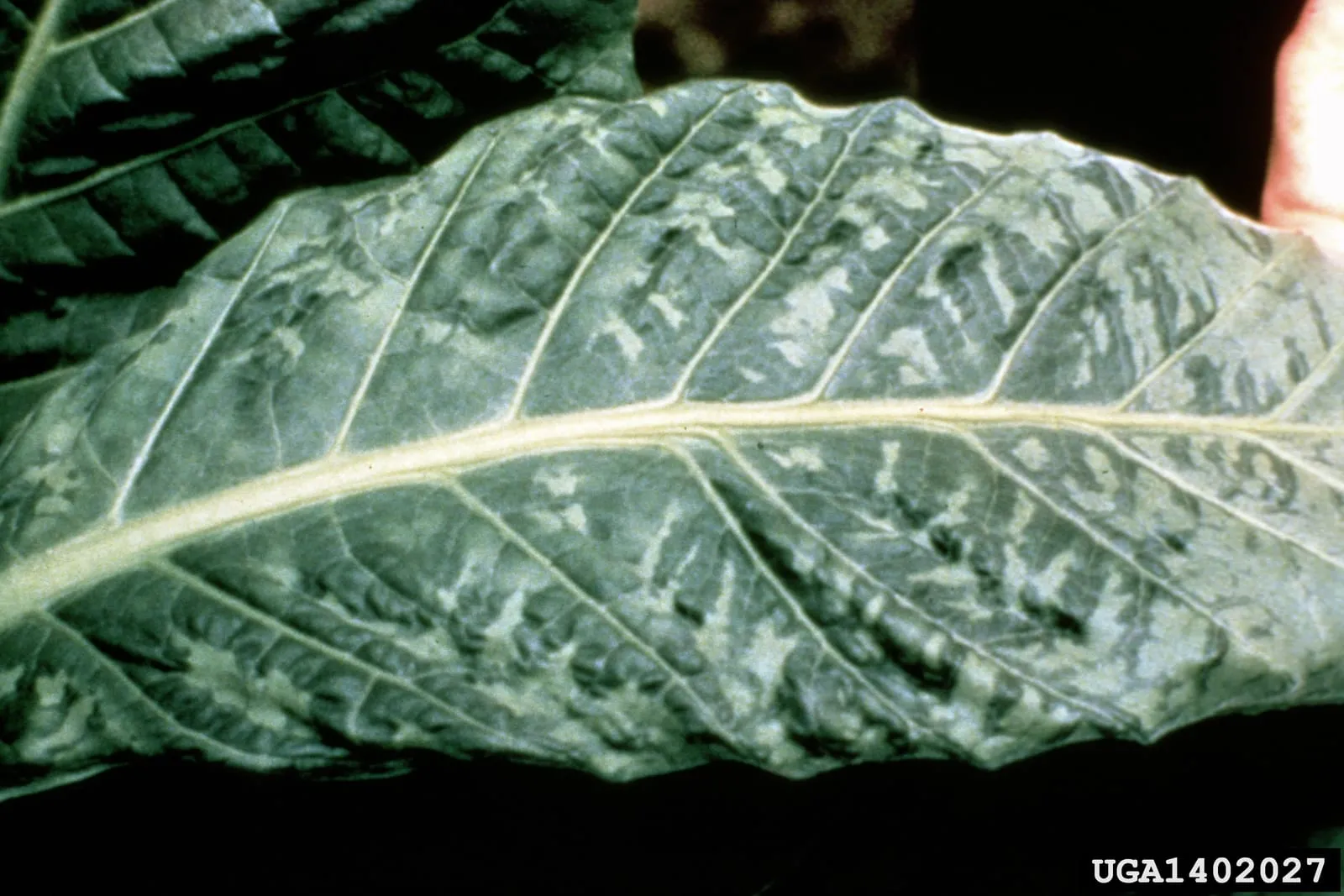
Cucumber mosaic virus, Tobacco mosaic virus, and others
Family of plant viruses producing mottled yellow-and-green leaf patterns. Vectored primarily by aphids; some are seed-transmitted or spread by handling tools and tobacco products.
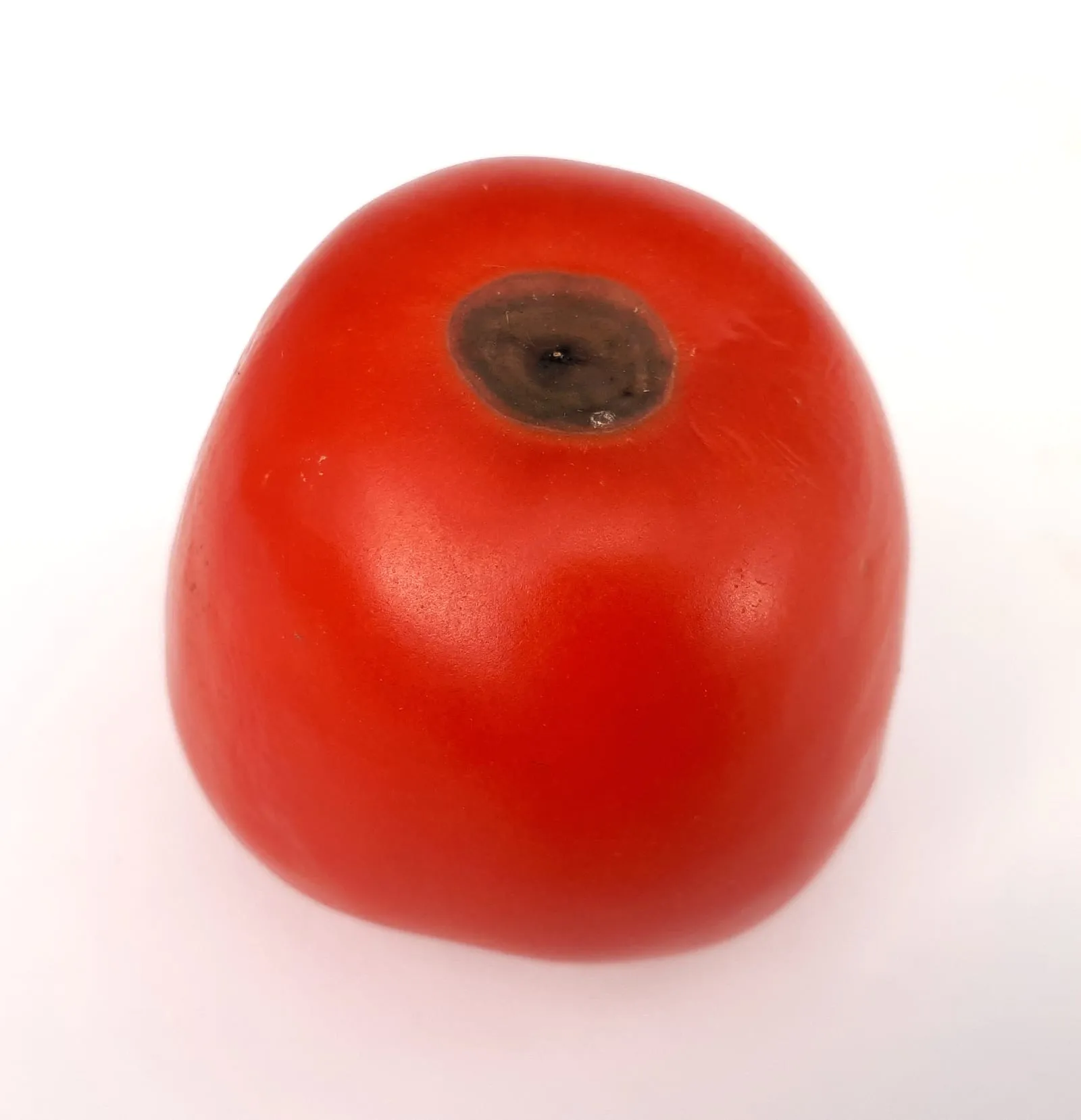
Calcium deficiency physiological disorder
Not a true disease but a calcium-uptake disorder caused by inconsistent soil moisture during fruit development. The dominant cause of damaged first-fruit on home tomato plantings.
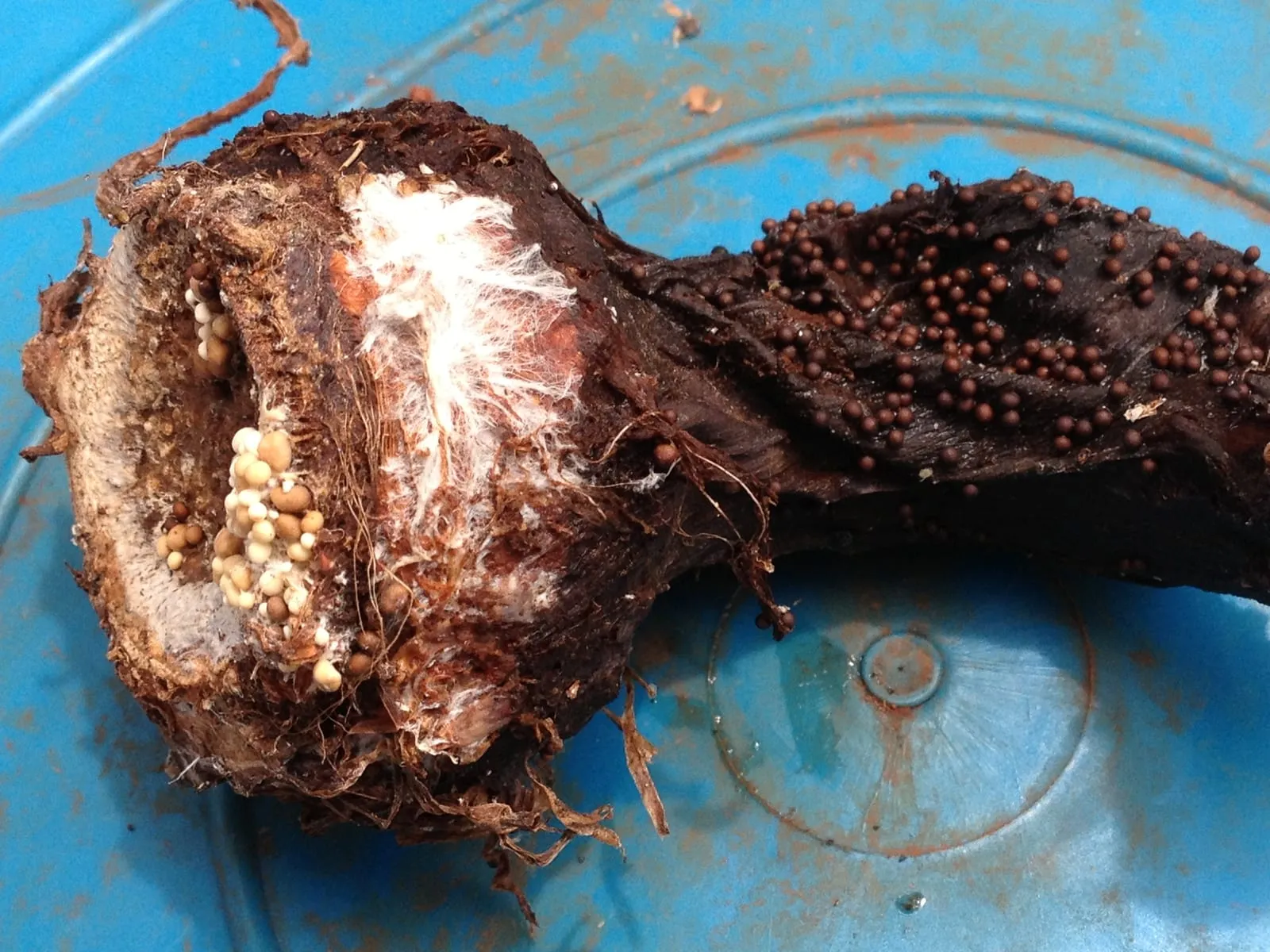
Sclerotium rolfsii
Soil-borne fungal disease most damaging in warm humid Southern conditions. White mycelial fans and small mustard-seed-sized sclerotia at the soil line are diagnostic.
Modified care for zone 5b
Black plastic mulch is one of the most effective tools in zone 5b. It warms soil by 8 to 10 degrees Fahrenheit, helping maintain the minimum 70°F soil temperature watermelon roots need for healthy development. Row covers during the first two to three weeks after transplanting protect against late cold and accelerate early vine growth; remove them at first flower to allow pollinator access.
Downy mildew and powdery mildew are the primary disease concerns. Both spread under moderate temperatures and high humidity, conditions that occur regularly in zone 5b summers. Scout vines weekly once flowering begins. Fusarium wilt is soil-persistent for years, so rotating cucurbit plantings to a different bed on at least a three-year cycle is not optional in an established garden. Siting plants on a south-facing slope or near a heat-retaining wall improves heat accumulation and reduces the margin-of-error problem that makes zone 5b challenging for this crop.
Frequently asked questions
- Can watermelon actually ripen in zone 5b?
Yes, with short-season varieties and good site selection. Sugar Baby (75 to 80 days) fits within a zone 5b season when transplants go in shortly after the last frost. Full-season varieties are unreliable without a greenhouse or high tunnel.
- What is the best way to warm the soil for watermelon in zone 5b?
Black plastic mulch laid two weeks before transplanting raises soil temperature by 8 to 10°F and retains that warmth through the season. Red plastic mulch has shown slightly higher yields in some university trials, though black is more widely available and effective.
- How does Fusarium wilt spread in zone 5b gardens?
Fusarium wilt is caused by a soil-borne fungus that persists for years. It enters through roots and causes sudden vine collapse, usually after fruit set. There is no chemical cure once a plant is infected. Rotation of at least three years between cucurbit plantings in the same soil is the primary management strategy.
- Should row covers stay on watermelon plants all season in zone 5b?
No. Row covers help during the first two to three weeks after transplanting by holding warmth and shielding against late cold snaps. They must come off once male and female flowers appear, since watermelon relies on bee pollination. Leaving covers on through flowering will prevent fruit set entirely.
+−
+−
+−
+−
Watermelon in adjacent zones
Image: "Fodder Melon", by no rights reserved, via iNaturalist, licensed under CC0 Source.
Related