vegetable in zone 7a
Growing watermelon in zone 7a
Citrullus lanatus
- Zone
- 7a 0°F to 5°F
- Growing season
- 210 days
- Suitable varieties
- 5
- Days to harvest
- 75 to 100
The verdict
Zone 7a is a reliable, well-matched region for watermelon, not a marginal one. The 210-day growing season comfortably exceeds the maturity requirements of every listed variety, from Yellow Doll at roughly 65 days to Moon and Stars at 90 to 100 days. Watermelon is an annual warm-season crop, so chill-hour accumulation is not a relevant metric here. What matters is heat accumulation and frost timing, and zone 7a delivers on both. Summer daytime highs regularly reach the 85 to 95°F range that accelerates sugar development and fruit sizing.
The primary risk in this zone is not cold but disease. The same high-humidity summers that produce excellent watermelon also sustain sustained pressure from downy mildew and Fusarium wilt. Variety selection with attention to disease tolerance and crop rotation history matters more in zone 7a than heat tolerance does.
Recommended varieties for zone 7a
5 cultivars suited to this zone, with disease-resistance and zone-fit annotations.
| Variety | Notes | Zone fit | Disease resistance |
|---|---|---|---|
| Sugar Baby fits zone 7a | Sweet, classic watermelon flavor; small round dark-green icebox melon (8-10 lb). Fresh out of hand, fruit salads. Short-season variety good for northern gardens. | | none noted |
| Crimson Sweet fits zone 7a | Very sweet, deep red flesh, the standard backyard watermelon flavor; oval green-striped fruit (15-25 lb). Fresh, picnics. Disease-tolerant, productive. | | none noted |
| Charleston Gray fits zone 7a | Sweet, tender, large oblong gray-green fruit (25-35 lb); the classic Southern watermelon. Fresh slicing, picnics. Heat-tolerant heritage variety. | | none noted |
| Yellow Doll fits zone 7a | Sweet, mild, golden-yellow flesh in a small round green melon; novelty home-garden choice. Fresh, fruit salads, photogenic for parties. | | none noted |
| Moon and Stars fits zone 7a | Sweet, classic flavor; dark green rind speckled with yellow stars and a moon, deep red flesh. Heritage Amish variety, ornamental and edible. | | none noted |
Critical timing for zone 7a
In zone 7a, the last spring frost typically falls between April 10 and April 25 depending on elevation and local geography. Watermelon transplants should not go into the ground until soil temperatures stabilize at 65°F, which generally means late April to early May. Direct seeding into warm soil is also viable if started no later than mid-May.
Bloom occurs roughly 45 to 55 days after transplanting, placing primary flowering in mid-June to early July. Short-season varieties such as Sugar Baby and Yellow Doll reach harvest by late July to mid-August. Longer-season varieties including Charleston Gray and Moon and Stars mature through August and into early September. The first fall frost in zone 7a typically arrives between October 15 and November 1, leaving a comfortable buffer even for late-maturing fruit.
Common challenges in zone 7a
- ▸ Cedar-apple rust
- ▸ Brown rot
- ▸ Fire blight
- ▸ High humidity disease pressure
Disease pressure to watch for
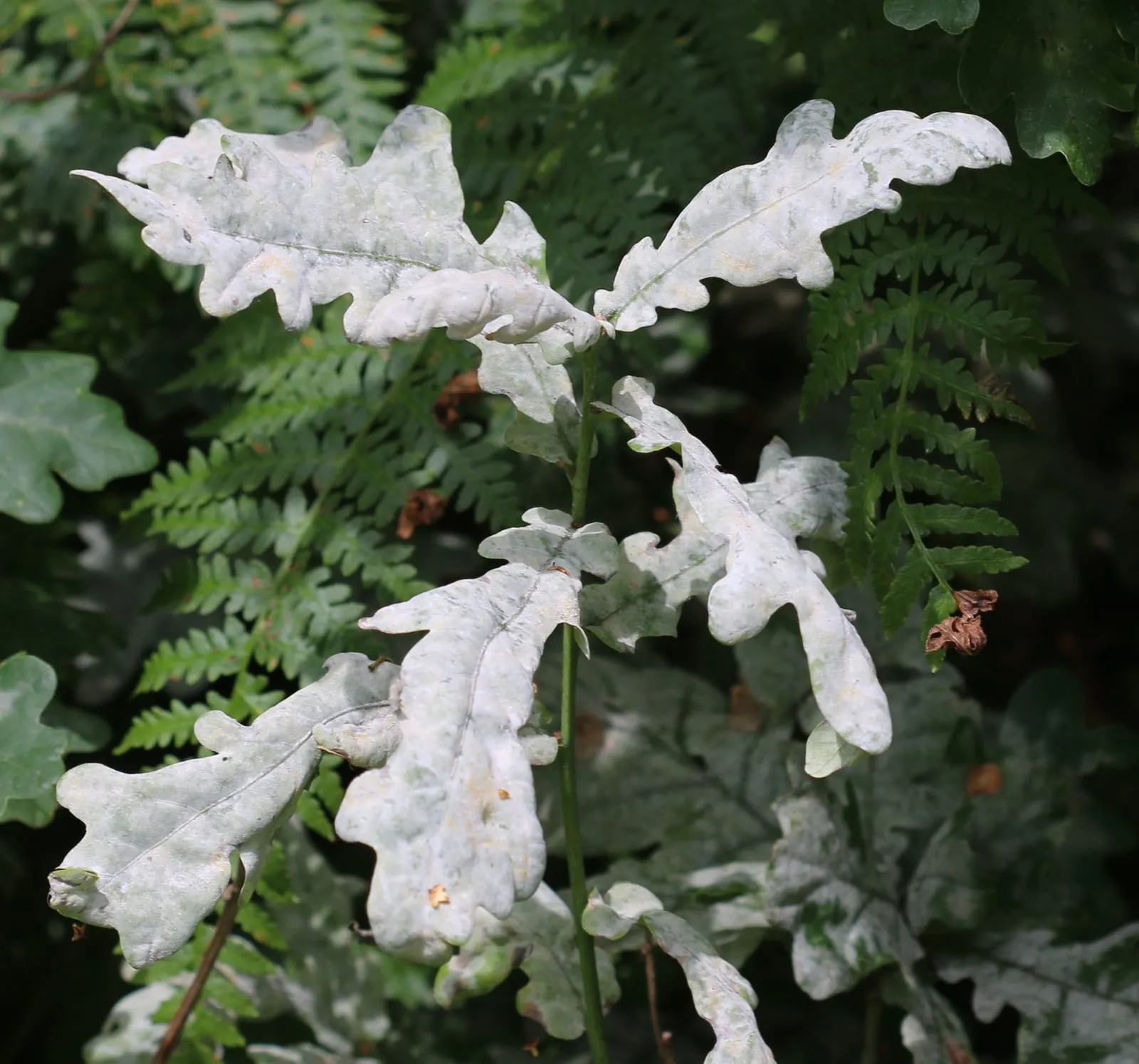
Multiple species (Erysiphales)
Surface-feeding fungal disease producing white powdery growth on leaves and stems. Reduces yield by stealing photosynthate and accelerating senescence.
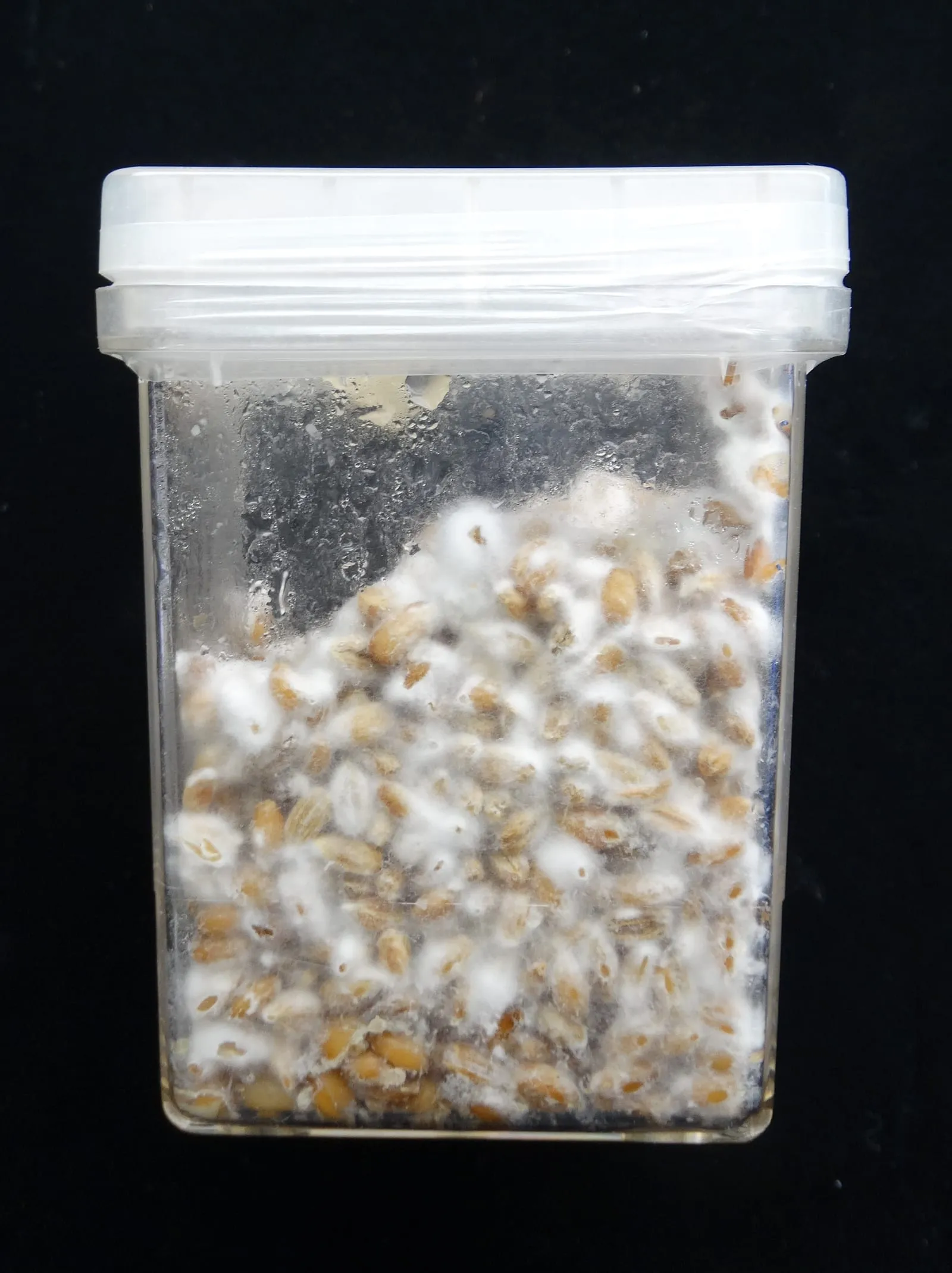
Fusarium oxysporum
Soil-borne fungal disease that plugs vascular tissue and kills affected plants. Persists in soil for many years; impossible to eliminate once established.
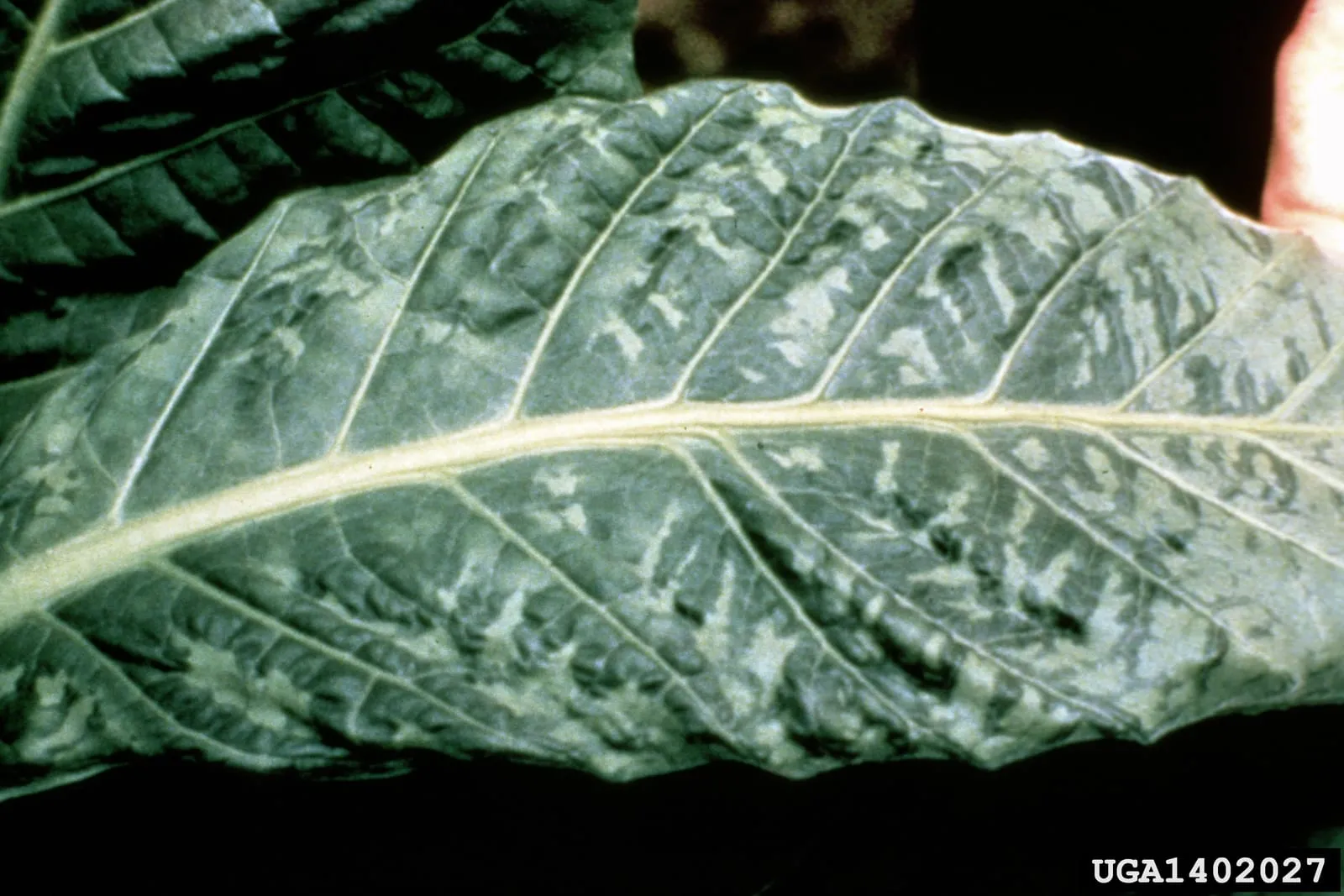
Cucumber mosaic virus, Tobacco mosaic virus, and others
Family of plant viruses producing mottled yellow-and-green leaf patterns. Vectored primarily by aphids; some are seed-transmitted or spread by handling tools and tobacco products.
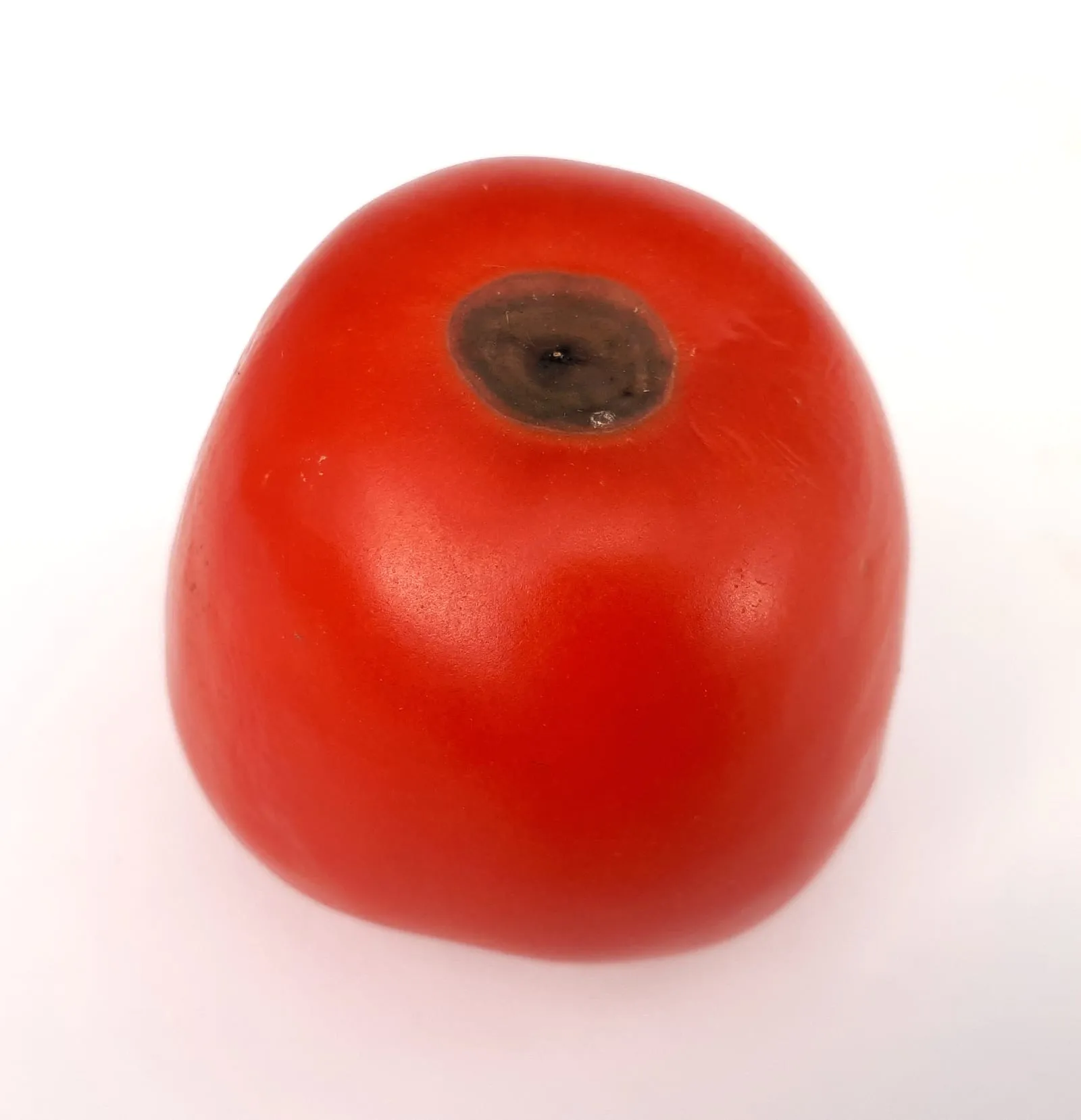
Calcium deficiency physiological disorder
Not a true disease but a calcium-uptake disorder caused by inconsistent soil moisture during fruit development. The dominant cause of damaged first-fruit on home tomato plantings.
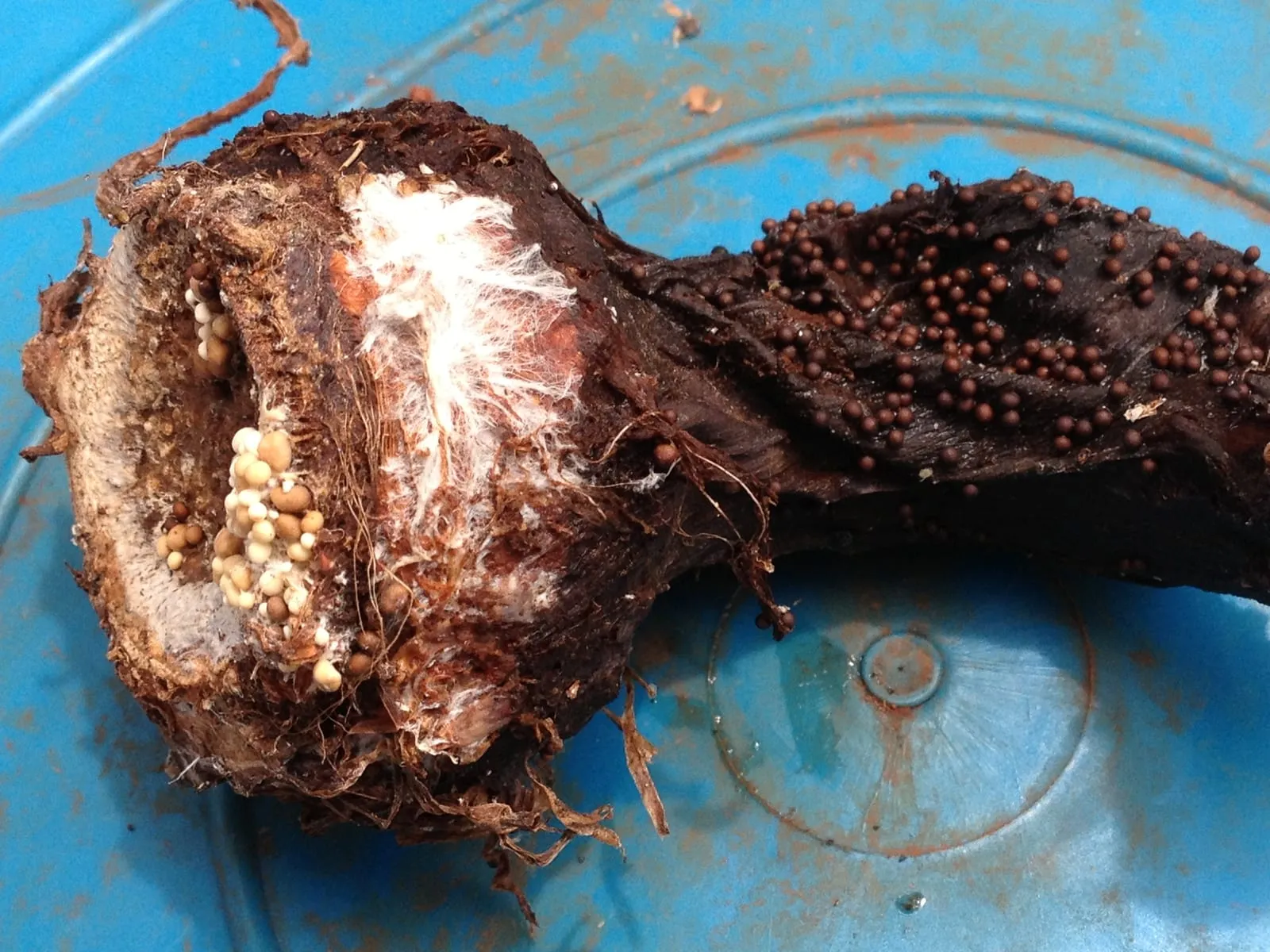
Sclerotium rolfsii
Soil-borne fungal disease most damaging in warm humid Southern conditions. White mycelial fans and small mustard-seed-sized sclerotia at the soil line are diagnostic.
Modified care for zone 7a
The most significant adaptation in zone 7a is managing the disease pressure that regional humidity creates. Fusarium wilt persists in soil for years; a strict four-year rotation away from all cucurbits is necessary where wilt has previously appeared. Overhead irrigation should give way to drip irrigation to reduce leaf wetness duration and slow downy mildew development.
Planting through black plastic mulch addresses two problems at once: it warms soil earlier in spring to the 65 to 70°F threshold watermelon needs, and it reduces soil splash that spreads fungal inoculum onto lower leaves. Vine spacing matters more here than in drier climates. Keeping rows wide enough to allow airflow through the canopy reduces the humidity microclimate that powdery mildew and downy mildew exploit. In wet springs, scout for downy mildew symptoms beginning at first true-leaf stage and act before lesions coalesce.
Frequently asked questions
- Can watermelon be direct-seeded in zone 7a, or is transplanting required?
Direct seeding works in zone 7a provided soil has warmed to at least 65°F and the planting date is no later than mid-May. Starting transplants indoors 3 to 4 weeks before last frost gains time and is more reliable in cooler springs, but is not strictly necessary given the 210-day growing season.
- Which watermelon varieties hold up best against disease pressure in zone 7a?
Crimson Sweet and Charleston Gray have documented tolerance to Fusarium wilt races 0 and 1, which matters most where cucurbits have been grown in the same beds before. Sugar Baby is widely adapted but lacks formal disease resistance ratings, so rotation history becomes more important when growing it.
- How does zone 7a humidity affect watermelon flavor?
High humidity during the ripening window can dilute Brix levels slightly compared to drier climates, particularly if late-summer rain is heavy. Reducing irrigation in the final two weeks before harvest and choosing an open, well-drained planting site helps concentrate sugars.
+−
+−
+−
Watermelon in adjacent zones
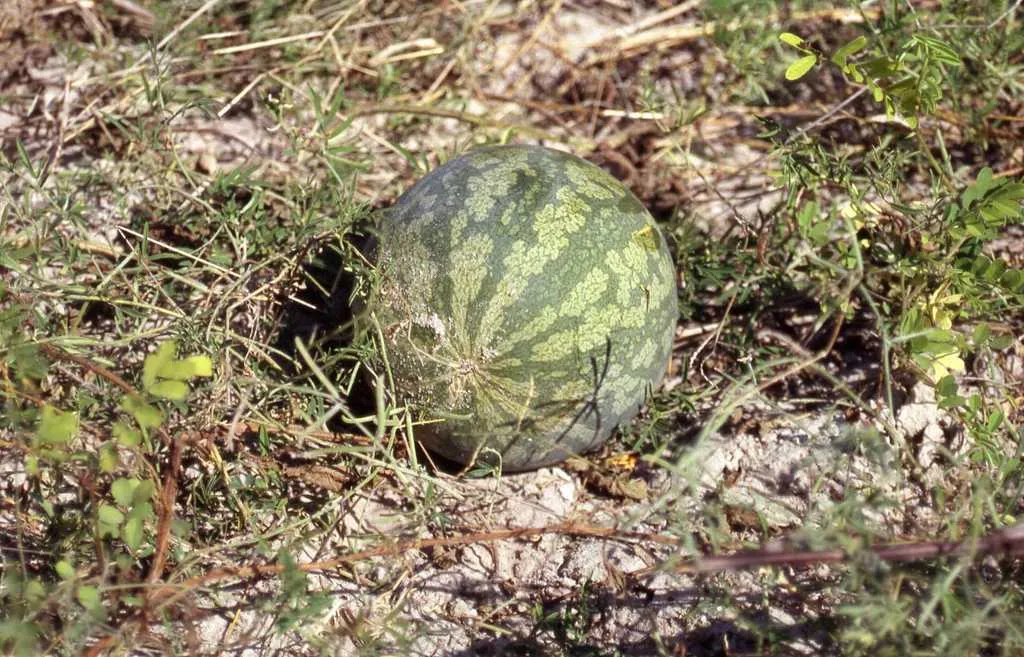
Image: "Fodder Melon", by no rights reserved, via iNaturalist, licensed under CC0 Source.
Related