vegetable in zone 7b
Growing watermelon in zone 7b
Citrullus lanatus
- Zone
- 7b 5°F to 10°F
- Growing season
- 220 days
- Suitable varieties
- 5
- Days to harvest
- 75 to 100
The verdict
Zone 7b is a reliable, productive zone for watermelon, not a marginal one. Watermelon is a warm-season annual with no chill-hour requirement; what it needs is heat, full sun, and a long enough frost-free window to complete its growing cycle. Zone 7b delivers all three. The 220-day growing season comfortably accommodates even the largest, slower-maturing varieties, which typically require 80 to 95 days from transplant to harvest.
The binding constraints here are late-season disease pressure and pest activity, not climate fit. Downy mildew and powdery mildew both intensify as summer humidity rises through August and September, which is exactly when later-planted fruit is approaching ripeness. Fusarium wilt, a soil-borne pathogen with no chemical cure once established, is the more serious long-term concern. Growers who have raised cucurbits in the same beds repeatedly tend to see it eventually. Rotation is the practical answer, not rescue treatment.
Recommended varieties for zone 7b
5 cultivars suited to this zone, with disease-resistance and zone-fit annotations.
| Variety | Notes | Zone fit | Disease resistance |
|---|---|---|---|
| Sugar Baby fits zone 7b | Sweet, classic watermelon flavor; small round dark-green icebox melon (8-10 lb). Fresh out of hand, fruit salads. Short-season variety good for northern gardens. | | none noted |
| Crimson Sweet fits zone 7b | Very sweet, deep red flesh, the standard backyard watermelon flavor; oval green-striped fruit (15-25 lb). Fresh, picnics. Disease-tolerant, productive. | | none noted |
| Charleston Gray fits zone 7b | Sweet, tender, large oblong gray-green fruit (25-35 lb); the classic Southern watermelon. Fresh slicing, picnics. Heat-tolerant heritage variety. | | none noted |
| Yellow Doll fits zone 7b | Sweet, mild, golden-yellow flesh in a small round green melon; novelty home-garden choice. Fresh, fruit salads, photogenic for parties. | | none noted |
| Moon and Stars fits zone 7b | Sweet, classic flavor; dark green rind speckled with yellow stars and a moon, deep red flesh. Heritage Amish variety, ornamental and edible. | | none noted |
Critical timing for zone 7b
The practical planting window in zone 7b opens once soil temperatures consistently reach 70°F, typically in late April to early May across the piedmont and mid-Atlantic portions of the zone. Starting transplants indoors 3 to 4 weeks before that date gives a head start without risking the cold sensitivity that stresses seedlings below 50°F.
Most short-season varieties such as Sugar Baby and Yellow Doll reach maturity in 75 to 80 days, putting peak harvest in mid-July for early plantings. Longer-season varieties like Charleston Gray (85 to 90 days) mature in August. The first fall frost in zone 7b typically arrives between late October and mid-November, leaving ample buffer before vines are threatened. The risk runs in the other direction: planting too early into cold soil delays germination and invites disease without any payoff in earlier harvest.
Common challenges in zone 7b
- ▸ Cedar-apple rust pressure heavy in piedmont
- ▸ Japanese beetles
- ▸ Brown marmorated stink bug
- ▸ Late summer disease pressure
Disease pressure to watch for
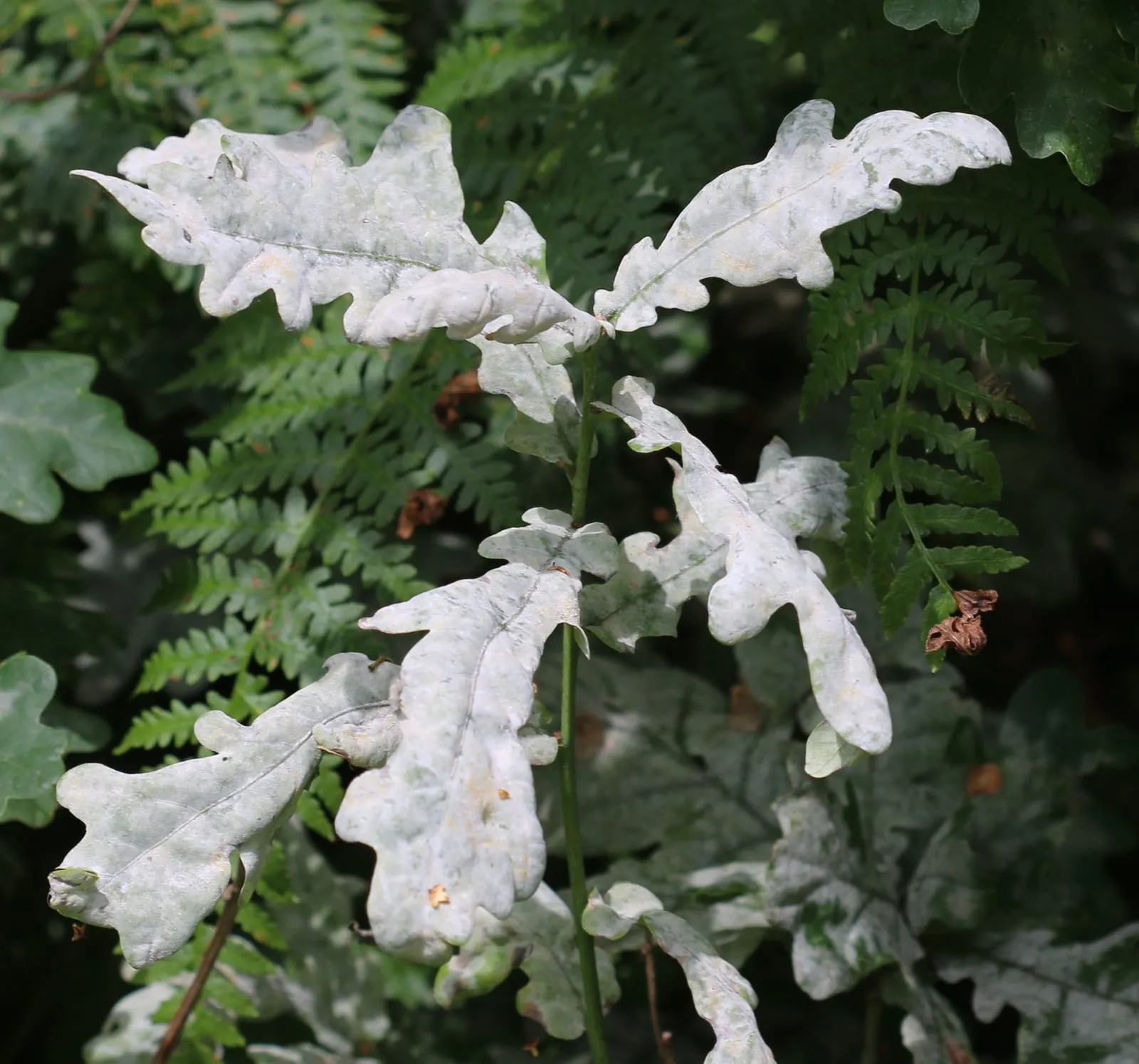
Multiple species (Erysiphales)
Surface-feeding fungal disease producing white powdery growth on leaves and stems. Reduces yield by stealing photosynthate and accelerating senescence.
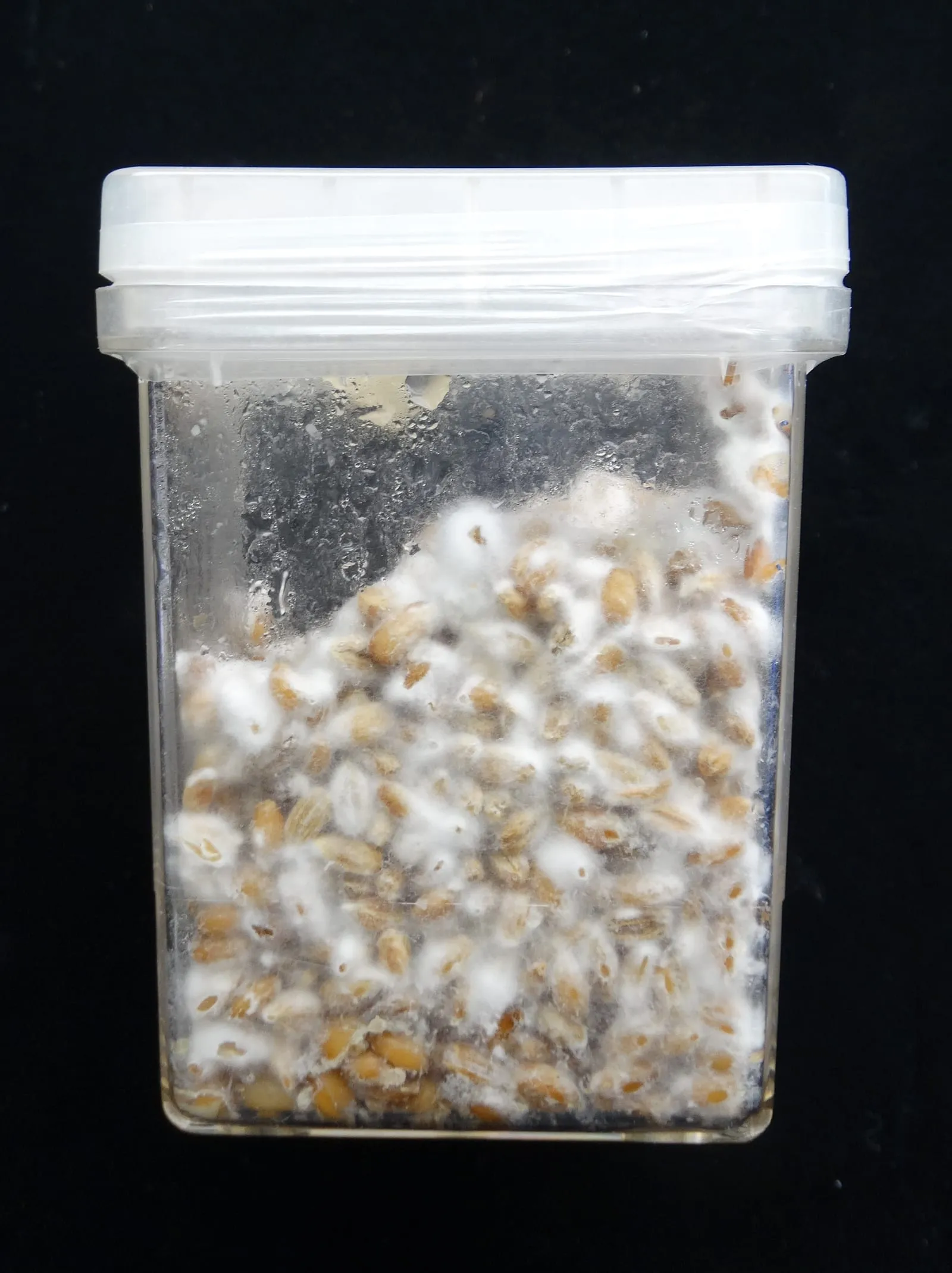
Fusarium oxysporum
Soil-borne fungal disease that plugs vascular tissue and kills affected plants. Persists in soil for many years; impossible to eliminate once established.
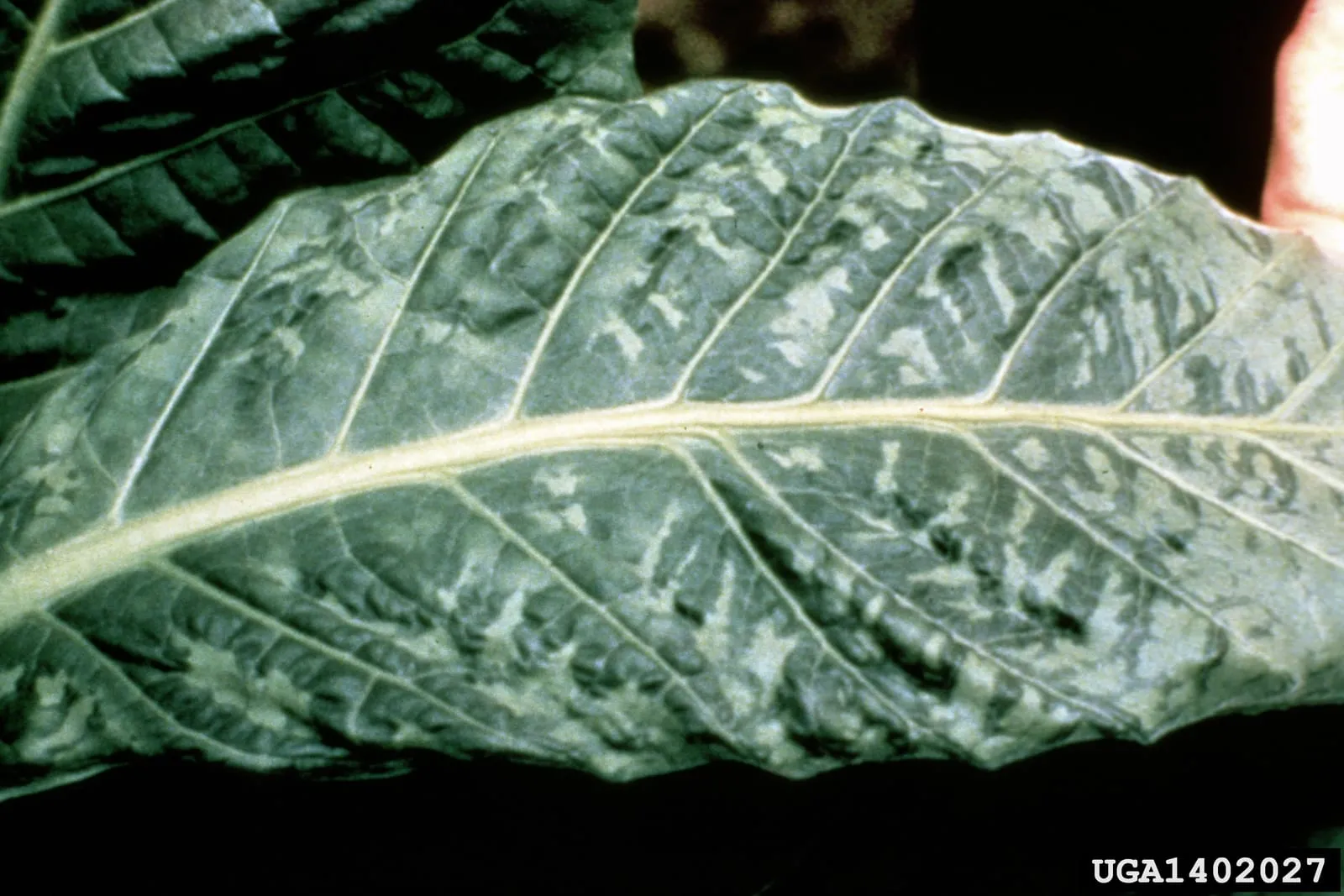
Cucumber mosaic virus, Tobacco mosaic virus, and others
Family of plant viruses producing mottled yellow-and-green leaf patterns. Vectored primarily by aphids; some are seed-transmitted or spread by handling tools and tobacco products.
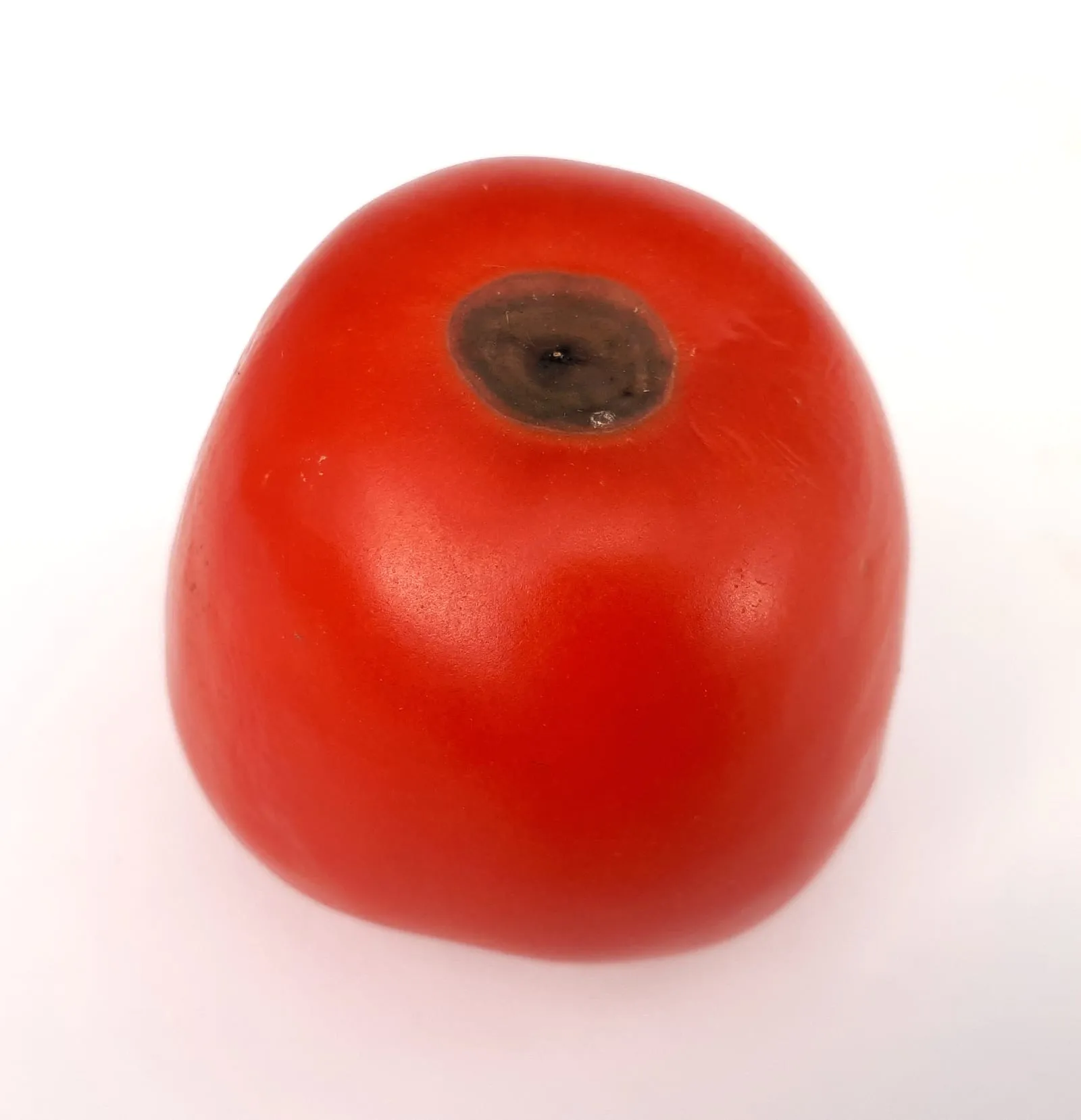
Calcium deficiency physiological disorder
Not a true disease but a calcium-uptake disorder caused by inconsistent soil moisture during fruit development. The dominant cause of damaged first-fruit on home tomato plantings.
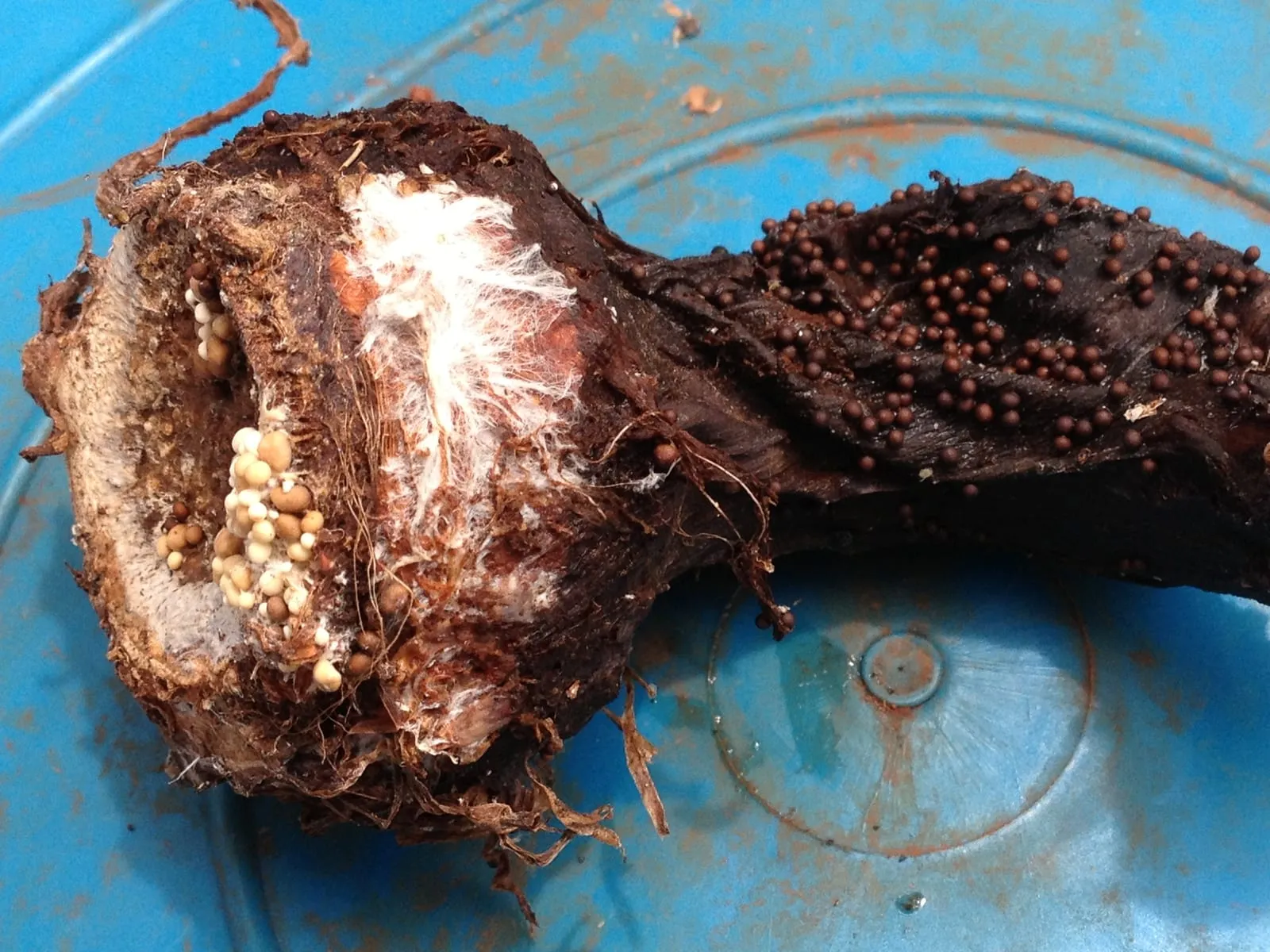
Sclerotium rolfsii
Soil-borne fungal disease most damaging in warm humid Southern conditions. White mycelial fans and small mustard-seed-sized sclerotia at the soil line are diagnostic.
Modified care for zone 7b
The primary adaptation in zone 7b is managing late-summer disease and pest pressure rather than adjusting for cold or heat extremes. Downy mildew and powdery mildew both spread faster under the humid overnight conditions common in July and August. Wider plant spacing to improve canopy airflow and avoiding overhead irrigation in the evening reduces infection rates meaningfully.
Fusarium wilt warrants a strict rotation of at least 3 to 4 years before returning cucurbits to the same ground. Resistant varieties (Crimson Sweet carries moderate resistance) help but do not eliminate the risk.
Brown marmorated stink bugs and Japanese beetles are both active during peak fruit development. Row covers provide protection during the vegetative stage but must come off once flowering begins for pollination. Black plastic mulch serves double duty: it warms soil earlier in spring and suppresses the weeds that harbor stink bug populations through the summer.
Frequently asked questions
- Can I direct-sow watermelon in zone 7b or do I need to start transplants?
Both work given zone 7b's long season. Direct sowing into warm soil (70°F+) in early May produces reliable germination. Starting transplants indoors 3 to 4 weeks earlier allows earlier harvest and may reduce late-season disease exposure, but watermelon resents root disturbance, so handle transplants carefully.
- Which watermelon varieties perform best in zone 7b's late-summer humidity?
Crimson Sweet offers moderate Fusarium wilt resistance and performs consistently in humid southeastern conditions. Sugar Baby suits smaller gardens and matures before peak disease pressure in mid-July. Charleston Gray has a long track record in the piedmont South, though its 85-plus day maturity pushes harvest into the higher-disease window of August.
- How do I know when a watermelon is ripe in zone 7b?
The most reliable indicators are a yellowed ground spot where the fruit rests on the soil, a dried and browning tendril nearest the fruit, and a dull rather than shiny skin surface. Thumping is less reliable than growers assume; the other three cues together are more accurate.
+−
+−
+−
Watermelon in adjacent zones
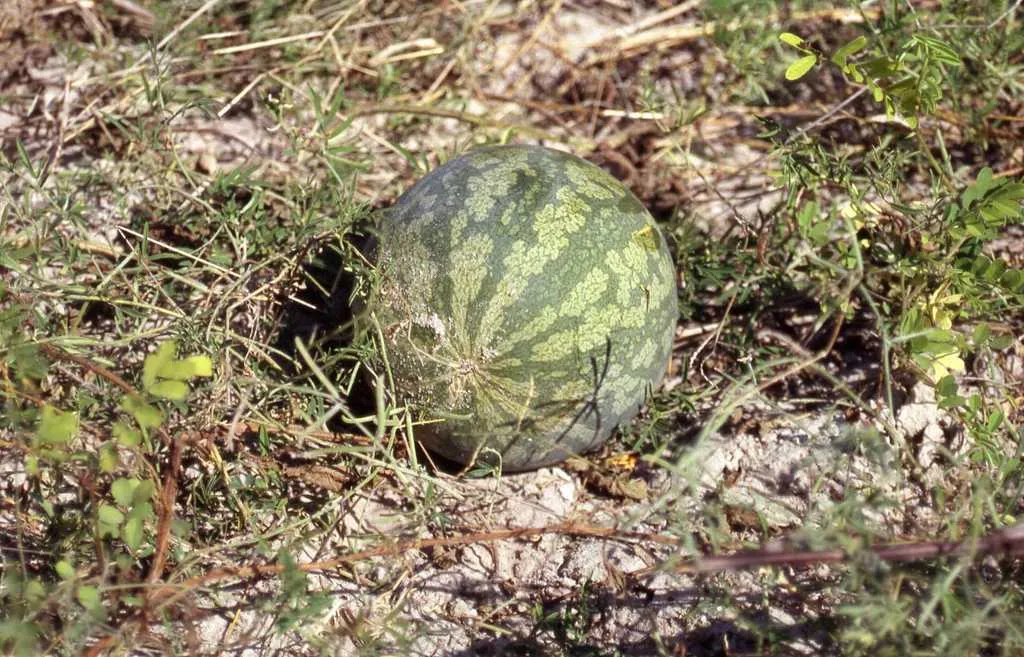
Image: "Fodder Melon", by no rights reserved, via iNaturalist, licensed under CC0 Source.
Related