vegetable
Spinach
Spinacia oleracea
USDA hardiness range
- Zones
- 3a–9a
- Days to harvest
- 40 to 50
- Sun
- Full
- Water
- Moderate
- Lifespan
- annual
Growing spinach
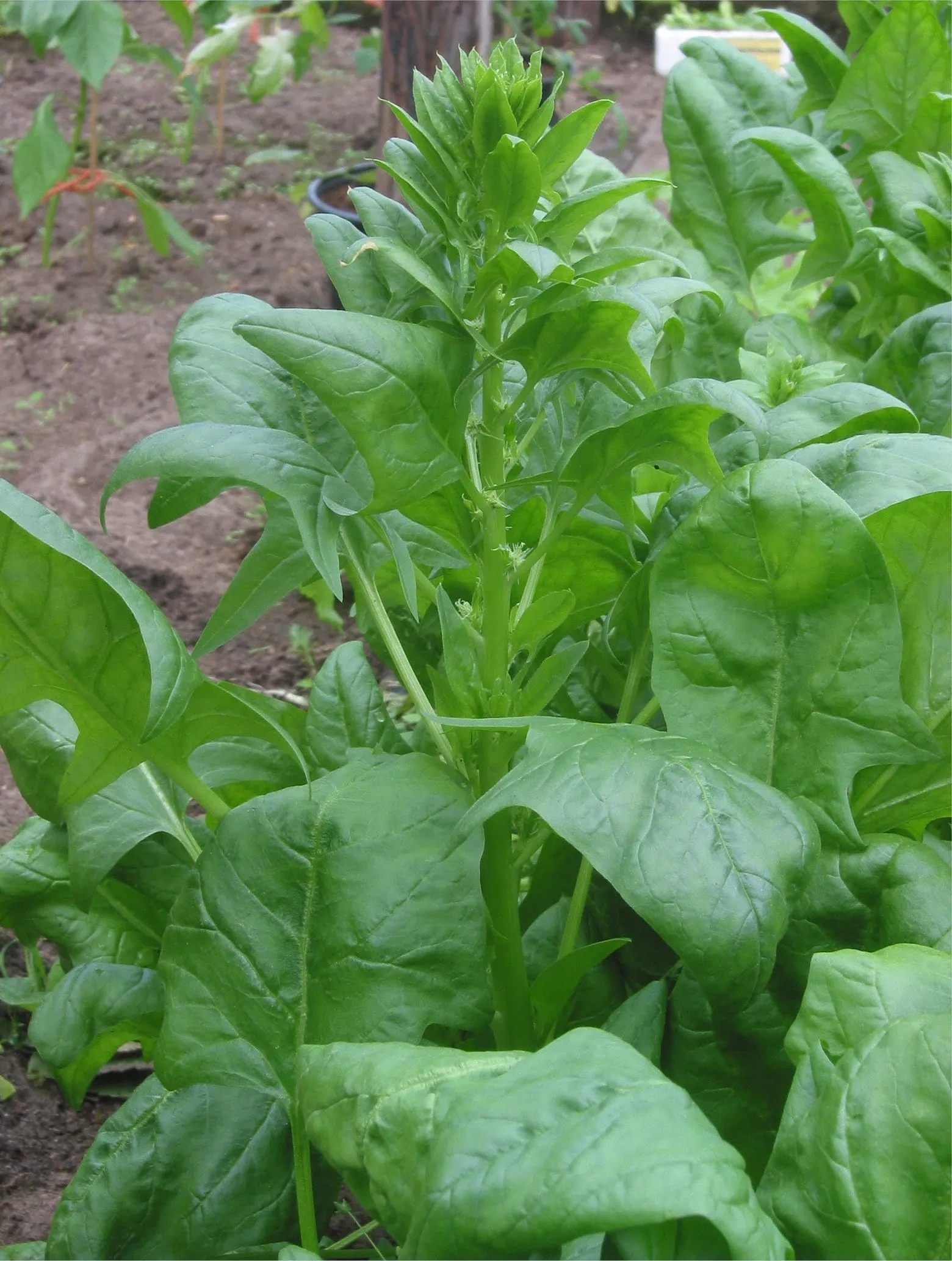
Spinach (Spinacia oleracea) is a cool-season annual that performs across a wide zone range, 3a through 9a, but success depends almost entirely on timing. The crop needs soil temperatures between 50 and 65°F and air temperatures below 75°F during its main growing period. Once temperatures climb and day length extends past roughly 14 hours, most varieties bolt rapidly, turning bitter and unusable within days.
In zones 3 through 6, spring plantings go in as soon as soil can be worked, 4 to 6 weeks before the last frost date. Fall plantings in these zones often outperform spring ones: the crop matures as temperatures cool, bolt pressure is minimal, and light frost sweetens the leaves. In zones 7 through 8b, the fall-to-winter window is the primary production window; spring plantings are possible but short. In zone 9a, spinach is effectively a winter crop, planted October through February when heat is not a factor.
What separates a productive planting from a failed one is almost always the same issue: planting too late in spring or too early in fall, so the crop matures into heat rather than away from it. Consistent soil moisture matters nearly as much as temperature; a drought-stressed plant bolts faster than one kept evenly moist. Days to harvest run 40 to 50 days from direct sowing, which gives a workable planning window when counting backward from local frost dates. See the Cornell Spinach Production Guide for variety selection by region.
Recommended varieties
See all 3 →3 cultivars for home growers, with notes on flavor, ripening, and disease resistance.
| Variety | Notes | Zone fit | Disease resistance |
|---|---|---|---|
| Bloomsdale Long Standing | Earthy, mineral-rich, classic spinach flavor; deeply savoyed dark green leaves. Salads, sauteing, soups. Heritage open-pollinated variety, slow to bolt, the home-garden standard. | | none noted |
| Tyee | Mild, sweet, smooth-leaved baby spinach quality; dark green semi-savoy leaves. Salads, smoothies, sauteing. Slow to bolt, more heat-tolerant than older varieties. | | none noted |
| Space | Mild, smooth-leaved, very tender; baby-leaf or full size. Salads, smoothies. Bred specifically for slow bolting, the modern home-garden spring spinach. | | none noted |
Soil and site requirements
Spinach prefers a soil pH between 6.5 and 7.0. Below 6.0, manganese toxicity becomes a real risk and leaf quality drops; above 7.5, nutrient uptake slows and yields follow. A lime application before planting corrects most deficiencies in acidic eastern soils; in the alkaline soils of the intermountain West, sulfur amendments may be needed.
Drainage is critical. Spinach in waterlogged soil is far more susceptible to Fusarium wilt and poor germination, particularly in cold, wet springs. Raised beds or ridged rows improve drainage and warm soil faster, which is worth doing in zones 3 through 5 where spring planting windows are narrow.
Full sun is the standard recommendation, but in zones 7 and above, afternoon shade extends the productive spring window by 1 to 2 weeks. A bed with eastern sun and afternoon shade from a fence or taller crop works well for late-spring plantings where bolt pressure starts early.
Space transplants or thinned seedlings 4 to 6 inches apart in rows 12 inches apart. Closer spacing for baby-leaf harvests (2 to 3 inches) is common but increases downy mildew risk in humid climates by reducing airflow. Avoid replanting spinach or beets in the same bed in consecutive seasons, as Fusarium wilt persists in soil for several years and is not eliminated by standard crop rotations of less than 3 years.
Common diseases
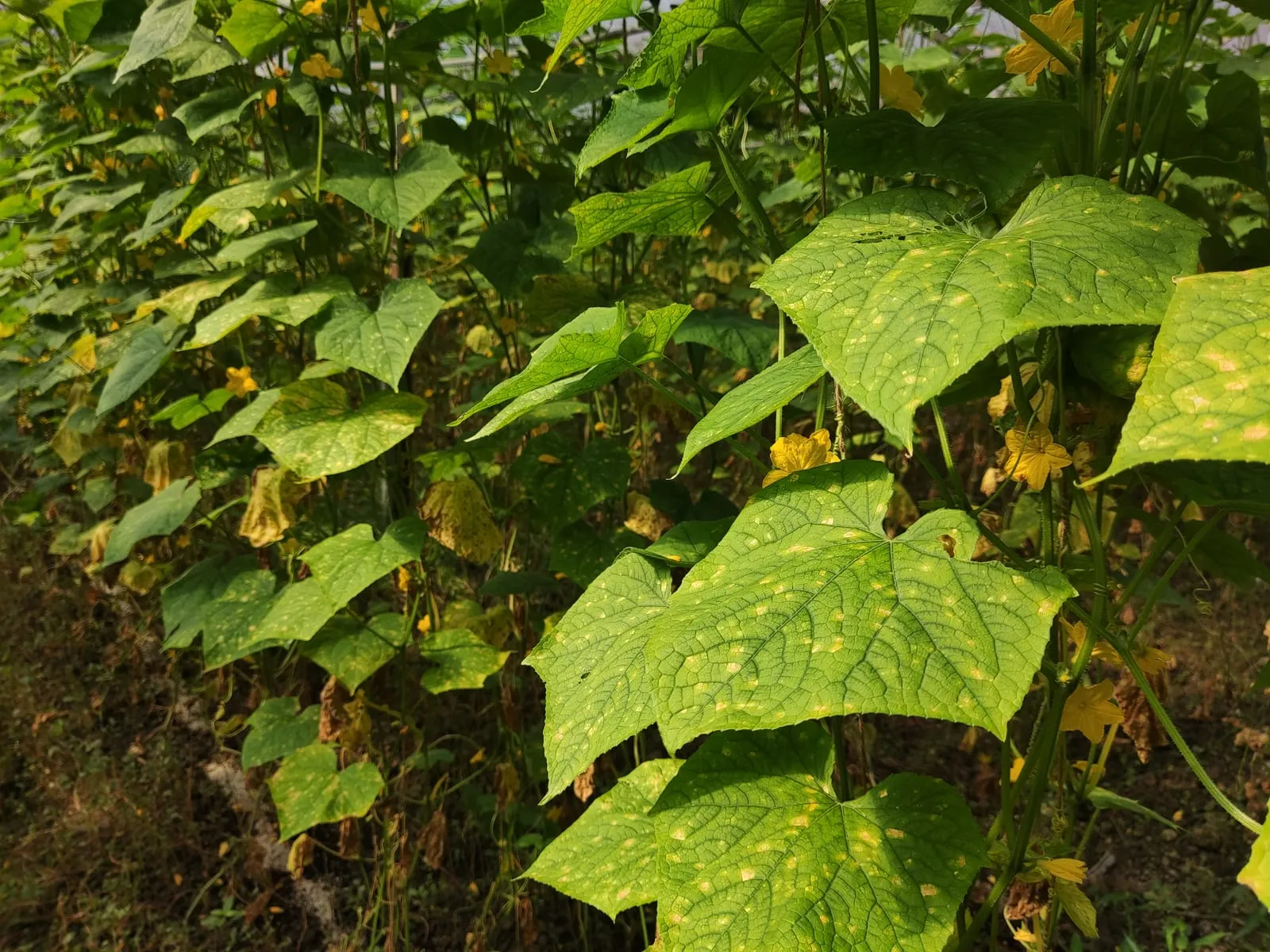
Pseudoperonospora cubensis (cucurbits) and others
Water mold (oomycete, not a true fungus) that thrives in cool damp conditions. Spreads rapidly through cucurbit and brassica plantings on wind-borne spores.
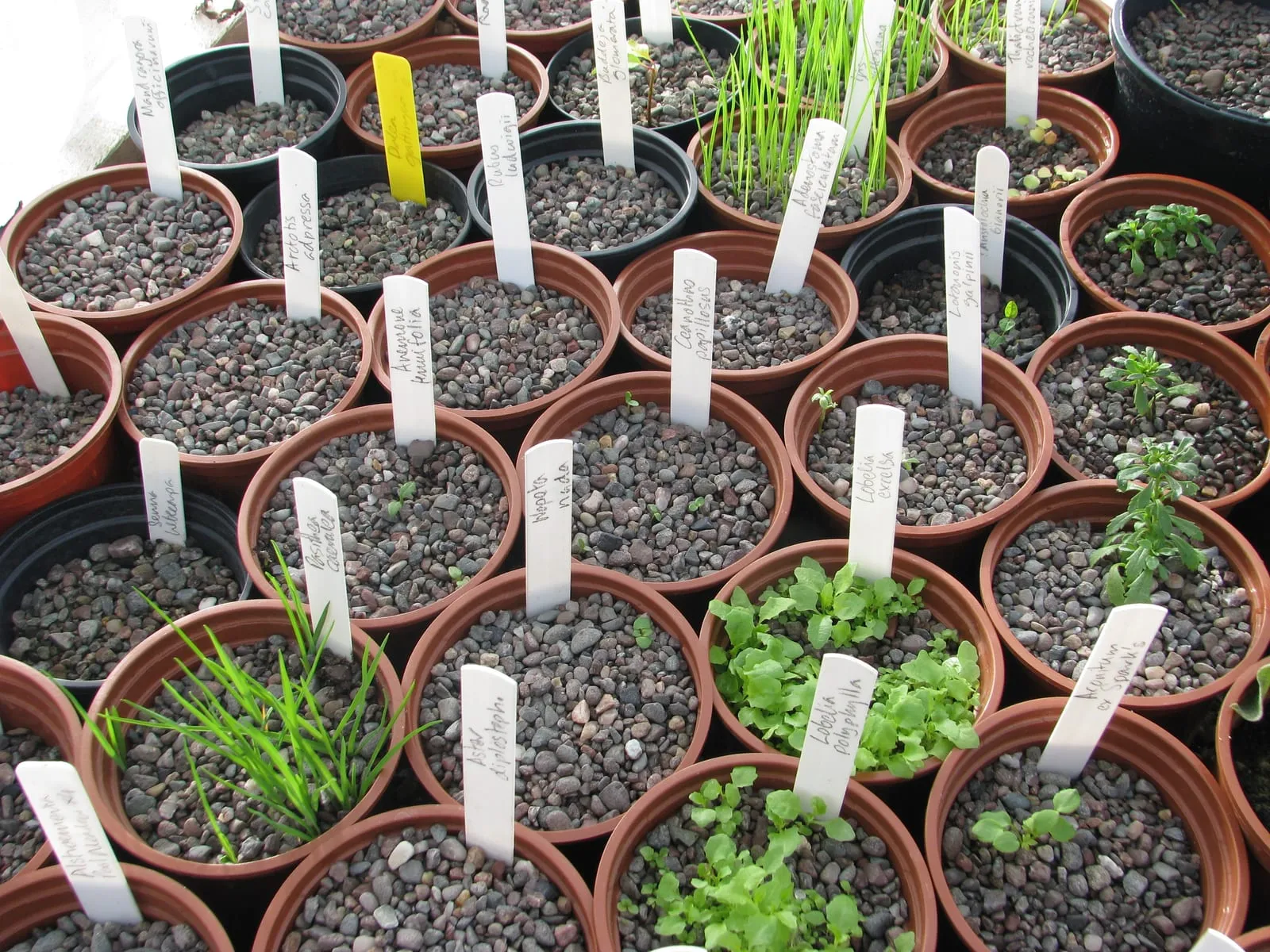
Pythium and Rhizoctonia species
Soil-borne complex of water molds and fungi that kill seedlings before or shortly after emergence. The single most common cause of seed-starting failures.
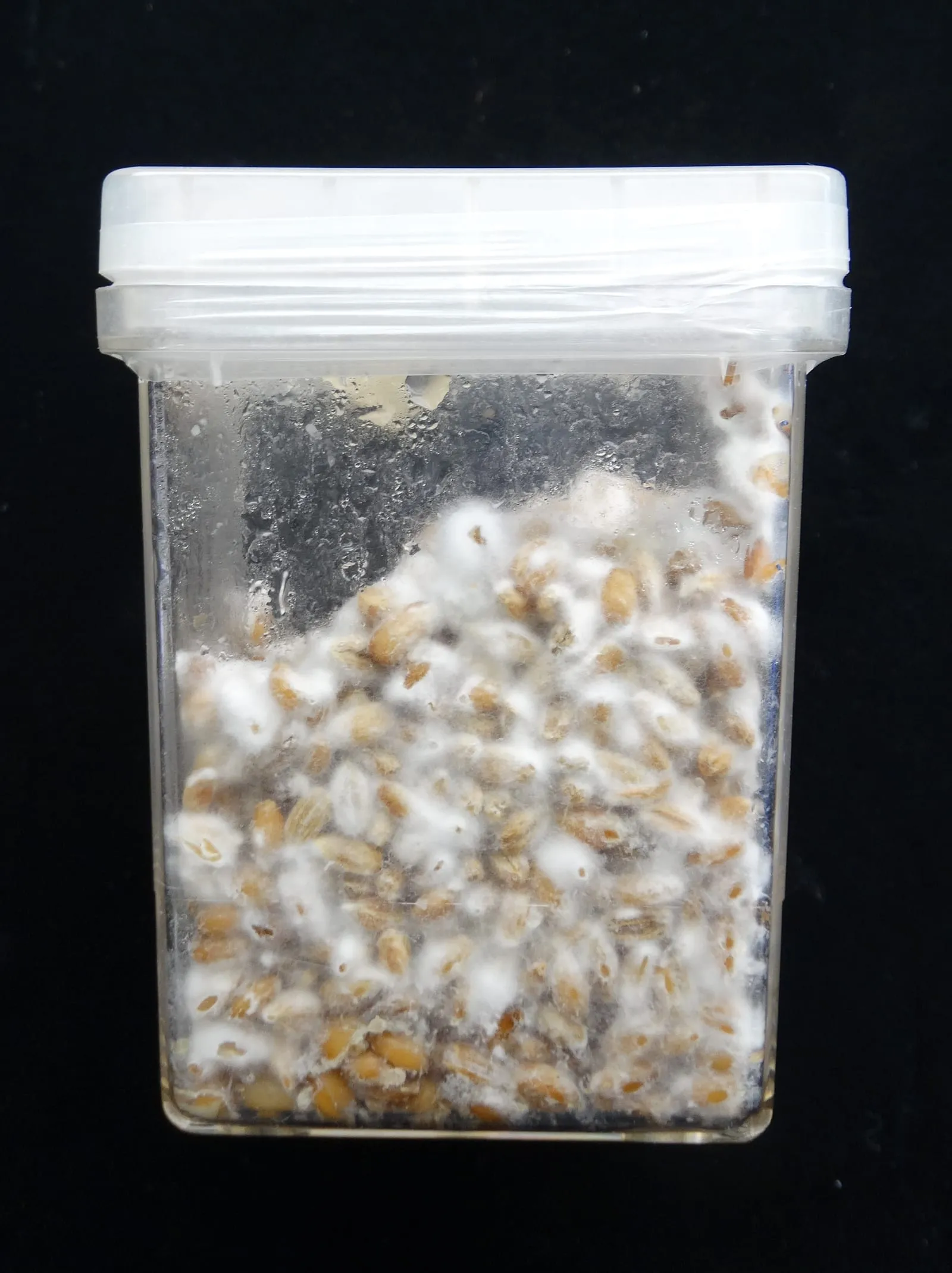
Fusarium oxysporum
Soil-borne fungal disease that plugs vascular tissue and kills affected plants. Persists in soil for many years; impossible to eliminate once established.
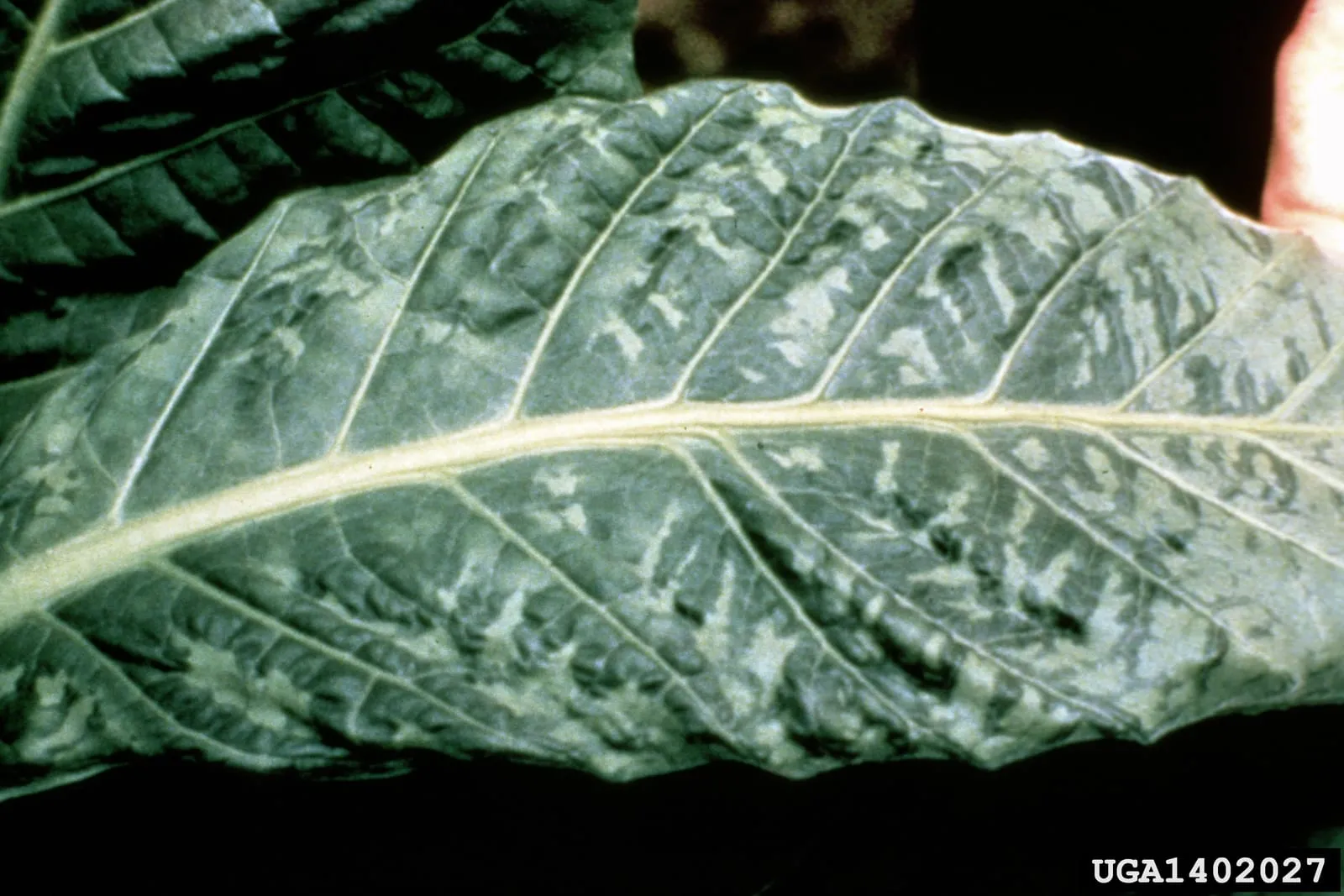
Cucumber mosaic virus, Tobacco mosaic virus, and others
Family of plant viruses producing mottled yellow-and-green leaf patterns. Vectored primarily by aphids; some are seed-transmitted or spread by handling tools and tobacco products.
Common pests
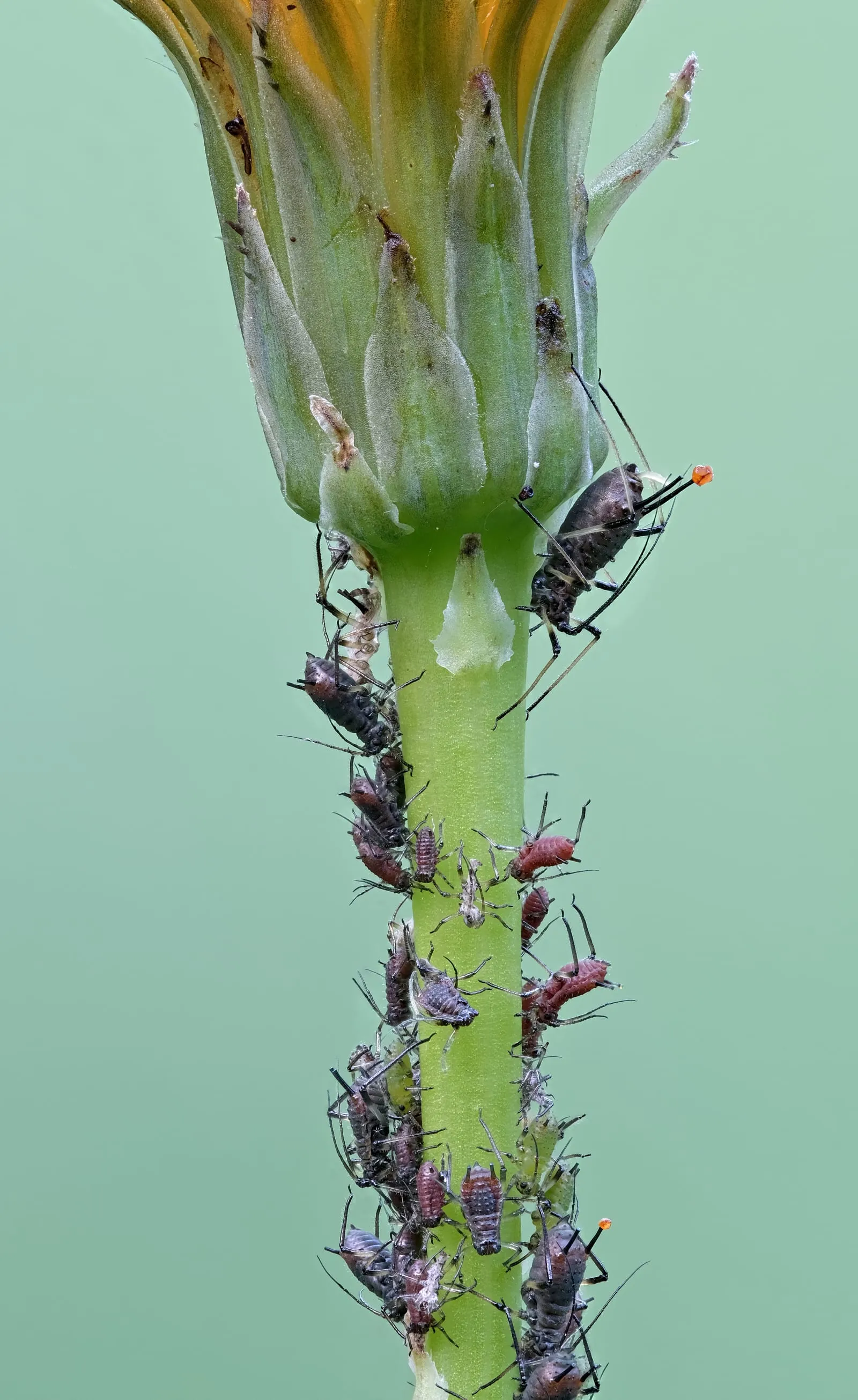
Multiple species (Aphididae)
Small soft-bodied sap-sucking insects that reproduce explosively in spring. Excrete honeydew that supports sooty mold and attracts ants. Transmit viral diseases.
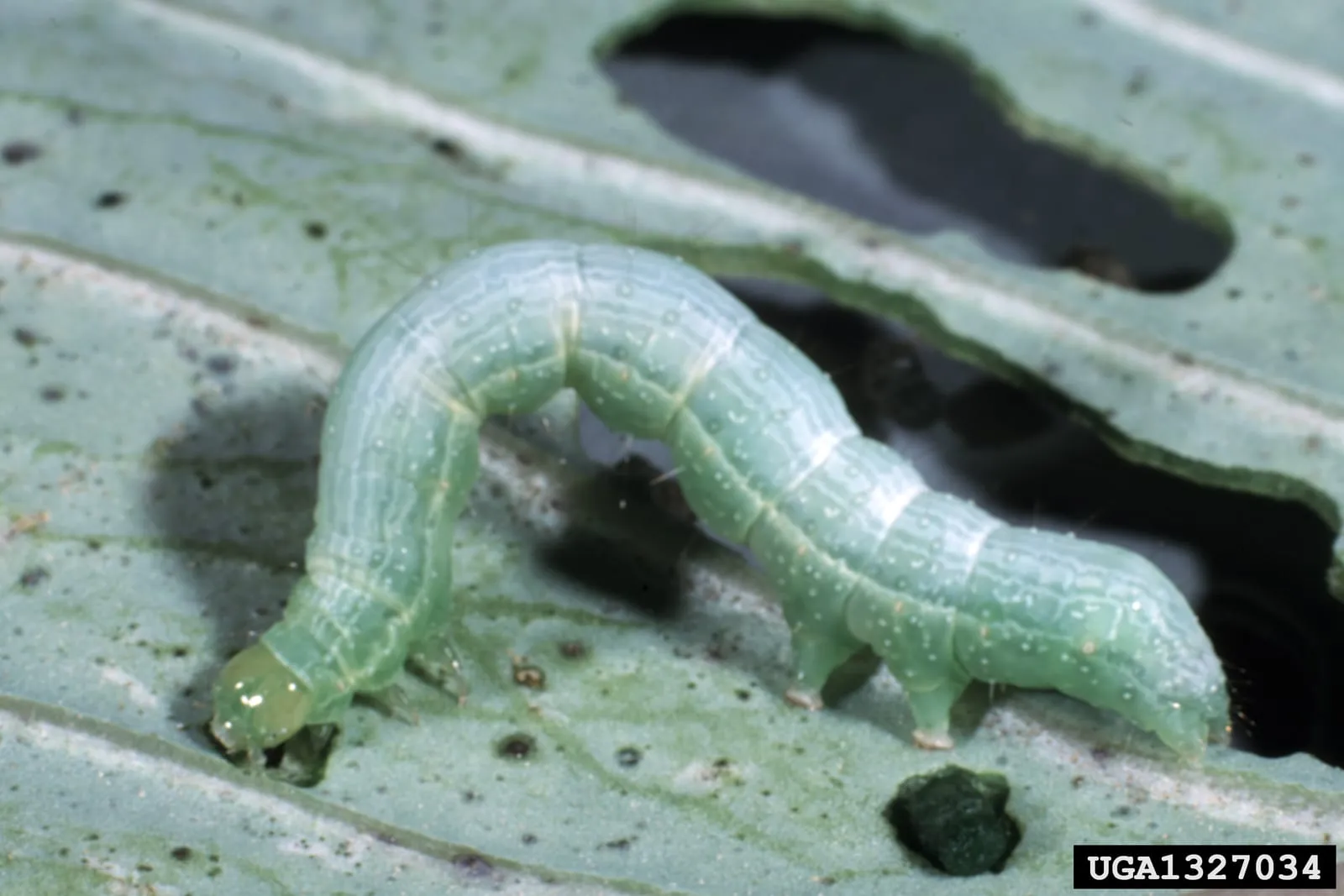
Trichoplusia ni
Pale green caterpillars that arch their backs (loop) when crawling. Defoliate brassicas and lettuce, contaminate harvested heads. Adults are mottled gray-brown moths.
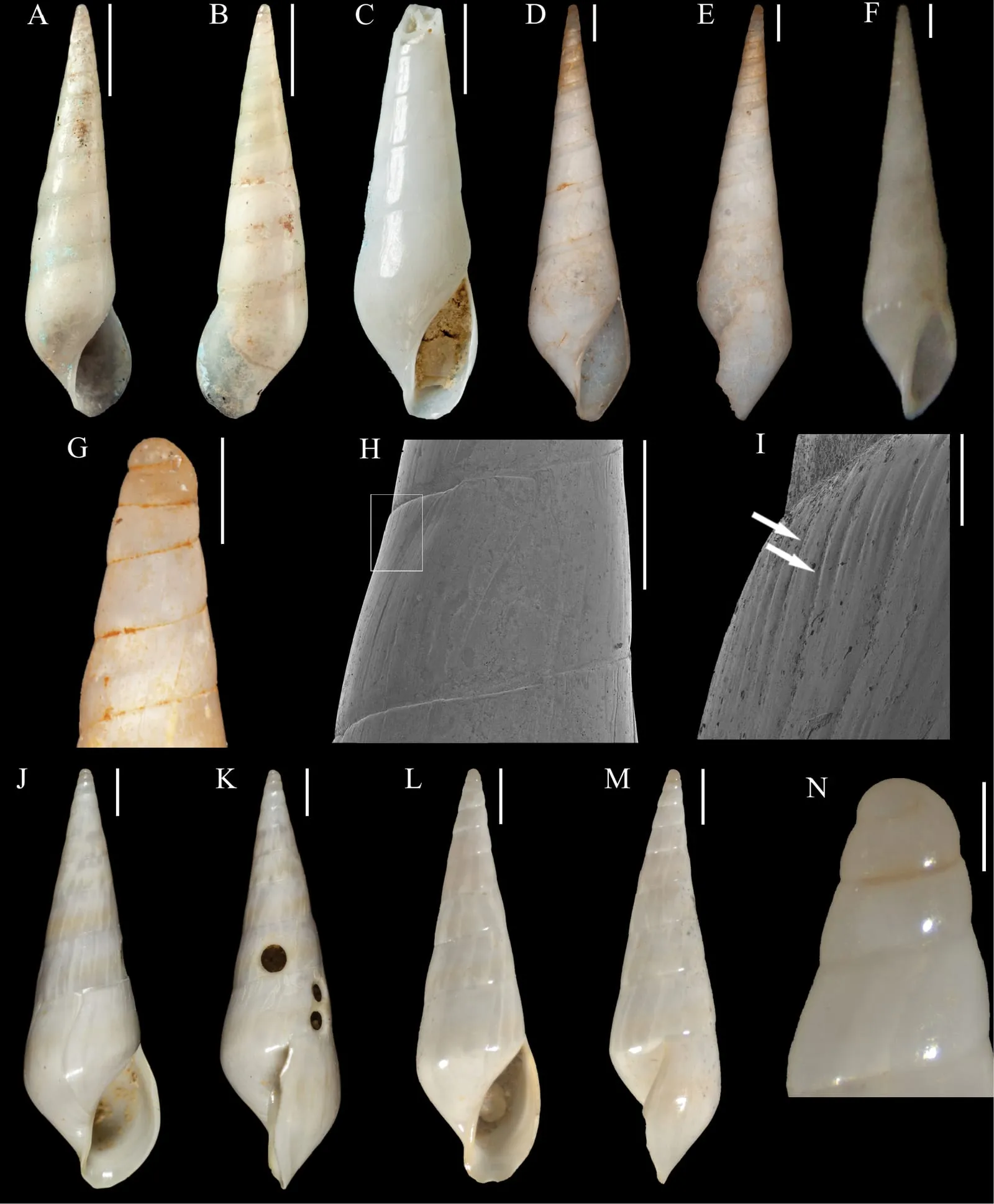
Multiple species (Gastropoda)
Soft-bodied mollusks that feed on tender leaves and seedlings primarily at night. Damaging especially in wet years and shaded mulched gardens.
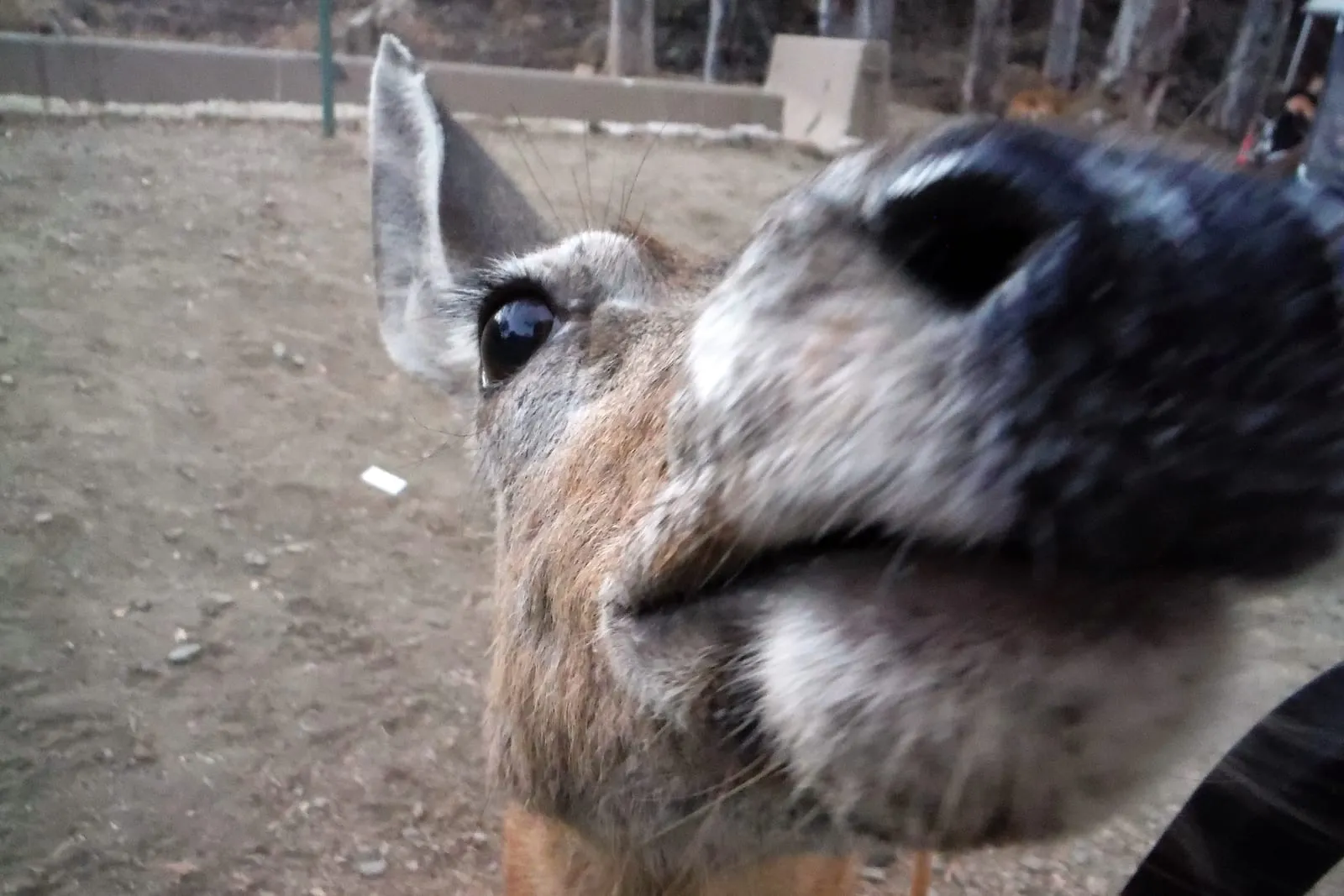
Odocoileus species
Whitetail and mule deer browse can devastate orchards and gardens, particularly in winter when food is scarce. Antler rub on young trunks kills saplings outright.
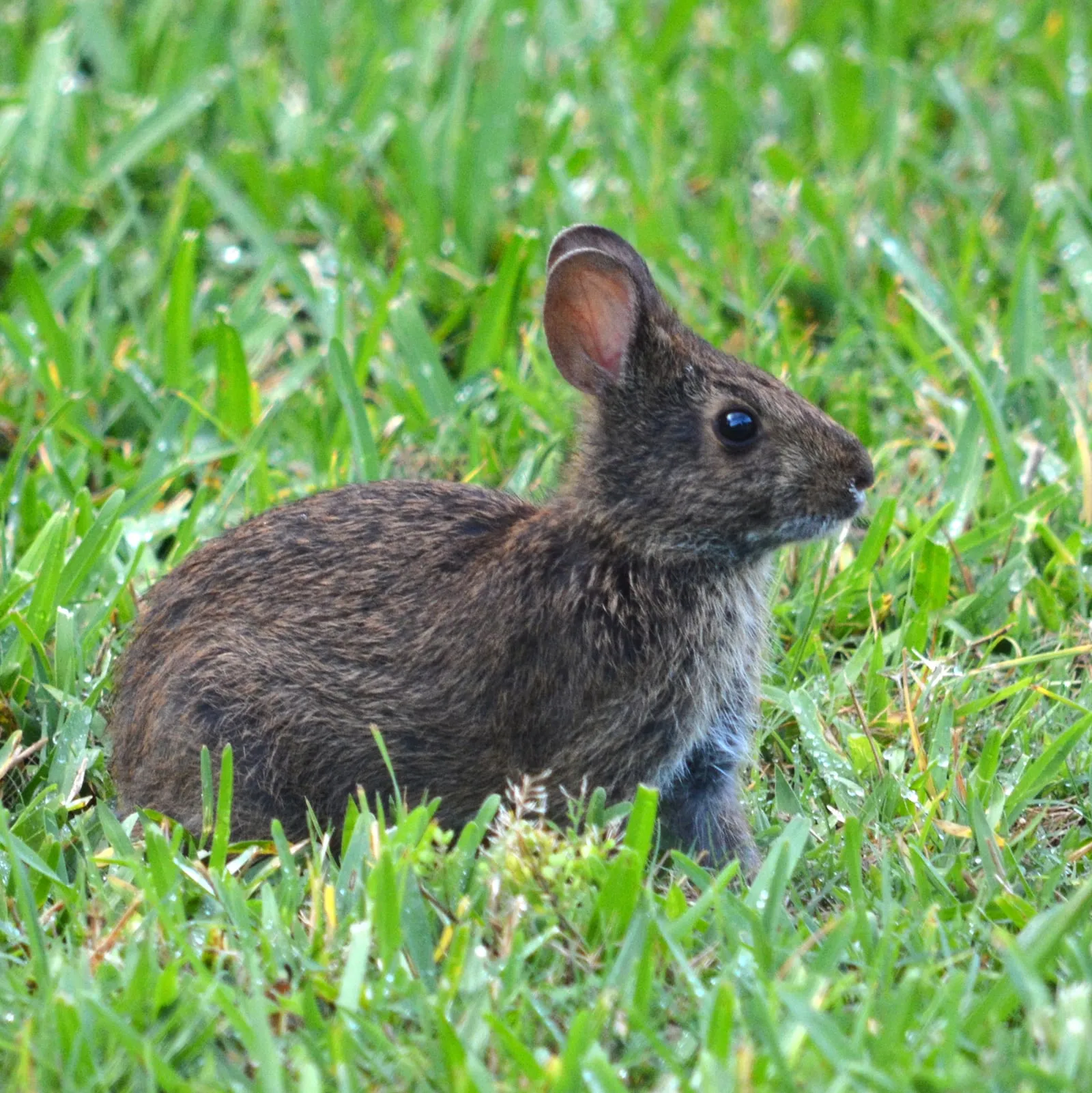
Sylvilagus and Lepus species
Cottontails and jackrabbits strip bark from young fruit trees in winter and graze tender garden vegetables year-round, especially seedlings.
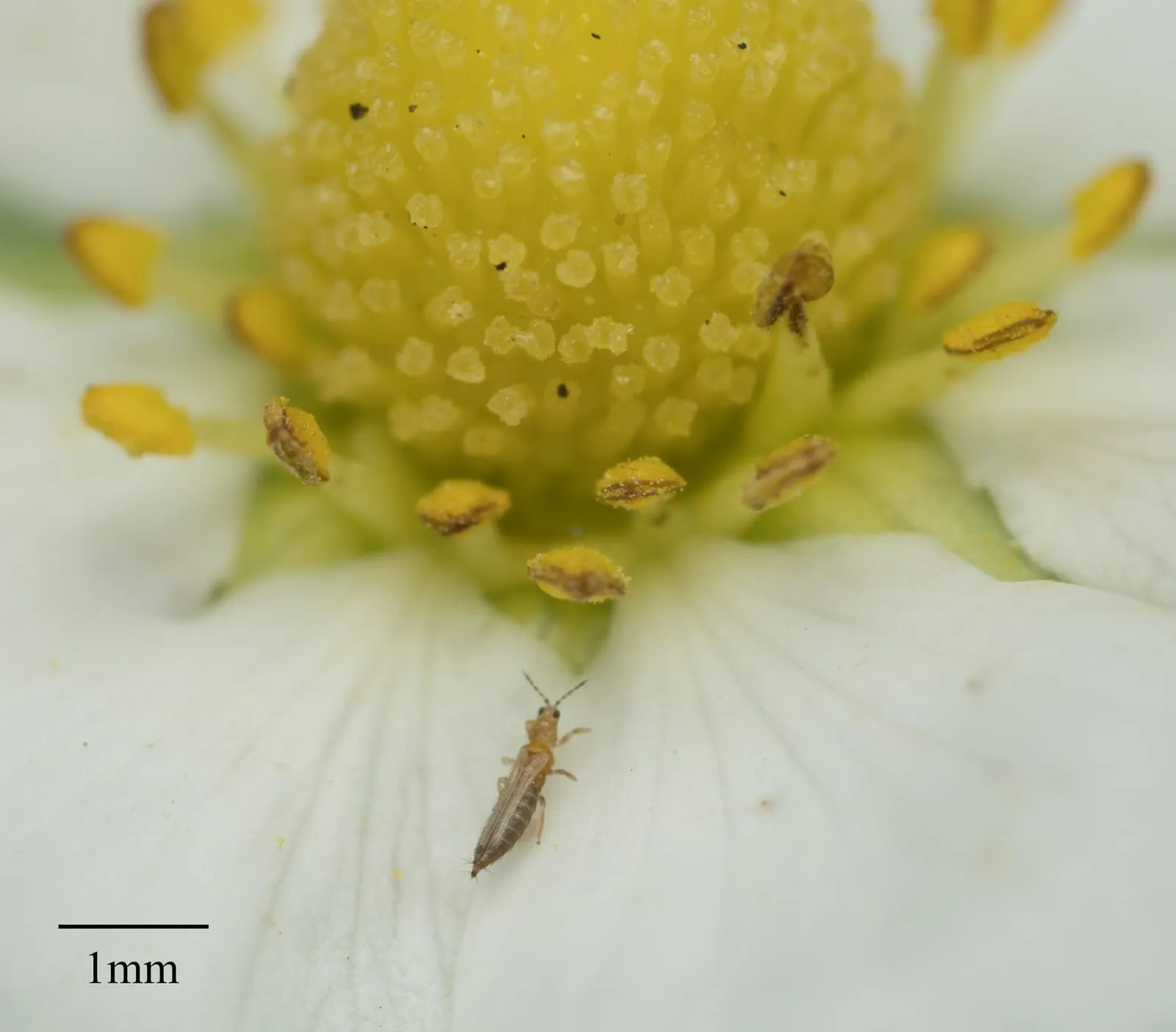
Frankliniella occidentalis
Tiny slender insect that rasps leaf and flower surfaces. The primary vector for Tomato Spotted Wilt Virus and Iris Yellow Spot Virus, which makes it more damaging through disease transmission than direct feeding.
Common challenges
Bolting before harvest is the primary failure mode. Spinach bolts in response to both heat and extended day length. A plant that germinates in cool soil but matures during warm, long-day conditions will bolt before a meaningful harvest is possible. The practical fix is timing: count 40 to 50 days backward from the expected last frost date in spring, or forward from the first hard frost in fall, and target sowing dates accordingly. Succession plantings every 10 to 14 days spread the risk rather than relying on a single sowing.
Downy mildew (Peronospora farinosa f. sp. spinaciae) is the most serious disease threat. It appears as yellow patches on upper leaf surfaces with grayish sporulation on the underside. The pathogen has developed resistance to several fungicide classes, and new races emerge regularly, making resistant variety selection the most practical long-term defense. Overhead irrigation and working among wet plants both accelerate spread. The Cornell Spinach Production Guide tracks current race designations and resistance ratings by variety.
Aphids and slugs cause localized damage but rarely destroy a planting on their own. Aphid colonies on young plants can stunt growth noticeably; a strong spray of water dislodges most colonies, and insecticidal soap controls heavier infestations. Slugs thrive in cool, wet, mulched conditions, so pulling mulch away from plant crowns and watering in the morning rather than evening reduces pressure meaningfully.
Companion plants
Frequently asked questions
- Does spinach require chill hours like fruit trees do?
No. Spinach does not require vernalization or an accumulated chill-hour period to produce a crop. It germinates in soil as cold as 35°F, with optimal germination between 50 and 65°F. The cold-temperature preference is about healthy vegetative growth, not a biological trigger the way chill hours function in dormant fruit trees.
- How many days until spinach is ready to harvest?
Most varieties reach full-leaf maturity in 40 to 50 days from sowing. Baby-leaf harvests can come earlier, at 25 to 35 days. Cooler soil and air temperatures slow growth and extend the window slightly; warm conditions accelerate it but also accelerate bolting, so a fast-maturing plant in heat is not necessarily an advantage.
- What USDA hardiness zones can grow spinach?
Spinach grows across zones 3a through 9a. In colder zones (3 through 5), spring and fall are the primary windows. In zones 7 through 8b, fall through early spring is the main production period, with spring plantings cut short by heat. In zone 9a, spinach is effectively a winter-only crop, planted between October and February.
- Does spinach need pollinators to produce a harvest?
No. Spinach is harvested for its leaves before flowering, so pollination is irrelevant to production. The plant is dioecious (separate male and female plants) and wind-pollinated when it does flower, but growers do not need to manage pollination or maintain nearby pollinator habitat to get a full leaf harvest.
- What is the most common disease problem in spinach?
Downy mildew is the most widespread and damaging disease. It is favored by cool, humid conditions and spreads quickly in dense plantings or wherever overhead irrigation keeps foliage wet. New pathogen races continue to emerge, making resistance ratings an important factor in variety selection. Check current race data in the Cornell Spinach Production Guide before choosing a variety for commercial or large-scale plantings.
- Will spinach survive frost?
Mature spinach plants tolerate light frost, typically down to 28 to 30°F, and flavor often improves after cold exposure. Young seedlings are more sensitive and benefit from row cover below 28°F. In zones 5 and warmer, fall plantings frequently survive light frosts without protection; a floating row cover adds several degrees of buffer if hard freezes are expected.
- Why does spinach taste bitter?
Bitterness most often signals that the plant has begun bolting or was harvested under heat stress. Leaves taken in cool weather before the flower stalk emerges have the mildest flavor. Savoyed varieties like Bloomsdale Long Standing carry a more pronounced earthy, mineral character even under ideal conditions, which some growers prefer and others find too strong for raw salads.
+−
+−
+−
+−
+−
+−
+−
Sources
Image: "Spinazie vrouwelijke plant (Spinacia oleracea female plant)", by Rasbak, via Wikimedia Commons, licensed under CC-BY. Source.
.jpg)
Spinach by zone
Related