vegetable in zone 4a
Growing spinach in zone 4a
Spinacia oleracea
- Zone
- 4a -30°F to -25°F
- Growing season
- 120 days
- Suitable varieties
- 3
- Days to harvest
- 40 to 50
The verdict
Spinach is a genuinely good fit for zone 4a, not a marginal case. As a cool-season annual, spinach prefers soil temperatures between 45 and 75°F and tolerates hard frosts once established; mature plants typically survive into the mid-20s°F without protection. Zone 4a's minimum winter temperatures (-30 to -25°F) are irrelevant for a crop that completes its cycle well before winter arrives.
Unlike fruit crops, spinach has no chill-hour requirement. The relevant thermal constraint runs in the opposite direction: spinach bolts when temperatures consistently exceed 80°F and day length pushes past roughly 14 hours. Zone 4a's 120-day frost-free growing season compresses the summer heat window, which actually limits bolt pressure compared to warmer zones. The cool shoulder seasons on either side of summer are where zone 4a spinach production is strongest.
All three recommended varieties, Bloomsdale Long Standing, Tyee, and Space, perform reliably here, with Tyee and Space offering better bolt resistance for late-spring plantings.
Recommended varieties for zone 4a
3 cultivars suited to this zone, with disease-resistance and zone-fit annotations.
| Variety | Notes | Zone fit | Disease resistance |
|---|---|---|---|
| Bloomsdale Long Standing fits zone 4a | Earthy, mineral-rich, classic spinach flavor; deeply savoyed dark green leaves. Salads, sauteing, soups. Heritage open-pollinated variety, slow to bolt, the home-garden standard. | | none noted |
| Tyee fits zone 4a | Mild, sweet, smooth-leaved baby spinach quality; dark green semi-savoy leaves. Salads, smoothies, sauteing. Slow to bolt, more heat-tolerant than older varieties. | | none noted |
| Space fits zone 4a | Mild, smooth-leaved, very tender; baby-leaf or full size. Salads, smoothies. Bred specifically for slow bolting, the modern home-garden spring spinach. | | none noted |
Critical timing for zone 4a
Spring plantings can begin as soon as soil is workable, typically 4 to 6 weeks before the last expected frost. In most zone 4a locations, last frost dates fall in mid-to-late May depending on elevation and local topography, making mid-April direct sowing reasonable under normal conditions. One of zone 4a's documented challenges is late frosts damaging early growth; a hard frost after seedling emergence can set plants back significantly, so row cover is practical insurance for early April sowings.
Harvest from spring plantings generally runs from late May through June before lengthening days trigger bolting. A fall planting started in late July or early August, after peak heat subsides, catches the cool-down into September and can extend into October with light row cover as early frosts arrive.
Common challenges in zone 4a
- ▸ Late frosts damage early bloomers
- ▸ Limited peach varieties
Disease pressure to watch for
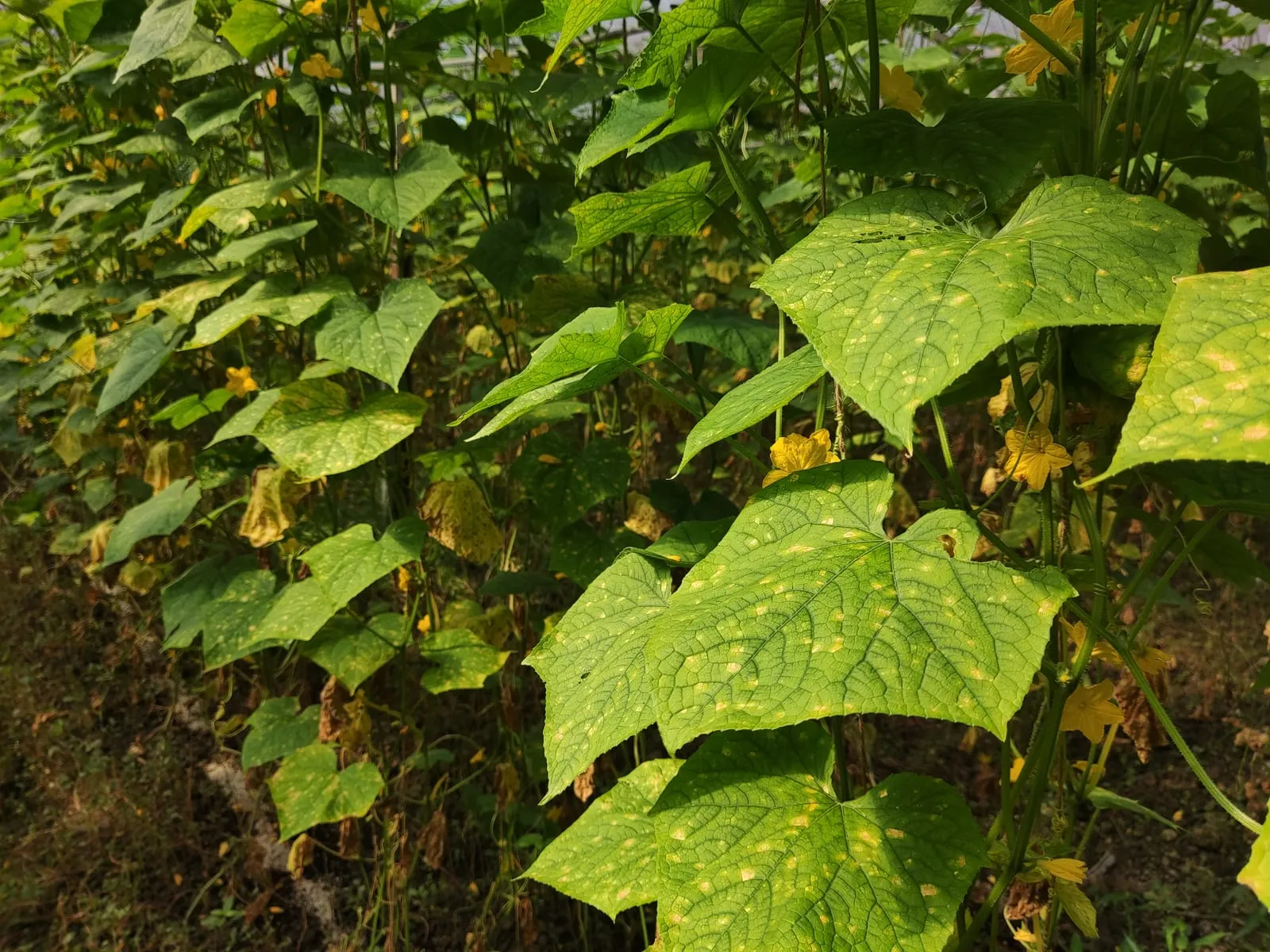
Pseudoperonospora cubensis (cucurbits) and others
Water mold (oomycete, not a true fungus) that thrives in cool damp conditions. Spreads rapidly through cucurbit and brassica plantings on wind-borne spores.
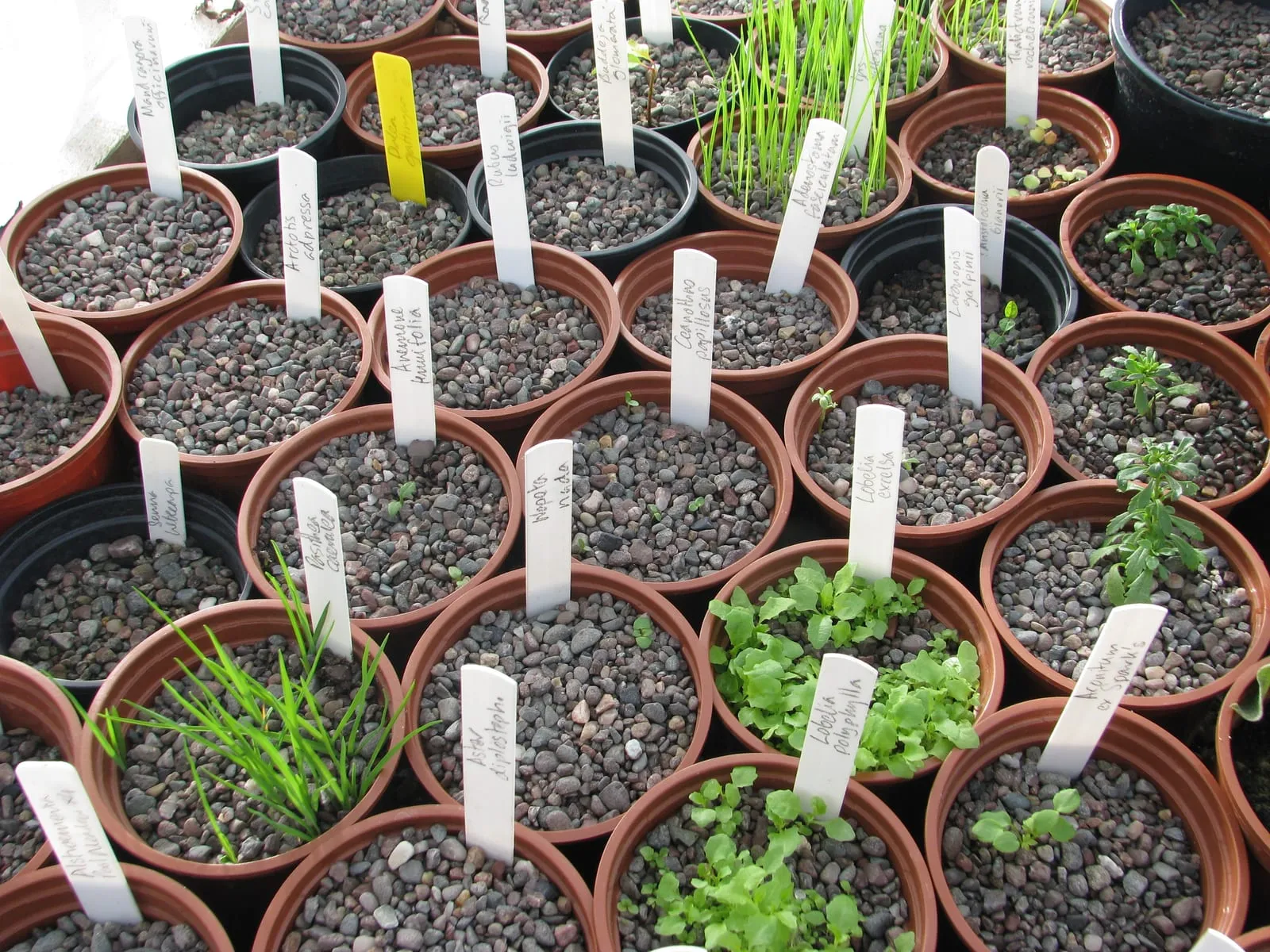
Pythium and Rhizoctonia species
Soil-borne complex of water molds and fungi that kill seedlings before or shortly after emergence. The single most common cause of seed-starting failures.
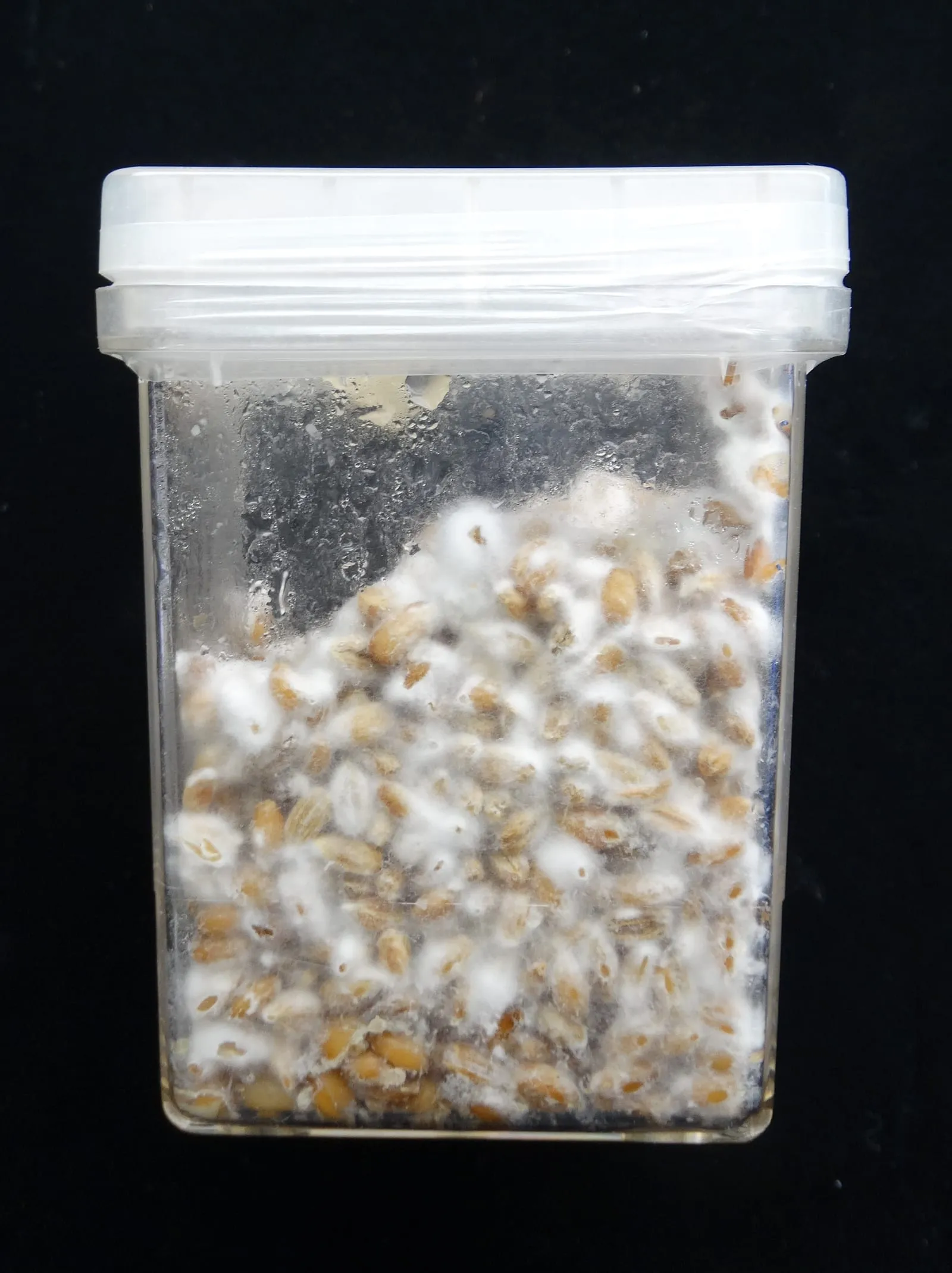
Fusarium oxysporum
Soil-borne fungal disease that plugs vascular tissue and kills affected plants. Persists in soil for many years; impossible to eliminate once established.
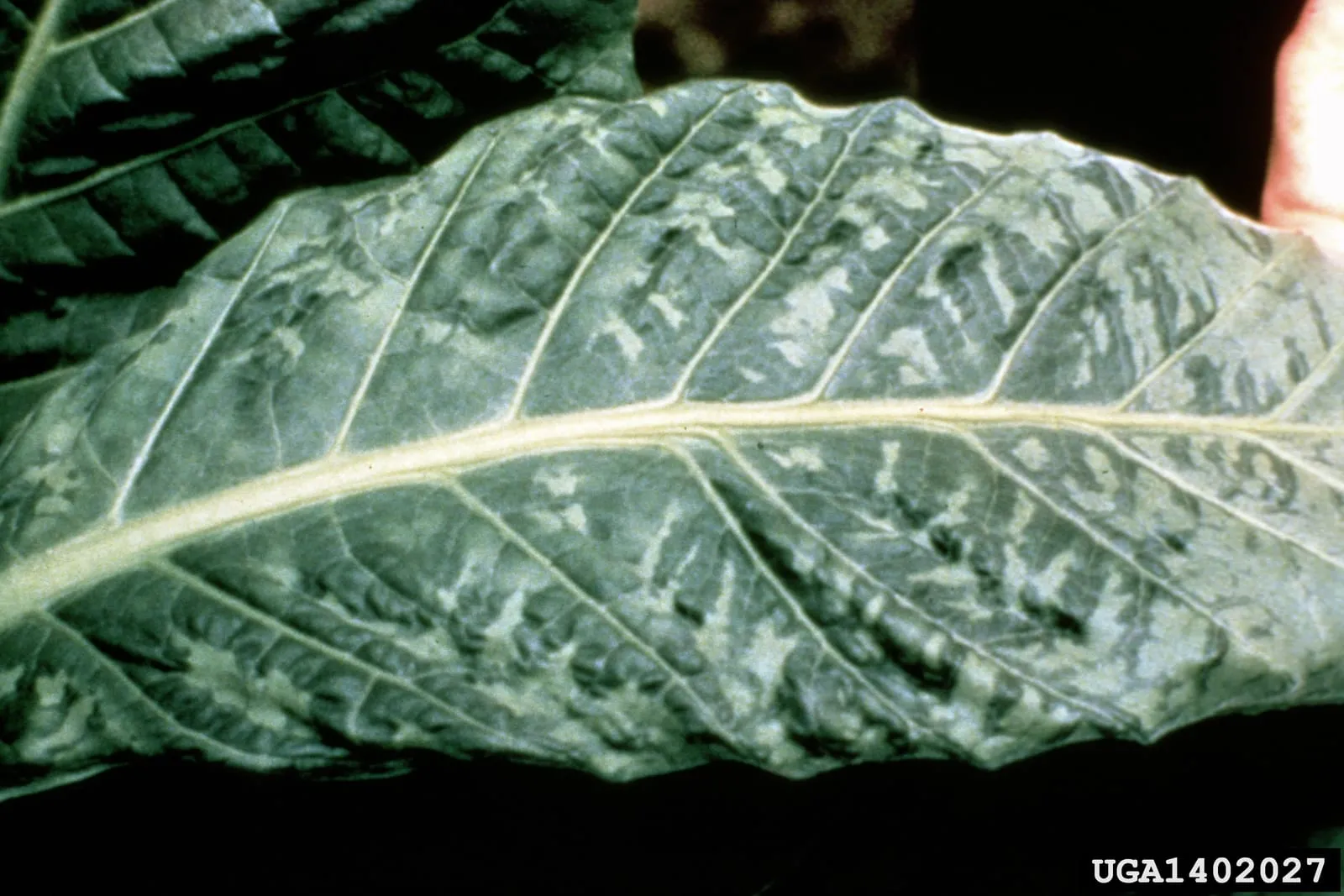
Cucumber mosaic virus, Tobacco mosaic virus, and others
Family of plant viruses producing mottled yellow-and-green leaf patterns. Vectored primarily by aphids; some are seed-transmitted or spread by handling tools and tobacco products.
Modified care for zone 4a
Zone 4a's cool, wet springs create favorable conditions for downy mildew (Peronospora farinosa f. sp. spinaciae), the primary fungal threat to spinach in this zone. Planting in well-drained beds, spacing plants for airflow, and avoiding overhead irrigation during overcast periods reduce infection pressure. Tyee and Space carry partial resistance to common downy mildew races and are worth prioritizing over Bloomsdale for high-humidity sites or early spring plantings under persistent cloud cover.
Fusarium wilt becomes a concern mainly when soil temperatures climb above 60°F during late-season or summer-bridge plantings. Rotating spinach to beds that have not grown it or other susceptible crops in the past two seasons limits soilborne pathogen buildup over time.
For season extension, a lightweight row cover (1.0 to 1.5 oz per square yard) applied after the first light frosts in early October can hold fall plantings productive for an additional two to three weeks.
Frequently asked questions
- Is zone 4a too cold for spinach?
No. Spinach tolerates frost well and has no chill-hour requirement. Zone 4a's harsh winters are irrelevant for a crop grown as a spring and fall annual. The real risk is late spring frosts hitting young seedlings in April, not winter cold, which can be managed with row cover.
- Which spinach variety performs best in zone 4a?
Tyee and Space offer better bolt resistance and partial downy mildew resistance, making them stronger choices than Bloomsdale Long Standing for most zone 4a sites. Bloomsdale produces well in cool spring conditions but is more prone to bolting as days lengthen toward June.
- When should spinach be seeded in zone 4a?
For spring crops, direct sow 4 to 6 weeks before the last frost date, typically mid-April. For fall crops, sow in late July to early August. Row cover extends both windows and protects against the late spring frosts common in zone 4a.
- How serious is downy mildew on spinach in zone 4a?
It is the primary disease risk in zone 4a springs. Cool temperatures and persistent moisture create near-ideal conditions for the pathogen. Using resistant varieties, improving drainage, and avoiding wet foliage during cloudy weather are the most effective controls.
+−
+−
+−
+−
Spinach in adjacent zones
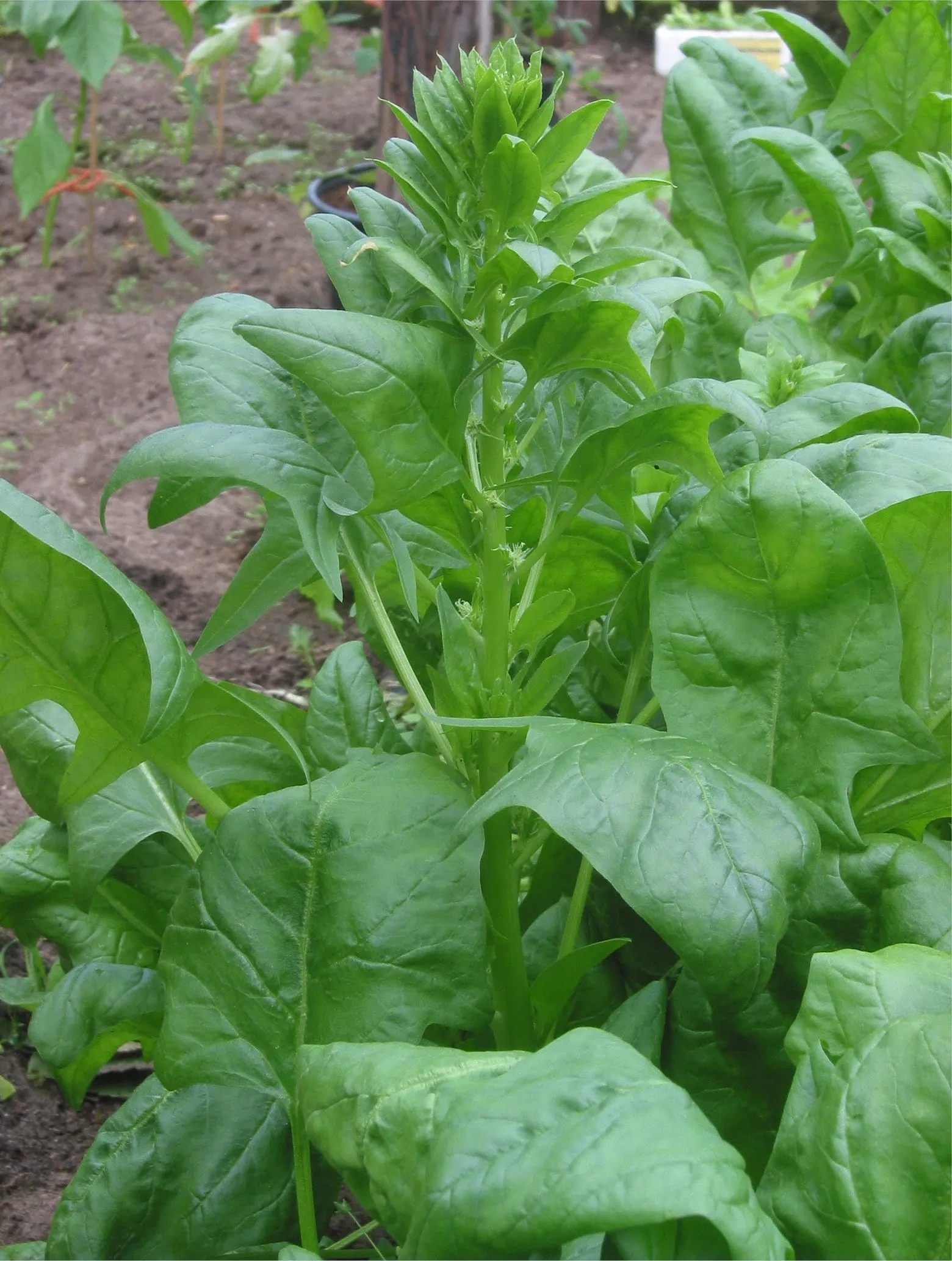
Image: "Spinazie vrouwelijke plant (Spinacia oleracea female plant)", by Rasbak, via Wikimedia Commons, licensed under CC-BY Source.
.jpg)
Related