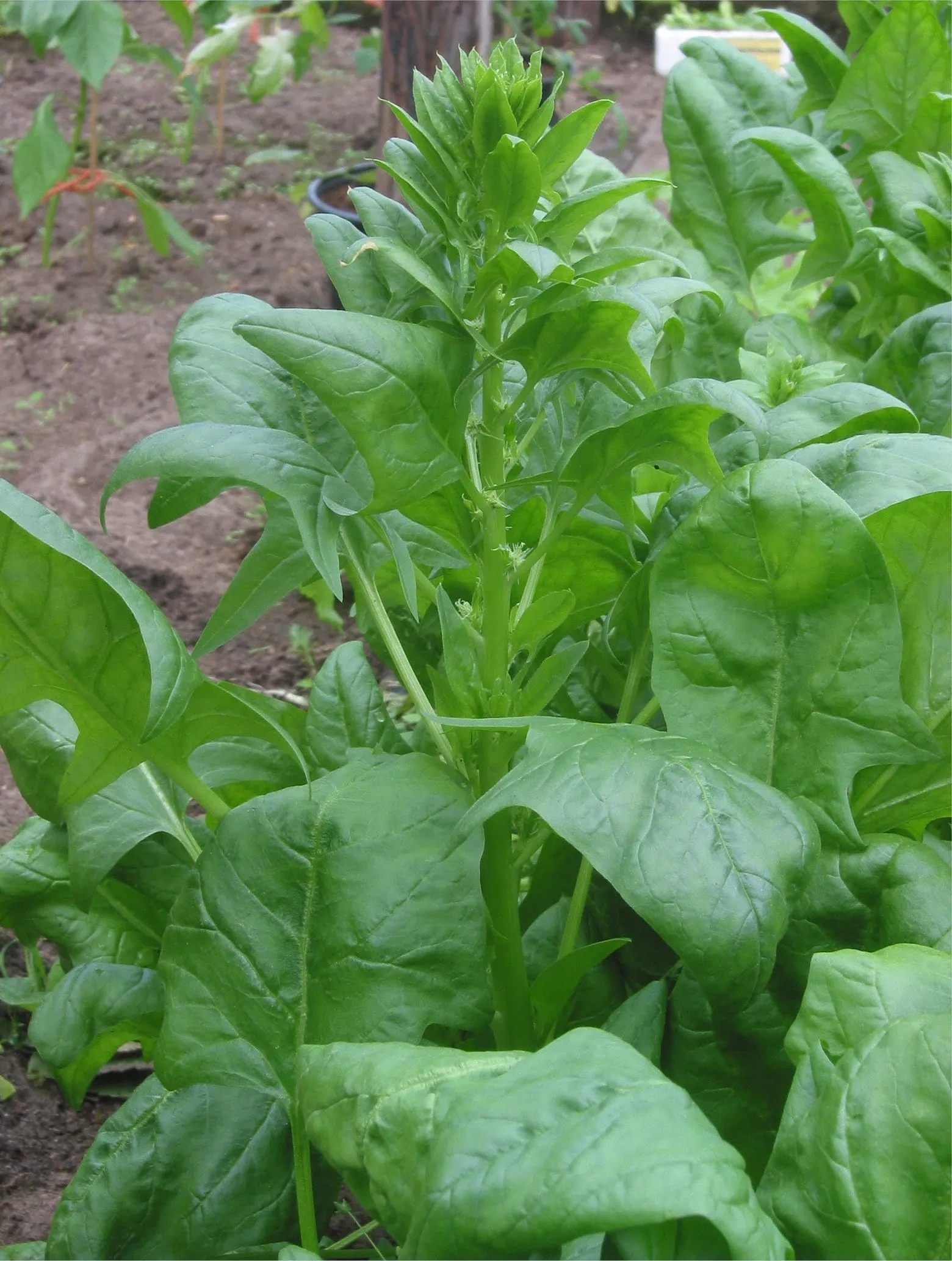
vegetable in zone 4b
Growing spinach in zone 4b
Spinacia oleracea
- Zone
- 4b -25°F to -20°F
- Growing season
- 130 days
- Suitable varieties
- 3
- Days to harvest
- 40 to 50
The verdict
Zone 4b is a genuine sweet spot for spinach, not a marginal case. Unlike fruit crops, spinach carries no chill-hour requirement; growth is governed by soil temperature and day length. The crop germinates in soil as cold as 40°F and grows best between 50°F and 65°F, conditions that arrive reliably in zone 4b each spring and return again in late summer. The zone's hard winters (-25°F to -20°F) are not a limiting factor because spinach is a cool-season annual that completes its cycle well before those extremes arrive. The 130-day growing season supports two productive plantings: a spring succession and a fall succession. The practical constraint in zone 4b is bolting rather than cold. As days lengthen past mid-June, even cold-tolerant spinach will push toward flowering and the leaves turn bitter. Varieties like Bloomsdale Long Standing, Tyee, and Space were selected for slow-bolt performance, which matters here because the transition from cool spring to summer can compress quickly.
Recommended varieties for zone 4b
3 cultivars suited to this zone, with disease-resistance and zone-fit annotations.
| Variety | Notes | Zone fit | Disease resistance |
|---|---|---|---|
| Bloomsdale Long Standing fits zone 4b | Earthy, mineral-rich, classic spinach flavor; deeply savoyed dark green leaves. Salads, sauteing, soups. Heritage open-pollinated variety, slow to bolt, the home-garden standard. | | none noted |
| Tyee fits zone 4b | Mild, sweet, smooth-leaved baby spinach quality; dark green semi-savoy leaves. Salads, smoothies, sauteing. Slow to bolt, more heat-tolerant than older varieties. | | none noted |
| Space fits zone 4b | Mild, smooth-leaved, very tender; baby-leaf or full size. Salads, smoothies. Bred specifically for slow bolting, the modern home-garden spring spinach. | | none noted |
Critical timing for zone 4b
Direct sow spinach 4 to 6 weeks before the expected last spring frost, which falls in mid-May in most of zone 4b, with late-May frosts occurring in lower-lying sites. Sowing can begin in early April once the soil is workable, even if night temperatures are still dropping below freezing. Germination is slower in cold soil but reliable. Spring harvest typically runs from late May into mid-June before day length exceeds 14 hours and triggers bolting. For a fall planting, sow in mid-to-late August, 6 to 8 weeks before the first fall frost (generally late September in zone 4b). Fall plants develop under shortening days, which suppresses bolting and extends the harvest window well into October with light row cover. The fall planting often produces more tender, sweeter leaves than the spring crop.
Common challenges in zone 4b
- ▸ Spring frost timing
- ▸ Apple scab pressure
- ▸ Cane berry winter dieback
Disease pressure to watch for
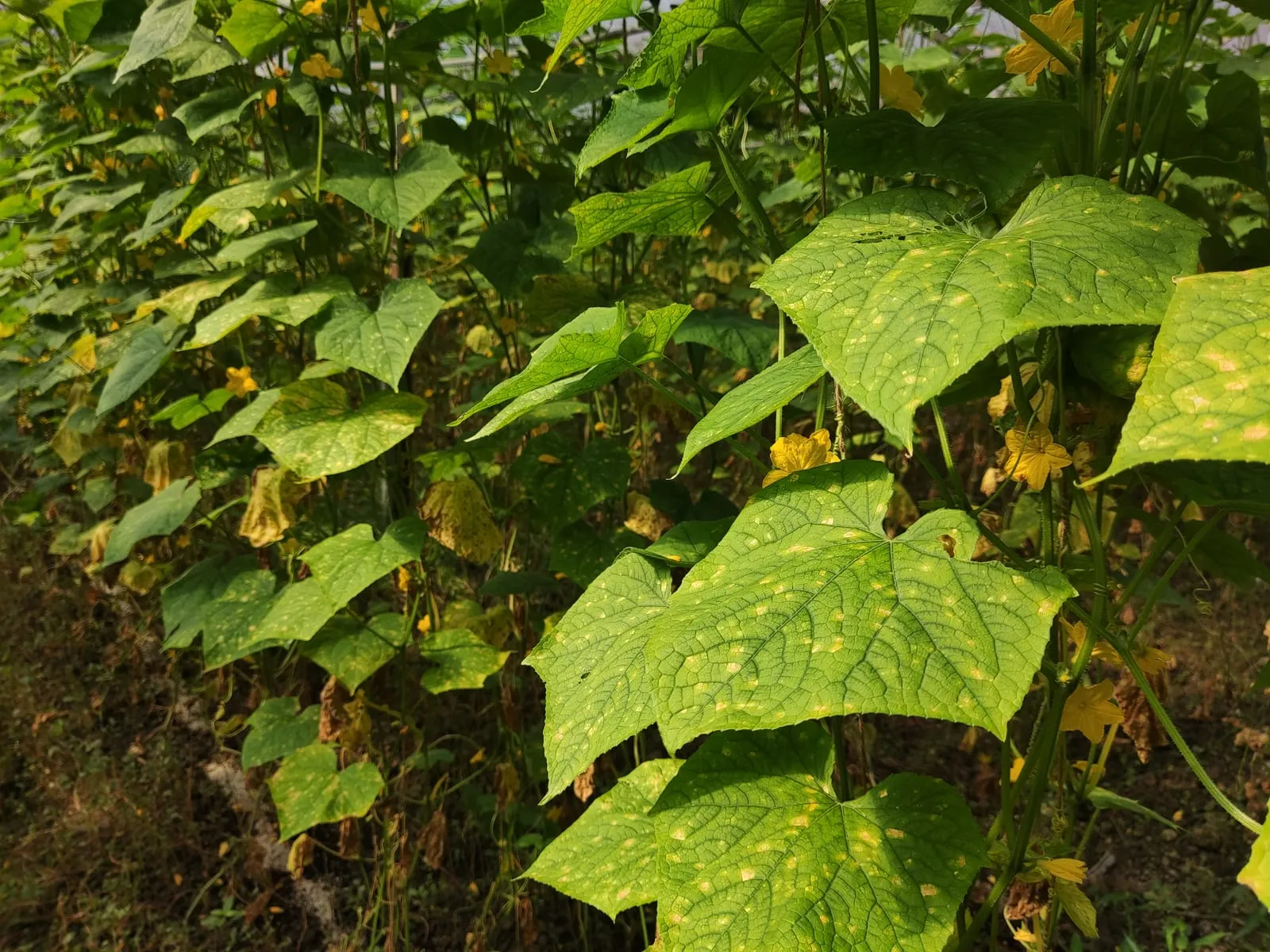
Pseudoperonospora cubensis (cucurbits) and others
Water mold (oomycete, not a true fungus) that thrives in cool damp conditions. Spreads rapidly through cucurbit and brassica plantings on wind-borne spores.
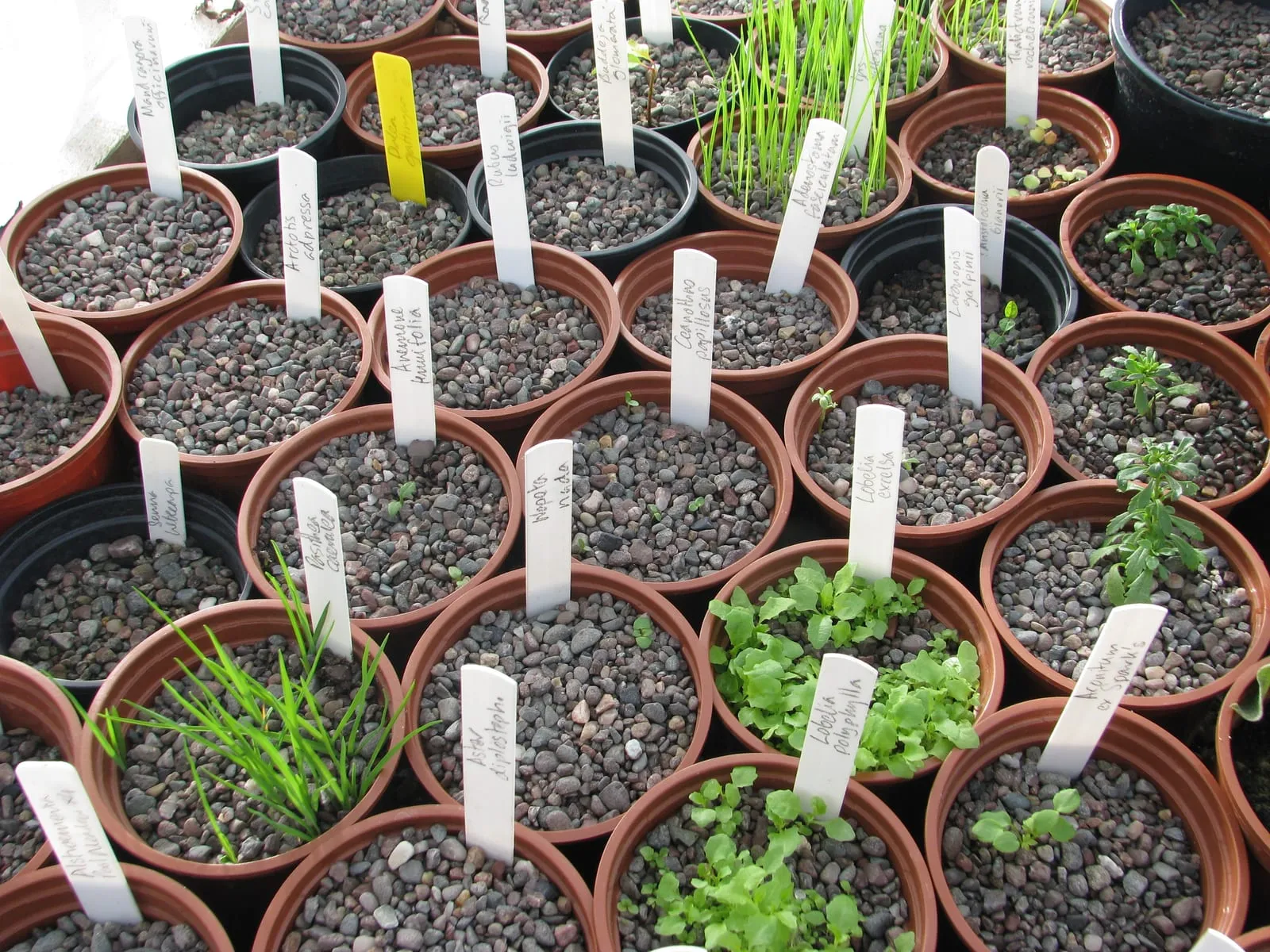
Pythium and Rhizoctonia species
Soil-borne complex of water molds and fungi that kill seedlings before or shortly after emergence. The single most common cause of seed-starting failures.
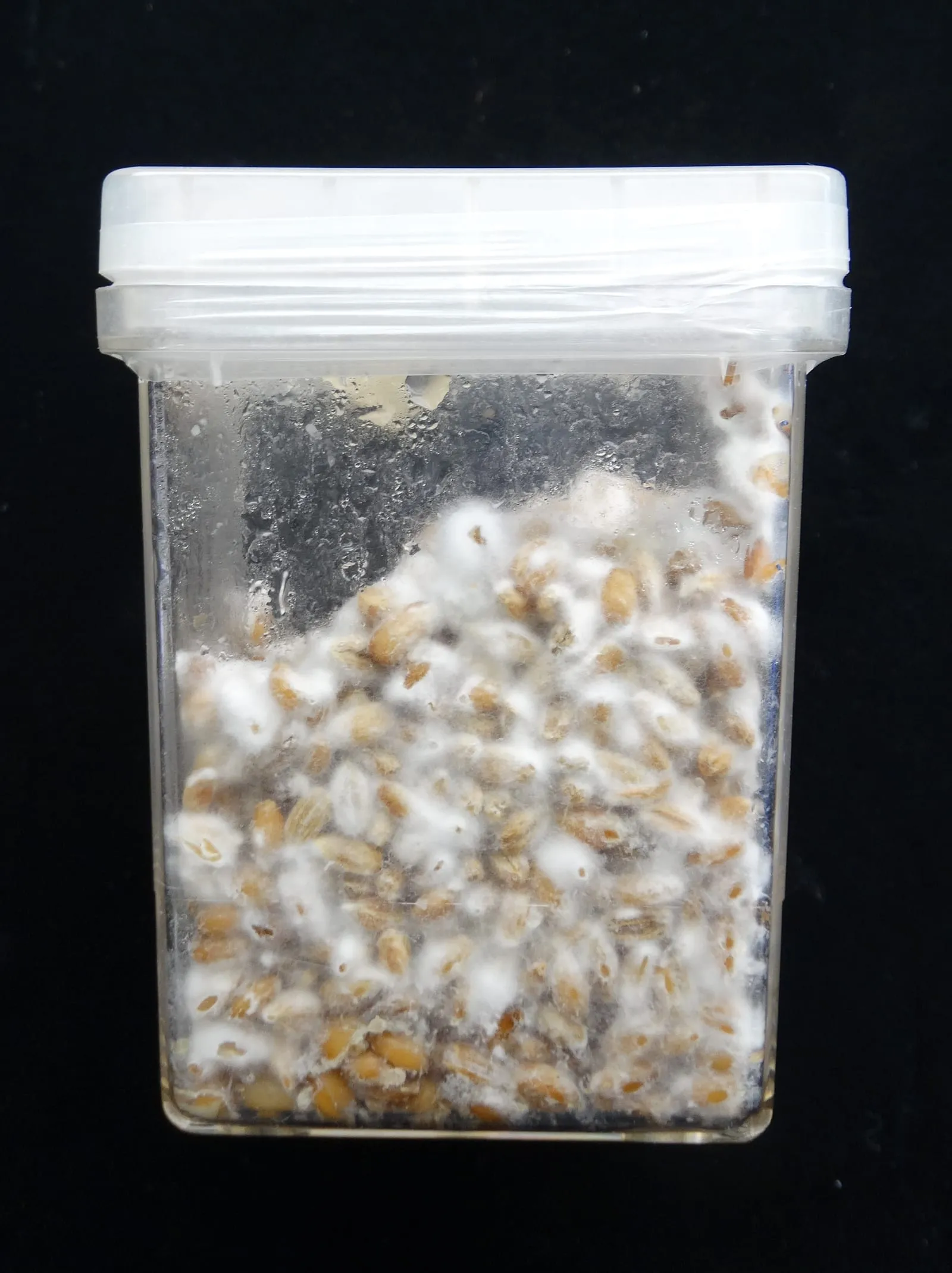
Fusarium oxysporum
Soil-borne fungal disease that plugs vascular tissue and kills affected plants. Persists in soil for many years; impossible to eliminate once established.
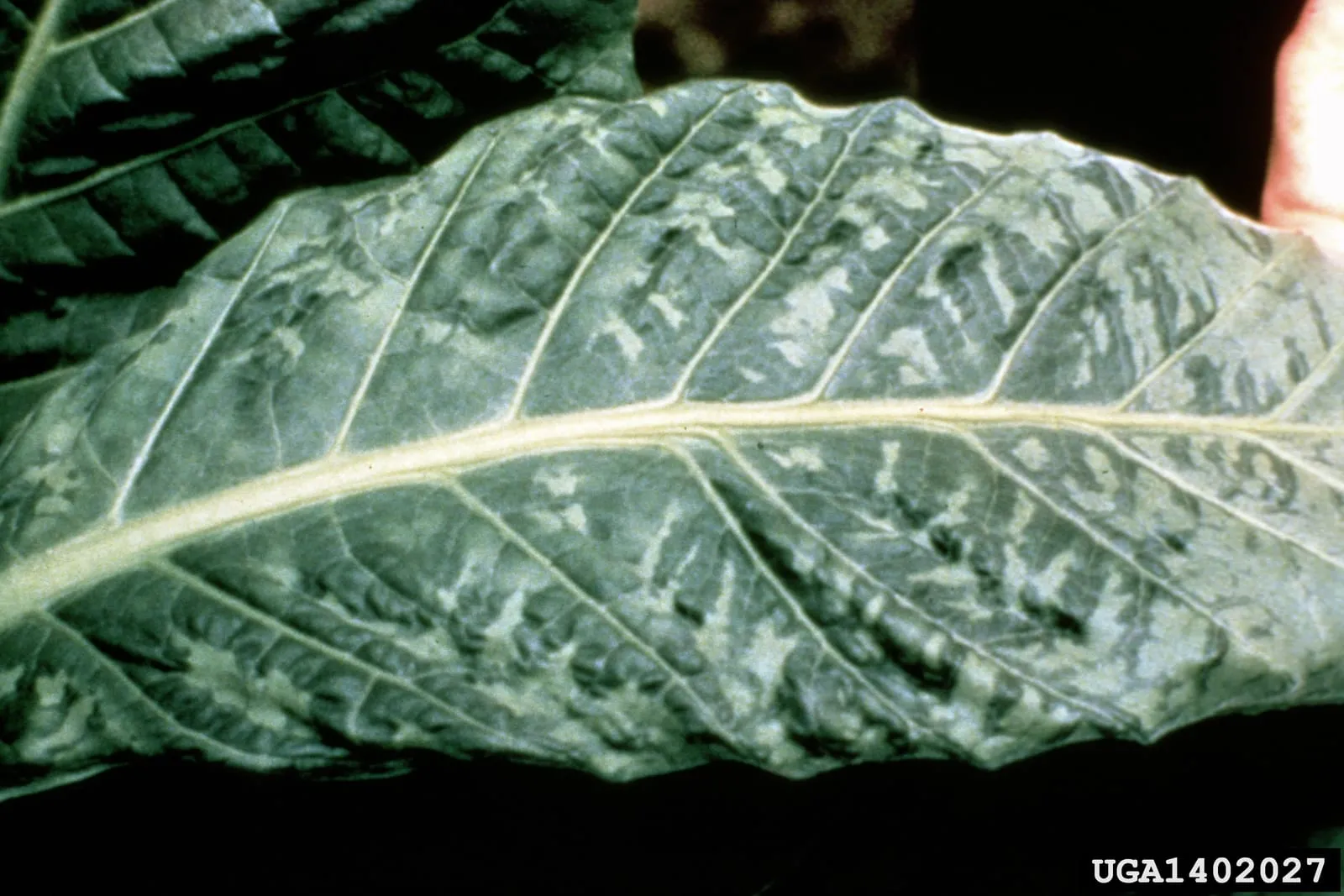
Cucumber mosaic virus, Tobacco mosaic virus, and others
Family of plant viruses producing mottled yellow-and-green leaf patterns. Vectored primarily by aphids; some are seed-transmitted or spread by handling tools and tobacco products.
Modified care for zone 4b
Zone 4b's cool, frequently moist spring conditions favor downy mildew, the most common fungal problem for spinach in cold northern climates. Selecting resistant varieties is the most practical defense; Tyee carries documented downy mildew resistance. Spacing rows at least 8 to 10 inches apart and avoiding overhead irrigation in the evening reduces leaf wetness duration. Fusarium wilt is soil-borne and persistent, so rotating spinach away from beds used recently for other susceptible crops limits buildup over successive seasons. Spring frost timing is a real operational concern in zone 4b: a late hard frost after seedling emergence can cause significant setback. Floating row cover rated to 28°F provides reliable protection through mid-May without meaningful cost. Summer shade structures are generally unnecessary given the zone's growing season length; by the time sustained heat arrives, the spring planting is typically finished and the fall window has not yet opened.
Spinach in adjacent zones
Image: "Spinazie vrouwelijke plant (Spinacia oleracea female plant)", by Rasbak, via Wikimedia Commons, licensed under CC-BY Source.
.jpg)
Related