vegetable in zone 3b
Growing spinach in zone 3b
Spinacia oleracea
- Zone
- 3b -35°F to -30°F
- Growing season
- 100 days
- Suitable varieties
- 3
- Days to harvest
- 40 to 50
The verdict
Spinach is well-suited to zone 3b. This is not a marginal zone for the crop. Because spinach is a cool-season annual that bolts when temperatures consistently exceed roughly 75°F, the short 100-day growing season and consistently cool spring and fall temperatures in zone 3b are assets rather than liabilities. Winter lows of -35 to -30°F rule out overwintering spinach in the ground, but that matters little since spinach is grown as a seasonal crop, not a perennial. The real risk in zone 3b is the compressed window between last frost and summer heat. Varieties with strong bolt resistance are not optional here. Bloomsdale Long Standing, Tyee, and Space were all developed with bolt resistance as a primary trait, which makes them the correct starting point for this zone. Growers who try open-pollinated or heirloom varieties without checking bolt resistance may find their spring crop going to seed before harvest is complete.
Recommended varieties for zone 3b
3 cultivars suited to this zone, with disease-resistance and zone-fit annotations.
| Variety | Notes | Zone fit | Disease resistance |
|---|---|---|---|
| Bloomsdale Long Standing fits zone 3b | Earthy, mineral-rich, classic spinach flavor; deeply savoyed dark green leaves. Salads, sauteing, soups. Heritage open-pollinated variety, slow to bolt, the home-garden standard. | | none noted |
| Tyee fits zone 3b | Mild, sweet, smooth-leaved baby spinach quality; dark green semi-savoy leaves. Salads, smoothies, sauteing. Slow to bolt, more heat-tolerant than older varieties. | | none noted |
| Space fits zone 3b | Mild, smooth-leaved, very tender; baby-leaf or full size. Salads, smoothies. Bred specifically for slow bolting, the modern home-garden spring spinach. | | none noted |
Critical timing for zone 3b
Last frost in zone 3b typically falls in late May to early June, depending on elevation and local topography. Spinach tolerates light frost well and can be direct-seeded as soon as soil reaches approximately 35°F, often in late March or April under row cover protection. That places the first sowing 6 to 8 weeks before last frost. Outdoor harvest from this planting generally runs from late May through early July before day length and temperature combine to trigger bolting. A second succession, direct-seeded in late July or early August, yields fall harvests into September and sometimes October as temperatures drop. The 100-day season compresses both windows but does not eliminate them. Succession plantings every 2 to 3 weeks are more important here than in longer-season zones.
Common challenges in zone 3b
- ▸ Short season
- ▸ Winter desiccation
- ▸ Site selection critical for fruit trees
Disease pressure to watch for
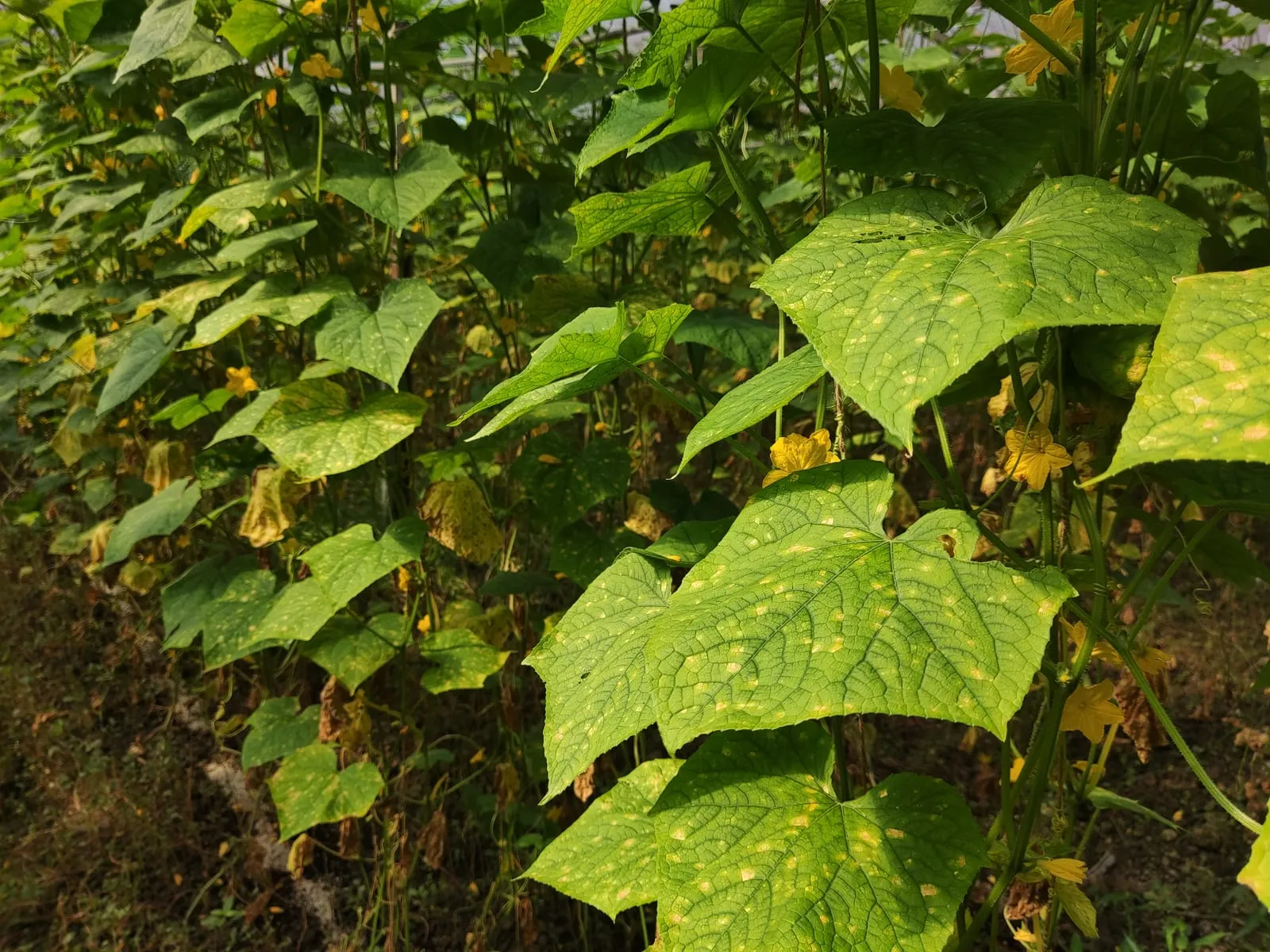
Pseudoperonospora cubensis (cucurbits) and others
Water mold (oomycete, not a true fungus) that thrives in cool damp conditions. Spreads rapidly through cucurbit and brassica plantings on wind-borne spores.
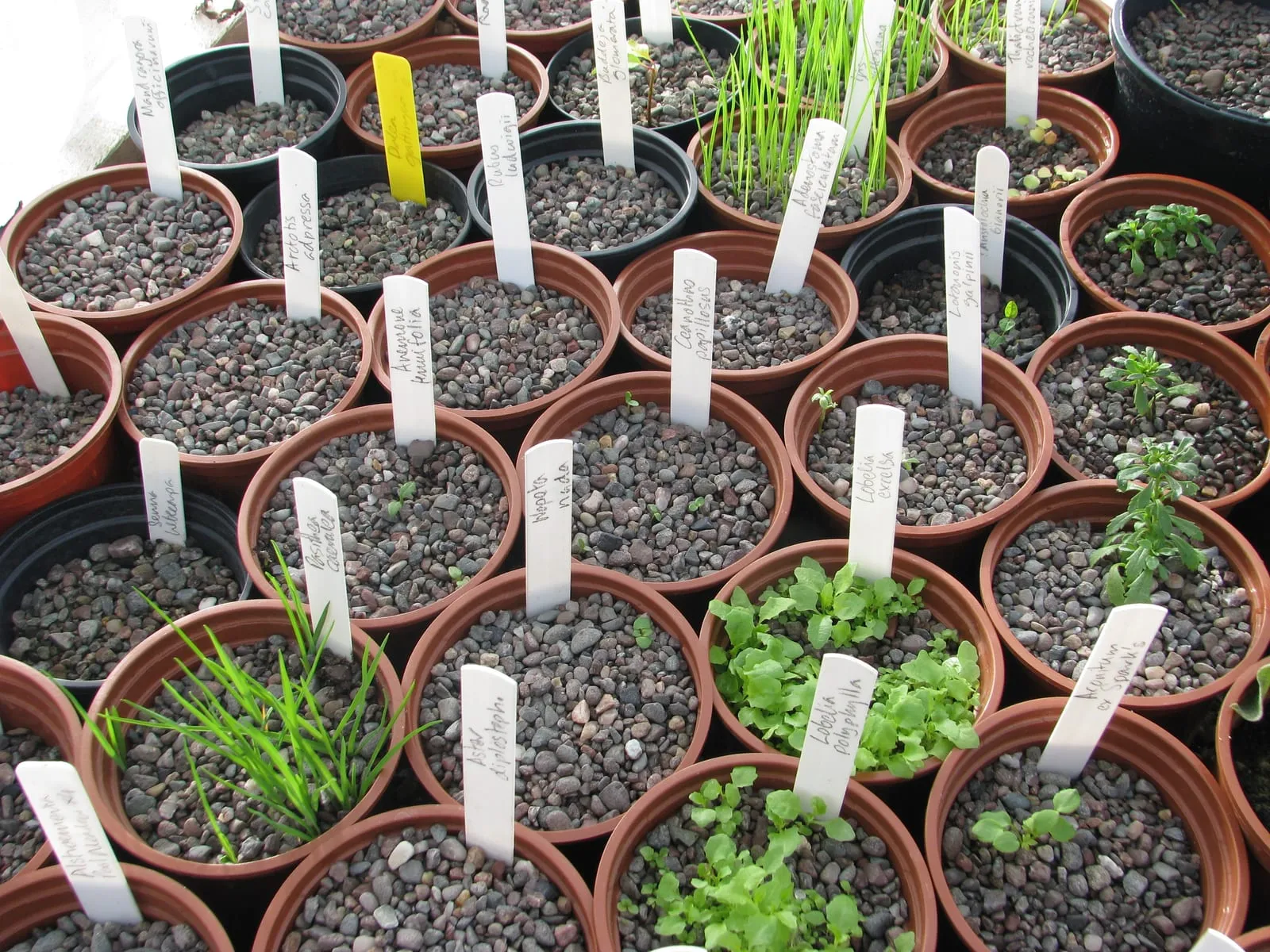
Pythium and Rhizoctonia species
Soil-borne complex of water molds and fungi that kill seedlings before or shortly after emergence. The single most common cause of seed-starting failures.
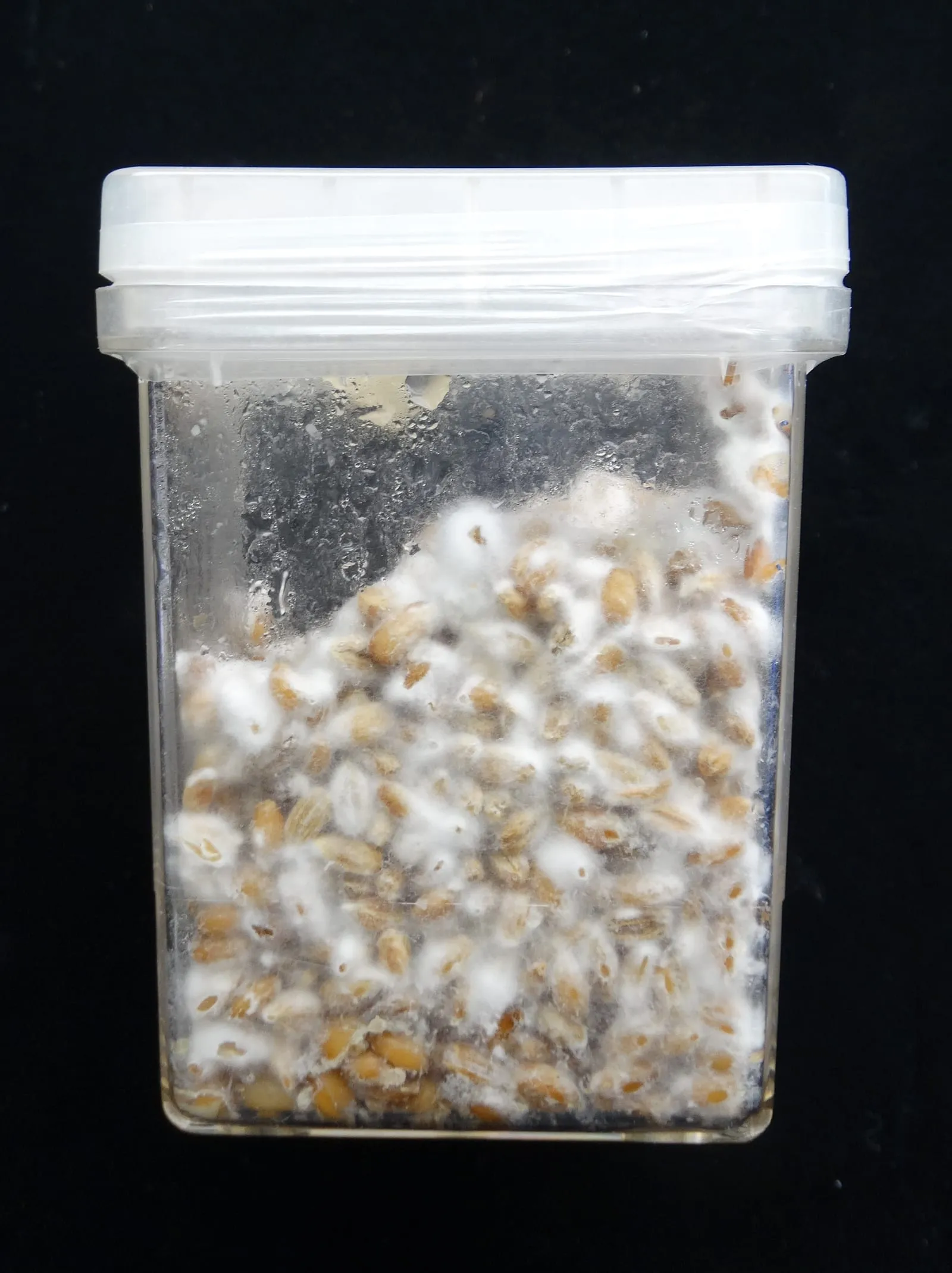
Fusarium oxysporum
Soil-borne fungal disease that plugs vascular tissue and kills affected plants. Persists in soil for many years; impossible to eliminate once established.
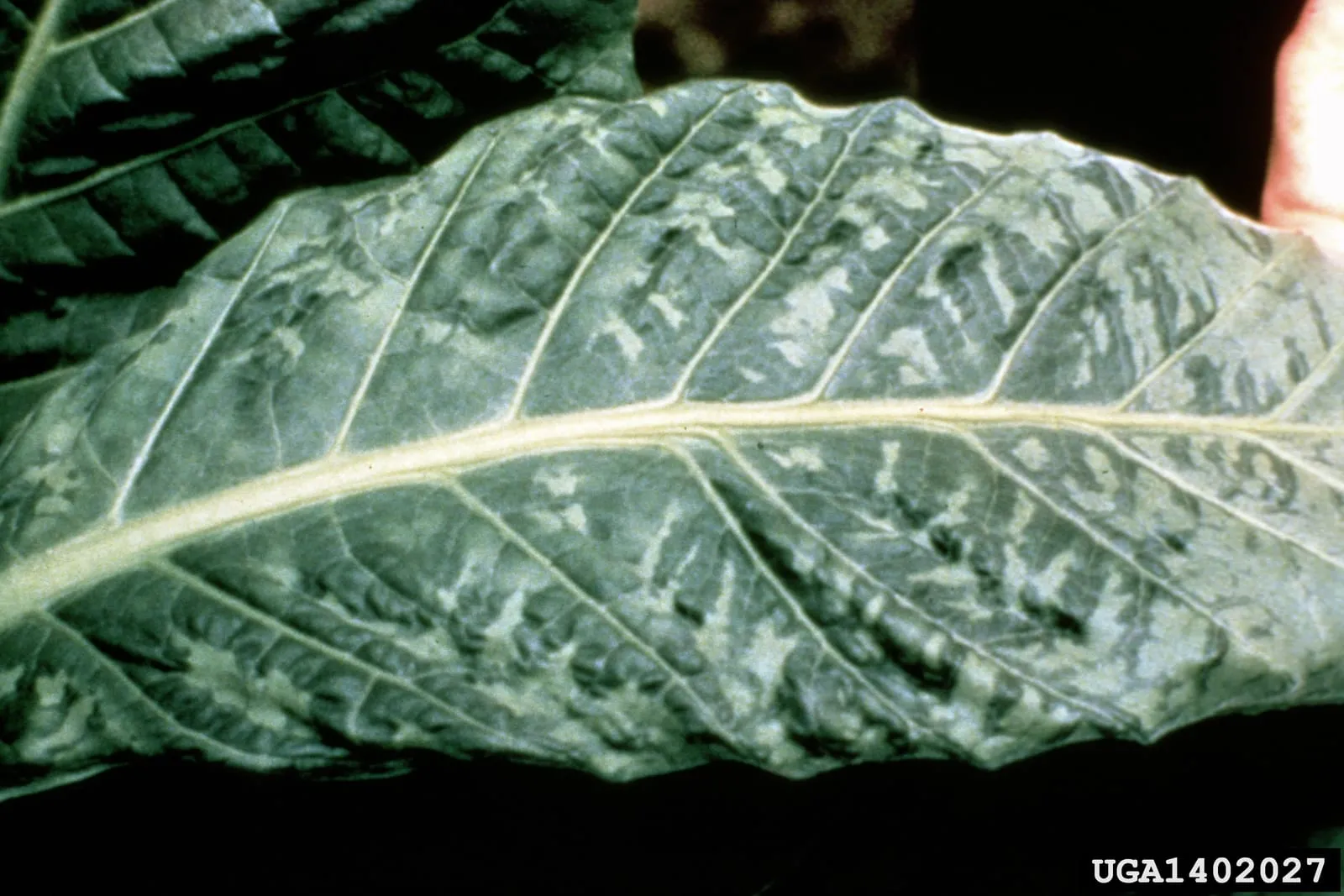
Cucumber mosaic virus, Tobacco mosaic virus, and others
Family of plant viruses producing mottled yellow-and-green leaf patterns. Vectored primarily by aphids; some are seed-transmitted or spread by handling tools and tobacco products.
Modified care for zone 3b
Row covers or low tunnels are the practical tool for extending the early-season window in zone 3b. They protect seedlings from late frosts and accelerate soil warming, buying 2 to 4 additional weeks on either end of the season. Without them, the usable harvest window shrinks considerably. Downy mildew pressure tends to increase when cool, wet springs linger, which is common in zone 3b; selecting resistant varieties (Tyee carries noted resistance) is more reliable than reactive fungicide applications on a leafy vegetable. Fusarium wilt risk is lower in the cooler soils typical of zone 3b but rises with repeated planting in the same bed, so rotating spinach away from the same location on at least a 2 to 3 year cycle is worth the modest logistical effort. Soil drainage matters more here than in warmer zones because saturated cold soils slow germination and increase root disease pressure.
Frequently asked questions
- Can spinach overwinter in zone 3b?
No. Winter lows of -35 to -30°F are fatal to spinach plants left in the ground. Zone 3b spinach is grown as a spring and fall season crop, not overwintered. Some growers successfully winter-sow seeds in a cold frame or unheated greenhouse for very early spring germination, but in-ground overwintering is not viable.
- Which spinach variety holds up best in zone 3b's short season?
Tyee is a reliable choice for bolt resistance in compressed seasons. Bloomsdale Long Standing is slower to bolt than standard Bloomsdale strains and performs well in cool soils. Space is a smooth-leaf type with good bolt tolerance. All three are widely available and appropriate for zone 3b conditions.
- Is fall spinach worth planting in zone 3b?
Yes. A late July or early August sowing takes advantage of cooling fall temperatures, which slow bolting and improve leaf quality. Spinach handles light autumn frosts well, often extending harvest into October. The fall planting frequently outlasts the spring planting in terms of harvest window length.
+−
+−
+−
Spinach in adjacent zones
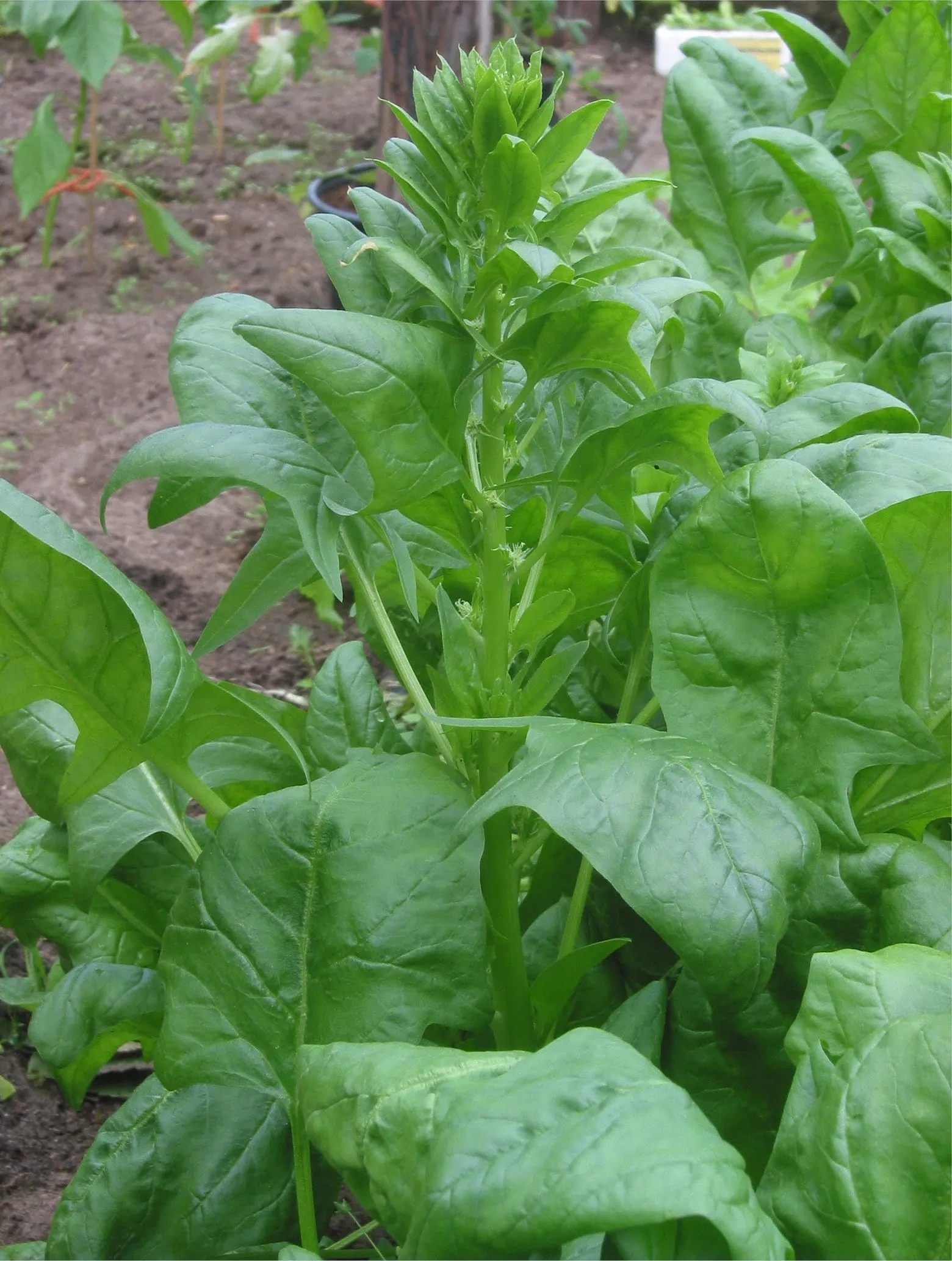
Image: "Spinazie vrouwelijke plant (Spinacia oleracea female plant)", by Rasbak, via Wikimedia Commons, licensed under CC-BY Source.
.jpg)
Related