vegetable in zone 3a
Growing spinach in zone 3a
Spinacia oleracea
- Zone
- 3a -40°F to -35°F
- Growing season
- 90 days
- Suitable varieties
- 0
- Days to harvest
- 40 to 50
The verdict
Spinach is well-suited to zone 3a, and in some respects the zone is closer to a sweet spot than a marginal one. As a cool-season crop, spinach performs best when temperatures stay between 35 and 75°F and begins to bolt when days lengthen and heat accumulates. Zone 3a's short 90-day growing season limits heat stress and suppresses premature bolting, which is the primary failure mode for spinach in warmer zones.
The main constraint is timing. With minimum winter temperatures reaching -40 to -35°F, spinach cannot overwinter in the ground without substantial protection. Growers work within two compressed windows: a spring planting that capitalizes on frost tolerance before summer warms, and a late-summer planting timed to mature before the first fall freeze. Downy mildew and fusarium wilt are the two disease pressures to manage, both favored by the cool, moist conditions that spinach thrives in.
Critical timing for zone 3a
Spring planting in zone 3a typically begins in late April to early May. Spinach germinates in soil as cold as 35°F and tolerates temperatures down to around 20°F once established, so seed can go in the ground several weeks before the last expected frost, which falls in late May to early June across most of zone 3a. Harvest from spring-sown seed arrives 40 to 50 days later, generally in late June.
For a fall crop, count backward from the first fall frost, which arrives in early to mid-September in zone 3a. Sow in late July to early August, targeting harvest before temperatures drop consistently below 20°F. The fall window is tighter than spring; monitor forecasts and be prepared to cover or harvest quickly.
Common challenges in zone 3a
- ▸ Very short growing season
- ▸ Late spring frosts
- ▸ Limited fruit-tree options
- ▸ Heavy mulching required
Disease pressure to watch for
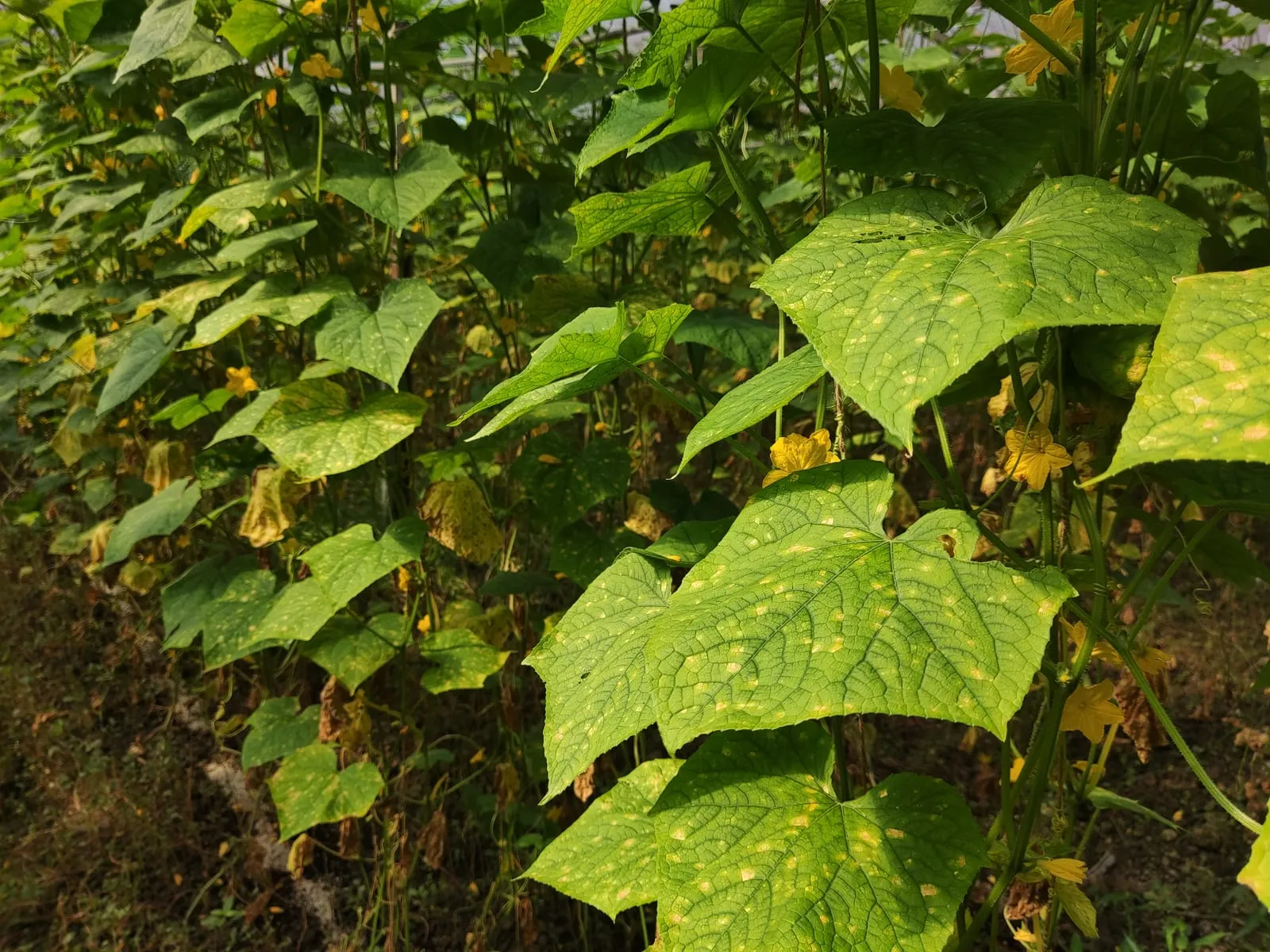
Pseudoperonospora cubensis (cucurbits) and others
Water mold (oomycete, not a true fungus) that thrives in cool damp conditions. Spreads rapidly through cucurbit and brassica plantings on wind-borne spores.
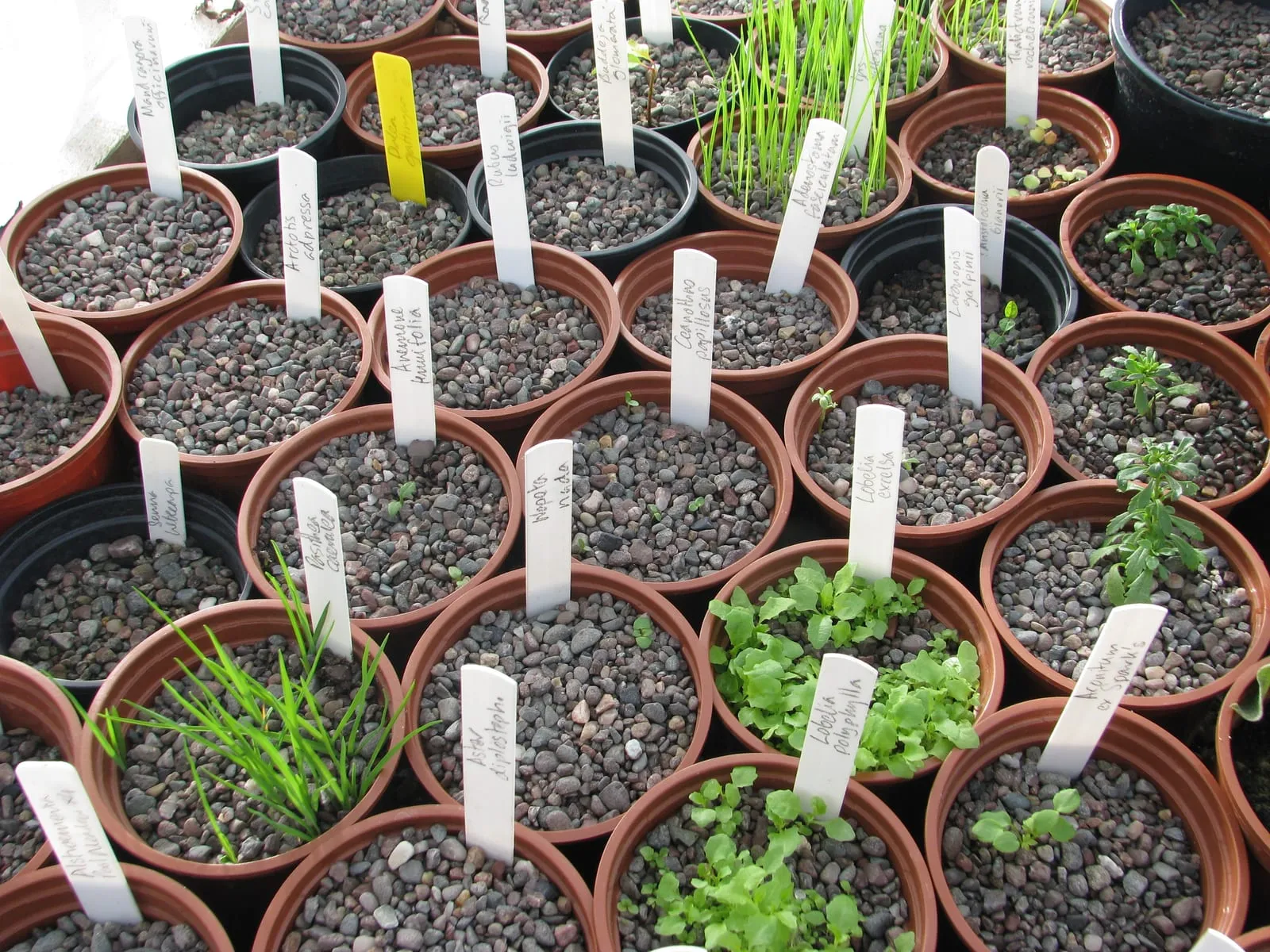
Pythium and Rhizoctonia species
Soil-borne complex of water molds and fungi that kill seedlings before or shortly after emergence. The single most common cause of seed-starting failures.
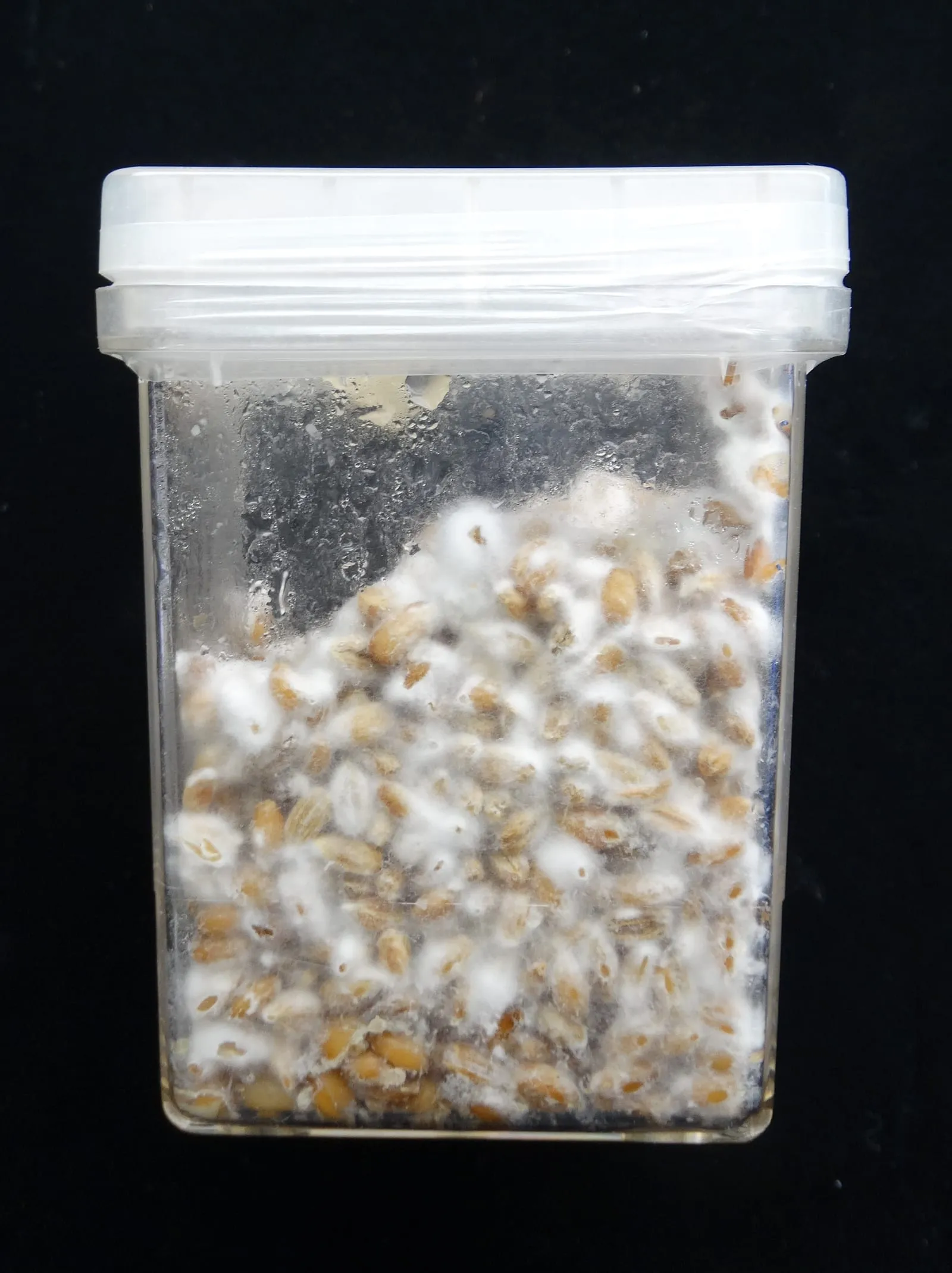
Fusarium oxysporum
Soil-borne fungal disease that plugs vascular tissue and kills affected plants. Persists in soil for many years; impossible to eliminate once established.
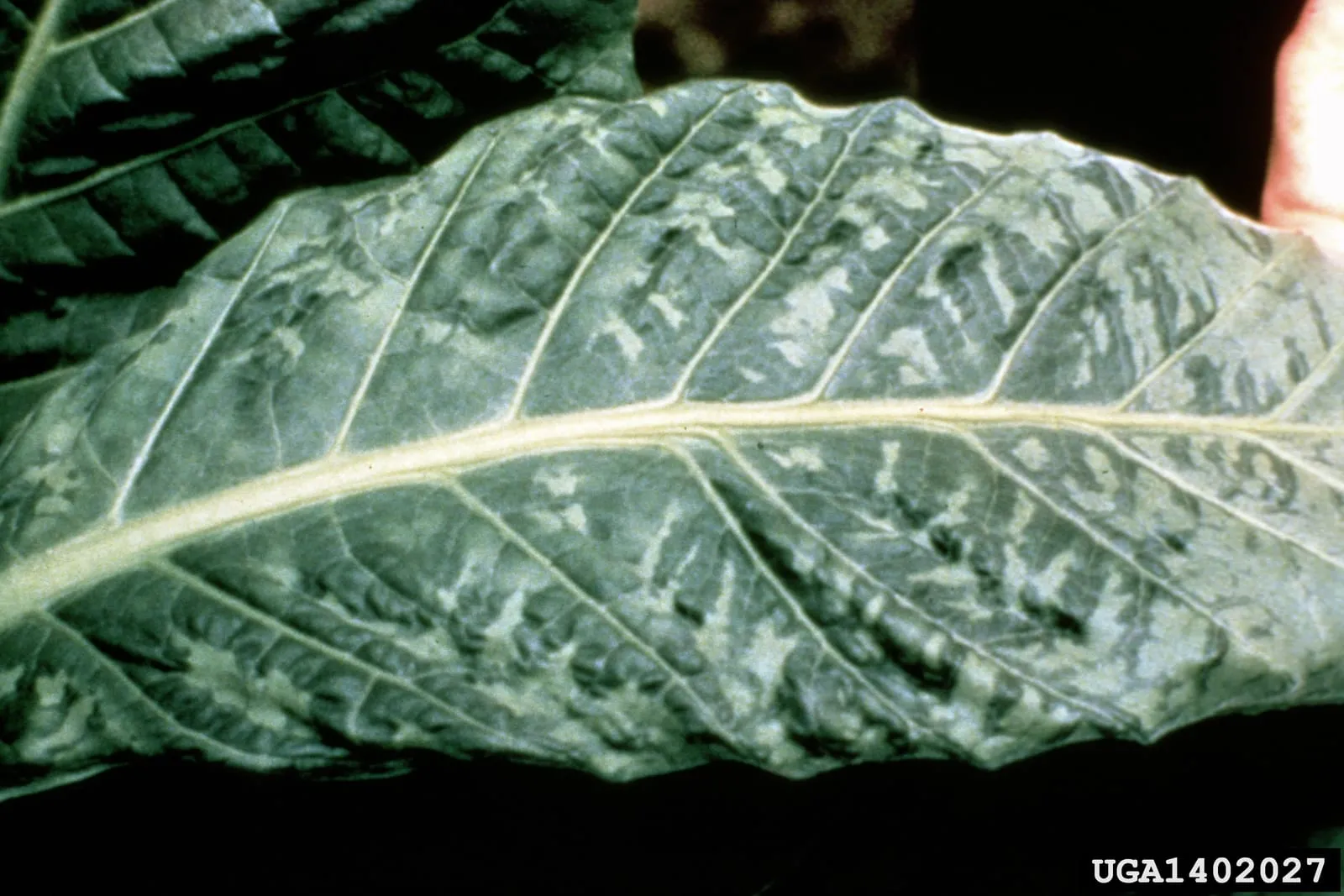
Cucumber mosaic virus, Tobacco mosaic virus, and others
Family of plant viruses producing mottled yellow-and-green leaf patterns. Vectored primarily by aphids; some are seed-transmitted or spread by handling tools and tobacco products.
Modified care for zone 3a
Row covers or low tunnels are practical tools in zone 3a for both the spring and fall windows. They extend the usable season by 2 to 3 weeks at each end and protect against the late spring frosts that remain common into early June. Remove covers during warm, still days to prevent heat buildup, which will accelerate bolting.
Downy mildew thrives in the cool, humid conditions that define zone 3a springs. Improve air circulation by thinning to at least 4 inches between plants and avoid overhead watering in the evening. Fusarium wilt is soil-borne and persists for years; rotate spinach out of any bed where wilt has appeared for a minimum of three seasons. Since the short season limits succession planting, choose varieties carefully before the season starts. Heavy mulching, required in zone 3a for many crops, is less critical for spinach since the crop matures before winter.
Frequently asked questions
- Can spinach survive a late frost in zone 3a?
Established spinach tolerates temperatures down to around 20°F without significant damage. Seedlings are slightly more vulnerable. Row covers add several degrees of protection and are worth keeping on hand through early June in zone 3a, where late frosts are common.
- Is it possible to get two spinach crops in zone 3a's 90-day season?
Yes, though it requires precise timing. A spring planting (late April to early May) and a separate fall planting (late July) can both reach harvest within the season. Summer heat between the two windows is usually enough to trigger bolting in any unharvested spring plants, so clear the bed promptly.
- How do I manage downy mildew on spinach in cool, wet springs?
Thin plants to encourage air movement, water at the soil level rather than overhead, and avoid working in the garden when foliage is wet. If mildew pressure has been high in prior seasons, look for varieties with published resistance ratings, though resistance can break down as new pathogen races emerge.
+−
+−
+−
Spinach in adjacent zones
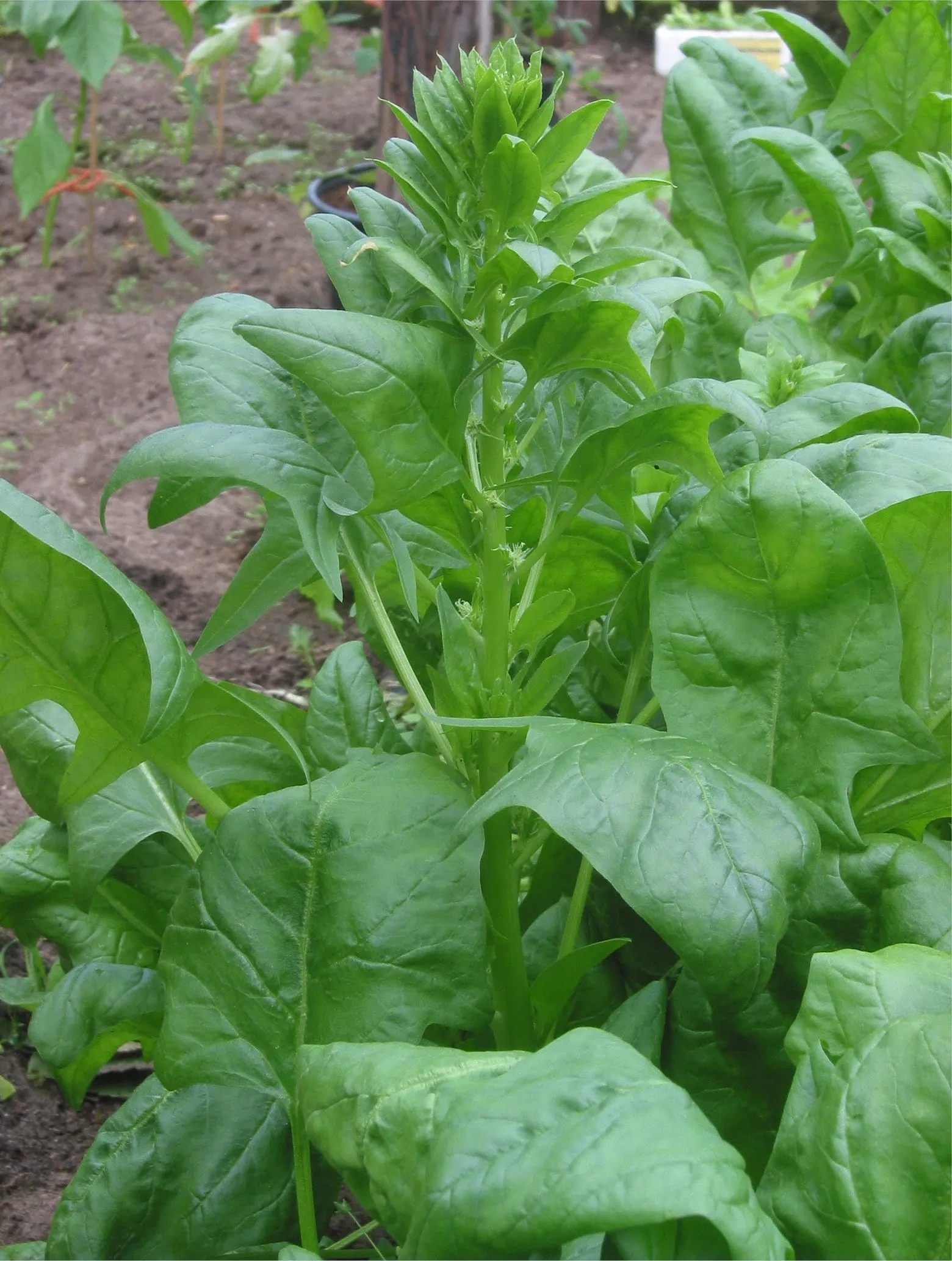
Image: "Spinazie vrouwelijke plant (Spinacia oleracea female plant)", by Rasbak, via Wikimedia Commons, licensed under CC-BY Source.
.jpg)
Related