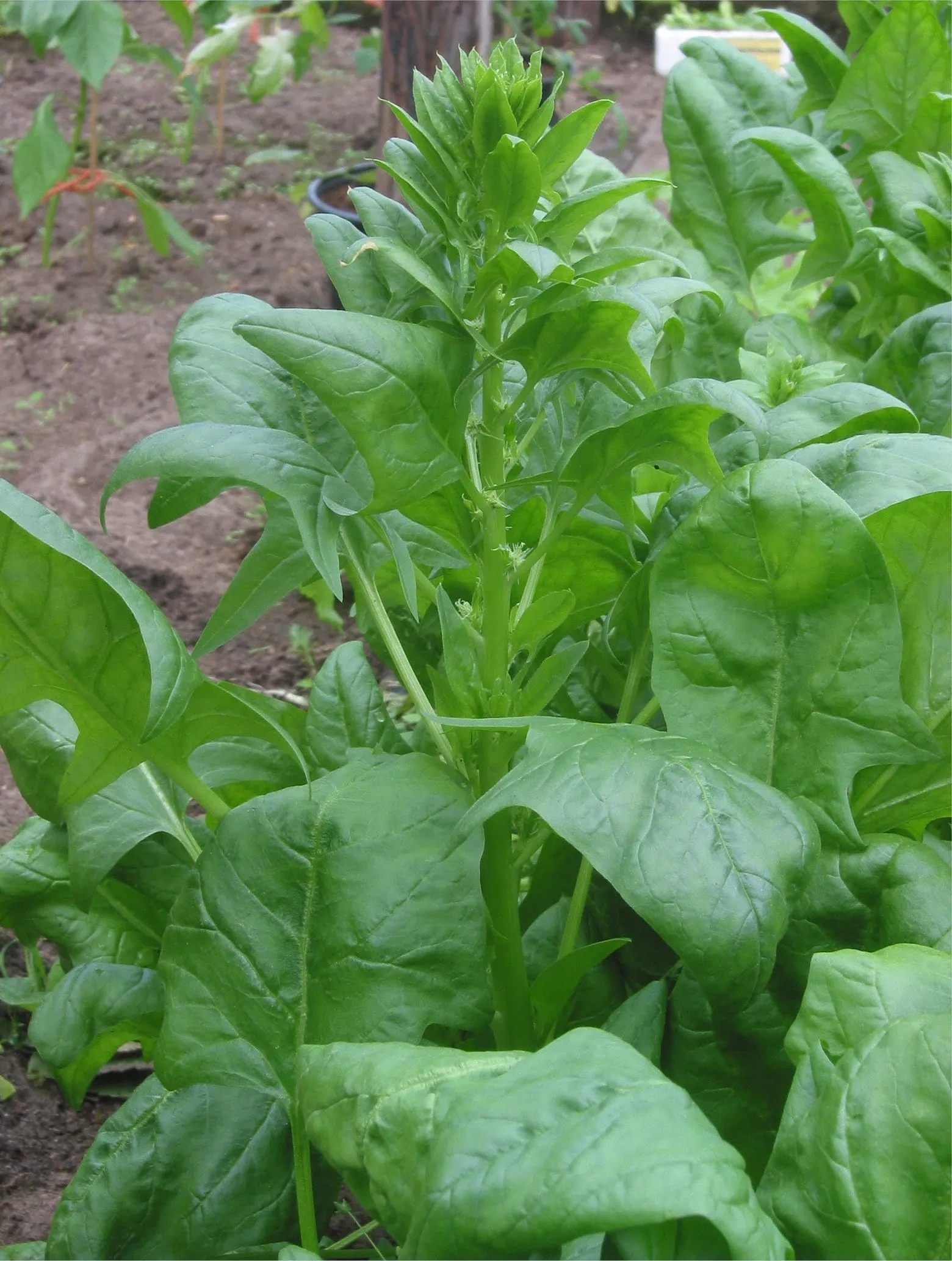
vegetable in zone 7a
Growing spinach in zone 7a
Spinacia oleracea
- Zone
- 7a 0°F to 5°F
- Growing season
- 210 days
- Suitable varieties
- 3
- Days to harvest
- 40 to 50
The verdict
Zone 7a is a reliable, productive zone for spinach, not a marginal one. Spinach is a cool-season annual with no chill-hour requirement, so the relevant climate factors are winter low temperatures, spring heat arrival, and fall cooling patterns. Zone 7a's minimum winter temperatures of 0 to 5°F are cold enough to terminate unprotected plantings in hard freezes, but mild enough that cold frames and row covers extend harvest well into December and sometimes January. The 210-day growing season sounds generous, but spinach only uses the cool bookends of it. The fall window (September through November) is the stronger of the two in zone 7a because temperatures cool gradually and hold steady rather than swinging as unpredictably as spring. The spring window is productive but compressed: plants need to reach harvest size before sustained daytime heat triggers bolting. Bloomsdale Long Standing, Tyee, and Space all perform well within zone 7a's cool-season windows.
Recommended varieties for zone 7a
3 cultivars suited to this zone, with disease-resistance and zone-fit annotations.
| Variety | Notes | Zone fit | Disease resistance |
|---|---|---|---|
| Bloomsdale Long Standing fits zone 7a | Earthy, mineral-rich, classic spinach flavor; deeply savoyed dark green leaves. Salads, sauteing, soups. Heritage open-pollinated variety, slow to bolt, the home-garden standard. | | none noted |
| Tyee fits zone 7a | Mild, sweet, smooth-leaved baby spinach quality; dark green semi-savoy leaves. Salads, smoothies, sauteing. Slow to bolt, more heat-tolerant than older varieties. | | none noted |
| Space fits zone 7a | Mild, smooth-leaved, very tender; baby-leaf or full size. Salads, smoothies. Bred specifically for slow bolting, the modern home-garden spring spinach. | | none noted |
Critical timing for zone 7a
Fall is the primary spinach season in zone 7a. Seeding from late August through mid-October gives plants enough cool weather to reach full size before hard freezes arrive. Days to harvest runs 40 to 50 days depending on variety and temperature; cooler conditions slow growth slightly but improve leaf quality. Spring plantings should go in as soon as the soil is workable, typically late February through mid-March in zone 7a. That window closes faster than growers expect: once daytime highs regularly exceed 75°F, bolting begins and leaf quality drops quickly. Bolt-resistant varieties like Tyee buy a few extra weeks but won't hold through a warm April. Fall harvest typically runs October through December with light protection; spring harvest peaks in April with little to no frost management needed by that point.
Common challenges in zone 7a
- ▸ Cedar-apple rust
- ▸ Brown rot
- ▸ Fire blight
- ▸ High humidity disease pressure
Disease pressure to watch for
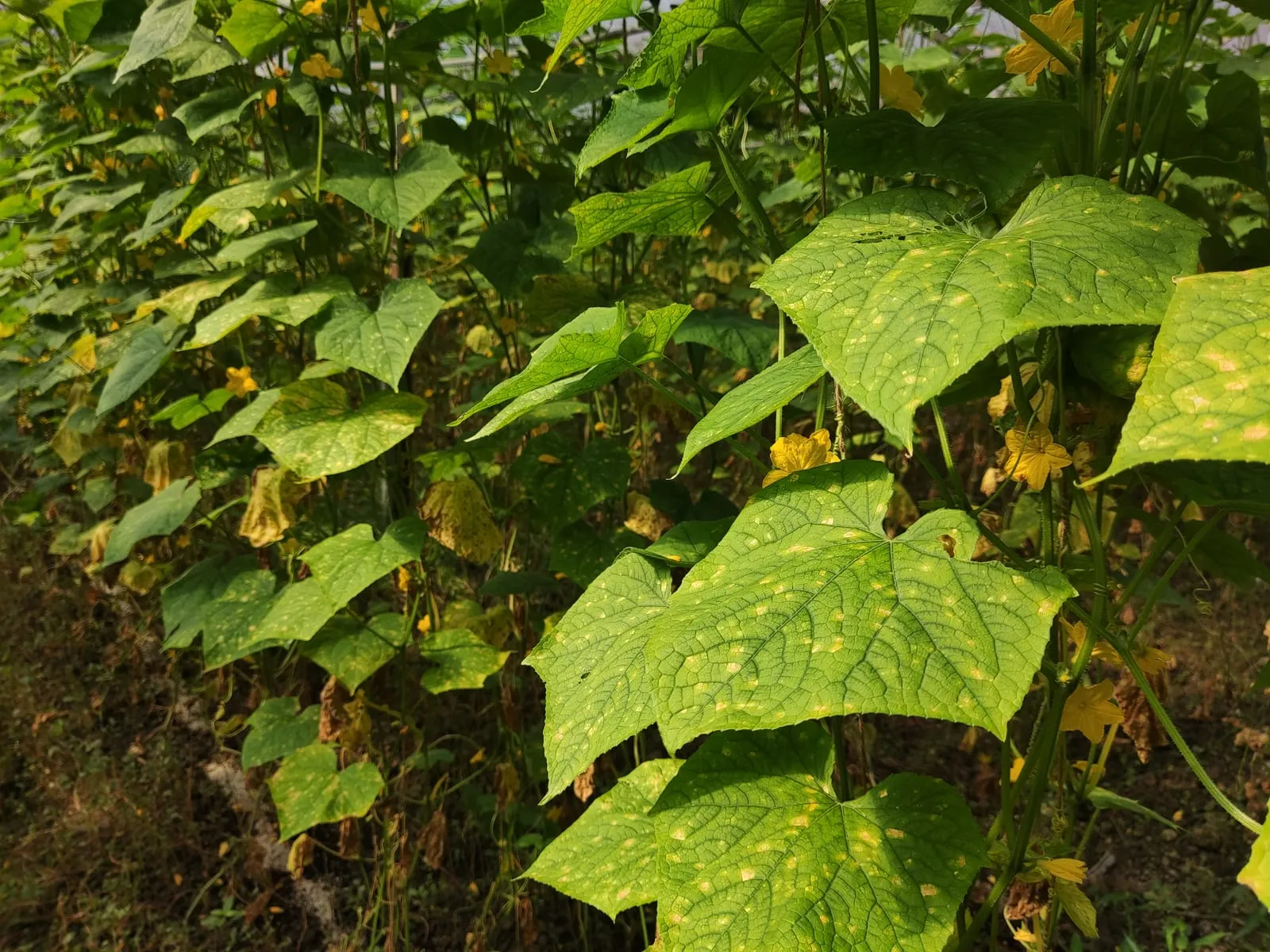
Pseudoperonospora cubensis (cucurbits) and others
Water mold (oomycete, not a true fungus) that thrives in cool damp conditions. Spreads rapidly through cucurbit and brassica plantings on wind-borne spores.
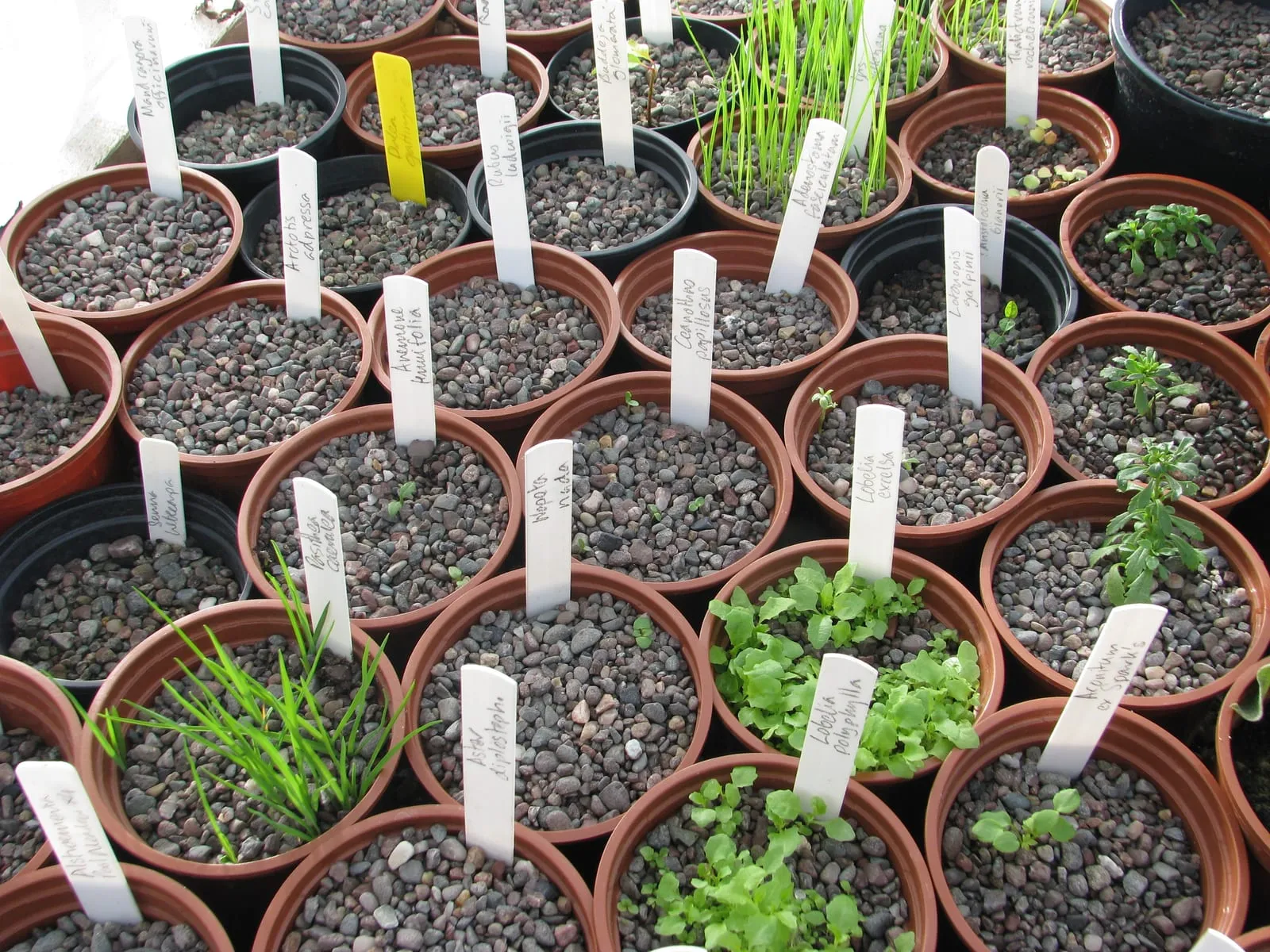
Pythium and Rhizoctonia species
Soil-borne complex of water molds and fungi that kill seedlings before or shortly after emergence. The single most common cause of seed-starting failures.
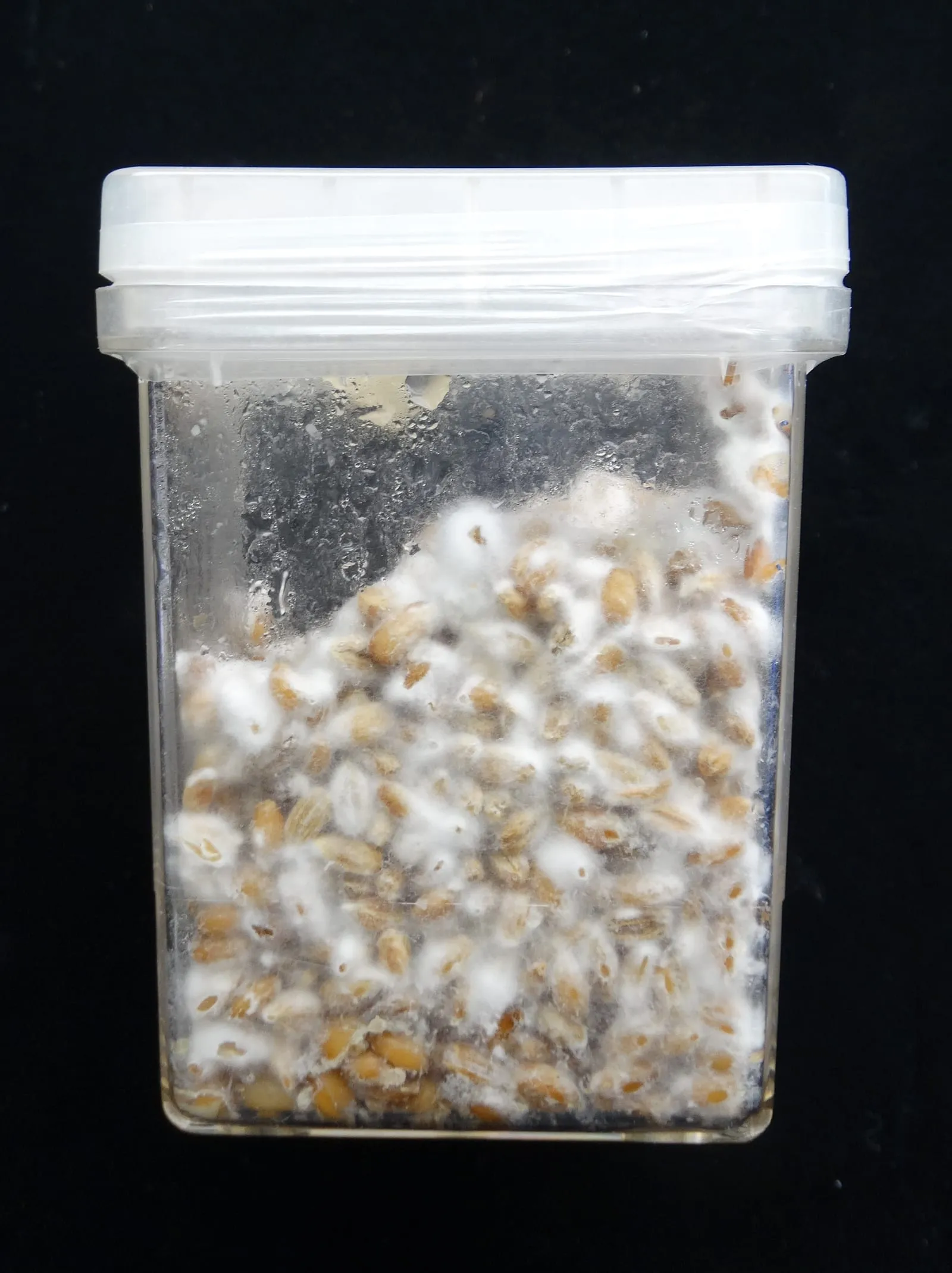
Fusarium oxysporum
Soil-borne fungal disease that plugs vascular tissue and kills affected plants. Persists in soil for many years; impossible to eliminate once established.
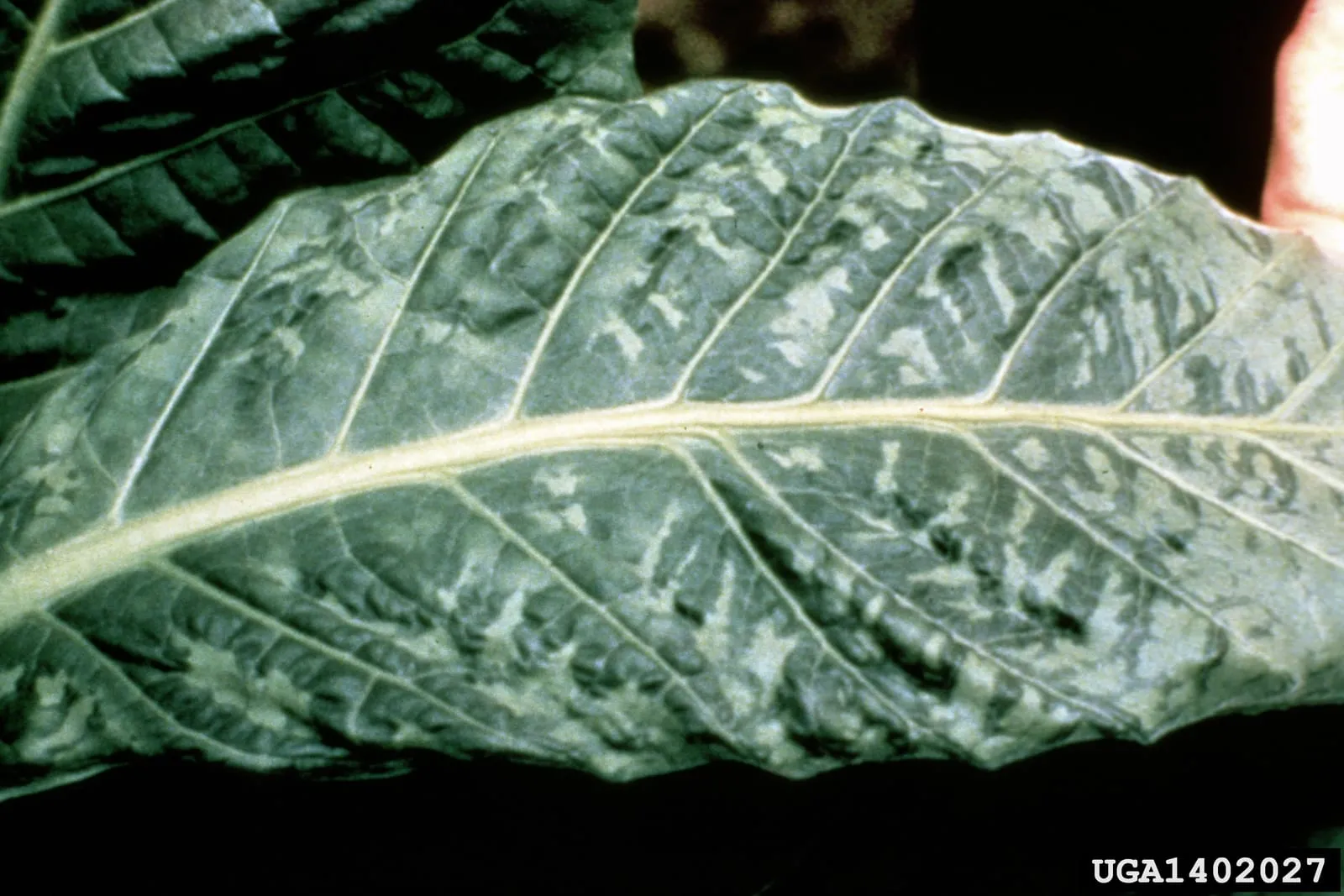
Cucumber mosaic virus, Tobacco mosaic virus, and others
Family of plant viruses producing mottled yellow-and-green leaf patterns. Vectored primarily by aphids; some are seed-transmitted or spread by handling tools and tobacco products.
Modified care for zone 7a
The two main adjustments for zone 7a are disease management and season extension at the cold end. Downy mildew is the dominant disease pressure for spinach in zone 7a's humid climate; Tyee carries strong resistance and is the practical first choice when mildew has been a problem. Fusarium wilt is soil-borne and accumulates in beds with repeated spinach plantings, so rotating spinach out of any given bed every two to three years is the most effective management lever available. On the cold side, row covers rated to 24°F protect fall plantings through light freezes without affecting flavor or texture. Cold frames extend harvest further but require ventilation on warm days to prevent heat buildup. Summer growing is not viable in zone 7a without aggressive shade cloth and cool irrigation, and the results rarely justify the effort given the strong fall season available.
Frequently asked questions
- Can spinach survive winter in zone 7a without protection?
Established plants can survive light frosts unprotected, but zone 7a's 0 to 5°F winter lows will kill exposed spinach. Row covers or cold frames rated to at least 24°F allow harvest through December and into January in mild winters.
- Why does spring spinach bolt so quickly in zone 7a?
Bolting is triggered by lengthening days and rising temperatures, both of which accelerate quickly in zone 7a's spring. Planting by mid-March and choosing bolt-tolerant varieties like Tyee gives the longest usable spring window, but expect the season to close by late April in most years.
- Which spinach variety holds up best to zone 7a humidity?
Tyee is the standout for humid conditions because of its documented downy mildew resistance. Bloomsdale Long Standing performs well in cool weather but has less disease resistance; it suits drier fall seasons better than wet springs.
- How often should spinach be rotated out of a bed in zone 7a?
Rotating spinach to a different bed every two to three years is the primary management strategy for Fusarium wilt, which is soil-borne and builds with repeated plantings. No fungicide effectively controls it once established in a bed.
+−
+−
+−
+−
Spinach in adjacent zones
Image: "Spinazie vrouwelijke plant (Spinacia oleracea female plant)", by Rasbak, via Wikimedia Commons, licensed under CC-BY Source.
.jpg)
Related