vegetable in zone 6b
Growing spinach in zone 6b
Spinacia oleracea
- Zone
- 6b -5°F to 0°F
- Growing season
- 190 days
- Suitable varieties
- 3
- Days to harvest
- 40 to 50
The verdict
Zone 6b is a reliable, productive zone for spinach. Spinach has no chill-hour requirement; the relevant factor is temperature range. The zone's winters, which bottom out between -5 and 0°F, are too cold for unprotected spinach to overwinter in open beds, but both the spring and fall shoulder seasons offer the cool, moist conditions spinach prefers. The 190-day growing season is long enough to fit two full spinach crops around the midsummer heat that triggers bolting.
Bloomsdale Long Standing, Tyee, and Space are all well-suited to zone 6b's variable spring temperatures. Tyee in particular performs consistently under erratic late-spring conditions. This is not a marginal zone for spinach. The main risks are disease pressure, particularly downy mildew in wet springs, and timing errors that leave plants exposed to either a late frost or early heat.
Recommended varieties for zone 6b
3 cultivars suited to this zone, with disease-resistance and zone-fit annotations.
| Variety | Notes | Zone fit | Disease resistance |
|---|---|---|---|
| Bloomsdale Long Standing fits zone 6b | Earthy, mineral-rich, classic spinach flavor; deeply savoyed dark green leaves. Salads, sauteing, soups. Heritage open-pollinated variety, slow to bolt, the home-garden standard. | | none noted |
| Tyee fits zone 6b | Mild, sweet, smooth-leaved baby spinach quality; dark green semi-savoy leaves. Salads, smoothies, sauteing. Slow to bolt, more heat-tolerant than older varieties. | | none noted |
| Space fits zone 6b | Mild, smooth-leaved, very tender; baby-leaf or full size. Salads, smoothies. Bred specifically for slow bolting, the modern home-garden spring spinach. | | none noted |
Critical timing for zone 6b
Spring spinach goes in the ground 4 to 6 weeks before the last frost date. In zone 6b, that typically means direct sowing or transplanting in early to mid-March. Harvest runs from late April through late May, ending when daytime temperatures consistently clear 75°F and lengthening days trigger bolting. The spring window is relatively short.
Fall plantings count backward from the first frost, which arrives around mid-October in most of zone 6b (local frost data for your zip will be more precise). Sow in late August to early September, 6 to 8 weeks out. Fall crops often outperform spring plantings because temperatures trend toward the cool end of spinach's tolerance rather than away from it, and plants can remain productive into November with row cover.
Common challenges in zone 6b
- ▸ Cedar-apple rust
- ▸ Fire blight
- ▸ Stink bugs
Disease pressure to watch for
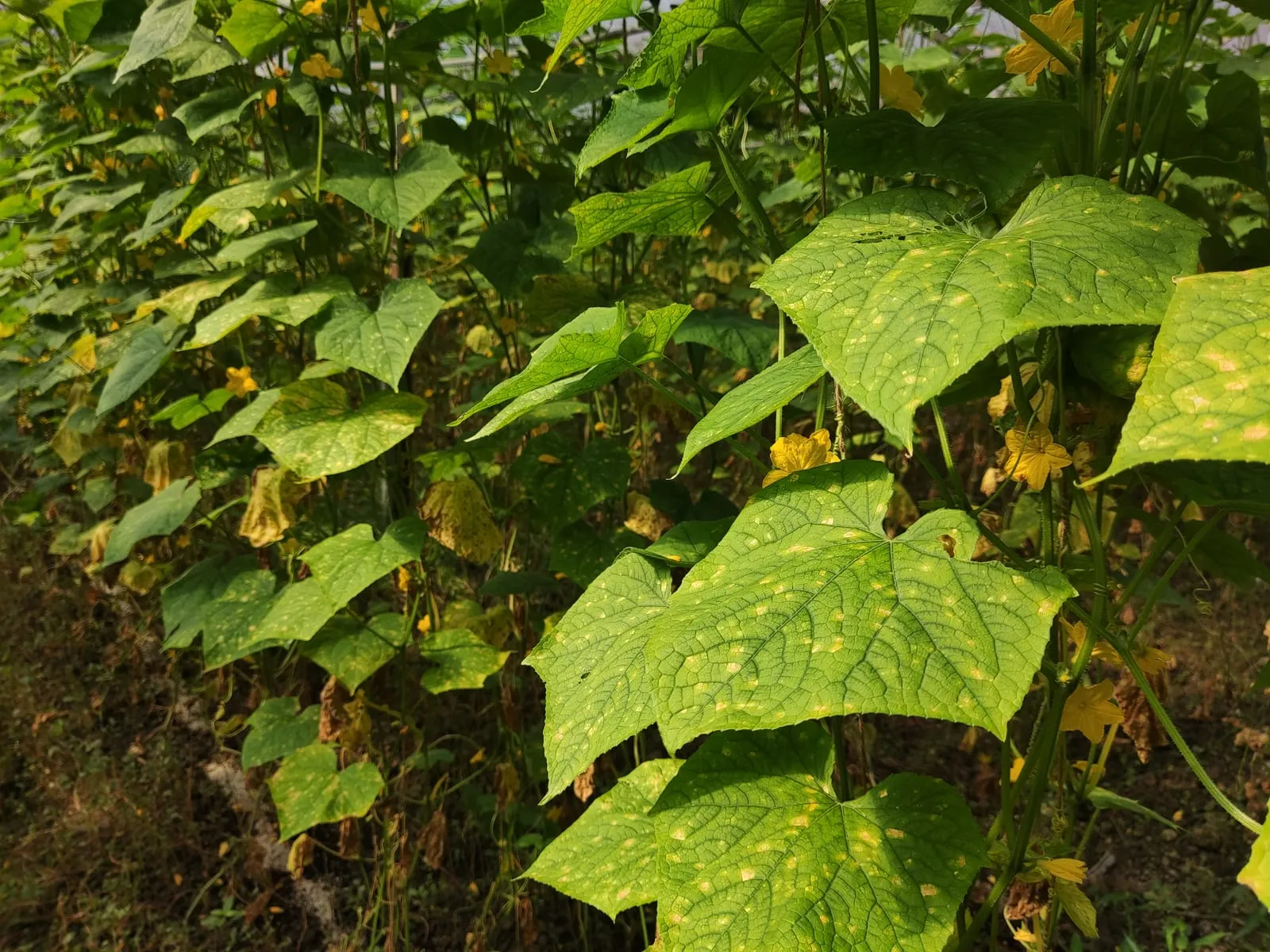
Pseudoperonospora cubensis (cucurbits) and others
Water mold (oomycete, not a true fungus) that thrives in cool damp conditions. Spreads rapidly through cucurbit and brassica plantings on wind-borne spores.
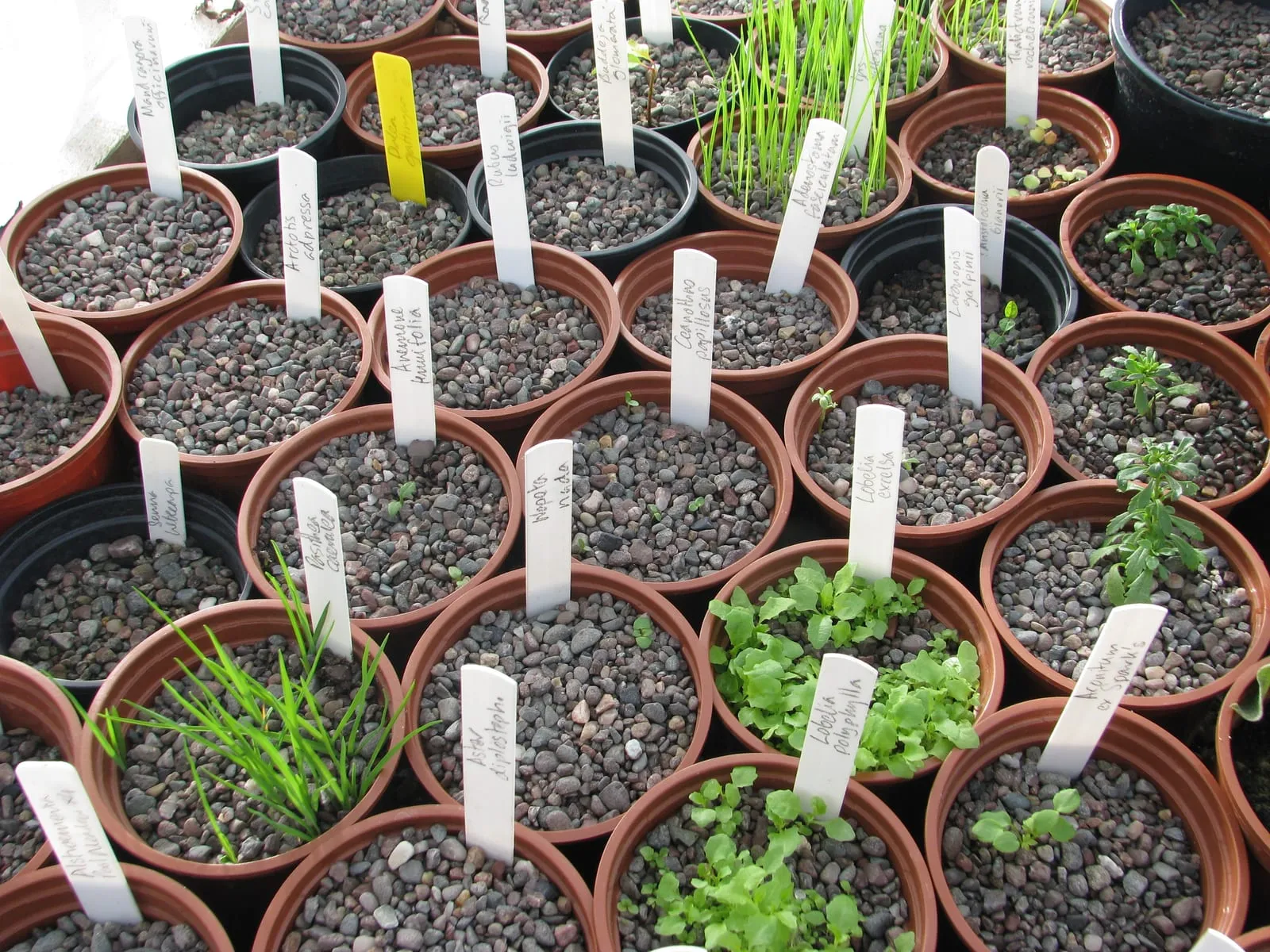
Pythium and Rhizoctonia species
Soil-borne complex of water molds and fungi that kill seedlings before or shortly after emergence. The single most common cause of seed-starting failures.
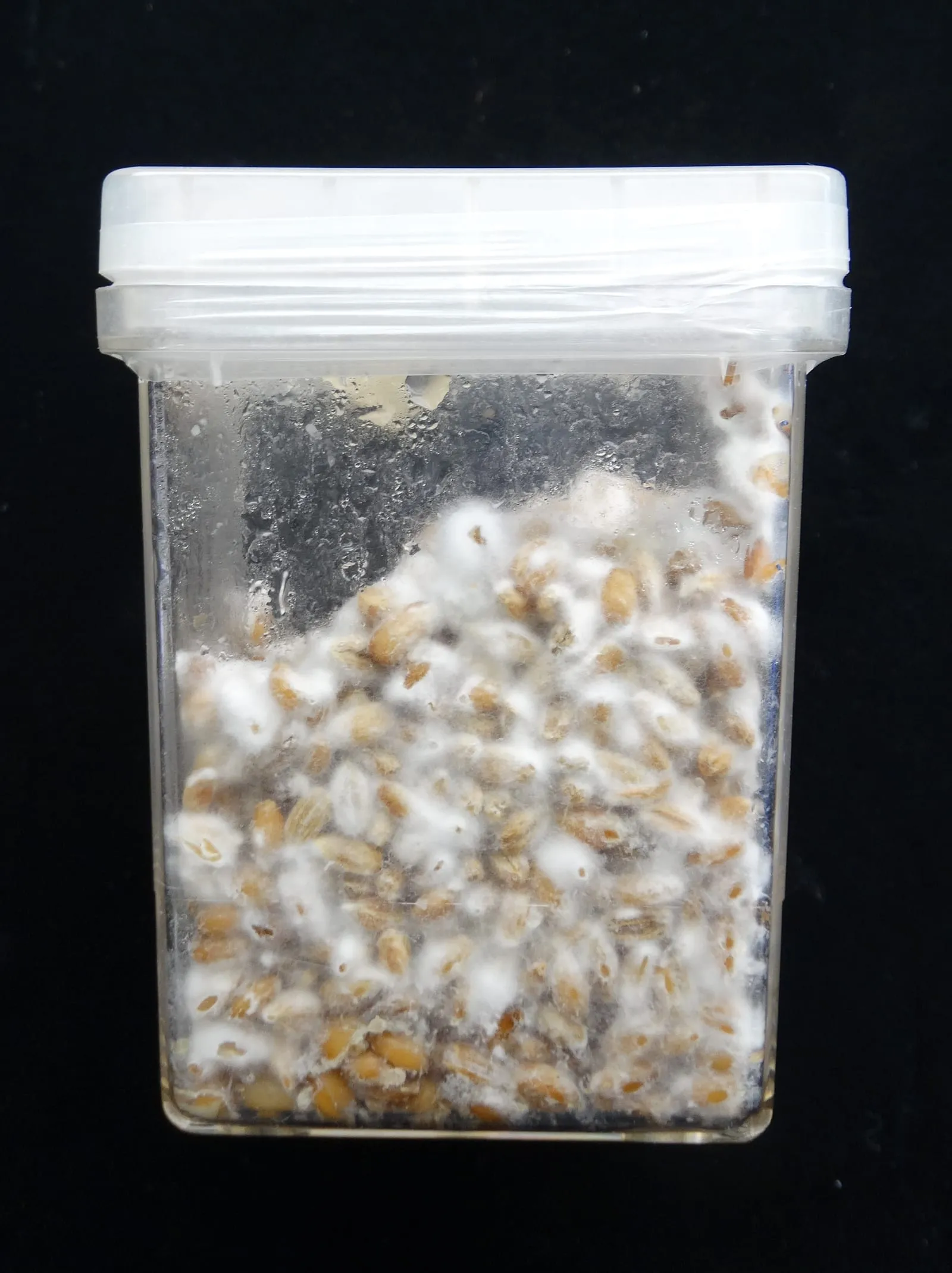
Fusarium oxysporum
Soil-borne fungal disease that plugs vascular tissue and kills affected plants. Persists in soil for many years; impossible to eliminate once established.
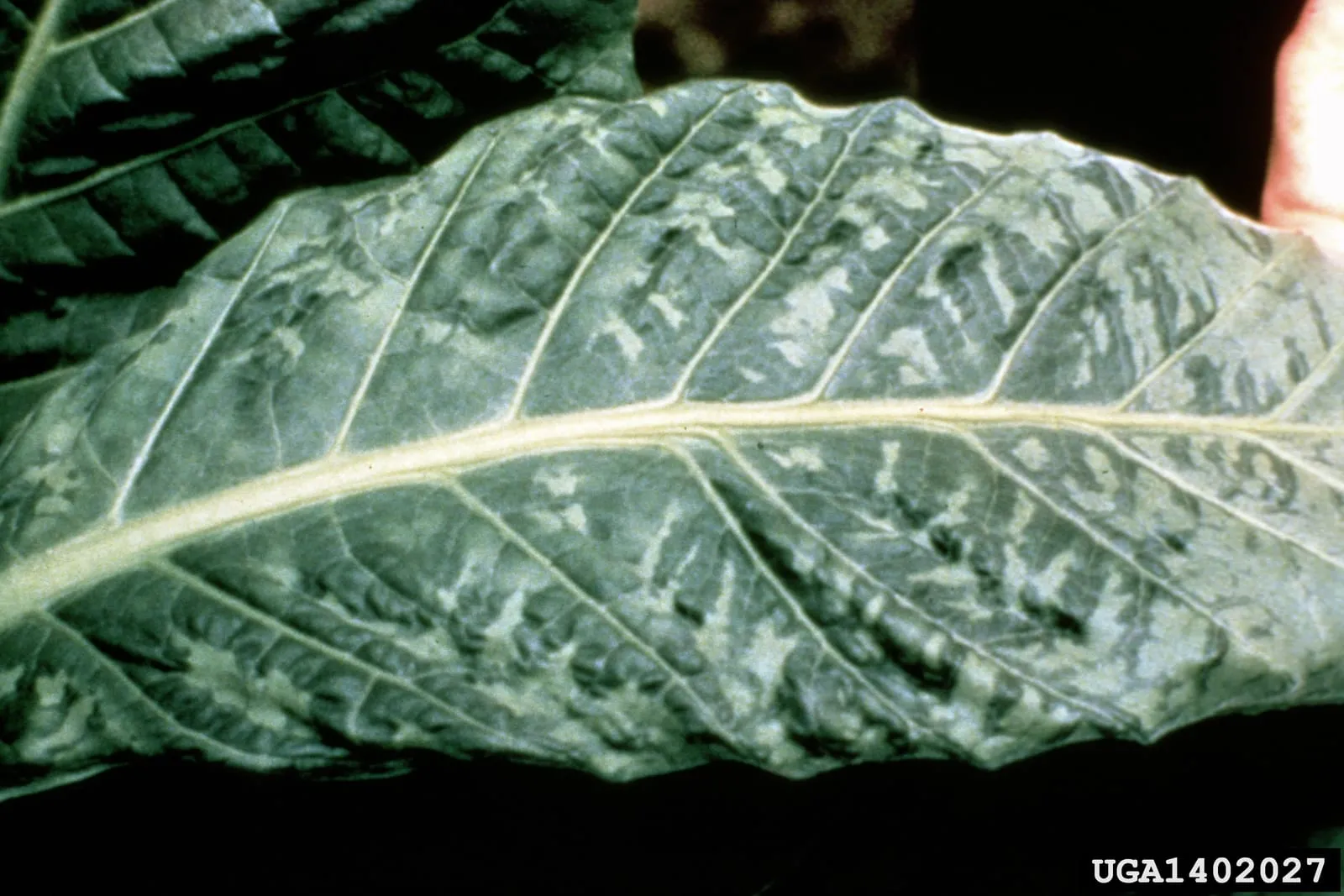
Cucumber mosaic virus, Tobacco mosaic virus, and others
Family of plant viruses producing mottled yellow-and-green leaf patterns. Vectored primarily by aphids; some are seed-transmitted or spread by handling tools and tobacco products.
Modified care for zone 6b
Wet zone 6b springs create consistent downy mildew pressure. Selecting resistant varieties such as Tyee, spacing plants to allow airflow, and avoiding overhead irrigation after seedling establishment reduces risk without fungicide dependence. Fusarium wilt is soil-borne and persists for years; rotating spinach out of the same bed for at least three to four seasons is the primary management tool.
Row cover is useful during early spring cold snaps below 25°F, which can damage seedlings that have just emerged. Fall crops benefit from the same protection extended into November to stretch the harvest window. Summer plantings are not worth attempting in zone 6b. Shade cloth slows bolting briefly but does not prevent it, and leaf quality declines quickly once heat sets in. Redirect that bed space to heat-tolerant crops and return to spinach in late August.
Frequently asked questions
- Can spinach overwinter in zone 6b?
Not reliably in open beds. Temperatures below -5°F will kill unprotected spinach. With cold frames or low tunnels, late-fall sowings can sometimes survive into late winter, but the margin is thin and highly dependent on microclimate and cover quality.
- Which spinach variety handles zone 6b conditions best?
Tyee is a strong performer in zone 6b because of its downy mildew resistance and tolerance for variable spring temperatures. Bloomsdale Long Standing suits growers who want slower-bolting plants for an extended spring harvest. Space is faster to maturity and fits well into the compressed fall window.
- Why does my spring spinach bolt so quickly in zone 6b?
Spinach bolts in response to both rising temperatures and increasing day length, and both happen simultaneously in late May in zone 6b. Late-spring planting compresses the harvest window significantly. Sowing earlier, 4 to 6 weeks before the last frost, gives plants time to size up before bolting pressure builds.
+−
+−
+−
Spinach in adjacent zones
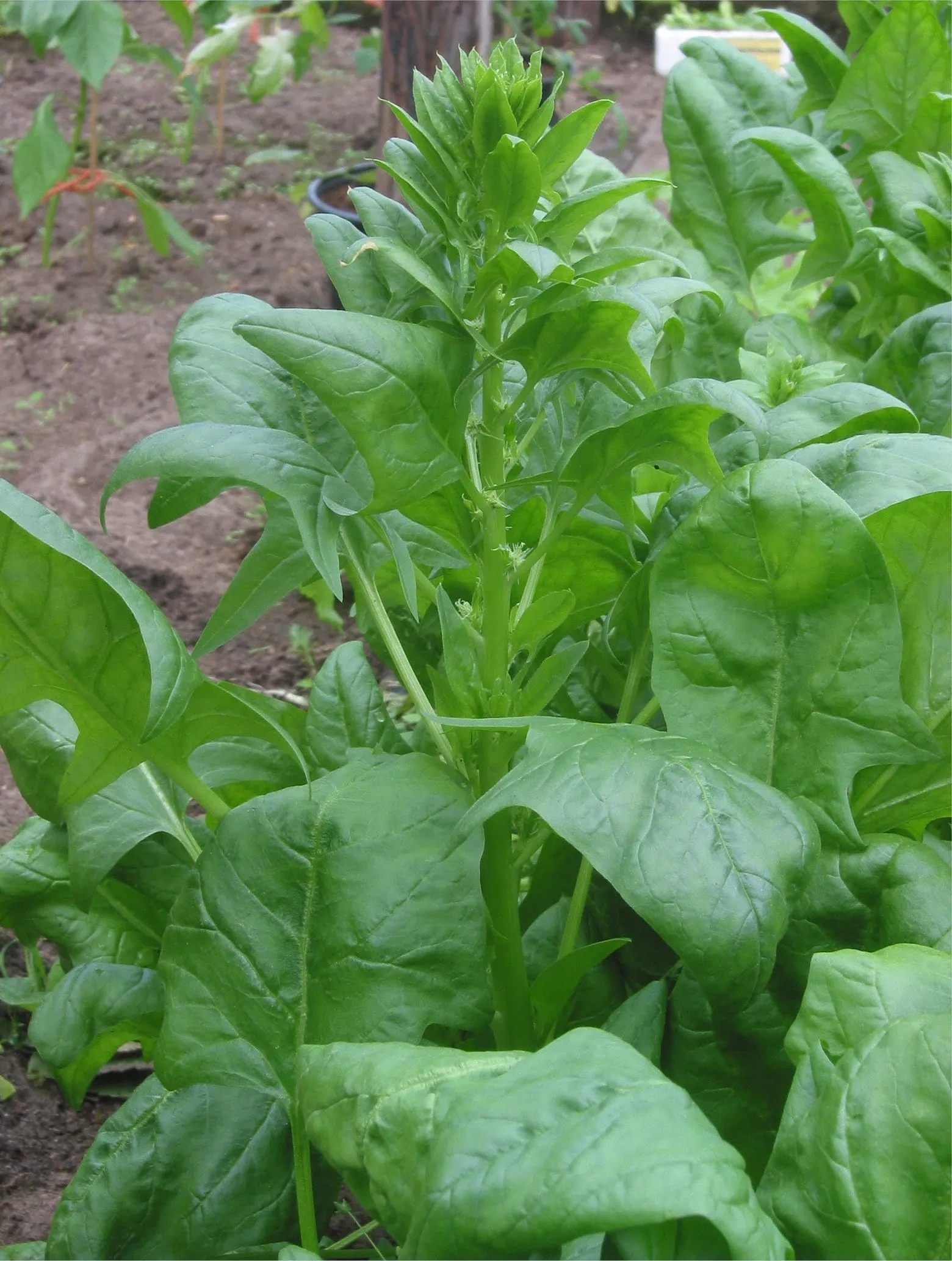
Image: "Spinazie vrouwelijke plant (Spinacia oleracea female plant)", by Rasbak, via Wikimedia Commons, licensed under CC-BY Source.
.jpg)
Related