vegetable in zone 5b
Growing spinach in zone 5b
Spinacia oleracea
- Zone
- 5b -15°F to -10°F
- Growing season
- 165 days
- Suitable varieties
- 3
- Days to harvest
- 40 to 50
The verdict
Zone 5b is a reliable home for spinach, not a marginal one. Spinach is a cool-season crop with no chill-hour requirement; it performs best where nighttime temperatures stay below 60°F through most of the growing period, and zone 5b delivers that through spring and fall. The minimum winter temperatures (-15 to -10°F) are cold enough to kill unprotected overwintering plants, but the 165-day growing season supports two distinct plantings without any compromise to yield or quality.
Downy mildew is the primary disease concern in zone 5b's cool, humid springs, and variety selection shapes how much pressure a grower faces. Tyee and Space both carry resistance to multiple downy mildew races and are meaningfully better choices than older open-pollinated selections under wet conditions. Bloomsdale Long Standing is slower to bolt and holds texture well, though its mildew resistance is more limited. Fusarium wilt can accumulate in beds with repeated plantings, but rotation largely neutralizes it.
Recommended varieties for zone 5b
3 cultivars suited to this zone, with disease-resistance and zone-fit annotations.
| Variety | Notes | Zone fit | Disease resistance |
|---|---|---|---|
| Bloomsdale Long Standing fits zone 5b | Earthy, mineral-rich, classic spinach flavor; deeply savoyed dark green leaves. Salads, sauteing, soups. Heritage open-pollinated variety, slow to bolt, the home-garden standard. | | none noted |
| Tyee fits zone 5b | Mild, sweet, smooth-leaved baby spinach quality; dark green semi-savoy leaves. Salads, smoothies, sauteing. Slow to bolt, more heat-tolerant than older varieties. | | none noted |
| Space fits zone 5b | Mild, smooth-leaved, very tender; baby-leaf or full size. Salads, smoothies. Bred specifically for slow bolting, the modern home-garden spring spinach. | | none noted |
Critical timing for zone 5b
Zone 5b's last spring frost typically falls in late April to early May. Spinach tolerates light frost and can be direct-sown outdoors 4 to 6 weeks before that date, putting the earliest unprotected sowings in mid to late March. Under low tunnel row cover, sowings can start 2 to 3 weeks earlier still. Most varieties reach maturity in 40 to 50 days.
Bolting in spinach is driven by day length and heat rather than a single threshold. Expect bolt pressure to build in June as days exceed 14 hours and temperatures climb. Fall plantings timed 6 to 8 weeks before first frost, which arrives in early to mid-October in zone 5b, produce a second harvest window running from September through mid-October. Succession sowing every two weeks from late August extends that window and reduces the risk of losing an entire planting to an early hard freeze.
Common challenges in zone 5b
- ▸ Plum curculio
- ▸ Codling moth
- ▸ Cedar-apple rust
Disease pressure to watch for
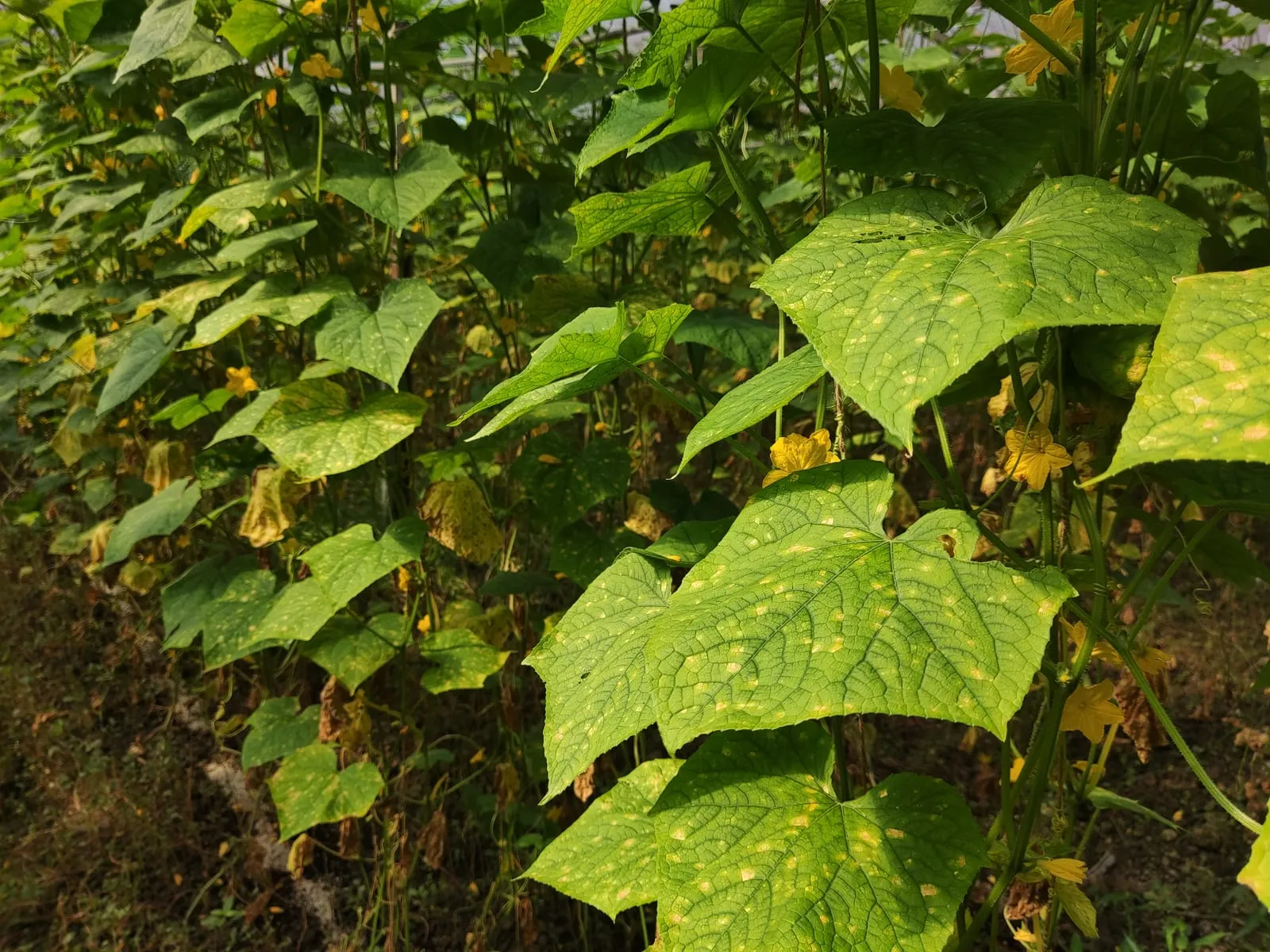
Pseudoperonospora cubensis (cucurbits) and others
Water mold (oomycete, not a true fungus) that thrives in cool damp conditions. Spreads rapidly through cucurbit and brassica plantings on wind-borne spores.
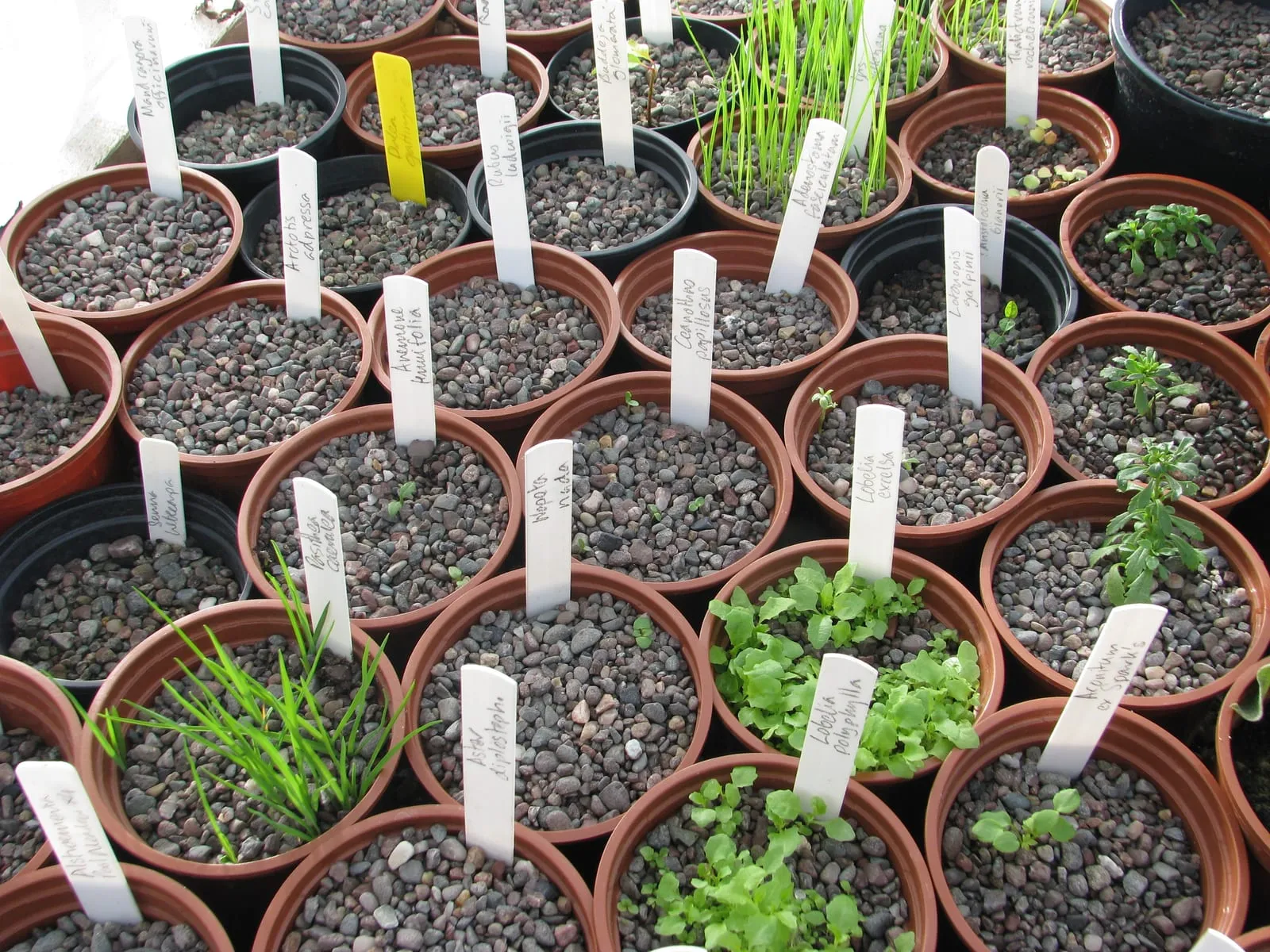
Pythium and Rhizoctonia species
Soil-borne complex of water molds and fungi that kill seedlings before or shortly after emergence. The single most common cause of seed-starting failures.
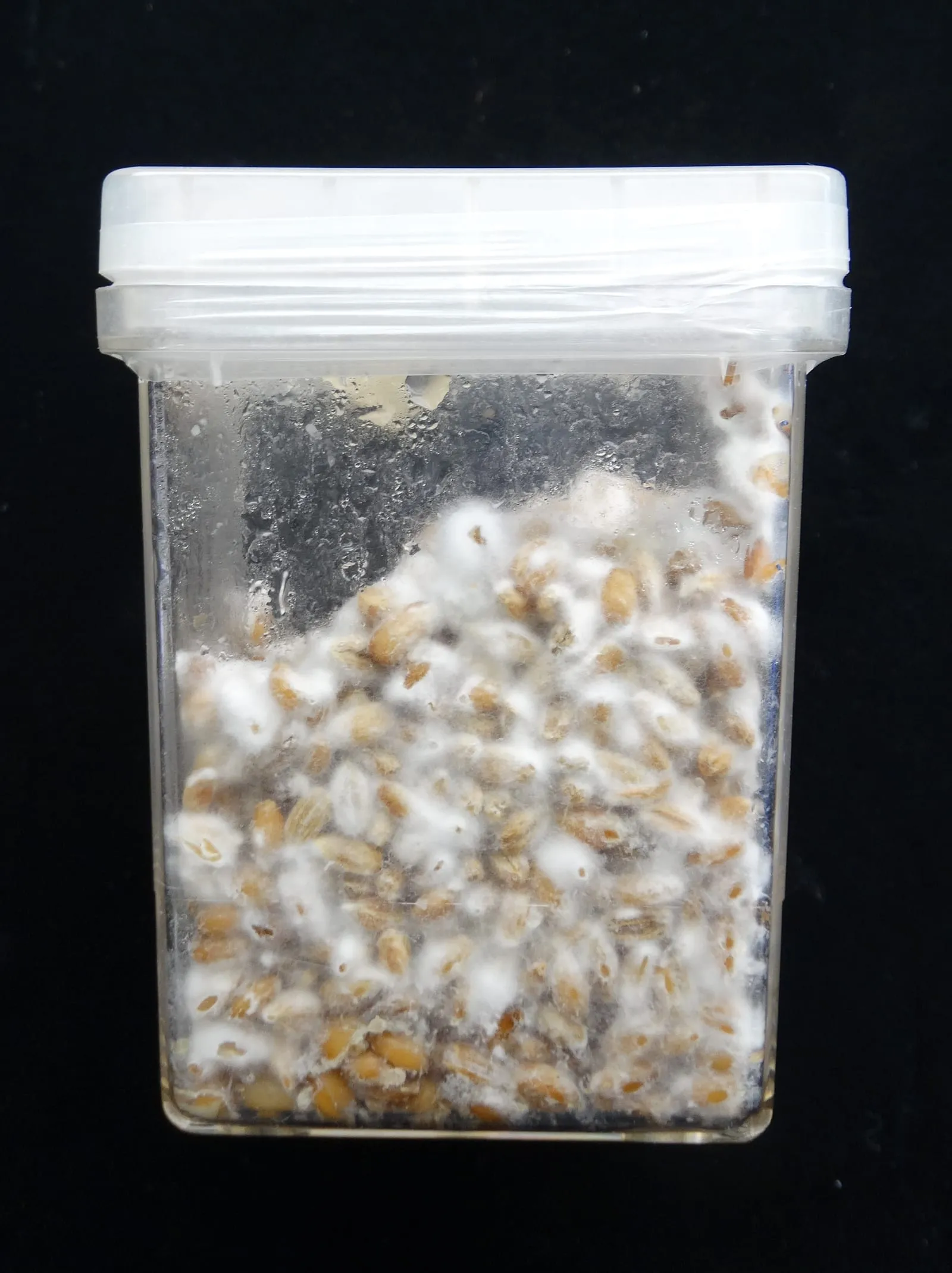
Fusarium oxysporum
Soil-borne fungal disease that plugs vascular tissue and kills affected plants. Persists in soil for many years; impossible to eliminate once established.
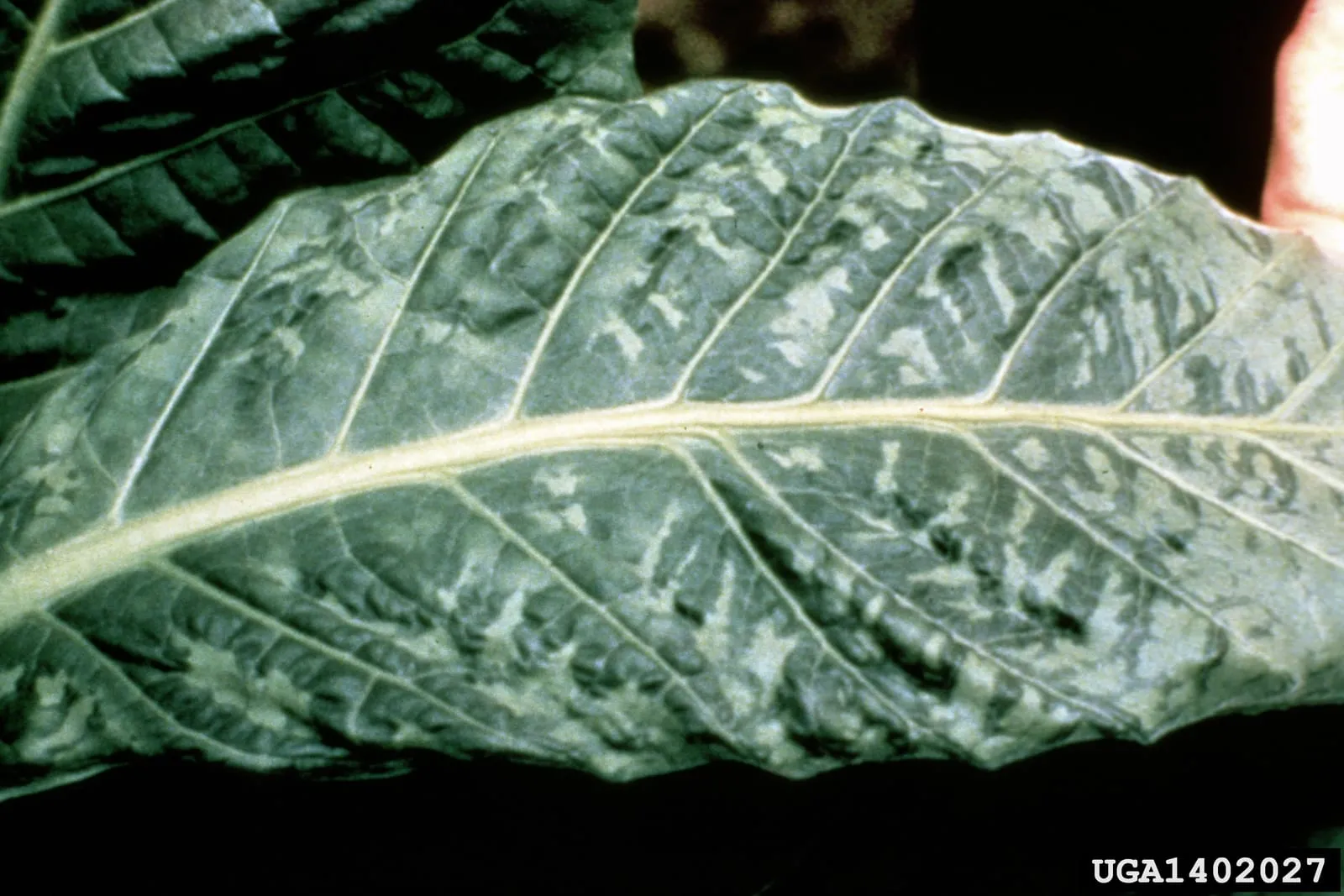
Cucumber mosaic virus, Tobacco mosaic virus, and others
Family of plant viruses producing mottled yellow-and-green leaf patterns. Vectored primarily by aphids; some are seed-transmitted or spread by handling tools and tobacco products.
Modified care for zone 5b
Downy mildew is the disease to manage most actively in zone 5b. Cool, wet springs create favorable conditions precisely when young spinach is most vulnerable. Prioritize varieties rated resistant to multiple downy mildew races (Tyee and Space are the practical choices among the compatible varieties for this zone). Drip irrigation or base watering limits leaf wetness during the high-risk period; overhead irrigation in the morning adds unnecessary disease pressure.
Fusarium wilt is soil-borne and builds up where spinach or related chenopods (beets, chard) are planted repeatedly. Rotating spinach to a new bed every 2 to 3 years is the most effective and lowest-cost control. No fungicide program replaces rotation for fusarium.
In zone 5b summers, spinach is not a viable crop regardless of irrigation or shade. Once daytime temperatures exceed 75°F consistently and days lengthen past 14 hours, bolting is inevitable. Plan the season around two windows; do not try to bridge the summer gap.
Frequently asked questions
- Can spinach survive zone 5b winters without protection?
Unprotected spinach will not survive zone 5b winters, where temperatures regularly drop to -15 to -10°F. However, fall-planted spinach can be overwintered under heavy row cover or cold frames in milder zone 5b microclimates, resuming growth in early spring before the ground fully thaws.
- Why does spinach bolt so quickly in zone 5b summers?
Bolting is triggered by long days and rising temperatures, not zone alone. Zone 5b's summer day length exceeds 14 to 15 hours by June, which initiates flowering in most spinach varieties regardless of irrigation or mulching. This is a photoperiod response; no management practice reliably prevents it once those conditions are met.
- Which spinach varieties resist downy mildew in zone 5b?
Tyee and Space both carry resistance to multiple downy mildew races and are the stronger choices for zone 5b's cool, humid springs. Bloomsdale Long Standing has good bolt resistance and flavor but more limited downy mildew resistance, making it better suited to drier spring conditions or fall plantings.
- How many spinach harvests can a zone 5b grower expect per season?
Two distinct harvest windows are realistic: a spring crop sown in March and harvested through late May, and a fall crop sown in late August and harvested through mid-October. Succession sowing within each window extends the harvest period. The summer gap between windows cannot be bridged with spinach.
+−
+−
+−
+−
Spinach in adjacent zones
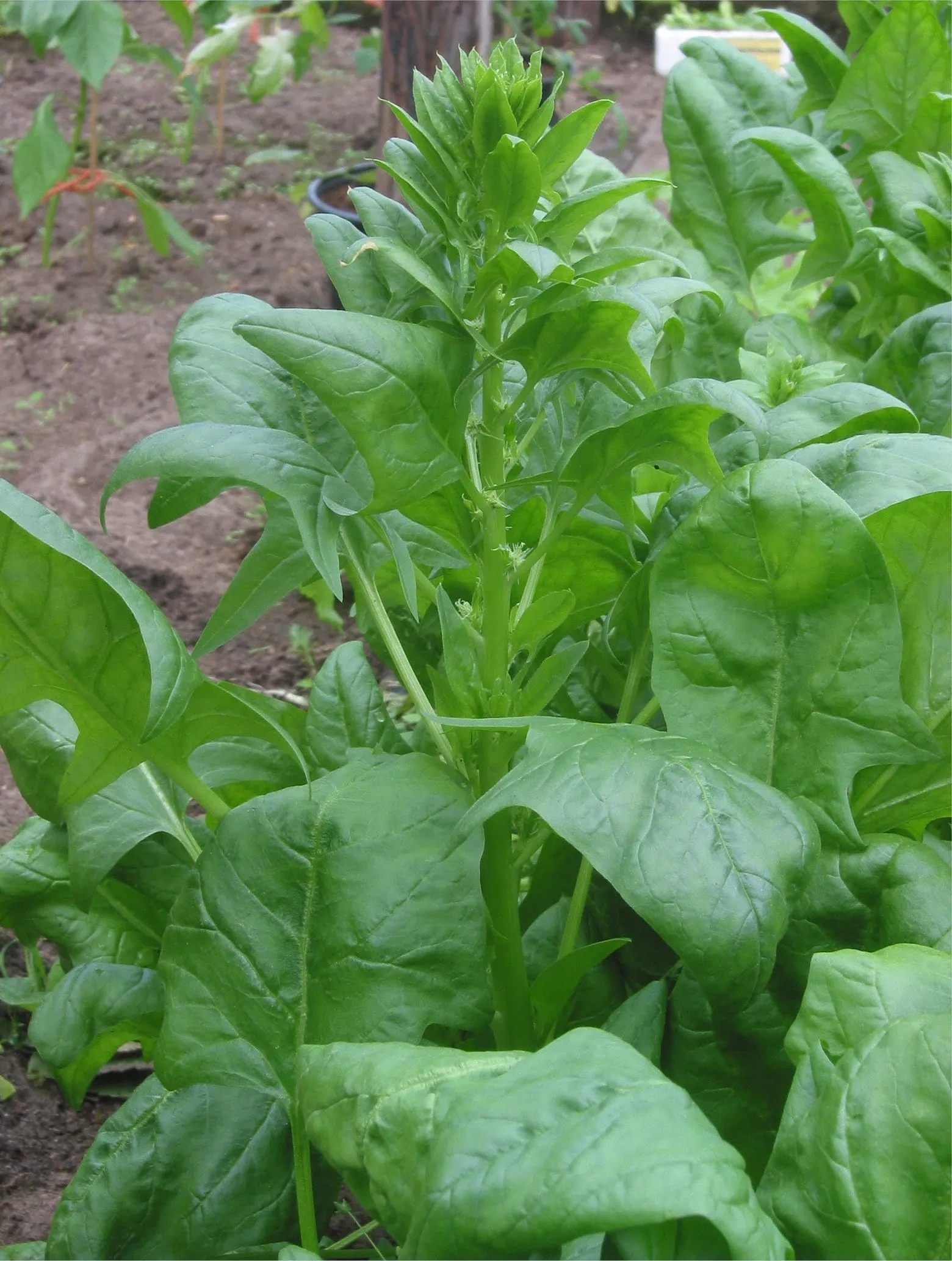
Image: "Spinazie vrouwelijke plant (Spinacia oleracea female plant)", by Rasbak, via Wikimedia Commons, licensed under CC-BY Source.
.jpg)
Related