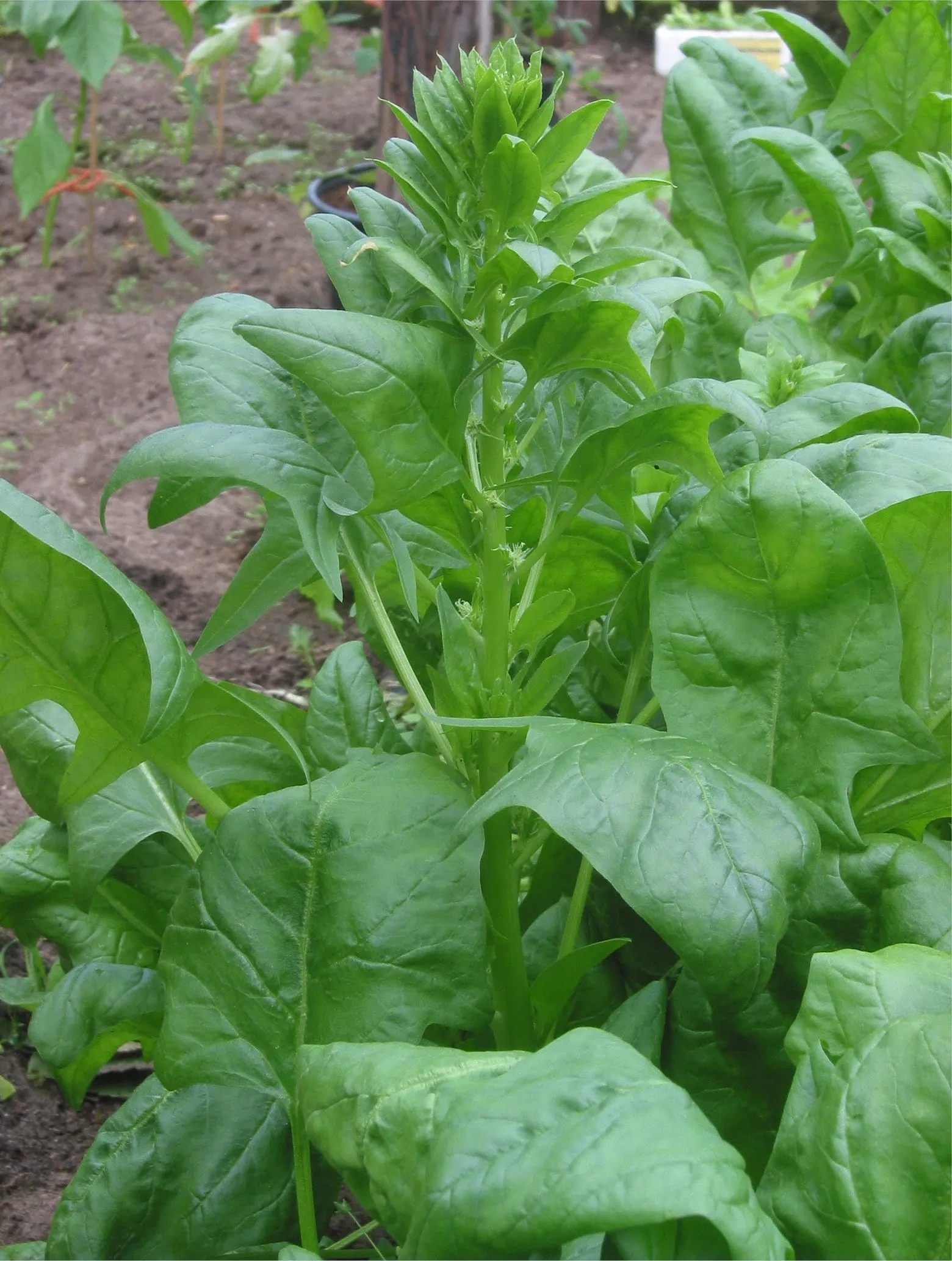
vegetable in zone 8a
Growing spinach in zone 8a
Spinacia oleracea
- Zone
- 8a 10°F to 15°F
- Growing season
- 240 days
- Suitable varieties
- 2
- Days to harvest
- 40 to 50
The verdict
Spinach is a cool-season annual that performs well in zone 8a as a fall and winter crop, with a secondary window in late winter before temperatures climb. The zone's 240-day growing season is both an asset and a constraint: long enough to support multiple plantings, but summer heat reliably ends the run. Spinach bolts when daytime temperatures consistently exceed 75°F, which zone 8a delivers by late spring.
Chill-hour requirements do not apply to spinach the way they do to fruit trees. The relevant threshold is heat tolerance, not cold accumulation. In that framing, zone 8a is a workable but not ideal zone: it offers a genuine cool season from October through March, but the window closes faster than in zones 6 or 7. Bolt-resistant selections such as Tyee and Space are well-matched to this zone's compressed spring window and are the practical choices for late-season plantings.
Recommended varieties for zone 8a
2 cultivars suited to this zone, with disease-resistance and zone-fit annotations.
| Variety | Notes | Zone fit | Disease resistance |
|---|---|---|---|
| Tyee fits zone 8a | Mild, sweet, smooth-leaved baby spinach quality; dark green semi-savoy leaves. Salads, smoothies, sauteing. Slow to bolt, more heat-tolerant than older varieties. | | none noted |
| Space fits zone 8a | Mild, smooth-leaved, very tender; baby-leaf or full size. Salads, smoothies. Bred specifically for slow bolting, the modern home-garden spring spinach. | | none noted |
Critical timing for zone 8a
The primary planting window in zone 8a runs from mid-September through November for a fall-into-winter harvest. Germination slows below 40°F but spinach seedlings tolerate light frosts well, making October sowings productive through December and January under typical zone 8a conditions.
A secondary spring window opens in late January or early February, after the average last frost date for most of zone 8a. This window is shorter than the fall run: plants need to reach harvestable size before sustained warmth triggers bolting, typically by late April. Direct-sow spring plantings no later than mid-February to stay ahead of the heat. Fall plantings consistently outperform spring ones in this zone.
Common challenges in zone 8a
- ▸ Insufficient chill hours for some apple varieties
- ▸ Pierce's disease in grapes
- ▸ Heat stress on cool-season crops
Disease pressure to watch for
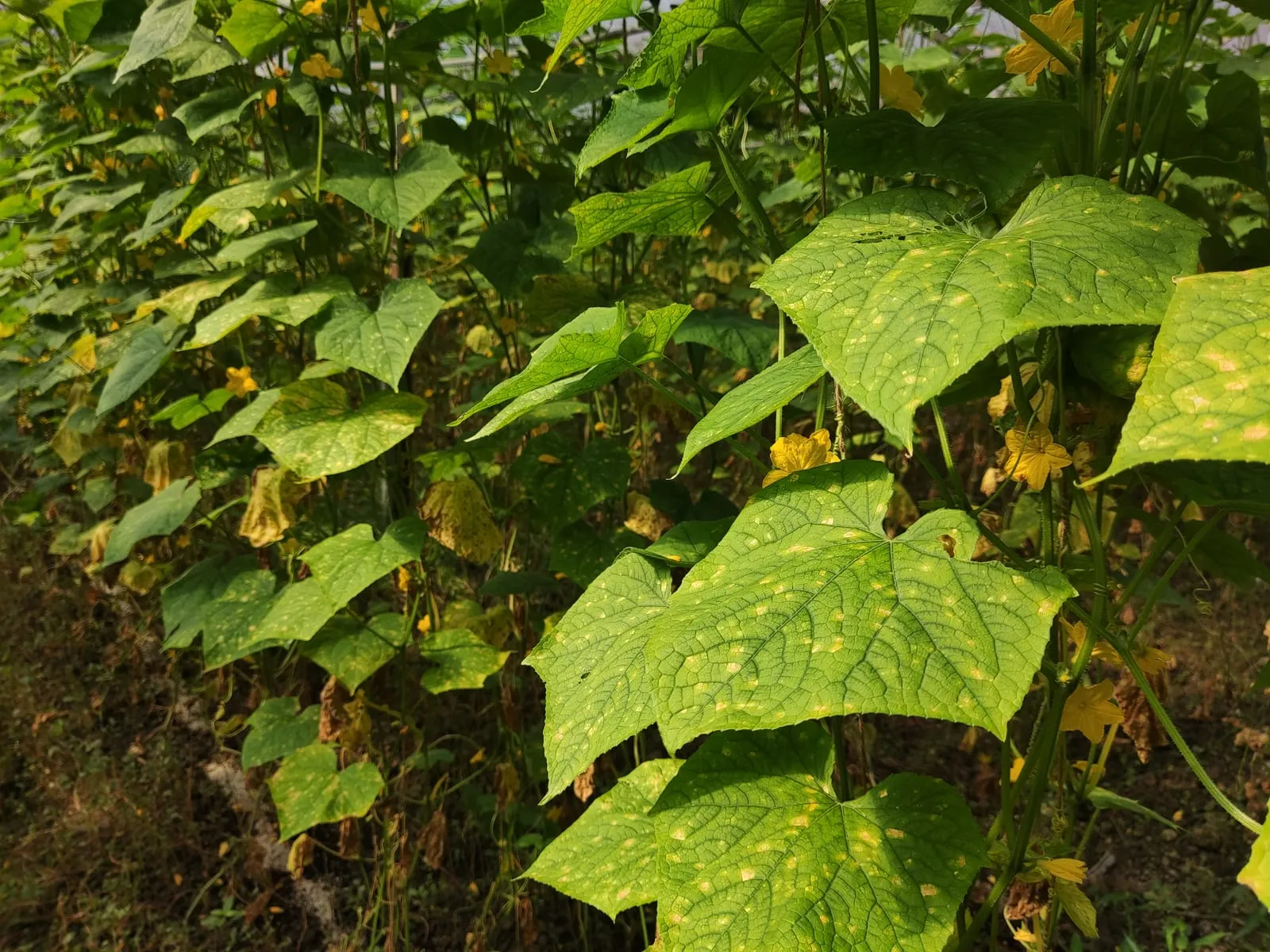
Pseudoperonospora cubensis (cucurbits) and others
Water mold (oomycete, not a true fungus) that thrives in cool damp conditions. Spreads rapidly through cucurbit and brassica plantings on wind-borne spores.
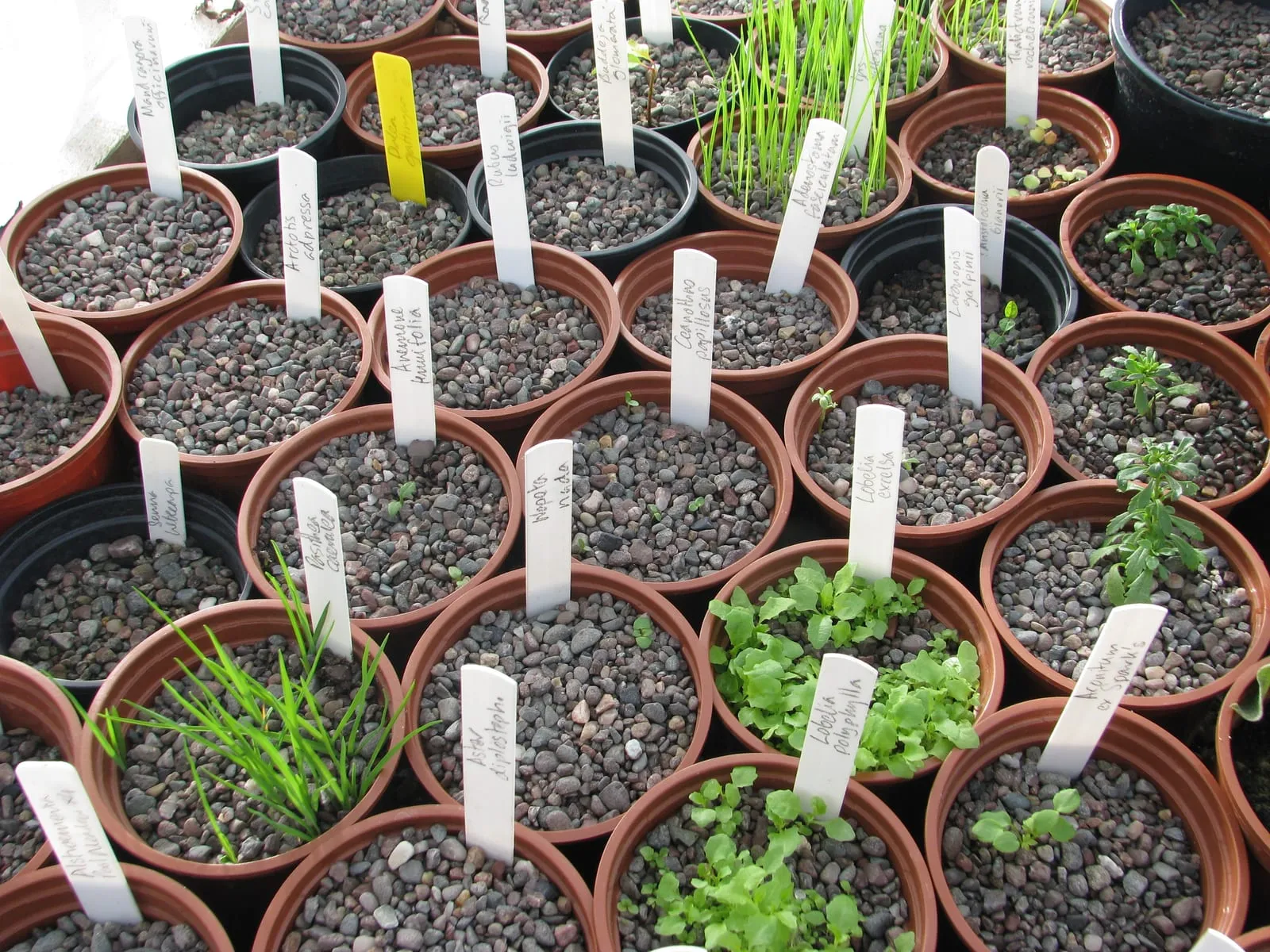
Pythium and Rhizoctonia species
Soil-borne complex of water molds and fungi that kill seedlings before or shortly after emergence. The single most common cause of seed-starting failures.
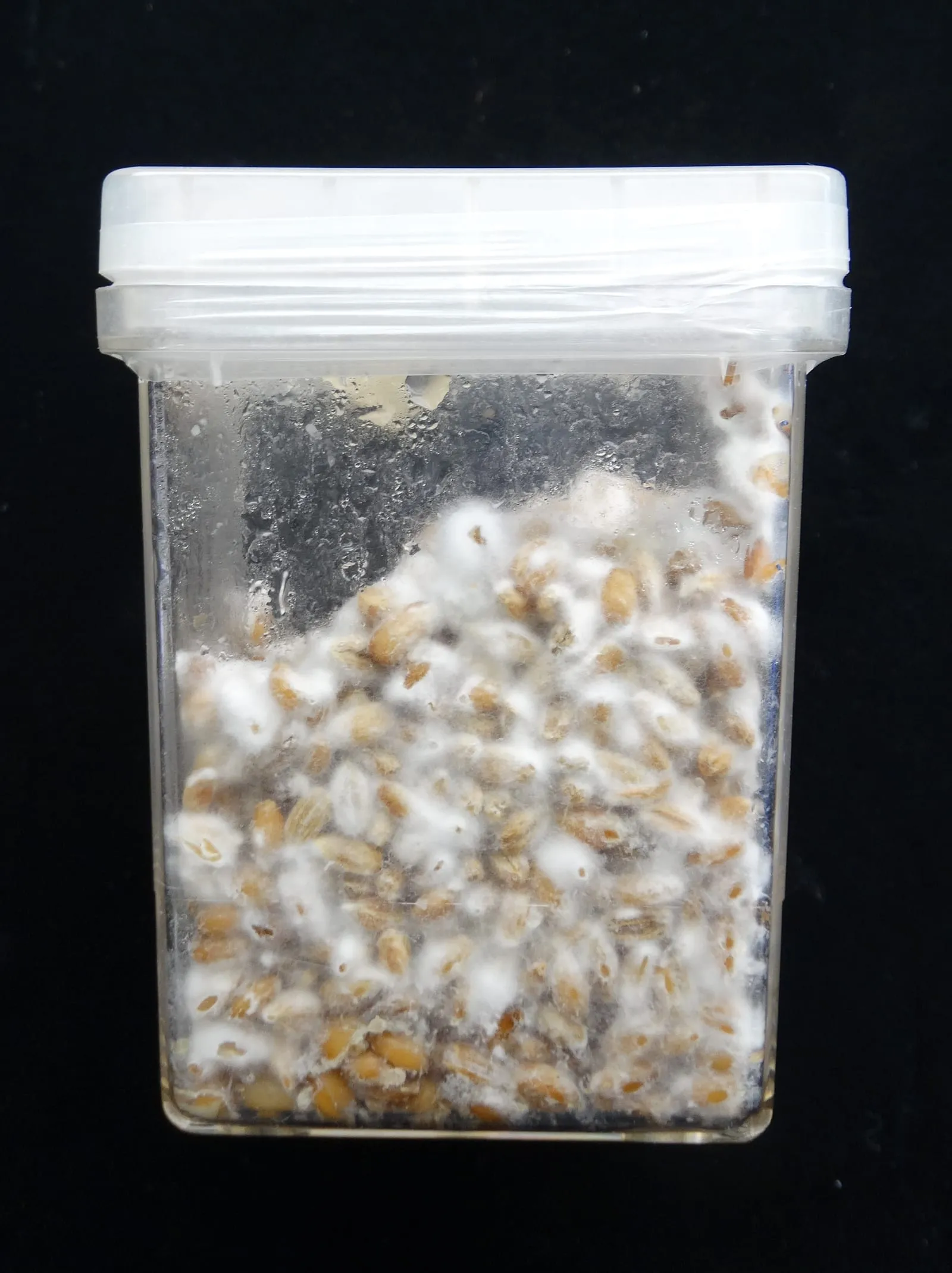
Fusarium oxysporum
Soil-borne fungal disease that plugs vascular tissue and kills affected plants. Persists in soil for many years; impossible to eliminate once established.
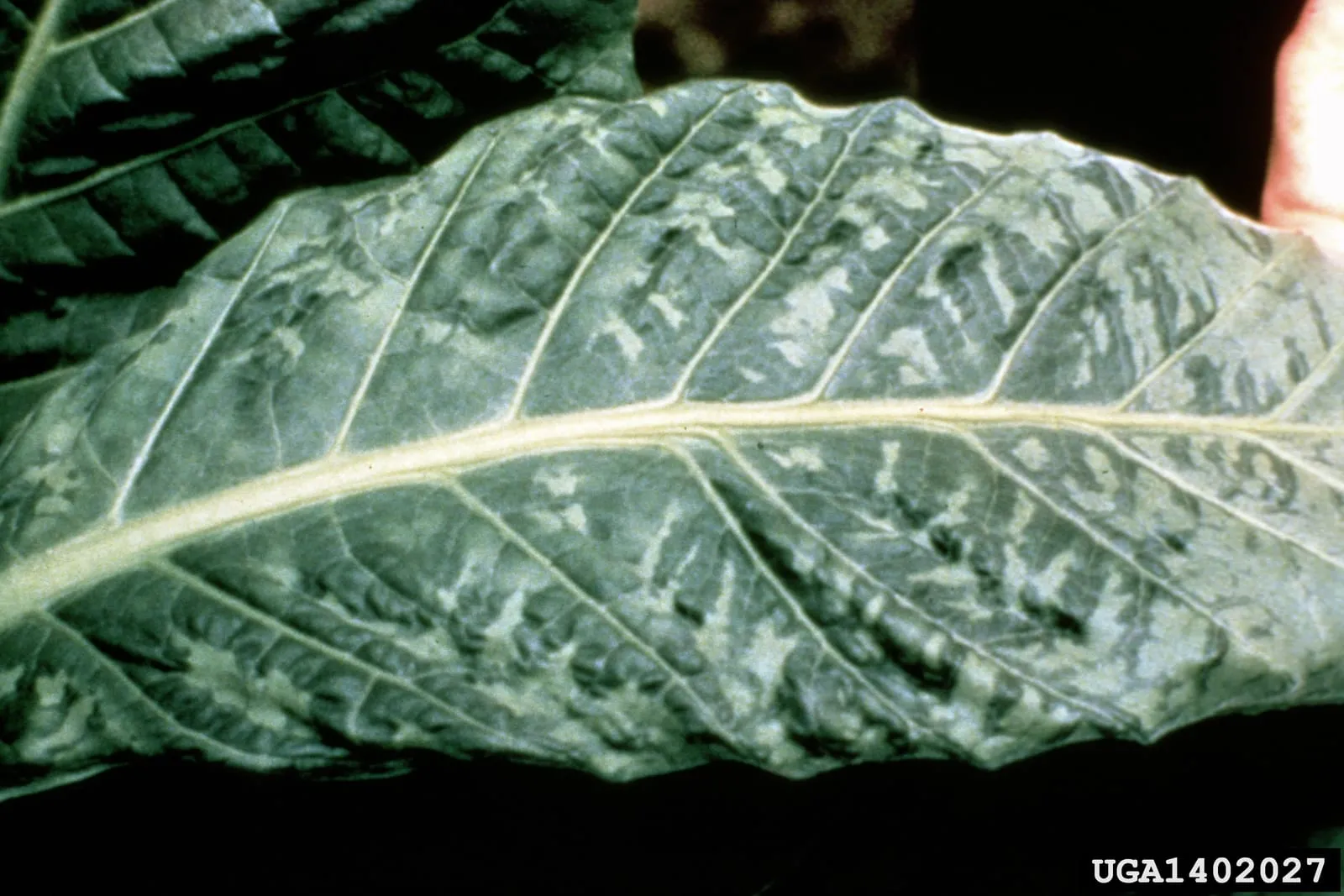
Cucumber mosaic virus, Tobacco mosaic virus, and others
Family of plant viruses producing mottled yellow-and-green leaf patterns. Vectored primarily by aphids; some are seed-transmitted or spread by handling tools and tobacco products.
Modified care for zone 8a
Zone 8a growers contend with downy mildew pressure during the cool, humid months when spinach is in the ground. Good air circulation between plants, avoiding overhead irrigation, and removing affected leaves promptly reduce spread. Tyee and Space carry partial resistance to common downy mildew races, which matters more here than in drier climates.
Fusarium wilt persists in soil and has no curative treatment; crop rotation of at least two to three years between spinach plantings in the same bed is the primary management tool. In spring, shade cloth rated at 30 to 40 percent can extend the harvest by several weeks by buffering soil and air temperature. This is less necessary in fall. Unlike growers in cooler zones who may need row cover for frost protection, zone 8a growers are more likely to need shade than insulation.
Spinach in adjacent zones
Image: "Spinazie vrouwelijke plant (Spinacia oleracea female plant)", by Rasbak, via Wikimedia Commons, licensed under CC-BY Source.
.jpg)
Related