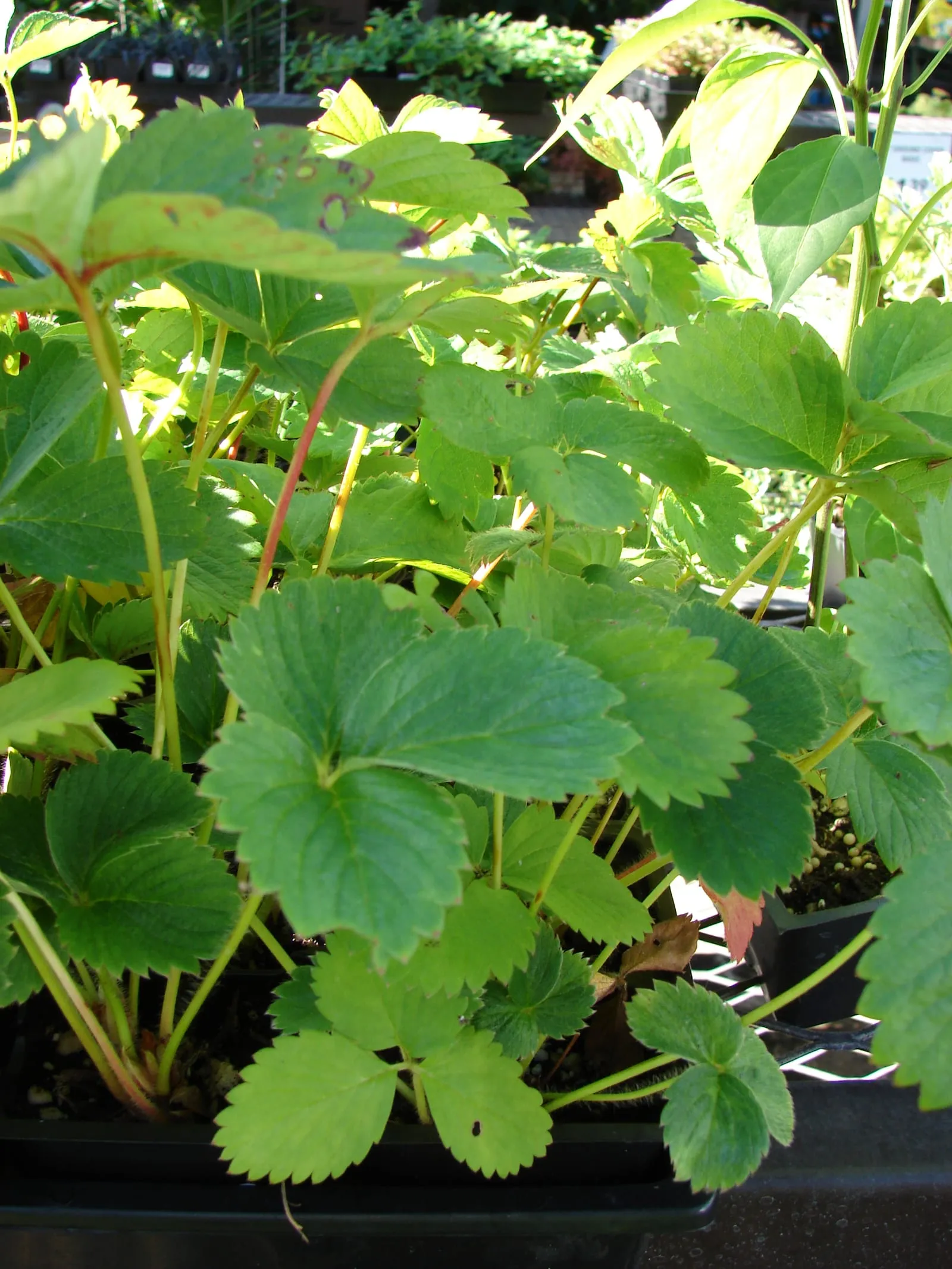
berry
June-Bearing Strawberry
Fragaria x ananassa
USDA hardiness range
- Zones
- 3a–8b
- Days to harvest
- 28 to 35
- Sun
- Full
- Water
- Moderate
- Lifespan
- 3 to 5 years before renovation
Growing june-bearing strawberry
June-bearing strawberries produce one concentrated flush of fruit per season, typically spanning 2 to 4 weeks in late spring or early summer depending on zone. That concentrated harvest is the point: growers who want to freeze, preserve, or can in volume get far more usable fruit from a June-bearing bed than from everbearing types spread thin across the season. Flavor quality, particularly from early-season varieties like Earliglow, consistently exceeds commercially available fruit.
The crop is adapted across a wide band, from zone 3a through 8b, but results diverge sharply based on site and management. Zones 3 and 4 require cold-tolerant varieties and winter mulching to prevent crown injury. Zones 7 and 8 compress the harvest window as spring temperatures rise quickly and increase fungal disease pressure during warm, wet bloom periods. Zones 5 and 6 align most reliably with the crop's requirements for chill, timing, and disease management.
The single variable that most reliably separates productive beds from failed ones is drainage. Strawberries have shallow, fibrous roots that are highly susceptible to Phytophthora root rot and red stele in saturated soils. Raised beds or mounded rows resolve this in most home-garden settings. Beyond drainage, bed age matters: plantings left unmanaged for more than 3 to 5 years typically decline sharply. Annual renovation and eventual replanting with certified disease-free stock are not optional if consistent yields are the goal.
Recommended varieties
See all 6 →6 cultivars for home growers, with notes on flavor, ripening, and disease resistance.
| Variety | Notes | Zone fit | Disease resistance |
|---|---|---|---|
| Earliglow | Intensely sweet, classic strawberry flavor; the gold-standard early-season variety for fresh eating, jam, freezing. Smaller berries but unmatched flavor. Disease-resistant. | |
|
| Allstar | Sweet, mild, large pale-red berries with firm flesh; fresh, freezing, baking. Mid-season, vigorous, disease-resistant. Reliable home-garden producer. | |
|
| Honeoye | Sweet-tart, firm, bright red large berries; fresh, freezing, jam. Mid-season, very productive, cold-hardy. The northern home-garden standard. | | none noted |
| Jewel | Sweet, juicy, large glossy red berries with classic dessert flavor; fresh eating premium, also good for freezing. Mid-late season, productive. | | none noted |
| Sparkle | Tart-sweet, soft, deep red flavor; the classic jam and freezing strawberry, defines strawberry preserve flavor. Late-season, very cold-hardy. | | none noted |
| Chandler | Sweet, large, deep red conical berries with rich flavor; fresh eating and shipping, the southern fresh-market standard. Annual planting in plasticulture. | | none noted |
Soil and site requirements
June-bearing strawberries perform best in slightly acidic, well-drained loam with a pH of 5.5 to 6.5. Heavy clay soils waterlog easily and should be amended with compost or managed in raised beds at least 8 inches deep. Sandy soils drain adequately but require more frequent irrigation and fertilization to sustain consistent moisture and nutrient availability.
Full sun is essential. Fewer than 6 hours of direct light per day reduces yield meaningfully and increases foliar disease pressure by limiting drying time after rain or heavy dew. South- or southwest-facing slopes that warm early in spring accelerate flowering and can advance the harvest window by several days relative to flat ground in the same zone.
Plant spacing depends on training system. In a matted-row system, plants go 18 to 24 inches apart in rows 36 to 48 inches apart, with runners allowed to fill in to a band roughly 18 inches wide. In a hill system, plants are set 12 inches apart and all runners are removed; this produces larger individual berries and suits warmer zones where runner management becomes difficult. Avoid sites that have hosted tomatoes, peppers, or potatoes in the past 3 to 4 years, as verticillium wilt persists in soil and is lethal to strawberries. The Cornell Strawberry Production Guide recommends a rotation interval of at least 3 years from any solanaceous crop.
Common diseases
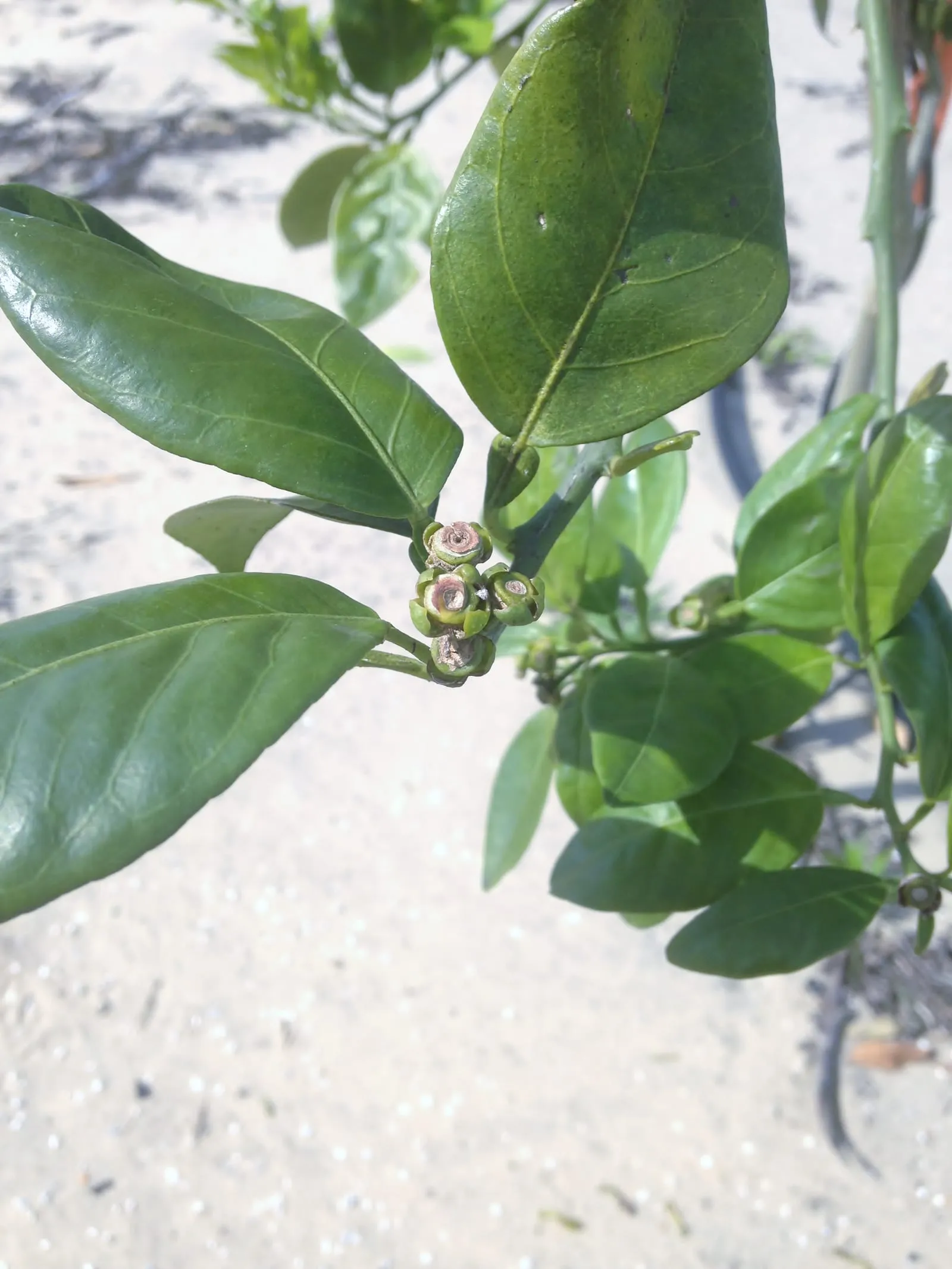
Colletotrichum acutatum
Aggressive fungal disease that causes fruit rot, crown rot, and runner lesions in strawberries, devastating during warm wet weather.
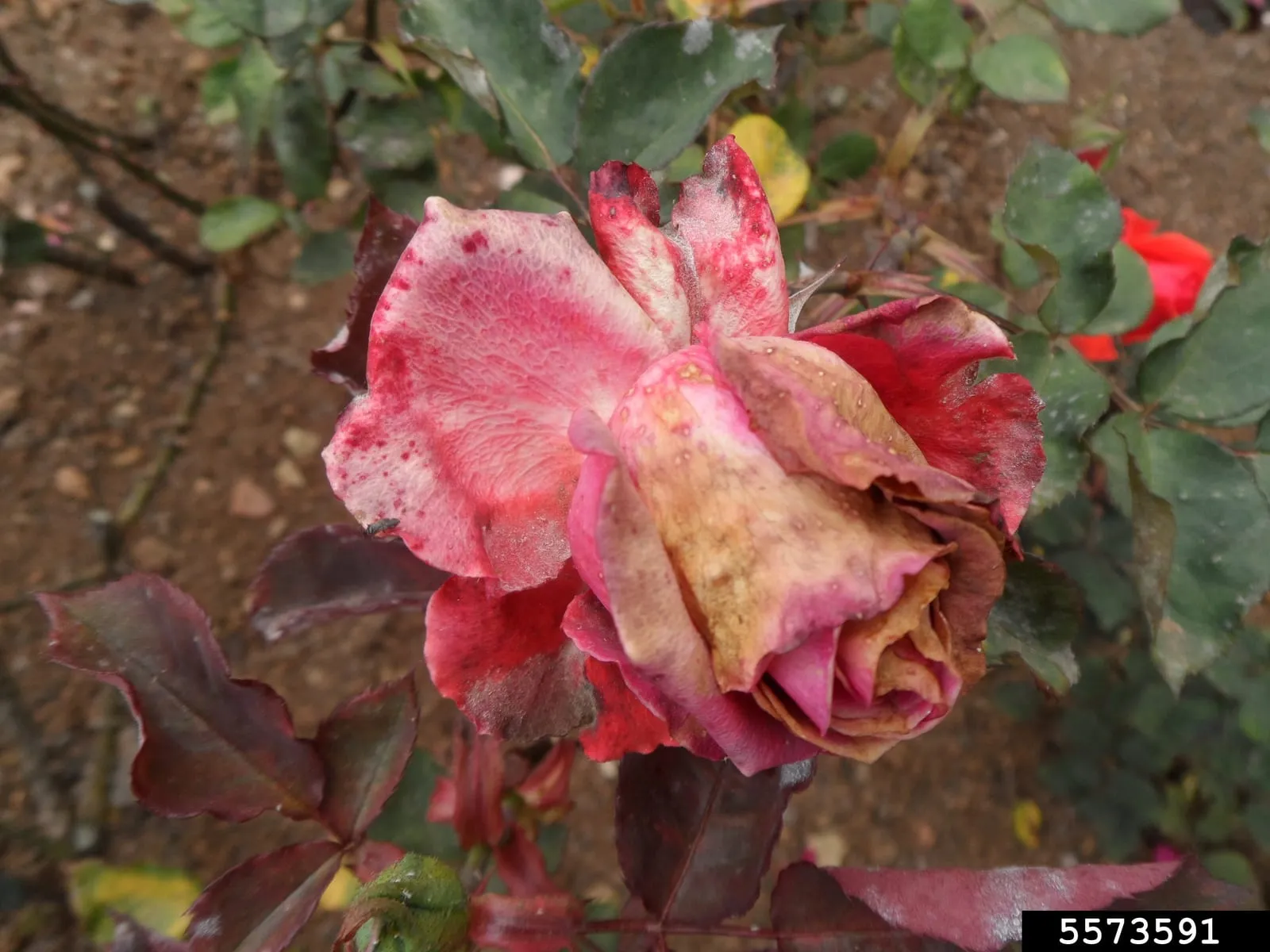
Botrytis cinerea
Ubiquitous fungal disease that causes fruit rot during cool wet weather, often the dominant berry disease in humid regions.
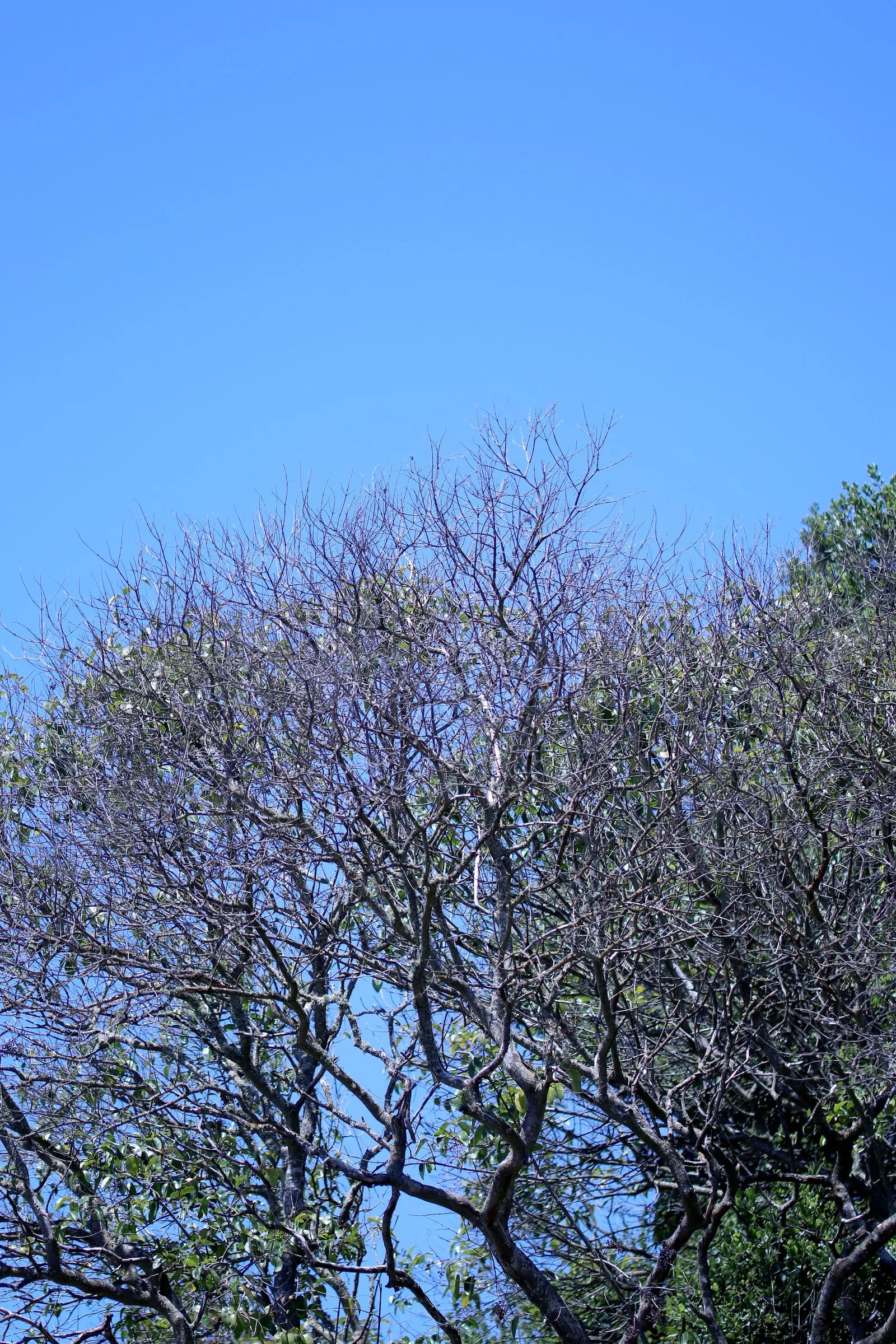
Phytophthora species
Soil-borne water mold that destroys roots in waterlogged soils, the leading cause of blueberry decline in poorly drained sites.
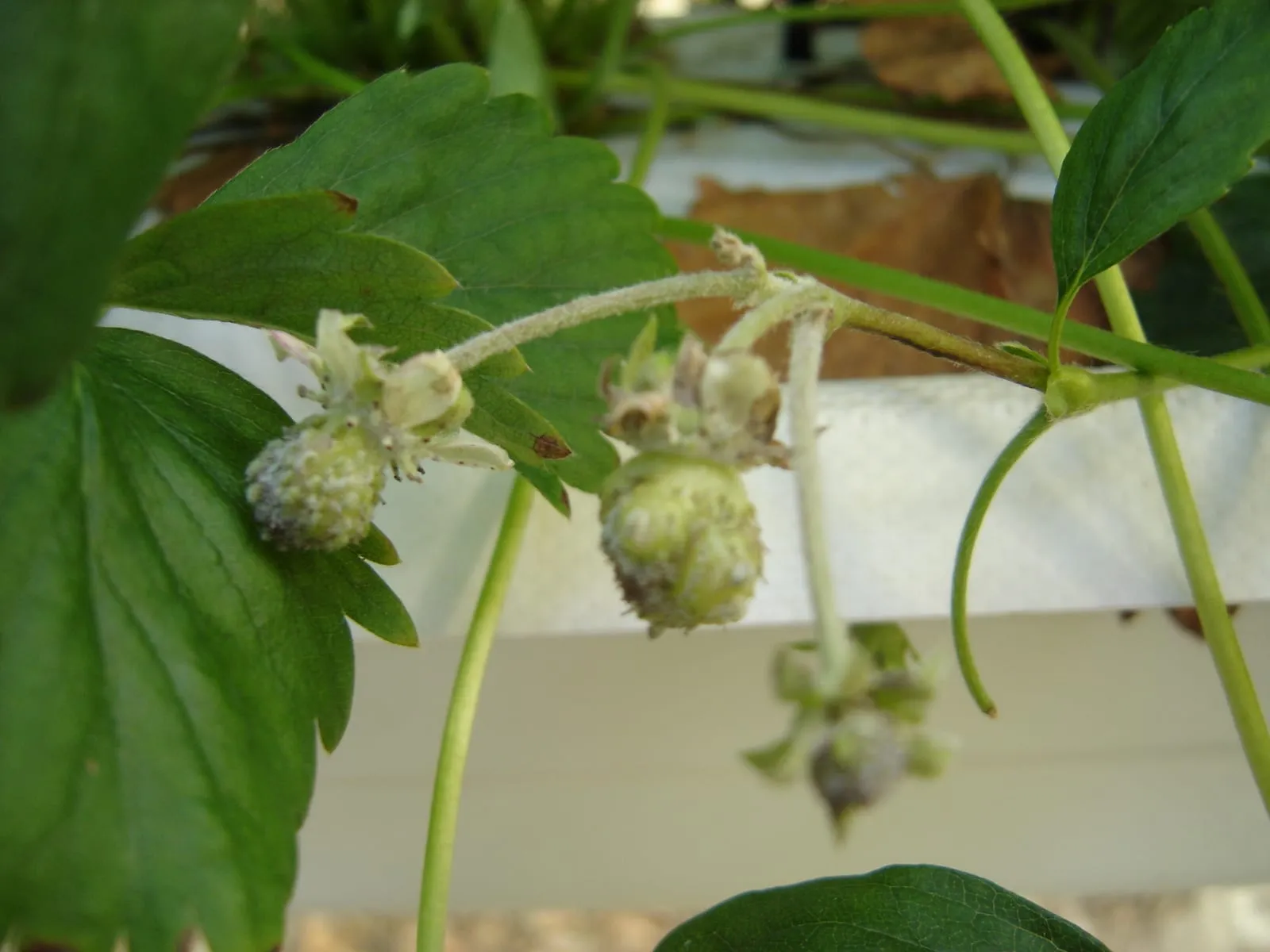
Podosphaera and Sphaerotheca species
Surface-feeding fungal disease producing white powdery growth on leaves and fruit, particularly damaging on gooseberries.
Phytophthora fragariae
Soil-borne water mold that destroys strawberry roots in wet cool springs, characterized by red discoloration in the root core.
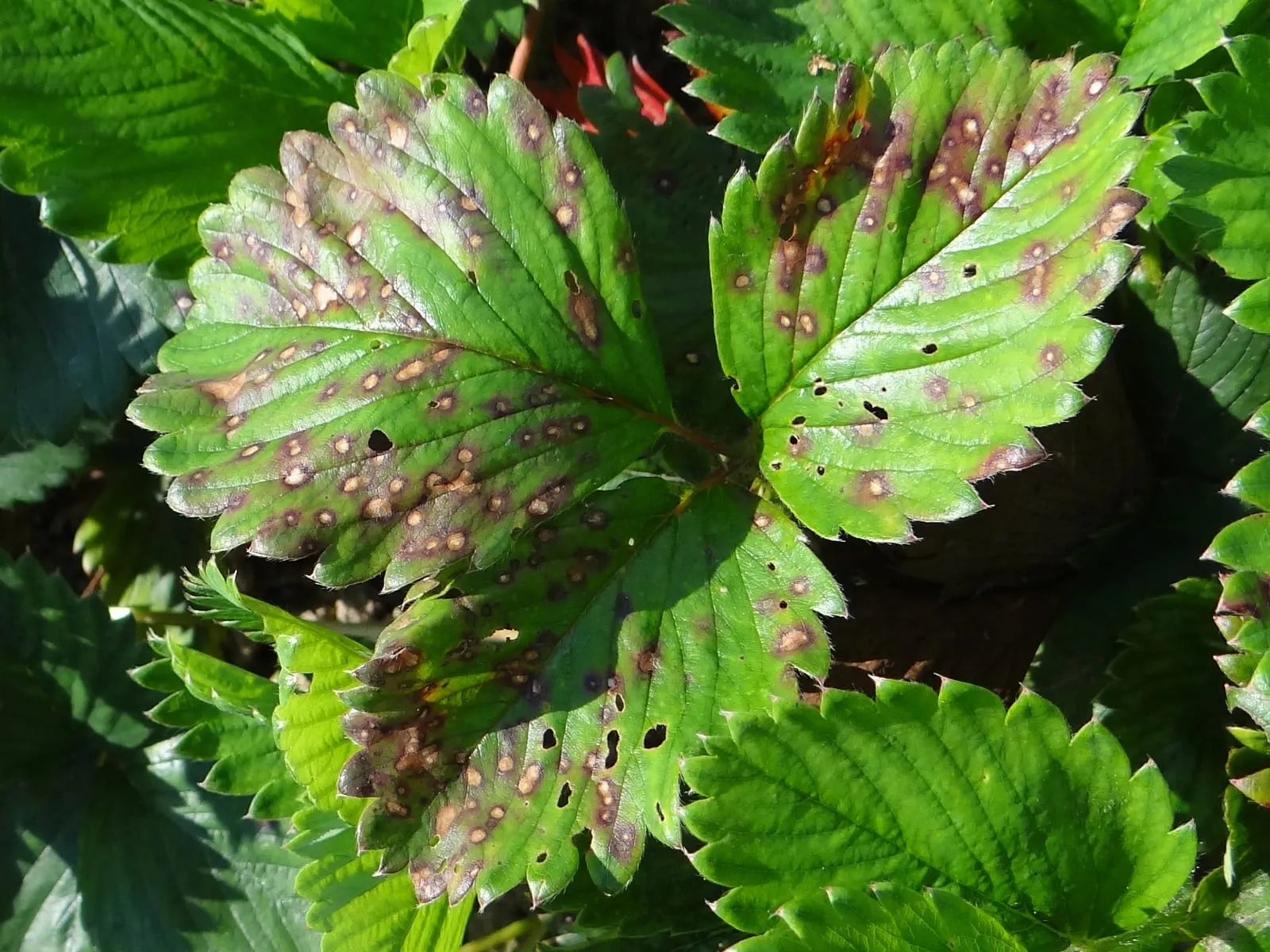
Mycosphaerella fragariae
Common fungal disease producing characteristic small purple spots with white centers on strawberry leaves.
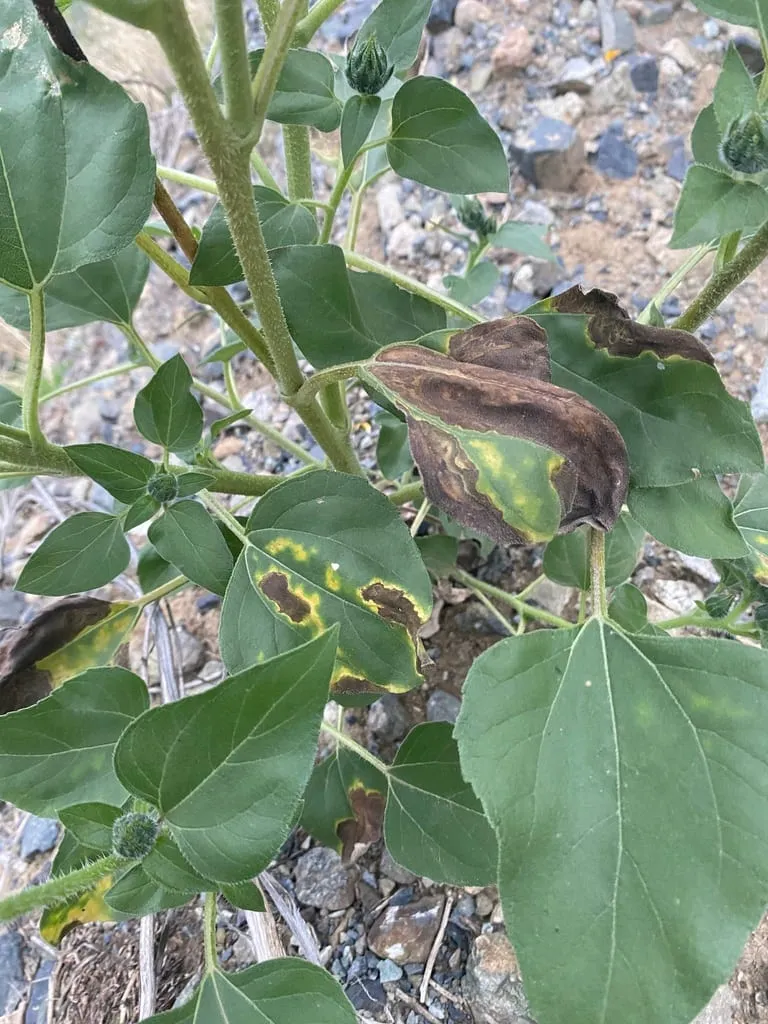
Verticillium dahliae
Soil-borne fungal disease similar to fusarium wilt but with broader host range and cooler temperature optimum. Persists in soil for 10+ years.
Common pests
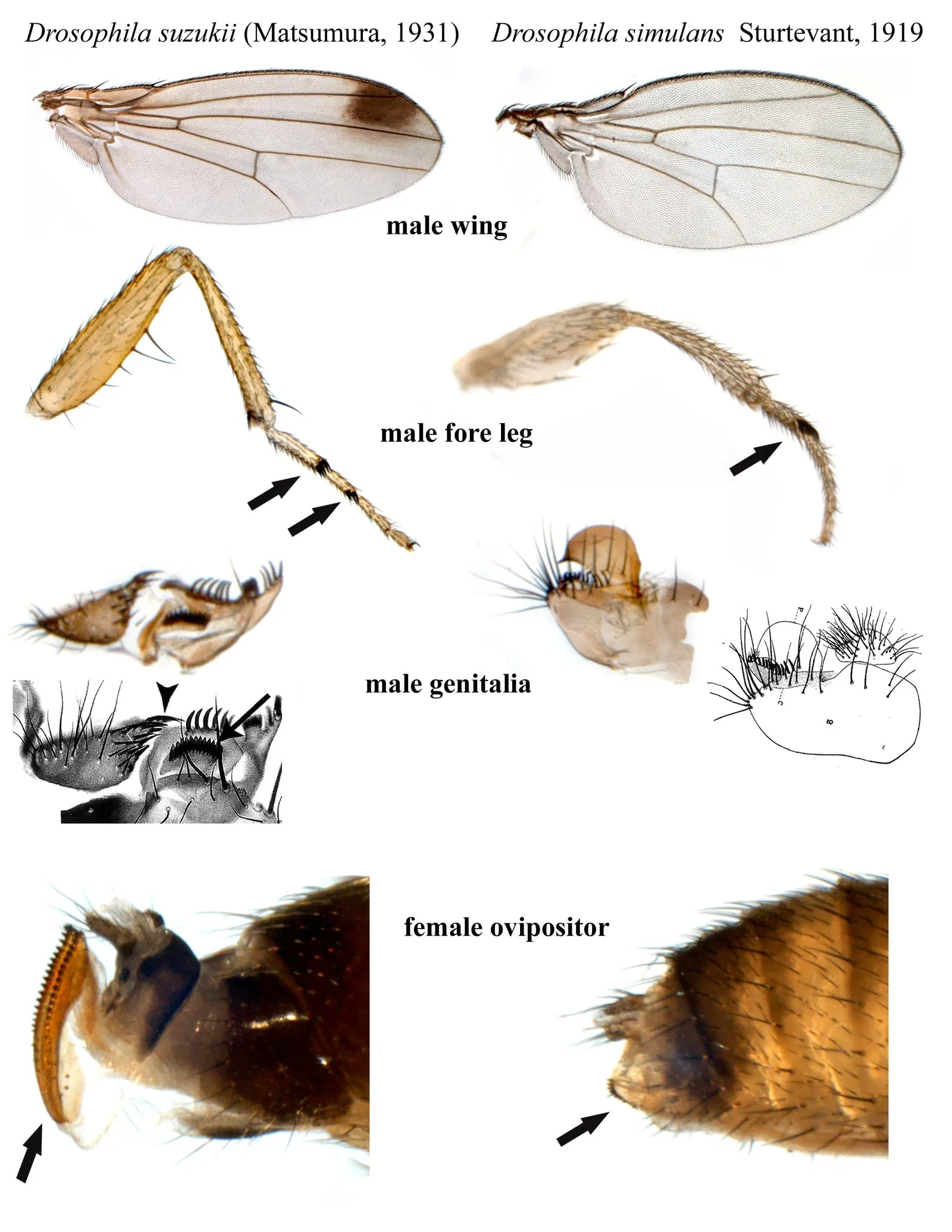
Drosophila suzukii
Invasive vinegar fly that attacks ripening soft fruit, unlike native Drosophila species which target overripe fruit. Now the dominant berry-and-cherry pest across the US.
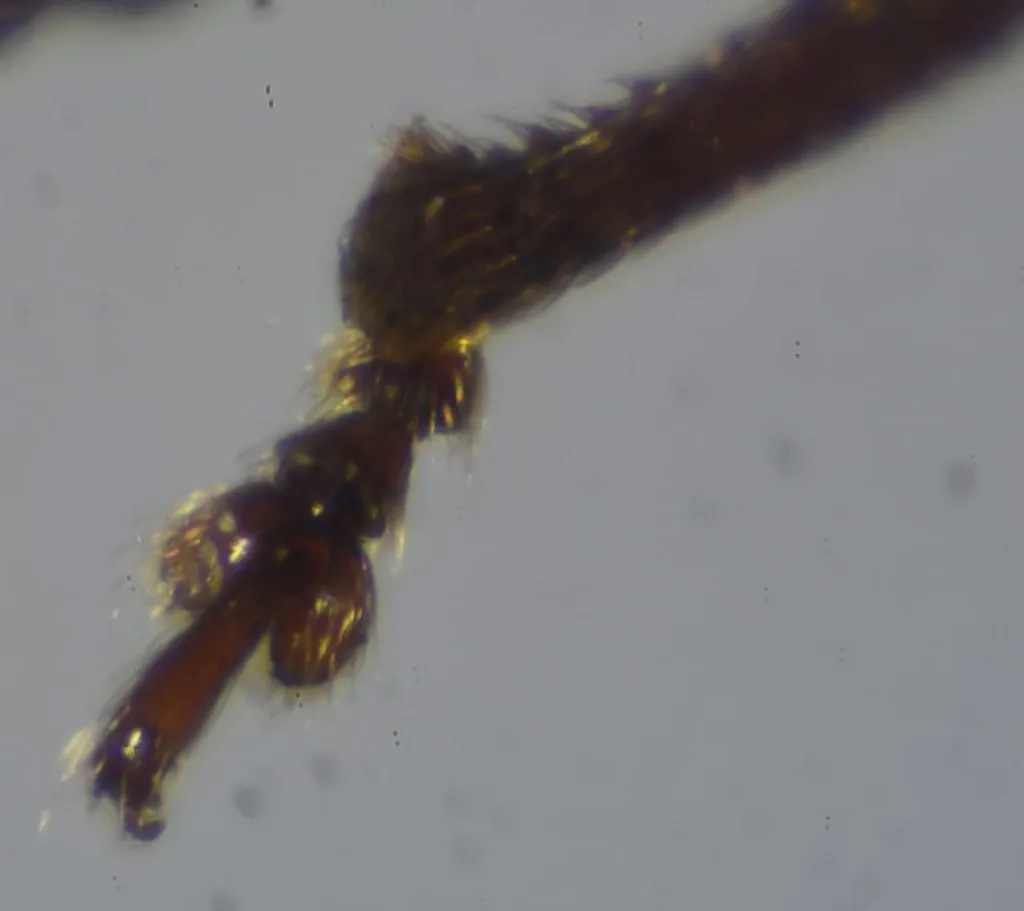
Otiorhynchus ovatus
Beetle whose larvae feed on strawberry roots and crowns, weakening or killing plants over time.
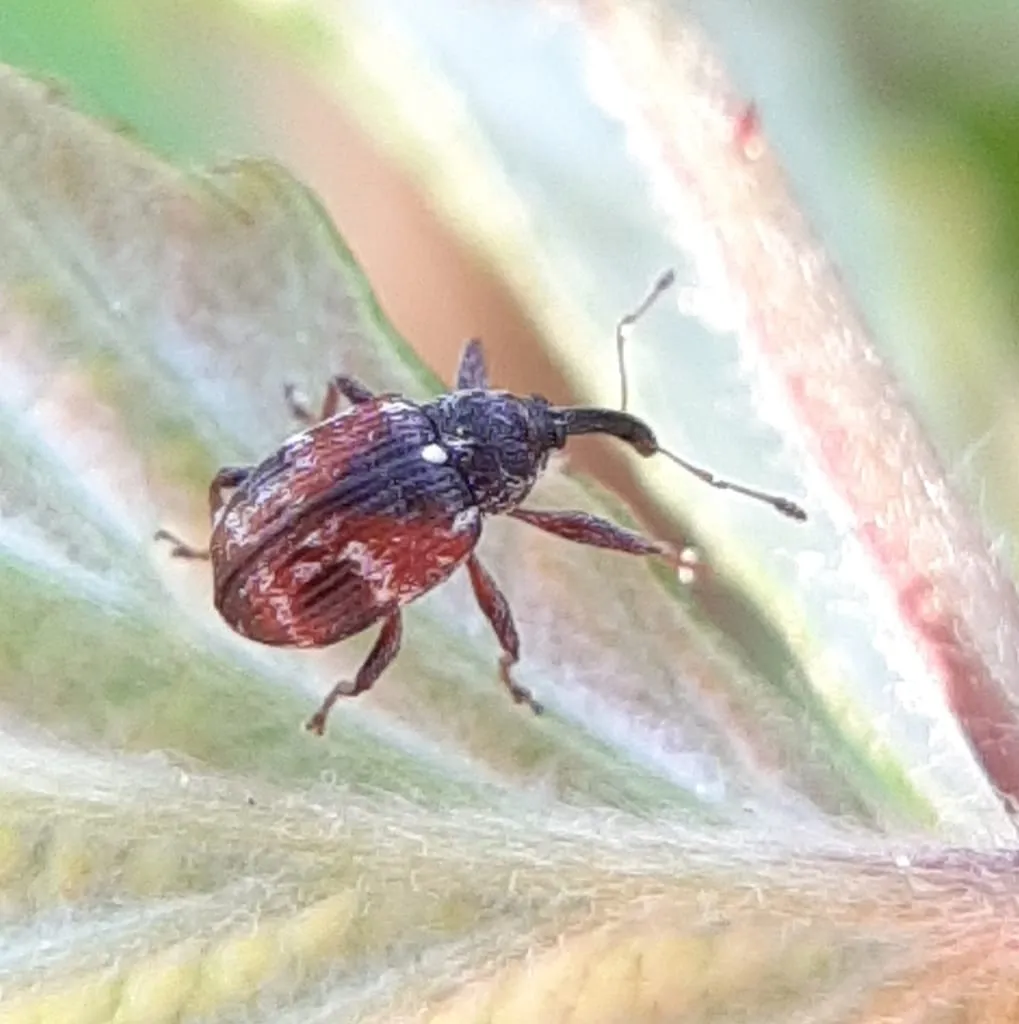
Anthonomus signatus
Weevil that lays eggs in strawberry flower buds and clips the pedicel, causing the buds to drop or hang.
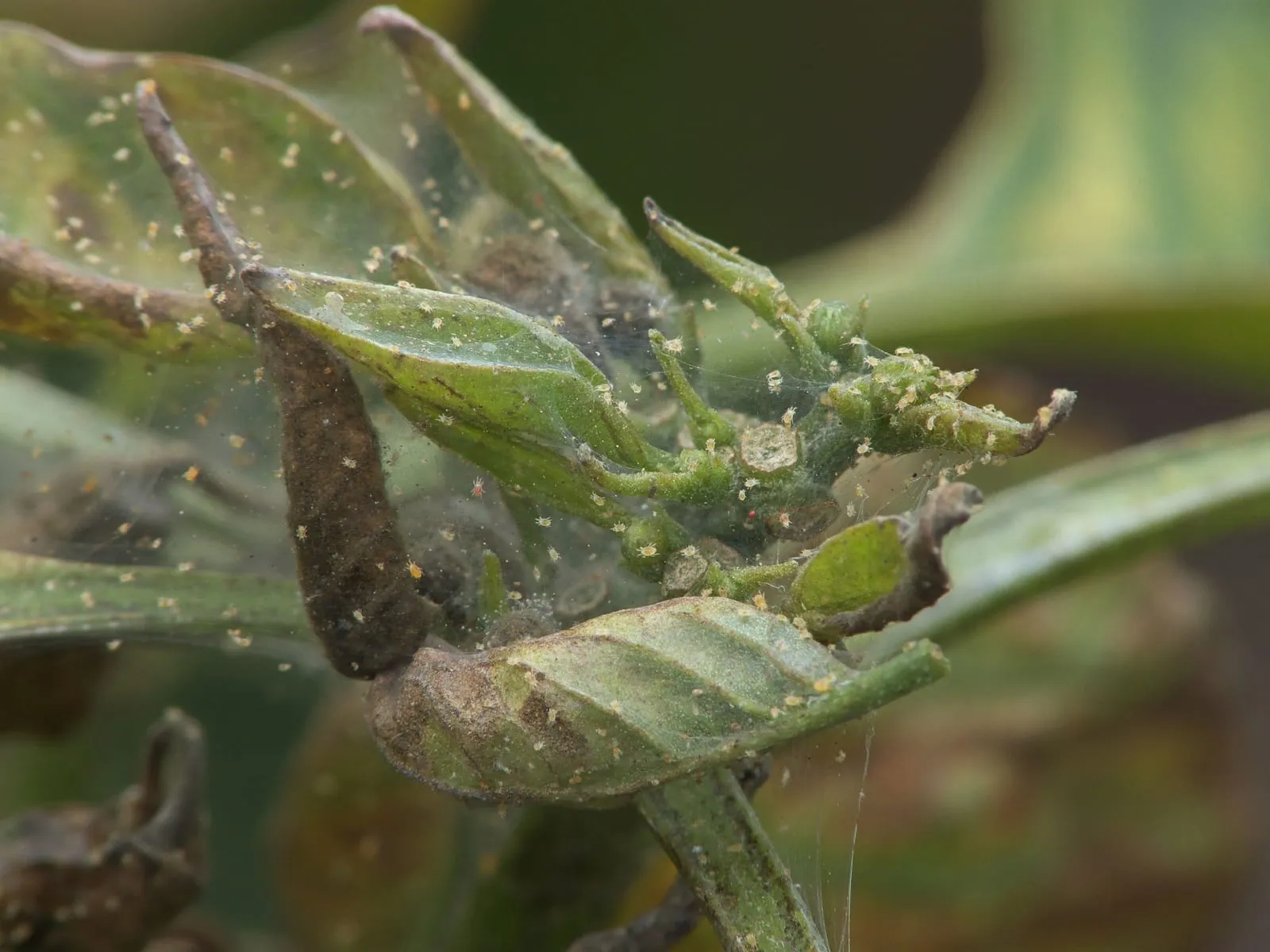
Tetranychus urticae
Tiny mite that feeds on leaf undersides, causing stippling and webbing during hot dry weather.
Multiple species
Robins, catbirds, mockingbirds, starlings, cedar waxwings and other songbirds can strip ripening berry and fruit crops in days. Crows and blackbirds also damage fresh sweet corn ears in milk stage. The single biggest yield-loss factor in unprotected home plantings.
Multiple species (Gastropoda)
Soft-bodied mollusks that feed on tender leaves and seedlings primarily at night. Damaging especially in wet years and shaded mulched gardens.
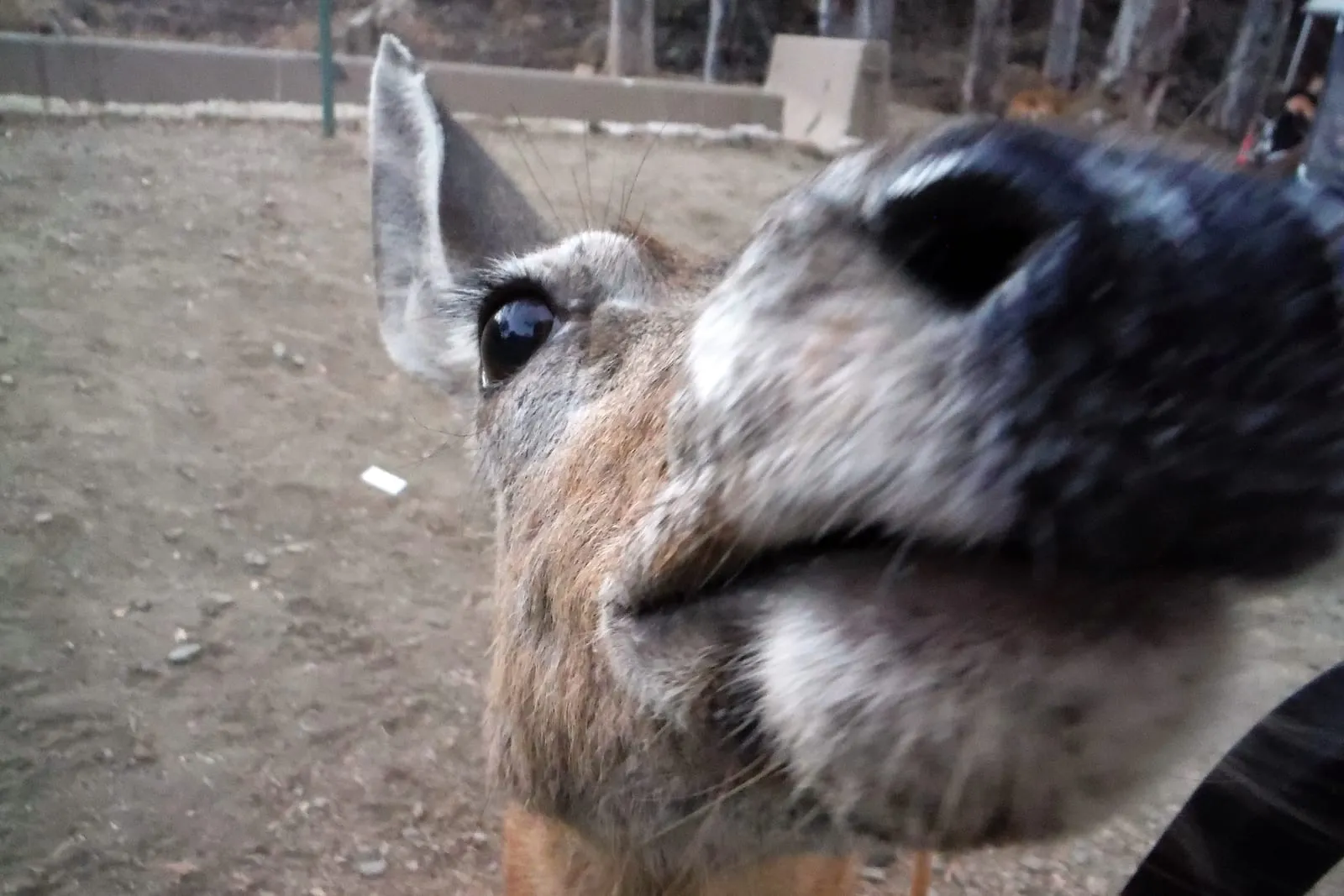
Odocoileus species
Whitetail and mule deer browse can devastate orchards and gardens, particularly in winter when food is scarce. Antler rub on young trunks kills saplings outright.
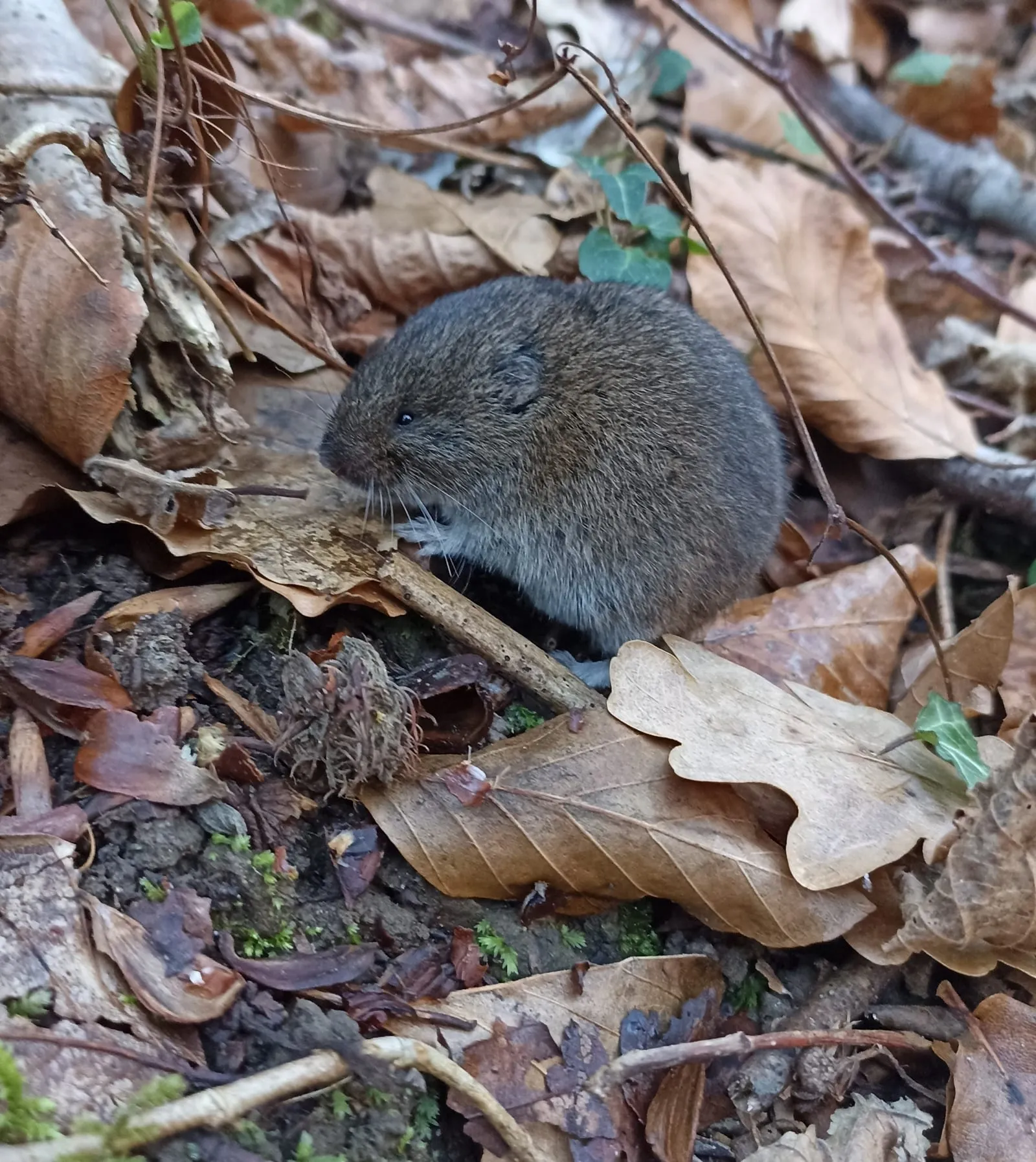
Microtus species
Field voles and meadow voles girdle young fruit-tree trunks under snow cover during winter and chew root crops. The leading cause of mysterious orchard losses.
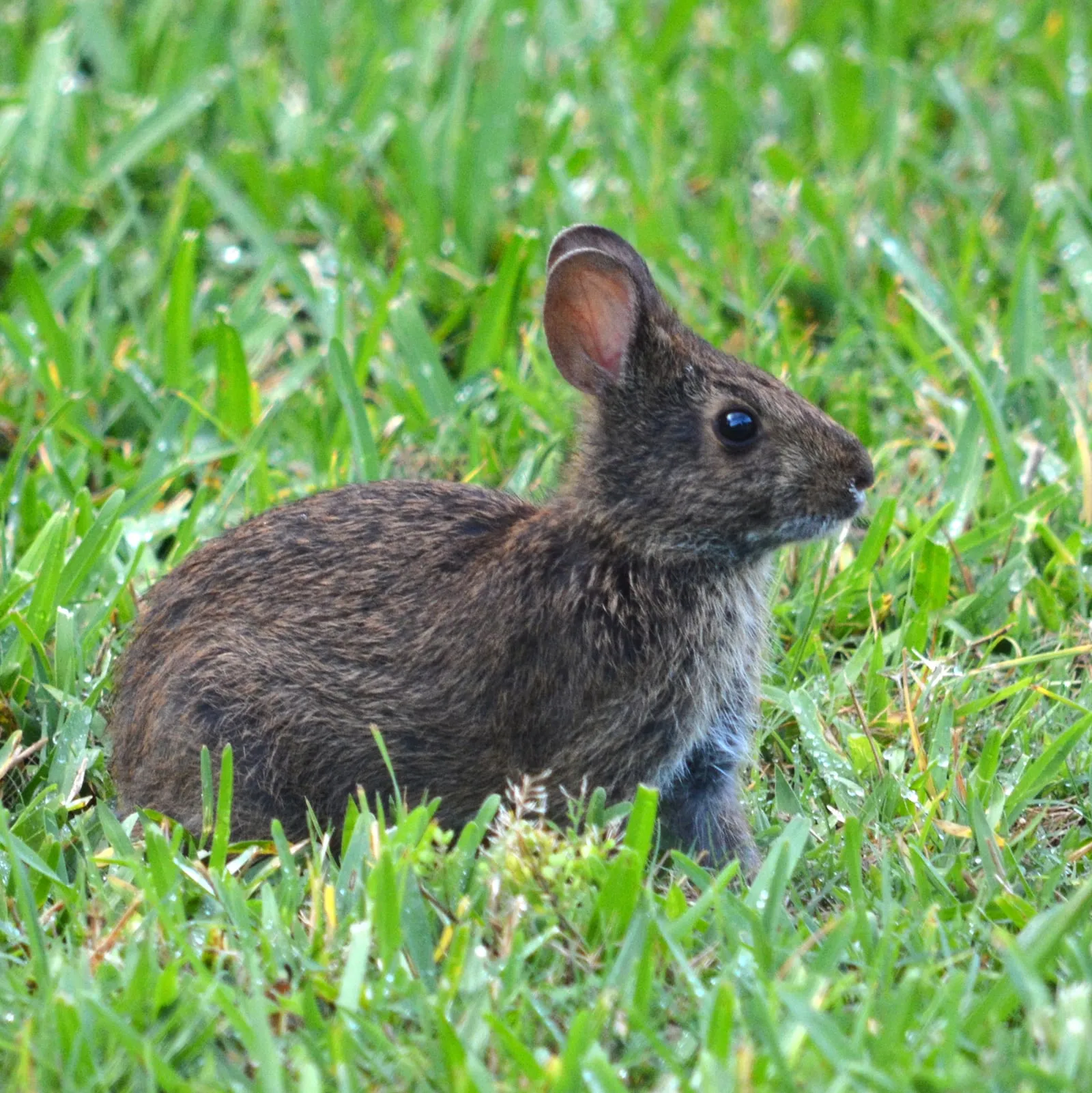
Sylvilagus and Lepus species
Cottontails and jackrabbits strip bark from young fruit trees in winter and graze tender garden vegetables year-round, especially seedlings.
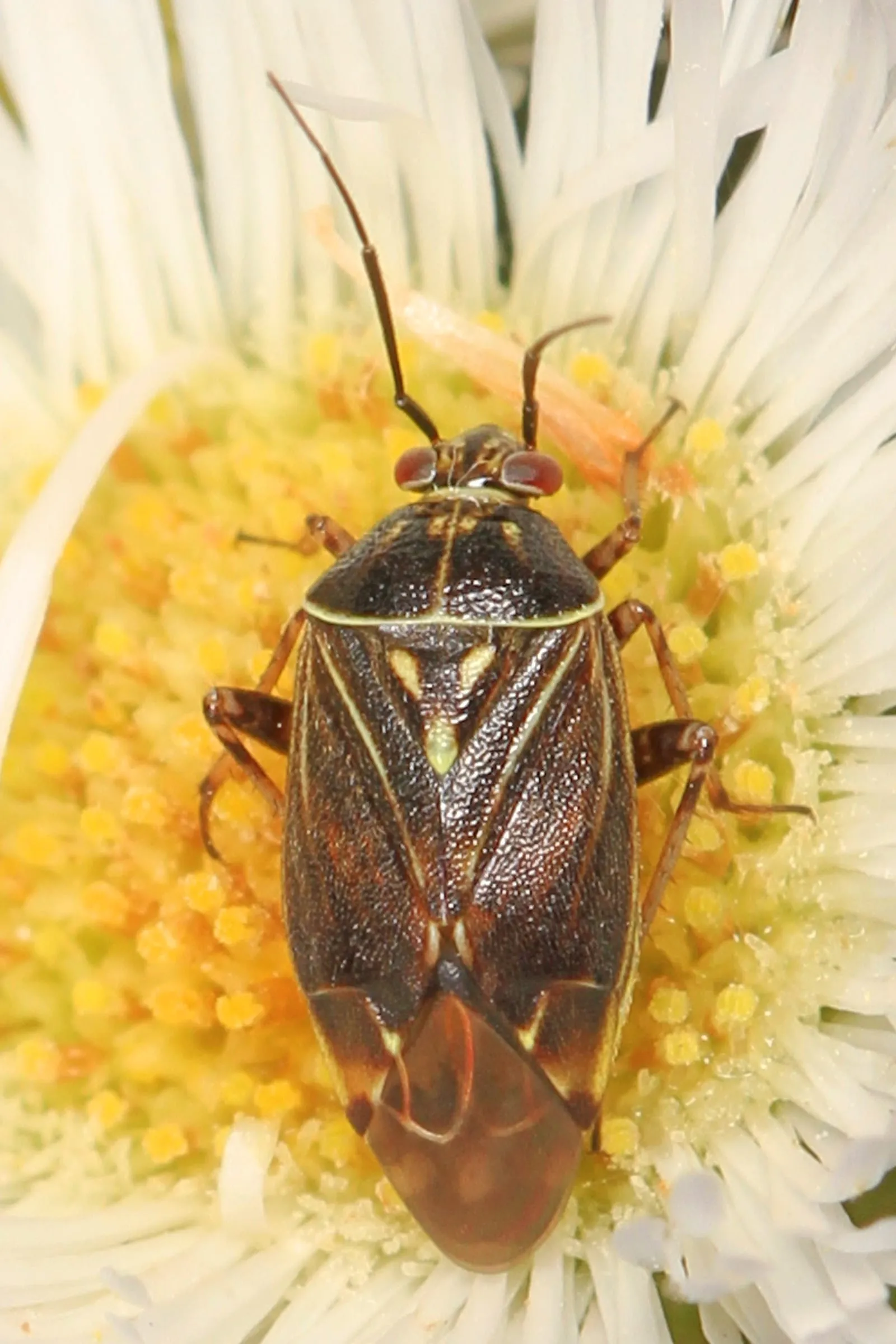
Lygus lineolaris
Mottled brown sucking bug that probes flower buds and developing fruit, causing 'cat-facing' deformities on tomato, peach, and strawberry. Wide host range and rapid generations.
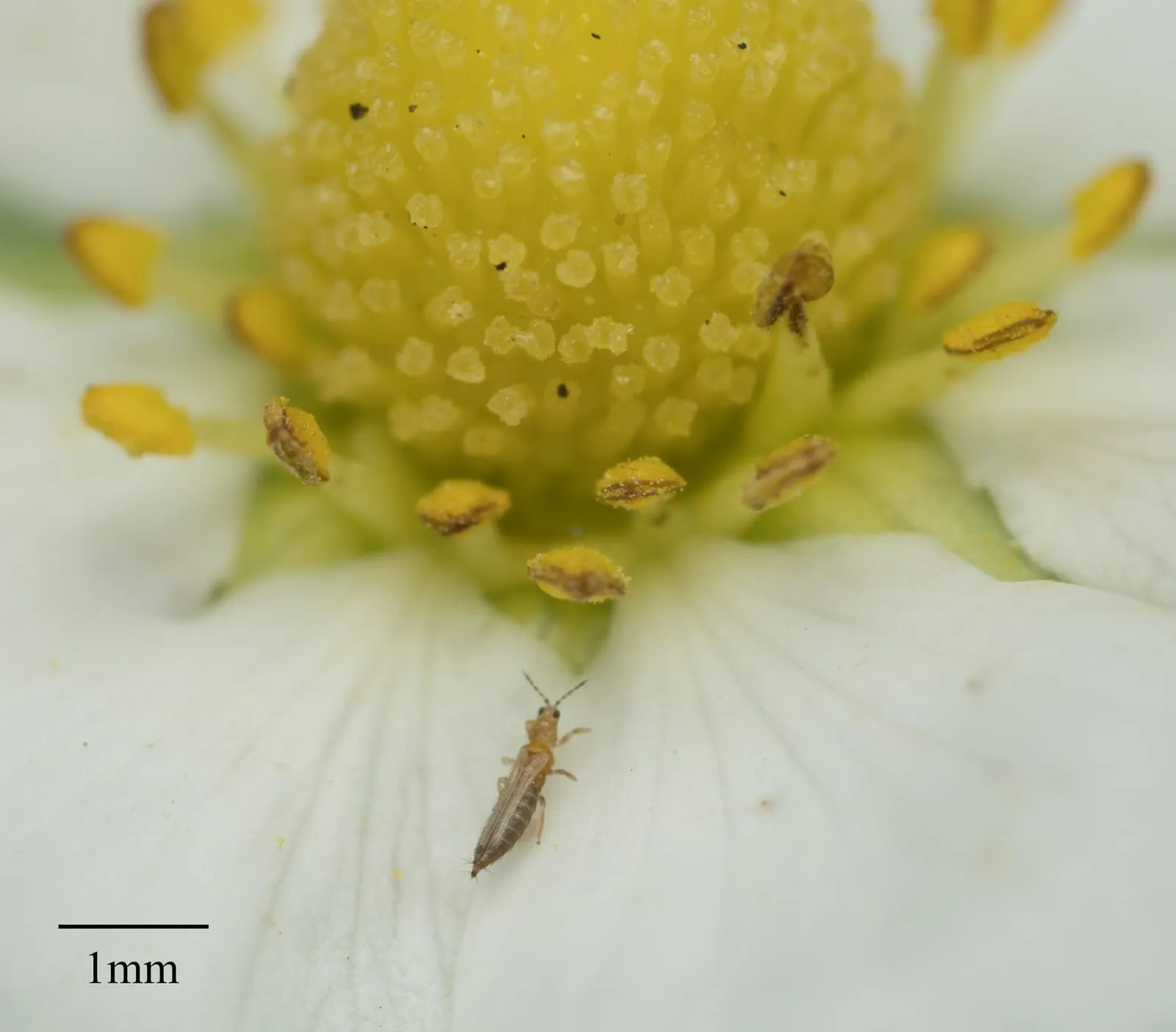
Frankliniella occidentalis
Tiny slender insect that rasps leaf and flower surfaces. The primary vector for Tomato Spotted Wilt Virus and Iris Yellow Spot Virus, which makes it more damaging through disease transmission than direct feeding.
Common challenges
Gray mold (Botrytis cinerea) is the most consistently damaging disease in home strawberry beds. It thrives during cool, wet weather at bloom and fruit set, precisely the period when June-bearing varieties are most exposed. The disease spreads rapidly through dense plantings with poor airflow. Adequate plant spacing, prompt removal of ripe and overripe fruit, and avoiding overhead irrigation during bloom reduce incidence. In persistently humid regions, preventive fungicide applications at early bloom may be warranted.
Late frost at bloom is the other recurring failure point. June-bearing varieties initiate flowering in response to lengthening days and warming temperatures, and strawberry flowers sustain lethal injury below 30F. A single hard frost event after bloom has opened can eliminate most of a season's crop. Row covers kept on hand for emergency deployment provide reliable protection at low cost. This risk is most acute in zones 4 through 6, where late spring frost events regularly extend into May.
In zones 3 and 4, winter crown injury is an additional concern. Exposed crowns can suffer lethal damage when temperatures drop below roughly 15F. Applying 3 to 4 inches of straw mulch after the ground has frozen in fall protects crowns through winter. Mulch should be removed gradually in spring as temperatures warm, not all at once, to prevent premature green-up during winter thaw periods. The Michigan State Strawberry Production guide recommends staged removal to balance frost protection with adequate air circulation.
Companion plants
Frequently asked questions
- How many chill hours do June-bearing strawberries require?
Most June-bearing varieties require 200 to 300 hours below 45F to break dormancy and initiate flower buds reliably. Cultivars like Earliglow, Honeoye, and Allstar satisfy this threshold across zones 3 through 7b. Growers in zones 8a and 8b should verify variety-specific chill requirements before planting; insufficient chilling leads to sparse flower bud formation and reduced fruit set.
- How many days does it take June-bearing strawberries to produce fruit?
Established plants produce ripe fruit 28 to 35 days after bloom opens. First-year plantings are typically deflowered to redirect energy into root and runner development, so the first full harvest comes in year two. Skipping deflowering in year one shortens the productive life of the bed.
- What USDA hardiness zones support June-bearing strawberries?
June-bearing strawberries are reliably productive in zones 3a through 8b. Cold-tolerant varieties like Honeoye are the standard choice in zones 3 and 4, where winter mulching is necessary to protect crowns. In zones 7b and 8, warming spring temperatures can compress the harvest window to as little as 10 to 14 days, and disease management during bloom requires more attention.
- Are June-bearing strawberries self-fertile?
Yes. Fragaria x ananassa is self-fertile and does not require a separate pollinator variety to set fruit. Bee activity during bloom, however, substantially improves fruit size and uniformity. Avoid pesticide applications that could harm pollinators while flowers are open.
- What is the most common disease affecting June-bearing strawberries?
Gray mold (Botrytis cinerea) is the most widespread disease problem, particularly in cool, humid springs. It attacks flowers, developing fruit, and foliage. Improving airflow through proper spacing and promptly removing infected or overripe fruit are the primary management strategies. Phytophthora root rot is the most damaging disease on poorly drained sites.
- How long does a June-bearing strawberry bed stay productive?
Most beds remain productive for 3 to 5 years before vigor declines and disease pressure builds enough to warrant replanting. Annual post-harvest renovation, which involves mowing foliage to about 1 inch, thinning the stand, and fertilizing, extends bed life. Replanting with certified disease-free stock every 4 to 5 years resets the cycle.
- How do June-bearing strawberries differ from everbearing varieties?
June-bearing types produce one large, concentrated crop triggered by day length in late spring or early summer. Everbearing and day-neutral types produce multiple smaller flushes across the season. June-bearing varieties generally produce larger berries and higher single-season yields per plant, making them the preferred choice for preservation and freezing.
+−
+−
+−
+−
+−
+−
+−
Sources
Image: "Starr 080103-1271 Fragaria x ananassa", by Forest & Kim Starr, via Wikimedia Commons, licensed under CC-BY. Source.

June-Bearing Strawberry by zone
Related