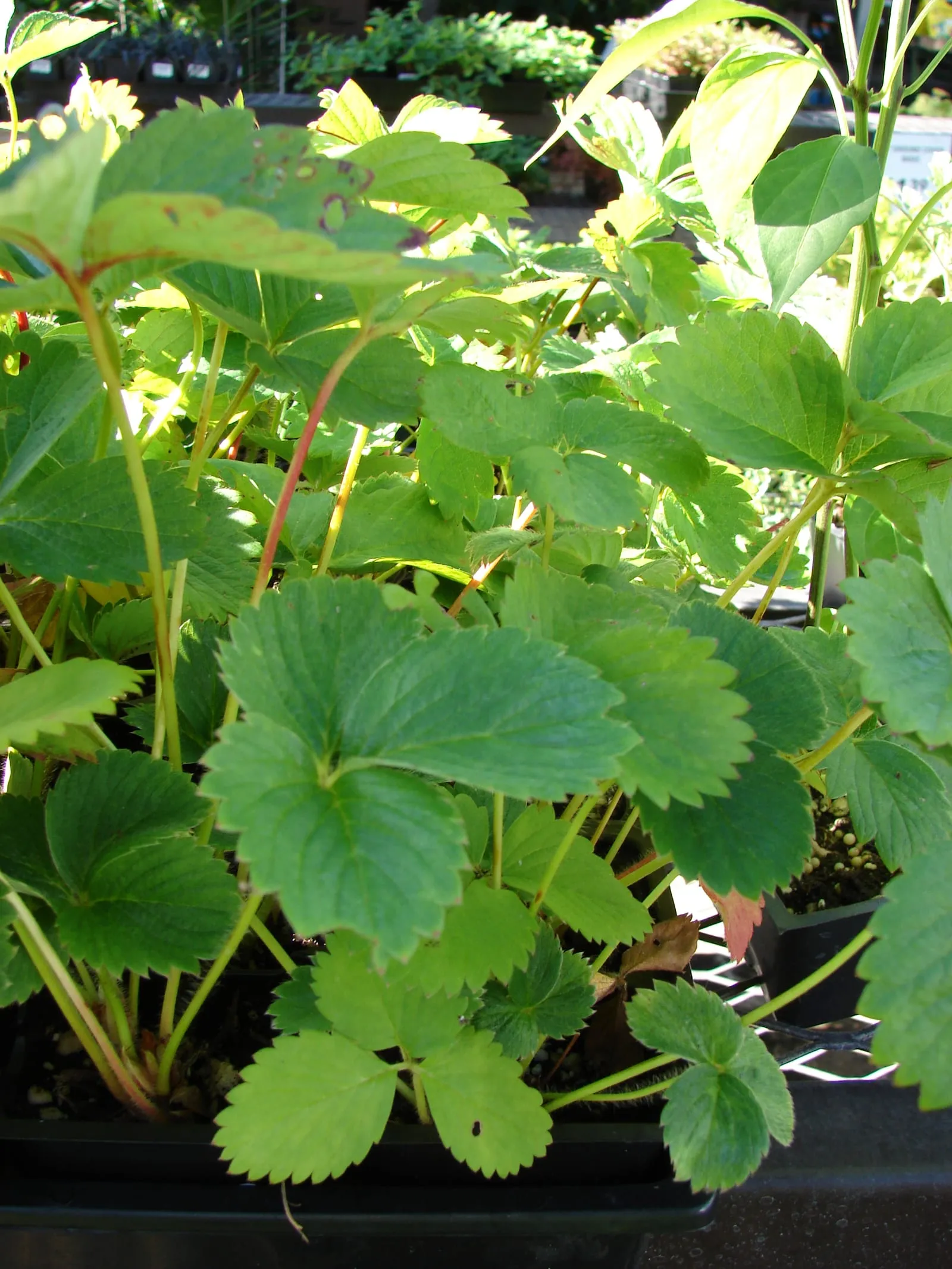
berry in zone 7b
Growing june-bearing strawberry in zone 7b
Fragaria x ananassa
- Zone
- 7b 5°F to 10°F
- Growing season
- 220 days
- Suitable varieties
- 1
- Days to harvest
- 28 to 35
The verdict
Zone 7b sits in the productive middle of the June-bearing strawberry range. Minimum winter temperatures of 5 to 10°F are cold enough to satisfy chilling requirements without the extended dormancy stress that shortens plant life in colder zones. Most seasons deliver 500 to 700 chilling hours (below 45°F), well above the 200 to 300 hours most June-bearing varieties need to set a full flower bud count.
Chandler, the variety with documented compatibility in this zone, was bred in California but has shown consistent performance across the mid-Atlantic and Piedmont South. The 220-day growing season is longer than the crop strictly needs, which means harvest completes while heat is still building rather than racing against it.
The main limiting factor in zone 7b is not cold or chill-hour deficit but disease pressure. The warm, humid shoulder seasons create favorable conditions for gray mold, anthracnose, and root rots. Growers who stay ahead of those issues will find this a productive zone for the crop.
Recommended varieties for zone 7b
1 cultivar suited to this zone, with disease-resistance and zone-fit annotations.
| Variety | Notes | Zone fit | Disease resistance |
|---|---|---|---|
| Chandler fits zone 7b | Sweet, large, deep red conical berries with rich flavor; fresh eating and shipping, the southern fresh-market standard. Annual planting in plasticulture. | | none noted |
Critical timing for zone 7b
In zone 7b, June-bearing strawberries typically break dormancy and begin flowering in mid-March to early April. The last spring frost falls between March 15 and April 5 across most of the zone, which means blooms and late frosts frequently overlap. A single hard frost at full bloom can cut the harvest in half.
Harvest runs from late April through late May in most years. Despite the name, June-bearing in zone 7b is more accurately a May-bearing crop. The bearing window lasts three to four weeks and then stops, distinguishing it clearly from everbearing types. Planting in late summer or early fall (August to September) the year before harvest is standard practice, giving crowns time to establish before winter dormancy.
Common challenges in zone 7b
- ▸ Cedar-apple rust pressure heavy in piedmont
- ▸ Japanese beetles
- ▸ Brown marmorated stink bug
- ▸ Late summer disease pressure
Disease pressure to watch for
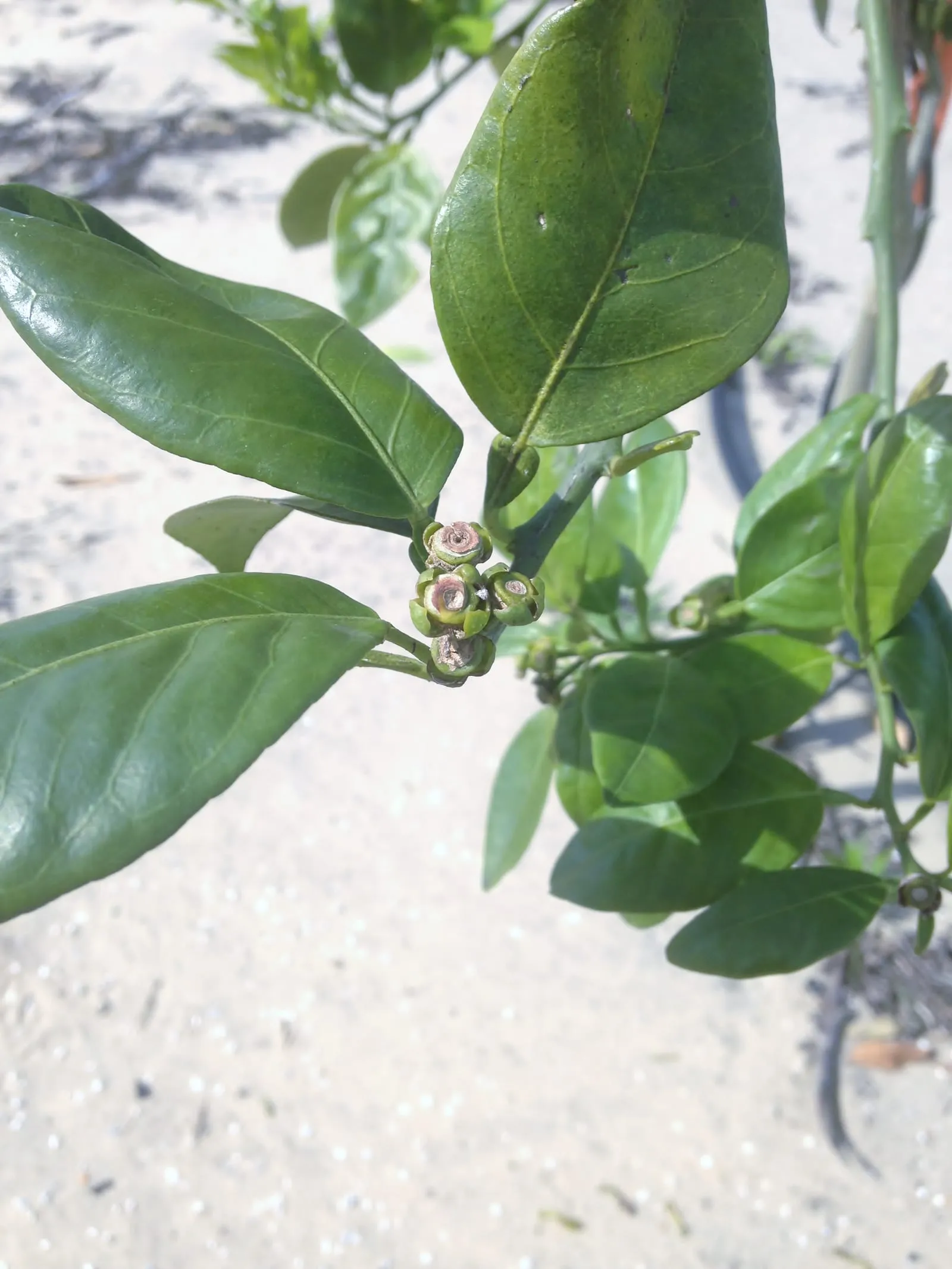
Colletotrichum acutatum
Aggressive fungal disease that causes fruit rot, crown rot, and runner lesions in strawberries, devastating during warm wet weather.
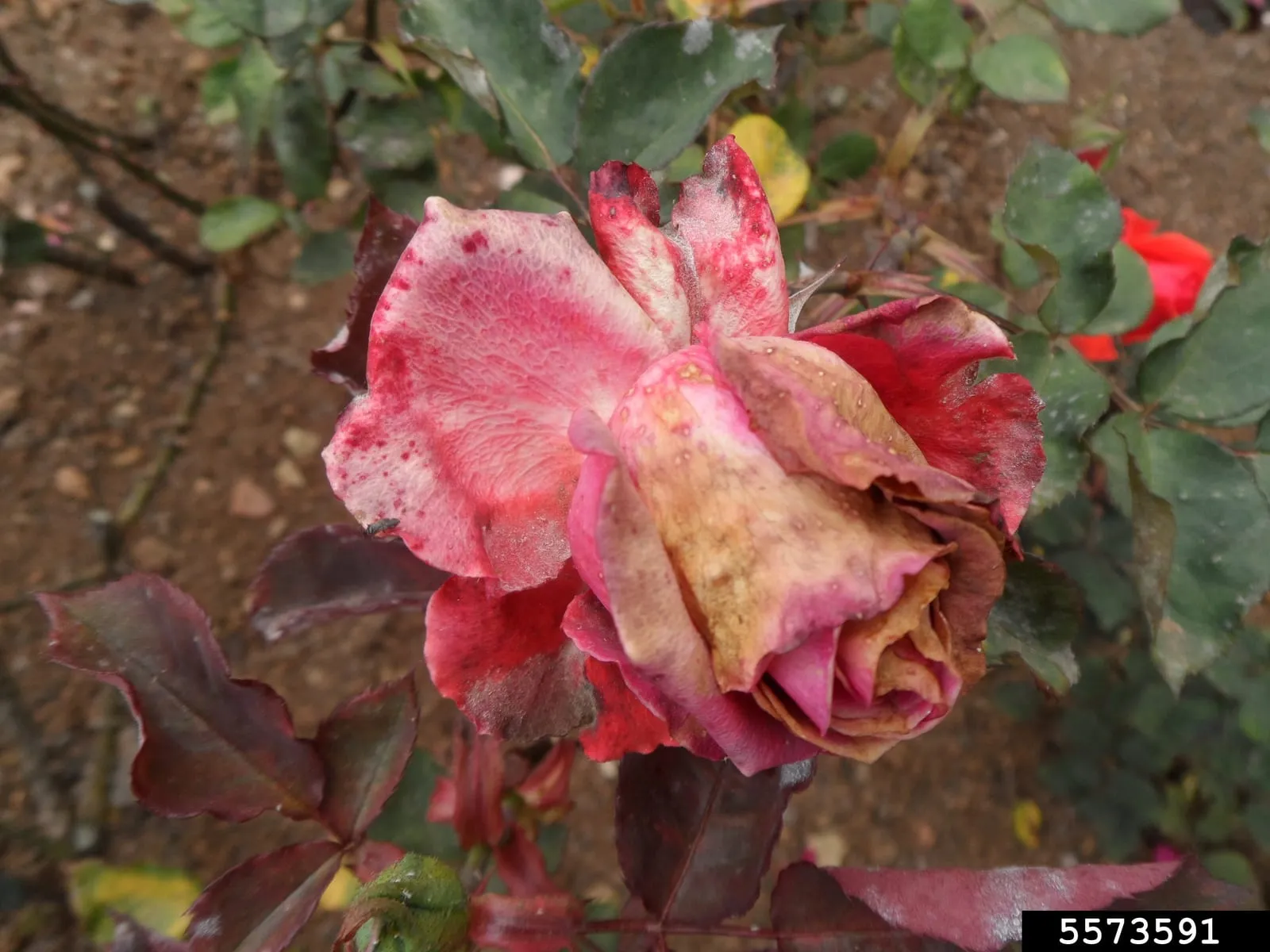
Botrytis cinerea
Ubiquitous fungal disease that causes fruit rot during cool wet weather, often the dominant berry disease in humid regions.
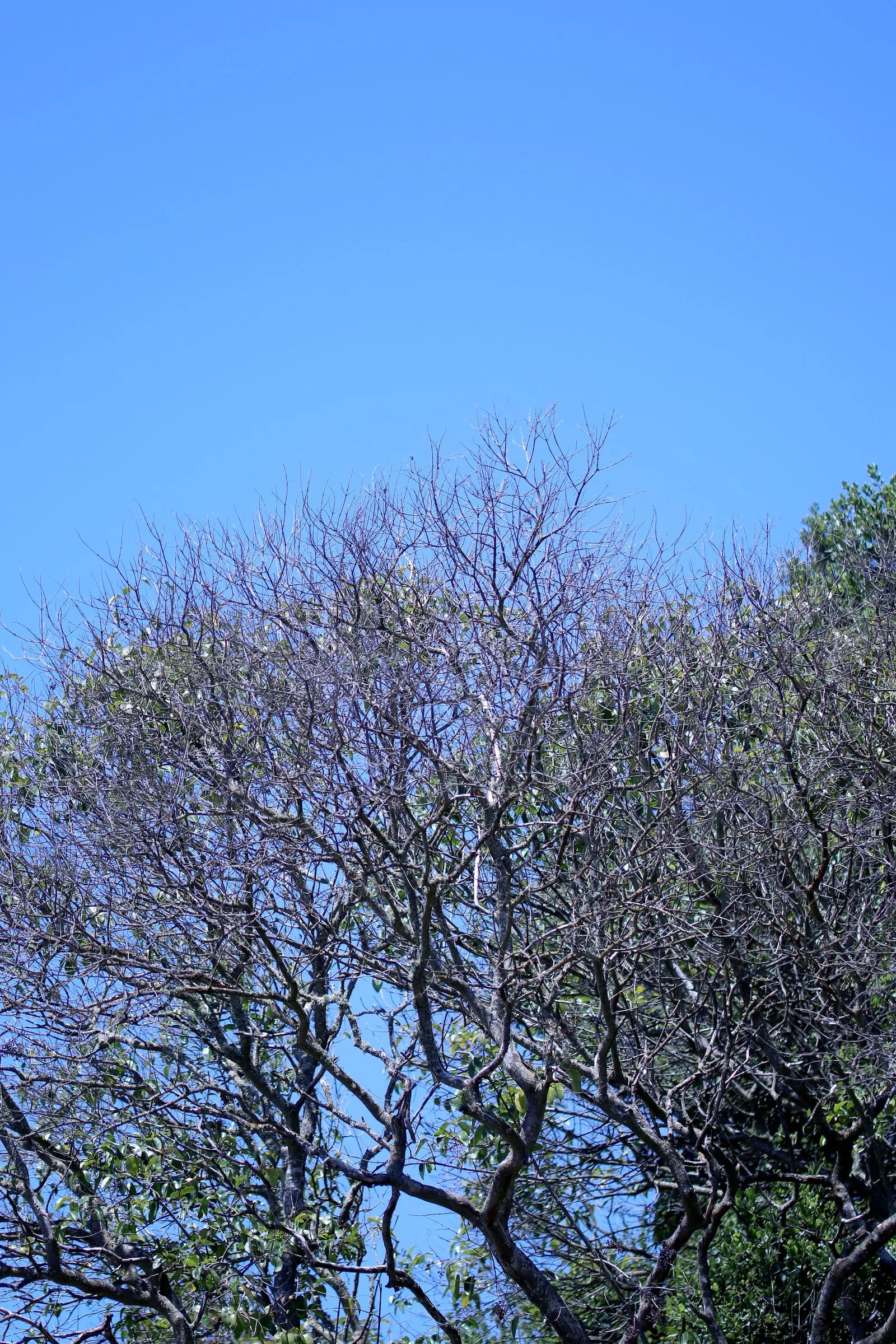
Phytophthora species
Soil-borne water mold that destroys roots in waterlogged soils, the leading cause of blueberry decline in poorly drained sites.
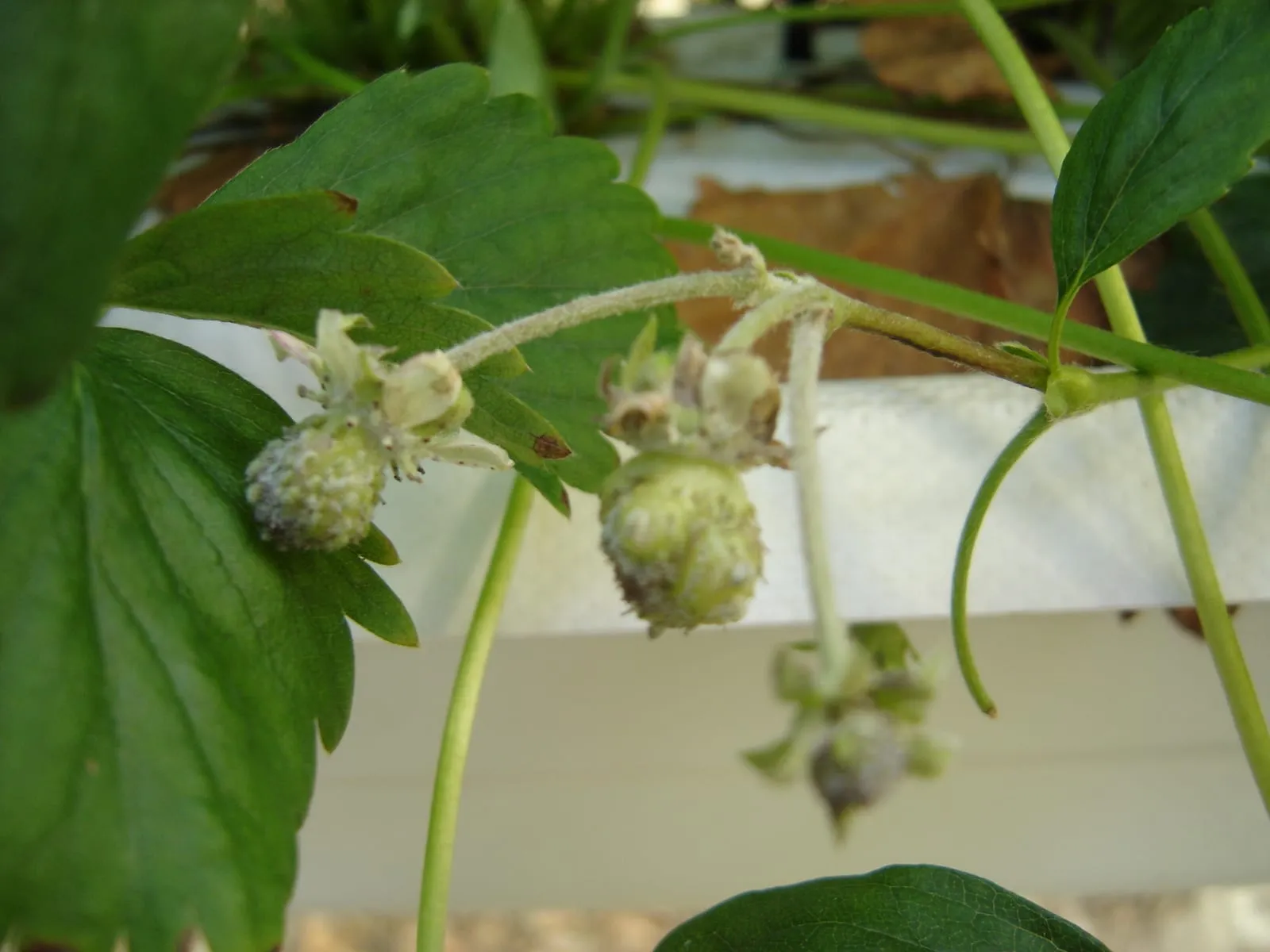
Podosphaera and Sphaerotheca species
Surface-feeding fungal disease producing white powdery growth on leaves and fruit, particularly damaging on gooseberries.
Phytophthora fragariae
Soil-borne water mold that destroys strawberry roots in wet cool springs, characterized by red discoloration in the root core.
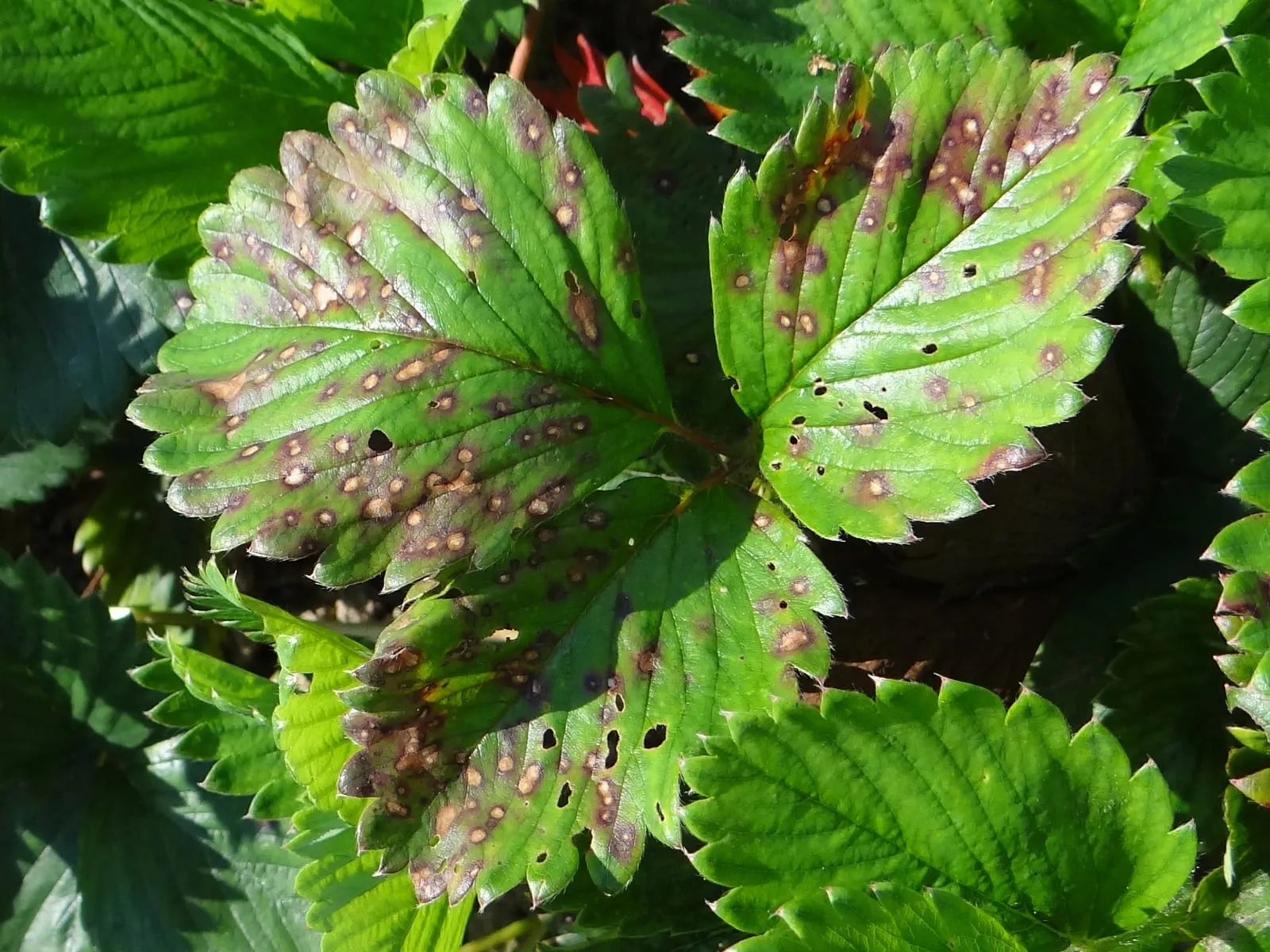
Mycosphaerella fragariae
Common fungal disease producing characteristic small purple spots with white centers on strawberry leaves.
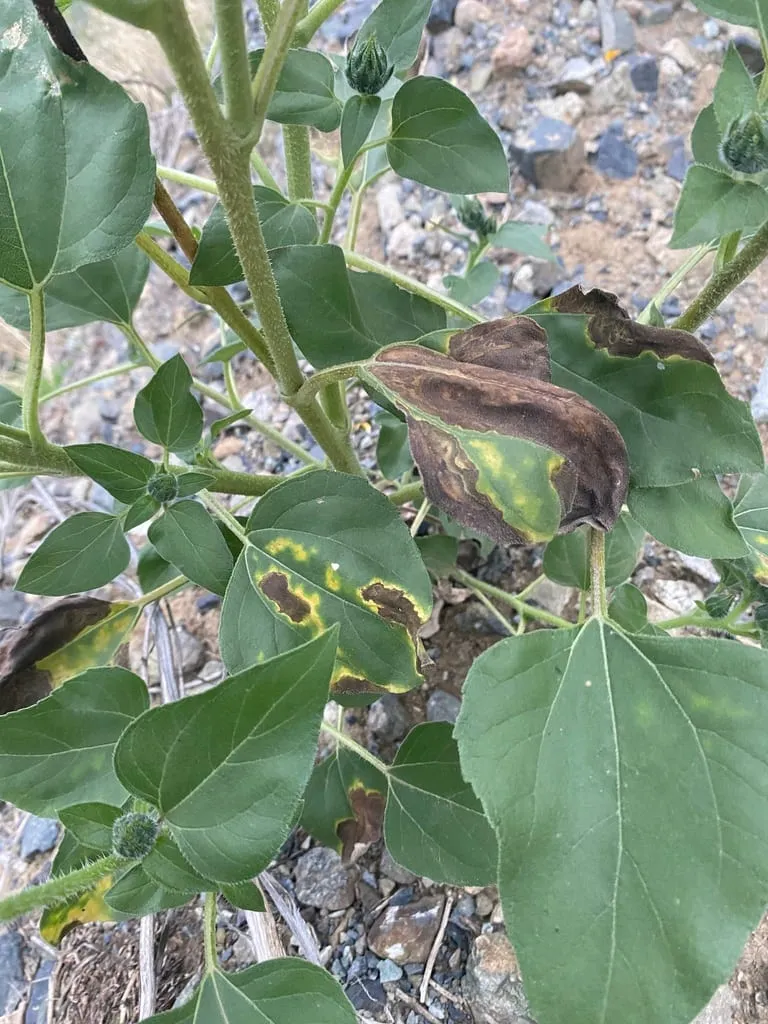
Verticillium dahliae
Soil-borne fungal disease similar to fusarium wilt but with broader host range and cooler temperature optimum. Persists in soil for 10+ years.
Modified care for zone 7b
The primary adjustments in zone 7b are disease management and late-frost protection. Gray mold and anthracnose thrive in warm, wet spring conditions; spacing plants for air circulation and avoiding overhead irrigation during the bearing period reduce infection rates meaningfully. Phytophthora root rot is a persistent risk in heavier soils with poor drainage, so raised beds or well-amended planting sites are worth the setup cost.
Japanese beetles arrive in late June and July, after harvest ends, but they damage foliage and weaken crowns heading into summer renovation. Brown marmorated stink bugs can pierce fruit directly during the late bearing period. Row cover or lightweight fabric over the bed during forecast frost events protects open blooms without requiring permanent structures.
Summer heat after renovation is harder on plants in zone 7b than in cooler parts of the range. Consistent irrigation through August keeps crowns from going into fall drought-stressed.
June-Bearing Strawberry in adjacent zones
Image: "Starr 080103-1271 Fragaria x ananassa", by Forest & Kim Starr, via Wikimedia Commons, licensed under CC-BY Source.

Related