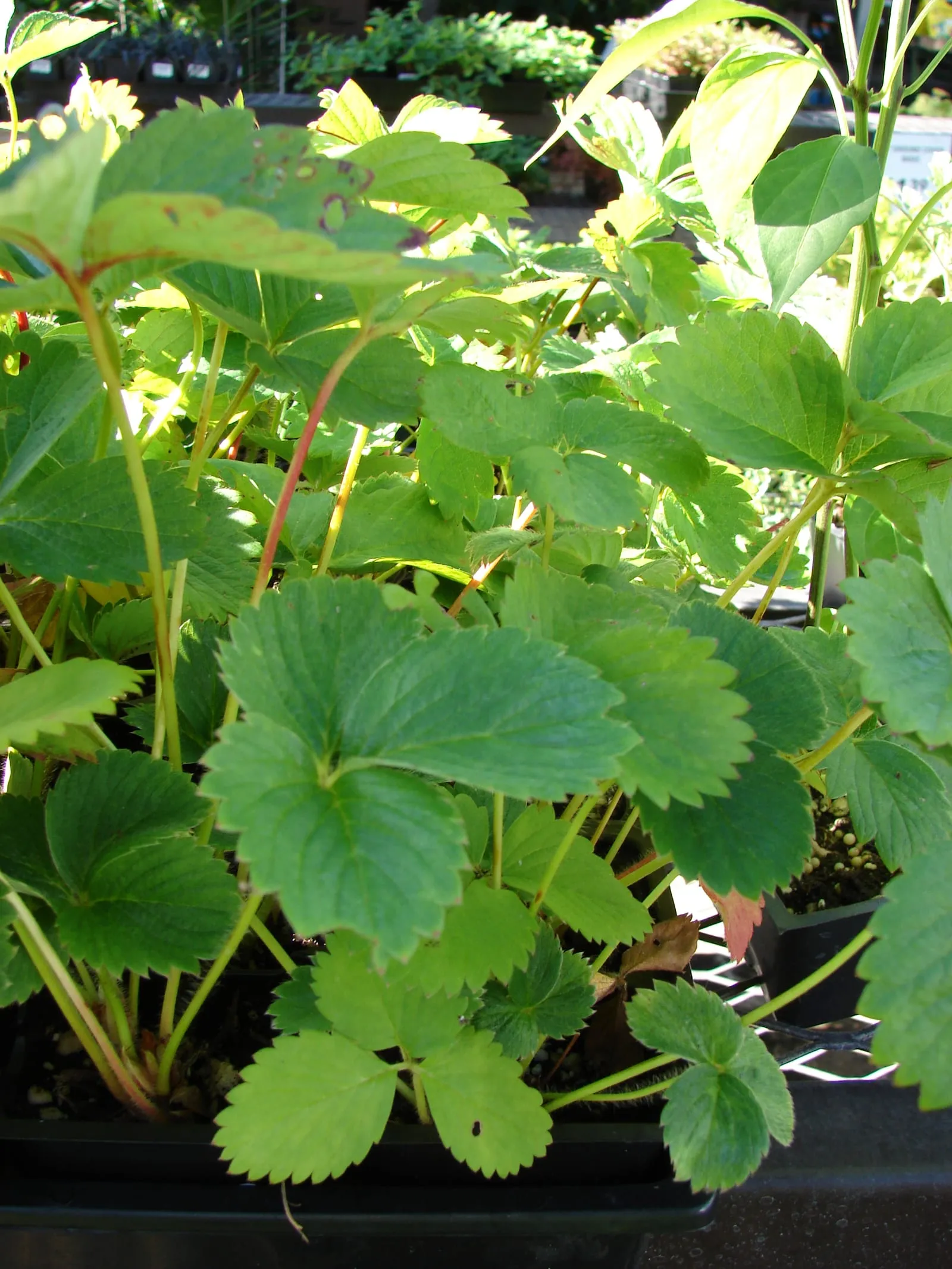
berry in zone 7a
Growing june-bearing strawberry in zone 7a
Fragaria x ananassa
- Zone
- 7a 0°F to 5°F
- Growing season
- 210 days
- Suitable varieties
- 4
- Days to harvest
- 28 to 35
The verdict
Zone 7a is a reliable fit for June-bearing strawberries, not a marginal one. These varieties require roughly 200 to 300 chill hours (hours with temperatures below 45°F) to break dormancy properly and set a full flower crop. Zone 7a winters, with minimum temperatures between 0°F and 5°F and sustained cool periods from December through February, deliver those chill hours consistently without the prolonged hard freezes that damage crowns in colder zones.
The 210-day growing season gives ample time from green-up through the harvest window and into runner production for bed renovation. Where zone 7a growers do face pressure is on the disease side: high summer humidity, warm nights, and wet springs create favorable conditions for anthracnose, gray mold, and root rot. Variety selection matters here. Earliglow, Allstar, Jewel, and Chandler all perform well in zone 7a, with Earliglow ripening earliest and offering reasonable disease tolerance for the region.
Recommended varieties for zone 7a
4 cultivars suited to this zone, with disease-resistance and zone-fit annotations.
| Variety | Notes | Zone fit | Disease resistance |
|---|---|---|---|
| Earliglow fits zone 7a | Intensely sweet, classic strawberry flavor; the gold-standard early-season variety for fresh eating, jam, freezing. Smaller berries but unmatched flavor. Disease-resistant. | |
|
| Allstar fits zone 7a | Sweet, mild, large pale-red berries with firm flesh; fresh, freezing, baking. Mid-season, vigorous, disease-resistant. Reliable home-garden producer. | |
|
| Jewel fits zone 7a | Sweet, juicy, large glossy red berries with classic dessert flavor; fresh eating premium, also good for freezing. Mid-late season, productive. | | none noted |
| Chandler fits zone 7a | Sweet, large, deep red conical berries with rich flavor; fresh eating and shipping, the southern fresh-market standard. Annual planting in plasticulture. | | none noted |
Critical timing for zone 7a
Bloom in zone 7a typically begins in late March and runs into mid-April, depending on winter warmth accumulation and variety. Earliglow tends to open earliest; Allstar and Jewel follow by a week or more. Harvest for early varieties starts around late April, with the main flush running through May and tapering into early June.
The bloom window intersects with late frost risk in zone 7a, where average last frost falls between March 15 and April 1 in most locations. A cold snap during full bloom can cause misshapen "cat-faced" berries or outright fruit loss. Row covers held in reserve for forecast frost nights below 28°F during bloom are a reasonable precaution rather than an optional measure in this zone.
Common challenges in zone 7a
- ▸ Cedar-apple rust
- ▸ Brown rot
- ▸ Fire blight
- ▸ High humidity disease pressure
Disease pressure to watch for
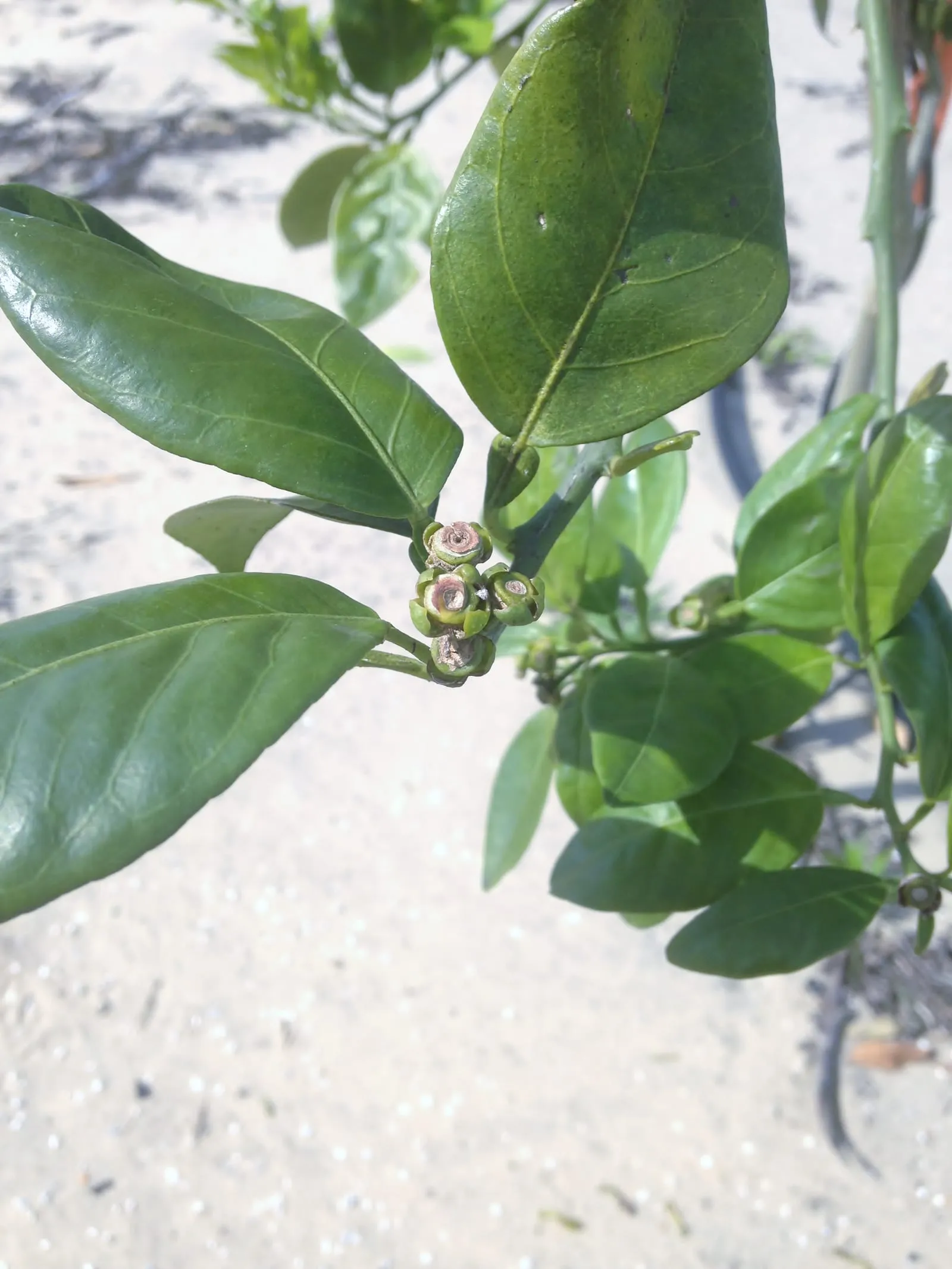
Colletotrichum acutatum
Aggressive fungal disease that causes fruit rot, crown rot, and runner lesions in strawberries, devastating during warm wet weather.
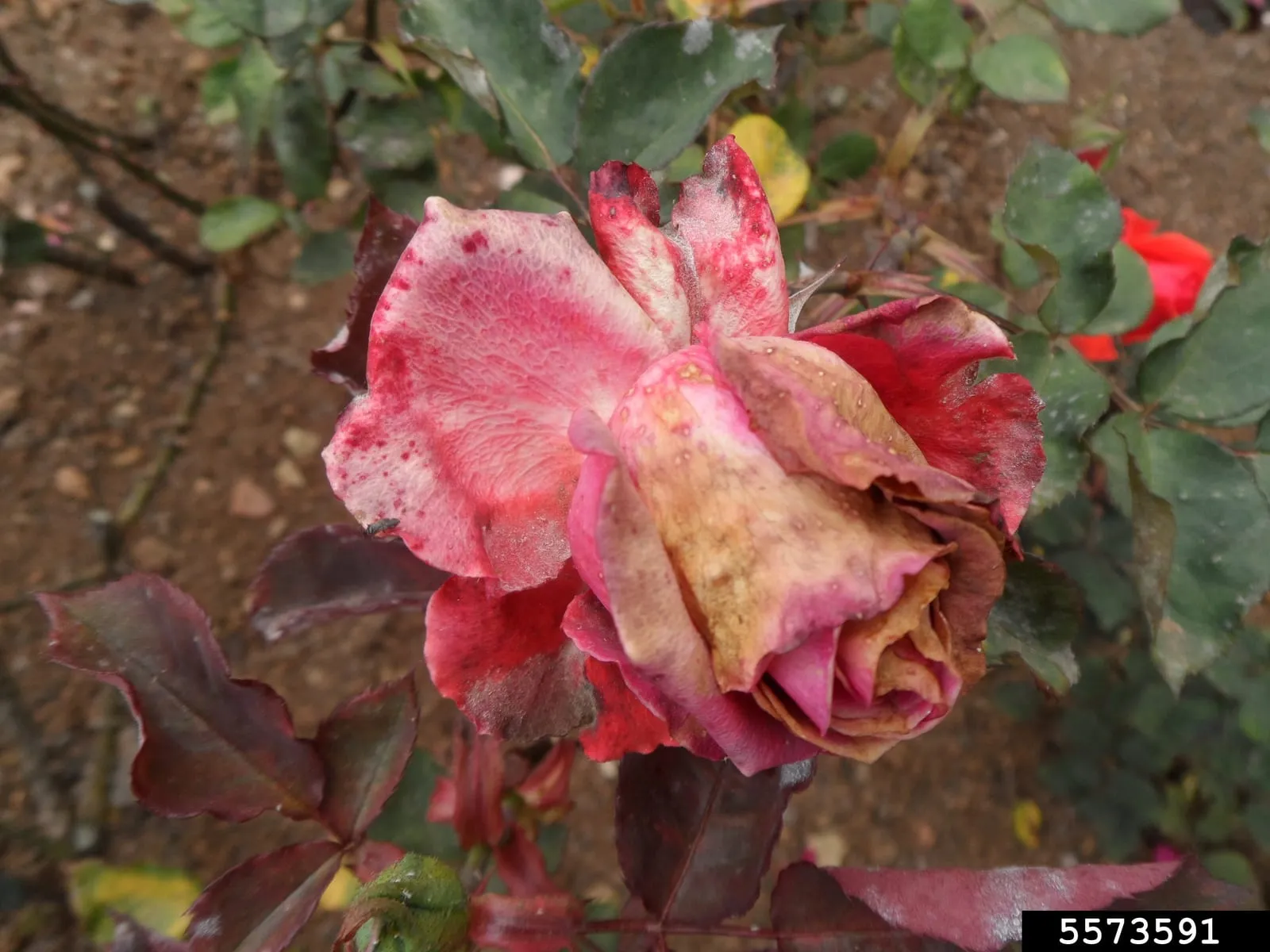
Botrytis cinerea
Ubiquitous fungal disease that causes fruit rot during cool wet weather, often the dominant berry disease in humid regions.
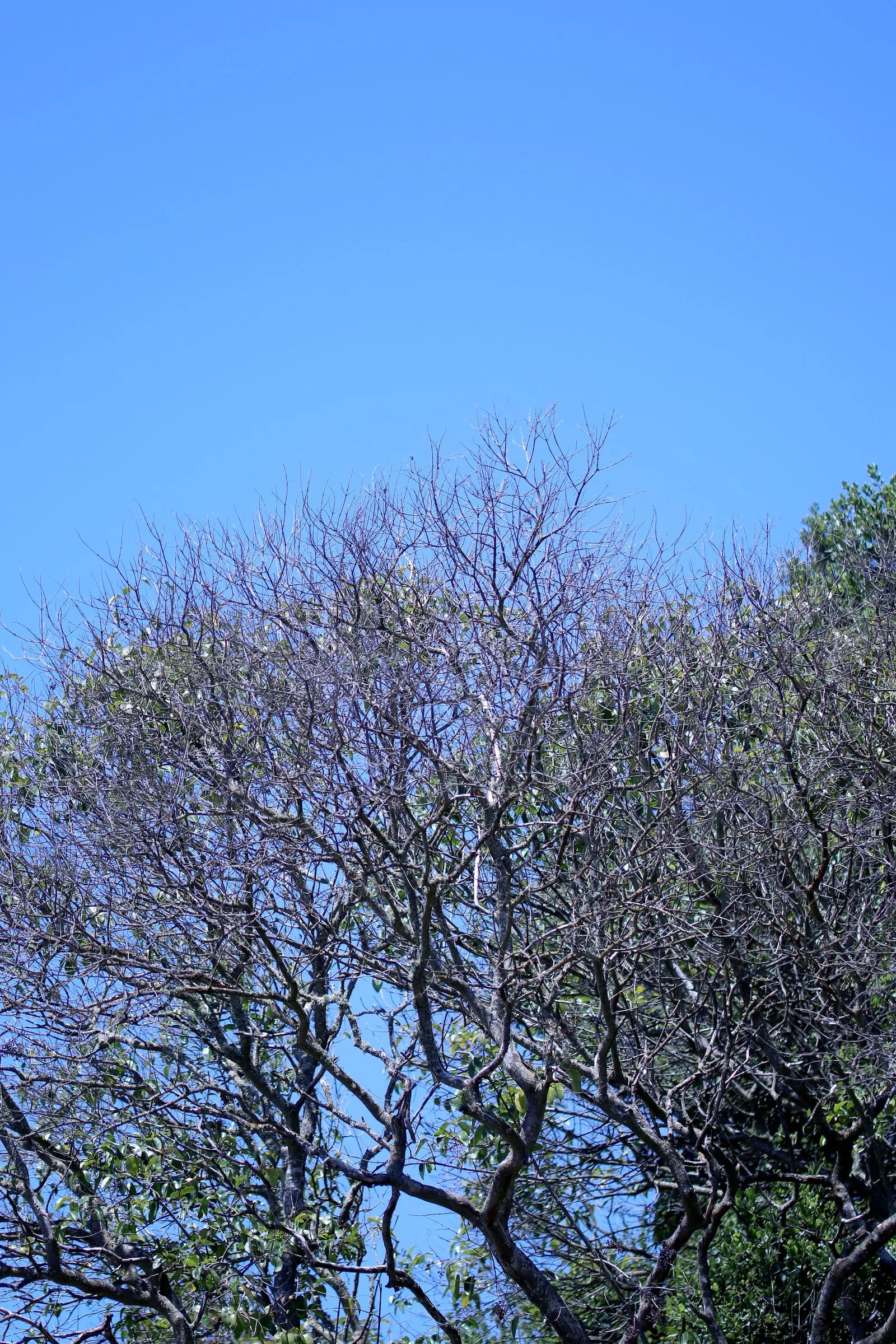
Phytophthora species
Soil-borne water mold that destroys roots in waterlogged soils, the leading cause of blueberry decline in poorly drained sites.
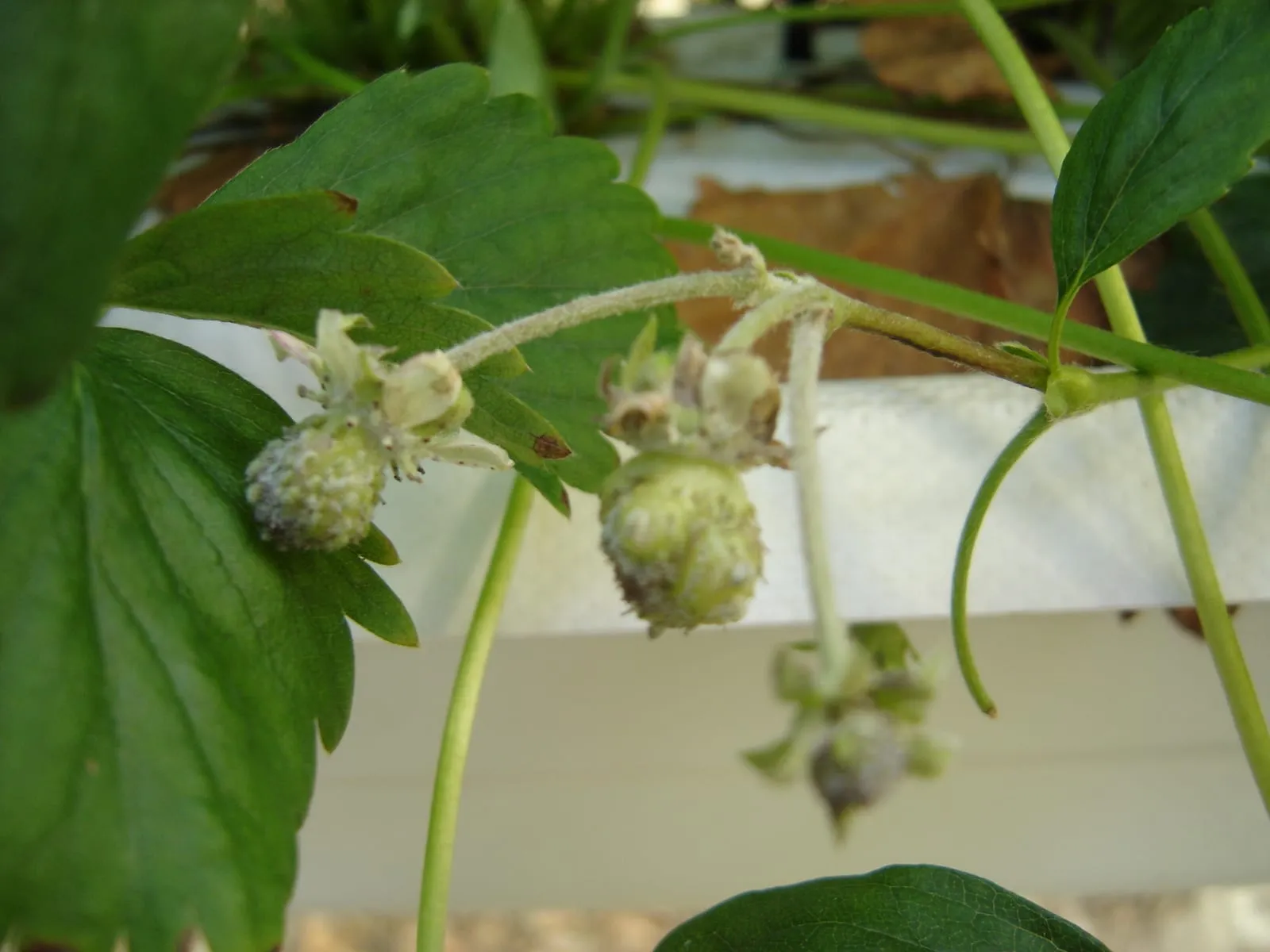
Podosphaera and Sphaerotheca species
Surface-feeding fungal disease producing white powdery growth on leaves and fruit, particularly damaging on gooseberries.
Phytophthora fragariae
Soil-borne water mold that destroys strawberry roots in wet cool springs, characterized by red discoloration in the root core.
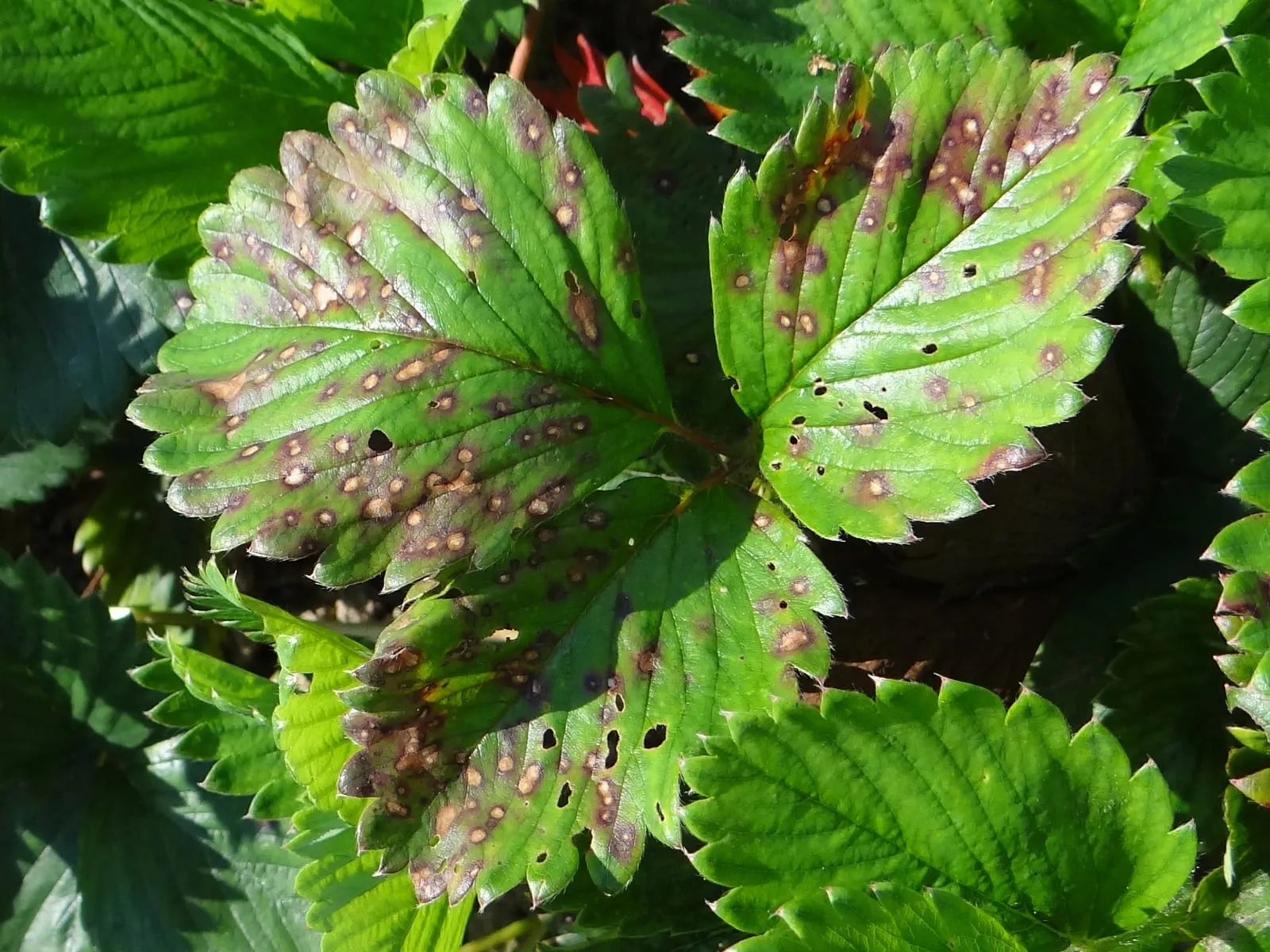
Mycosphaerella fragariae
Common fungal disease producing characteristic small purple spots with white centers on strawberry leaves.
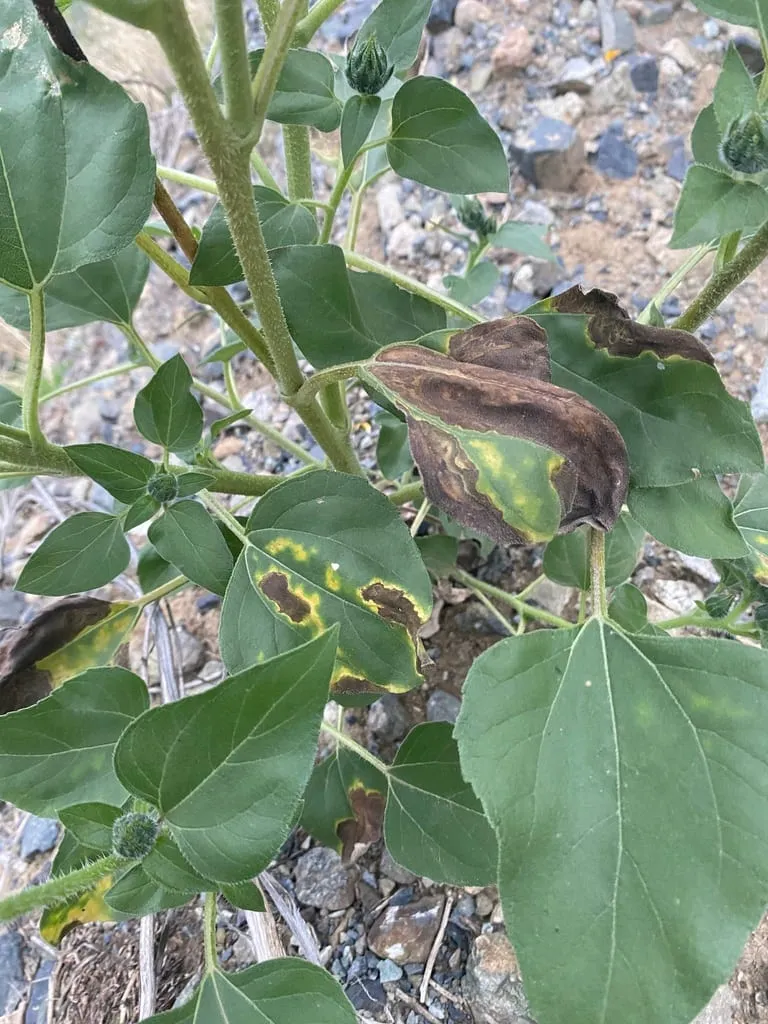
Verticillium dahliae
Soil-borne fungal disease similar to fusarium wilt but with broader host range and cooler temperature optimum. Persists in soil for 10+ years.
Modified care for zone 7a
The primary adjustment in zone 7a is disease management intensity. Gray mold (Botrytis) and strawberry anthracnose both thrive in warm, humid conditions common from bloom through harvest. Straw mulch under the canopy reduces soil splash onto fruit and limits botrytis inoculum on overwintered debris. Spacing rows for airflow matters more here than in drier climates.
Phytophthora root rot is a concern in any zone 7a planting on poorly drained or heavy clay soils. Raised beds or well-amended sites with good drainage are worth the extra preparation. Winter crown protection with straw mulch applied after the first hard frost (below 20°F) guards against freeze-thaw heaving, which is more damaging than the cold itself in this zone. Pull the mulch back in early March before growth resumes to avoid delaying green-up.
Frequently asked questions
- Do June-bearing strawberries get enough chill hours in zone 7a?
Yes. Zone 7a winters reliably accumulate the 200 to 300 chill hours that June-bearing varieties need. Inadequate chilling is a concern in zones 8 and warmer, not in zone 7a, where most winters deliver sufficient cold between December and February.
- Which June-bearing variety handles zone 7a disease pressure best?
Earliglow is frequently cited for good disease tolerance and early ripening, which gets fruit off the plant before peak humidity in May. Allstar also performs well. Chandler produces large, flavorful fruit but is more susceptible to anthracnose under wet conditions.
- Should zone 7a growers mulch strawberries for winter?
Yes, but the purpose in zone 7a is primarily to prevent freeze-thaw heaving rather than to protect against extreme cold. Apply straw after the first hard frost, remove it in early March, and leave it between rows as a weed and splash barrier through the growing season.
- Is late frost a serious risk during strawberry bloom in zone 7a?
It is a realistic risk. Average last frost in zone 7a falls around late March to early April, which overlaps with bloom for early varieties like Earliglow. Temperatures below 28°F during open bloom cause fruit damage. Row covers are the standard mitigation for forecast frost nights.
+−
+−
+−
+−
June-Bearing Strawberry in adjacent zones
Image: "Starr 080103-1271 Fragaria x ananassa", by Forest & Kim Starr, via Wikimedia Commons, licensed under CC-BY Source.

Related