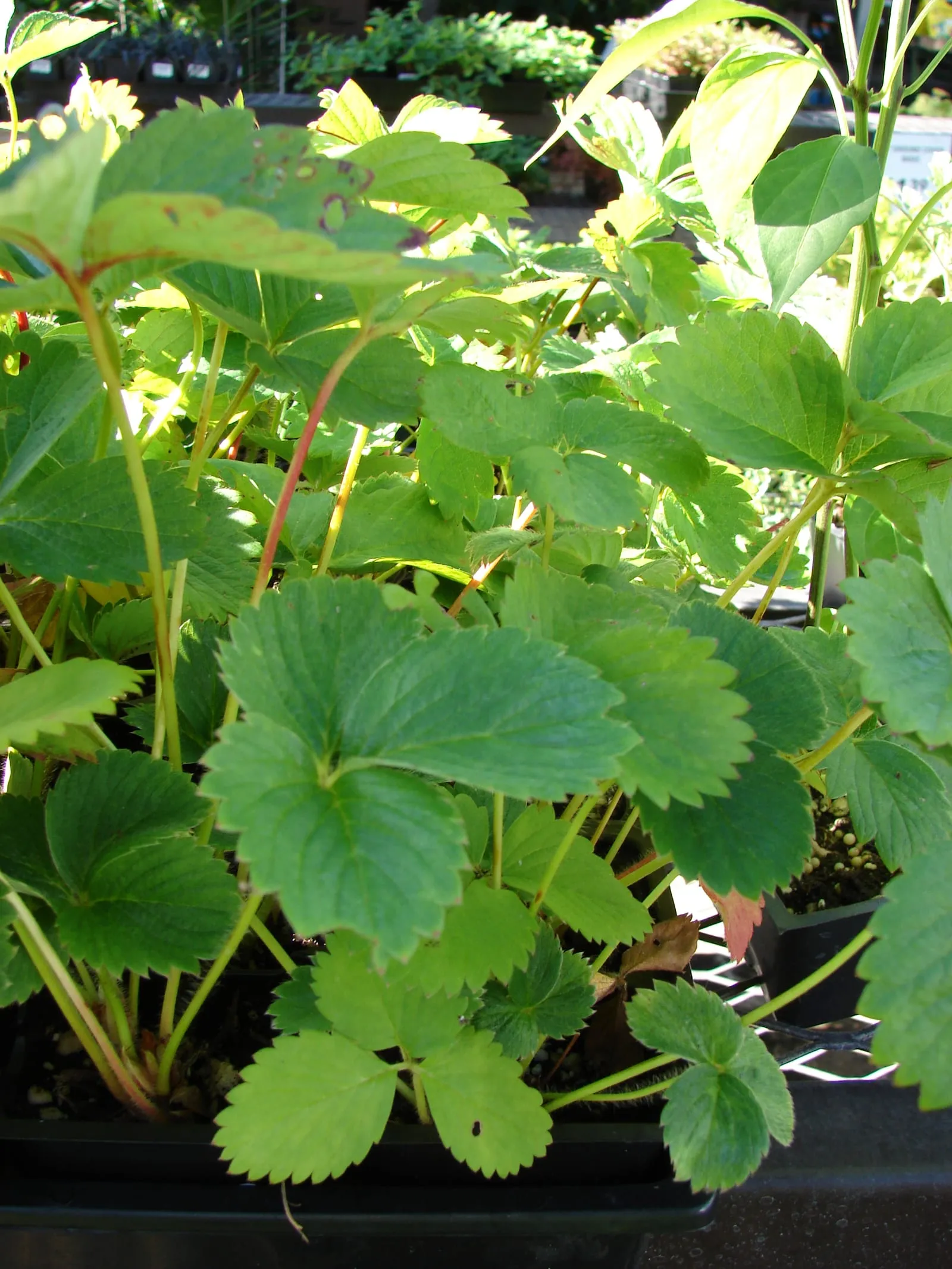
berry in zone 6b
Growing june-bearing strawberry in zone 6b
Fragaria x ananassa
- Zone
- 6b -5°F to 0°F
- Growing season
- 190 days
- Suitable varieties
- 5
- Days to harvest
- 28 to 35
The verdict
Zone 6b sits squarely in the sweet spot for june-bearing strawberry production. The crop requires somewhere between 200 and 400 chilling hours below 45°F depending on variety, and zone 6b winters deliver that comfortably across most of the region. The 190-day growing season leaves ample time for the plant to establish, bloom, set fruit, and build root reserves before fall dormancy.
Varieties like Earliglow, Allstar, Honeoye, Jewel, and Chandler were largely developed with mid-Atlantic and upper Midwest climates in mind, making them reliable performers in this zone rather than marginal bets. Winter lows in the -5 to 0°F range can stress unprotected crowns but rarely threaten well-mulched plantings. This is not a zone where the grower is fighting the climate; the primary challenges here are pest and disease management rather than climate suitability.
Recommended varieties for zone 6b
5 cultivars suited to this zone, with disease-resistance and zone-fit annotations.
| Variety | Notes | Zone fit | Disease resistance |
|---|---|---|---|
| Earliglow fits zone 6b | Intensely sweet, classic strawberry flavor; the gold-standard early-season variety for fresh eating, jam, freezing. Smaller berries but unmatched flavor. Disease-resistant. | |
|
| Allstar fits zone 6b | Sweet, mild, large pale-red berries with firm flesh; fresh, freezing, baking. Mid-season, vigorous, disease-resistant. Reliable home-garden producer. | |
|
| Honeoye fits zone 6b | Sweet-tart, firm, bright red large berries; fresh, freezing, jam. Mid-season, very productive, cold-hardy. The northern home-garden standard. | | none noted |
| Jewel fits zone 6b | Sweet, juicy, large glossy red berries with classic dessert flavor; fresh eating premium, also good for freezing. Mid-late season, productive. | | none noted |
| Chandler fits zone 6b | Sweet, large, deep red conical berries with rich flavor; fresh eating and shipping, the southern fresh-market standard. Annual planting in plasticulture. | | none noted |
Critical timing for zone 6b
In zone 6b, june-bearing strawberries typically bloom from late April through early May, depending on site elevation and local microclimate. The last frost date across much of zone 6b falls between April 10 and April 25, which creates a genuine overlap risk with early blooms. A late frost event during open bloom can wipe out the entire season's crop on low-lying sites or in years when warm spells pull bloom forward early.
Harvest runs from late May through late June, with the window typically lasting three to four weeks for any given planting. Earlier varieties like Earliglow can ripen before Memorial Day in warmer parts of the zone. The concentrated harvest window is a management asset but also compresses the labor demand, which is worth planning around in larger plantings.
Common challenges in zone 6b
- ▸ Cedar-apple rust
- ▸ Fire blight
- ▸ Stink bugs
Disease pressure to watch for
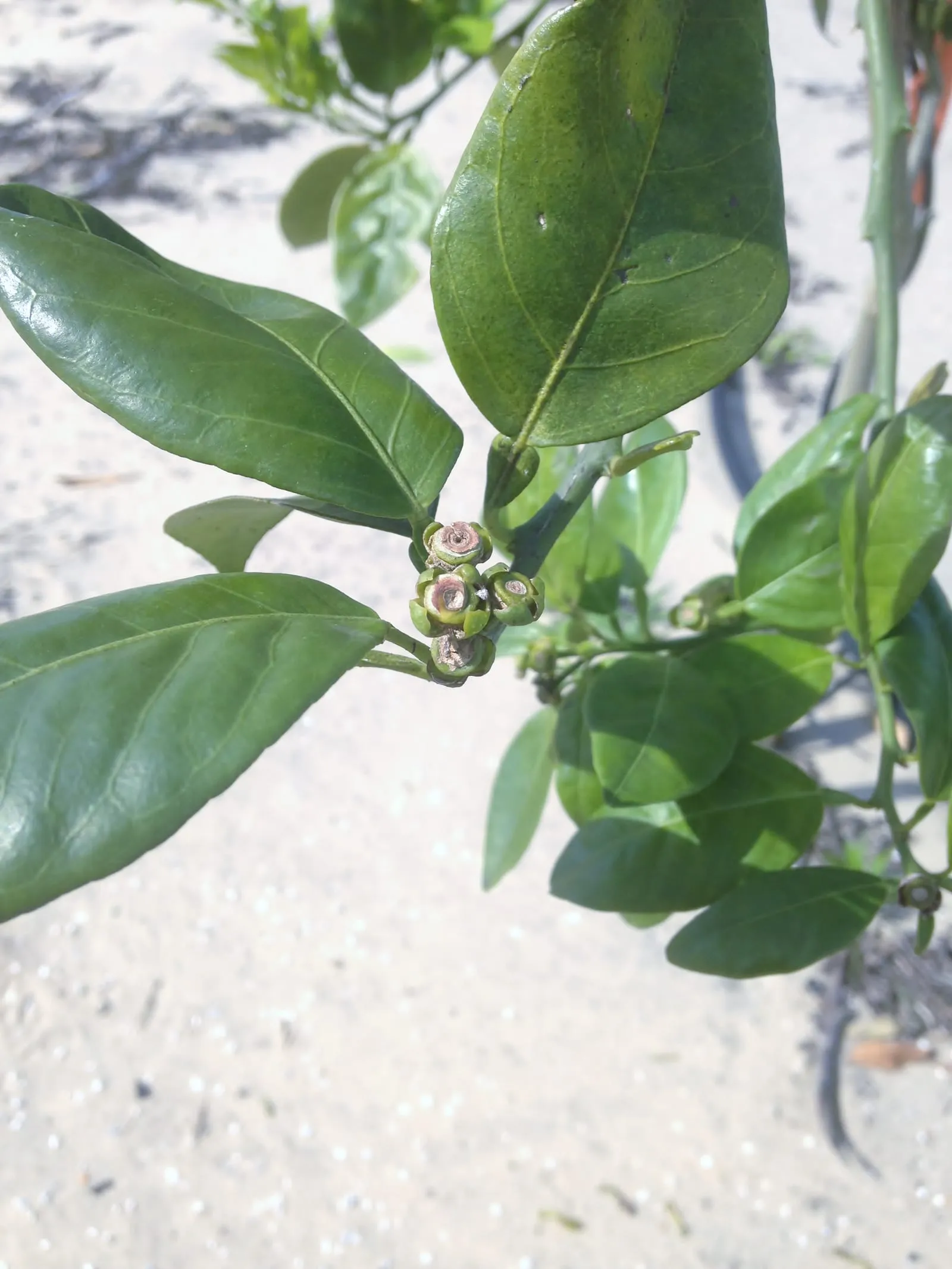
Colletotrichum acutatum
Aggressive fungal disease that causes fruit rot, crown rot, and runner lesions in strawberries, devastating during warm wet weather.
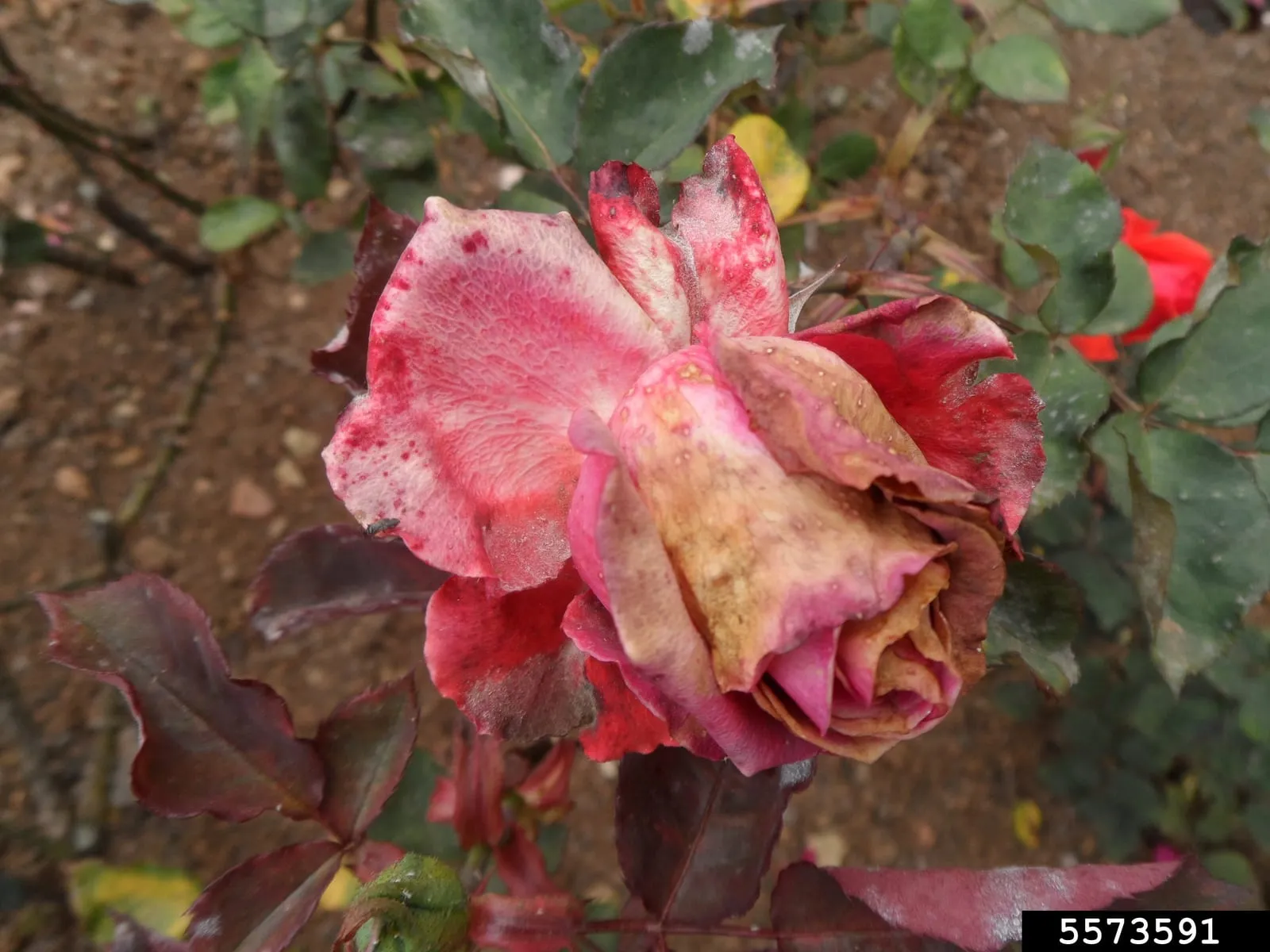
Botrytis cinerea
Ubiquitous fungal disease that causes fruit rot during cool wet weather, often the dominant berry disease in humid regions.
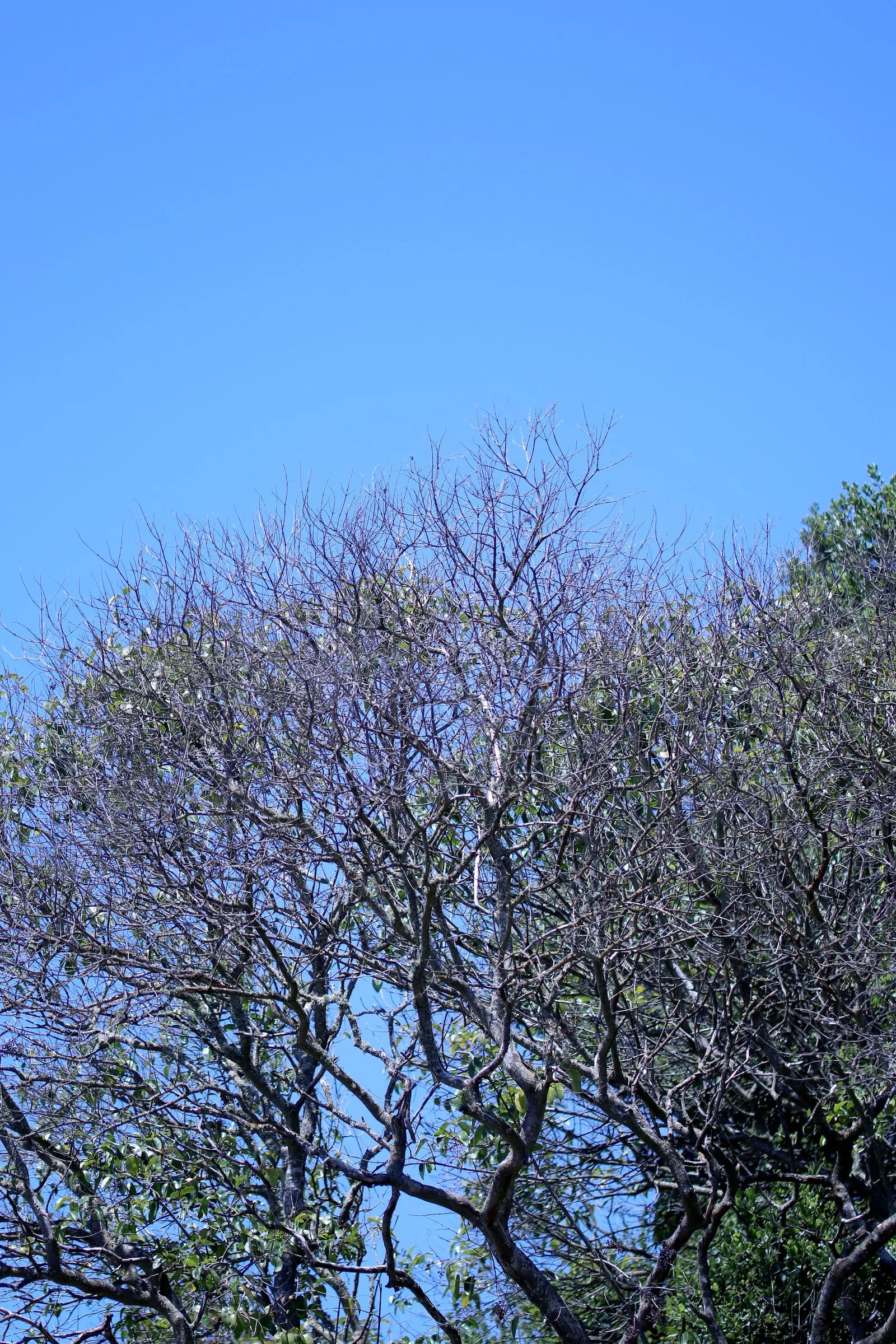
Phytophthora species
Soil-borne water mold that destroys roots in waterlogged soils, the leading cause of blueberry decline in poorly drained sites.
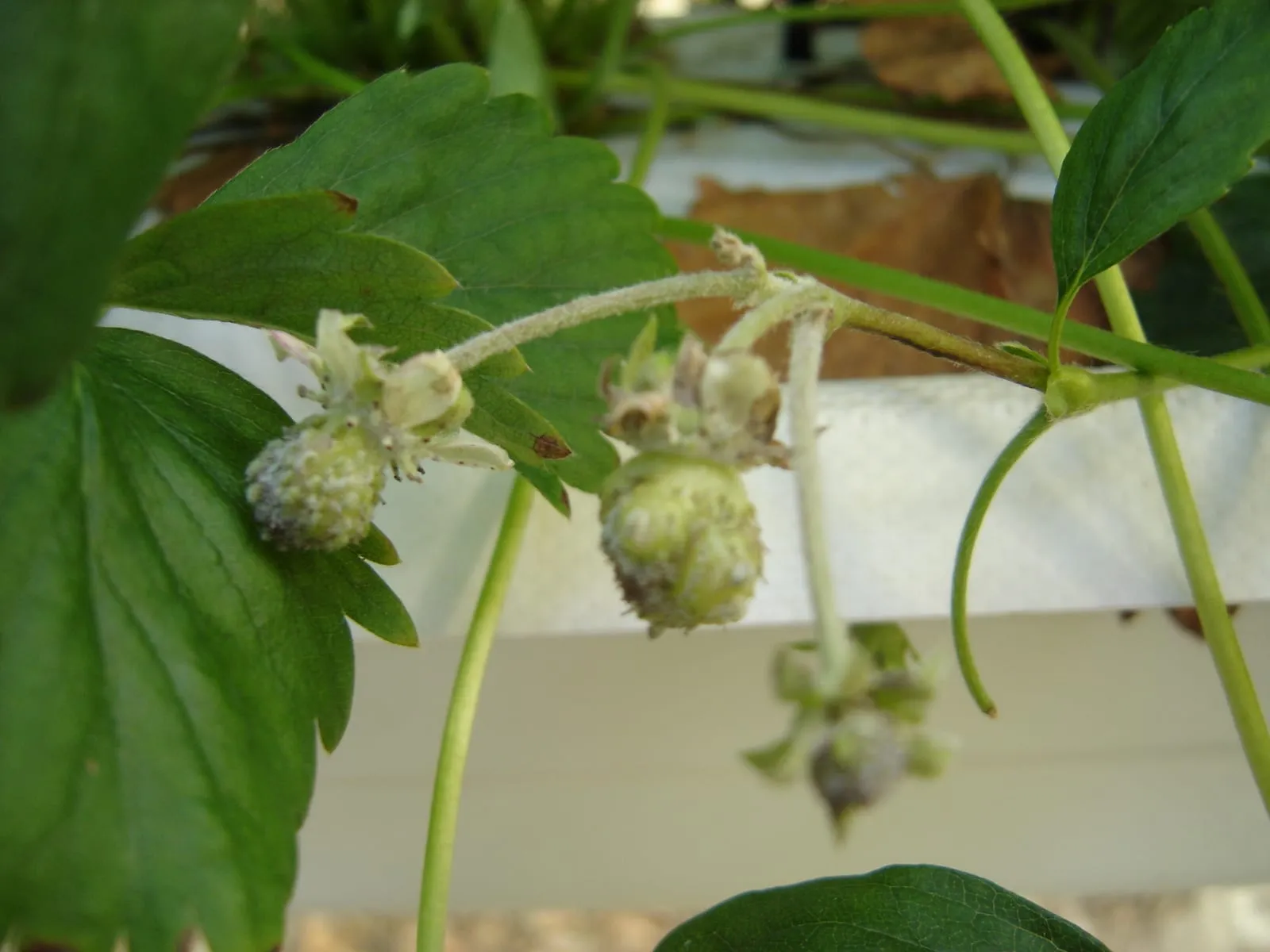
Podosphaera and Sphaerotheca species
Surface-feeding fungal disease producing white powdery growth on leaves and fruit, particularly damaging on gooseberries.
Phytophthora fragariae
Soil-borne water mold that destroys strawberry roots in wet cool springs, characterized by red discoloration in the root core.
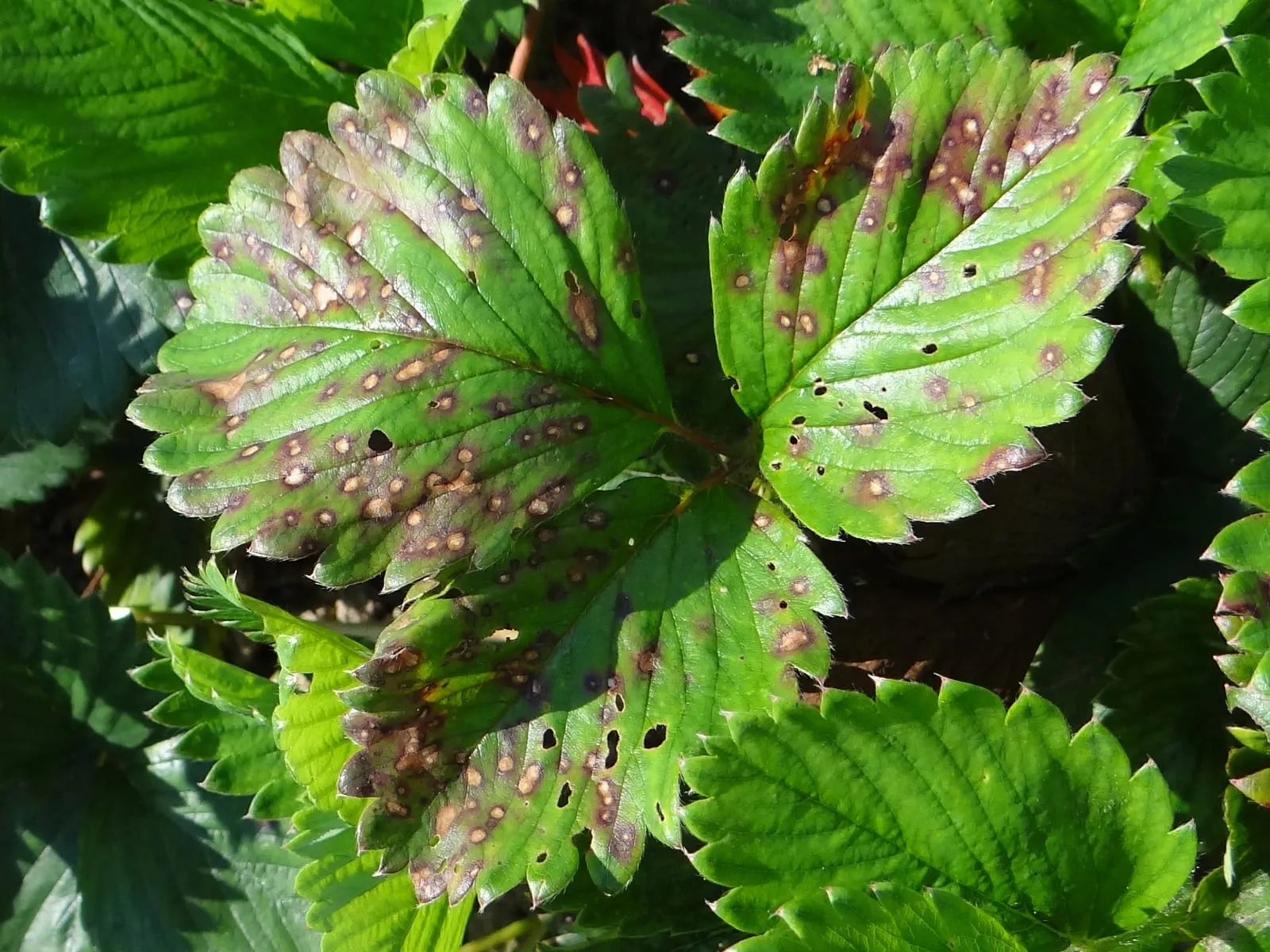
Mycosphaerella fragariae
Common fungal disease producing characteristic small purple spots with white centers on strawberry leaves.
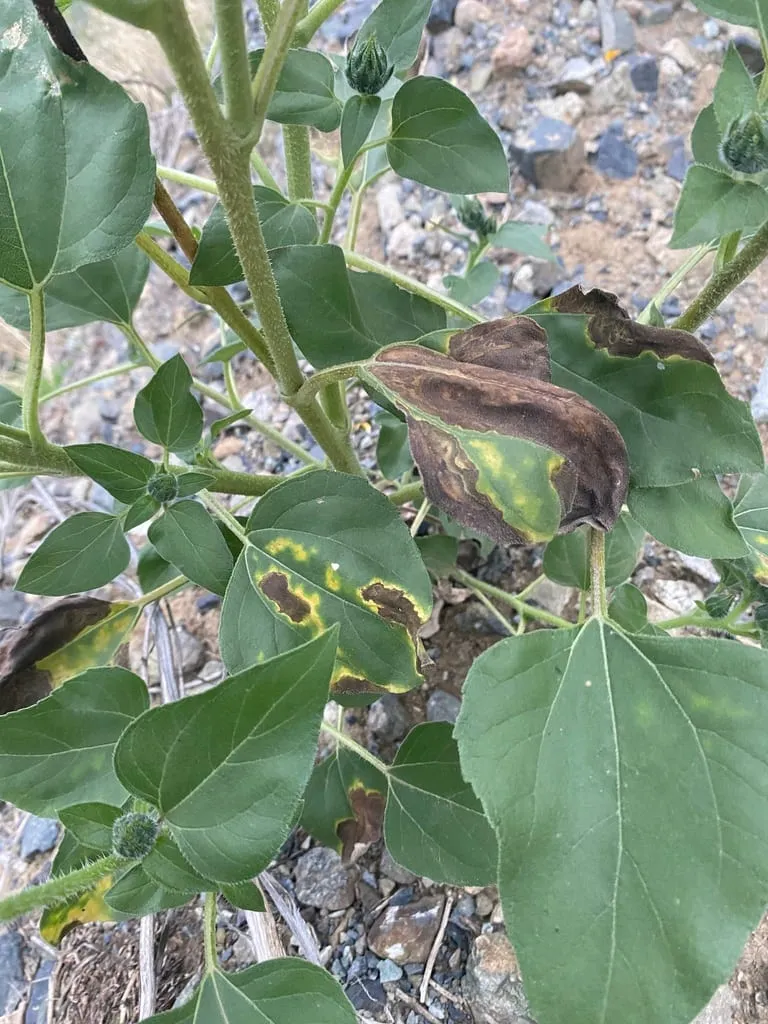
Verticillium dahliae
Soil-borne fungal disease similar to fusarium wilt but with broader host range and cooler temperature optimum. Persists in soil for 10+ years.
Modified care for zone 6b
The most important zone-specific adjustment is fall mulching. Crowns exposed to repeated freeze-thaw cycles or to temperatures below -5°F without cover suffer heaving and die-back that reduces yield the following season. Apply 3 to 4 inches of clean straw after the first hard frost in November, before temperatures drop below 20°F. Remove it gradually in spring once consistent overnight temperatures stay above 28°F.
Stink bug pressure is elevated in zone 6b compared to zones further north. Brown marmorated stink bugs feed on ripening berries, causing cat-facing and rendering fruit unmarketable. Monitoring should begin at petal fall. Row cover used through bloom for late-frost protection must be removed before harvest to allow pollination, which is when stink bug exclusion becomes harder to maintain. Gray mold (Botrytis) is the other significant zone-specific concern; the humid springs typical of zone 6b favor infection during bloom and early fruit development, making good air circulation through row spacing and canopy management a practical priority rather than an optional refinement.
Frequently asked questions
- Which june-bearing strawberry varieties perform best in zone 6b?
Earliglow, Honeoye, Allstar, Jewel, and Chandler are all well-adapted to zone 6b. Earliglow ripens earliest and has good disease resistance. Honeoye is productive but moderately susceptible to red stele in wet soils. Jewel and Allstar are reliable mid-season choices with good fruit size.
- Do june-bearing strawberries need winter mulching in zone 6b?
Yes. Winter lows in the -5 to 0°F range can damage crowns and cause frost heaving without protection. Apply 3 to 4 inches of straw after the first hard frost in fall and pull it back gradually in spring once overnight temperatures stabilize above 28°F.
- What is the biggest disease risk for strawberries in zone 6b?
Gray mold (Botrytis cinerea) is the most common problem, favored by the cool, humid spring conditions typical of zone 6b. Phytophthora root rot and red stele are serious risks in poorly drained sites. Site selection and avoiding waterlogged soil do more than any spray program to reduce root disease pressure.
- Can a late frost damage june-bearing strawberry blooms in zone 6b?
Yes, and this is a real risk. Open flowers are damaged at 30°F and killed at 28°F. In zone 6b, bloom overlaps with the period when late frosts are still possible, particularly in April. Row cover applied before a forecast frost event can protect blooms; remove it during the day so pollinators can access the flowers.
+−
+−
+−
+−
June-Bearing Strawberry in adjacent zones
Image: "Starr 080103-1271 Fragaria x ananassa", by Forest & Kim Starr, via Wikimedia Commons, licensed under CC-BY Source.

Related