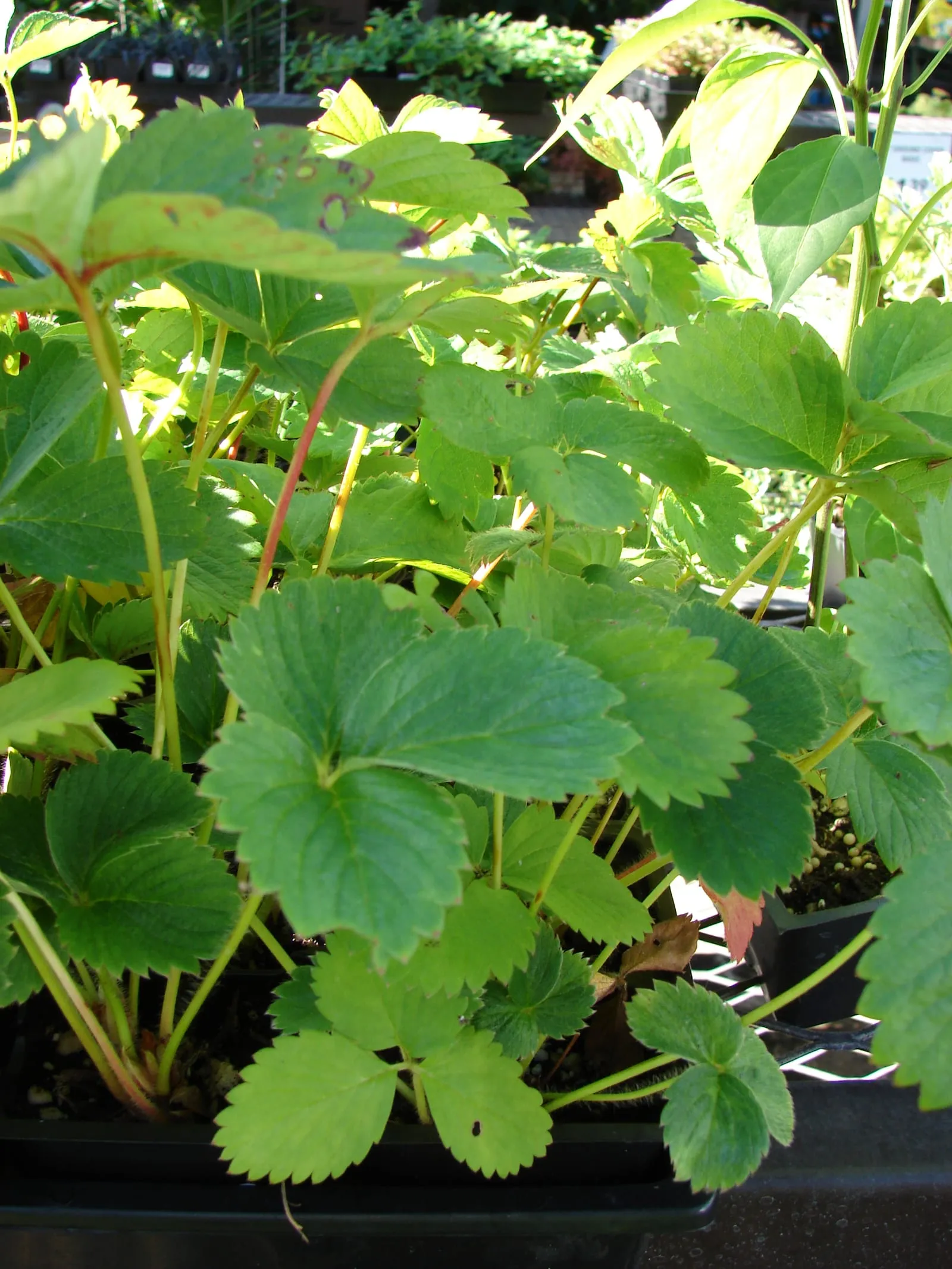
berry in zone 6a
Growing june-bearing strawberry in zone 6a
Fragaria x ananassa
- Zone
- 6a -10°F to -5°F
- Growing season
- 180 days
- Suitable varieties
- 5
- Days to harvest
- 28 to 35
The verdict
Zone 6a sits squarely in the sweet spot for June-bearing strawberries. With winter lows between -10 and -5°F, the zone delivers the prolonged cold these varieties need to break dormancy and set flower buds reliably. Most June-bearing cultivars require roughly 200 to 300 hours below 45°F (a threshold cited consistently across university extension resources for northeastern and mid-Atlantic production); zone 6a typically accumulates three to four times that amount in a normal winter, so chill-hour deficit is not a limiting factor.
All five varieties on the compatible list were selected for climates like this. Earliglow, Honeoye, and Jewel were developed specifically for northeastern and mid-Atlantic conditions where zone 6a winters are common. Allstar offers comparable cold hardiness with a somewhat extended harvest window. Chandler was bred for warmer California conditions but performs acceptably in zone 6a with adequate crown protection. None of these is a marginal choice; growers in zone 6a are working with the crop in its intended range.
Recommended varieties for zone 6a
5 cultivars suited to this zone, with disease-resistance and zone-fit annotations.
| Variety | Notes | Zone fit | Disease resistance |
|---|---|---|---|
| Earliglow fits zone 6a | Intensely sweet, classic strawberry flavor; the gold-standard early-season variety for fresh eating, jam, freezing. Smaller berries but unmatched flavor. Disease-resistant. | |
|
| Allstar fits zone 6a | Sweet, mild, large pale-red berries with firm flesh; fresh, freezing, baking. Mid-season, vigorous, disease-resistant. Reliable home-garden producer. | |
|
| Honeoye fits zone 6a | Sweet-tart, firm, bright red large berries; fresh, freezing, jam. Mid-season, very productive, cold-hardy. The northern home-garden standard. | | none noted |
| Jewel fits zone 6a | Sweet, juicy, large glossy red berries with classic dessert flavor; fresh eating premium, also good for freezing. Mid-late season, productive. | | none noted |
| Chandler fits zone 6a | Sweet, large, deep red conical berries with rich flavor; fresh eating and shipping, the southern fresh-market standard. Annual planting in plasticulture. | | none noted |
Critical timing for zone 6a
In zone 6a, June-bearing strawberries typically break dormancy in early to mid-April and bloom through late April into May. Last spring frost dates in zone 6a average between April 15 and May 1 depending on local elevation and terrain, placing the bloom window in direct conflict with lingering frost events. Open blossoms sustain damage at 28°F and are largely killed below 26°F, so a single hard frost during the bloom period can eliminate most of the season's crop.
Harvest follows bloom by approximately 30 days, putting peak picking in late May through mid-June. The zone's 180-day growing season is more than sufficient; the practical constraint is protecting the narrow bloom window rather than extending the season at either end.
Common challenges in zone 6a
- ▸ Brown rot in stone fruit
- ▸ Japanese beetles
- ▸ Spring frost damage to peach buds
Disease pressure to watch for
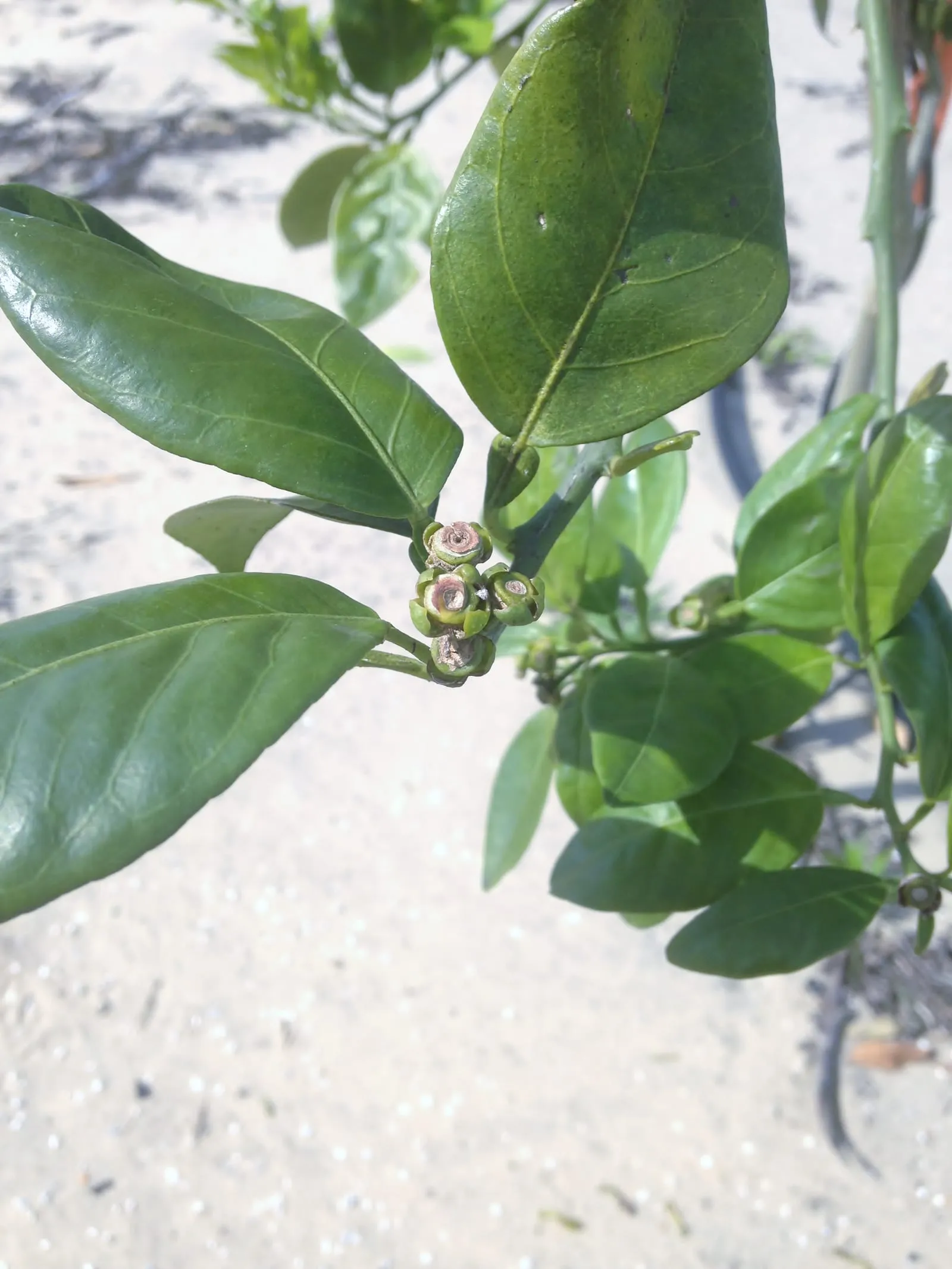
Colletotrichum acutatum
Aggressive fungal disease that causes fruit rot, crown rot, and runner lesions in strawberries, devastating during warm wet weather.
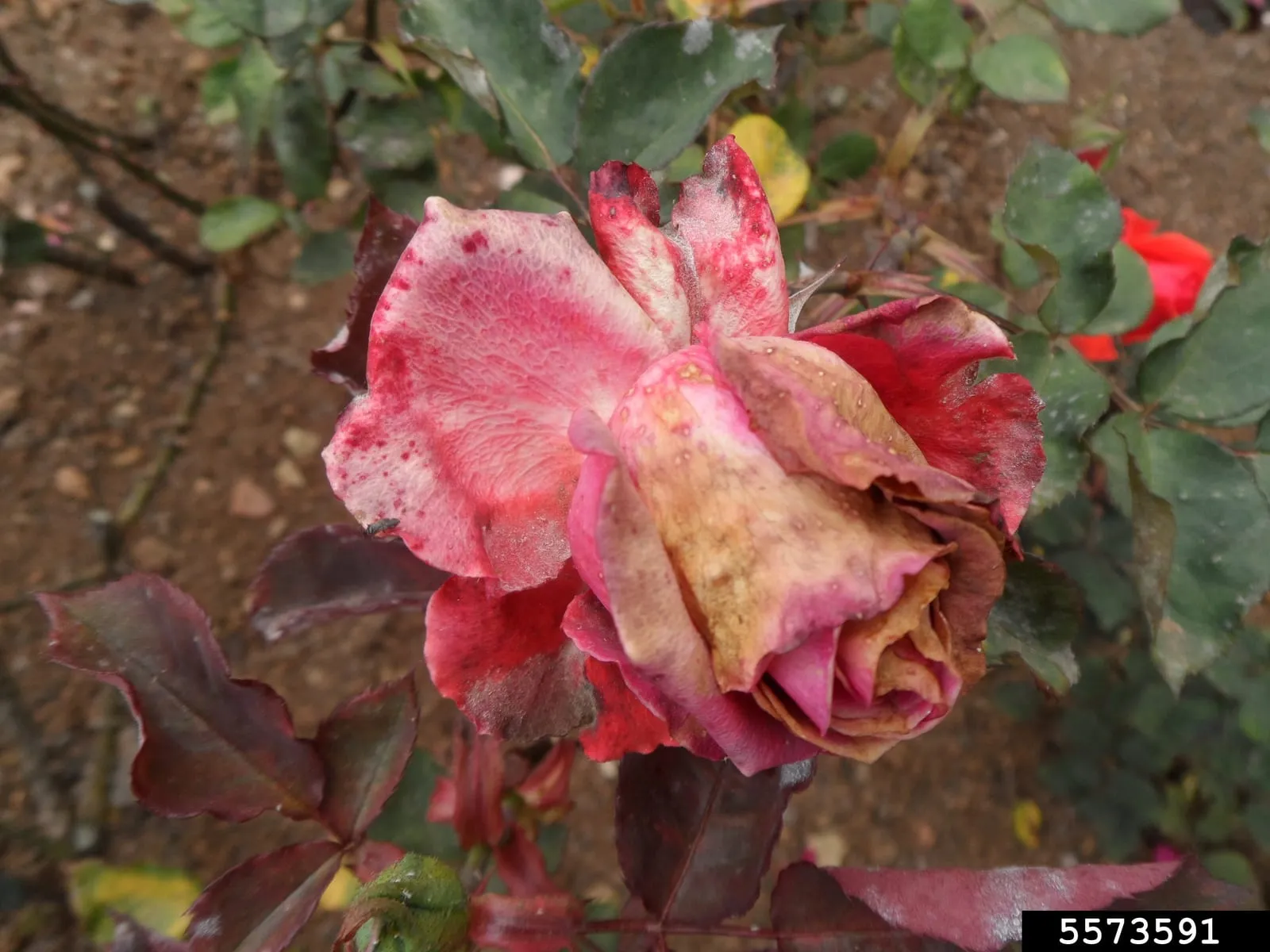
Botrytis cinerea
Ubiquitous fungal disease that causes fruit rot during cool wet weather, often the dominant berry disease in humid regions.
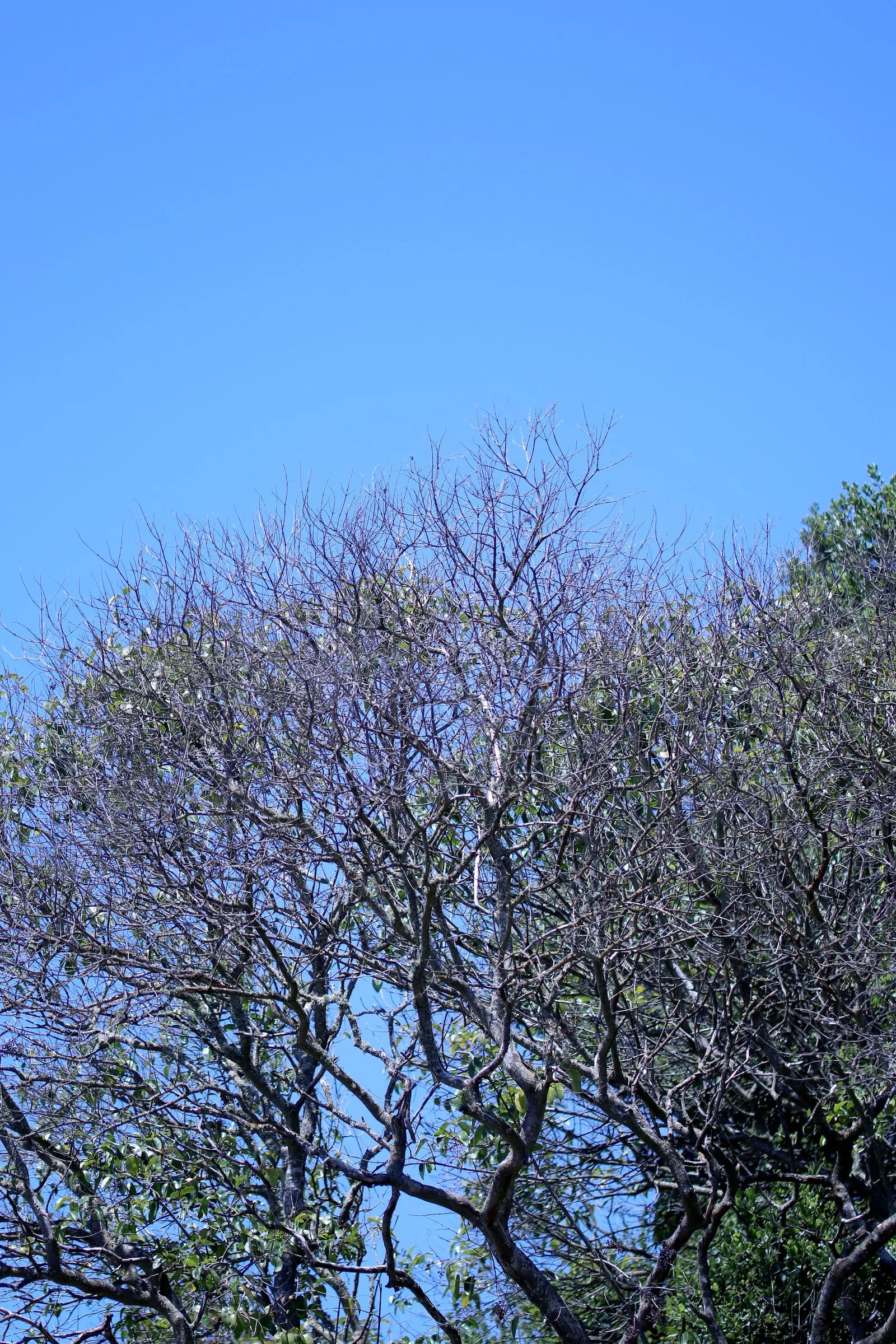
Phytophthora species
Soil-borne water mold that destroys roots in waterlogged soils, the leading cause of blueberry decline in poorly drained sites.
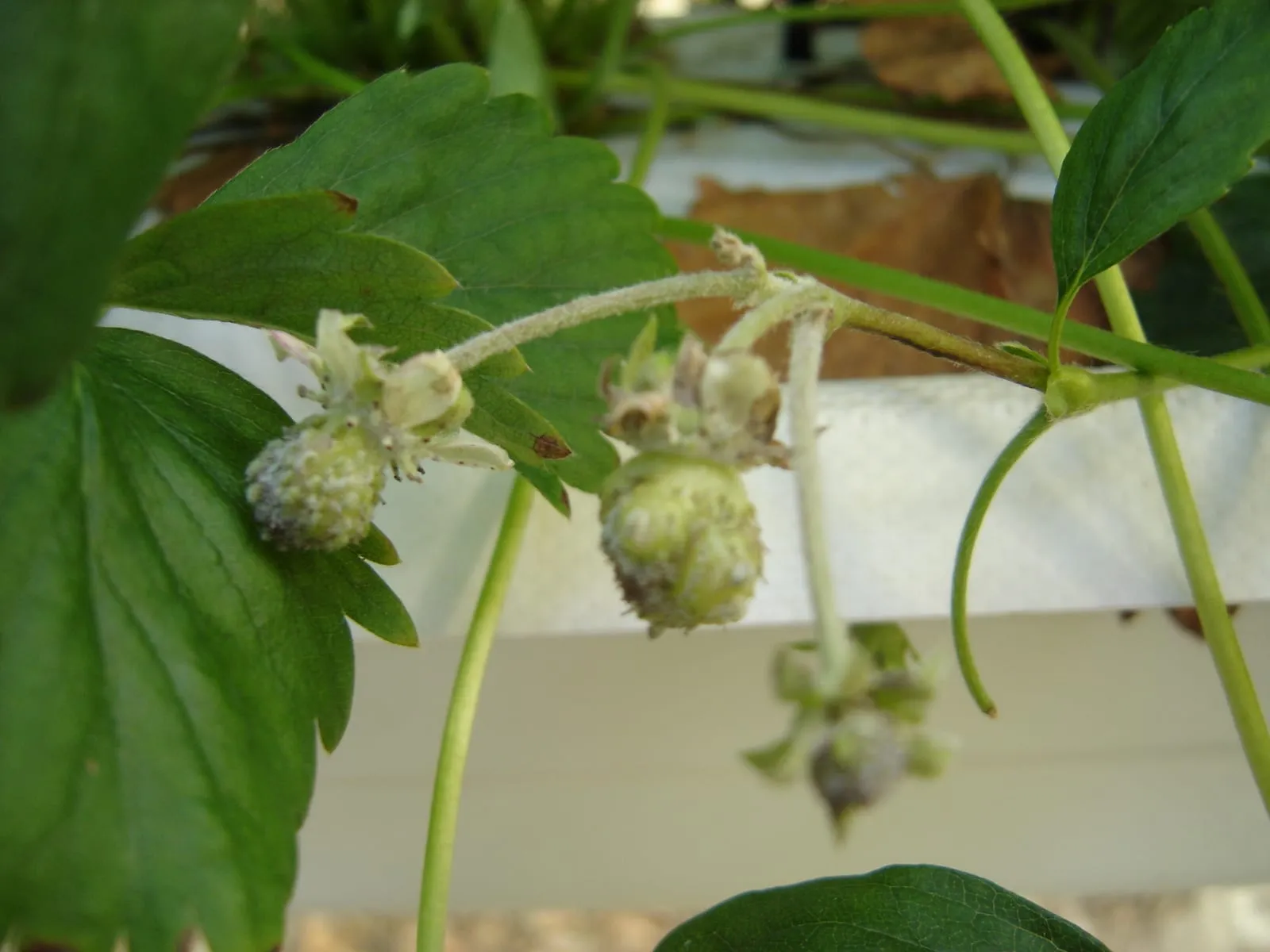
Podosphaera and Sphaerotheca species
Surface-feeding fungal disease producing white powdery growth on leaves and fruit, particularly damaging on gooseberries.
Phytophthora fragariae
Soil-borne water mold that destroys strawberry roots in wet cool springs, characterized by red discoloration in the root core.
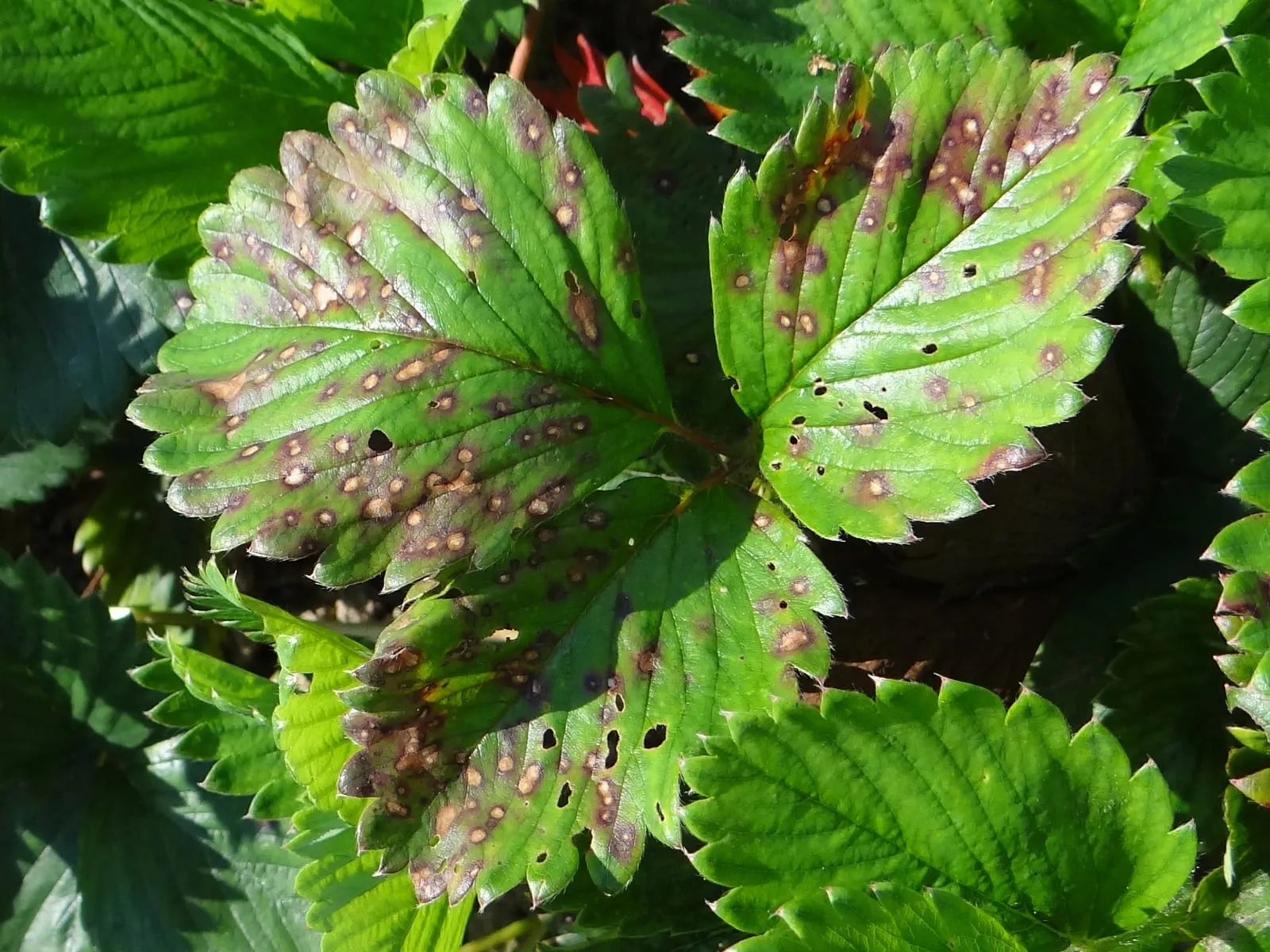
Mycosphaerella fragariae
Common fungal disease producing characteristic small purple spots with white centers on strawberry leaves.
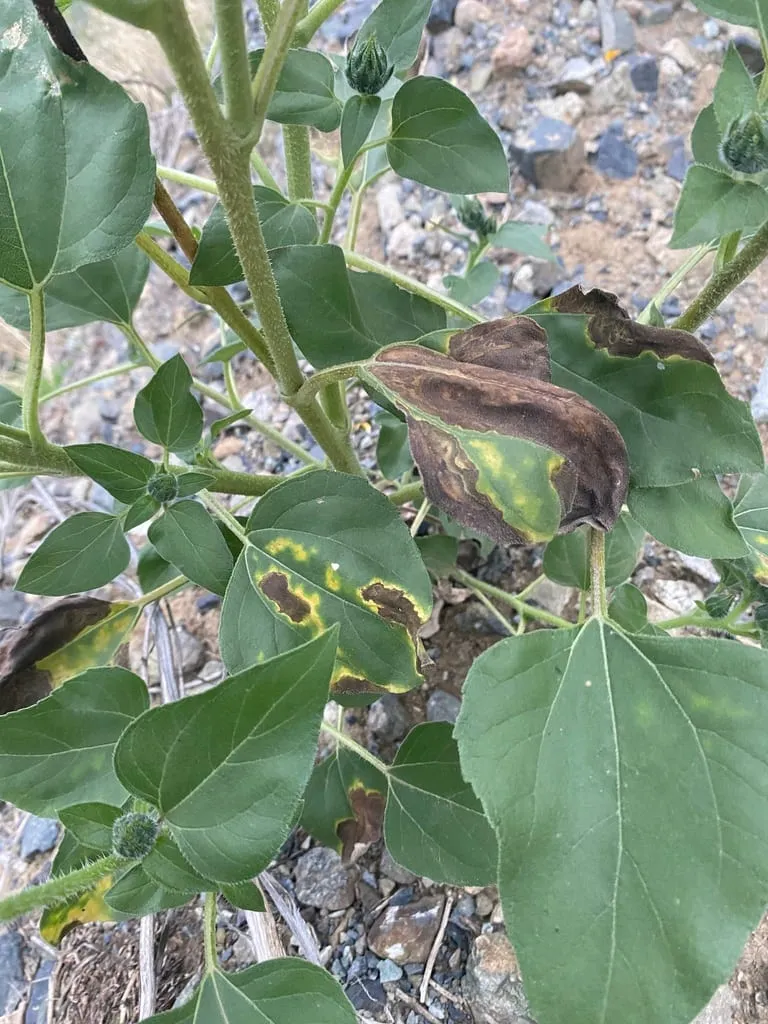
Verticillium dahliae
Soil-borne fungal disease similar to fusarium wilt but with broader host range and cooler temperature optimum. Persists in soil for 10+ years.
Modified care for zone 6a
The primary winter concern in zone 6a is crown damage during hard freezes that push toward the -10°F lower bound. Applying 3 to 4 inches of clean straw mulch after the first hard frost in November, then pulling it back gradually once temperatures stabilize above 40°F in spring, is standard practice. Premature removal of the mulch exposes new growth to late frost; leaving it too long delays the season and encourages crown rot.
Bloom-time frost is the larger operational risk. Floating row cover applied when overnight lows are forecast below 30°F during the bloom period can prevent total crop loss in a difficult spring.
Disease management should emphasize gray mold (Botrytis) and strawberry anthracnose, both of which intensify during wet springs. Adequate plant spacing, prompt removal of overripe fruit, and avoiding overhead irrigation reduce infection pressure meaningfully. Japanese beetles arrive in late June and can defoliate plants after harvest; they rarely threaten the berry crop directly but can weaken plants heading into the renovation period.
June-Bearing Strawberry in adjacent zones
Image: "Starr 080103-1271 Fragaria x ananassa", by Forest & Kim Starr, via Wikimedia Commons, licensed under CC-BY Source.

Related