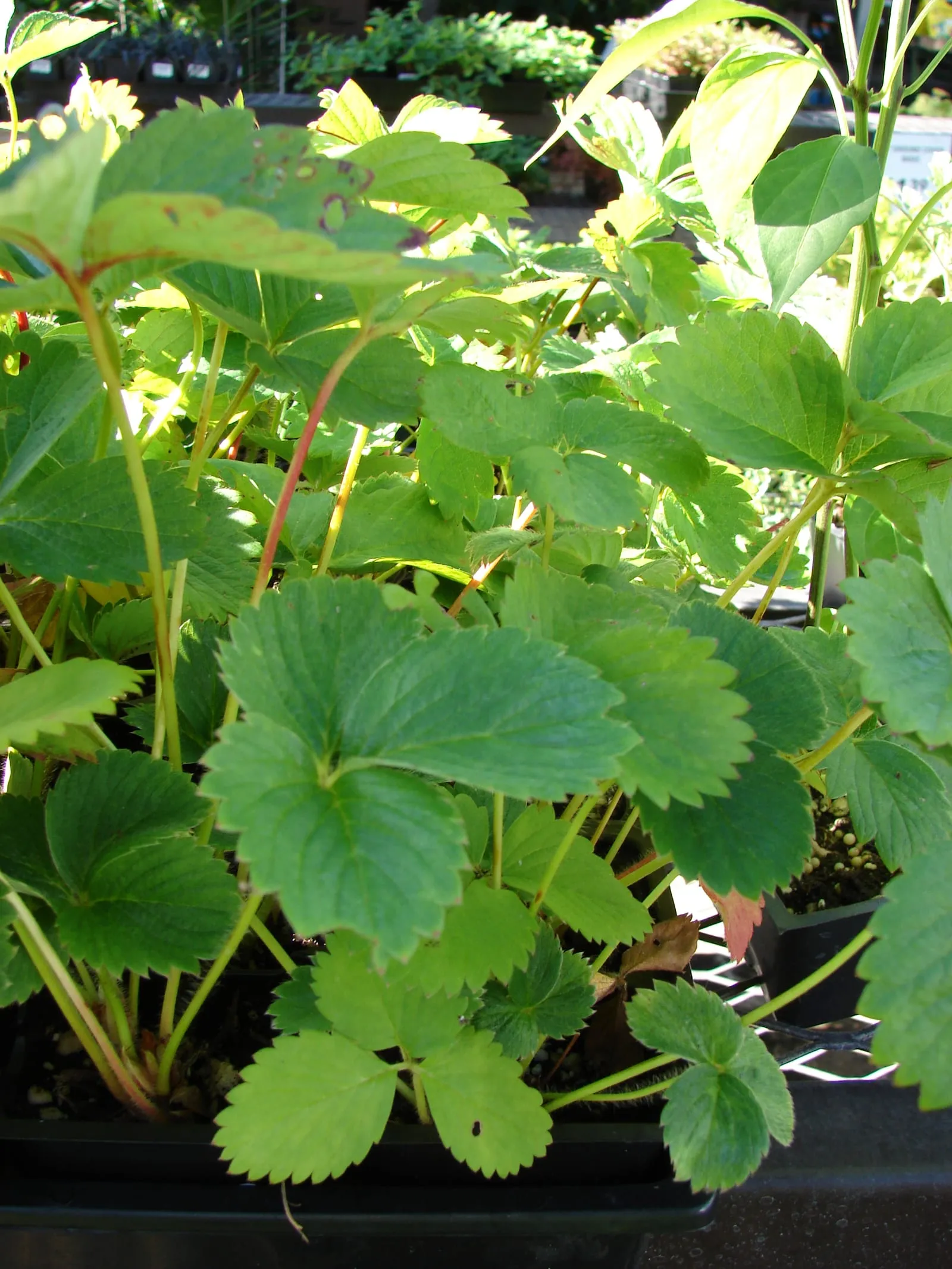
berry in zone 8a
Growing june-bearing strawberry in zone 8a
Fragaria x ananassa
- Zone
- 8a 10°F to 15°F
- Growing season
- 240 days
- Suitable varieties
- 1
- Days to harvest
- 28 to 35
The verdict
Zone 8a sits at the warm edge of the June-bearing strawberry's productive range, making variety selection the deciding factor. Most June-bearing cultivars require 200 to 400 chill hours (temperatures below 45°F), and zone 8a typically accumulates 400 to 600 hours in an average winter, which is enough to satisfy most varieties but not reliably so in warmer winters. Chandler, the one variety in this zone's compatibility set, was specifically bred for lower chill accumulation and performs well across the Southeast and Gulf Coast. Planting standard Northern-adapted varieties (Earliglow, Jewel) is risky here and often results in poor runner production and erratic fruiting. The 240-day growing season is genuinely favorable for getting plants established, but summer heat ends the fruiting window abruptly and stresses crowns heading into dormancy. Zone 8a is workable for June-bearers with the right variety; it is not a sweet spot.
Recommended varieties for zone 8a
1 cultivar suited to this zone, with disease-resistance and zone-fit annotations.
| Variety | Notes | Zone fit | Disease resistance |
|---|---|---|---|
| Chandler fits zone 8a | Sweet, large, deep red conical berries with rich flavor; fresh eating and shipping, the southern fresh-market standard. Annual planting in plasticulture. | | none noted |
Critical timing for zone 8a
In zone 8a, June-bearing strawberries bloom in late February through March, several weeks ahead of their schedule in cooler zones. Last frost typically falls between mid-February and mid-March in most of zone 8a, which means bloom and frost risk overlap directly. A late frost event during open bloom can eliminate the crop for the season; row covers staged for quick deployment are standard practice. Harvest follows in April and into early May, well before the label "June-bearing" might suggest. Plants in zone 8a often finish fruiting before June arrives. Fall planting in October or November gives crowns time to establish root systems before dormancy and produces stronger harvests the following spring than spring-planted sets.
Common challenges in zone 8a
- ▸ Insufficient chill hours for some apple varieties
- ▸ Pierce's disease in grapes
- ▸ Heat stress on cool-season crops
Disease pressure to watch for
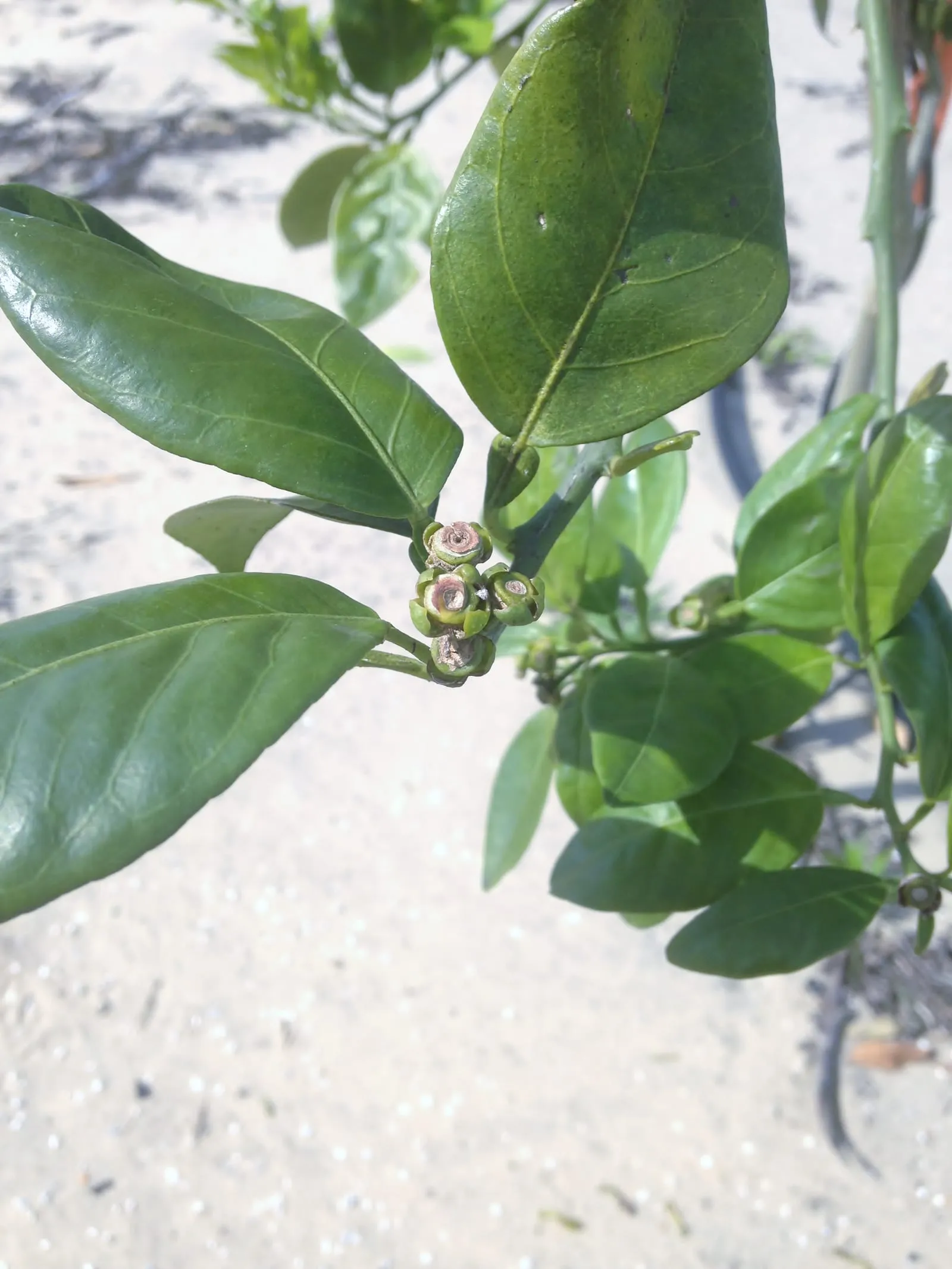
Colletotrichum acutatum
Aggressive fungal disease that causes fruit rot, crown rot, and runner lesions in strawberries, devastating during warm wet weather.
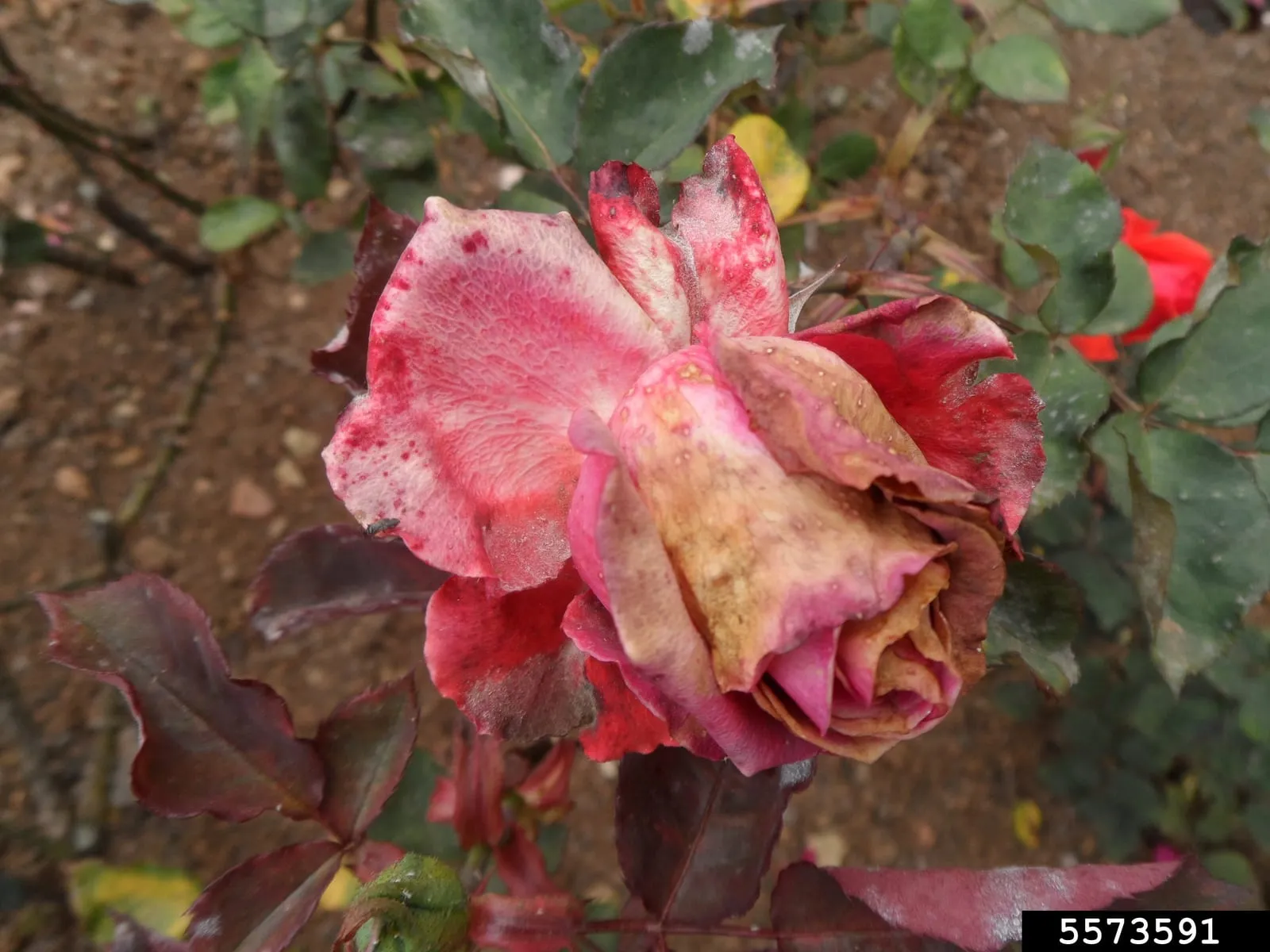
Botrytis cinerea
Ubiquitous fungal disease that causes fruit rot during cool wet weather, often the dominant berry disease in humid regions.
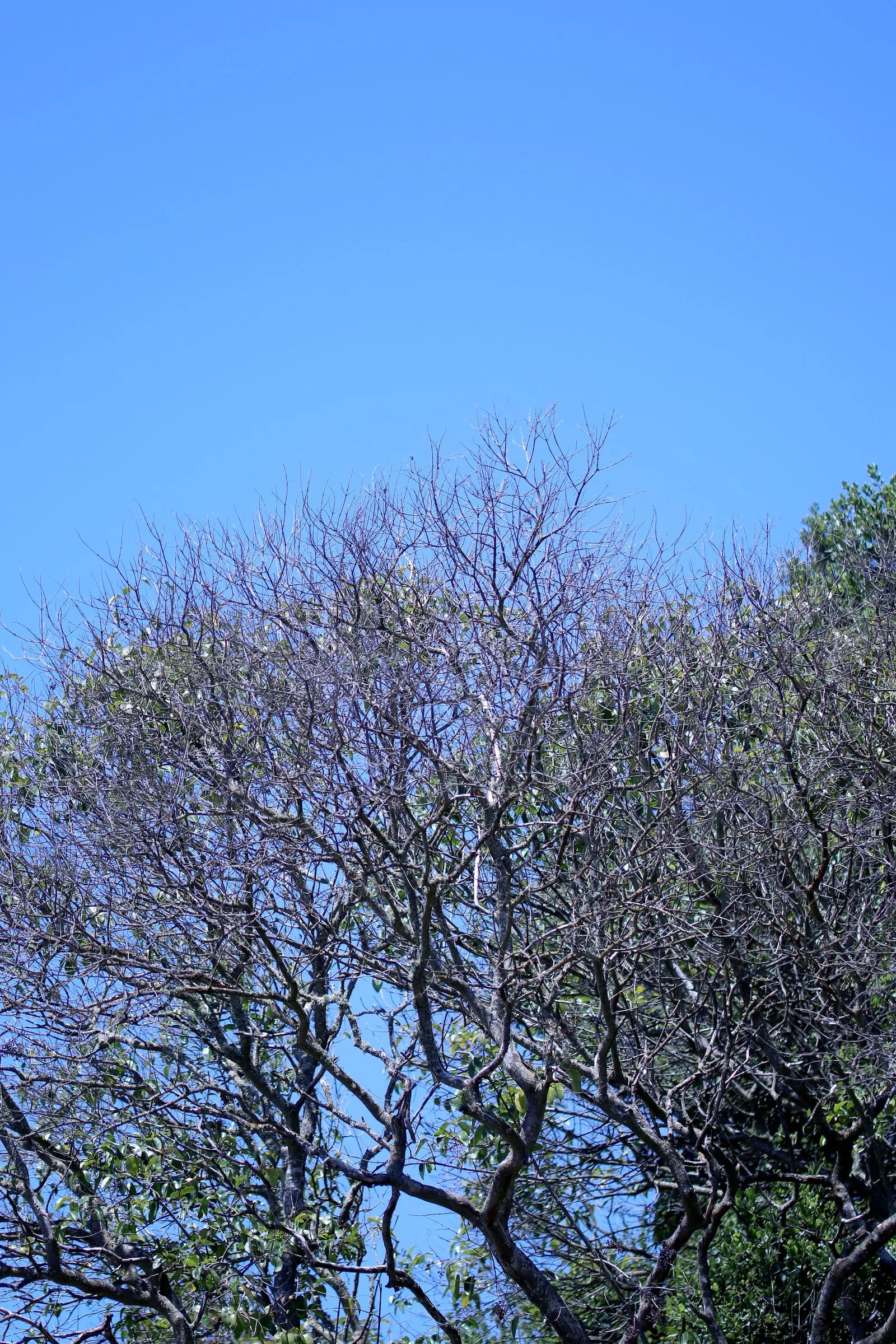
Phytophthora species
Soil-borne water mold that destroys roots in waterlogged soils, the leading cause of blueberry decline in poorly drained sites.
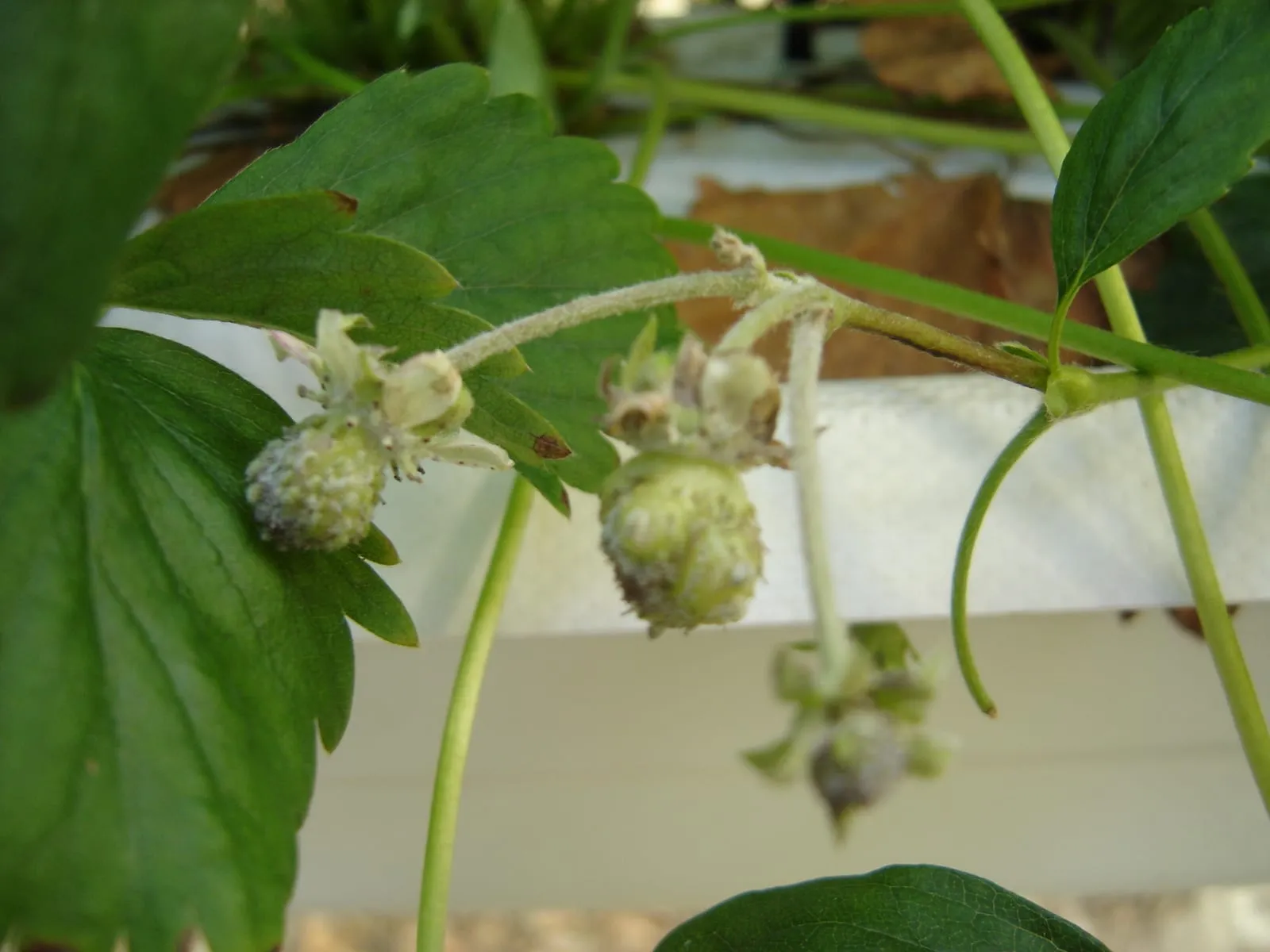
Podosphaera and Sphaerotheca species
Surface-feeding fungal disease producing white powdery growth on leaves and fruit, particularly damaging on gooseberries.
Phytophthora fragariae
Soil-borne water mold that destroys strawberry roots in wet cool springs, characterized by red discoloration in the root core.
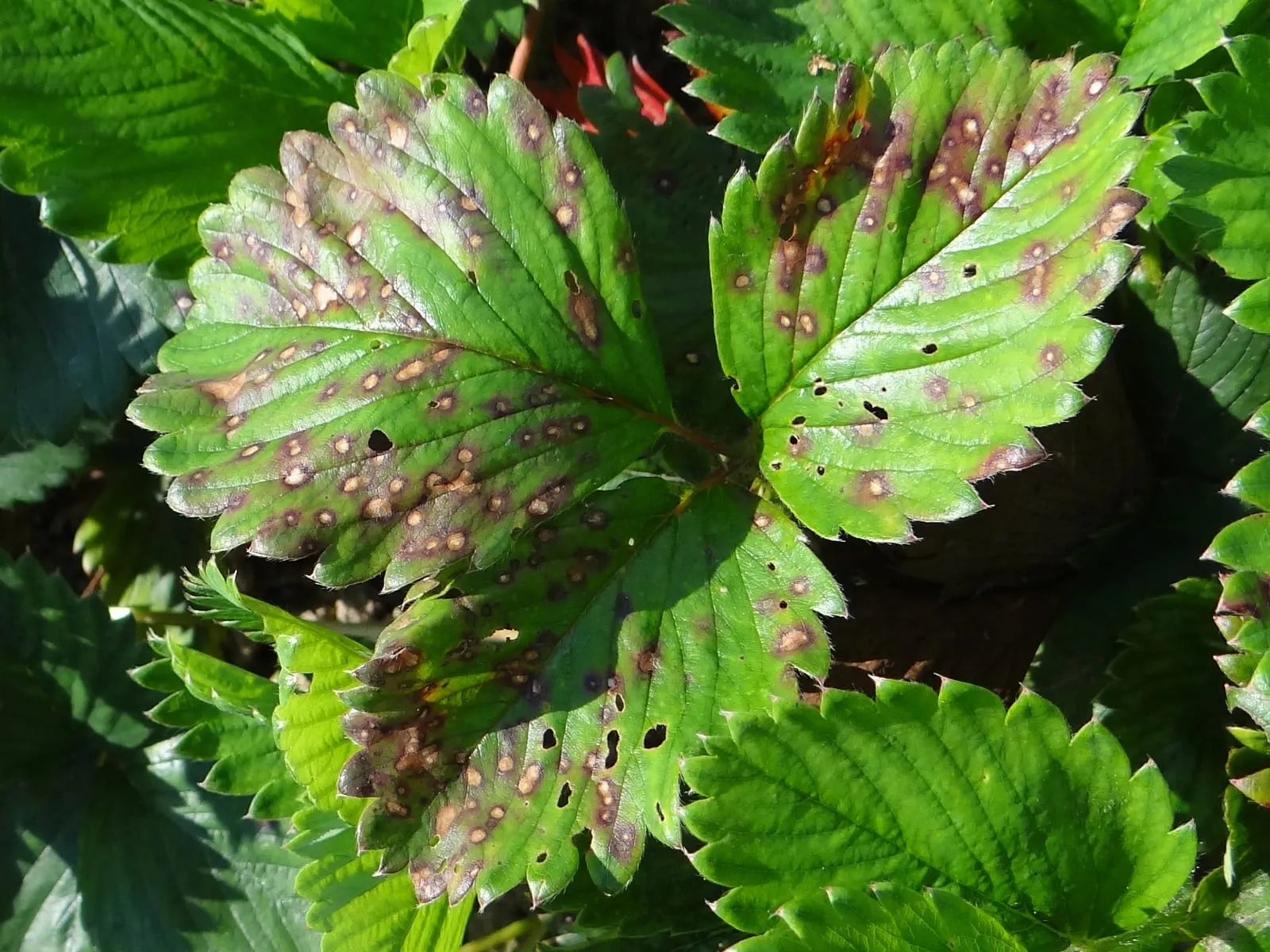
Mycosphaerella fragariae
Common fungal disease producing characteristic small purple spots with white centers on strawberry leaves.
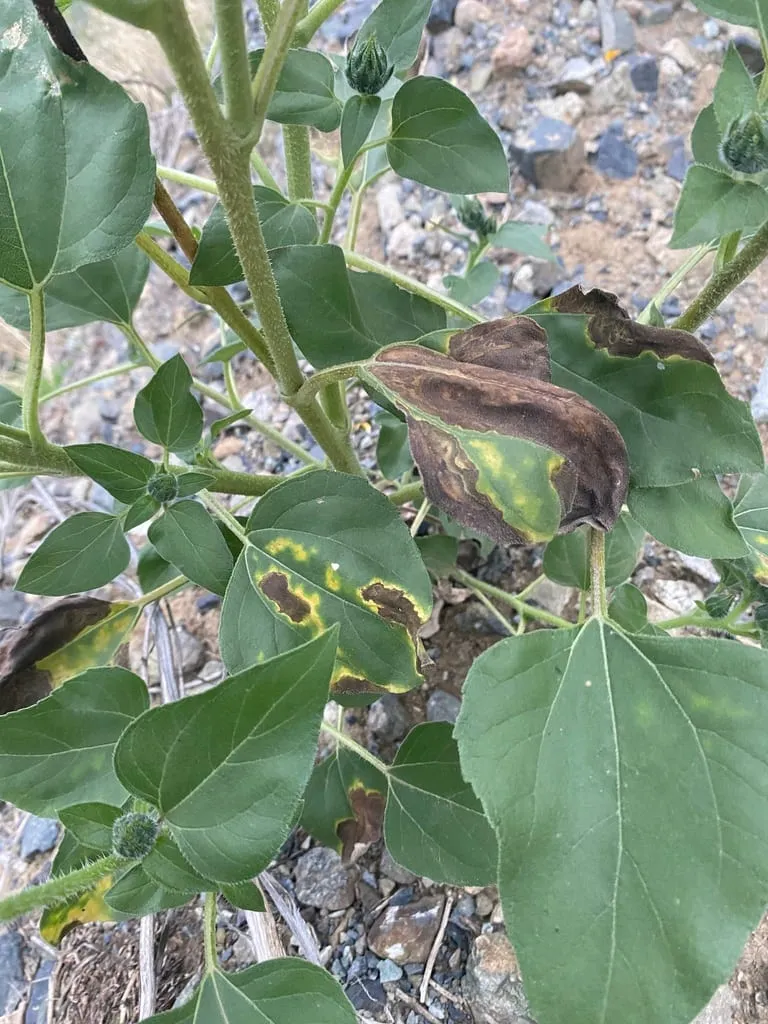
Verticillium dahliae
Soil-borne fungal disease similar to fusarium wilt but with broader host range and cooler temperature optimum. Persists in soil for 10+ years.
Modified care for zone 8a
Heat management becomes a primary concern once harvest ends. Mulching beds with pine straw or wood chips conserves soil moisture and keeps root zone temperatures lower during summer. Renovation (mowing foliage and thinning runners) should be done promptly after harvest, before sustained heat sets in, to allow crown recovery before fall. Disease pressure in zone 8a is elevated compared to cooler growing regions. Anthracnose and gray mold thrive in the combination of warm temperatures and spring humidity common across zone 8a; spacing plants for airflow and avoiding overhead irrigation during bloom reduces incidence. Phytophthora root rot is a persistent risk in heavy or poorly drained soils; raised beds or well-amended sandy loam are strongly preferred over flat ground. Chill-hour tracking in warm winters (using a simple min/max thermometer log or weather station data) lets growers anticipate whether the season is likely to underperform before bloom.
Frequently asked questions
- Can June-bearing strawberries grow in zone 8a?
Yes, with variety selection limited to low-chill cultivars. Chandler is the most reliable choice for zone 8a. Standard Northern varieties that require 400-plus chill hours are unreliable and often fail to fruit properly in warmer winters.
- When do June-bearing strawberries ripen in zone 8a?
Harvest in zone 8a typically runs April through early May, not June. The warm climate accelerates the timeline by four to six weeks compared to zones 5 and 6. Most plants finish fruiting before summer heat arrives.
- What diseases are most serious for strawberries in zone 8a?
Anthracnose and gray mold (Botrytis) are the highest-priority concerns in zone 8a's warm, humid spring conditions. Phytophthora root rot is a consistent risk in poorly drained sites. Good airflow, drip irrigation, and raised beds reduce pressure from all three.
- Should strawberries in zone 8a be planted in fall or spring?
Fall planting in October or November is preferred. It gives crowns a full root-establishment period before dormancy, which translates to more productive plants in the following spring's fruiting season. Spring-planted sets in zone 8a often produce a weak first-year crop.
+−
+−
+−
+−
June-Bearing Strawberry in adjacent zones
Image: "Starr 080103-1271 Fragaria x ananassa", by Forest & Kim Starr, via Wikimedia Commons, licensed under CC-BY Source.

Related