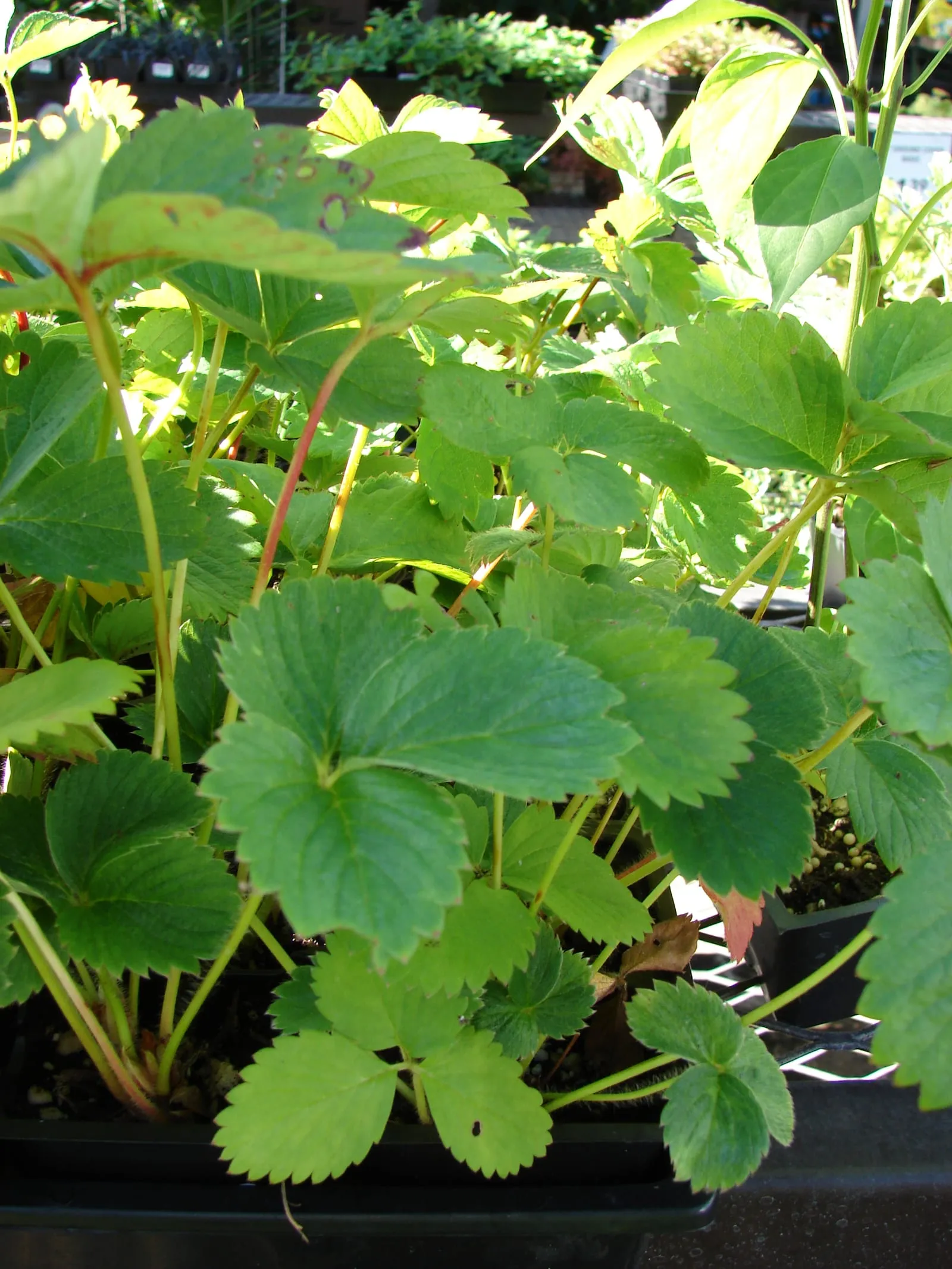
berry in zone 8b
Growing june-bearing strawberry in zone 8b
Fragaria x ananassa
- Zone
- 8b 15°F to 20°F
- Growing season
- 260 days
- Suitable varieties
- 1
- Days to harvest
- 28 to 35
The verdict
Zone 8b sits at the warm edge of june-bearing strawberry's workable range. The category is triggered by a combination of day length and accumulated chill hours below 45°F, and zone 8b's mild winters make performance inconsistent year to year. Most june-bearing cultivars need 200 to 300 chill hours; zone 8b accumulates roughly that amount in average winters, but warm-winter years can fall well short, resulting in poor flowering and patchy yields.
Chandler is the clear standout for this zone, selected partly for its tolerance of lower chill-hour winters. Without disciplined variety selection, june-bearing strawberries in zone 8b are a gamble. The 260-day growing season and early spring warmth accelerate the crop cycle, which is actually useful, but sandy soils common across parts of this zone add nematode pressure and complicate moisture management during the critical bearing window. This is a marginal zone for the category, workable with the right variety but not forgiving of shortcuts.
Recommended varieties for zone 8b
1 cultivar suited to this zone, with disease-resistance and zone-fit annotations.
| Variety | Notes | Zone fit | Disease resistance |
|---|---|---|---|
| Chandler fits zone 8b | Sweet, large, deep red conical berries with rich flavor; fresh eating and shipping, the southern fresh-market standard. Annual planting in plasticulture. | | none noted |
Critical timing for zone 8b
In zone 8b, june-bearing strawberries bloom in February and into March, weeks earlier than mid-Atlantic or Pacific Northwest plantings. Harvest typically runs from early April through early May, ahead of the heat that collapses fruit quality and accelerates fungal disease.
The timing is actually favorable compared to northern zones: the crop completes its bearing window before summer stress sets in. The risk is late frost. Zone 8b's last freeze typically falls in mid-February, but bloom can begin before that window closes. A frost event during open bloom causes direct flower damage and can cut yield substantially. Row covers or frost cloth kept on hand through the bloom period provide inexpensive insurance, even in years when they go unused.
Common challenges in zone 8b
- ▸ Low chill hours limit apple variety selection
- ▸ Citrus greening risk
- ▸ Nematodes in sandy soils
Disease pressure to watch for
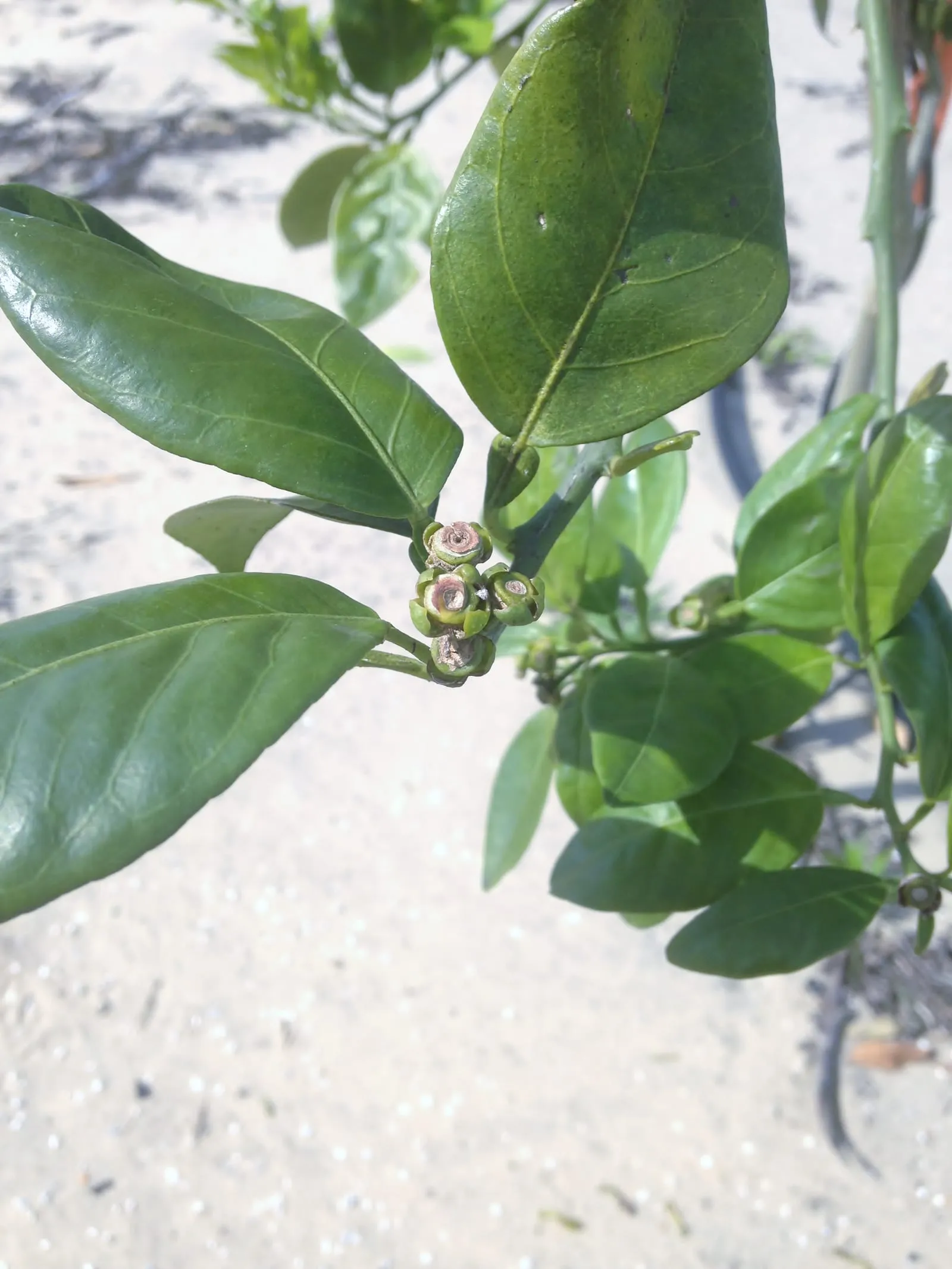
Colletotrichum acutatum
Aggressive fungal disease that causes fruit rot, crown rot, and runner lesions in strawberries, devastating during warm wet weather.
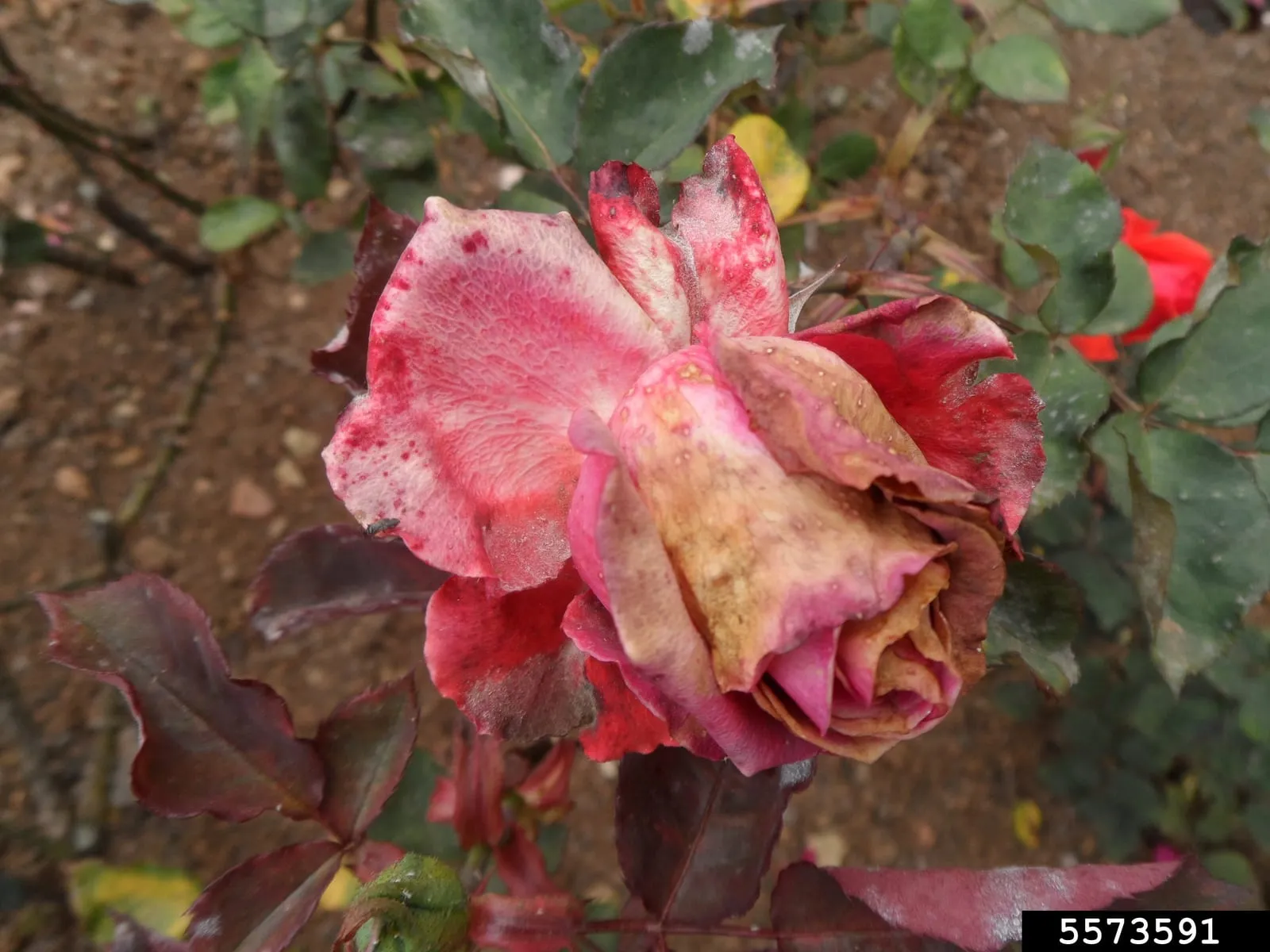
Botrytis cinerea
Ubiquitous fungal disease that causes fruit rot during cool wet weather, often the dominant berry disease in humid regions.
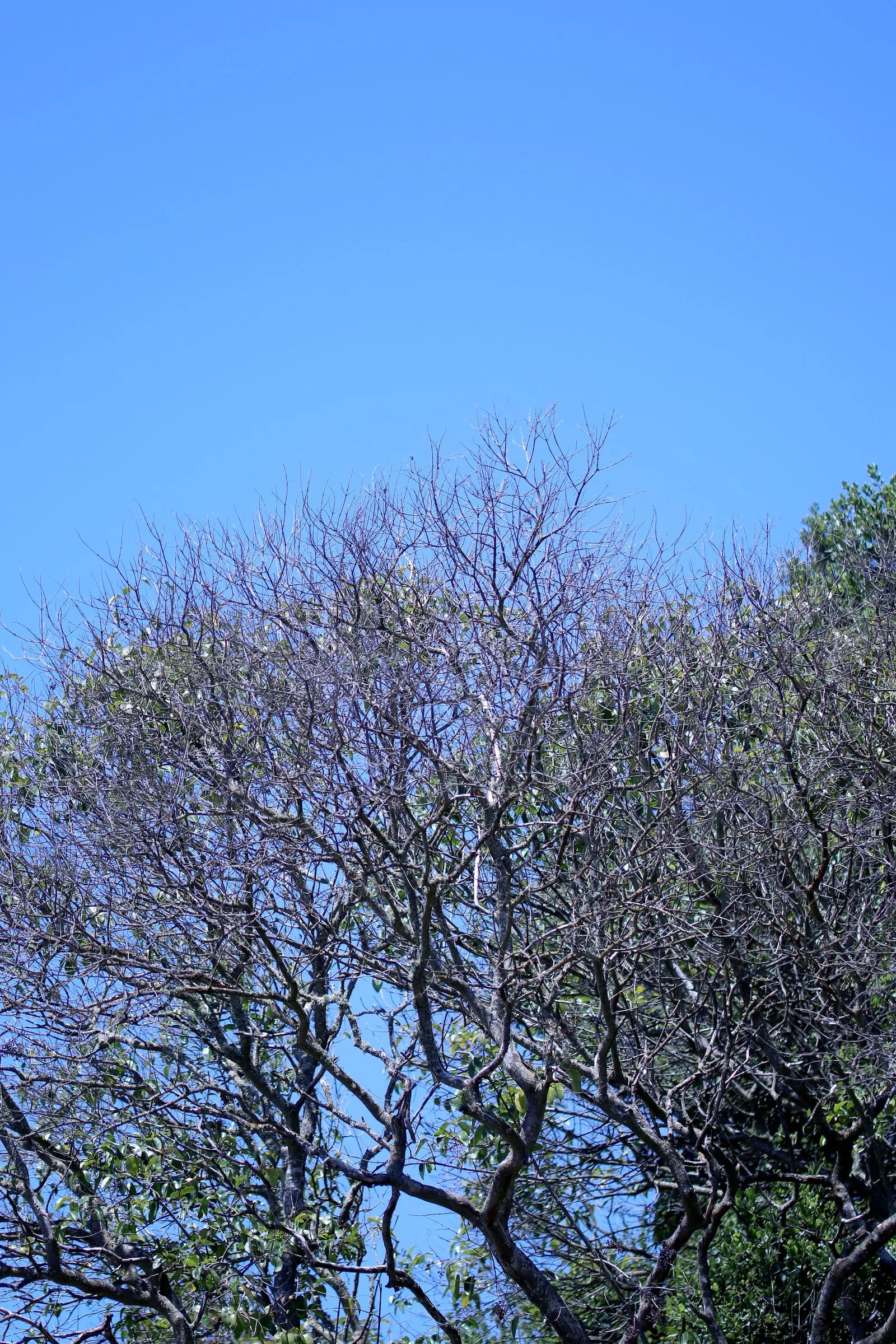
Phytophthora species
Soil-borne water mold that destroys roots in waterlogged soils, the leading cause of blueberry decline in poorly drained sites.
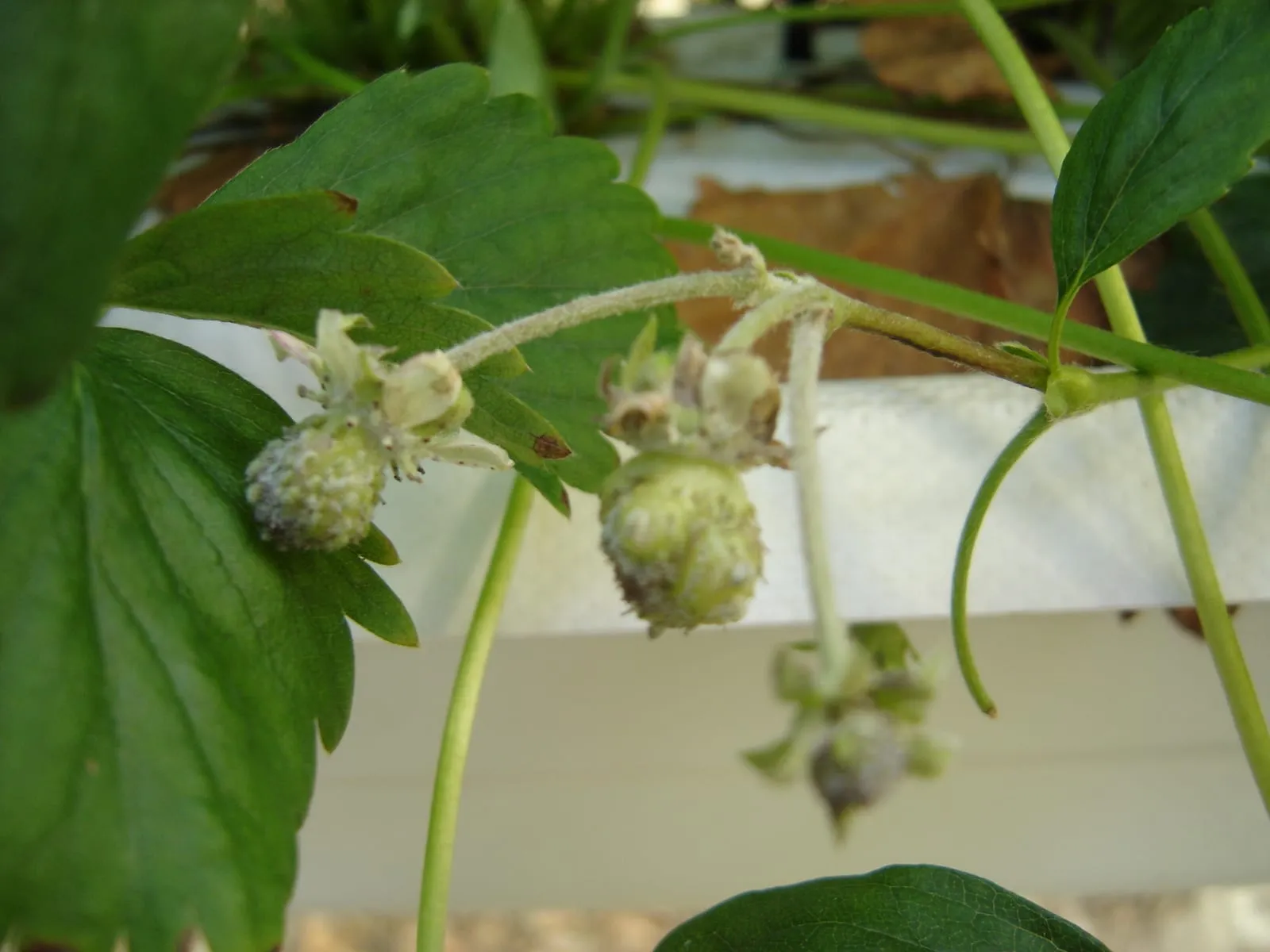
Podosphaera and Sphaerotheca species
Surface-feeding fungal disease producing white powdery growth on leaves and fruit, particularly damaging on gooseberries.
Phytophthora fragariae
Soil-borne water mold that destroys strawberry roots in wet cool springs, characterized by red discoloration in the root core.
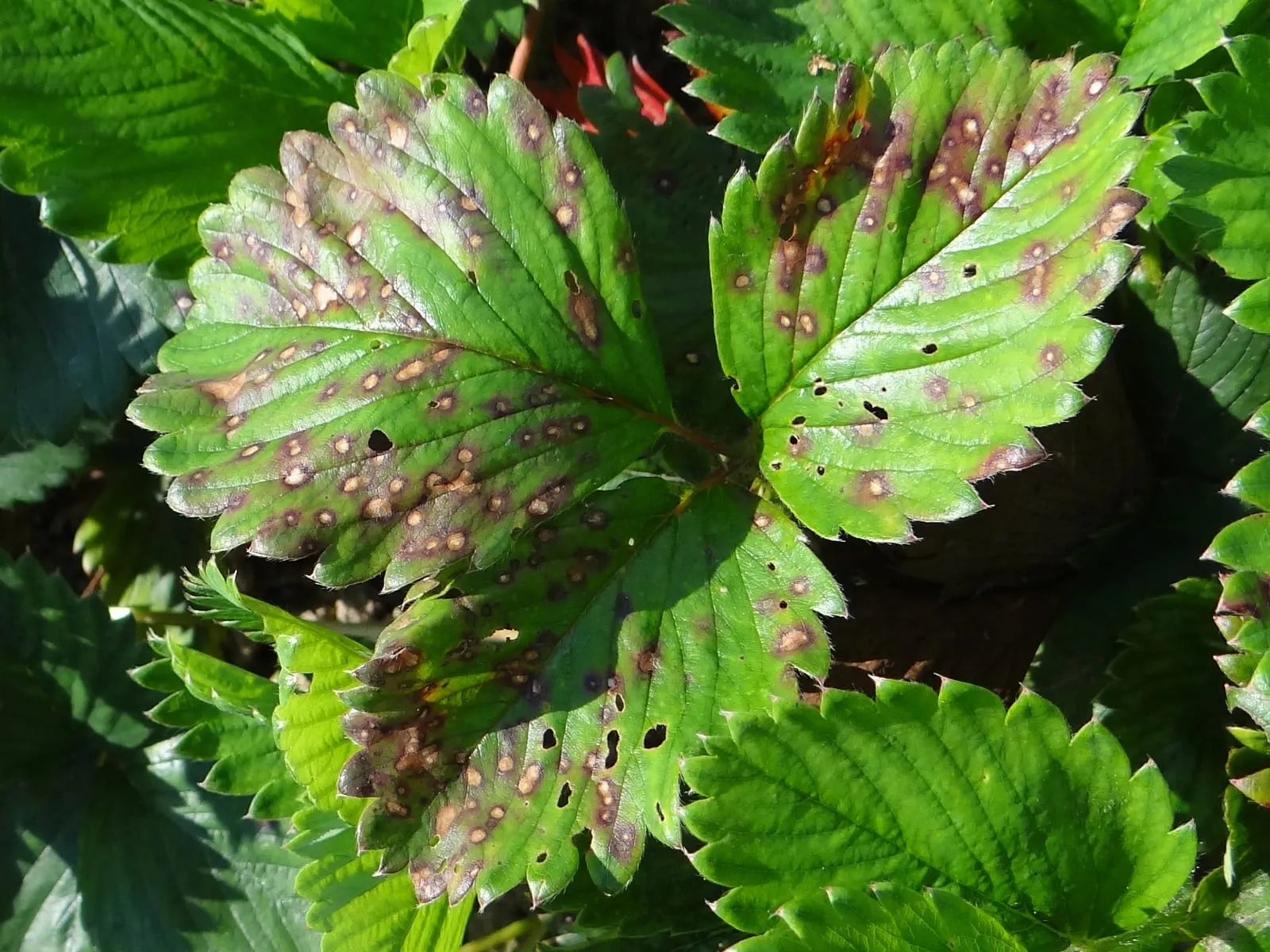
Mycosphaerella fragariae
Common fungal disease producing characteristic small purple spots with white centers on strawberry leaves.
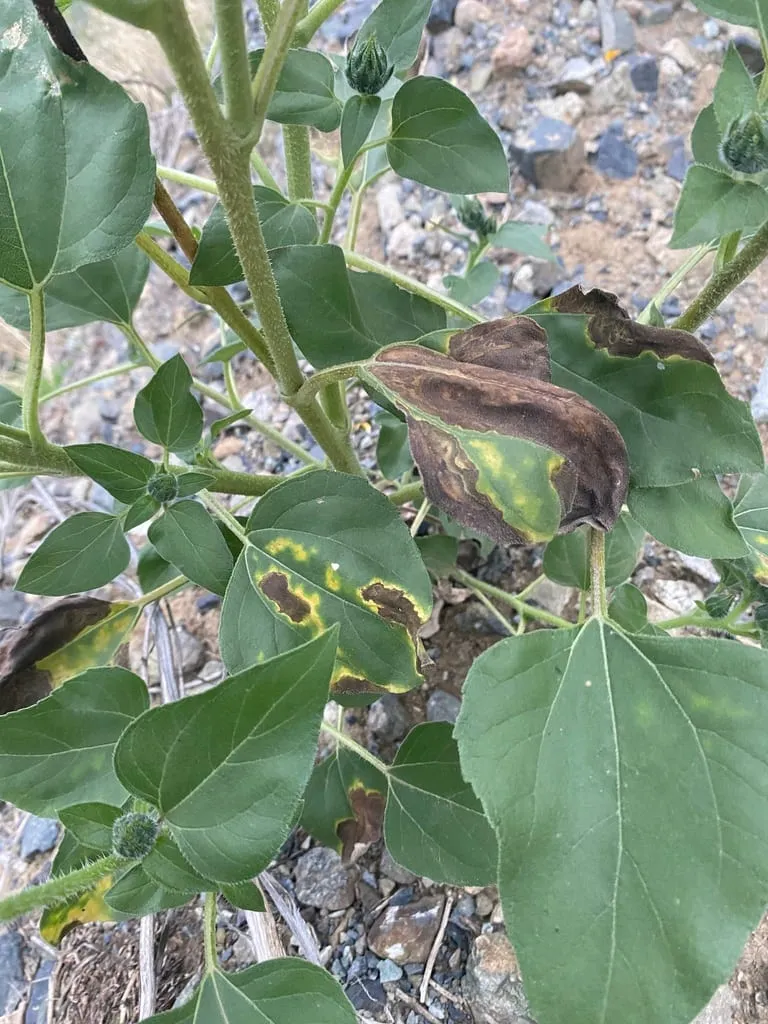
Verticillium dahliae
Soil-borne fungal disease similar to fusarium wilt but with broader host range and cooler temperature optimum. Persists in soil for 10+ years.
Modified care for zone 8b
The most important adjustment in zone 8b is disease management intensity. Warm, humid springs accelerate anthracnose, gray mold (Botrytis), and phytophthora root rot more aggressively than in cooler parts of the crop's range. Bed layout should prioritize airflow, with wider row spacing and strict runner management to prevent canopy density from trapping moisture at the crown.
Raised beds with positive drainage are essential, not optional, particularly in sandy soils prone to saturation after heavy spring rains; phytophthora establishes quickly in waterlogged conditions. Nematode pressure in sandy soils warrants preplant soil testing; incorporating resistant material or treating before planting reduces long-term stand loss. After harvest in early May, renovation should happen promptly: mow foliage, thin runners, and apply fertilizer before summer heat limits recovery. Mulching through the off-season helps stabilize soil moisture and moderate root-zone temperatures.
Frequently asked questions
- Can june-bearing strawberries produce reliably in zone 8b?
With the right variety, yes. Chandler is the standard recommendation because it tolerates lower chill-hour winters better than most june-bearing cultivars. In warm winters where chill-hour accumulation falls below 150 hours, even Chandler may produce poorly. Variety selection is the single most important decision for this zone.
- Why does harvest happen in April rather than June in zone 8b?
June-bearing strawberries fruit when day length and temperatures hit their seasonal triggers. In zone 8b's warmer climate, those conditions arrive 6 to 8 weeks earlier than in northern states. April harvest is normal and expected, not a sign that something went wrong.
- How serious is anthracnose pressure in zone 8b?
Serious. Anthracnose fruit rot and crown rot both thrive in warm, wet conditions. Zone 8b's spring climate is nearly ideal for the pathogen. Preventive fungicide applications starting at bloom, combined with good airflow through the bed, are standard management practice rather than emergency response.
- Do june-bearing strawberries need winter protection in zone 8b?
Generally no. Zone 8b's minimum temperatures of 15 to 20°F are unlikely to injure dormant crowns. The protection concern runs the other direction: row covers during February and March bloom protect open flowers from late frost damage, not the plants from winter cold.
+−
+−
+−
+−
June-Bearing Strawberry in adjacent zones
Image: "Starr 080103-1271 Fragaria x ananassa", by Forest & Kim Starr, via Wikimedia Commons, licensed under CC-BY Source.

Related