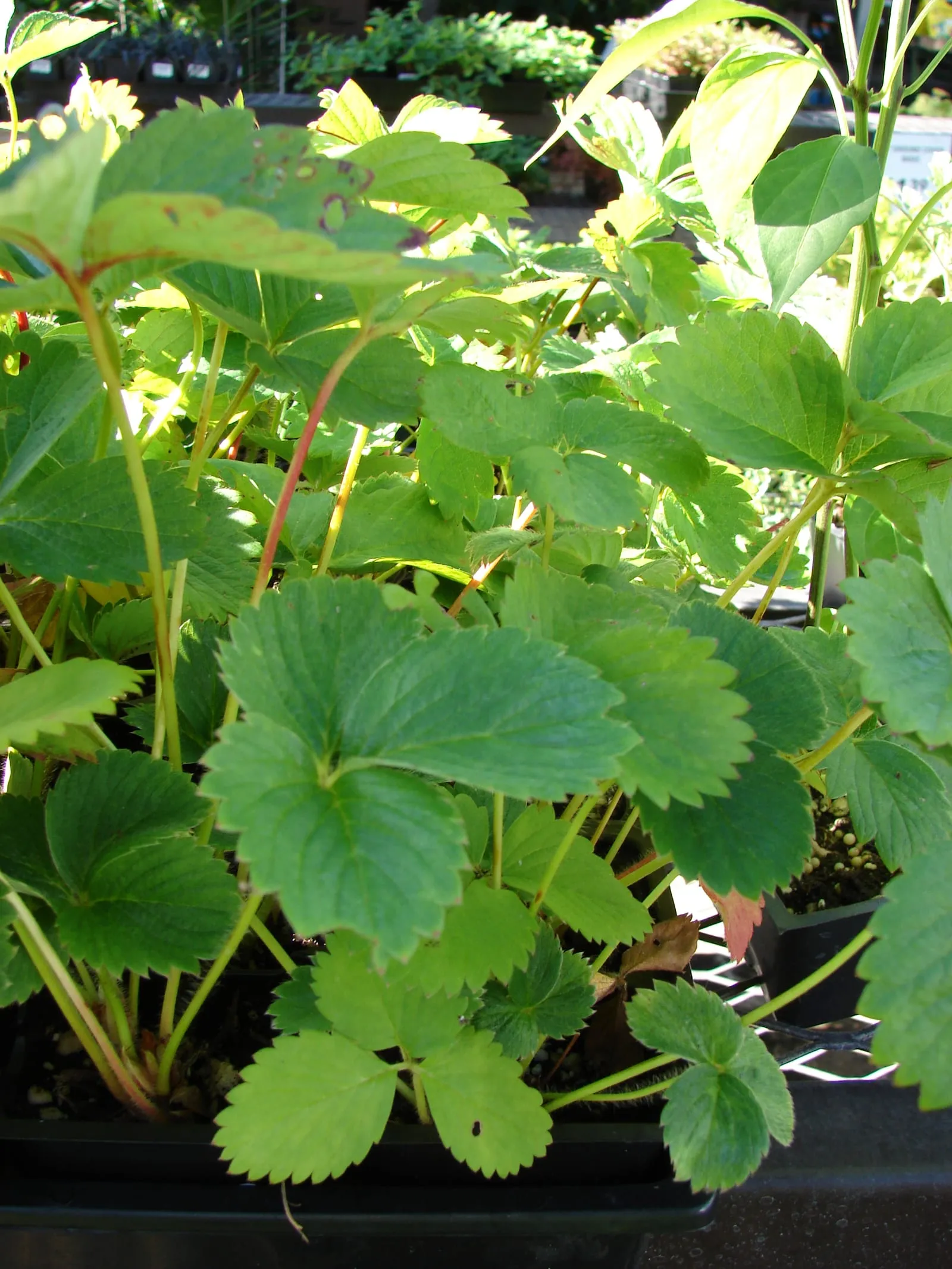
berry in zone 5a
Growing june-bearing strawberry in zone 5a
Fragaria x ananassa
- Zone
- 5a -20°F to -15°F
- Growing season
- 150 days
- Suitable varieties
- 5
- Days to harvest
- 28 to 35
The verdict
Zone 5a is a strong fit for june-bearing strawberries, not a marginal one. The crop's chill-hour requirement of roughly 200 to 300 hours below 45°F is met comfortably here; zone 5a winters are cold enough to break dormancy reliably without the extended deep-freeze that can desiccate crowns over a full winter. Minimum temperatures of -20 to -15°F do approach the tolerance limits of unprotected crowns, but well-mulched beds carry through those temperatures without significant dieback. Earliglow, Honeoye, and Sparkle were bred with cold-climate performance in mind and are dependable in this zone. The more consequential risk is not winter cold but late spring frosts: zone 5a's last frost frequently falls in late April to early May, overlapping directly with the bloom window. That timing is what most determines yield in any given season, not the winter low.
Recommended varieties for zone 5a
5 cultivars suited to this zone, with disease-resistance and zone-fit annotations.
| Variety | Notes | Zone fit | Disease resistance |
|---|---|---|---|
| Earliglow fits zone 5a | Intensely sweet, classic strawberry flavor; the gold-standard early-season variety for fresh eating, jam, freezing. Smaller berries but unmatched flavor. Disease-resistant. | |
|
| Allstar fits zone 5a | Sweet, mild, large pale-red berries with firm flesh; fresh, freezing, baking. Mid-season, vigorous, disease-resistant. Reliable home-garden producer. | |
|
| Honeoye fits zone 5a | Sweet-tart, firm, bright red large berries; fresh, freezing, jam. Mid-season, very productive, cold-hardy. The northern home-garden standard. | | none noted |
| Jewel fits zone 5a | Sweet, juicy, large glossy red berries with classic dessert flavor; fresh eating premium, also good for freezing. Mid-late season, productive. | | none noted |
| Sparkle fits zone 5a | Tart-sweet, soft, deep red flavor; the classic jam and freezing strawberry, defines strawberry preserve flavor. Late-season, very cold-hardy. | | none noted |
Critical timing for zone 5a
June-bearing strawberries in zone 5a typically begin blooming in late April through mid-May, varying by site elevation, aspect, and variety. Earliglow breaks dormancy and blooms earliest; Jewel and Allstar run roughly one to two weeks behind. Zone 5a's average last frost falls in late April to early May, meaning open blooms face real exposure in most years. A hard frost at 28°F or below blackens flower centers and eliminates yield from those blossoms entirely. Harvest follows bloom by four to six weeks, placing the main picking window from late May through June. The 150-day growing season leaves sufficient time after harvest for daughter-plant establishment and crown recovery ahead of the following winter.
Common challenges in zone 5a
- ▸ Fire blight in pears
- ▸ Cedar-apple rust
- ▸ Late spring frosts
Disease pressure to watch for
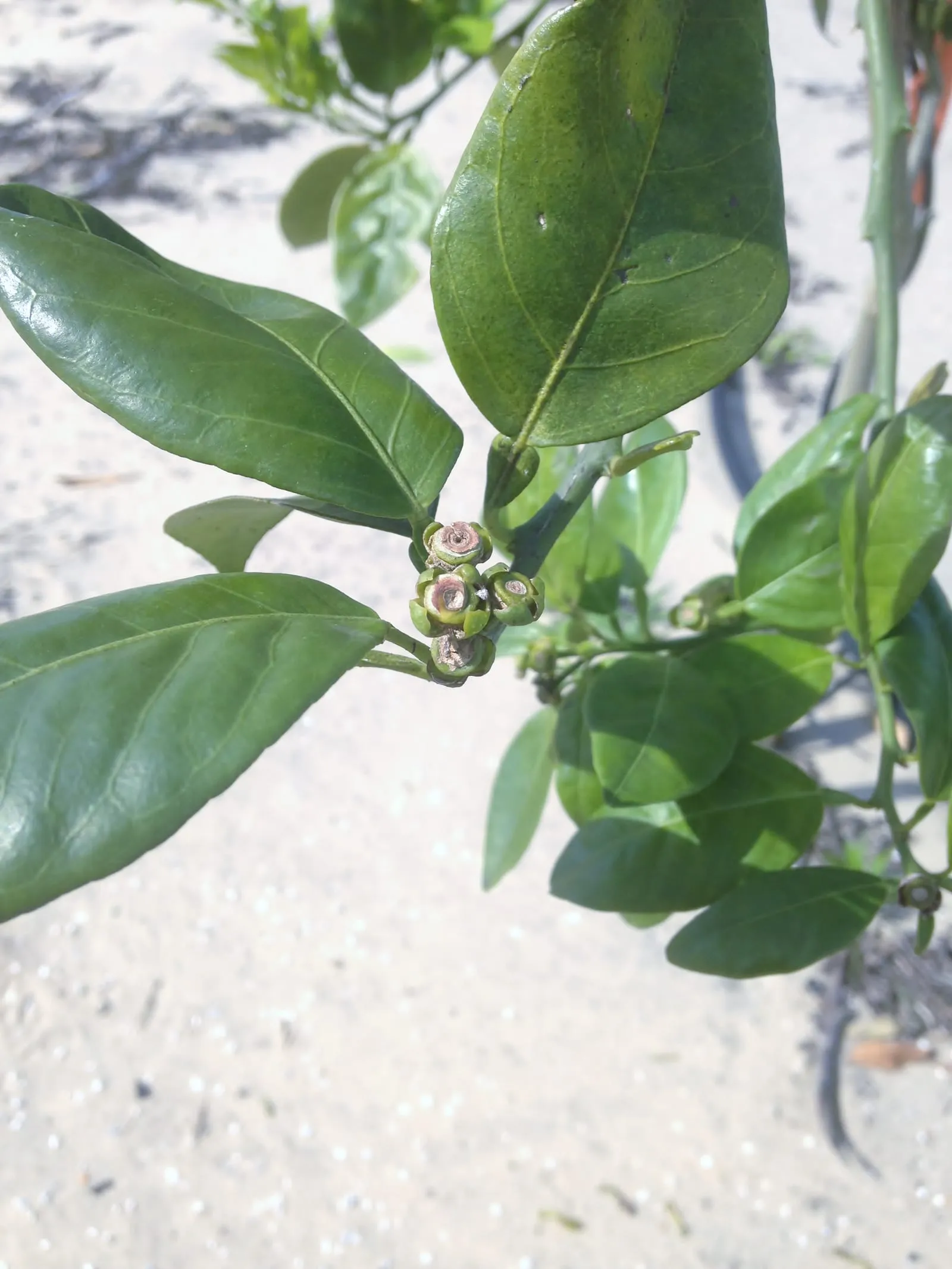
Colletotrichum acutatum
Aggressive fungal disease that causes fruit rot, crown rot, and runner lesions in strawberries, devastating during warm wet weather.
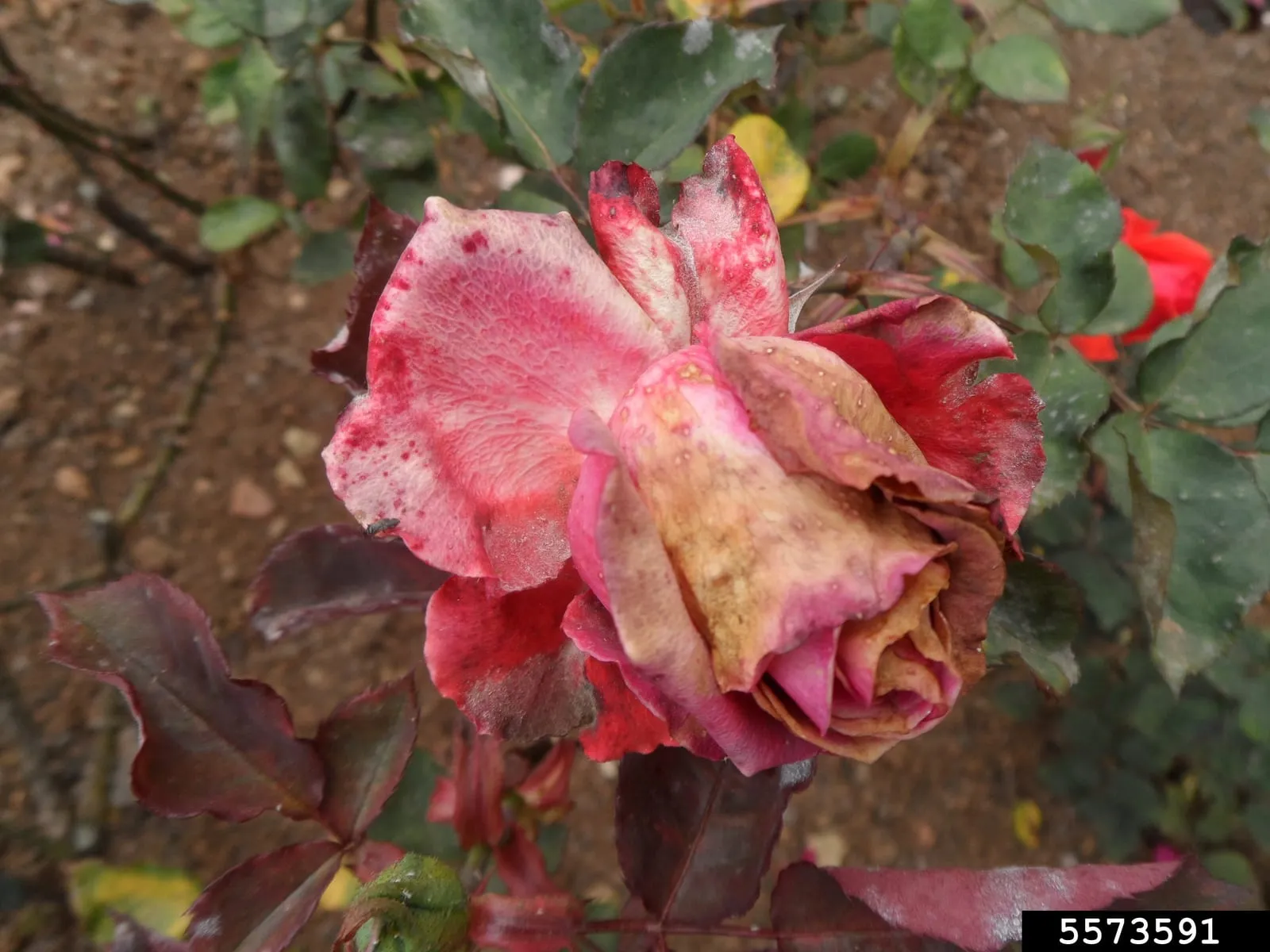
Botrytis cinerea
Ubiquitous fungal disease that causes fruit rot during cool wet weather, often the dominant berry disease in humid regions.
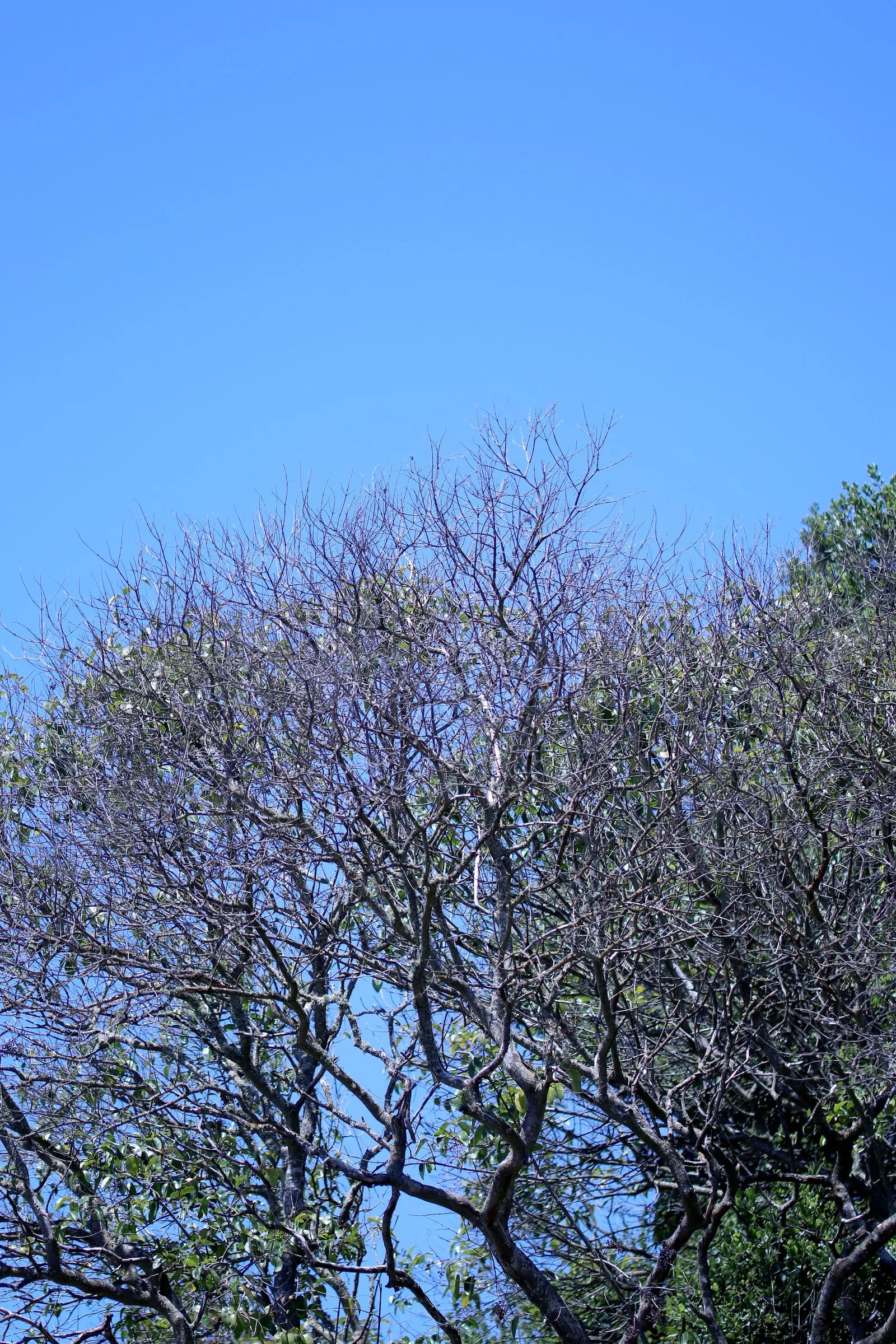
Phytophthora species
Soil-borne water mold that destroys roots in waterlogged soils, the leading cause of blueberry decline in poorly drained sites.
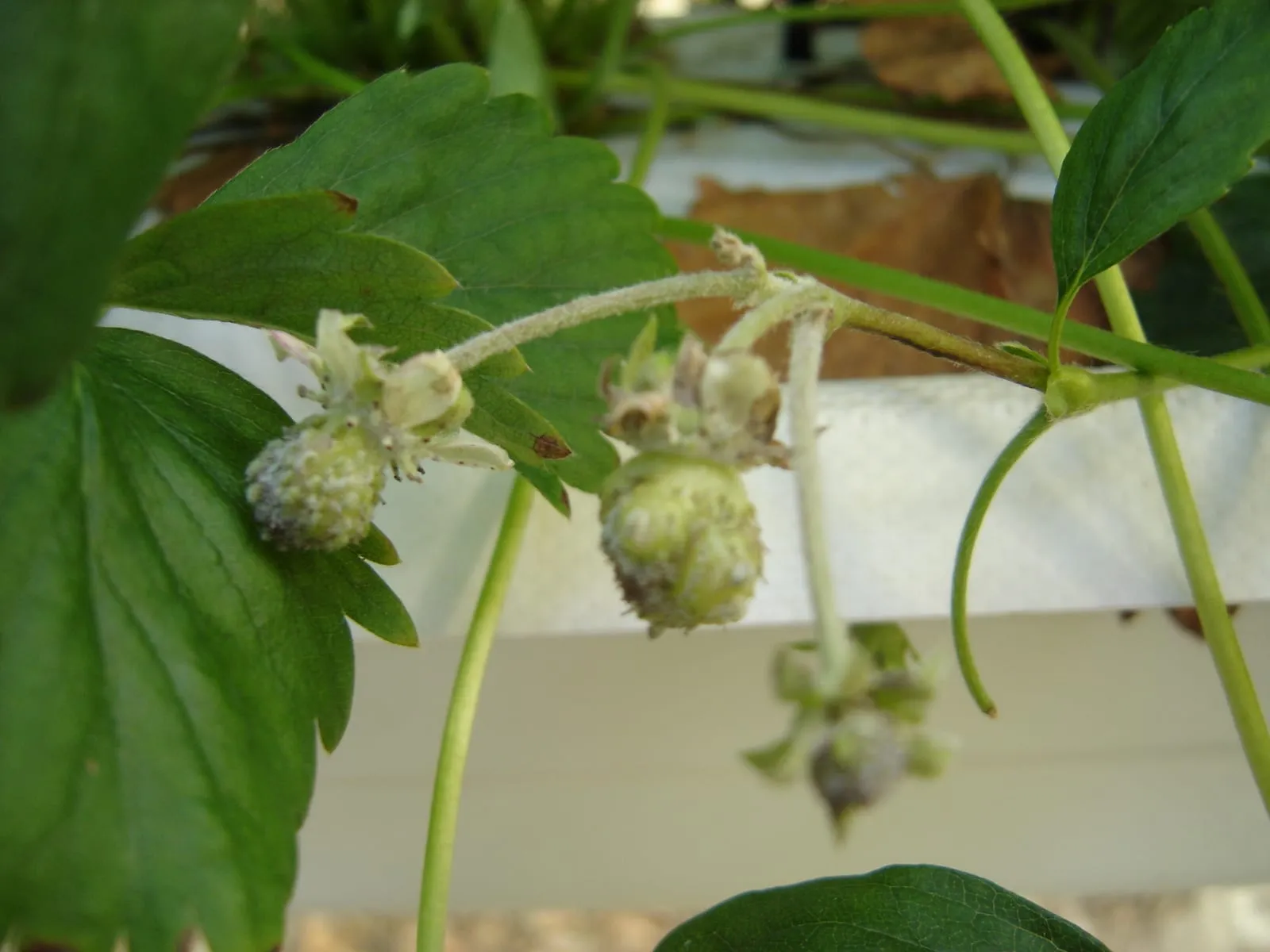
Podosphaera and Sphaerotheca species
Surface-feeding fungal disease producing white powdery growth on leaves and fruit, particularly damaging on gooseberries.
Phytophthora fragariae
Soil-borne water mold that destroys strawberry roots in wet cool springs, characterized by red discoloration in the root core.
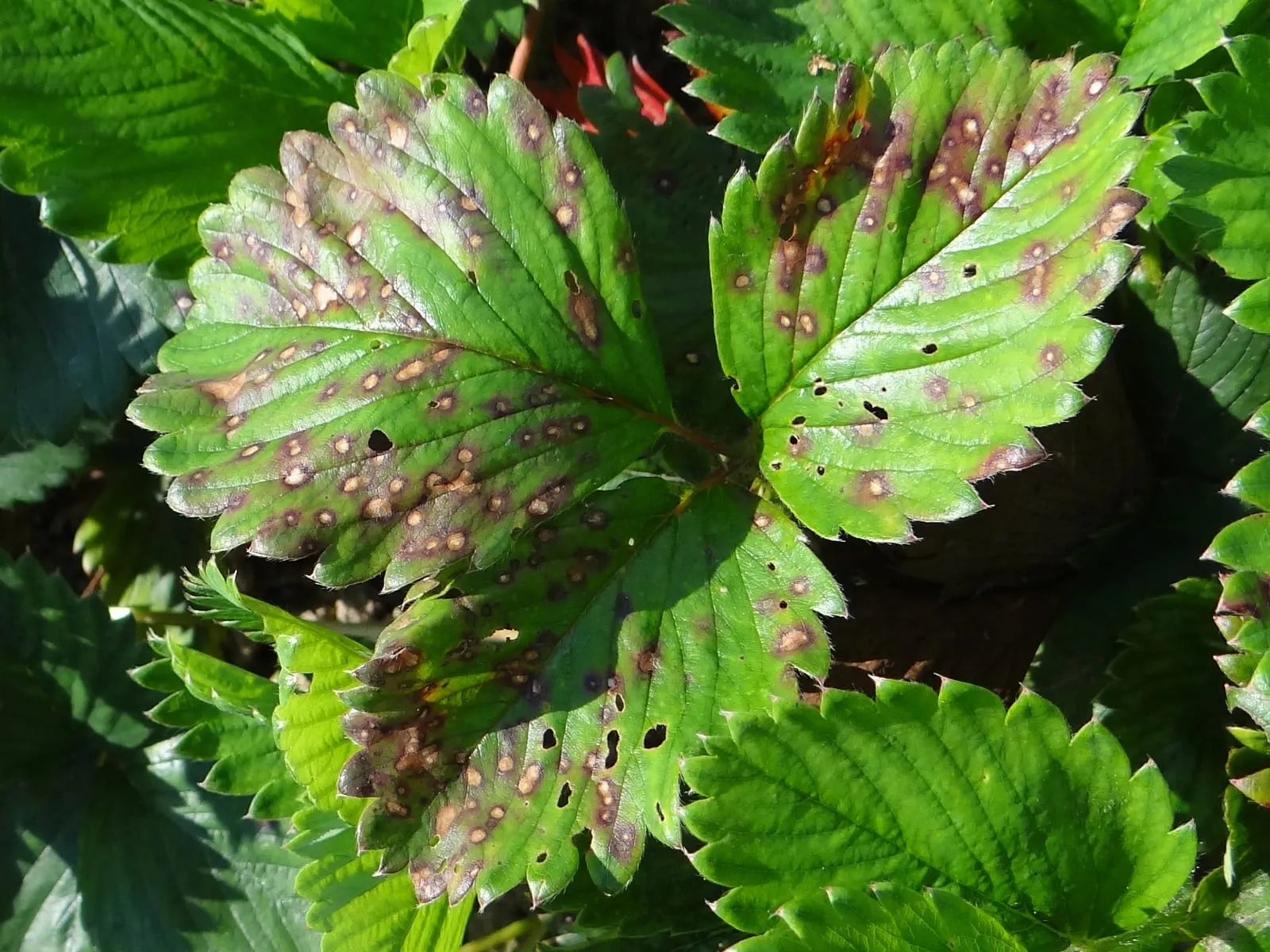
Mycosphaerella fragariae
Common fungal disease producing characteristic small purple spots with white centers on strawberry leaves.
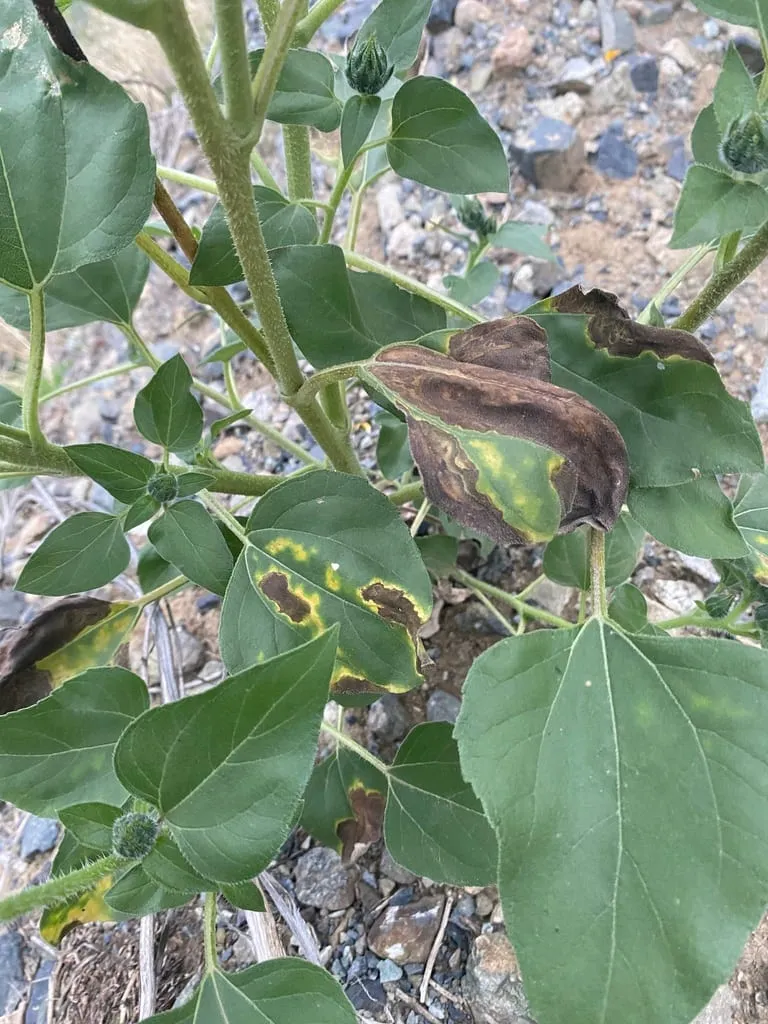
Verticillium dahliae
Soil-borne fungal disease similar to fusarium wilt but with broader host range and cooler temperature optimum. Persists in soil for 10+ years.
Modified care for zone 5a
Winter mulching is non-negotiable in zone 5a. After the first hard freeze, typically in late November, apply 3 to 4 inches of clean straw over the crowns. Remove it gradually in spring as growth resumes, pulling it back in stages starting in early April. Leaving mulch over emerging foliage too long delays bloom; removing it all at once before a late frost leaves open blossoms unprotected. Row fabric or frost cloth should be kept on hand through mid-May.
Red Stele root rot is an elevated concern in zone 5a soils that hold spring moisture. Plant in well-drained ground and favor varieties with documented resistance: Allstar, Earliglow, and Sparkle all carry useful Red Stele resistance. Gray Mold (Botrytis) pressure increases during the cool, wet springs typical of this zone; adequate row spacing for air circulation and prompt removal of overripe or damaged fruit reduce infection rates meaningfully.
Frequently asked questions
- Are june-bearing strawberries cold-hardy enough for zone 5a winters?
Most june-bearing varieties handle zone 5a minimum temperatures of -20 to -15°F when the crowns are protected by 3 to 4 inches of straw mulch applied after the first hard freeze. Earliglow, Honeoye, Allstar, and Sparkle are consistently reliable choices with documented cold-climate performance.
- When should strawberry mulch be removed in spring in zone 5a?
Pull mulch back gradually beginning in early April, uncovering crowns in stages rather than all at once. Keep the straw nearby through mid-May; it can be pulled back over the plants on nights when frost is forecast to protect open blooms.
- Which strawberry diseases are most problematic in zone 5a?
Red Stele root rot and Gray Mold (Botrytis) are the most consistent threats in zone 5a. Red Stele favors the cool, wet soils of early spring; selecting resistant varieties and avoiding poorly drained sites are the primary controls. Botrytis pressure rises in cool, humid conditions and is managed with good air circulation and timely fruit removal.
- What is the typical harvest window for june-bearing strawberries in zone 5a?
Harvest generally runs from late May through June in zone 5a, following bloom by four to six weeks. Earliglow is among the earliest to ripen; Jewel and Allstar peak somewhat later. Actual timing shifts by a week or more depending on spring temperatures and site conditions.
+−
+−
+−
+−
June-Bearing Strawberry in adjacent zones
Image: "Starr 080103-1271 Fragaria x ananassa", by Forest & Kim Starr, via Wikimedia Commons, licensed under CC-BY Source.

Related