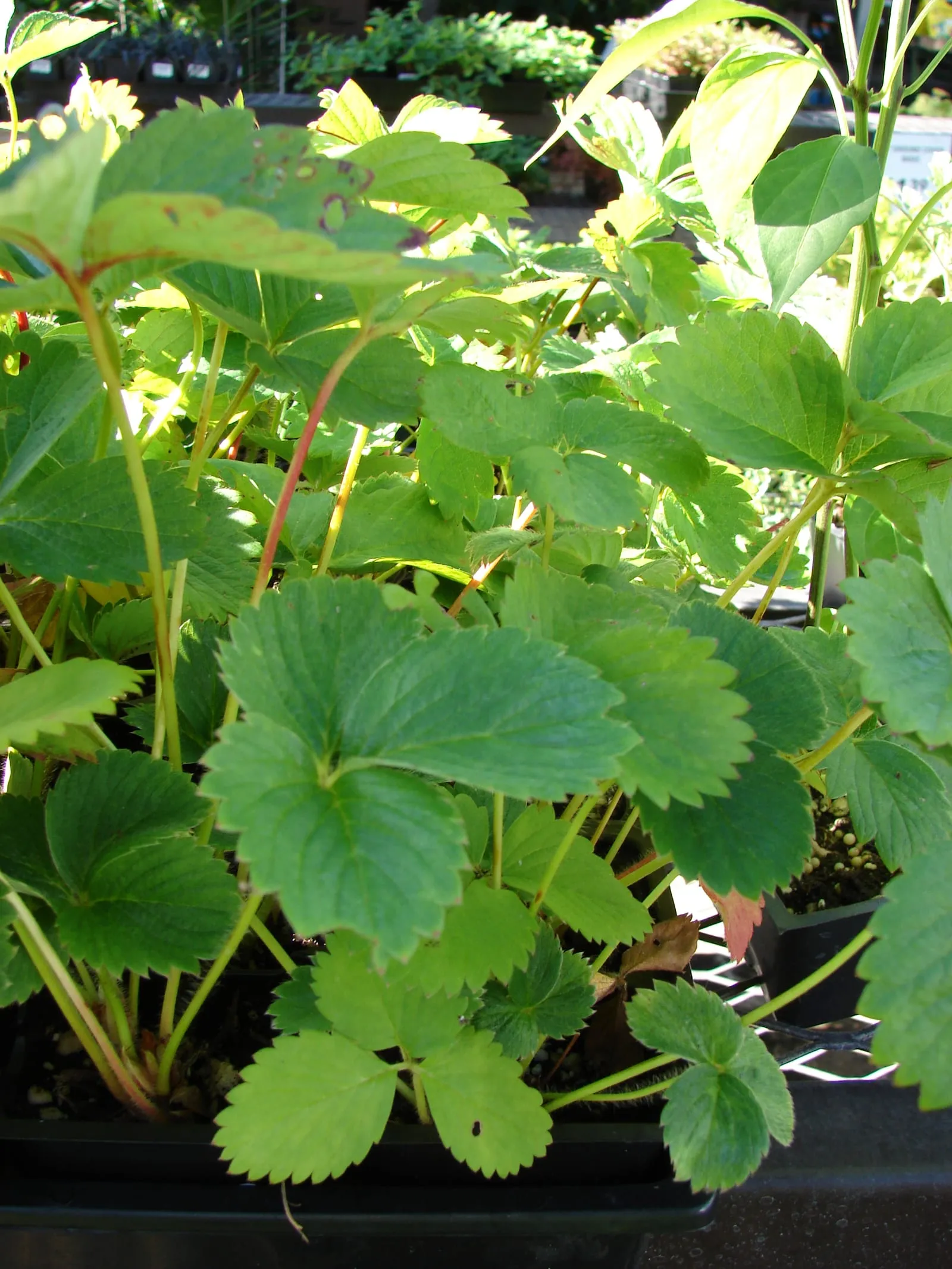
berry in zone 4b
Growing june-bearing strawberry in zone 4b
Fragaria x ananassa
- Zone
- 4b -25°F to -20°F
- Growing season
- 130 days
- Suitable varieties
- 5
- Days to harvest
- 28 to 35
The verdict
Zone 4b is solidly within the comfort range for june-bearing strawberries, not a marginal case. This type requires a pronounced winter dormancy period, and zone 4b winters (minimum temperatures of -25 to -20°F) deliver far more than the 200 to 300 chilling hours these plants need to break dormancy cleanly and set abundant flower buds. The risk runs in the other direction: bare crowns exposed to those temperatures without insulation can desiccate or freeze outright, so winter mulching is the make-or-break practice here rather than marginal hardiness.
All five of the recommended varieties for this zone, Earliglow, Allstar, Honeoye, Jewel, and Sparkle, were bred or selected with northern climates in mind. Honeoye and Sparkle in particular have documented performance across zones 3 to 5. The 130-day growing season is sufficient for a full june-bearing harvest cycle. Growers in zone 4b can expect consistent, productive crops provided they manage late spring frost risk and maintain good mulch discipline.
Recommended varieties for zone 4b
5 cultivars suited to this zone, with disease-resistance and zone-fit annotations.
| Variety | Notes | Zone fit | Disease resistance |
|---|---|---|---|
| Earliglow fits zone 4b | Intensely sweet, classic strawberry flavor; the gold-standard early-season variety for fresh eating, jam, freezing. Smaller berries but unmatched flavor. Disease-resistant. | |
|
| Allstar fits zone 4b | Sweet, mild, large pale-red berries with firm flesh; fresh, freezing, baking. Mid-season, vigorous, disease-resistant. Reliable home-garden producer. | |
|
| Honeoye fits zone 4b | Sweet-tart, firm, bright red large berries; fresh, freezing, jam. Mid-season, very productive, cold-hardy. The northern home-garden standard. | | none noted |
| Jewel fits zone 4b | Sweet, juicy, large glossy red berries with classic dessert flavor; fresh eating premium, also good for freezing. Mid-late season, productive. | | none noted |
| Sparkle fits zone 4b | Tart-sweet, soft, deep red flavor; the classic jam and freezing strawberry, defines strawberry preserve flavor. Late-season, very cold-hardy. | | none noted |
Critical timing for zone 4b
Bloom in zone 4b typically falls in late May to early June, once soil temperatures are consistently above 50°F and nighttime lows have stabilized above freezing. The spring frost timing challenge noted for this zone is directly relevant: a single hard frost during open bloom can eliminate most of the year's crop, since june-bearing plants produce a single concentrated flowering window rather than successive flushes.
Harvest follows pollination by roughly four to six weeks, placing the main pick window in late June through mid-July for most zone 4b sites. That's a week or two later than the same varieties would ripen in zone 6. The narrow window concentrates labor demands. Growers managing more than a small patch should plan for daily picking during the two-to-three-week harvest period.
Common challenges in zone 4b
- ▸ Spring frost timing
- ▸ Apple scab pressure
- ▸ Cane berry winter dieback
Disease pressure to watch for
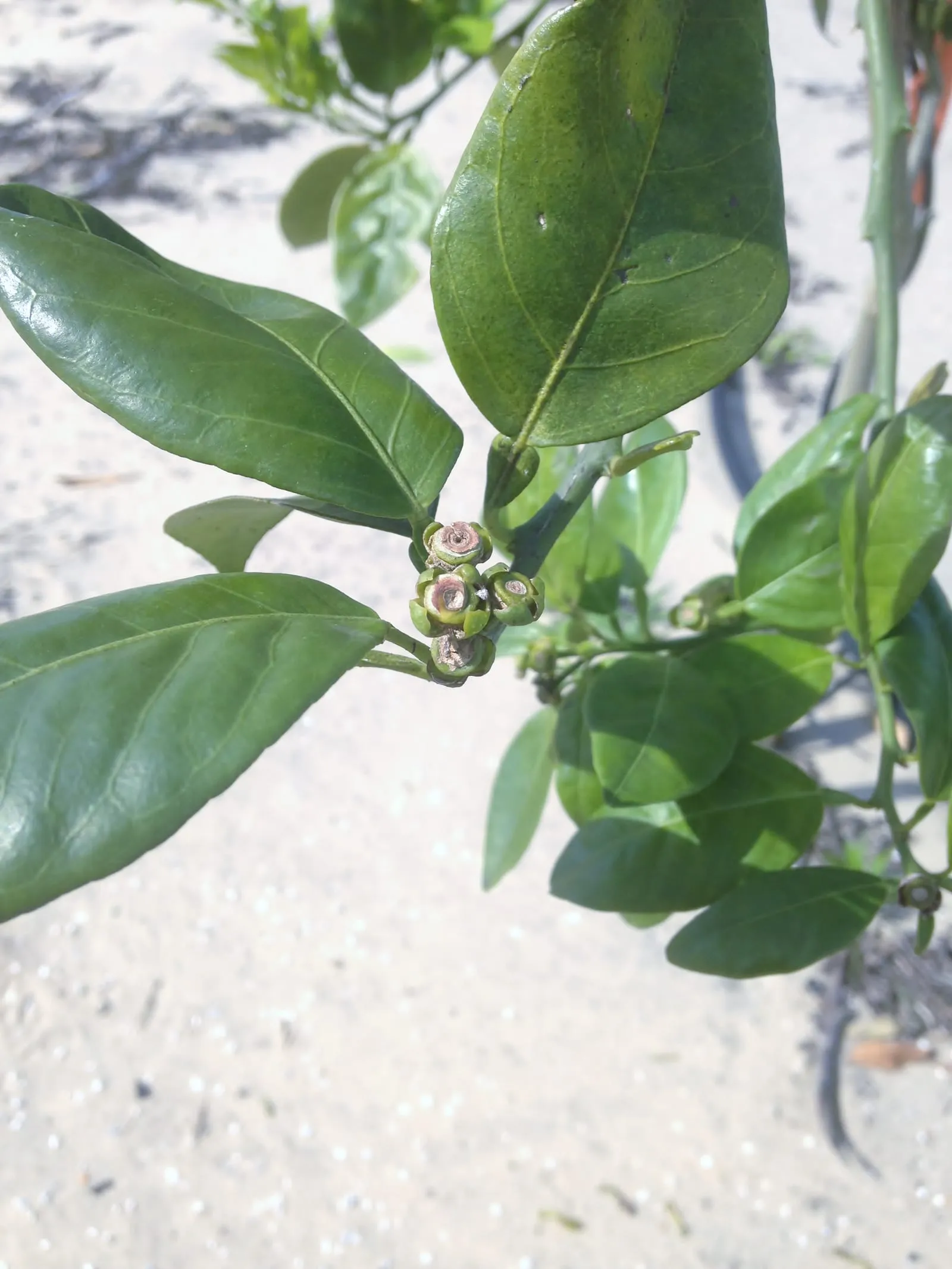
Colletotrichum acutatum
Aggressive fungal disease that causes fruit rot, crown rot, and runner lesions in strawberries, devastating during warm wet weather.
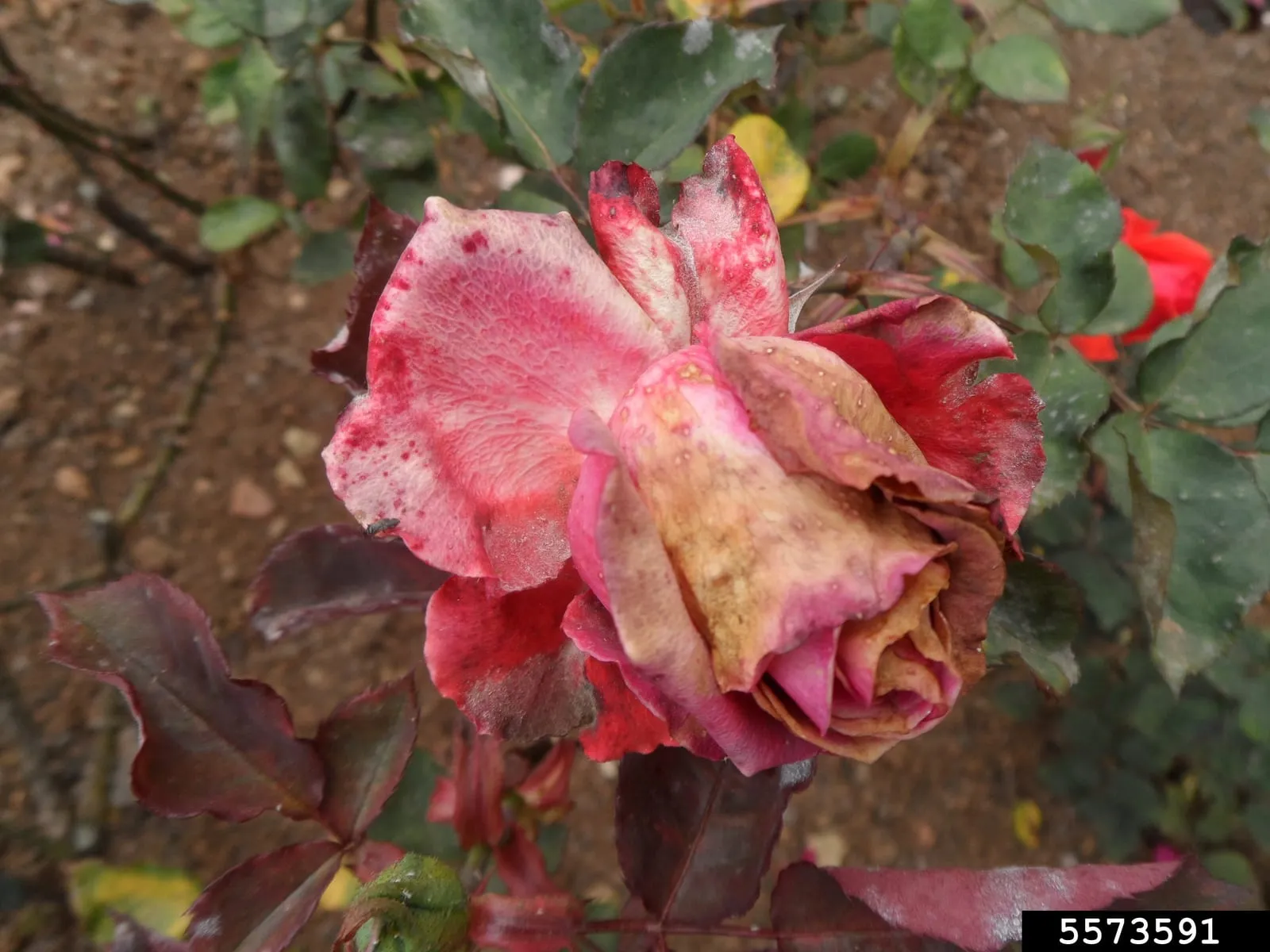
Botrytis cinerea
Ubiquitous fungal disease that causes fruit rot during cool wet weather, often the dominant berry disease in humid regions.
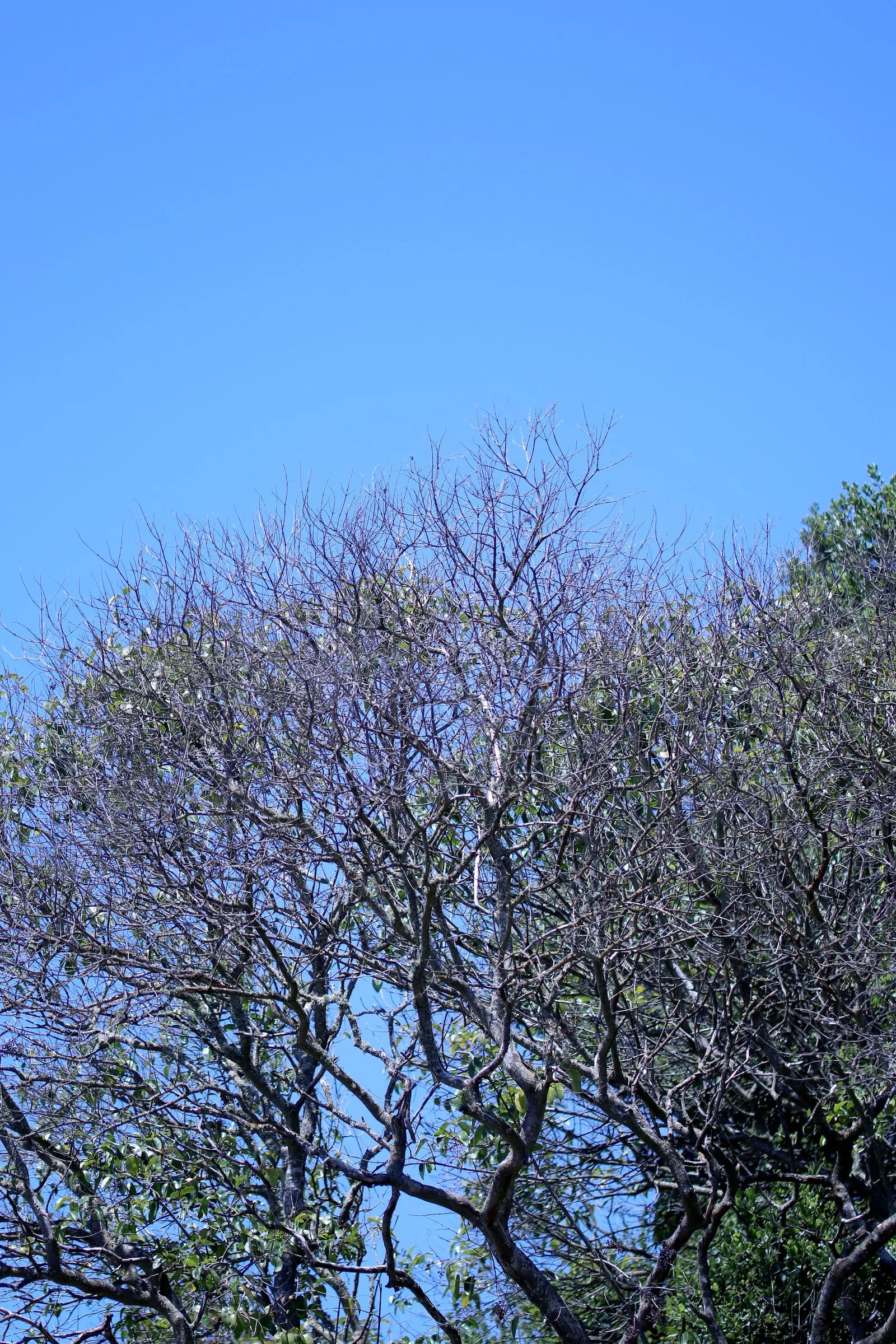
Phytophthora species
Soil-borne water mold that destroys roots in waterlogged soils, the leading cause of blueberry decline in poorly drained sites.
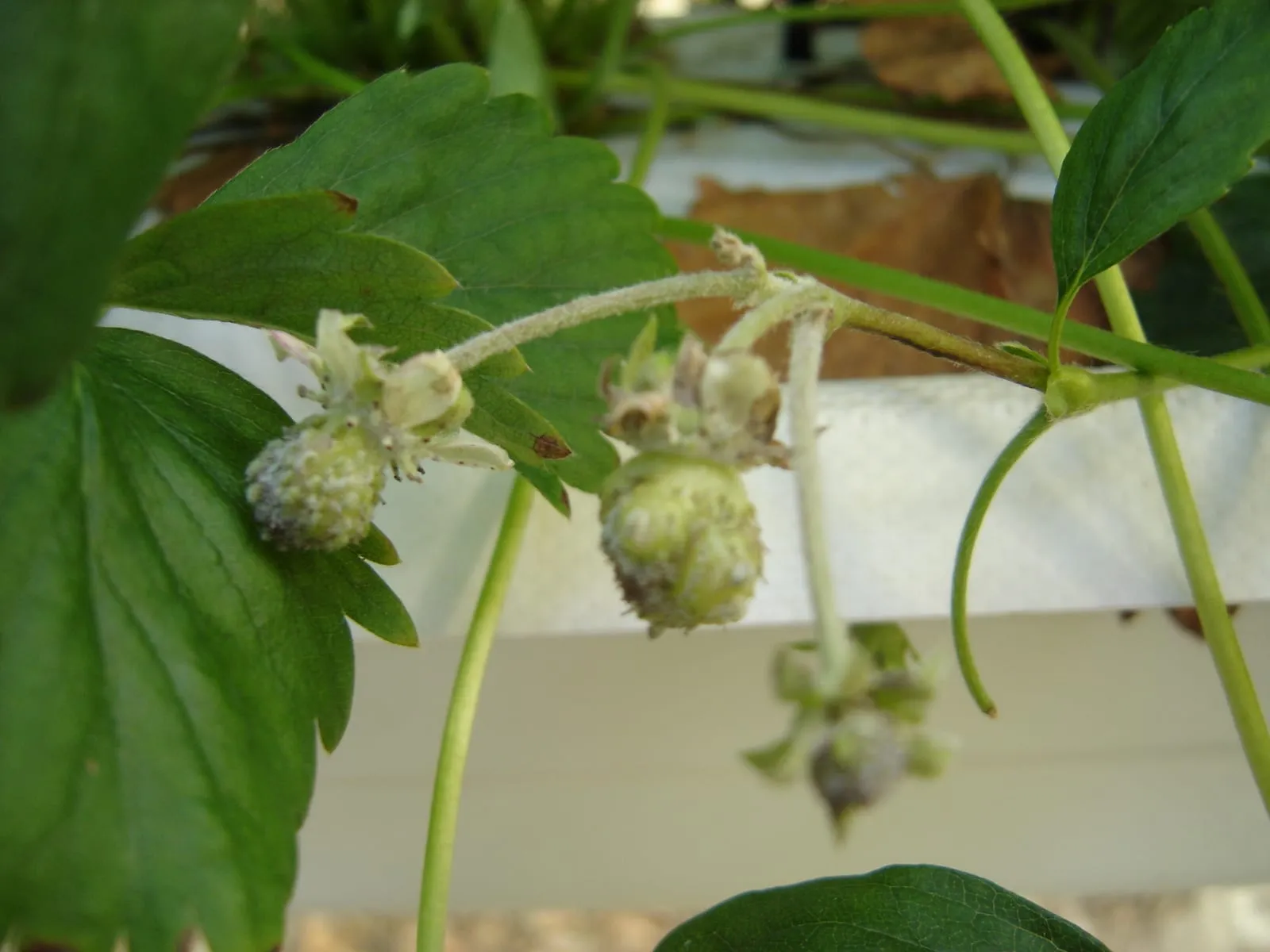
Podosphaera and Sphaerotheca species
Surface-feeding fungal disease producing white powdery growth on leaves and fruit, particularly damaging on gooseberries.
Phytophthora fragariae
Soil-borne water mold that destroys strawberry roots in wet cool springs, characterized by red discoloration in the root core.
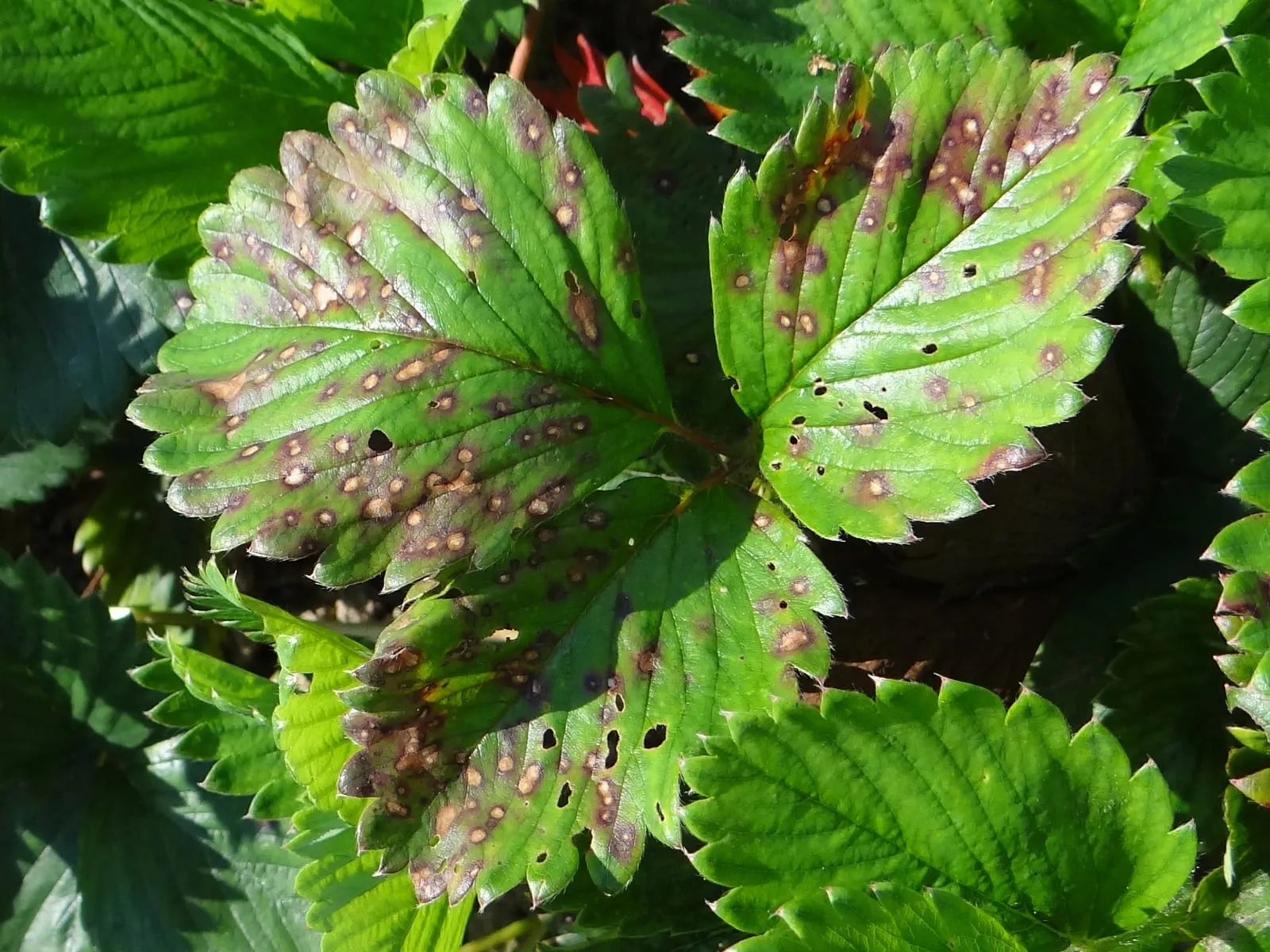
Mycosphaerella fragariae
Common fungal disease producing characteristic small purple spots with white centers on strawberry leaves.
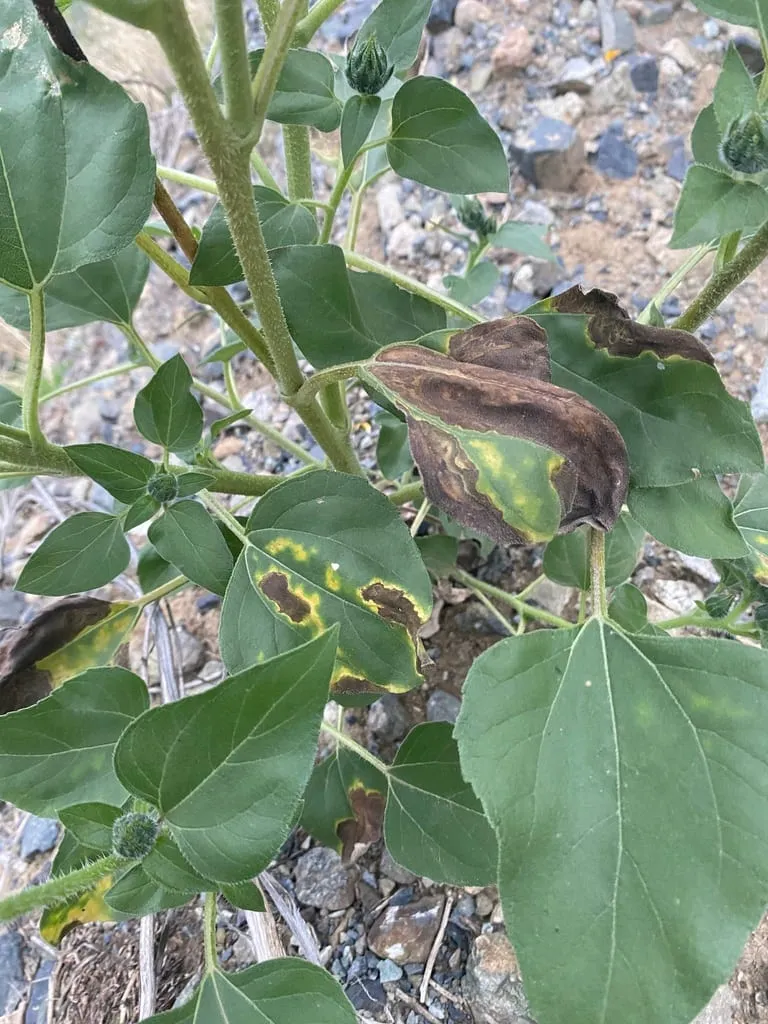
Verticillium dahliae
Soil-borne fungal disease similar to fusarium wilt but with broader host range and cooler temperature optimum. Persists in soil for 10+ years.
Modified care for zone 4b
The most consequential adjustment for zone 4b is consistent straw mulching applied in fall after the first hard frost, typically late October to early November. A 3 to 4 inch layer of clean straw protects crowns from the freeze-thaw cycles and desiccating winds that cause more winter loss than absolute cold alone.
In spring, mulch removal needs to happen in stages. Pull the straw back when plants show new growth, but keep it nearby to re-cover beds on nights when temperatures are forecast below 32°F during the bloom window. Frost blankets or row cover can substitute when the mulch has already been composted down.
Gray mold (Botrytis) and red stele root rot merit particular attention in zone 4b because the cool, wet springs that characterize the region favor both pathogens. Raised rows or beds improve drainage and reduce red stele pressure. Adequate plant spacing and prompt removal of overripe fruit reduce Botrytis inoculum during the humid harvest period.
Frequently asked questions
- Do june-bearing strawberries need protection to survive zone 4b winters?
Yes. Bare crowns exposed to -25°F can desiccate even if the plants are nominally cold-hardy. Applying 3 to 4 inches of straw mulch after the ground freezes in fall is standard practice and the single most reliable way to carry plants through to spring in zone 4b.
- Which june-bearing varieties perform best in zone 4b?
Honeoye, Sparkle, and Earliglow have the longest track record in northern zones. Allstar and Jewel are also reliable. Honeoye ripens earliest in the season, which can be an advantage where the harvest window is compressed by an early fall frost.
- Can a late spring frost wipe out the entire strawberry harvest in zone 4b?
It can. June-bearing plants produce one bloom flush per season, so frost damage during that window eliminates that year's crop entirely. Monitoring forecasts during bloom and covering beds when temperatures are forecast below 32°F is the practical mitigation. Varieties with slightly later bloom timing, like Allstar, offer a modest buffer against the earliest spring frosts.
- When should mulch be removed from strawberry beds in spring in zone 4b?
Pull mulch back when plants show new crown growth, typically mid to late April. Do not remove it entirely until the risk of hard frost has passed. Keep pulled mulch nearby to re-cover beds if late frost is forecast during bloom.
+−
+−
+−
+−
June-Bearing Strawberry in adjacent zones
Image: "Starr 080103-1271 Fragaria x ananassa", by Forest & Kim Starr, via Wikimedia Commons, licensed under CC-BY Source.

Related