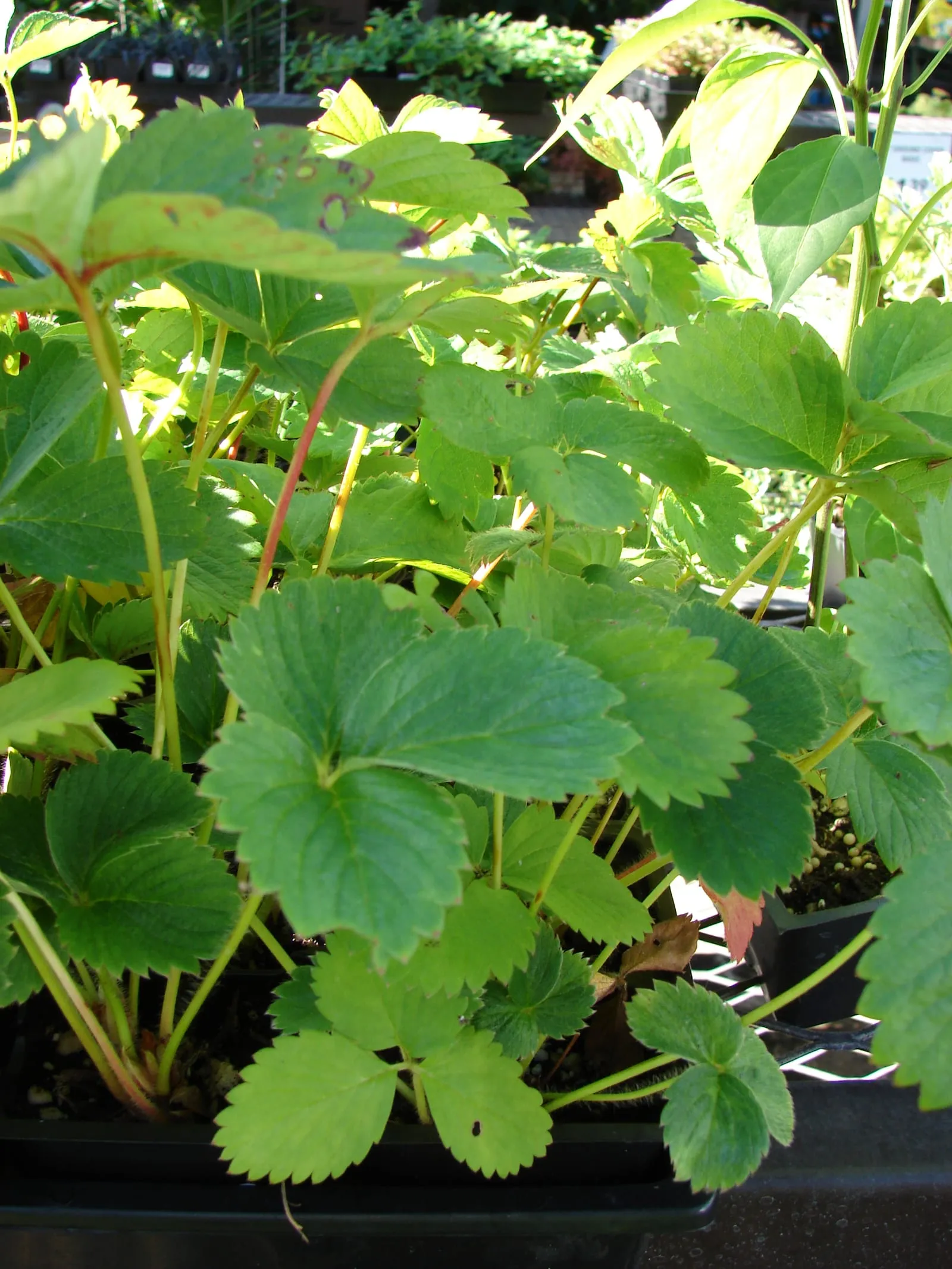
berry in zone 4a
Growing june-bearing strawberry in zone 4a
Fragaria x ananassa
- Zone
- 4a -30°F to -25°F
- Growing season
- 120 days
- Suitable varieties
- 5
- Days to harvest
- 28 to 35
The verdict
Zone 4a is well within the comfort range for June-bearing strawberries, not a marginal case. These varieties require substantial winter chill to break dormancy and set flower buds properly, and zone 4a's winters deliver that reliably. The varieties suited to this zone, including Honeoye, Earliglow, and Sparkle, are bred for exactly this temperature profile, with demonstrated hardiness down to -30°F when properly mulched.
The 120-day growing season is adequate for June-bearers, which need roughly 60 to 90 days from planting establishment to fruiting in year two. The primary threat is not cold itself but late frost events that coincide with early bloom. Varieties like Earliglow push out early flowers and carry more late-frost risk than later-blooming options like Allstar or Jewel. Choosing a later-blooming variety reduces that exposure without sacrificing cold hardiness.
Recommended varieties for zone 4a
5 cultivars suited to this zone, with disease-resistance and zone-fit annotations.
| Variety | Notes | Zone fit | Disease resistance |
|---|---|---|---|
| Earliglow fits zone 4a | Intensely sweet, classic strawberry flavor; the gold-standard early-season variety for fresh eating, jam, freezing. Smaller berries but unmatched flavor. Disease-resistant. | |
|
| Allstar fits zone 4a | Sweet, mild, large pale-red berries with firm flesh; fresh, freezing, baking. Mid-season, vigorous, disease-resistant. Reliable home-garden producer. | |
|
| Honeoye fits zone 4a | Sweet-tart, firm, bright red large berries; fresh, freezing, jam. Mid-season, very productive, cold-hardy. The northern home-garden standard. | | none noted |
| Jewel fits zone 4a | Sweet, juicy, large glossy red berries with classic dessert flavor; fresh eating premium, also good for freezing. Mid-late season, productive. | | none noted |
| Sparkle fits zone 4a | Tart-sweet, soft, deep red flavor; the classic jam and freezing strawberry, defines strawberry preserve flavor. Late-season, very cold-hardy. | | none noted |
Critical timing for zone 4a
In zone 4a, June-bearing strawberries typically bloom in late May to early June, roughly two to four weeks later than the same varieties growing in zone 6. Harvest follows four to six weeks after full bloom, placing ripe fruit in late June through mid-July depending on variety and spring warmth.
The zone's last frost averages around mid-May, which means open flowers can face freeze events. A late frost at 28°F or below will kill open blossoms and any small developing fruitlets. Monitoring forecast temperatures during bloom and keeping row covers accessible is practical insurance. Years with early warm spells that advance bloom by one to two weeks carry the highest frost-damage risk.
Common challenges in zone 4a
- ▸ Late frosts damage early bloomers
- ▸ Limited peach varieties
Disease pressure to watch for
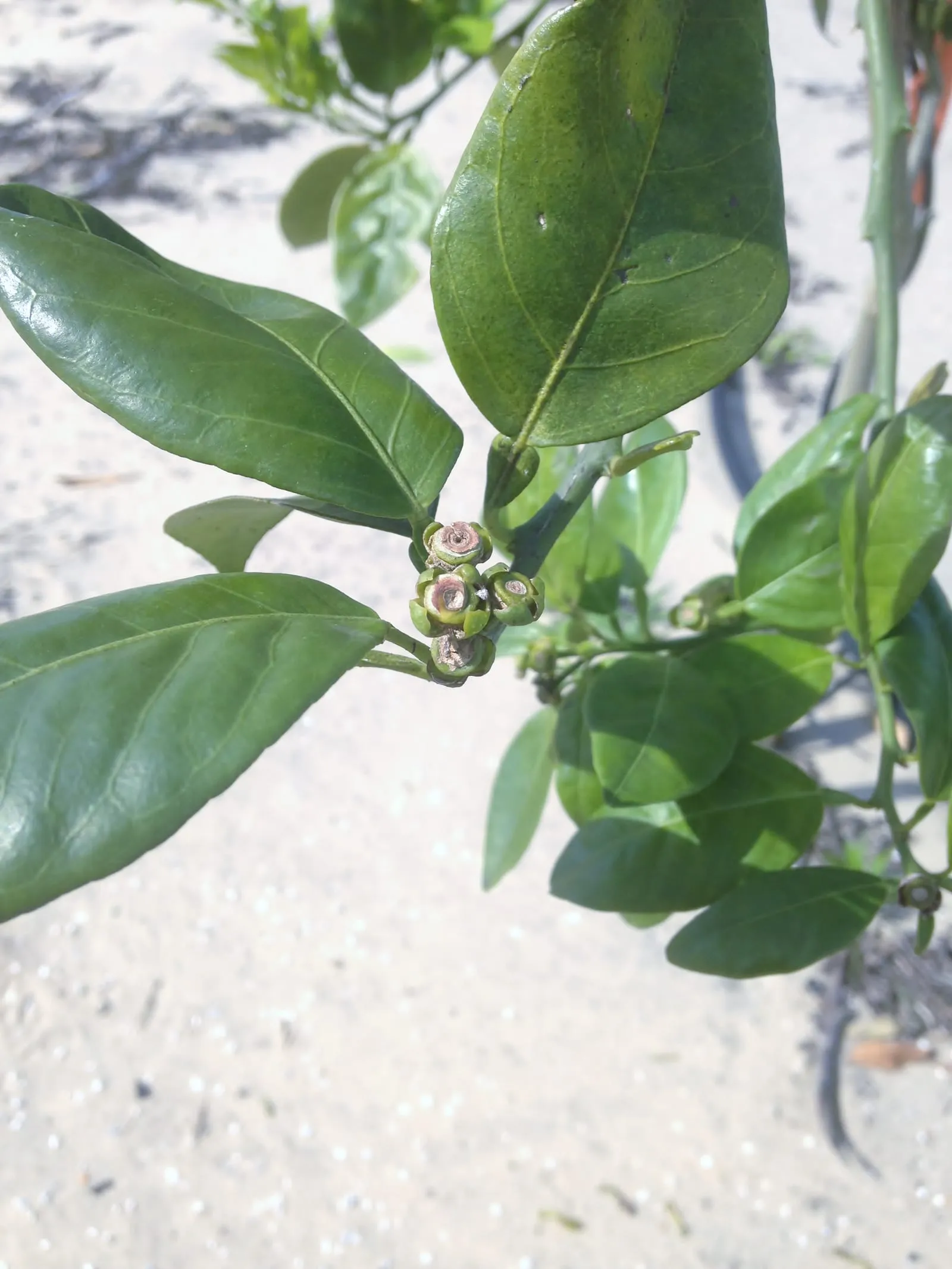
Colletotrichum acutatum
Aggressive fungal disease that causes fruit rot, crown rot, and runner lesions in strawberries, devastating during warm wet weather.
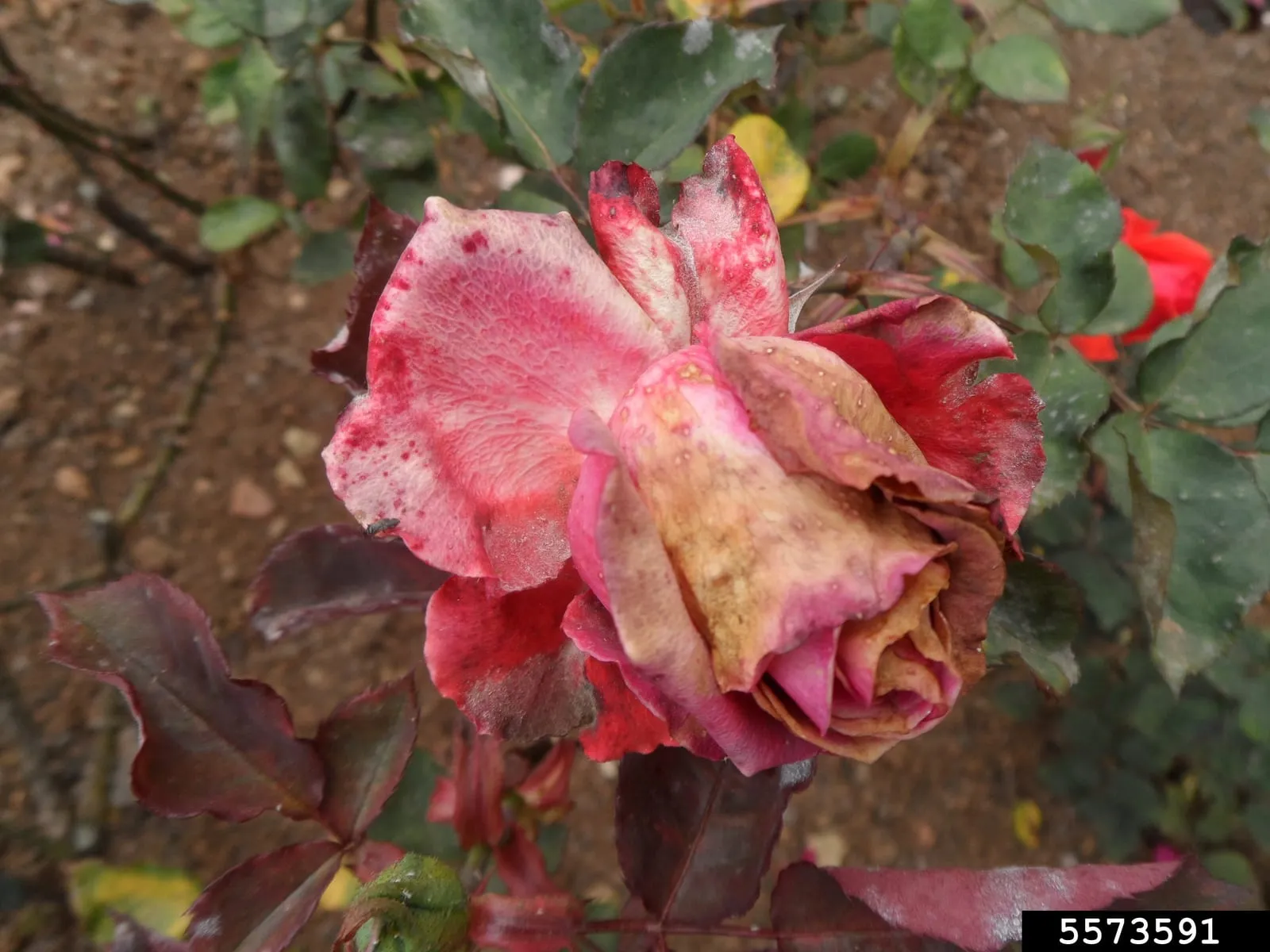
Botrytis cinerea
Ubiquitous fungal disease that causes fruit rot during cool wet weather, often the dominant berry disease in humid regions.
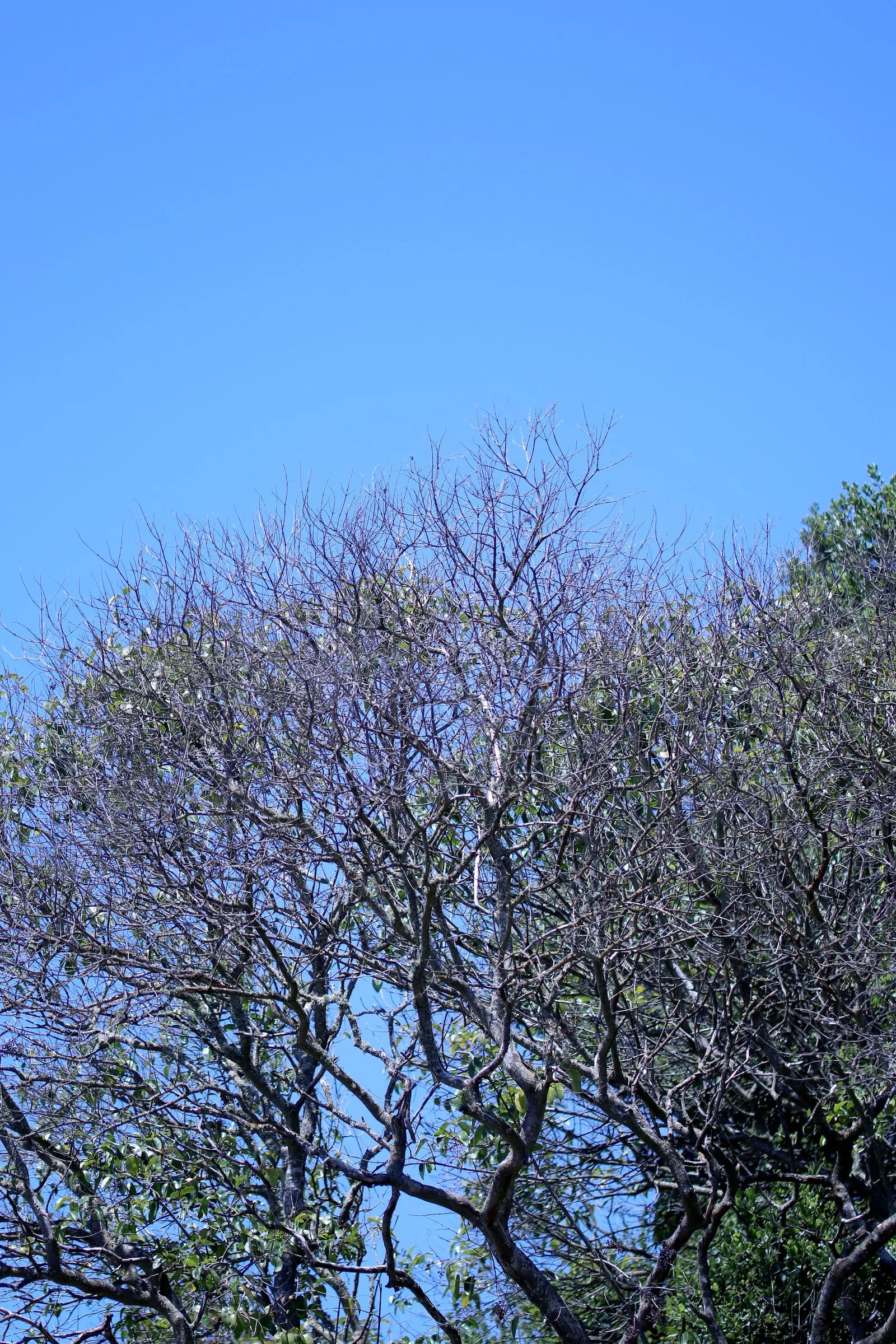
Phytophthora species
Soil-borne water mold that destroys roots in waterlogged soils, the leading cause of blueberry decline in poorly drained sites.
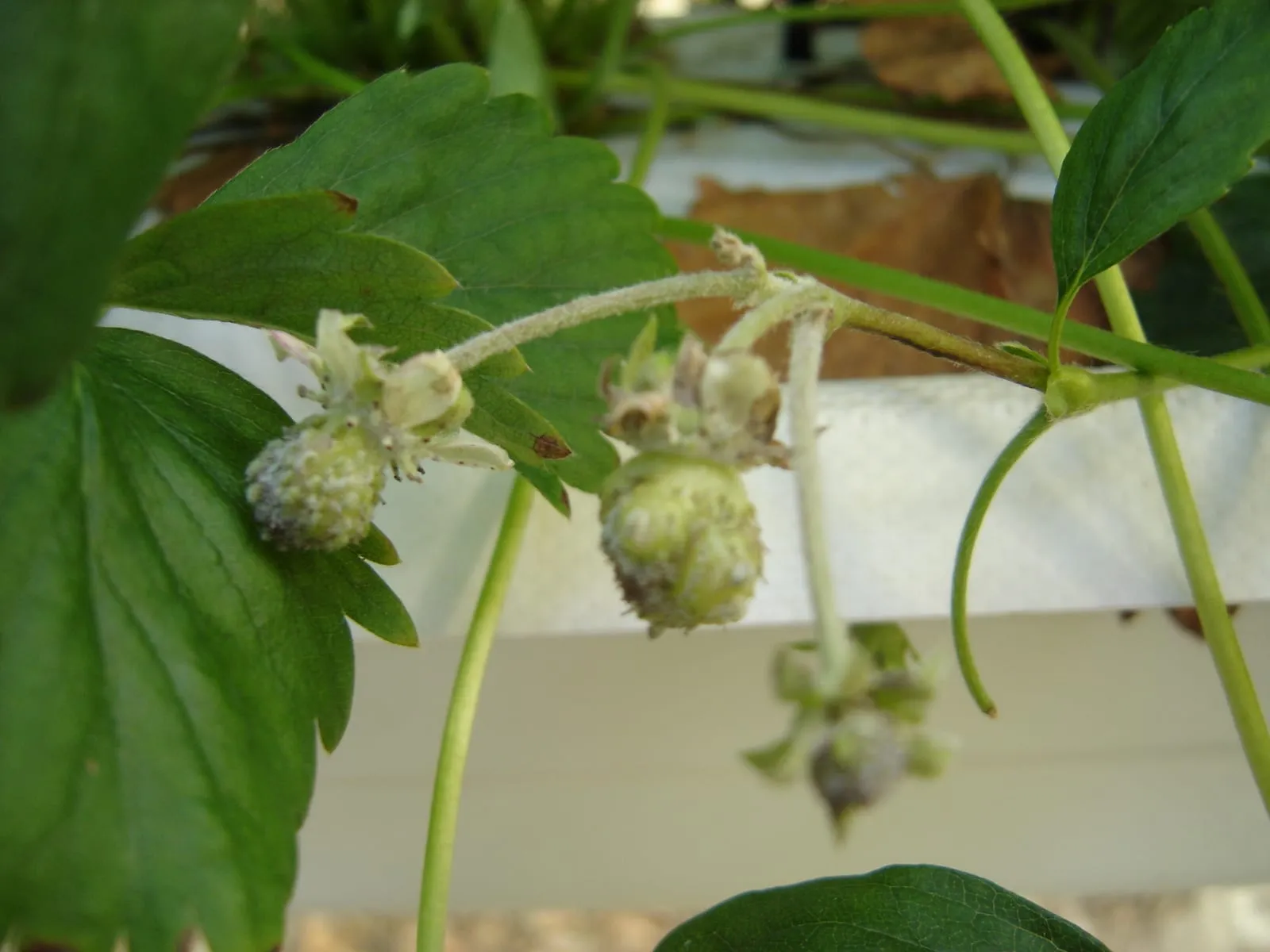
Podosphaera and Sphaerotheca species
Surface-feeding fungal disease producing white powdery growth on leaves and fruit, particularly damaging on gooseberries.
Phytophthora fragariae
Soil-borne water mold that destroys strawberry roots in wet cool springs, characterized by red discoloration in the root core.
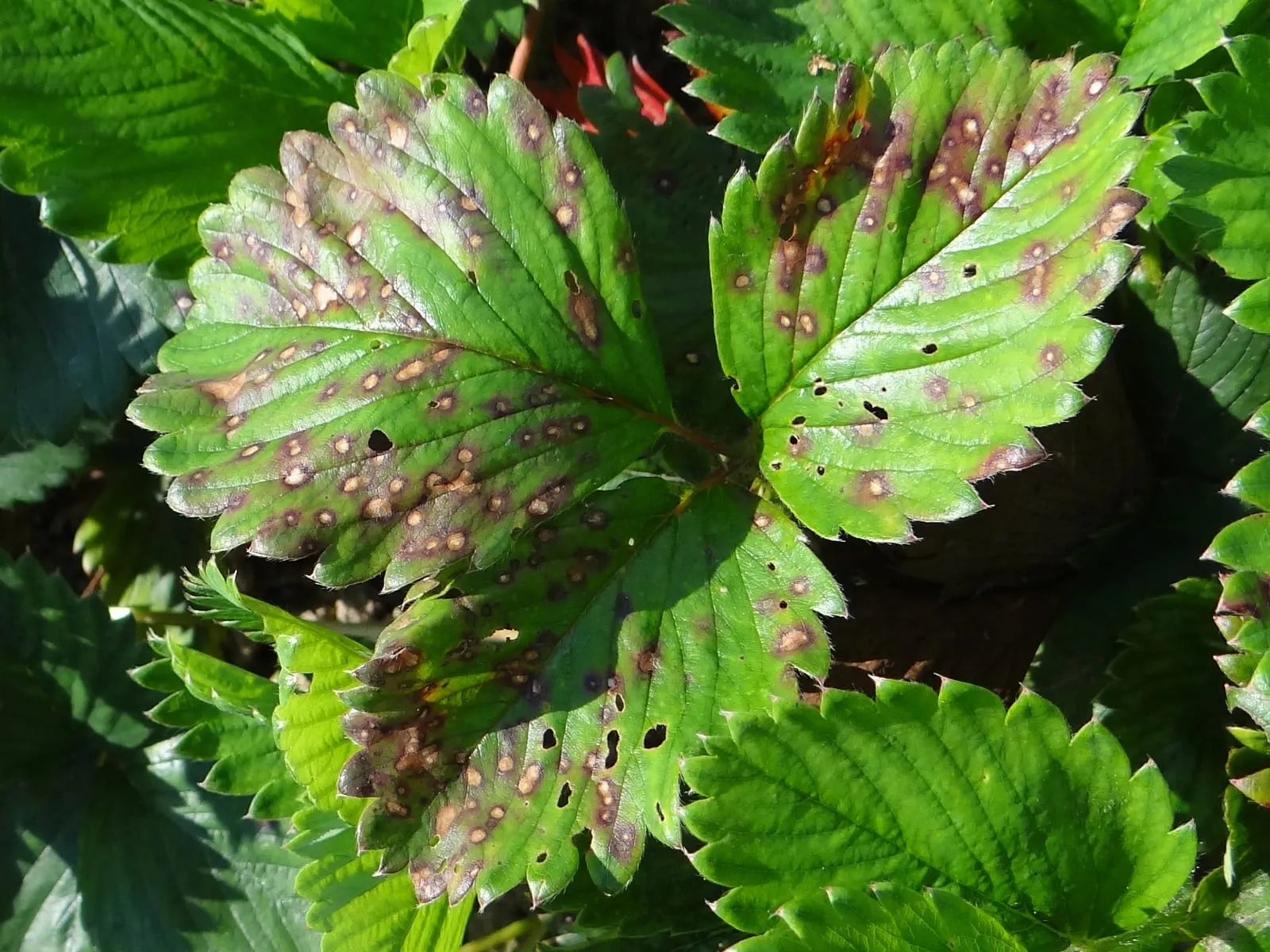
Mycosphaerella fragariae
Common fungal disease producing characteristic small purple spots with white centers on strawberry leaves.
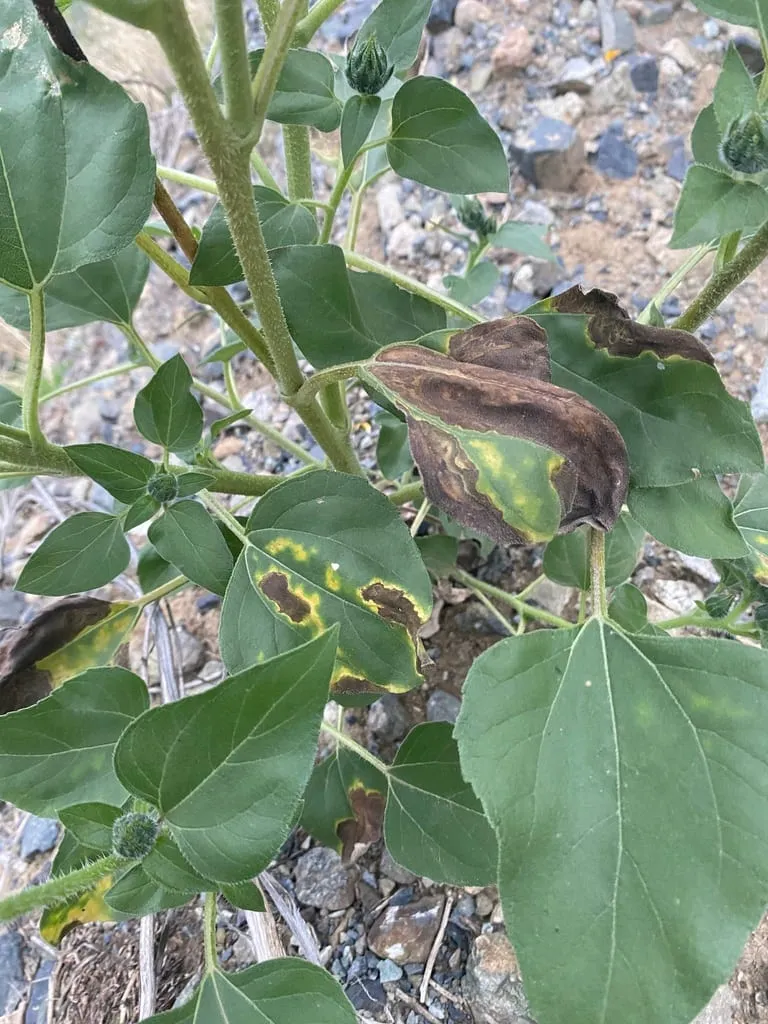
Verticillium dahliae
Soil-borne fungal disease similar to fusarium wilt but with broader host range and cooler temperature optimum. Persists in soil for 10+ years.
Modified care for zone 4a
Winter mulching is not optional in zone 4a. Apply 3 to 4 inches of clean straw over the planting after the ground surface freezes, typically in November. Remove it gradually in spring once overnight lows stay consistently above 20°F, leaving a light layer between rows to slow soil warming and reduce mud splash onto fruit.
Disease pressure shifts in this zone. Gray mold (Botrytis) thrives in the cool, damp conditions typical of a zone 4a spring and can devastate a planting during a wet June. Spacing plants for airflow and removing infected berries promptly matters more here than in drier climates. Red stele root rot is also a documented problem in colder zones with heavy soils that stay saturated through spring snowmelt. Raised beds or well-drained sites reduce that risk substantially. Varieties like Honeoye and Sparkle carry some red stele resistance and are worth prioritizing on problem sites.
June-Bearing Strawberry in adjacent zones
Image: "Starr 080103-1271 Fragaria x ananassa", by Forest & Kim Starr, via Wikimedia Commons, licensed under CC-BY Source.

Related