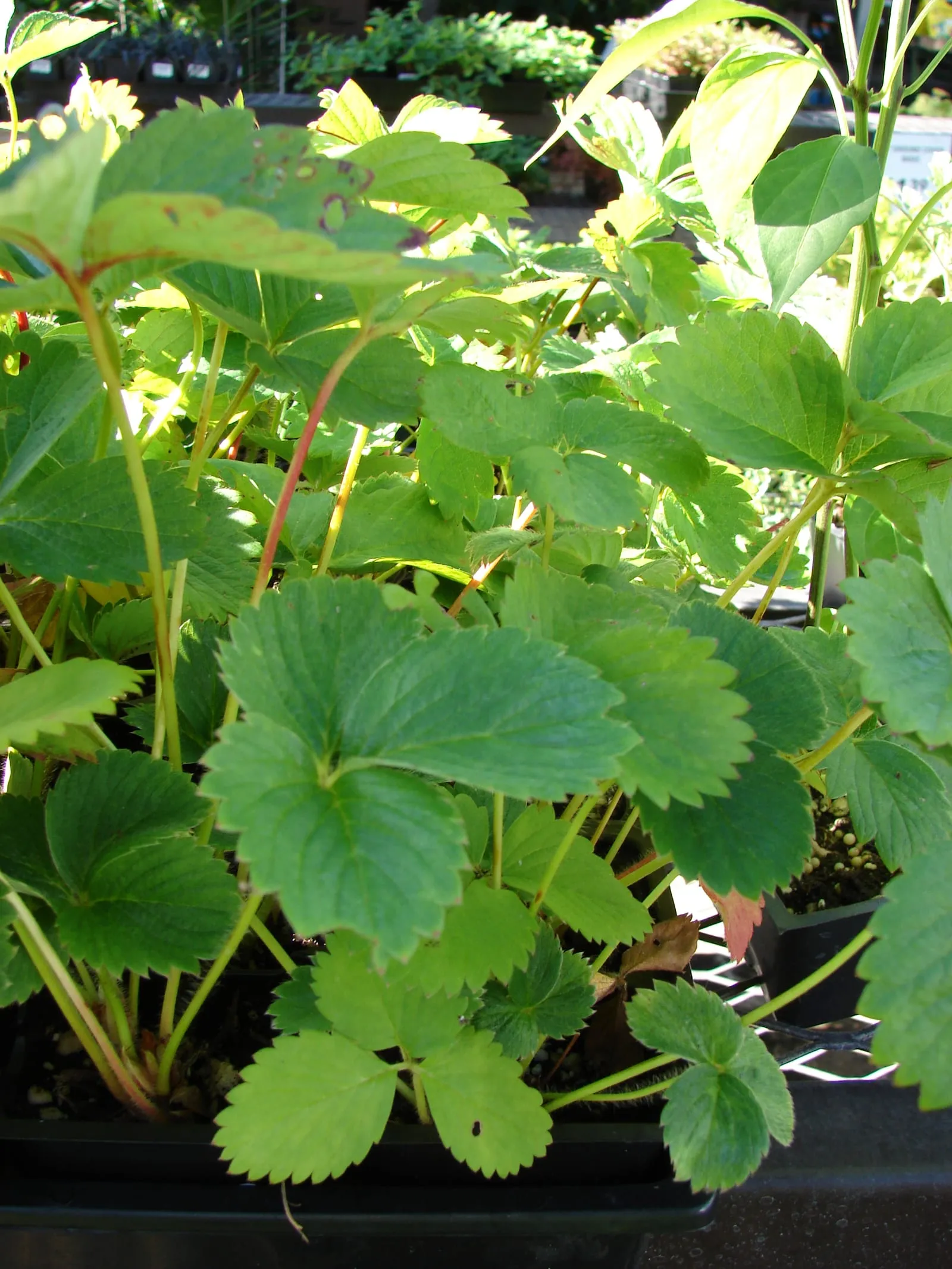
berry in zone 3b
Growing june-bearing strawberry in zone 3b
Fragaria x ananassa
- Zone
- 3b -35°F to -30°F
- Growing season
- 100 days
- Suitable varieties
- 2
- Days to harvest
- 28 to 35
The verdict
June-bearing strawberries are a reliable choice for zone 3b, not a marginal one. The crop tolerates temperatures well below -30°F when crowns are properly mulched, and zone 3b winters easily accumulate enough chilling to satisfy dormancy requirements. The zone's 100-day growing season pairs naturally with the june-bearing fruiting habit: the entire crop concentrates into a single 2 to 3 week harvest window, which fits comfortably within a compressed season without the race against frost that everbearing types require.
Honeoye and Sparkle were both developed for northern climates and perform predictably in zone 3 conditions. Honeoye is an early-season variety, which provides a slight buffer on the front end of the harvest window. Sparkle is a mid-season classic with strong cold tolerance and reliable flavor.
The principal risk in zone 3b is not crown kill from cold but winter desiccation from freeze-thaw cycling and drying winds on exposed sites. That is a management problem, addressed with straw mulch, rather than a suitability problem inherent to the crop.
Recommended varieties for zone 3b
2 cultivars suited to this zone, with disease-resistance and zone-fit annotations.
| Variety | Notes | Zone fit | Disease resistance |
|---|---|---|---|
| Honeoye fits zone 3b | Sweet-tart, firm, bright red large berries; fresh, freezing, jam. Mid-season, very productive, cold-hardy. The northern home-garden standard. | | none noted |
| Sparkle fits zone 3b | Tart-sweet, soft, deep red flavor; the classic jam and freezing strawberry, defines strawberry preserve flavor. Late-season, very cold-hardy. | | none noted |
Critical timing for zone 3b
Bloom opens in late May to early June in zone 3b, once soil temperatures have stabilized following the last frost. Last frost dates in zone 3b typically fall between mid-May and late May, placing the bloom window in a narrow band with little margin. A hard frost after bloom will destroy the entire year's crop, since june-bearers produce all fruit from a single flush of blossoms with no recovery mechanism.
Harvest follows peak bloom by approximately 30 days, landing most years in late June to mid-July. The full fruiting season runs 2 to 3 weeks before the planting transitions to runner production. Microclimate and elevation shift these dates; low-lying frost pockets may push bloom and harvest later by a week or more.
Common challenges in zone 3b
- ▸ Short season
- ▸ Winter desiccation
- ▸ Site selection critical for fruit trees
Disease pressure to watch for
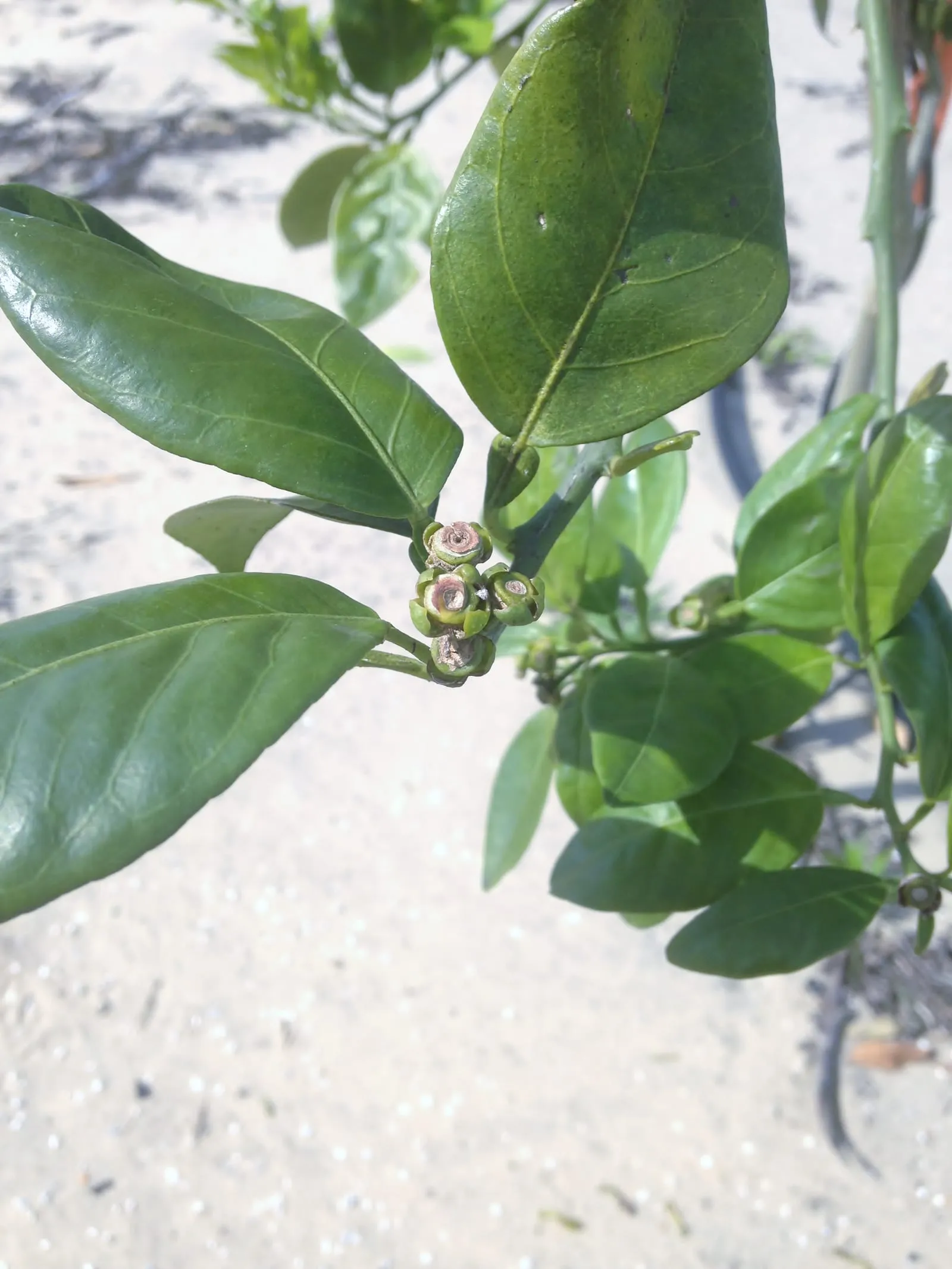
Colletotrichum acutatum
Aggressive fungal disease that causes fruit rot, crown rot, and runner lesions in strawberries, devastating during warm wet weather.
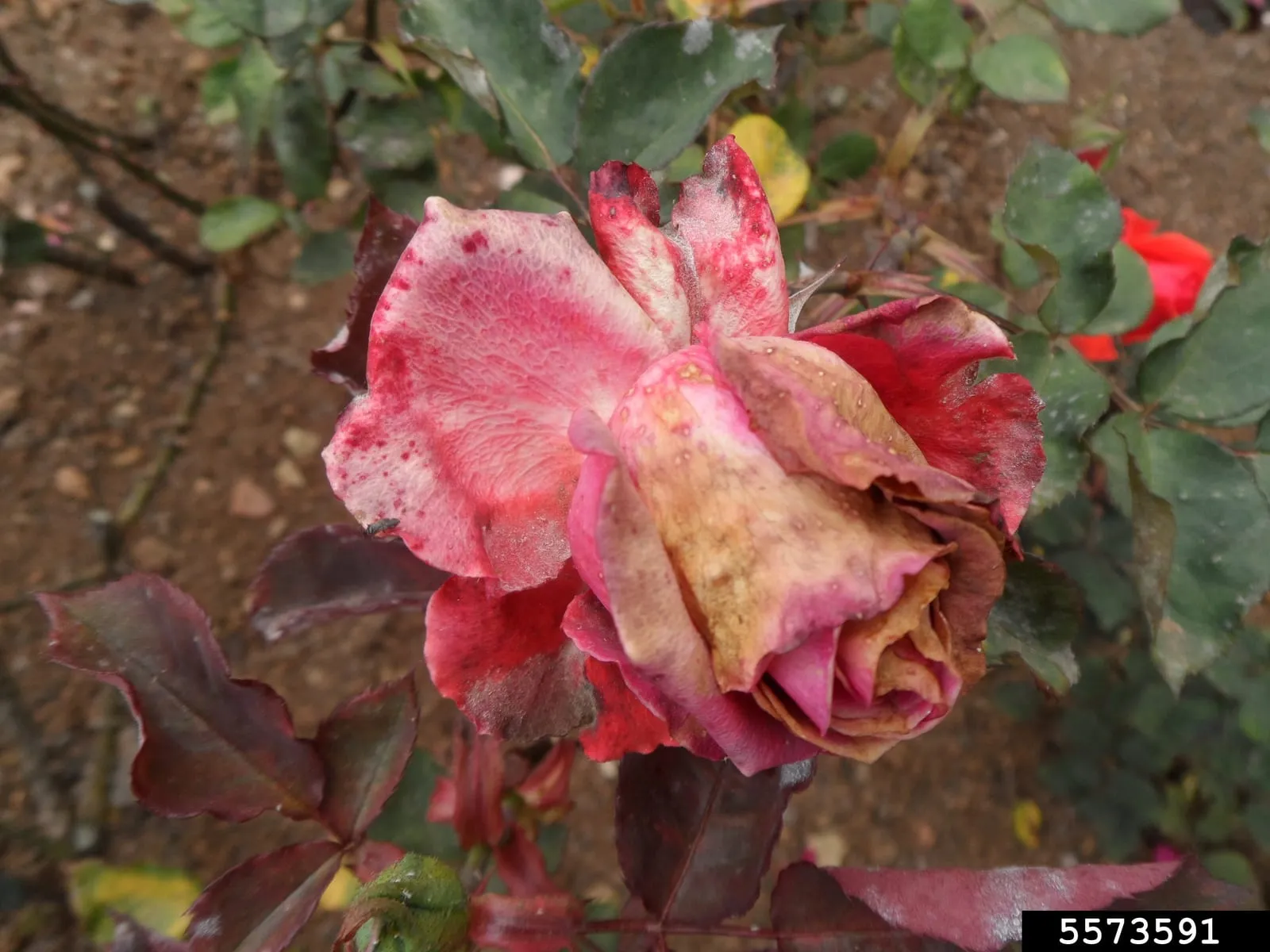
Botrytis cinerea
Ubiquitous fungal disease that causes fruit rot during cool wet weather, often the dominant berry disease in humid regions.
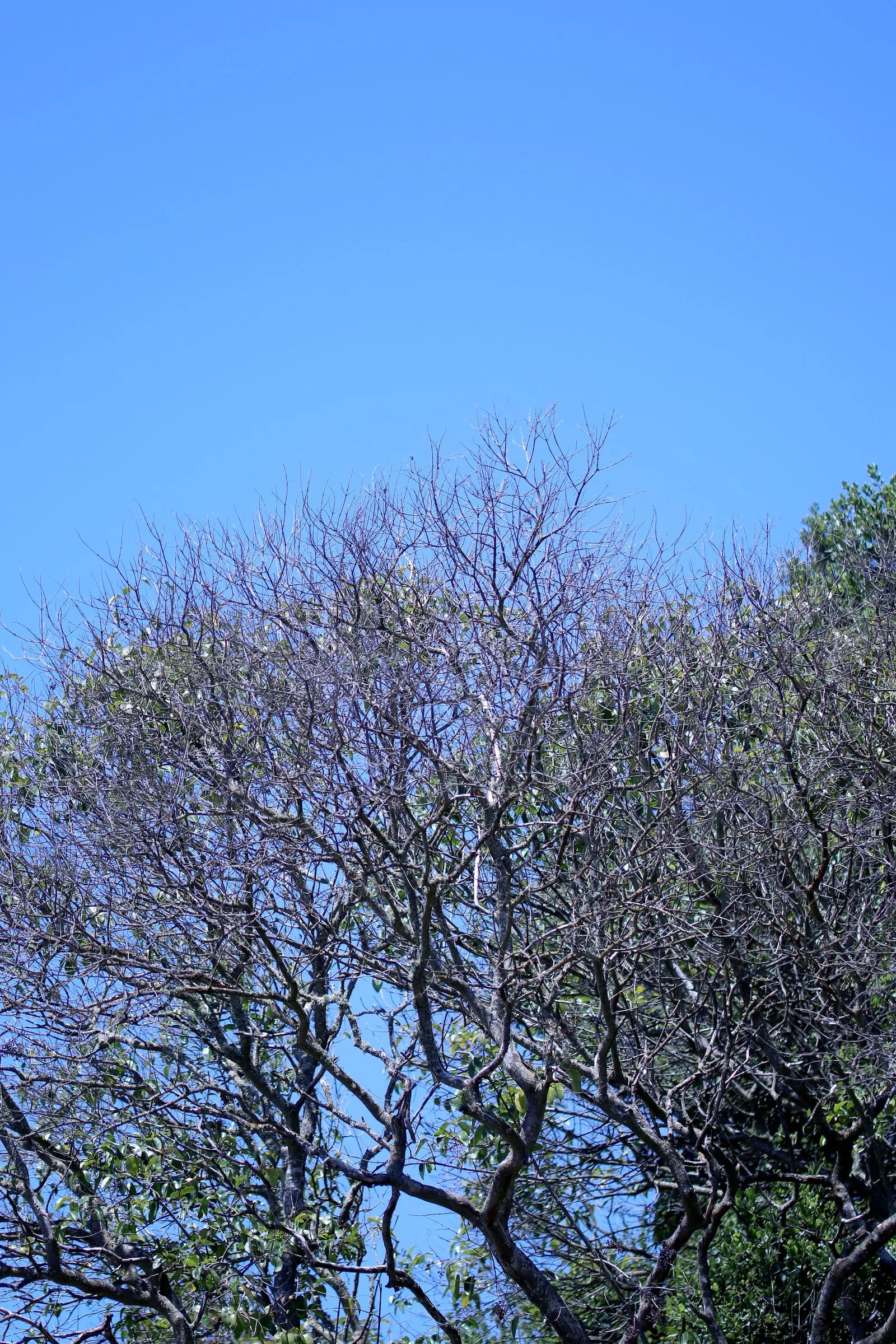
Phytophthora species
Soil-borne water mold that destroys roots in waterlogged soils, the leading cause of blueberry decline in poorly drained sites.
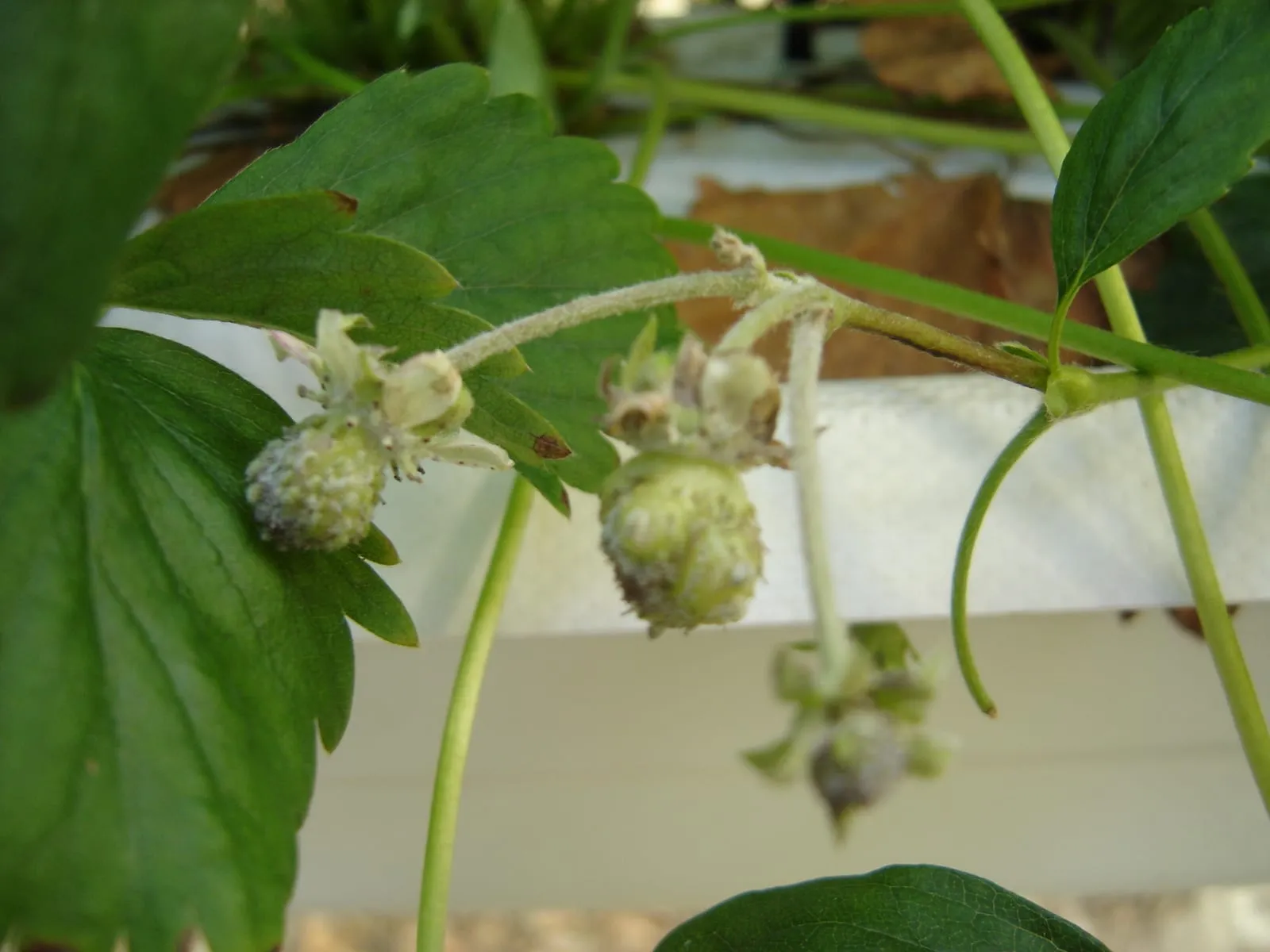
Podosphaera and Sphaerotheca species
Surface-feeding fungal disease producing white powdery growth on leaves and fruit, particularly damaging on gooseberries.
Phytophthora fragariae
Soil-borne water mold that destroys strawberry roots in wet cool springs, characterized by red discoloration in the root core.
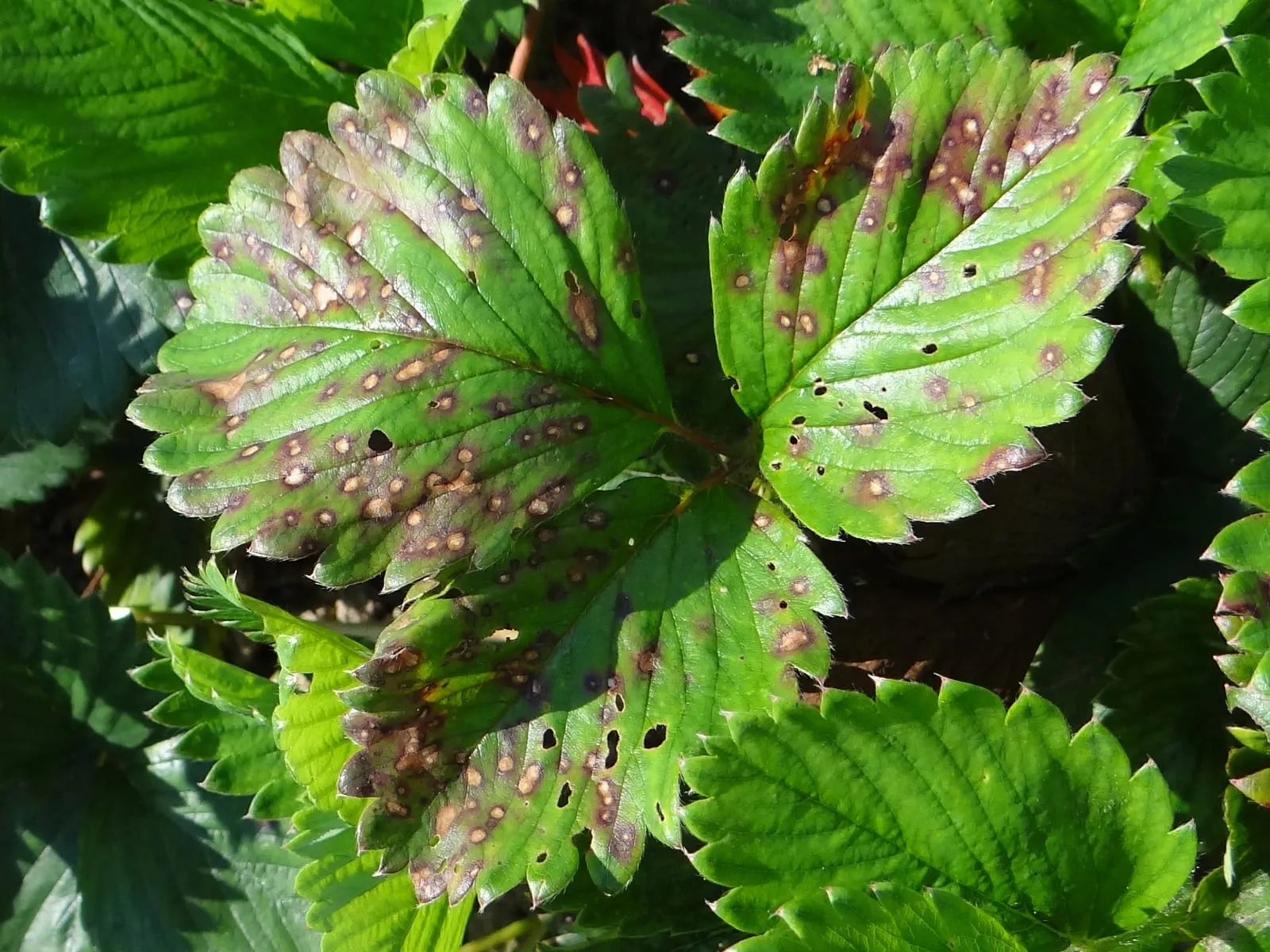
Mycosphaerella fragariae
Common fungal disease producing characteristic small purple spots with white centers on strawberry leaves.
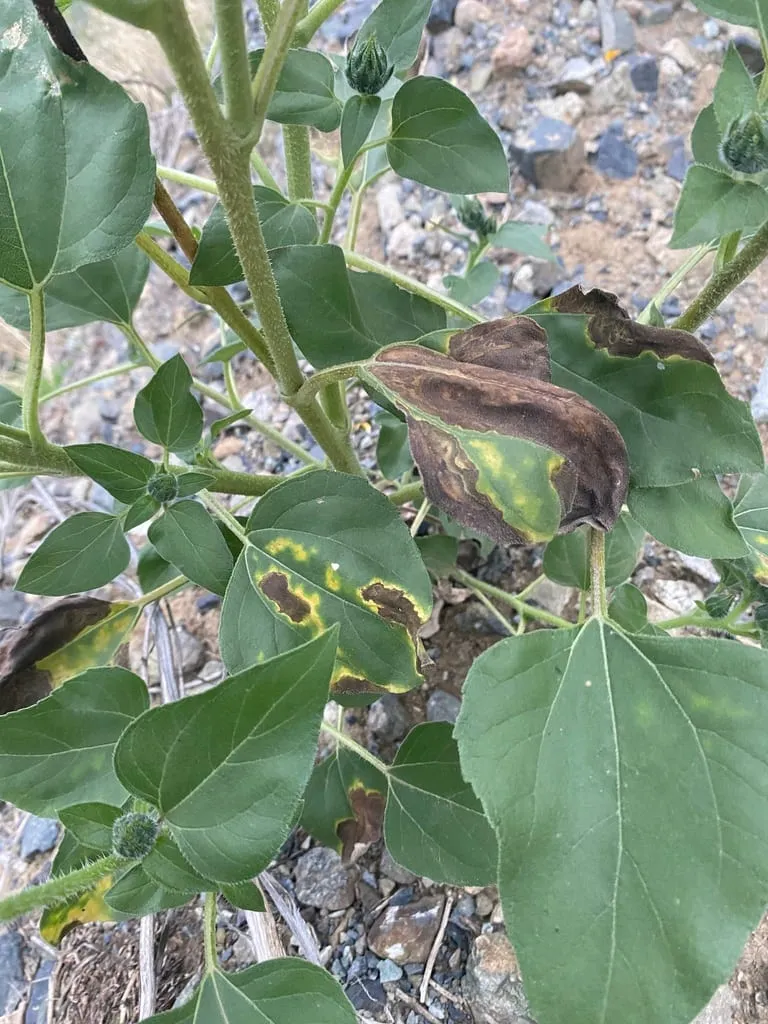
Verticillium dahliae
Soil-borne fungal disease similar to fusarium wilt but with broader host range and cooler temperature optimum. Persists in soil for 10+ years.
Modified care for zone 3b
Straw mulch management is the defining winter task in zone 3b. Apply 3 to 4 inches of loose straw over the crowns after the ground freezes in fall, typically October into November. This layer protects against both lethal cold and the winter desiccation that exposed sites experience from drying winds, which is listed as a known zone challenge.
Remove mulch in stages in spring: pull it off the crowns once growth resumes, but leave it between rows where it can be drawn back over plants if a late frost threatens the open blooms.
Red stele (Phytophthora fragariae) warrants particular attention in zone 3b. Cold, saturated soils in early spring create favorable infection conditions, and both Honeoye and Sparkle carry partial tolerance rather than full resistance. Planting on raised beds with well-drained soil reduces infection pressure more reliably than variety selection alone.
Gray mold (Botrytis) tends to intensify in cool, humid conditions around harvest. Adequate plant spacing and row orientation for air movement help limit it without chemical inputs.
Frequently asked questions
- Do june-bearing strawberries need to be dug up and stored indoors over a zone 3b winter?
No. With 3 to 4 inches of straw mulch applied after the ground freezes, crowns overwinter in place without digging. The mulch buffers against both extreme cold and the desiccating winds that cause most winter injury in zone 3b.
- Can a late spring frost wipe out the whole harvest in zone 3b?
Yes. June-bearers produce a single flush of blossoms, so a frost event at or after bloom destroys the entire year's crop with no second chance. Straw kept between rows can be pulled back over plants on nights when frost threatens open flowers.
- Why does red stele disease matter more in zone 3b than in warmer zones?
Phytophthora fragariae, which causes red stele, is most active in cold, wet soils below 60°F. Zone 3b springs are both cold and often wet from snowmelt, creating a longer window of favorable infection conditions. Raised beds and good drainage are the most reliable controls.
+−
+−
+−
June-Bearing Strawberry in adjacent zones
Image: "Starr 080103-1271 Fragaria x ananassa", by Forest & Kim Starr, via Wikimedia Commons, licensed under CC-BY Source.

Related