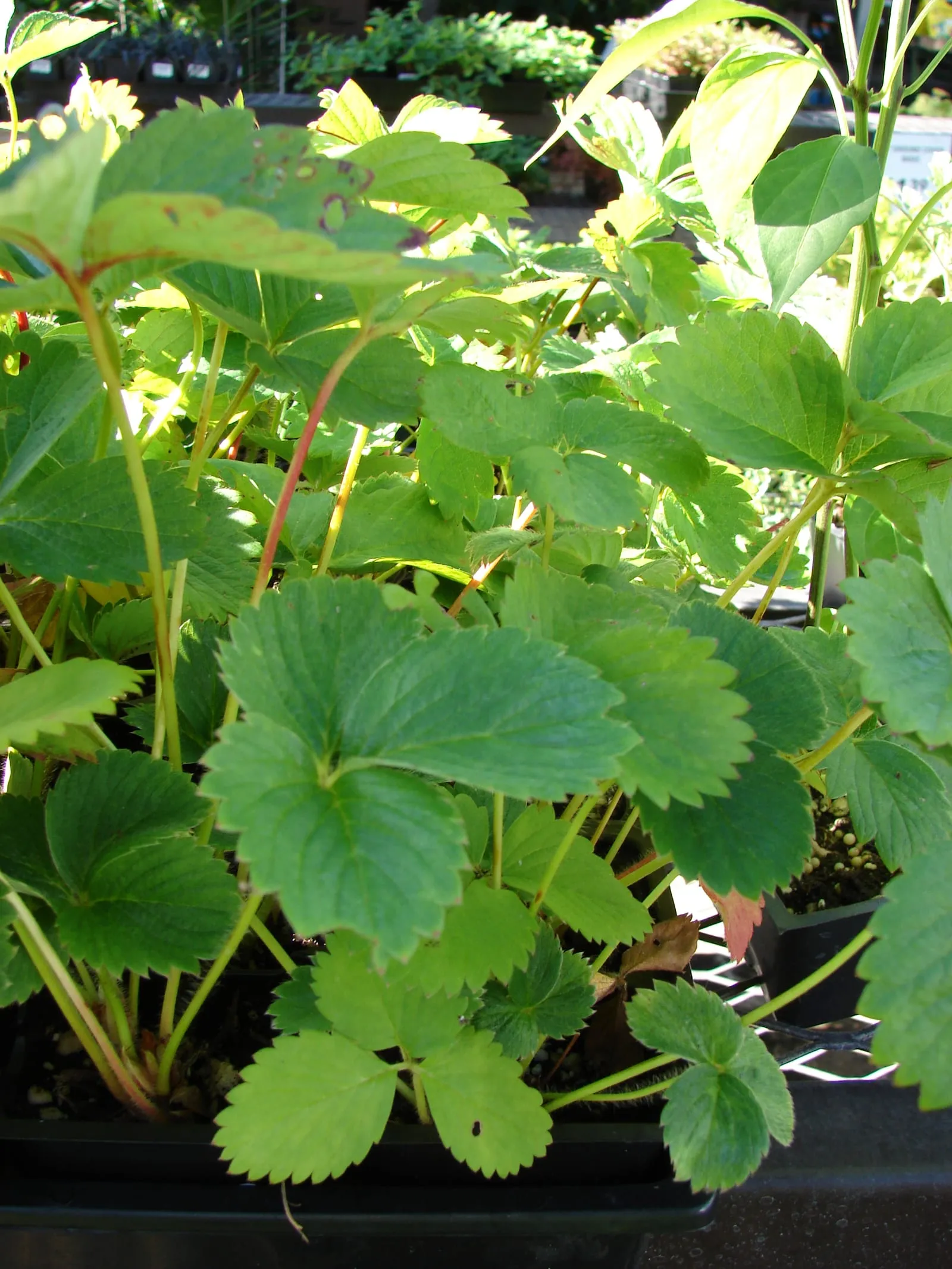
berry in zone 3a
Growing june-bearing strawberry in zone 3a
Fragaria x ananassa
- Zone
- 3a -40°F to -35°F
- Growing season
- 90 days
- Suitable varieties
- 1
- Days to harvest
- 28 to 35
The verdict
June-bearing strawberries are a reasonable fit for zone 3a, though success depends heavily on variety selection and site preparation. The crop's chilling requirement is fully met by zone 3a winters, so dormancy is not a concern. What creates difficulty is the compressed 90-day growing season and the risk of late spring frosts arriving during or just after bloom.
Sparkle is one of the few varieties with documented cold-hardiness through zone 3a conditions. Its short-season adaptation and firm berries make it the practical default here. Growers attempting non-adapted varieties like Chandler or Seascape can expect inconsistent survival and reduced yields.
This is not a marginal zone from a cold-tolerance standpoint so much as a logistically demanding one. Crowns survive zone 3a winters reliably when mulched, but the narrow window between last frost and first fall frost compresses the entire production cycle. A late May frost event during peak bloom can eliminate a significant portion of that season's crop.
Recommended varieties for zone 3a
1 cultivar suited to this zone, with disease-resistance and zone-fit annotations.
| Variety | Notes | Zone fit | Disease resistance |
|---|---|---|---|
| Sparkle fits zone 3a | Tart-sweet, soft, deep red flavor; the classic jam and freezing strawberry, defines strawberry preserve flavor. Late-season, very cold-hardy. | | none noted |
Critical timing for zone 3a
In zone 3a, soil temperatures rarely reach planting thresholds before mid-May. June-bearing strawberries planted in the first year should not be allowed to flower; removing blooms encourages runner and crown development for the following season's harvest.
In an established planting, bloom typically occurs in late May through early June, which places flowers squarely within the zone's frost-risk window. Last frost dates in zone 3a commonly fall between May 15 and June 1, creating direct overlap with the bloom period. A single hard frost during open bloom will reduce or eliminate that year's harvest.
Harvest in zone 3a falls primarily in late June through mid-July, compressing what might be a four to six week window in warmer zones into a shorter, more intense peak.
Common challenges in zone 3a
- ▸ Very short growing season
- ▸ Late spring frosts
- ▸ Limited fruit-tree options
- ▸ Heavy mulching required
Disease pressure to watch for
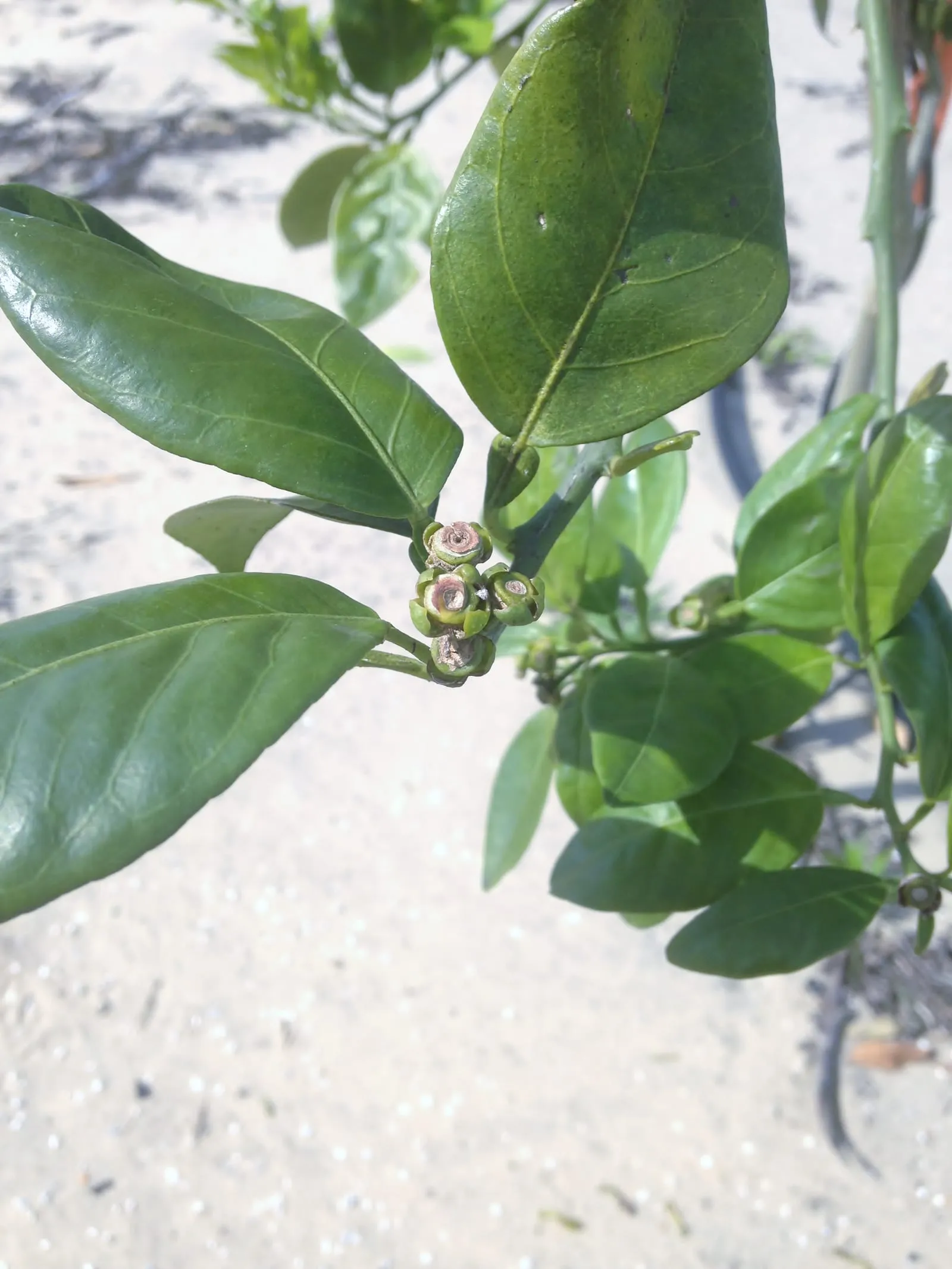
Colletotrichum acutatum
Aggressive fungal disease that causes fruit rot, crown rot, and runner lesions in strawberries, devastating during warm wet weather.
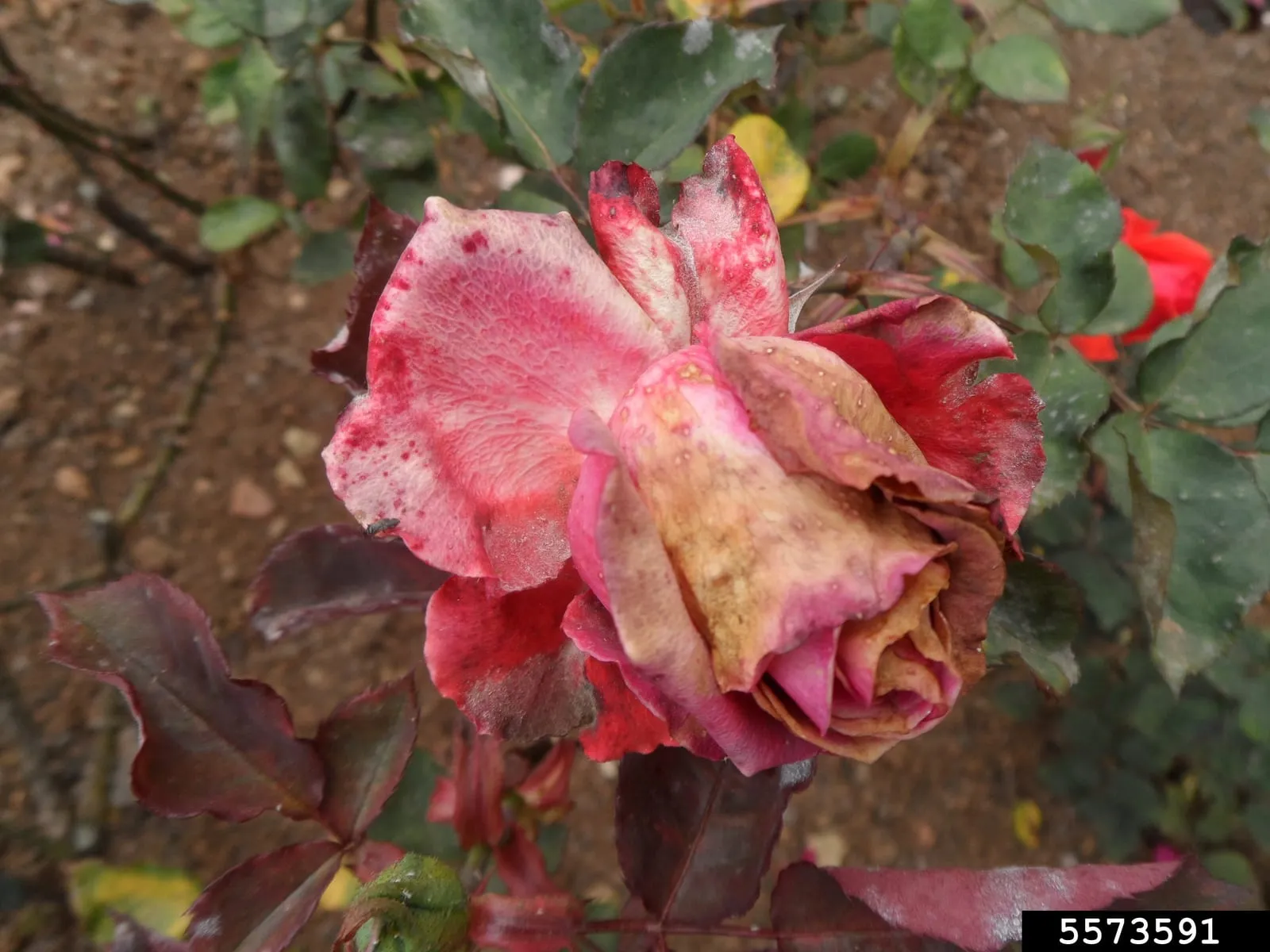
Botrytis cinerea
Ubiquitous fungal disease that causes fruit rot during cool wet weather, often the dominant berry disease in humid regions.
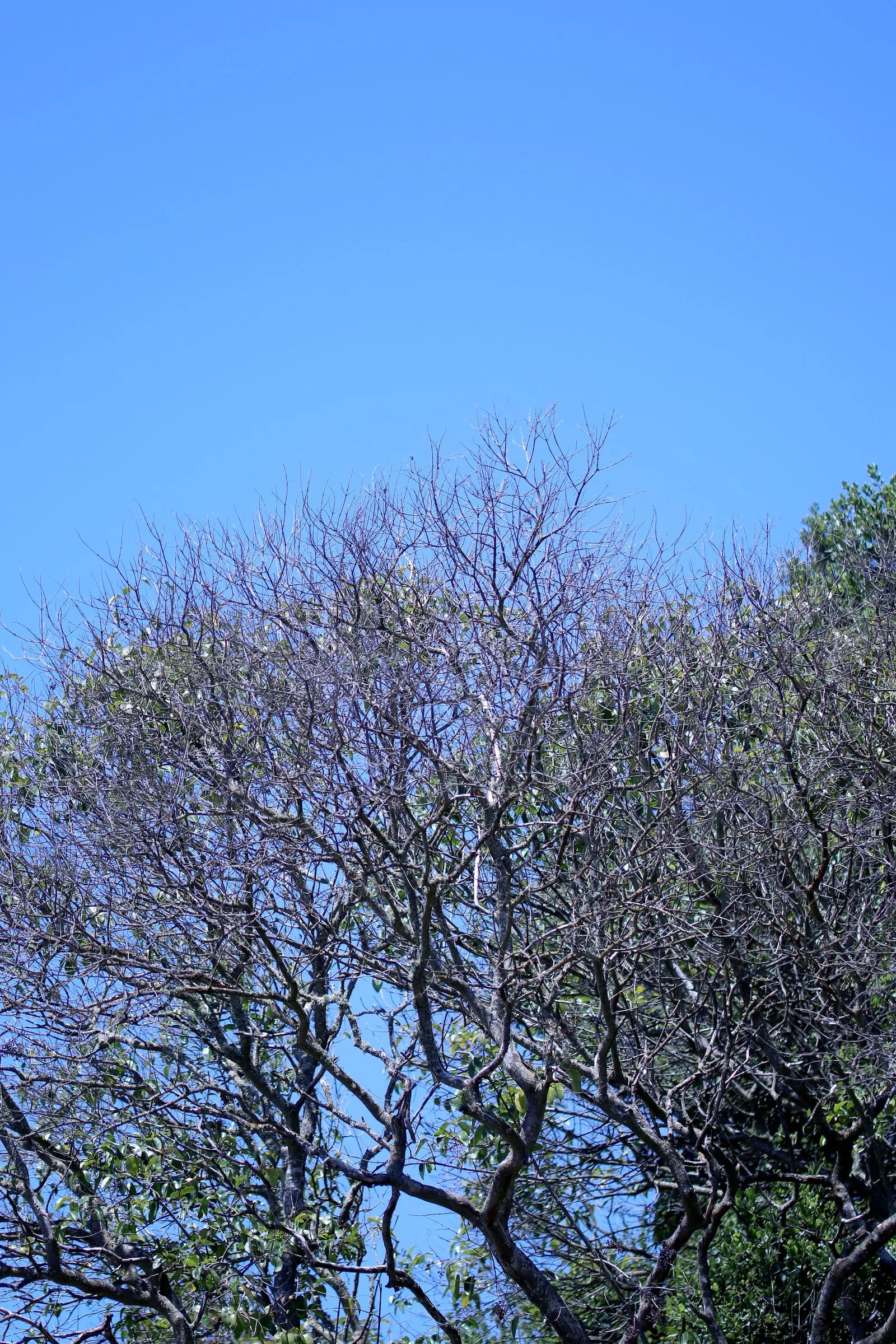
Phytophthora species
Soil-borne water mold that destroys roots in waterlogged soils, the leading cause of blueberry decline in poorly drained sites.
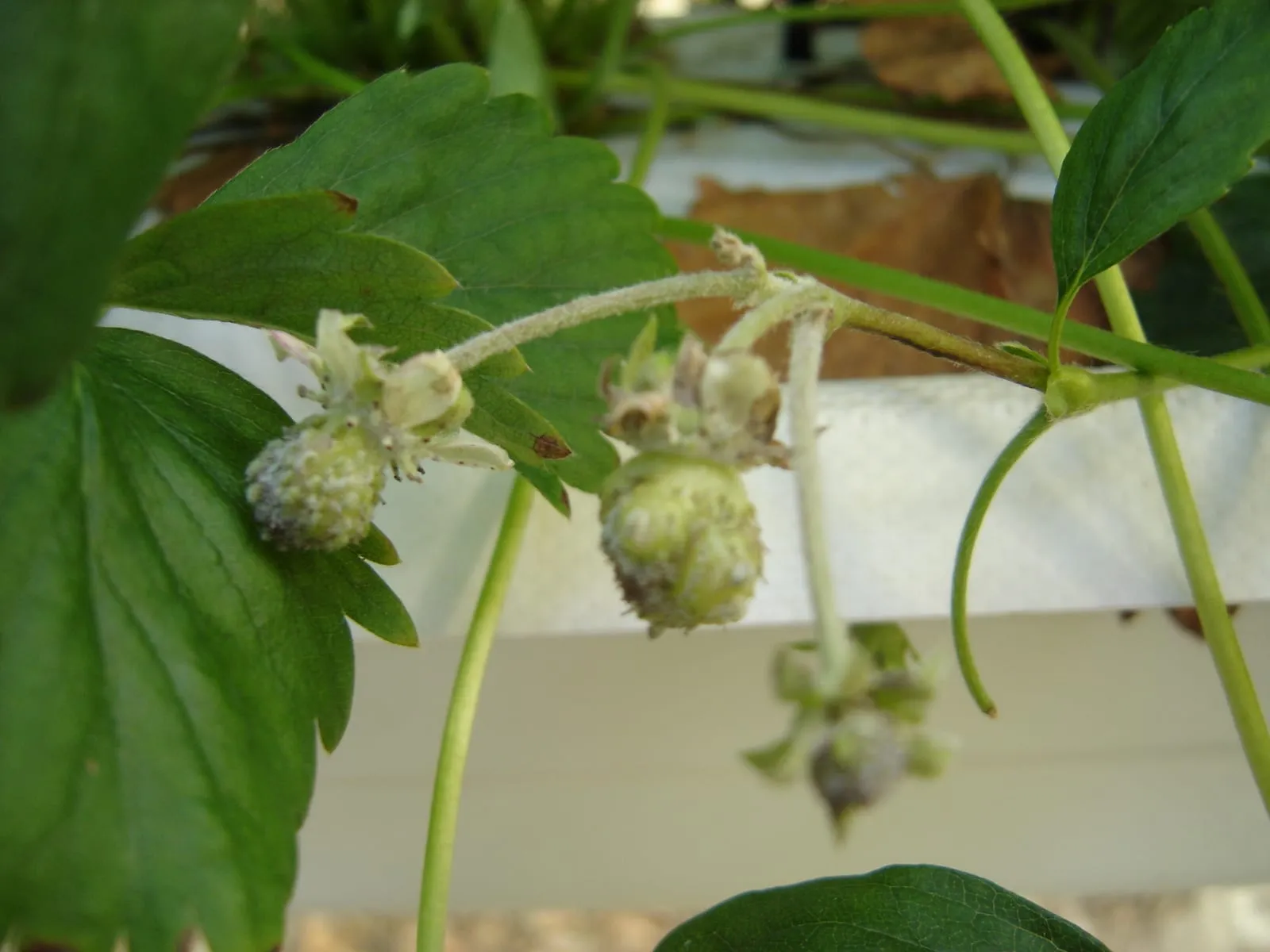
Podosphaera and Sphaerotheca species
Surface-feeding fungal disease producing white powdery growth on leaves and fruit, particularly damaging on gooseberries.
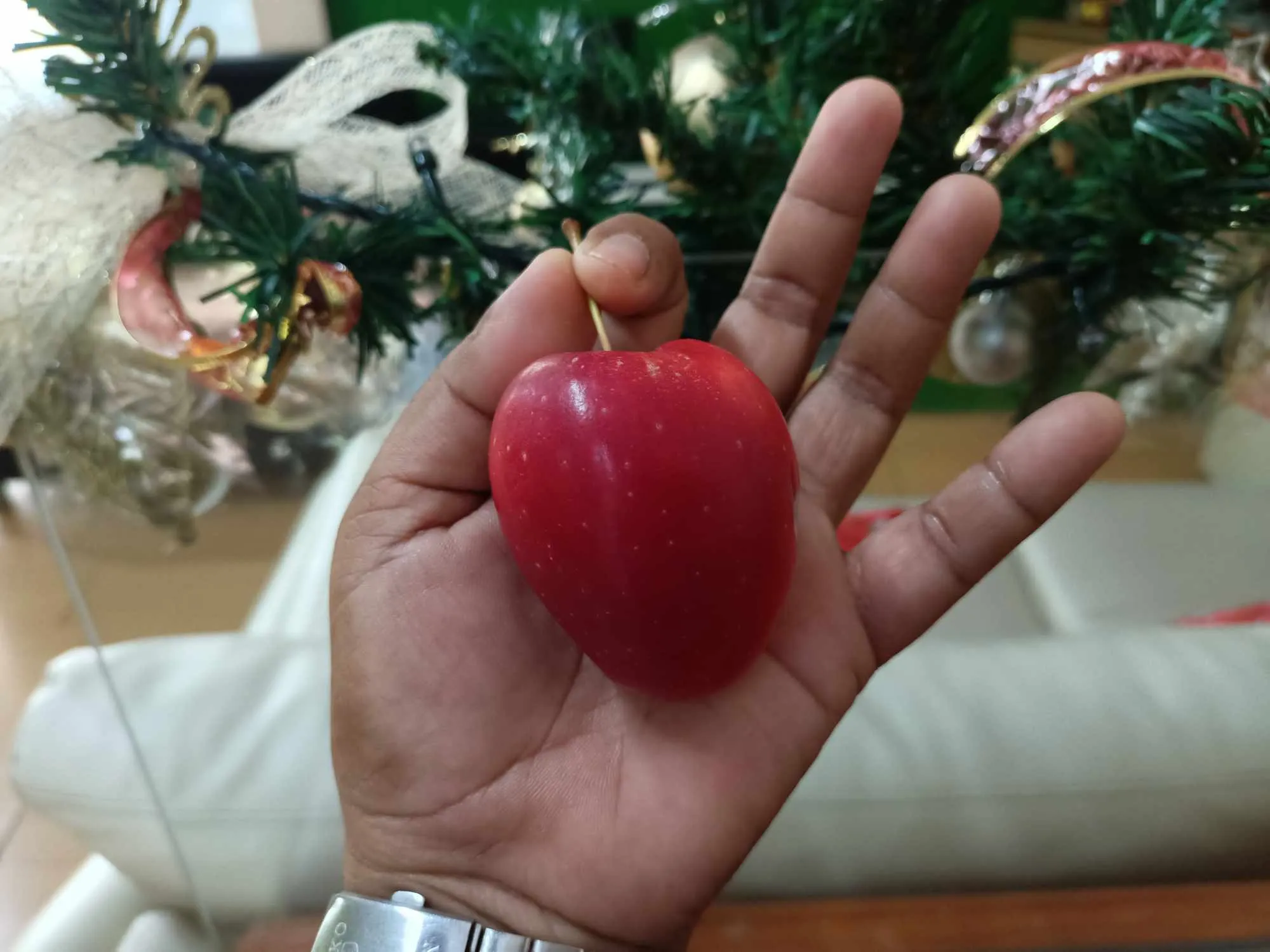
Phytophthora fragariae
Soil-borne water mold that destroys strawberry roots in wet cool springs, characterized by red discoloration in the root core.
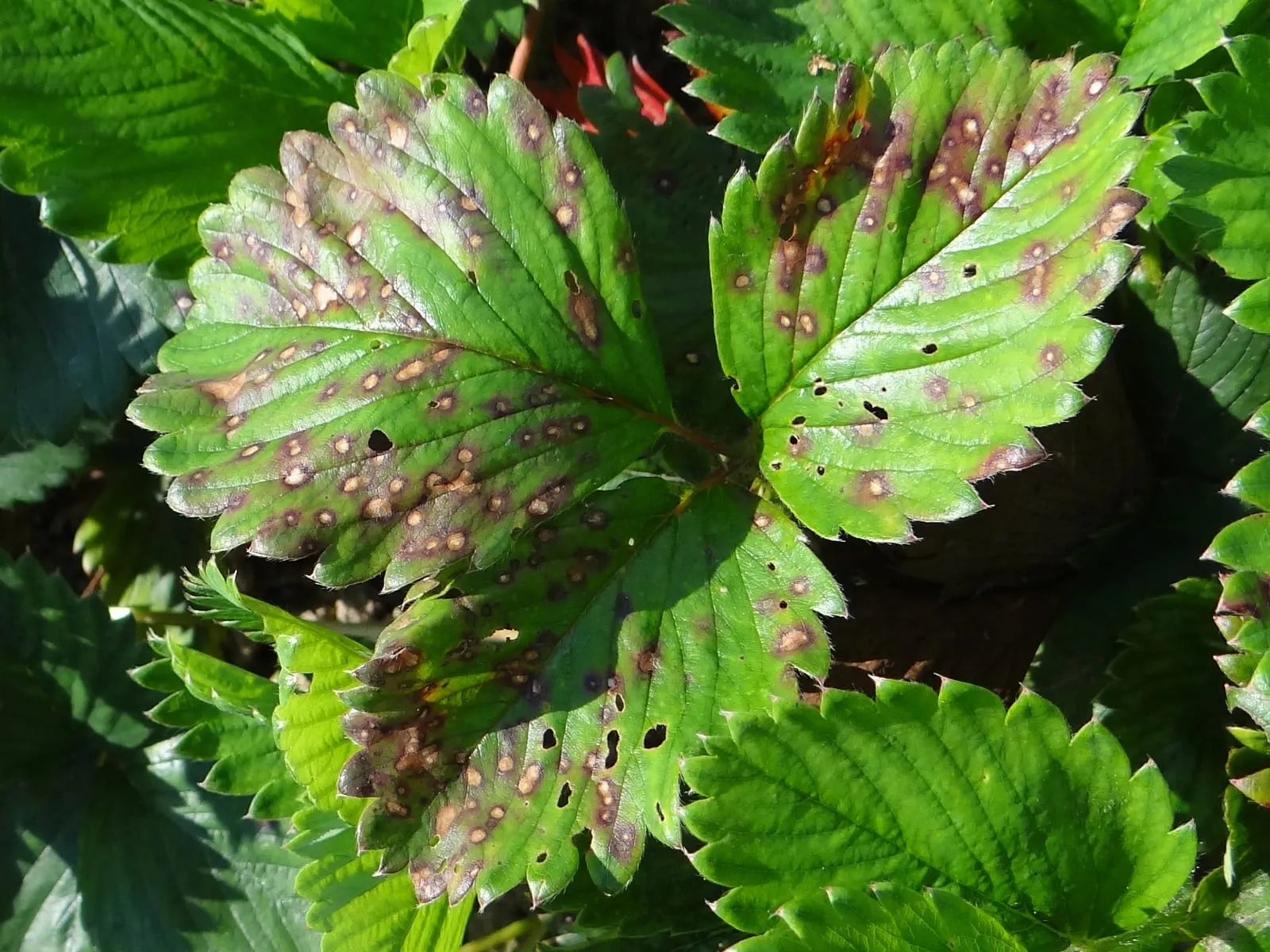
Mycosphaerella fragariae
Common fungal disease producing characteristic small purple spots with white centers on strawberry leaves.
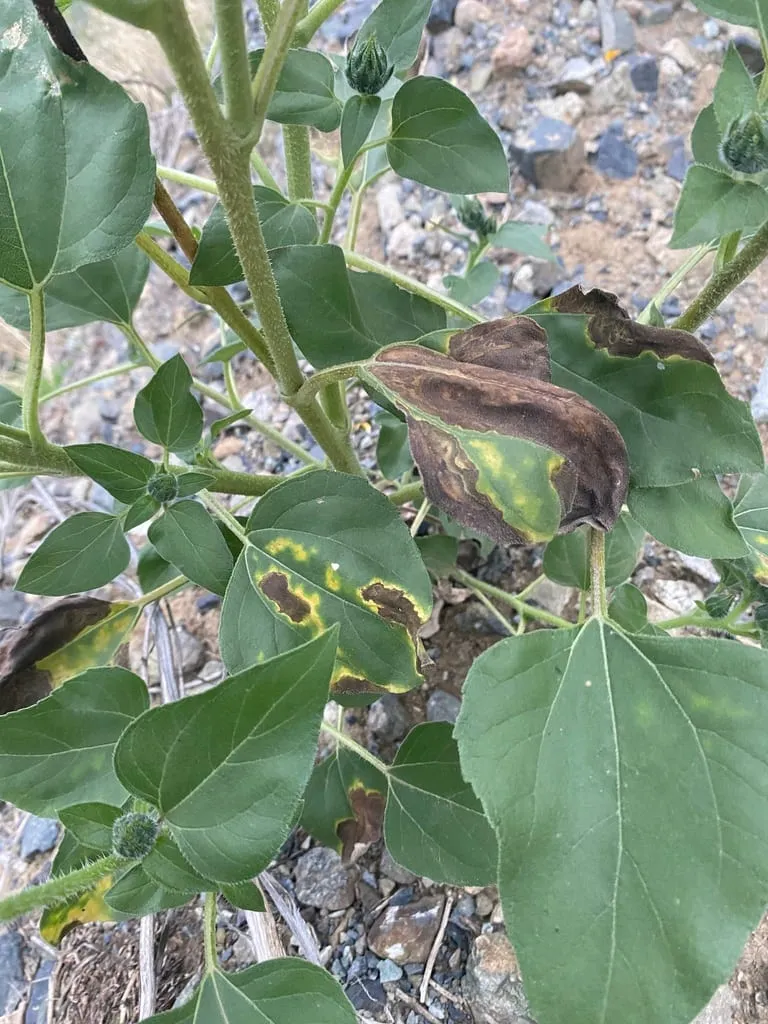
Verticillium dahliae
Soil-borne fungal disease similar to fusarium wilt but with broader host range and cooler temperature optimum. Persists in soil for 10+ years.
Modified care for zone 3a
Winter mulching is the single most important management step in zone 3a. Apply 4 to 6 inches of clean straw over the crowns after the first hard freeze in fall, typically October. Remove mulch gradually in spring rather than all at once, using it as a frost buffer by pulling it back to the row edges where it can be quickly replaced if a late frost threatens emerging growth.
Site drainage is especially important here. Cool, wet spring conditions that prevail in zone 3a amplify the risk of Phytophthora root rot and red stele, both of which establish in saturated soils. Raised beds with amended, well-draining soil reduce this risk meaningfully.
Gray mold (Botrytis) is a consistent pressure during the cool, humid harvest window. Maintaining adequate plant spacing for air circulation and avoiding overhead irrigation during fruiting reduces infection rates. With only one broadly recommended variety for zone 3a, Sparkle's moderate disease resistance profile becomes a practical asset rather than a secondary consideration.
Frequently asked questions
- Can June-bearing strawberries survive zone 3a winters?
Yes, with proper mulching. Crowns protected by 4 to 6 inches of straw mulch applied after the first hard freeze tolerate zone 3a temperatures reliably. Varieties not specifically rated for zone 3a, however, may show significant crown kill even with mulching.
- What variety of June-bearing strawberry works in zone 3a?
Sparkle is the standard recommendation for zone 3a. It was bred for northern conditions, produces firm berries well-suited to preserves and fresh eating, and has sufficient cold-hardiness to survive reliably with standard winter mulch protection.
- How do I protect blooms from late frosts in zone 3a?
Keep pulled-back mulch at the row edges so it can be raked back over the plants quickly if a frost threatens. Row cover fabric (lightweight, 1.5 oz) draped over blooming plants and anchored at the edges provides meaningful protection down to around 28 degrees Fahrenheit.
- Why is drainage so important for strawberries in cold zones?
Cold-zone springs tend to be wet and slow to warm, which keeps soils saturated longer than in warmer regions. Phytophthora root rot and red stele both establish readily in waterlogged conditions. Raised beds or sloped sites with amended soil reduce exposure to both diseases.
+−
+−
+−
+−
June-Bearing Strawberry in adjacent zones
Image: "Starr 080103-1271 Fragaria x ananassa", by Forest & Kim Starr, via Wikimedia Commons, licensed under CC-BY Source.

Related