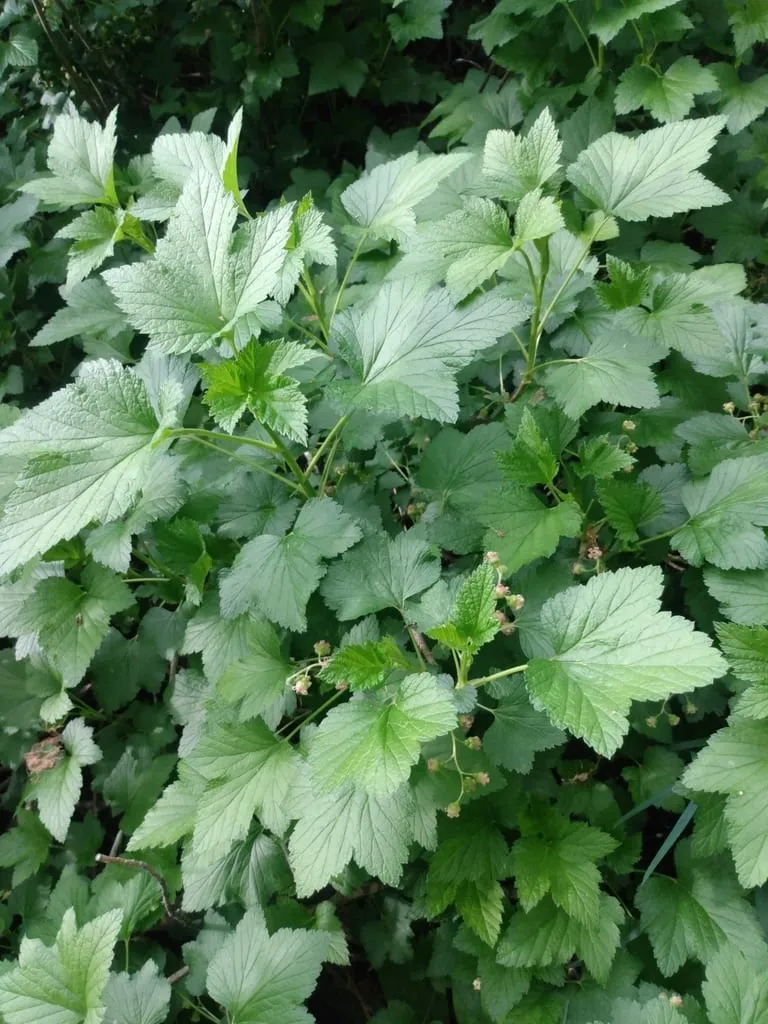
berry
Black Currant
Ribes nigrum
USDA hardiness range
- Zones
- 3a–7a
- Chill hours
- 800 to 1500 below 45°F
- Days to harvest
- 80 to 100
- Sun
- Partial
- Water
- Moderate
- Lifespan
- 15 to 20 years
Growing black currant
Black currant (Ribes nigrum) produces some of the most nutritionally dense berries in temperate horticulture, with vitamin C concentrations roughly four times that of oranges by weight. The crop is well suited to zones 3a through 7a, where cold winters supply the 800 to 1,500 chill hours the plant needs to break dormancy reliably. Productive stands are common across the northern tier of the United States and throughout Canada; performance drops off sharply south of zone 7a, where winters are too mild to meet chill requirements and summer heat compresses the harvest window.
What separates a productive planting from a failed one is usually site selection and variety choice working together. Black currant blooms early, making late-spring frost a real risk in zones 5 and 6, where an April freeze can eliminate an entire season's crop. Varieties with frost-tolerant flowers, such as Ben Sarek, reduce that exposure. Equally important is the legal status of Ribes in the relevant state: a federal ban on black currant cultivation was lifted in 1966, but several states still restrict or prohibit planting because Ribes species serve as an alternate host for white pine blister rust. Local regulations should be confirmed before ordering plants. Where regulations permit and site conditions match the crop's preferences, black currant is a low-maintenance, long-lived shrub, productive for 15 to 20 years, that rewards consistent annual pruning with reliable heavy yields.
Recommended varieties
See all 4 →4 cultivars for home growers, with notes on flavor, ripening, and disease resistance.
| Variety | Notes | Zone fit | Disease resistance |
|---|---|---|---|
| Consort | Intensely musky, complex, tart; juice, jam, cordial, syrup. The defining black-currant flavor for British and Northern European traditions. Resistant to white pine blister rust (legal in restricted states). | |
|
| Crandall | Sweet, mild, less musky than European blacks; fresh, jam, juice. American native species (Ribes odoratum), fragrant yellow flowers, more approachable flavor for newcomers. | |
|
| Ben Sarek | Tart, intensely flavored, large berries; the classic European black-currant cordial flavor. Compact bush (3-4 ft), high yields, frost-resistant flowers. | | none noted |
| Titania | Tart, complex, large firm berries; juice, jam, syrup. Productive Swedish variety, blister-rust resistant, vigorous and adaptable. | |
|
Soil and site requirements
Black currant performs best in loamy, moisture-retentive soil with a pH between 6.0 and 6.5. Sandy soils dry out too quickly during berry development and reduce fruit size; heavy clay invites root disease when drainage is poor. Compacted or poorly draining sites should be amended before planting.
The crop tolerates partial shade better than most fruiting shrubs and can produce reliably with four to six hours of direct sun daily. Full sun increases yield but also increases berry powdery mildew pressure in humid climates. In zones 6 and 7a, a north-facing or east-facing exposure that avoids afternoon heat will extend the fruiting season and reduce berry shriveling during heat events.
Space plants 4 to 5 feet apart within rows, with rows 8 to 10 feet apart to allow mowing and air circulation. Crowding increases canopy humidity and fungal disease incidence. Avoid planting near eastern white pine or other five-needled pines; proximity elevates white pine blister rust risk even for nominally resistant varieties.
Heavy mulch, 3 to 4 inches of wood chips or straw, conserves soil moisture and suppresses weeds. Black currant roots are shallow and compete poorly with grass or dense ground cover during the establishment year.
Common diseases
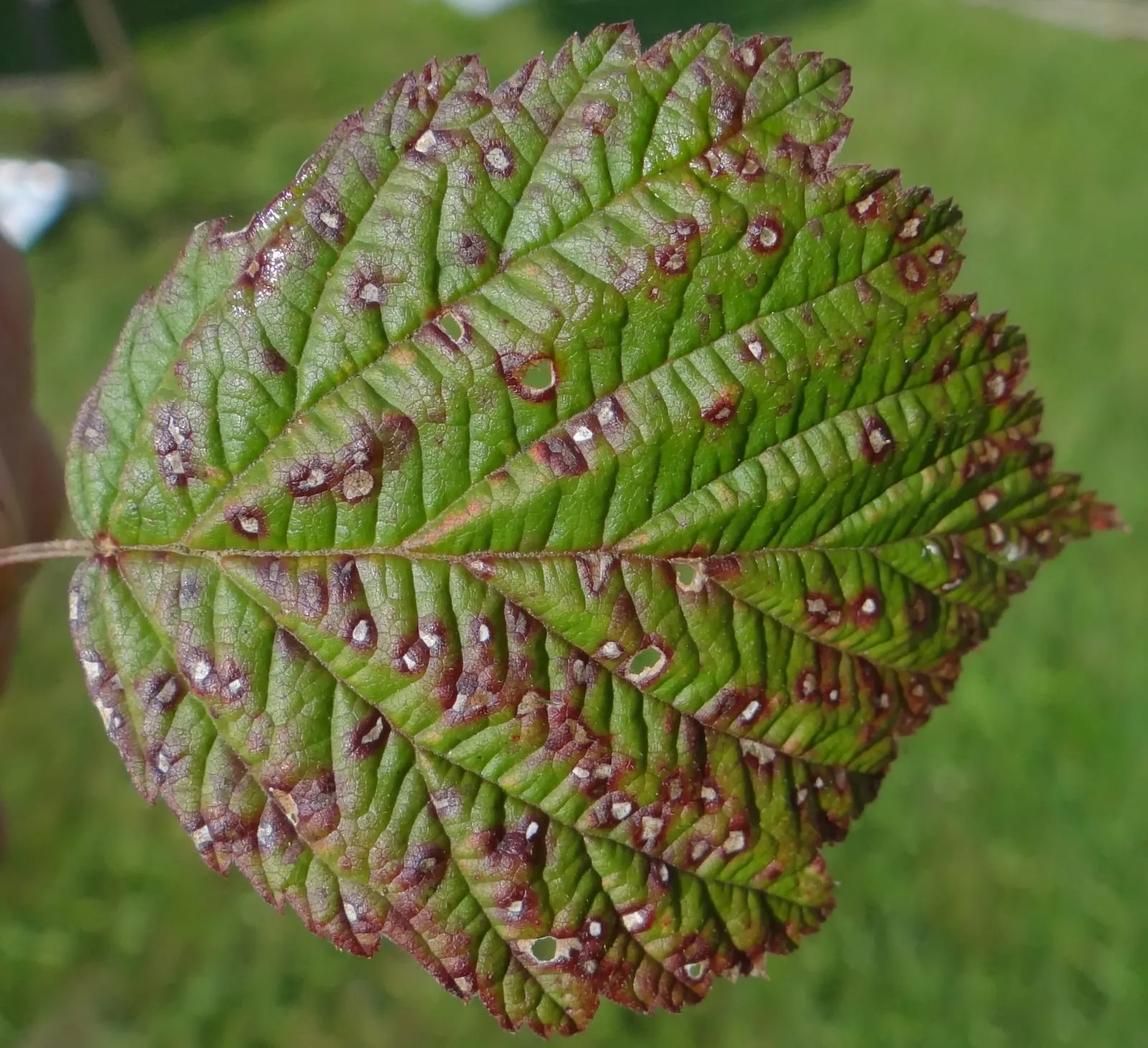
Elsinoe veneta
Fungal cane disease causing purple-bordered lesions that girdle and weaken bramble and Ribes canes, reducing yield over consecutive seasons.
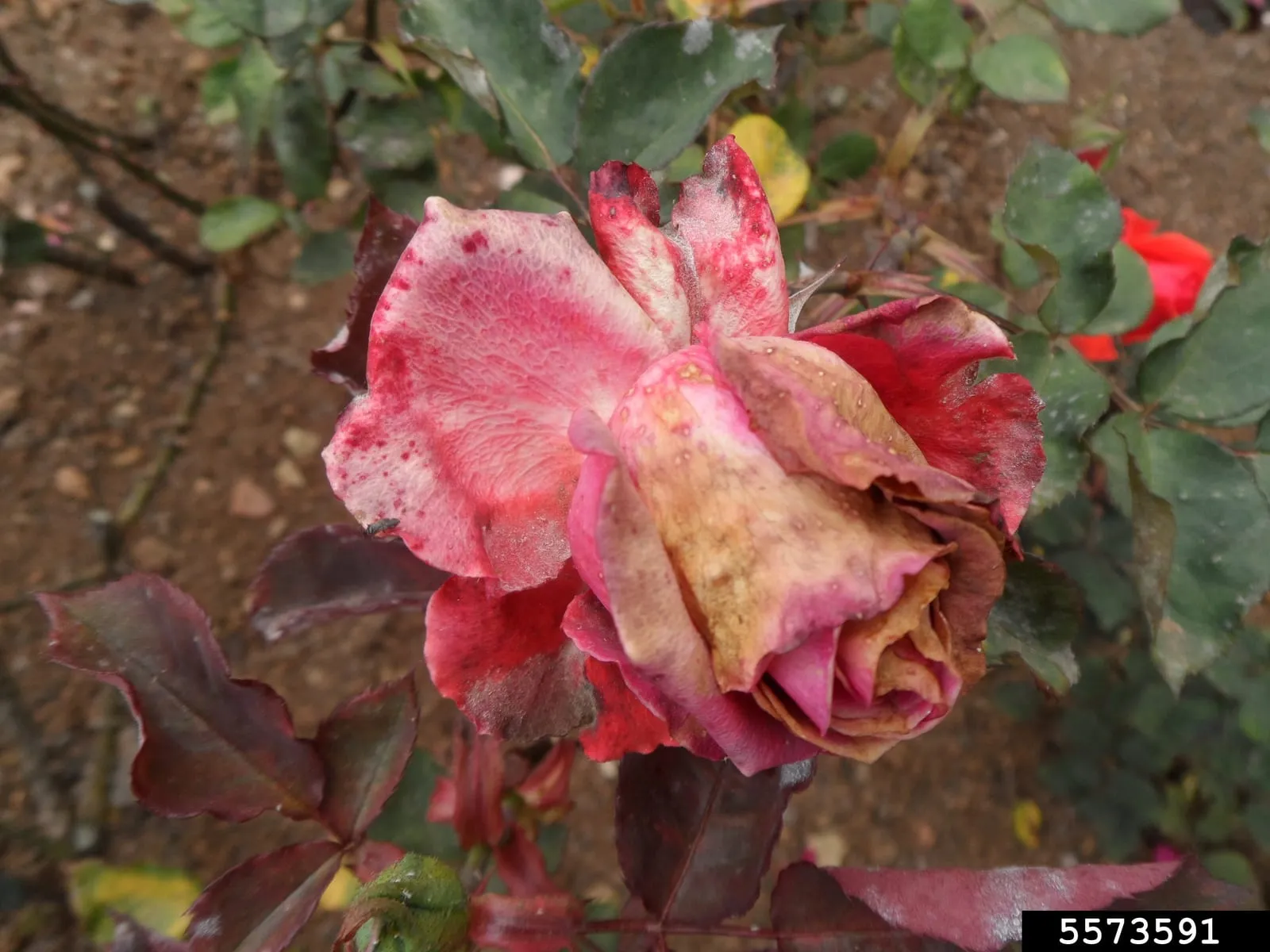
Botrytis cinerea
Ubiquitous fungal disease that causes fruit rot during cool wet weather, often the dominant berry disease in humid regions.
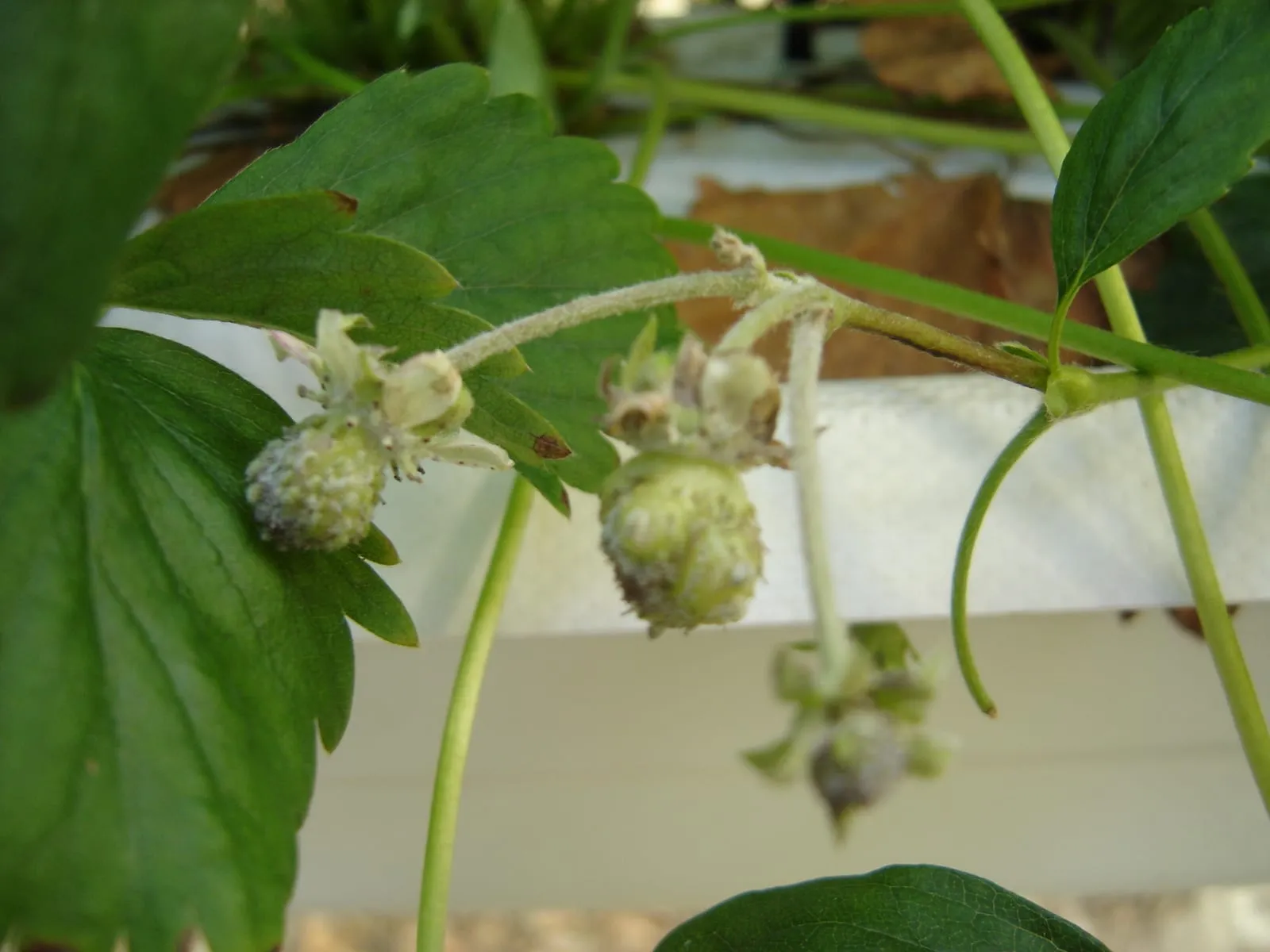
Podosphaera and Sphaerotheca species
Surface-feeding fungal disease producing white powdery growth on leaves and fruit, particularly damaging on gooseberries.
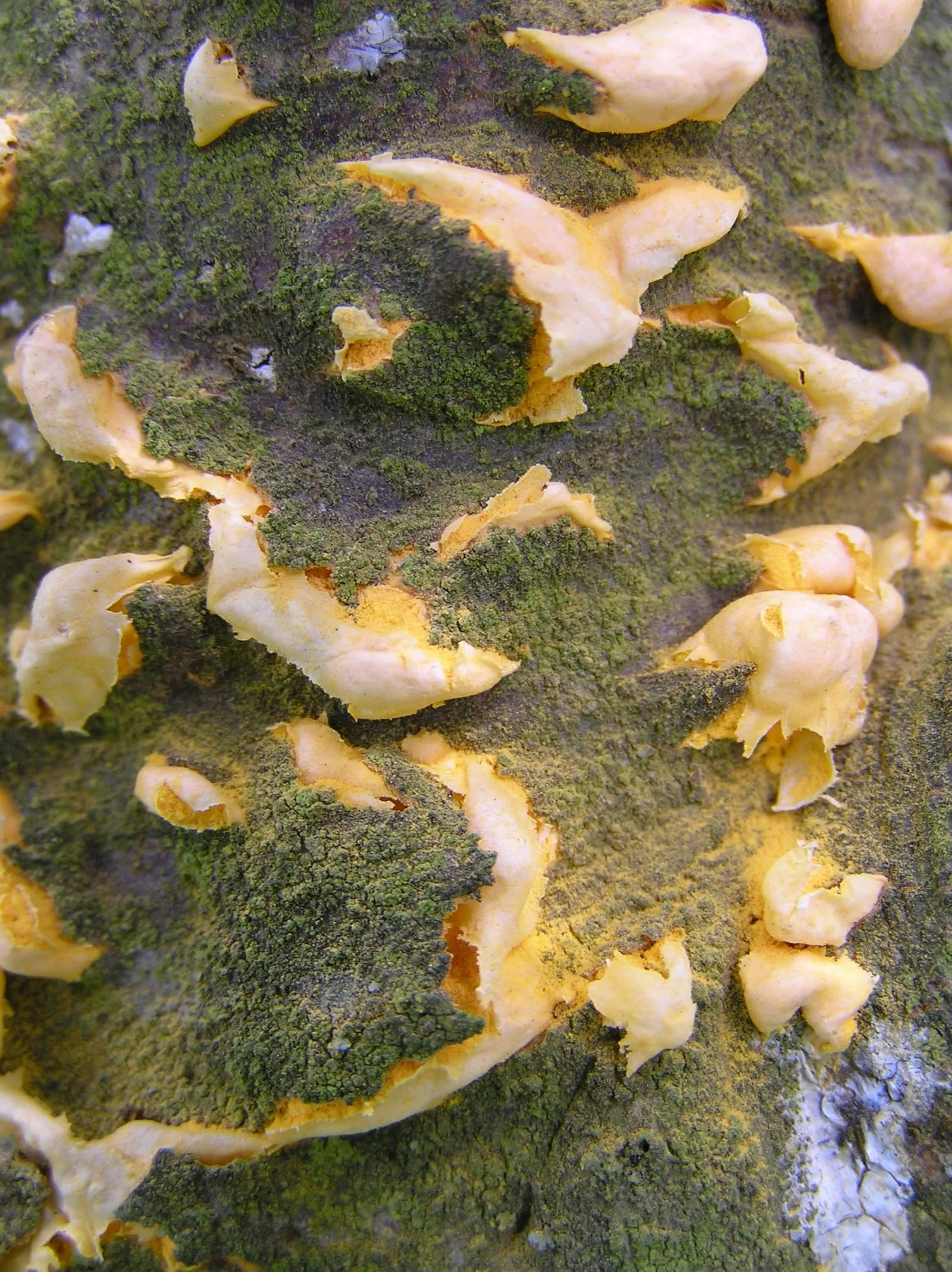
Cronartium ribicola
Two-host rust requiring both Ribes (currants and gooseberries) and white pines. Historically led to Ribes-planting bans in much of the US; some states still restrict black currant cultivation.
Common pests
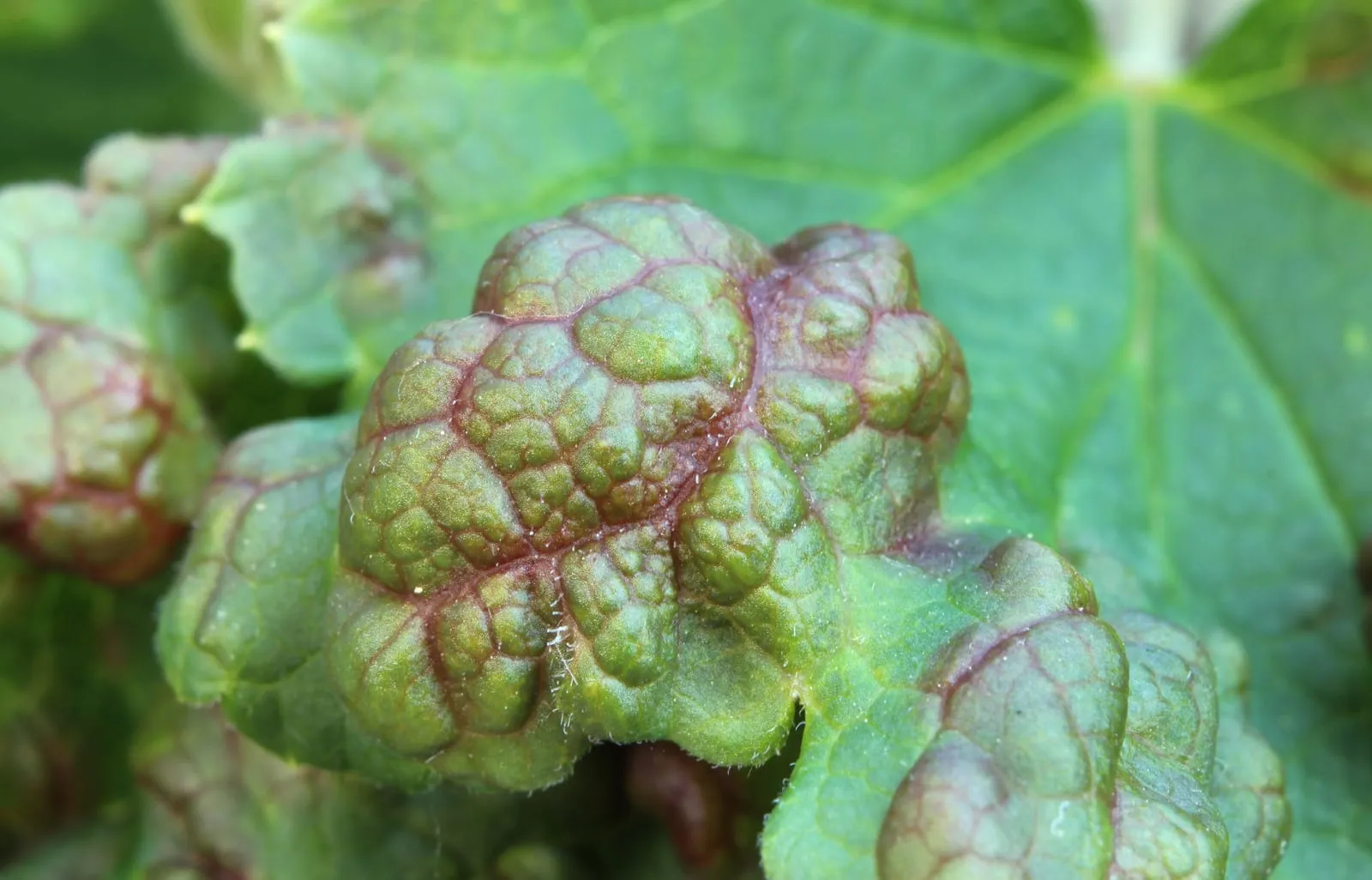
Cryptomyzus ribis
Sap-feeding aphid that causes characteristic red blistering on currant and gooseberry leaves in spring.
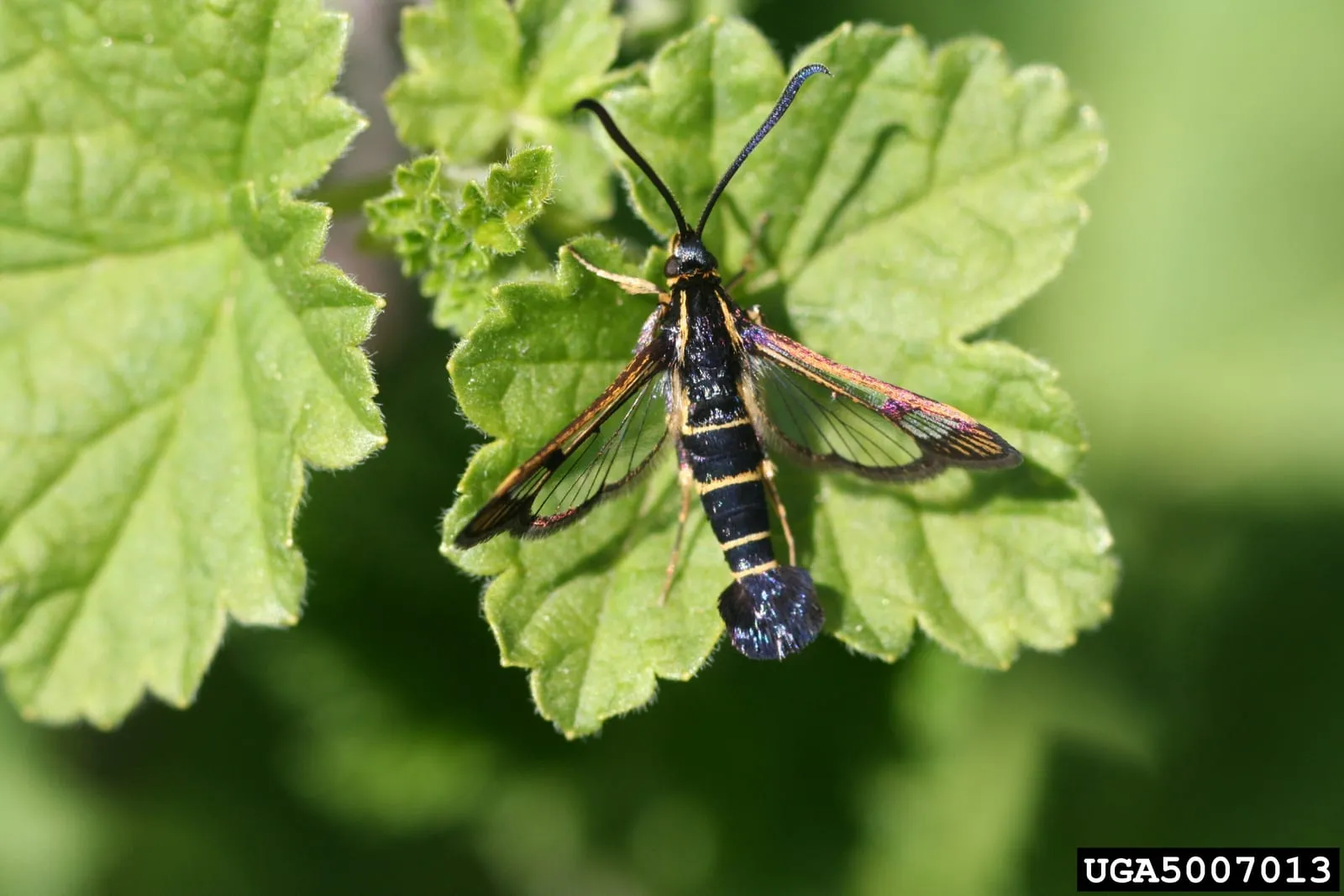
Synanthedon tipuliformis
Clearwing moth whose larvae tunnel inside currant and gooseberry canes, hollowing them out.
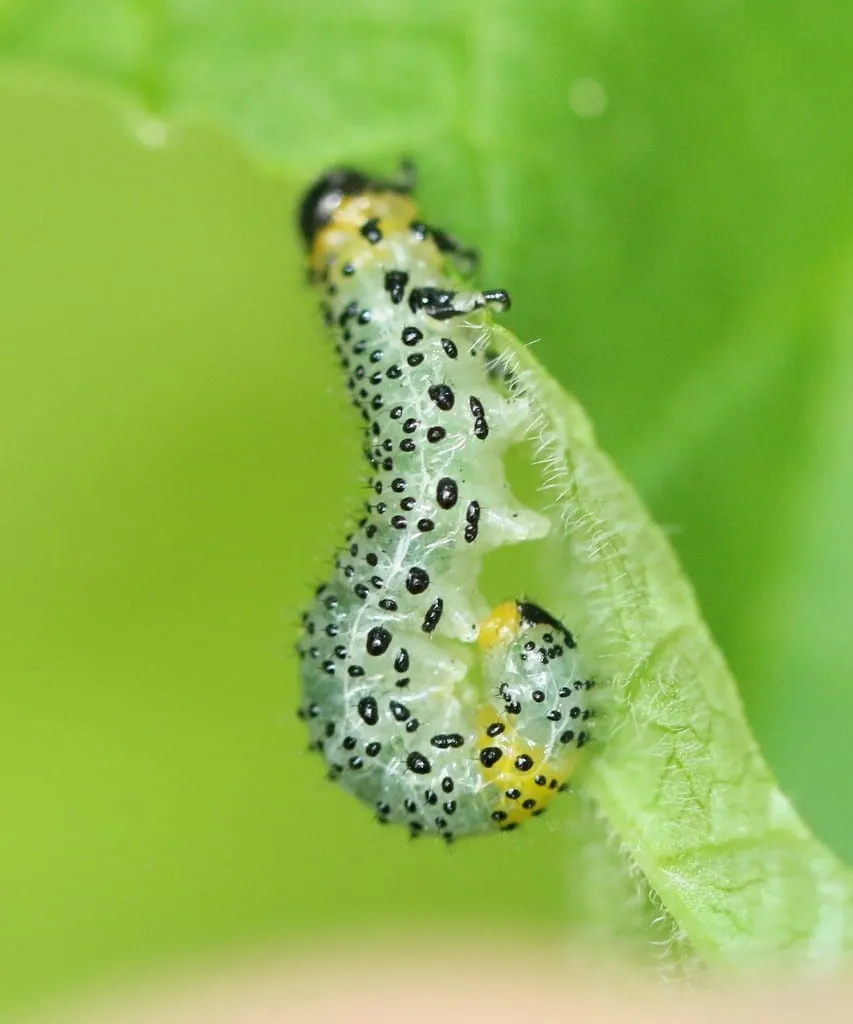
Nematus ribesii
Sawfly whose larvae can rapidly defoliate currant and gooseberry bushes, working from the inside of the bush outward.
Multiple species
Robins, catbirds, mockingbirds, starlings, cedar waxwings and other songbirds can strip ripening berry and fruit crops in days. Crows and blackbirds also damage fresh sweet corn ears in milk stage. The single biggest yield-loss factor in unprotected home plantings.
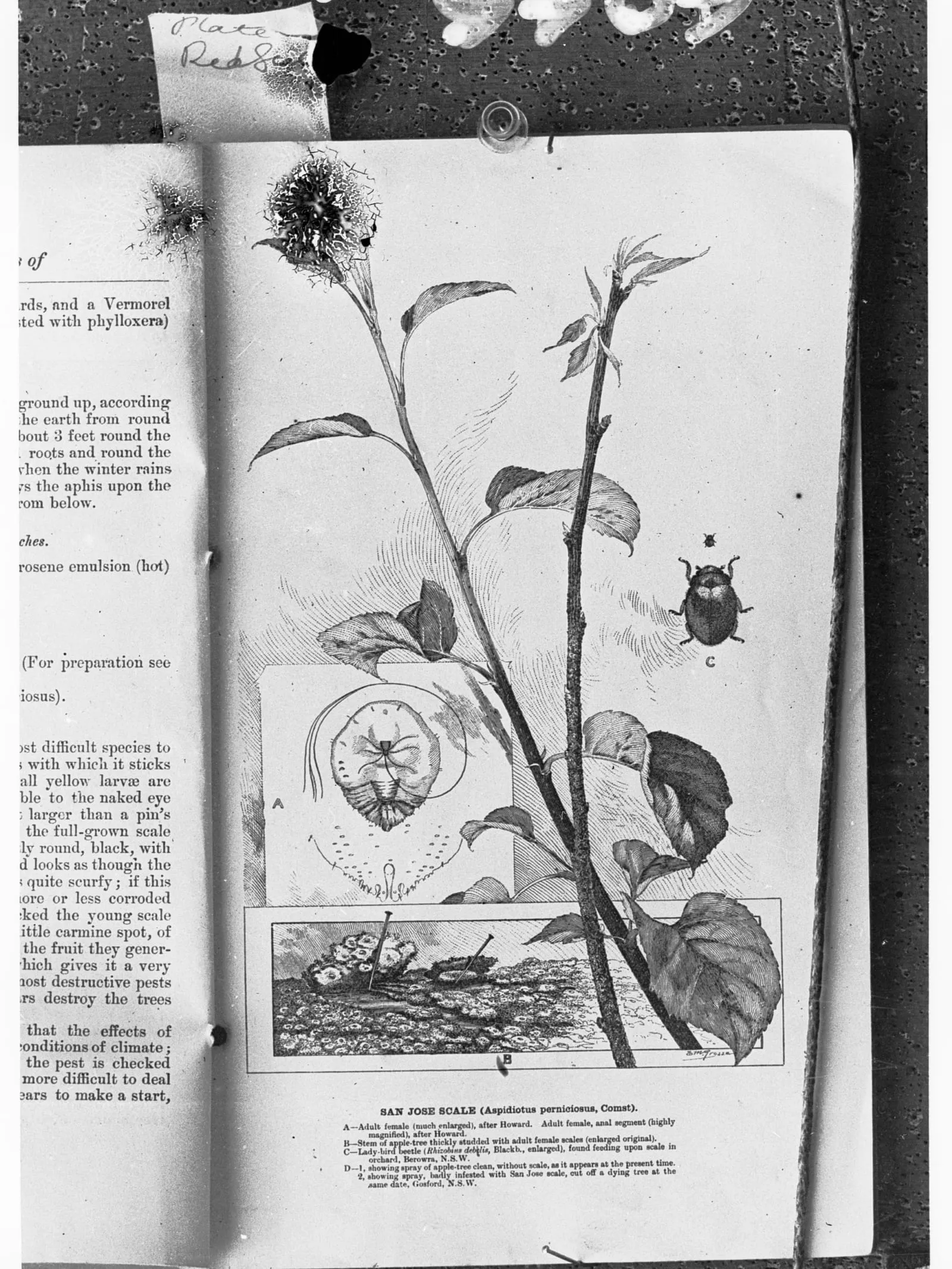
Quadraspidiotus perniciosus
Tiny armored scale insect that encrusts bark, branches, and fruit. Heavy infestations weaken trees and produce red haloed spots on fruit at harvest. Persistent year-over-year if not controlled.
Common challenges
The three most common reasons home growers fail with black currant are disease pressure from white pine blister rust and fungal pathogens, late-spring frost damage to early flowers, and inadequate chill-hour accumulation in warmer zones.
White pine blister rust (Cronartium ribicola) is the most consequential long-term threat and the reason planting is still regulated in some states. Even where planting is permitted, proximity to five-needled pines creates infection pathways. Growing rust-resistant varieties such as Consort and maintaining meaningful distance from susceptible pines is the practical first defense. See the USDA Ribes White Pine Blister Rust resource for state-by-state regulatory status.
Fungal disease including gray mold (Botrytis), cane anthracnose, and berry powdery mildew all intensify in dense canopies and wet seasons. Aggressive annual pruning that removes canes older than three years and opens the center of the plant is more effective than fungicide applications alone. Infected canes should be removed and disposed of, not composted.
Frost timing is frequently underestimated. Black currant blooms early, often before the last frost date in zones 5 and 6, and a single late frost can eliminate the entire crop for that season. Siting on a gentle slope where cold air drains away from the planting, and selecting late-blooming or frost-tolerant cultivars such as Ben Sarek, addresses this more reliably than frost cloth over a large established planting.
Companion plants
Frequently asked questions
- How many chill hours does black currant require?
Black currant needs 800 to 1,500 hours below 45°F to break dormancy and set fruit reliably. Most of zones 3a through 6b accumulate this without difficulty. Zone 7a can be marginal in mild winters, and performance becomes inconsistent below that threshold.
- How long does it take from bloom to harvest?
Berries ripen 80 to 100 days after bloom, depending on variety and seasonal temperatures. In most of its range, harvest falls between late June and early August. Cooler summers push the window later; warm springs can pull it earlier.
- What USDA zones support black currant?
Black currant is reliably productive in zones 3a through 7a. The crop is native to cool temperate climates and struggles south of zone 7a, where winter chill-hour accumulation becomes inconsistent and summer heat shortens the harvest season.
- Does black currant need a pollinator plant?
Black currant is self-fertile; a single plant will set a full crop without a second variety nearby. Planting two or more varieties generally increases berry size and total yield through cross-pollination, but it is not required for fruiting.
- What is the most serious disease affecting black currant?
White pine blister rust (Cronartium ribicola) is the most historically damaging and the reason Ribes planting has been regulated in parts of the US. In garden settings, gray mold (Botrytis) and berry powdery mildew are encountered more frequently. Annual pruning to open canopy structure reduces fungal pressure substantially.
- Is black currant legal to grow everywhere in the United States?
Not universally. A federal ban was lifted in 1966, but some states retain their own restrictions because Ribes species host white pine blister rust, which threatens five-needled pines. State regulations vary; the USDA Forest Service maintains guidance by state. Rust-resistant varieties such as Consort are permitted in some otherwise restricted states.
- How long does a black currant plant remain productive?
A well-maintained planting typically produces for 15 to 20 years. Annual pruning that removes canes older than three years keeps the plant vigorous and yields high across that span. Neglected, unpruned plants decline earlier and become more susceptible to disease.
+−
+−
+−
+−
+−
+−
+−
Sources
Image: "Blackcurrant", by Tyler Hacking, via iNaturalist, licensed under CC-BY. Source.
Black Currant by zone
Related