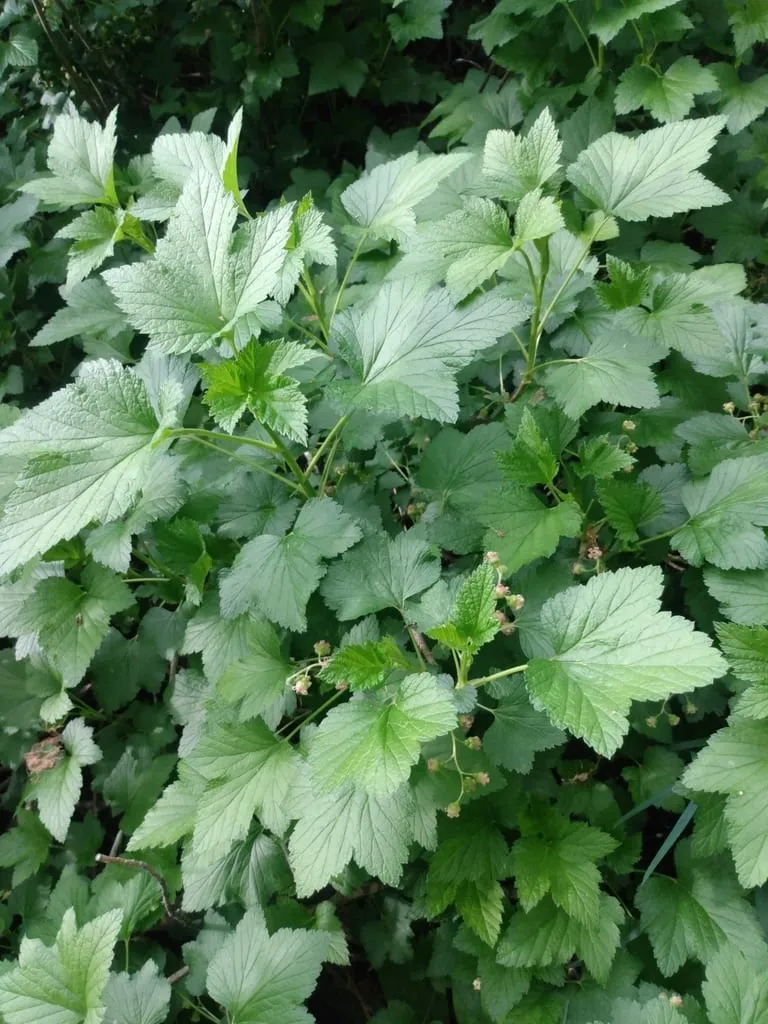
berry in zone 7a
Growing black currant in zone 7a
Ribes nigrum
- Zone
- 7a 0°F to 5°F
- Growing season
- 210 days
- Chill needed
- 800 to 1500 below 45°F
- Suitable varieties
- 1
- Days to harvest
- 80 to 100
The verdict
Zone 7a sits at the southern margin of reliable black currant production. The crop's chill-hour range of 800 to 1,500 hours is technically achievable in most zone 7a locations, particularly in the upper South and mid-Atlantic foothills where winters are cold enough to accumulate sufficient dormancy hours. However, meeting the minimum threshold is not the same as thriving: sites that barely reach 800 hours in a warm winter will see irregular cropping and reduced vigor.
The deeper concern in zone 7a is summer. Black currants are a cool-climate crop, and the combination of 210-day growing seasons, persistent humidity, and summer heat above what the species tolerates comfortably shortens productive lifespan and intensifies disease pressure. Crandall, the variety with documented tolerance for warmer conditions, is the practical choice here. Expect shorter-lived plantings than growers in zones 5 or 6 would see. Zone 7a is workable for black currant, but it demands more management and delivers less margin for error.
Recommended varieties for zone 7a
1 cultivar suited to this zone, with disease-resistance and zone-fit annotations.
| Variety | Notes | Zone fit | Disease resistance |
|---|---|---|---|
| Crandall fits zone 7a | Sweet, mild, less musky than European blacks; fresh, jam, juice. American native species (Ribes odoratum), fragrant yellow flowers, more approachable flavor for newcomers. | |
|
Critical timing for zone 7a
In zone 7a, black currants break dormancy and begin flowering in late February to mid-March, well before the average last frost date, which falls between late March and mid-April across most of the zone. This mismatch creates meaningful late-frost risk during the bloom window. A single hard frost after flowers open can eliminate most or all of the year's crop.
Harvest follows approximately 60 to 70 days after successful pollination, placing ripe fruit in mid-June through early July for zone 7a. Picking early in the harvest window, before peak summer heat arrives, reduces berry shrinkage and fungal losses on the cane. Sites prone to late spring frosts should consider low-lying areas avoided and windbreaks positioned to moderate cold air drainage.
Common challenges in zone 7a
- ▸ Cedar-apple rust
- ▸ Brown rot
- ▸ Fire blight
- ▸ High humidity disease pressure
Disease pressure to watch for
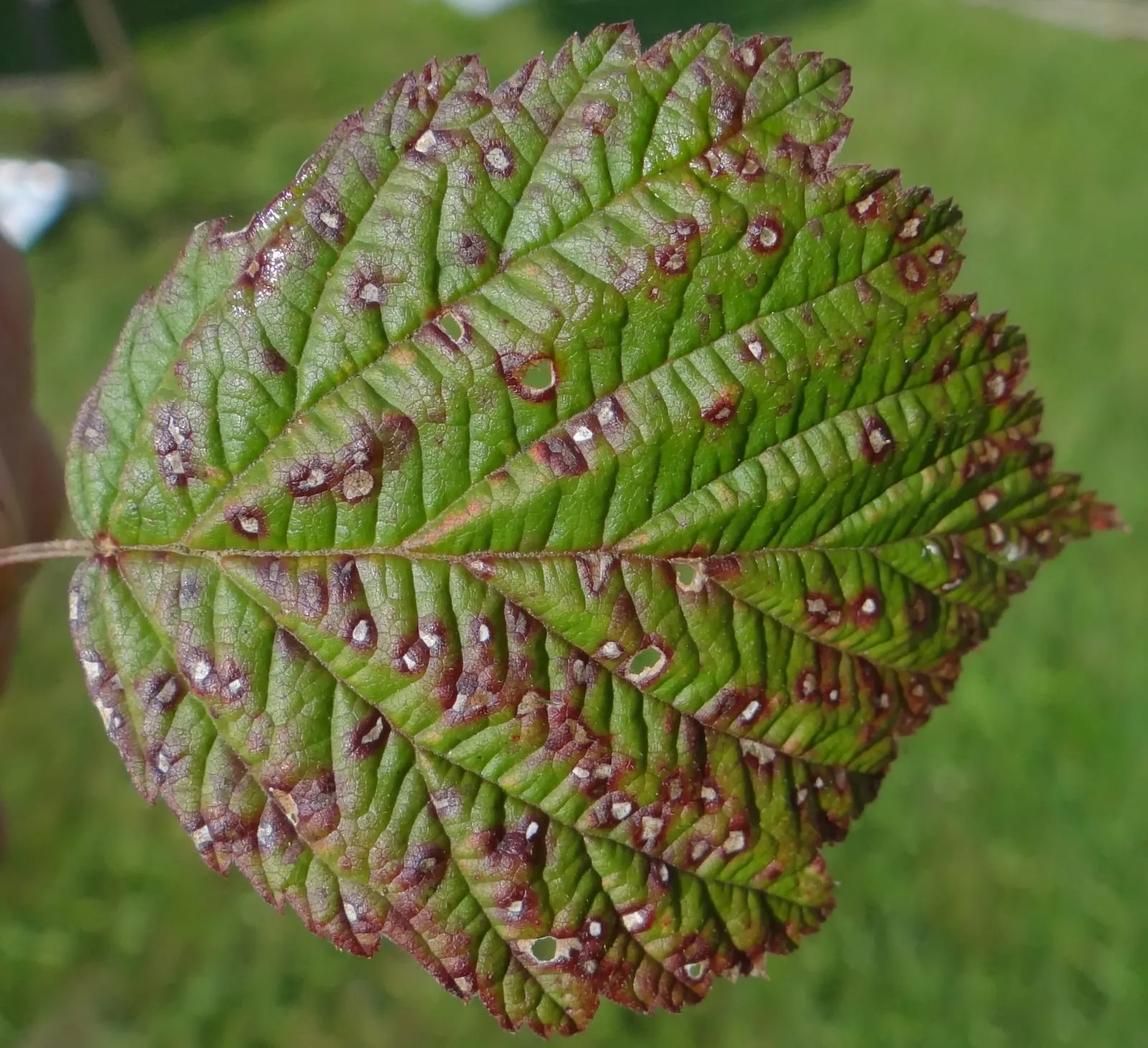
Elsinoe veneta
Fungal cane disease causing purple-bordered lesions that girdle and weaken bramble and Ribes canes, reducing yield over consecutive seasons.
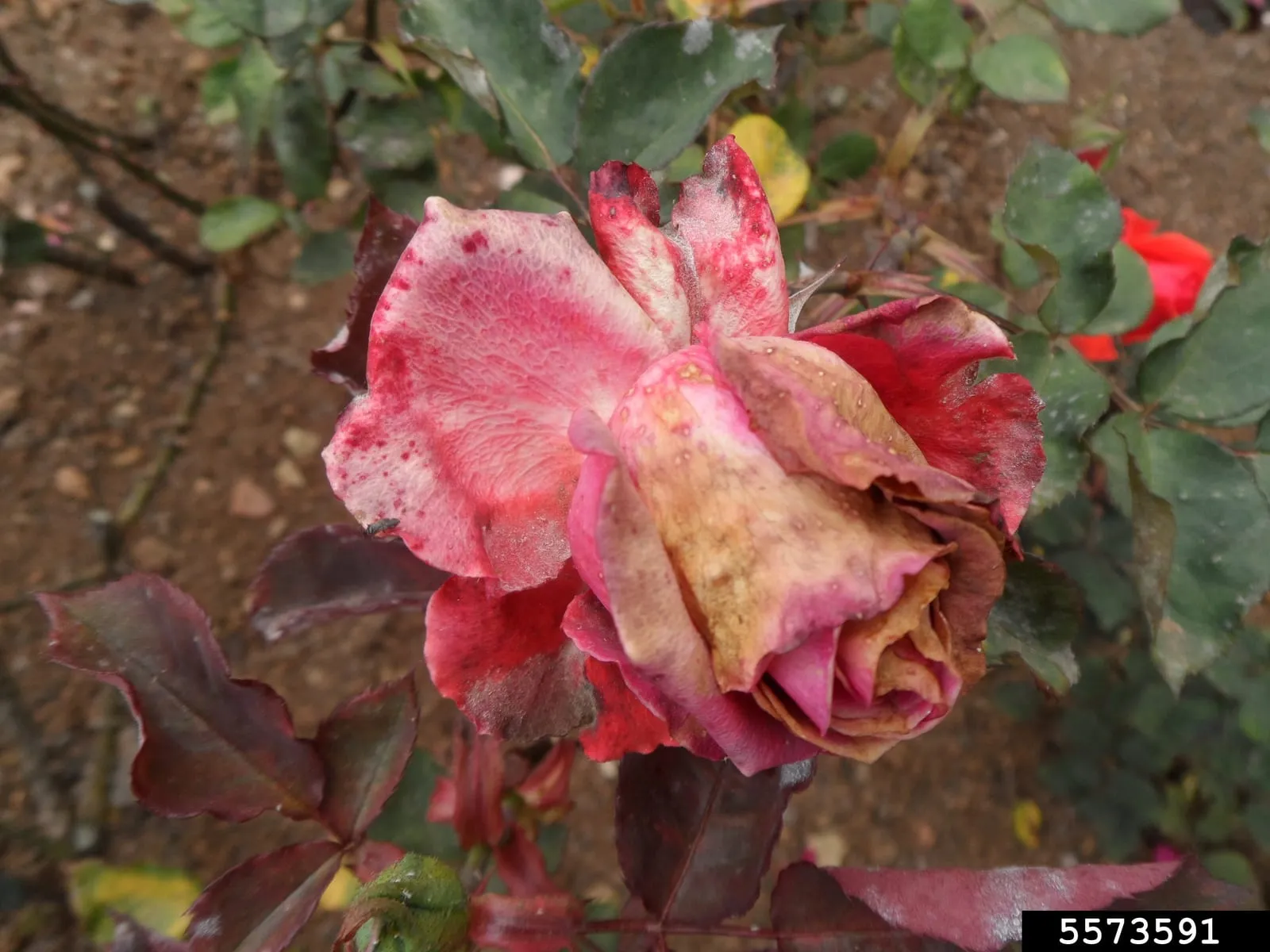
Botrytis cinerea
Ubiquitous fungal disease that causes fruit rot during cool wet weather, often the dominant berry disease in humid regions.
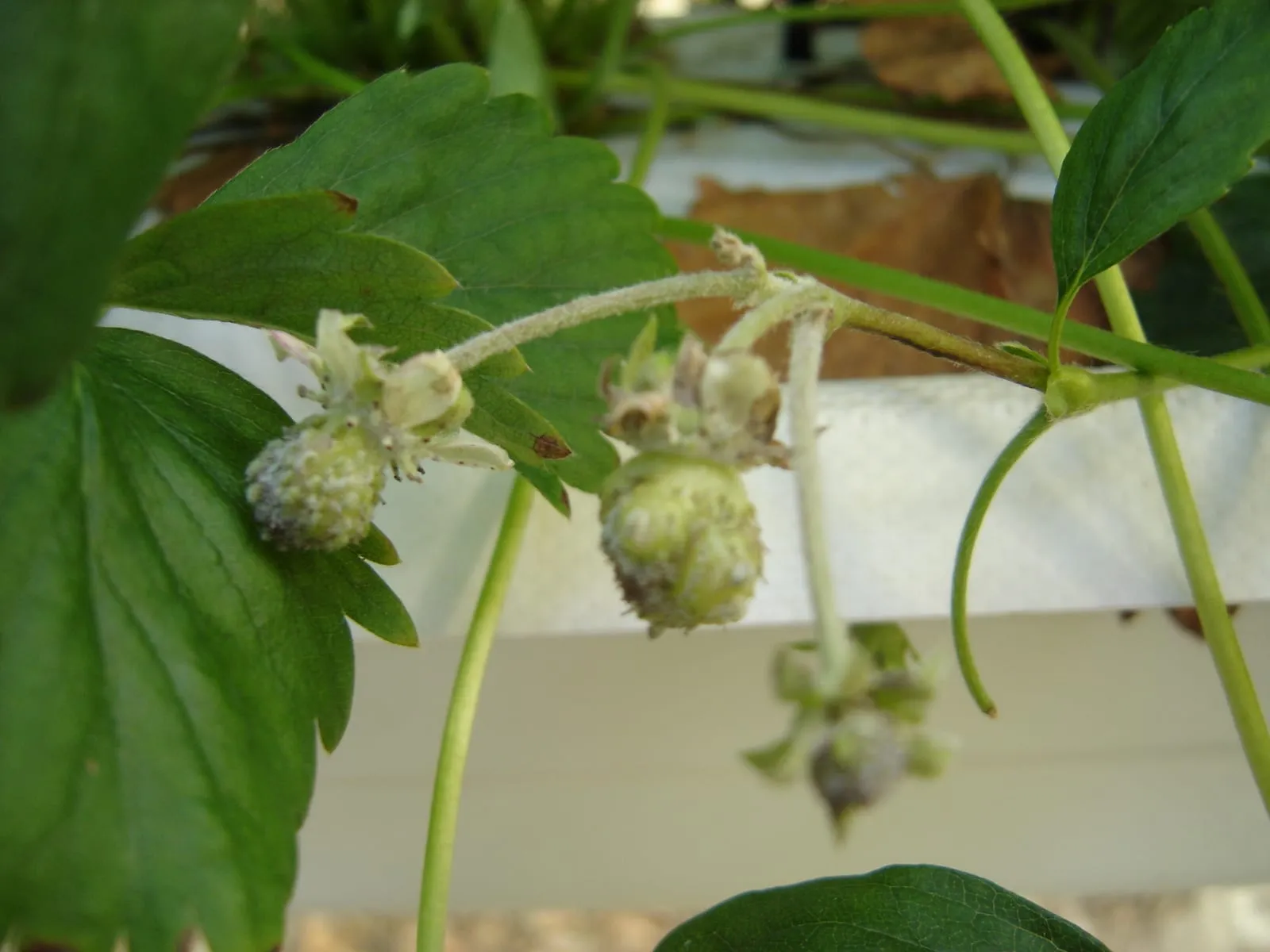
Podosphaera and Sphaerotheca species
Surface-feeding fungal disease producing white powdery growth on leaves and fruit, particularly damaging on gooseberries.
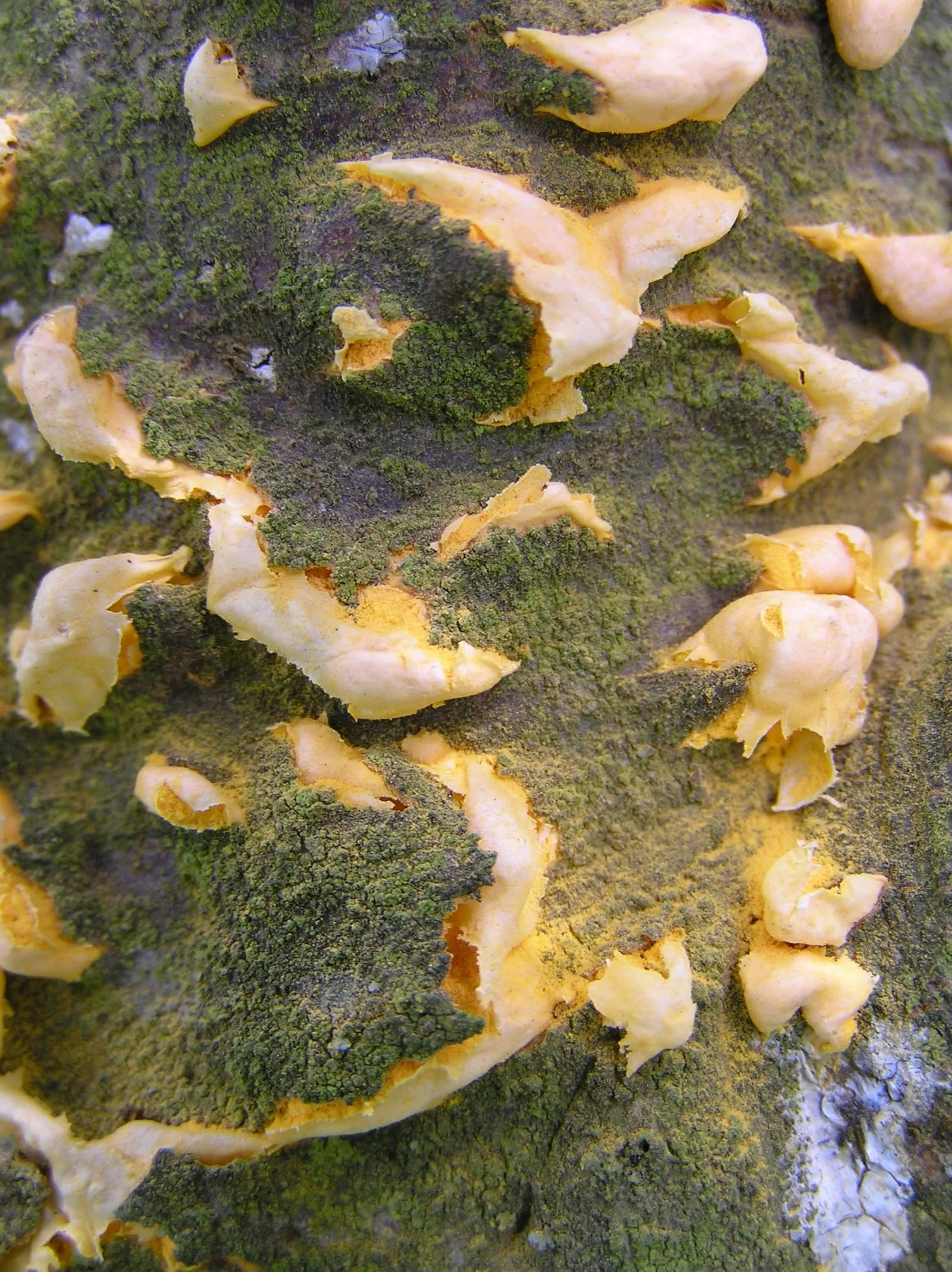
Cronartium ribicola
Two-host rust requiring both Ribes (currants and gooseberries) and white pines. Historically led to Ribes-planting bans in much of the US; some states still restrict black currant cultivation.
Modified care for zone 7a
Zone 7a growers face a disease management burden that growers in cooler zones do not. The combination of humidity, warm spring temperatures, and dense foliage creates ideal conditions for Gray Mold, Cane Anthracnose, and Berry Powdery Mildew. Pruning for aggressive open-center structure, removing at least one-third of old wood annually, is not optional here, it is the primary defense. Spacing plants wider than minimum recommendations (3 meters between plants rather than 2) improves airflow enough to meaningfully reduce infection rates.
White Pine Blister Rust is a legal and agronomic concern. Several southeastern states restrict or prohibit Ribes cultivation near white pine stands; confirm local regulations before planting. Heavy mulching (8 to 10 cm of wood chips) helps buffer soil temperature and moisture during summer heat, reducing root stress. Afternoon shade from taller plantings or structures can extend plant health in zone 7a sites with prolonged heat above 32°C.
Frequently asked questions
- Can black currants actually survive zone 7a winters?
Yes, winter cold is not the limiting factor in zone 7a. Temperatures in the 0 to 5°F range that define the zone are well within black currant tolerance. The challenge is accumulating enough chill hours in mild winters and managing the heat and disease pressure that follow.
- Is Crandall a true black currant?
Crandall is a clove currant (Ribes odoratum), a North American native species rather than the European black currant (Ribes nigrum). It is more heat-tolerant and often the recommended choice for zone 7a, though its flavor and yield profile differ from traditional black currant cultivars.
- Are black currants legal to grow in zone 7a states?
It depends on the state and proximity to white pine. Some states in the eastern U.S. regulate or ban Ribes species to protect white pine timber stands from Blister Rust. Check with the state department of agriculture before purchasing plants; rules vary by county in some states.
- Why does late frost damage black currants more in zone 7a than farther north?
Zone 7a's warmer winter temperatures cause black currants to break dormancy earlier, typically late February. This puts open flowers at risk from frosts that routinely occur through mid-April. In colder zones, the crop stays dormant longer and bloom is delayed past the worst frost risk.
+−
+−
+−
+−
Black Currant in adjacent zones
Image: "Blackcurrant", by Tyler Hacking, via iNaturalist, licensed under CC-BY Source.
Related