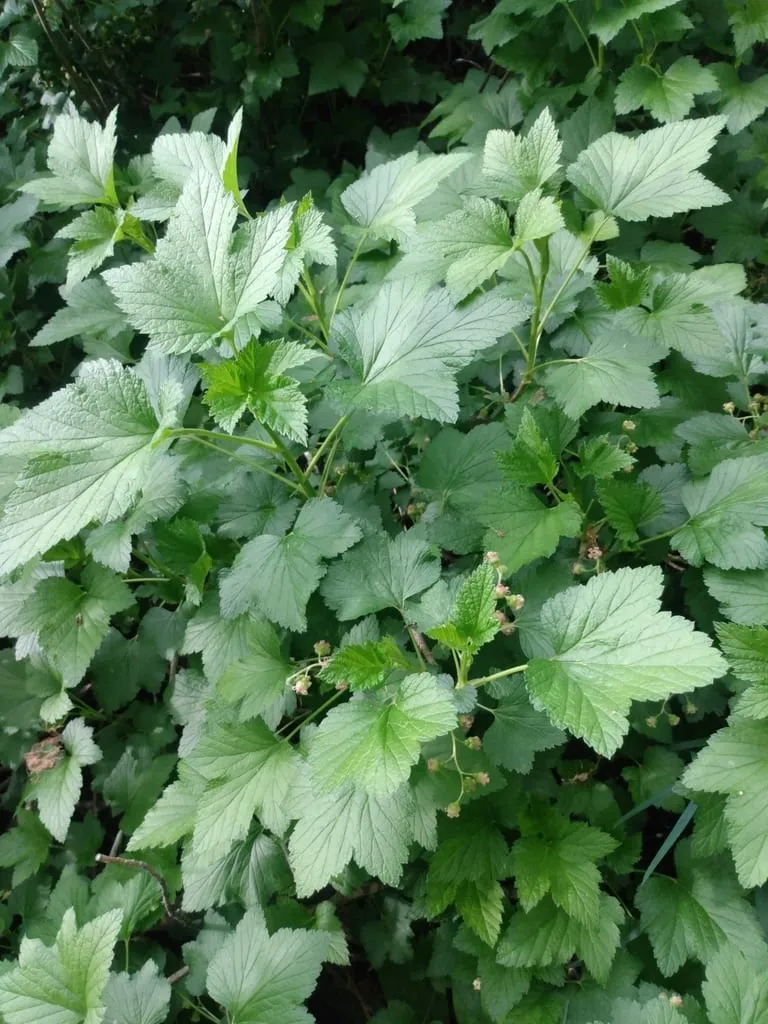
berry in zone 5a
Growing black currant in zone 5a
Ribes nigrum
- Zone
- 5a -20°F to -15°F
- Growing season
- 150 days
- Chill needed
- 800 to 1500 below 45°F
- Suitable varieties
- 4
- Days to harvest
- 80 to 100
The verdict
Black currant is a genuine sweet spot in zone 5a, not a marginal case. The crop's documented chill-hour requirement of 800 to 1,500 hours aligns well with the cold winters zone 5a delivers; most locations in this zone accumulate well over 1,000 chilling hours between November and February. The temperature range of -20 to -15°F presents no meaningful hardiness problem for established plants, as the species tolerates temperatures considerably colder than that. The 150-day growing season is also sufficient: black currant fruits ripen 100 to 130 days after bloom, leaving a comfortable margin before fall frost.
Varieties like Consort and Ben Sarek were specifically bred or selected for northern climates and have demonstrated reliable performance in zone 5a conditions. Titania, a Swedish variety, handles hard winters with little to no additional protection. Crandall is somewhat less cold-hardy but still performs adequately here.
Recommended varieties for zone 5a
4 cultivars suited to this zone, with disease-resistance and zone-fit annotations.
| Variety | Notes | Zone fit | Disease resistance |
|---|---|---|---|
| Consort fits zone 5a | Intensely musky, complex, tart; juice, jam, cordial, syrup. The defining black-currant flavor for British and Northern European traditions. Resistant to white pine blister rust (legal in restricted states). | |
|
| Crandall fits zone 5a | Sweet, mild, less musky than European blacks; fresh, jam, juice. American native species (Ribes odoratum), fragrant yellow flowers, more approachable flavor for newcomers. | |
|
| Ben Sarek fits zone 5a | Tart, intensely flavored, large berries; the classic European black-currant cordial flavor. Compact bush (3-4 ft), high yields, frost-resistant flowers. | | none noted |
| Titania fits zone 5a | Tart, complex, large firm berries; juice, jam, syrup. Productive Swedish variety, blister-rust resistant, vigorous and adaptable. | |
|
Critical timing for zone 5a
Bloom in zone 5a typically occurs in April, often in the first to third week depending on microclimate and variety. This window overlaps with the zone's late spring frost risk, which is the main seasonal concern for black currant growers here. A single hard frost during or just after pollination can eliminate most of the season's crop. Harvest follows in late June through July, roughly 60 to 75 days after bloom depending on variety and summer heat accumulation. Ben Sarek ripens at the earlier end; Titania and Crandall tend toward mid-July. The 150-day growing season provides adequate time for fruit to fully mature before the first fall frost, which typically arrives in late September or early October.
Common challenges in zone 5a
- ▸ Fire blight in pears
- ▸ Cedar-apple rust
- ▸ Late spring frosts
Disease pressure to watch for
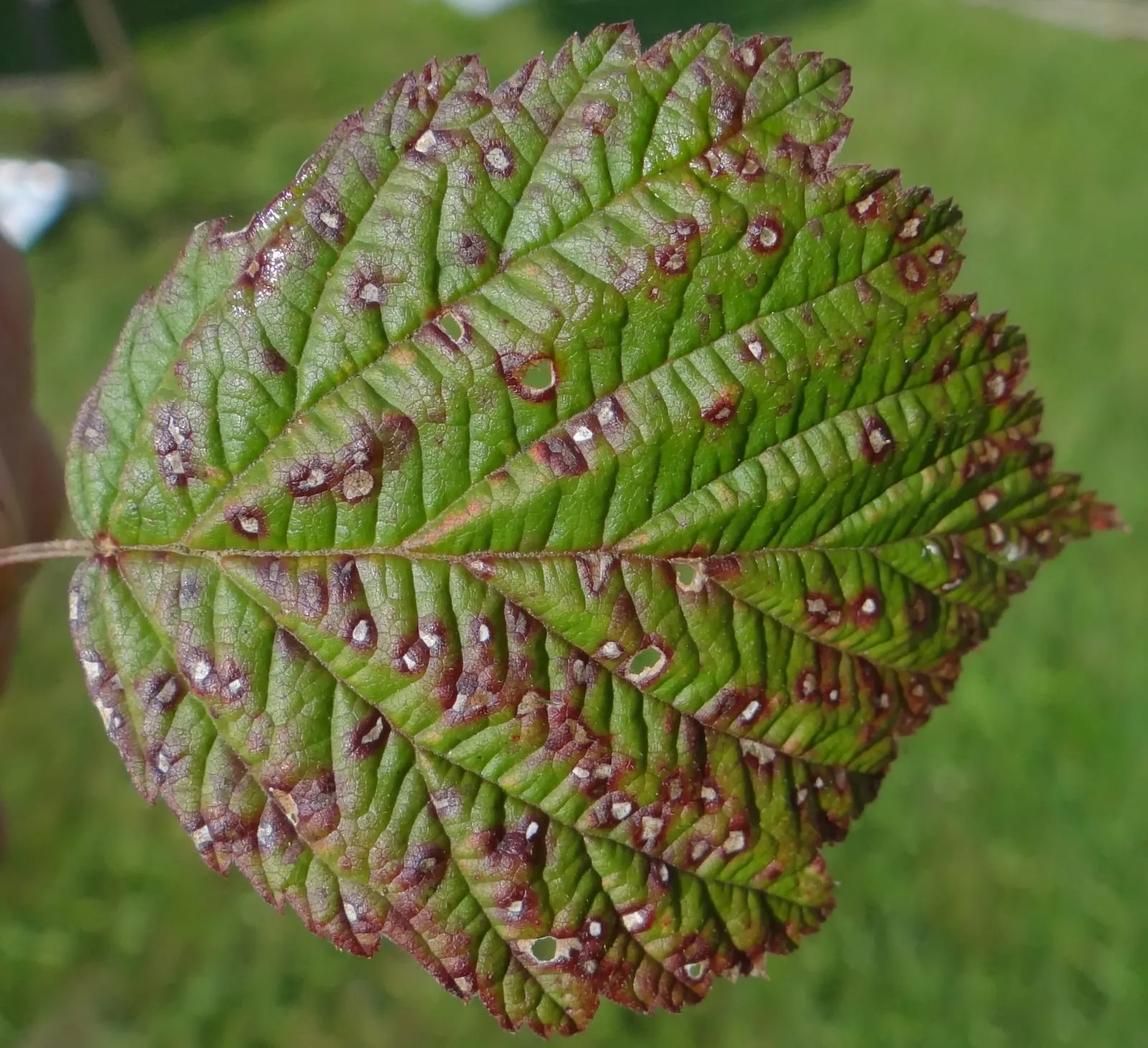
Elsinoe veneta
Fungal cane disease causing purple-bordered lesions that girdle and weaken bramble and Ribes canes, reducing yield over consecutive seasons.
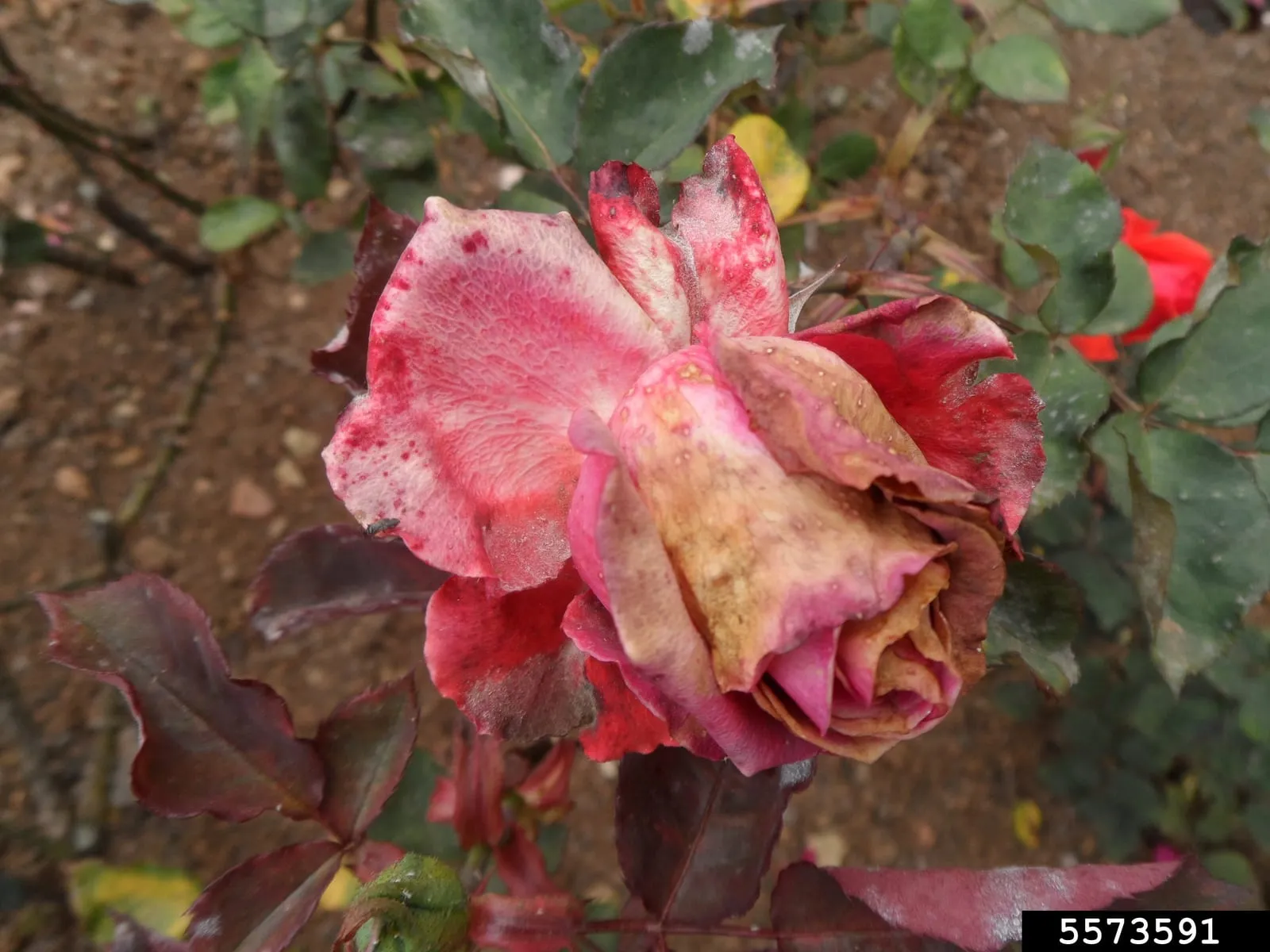
Botrytis cinerea
Ubiquitous fungal disease that causes fruit rot during cool wet weather, often the dominant berry disease in humid regions.
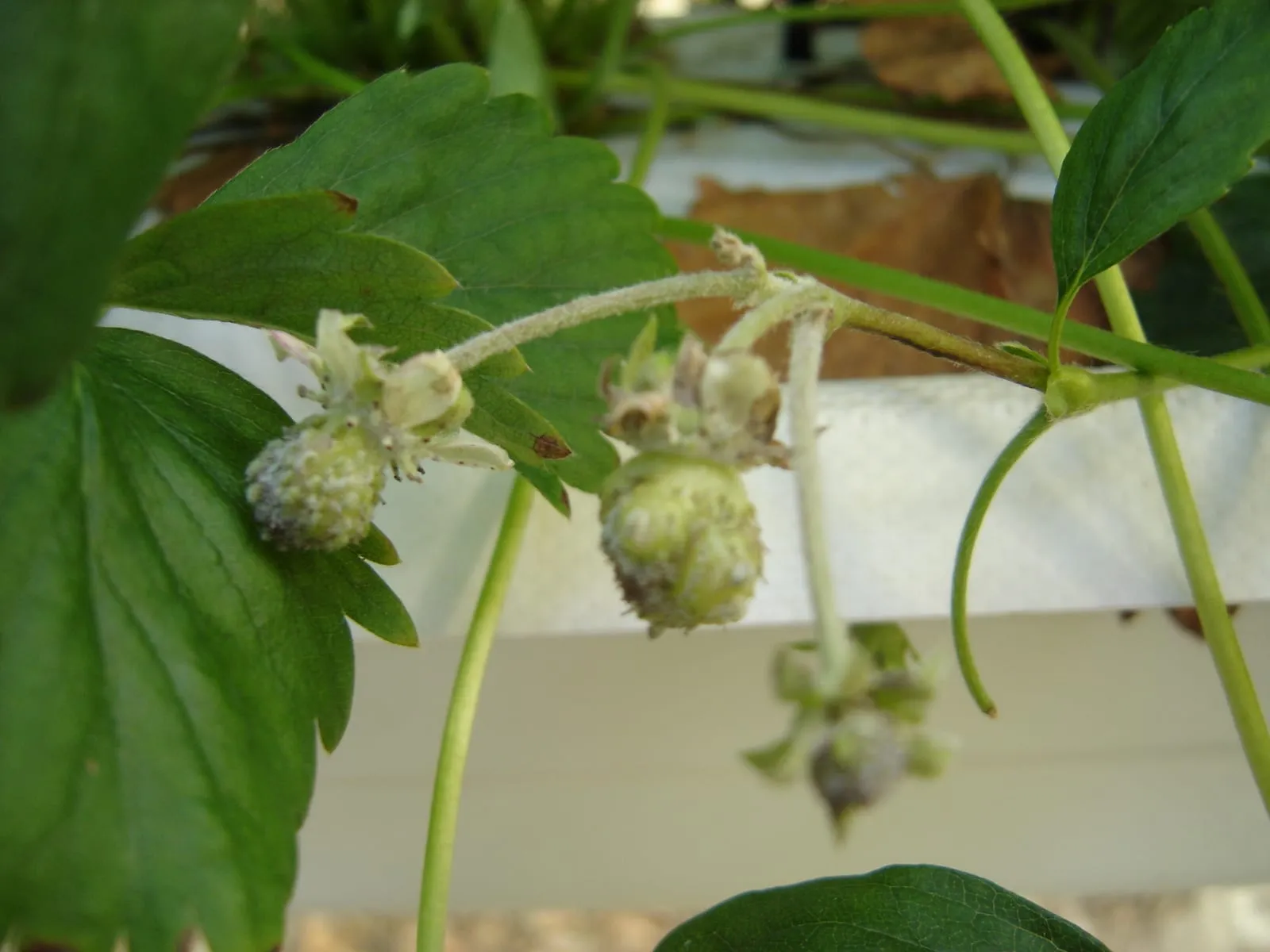
Podosphaera and Sphaerotheca species
Surface-feeding fungal disease producing white powdery growth on leaves and fruit, particularly damaging on gooseberries.
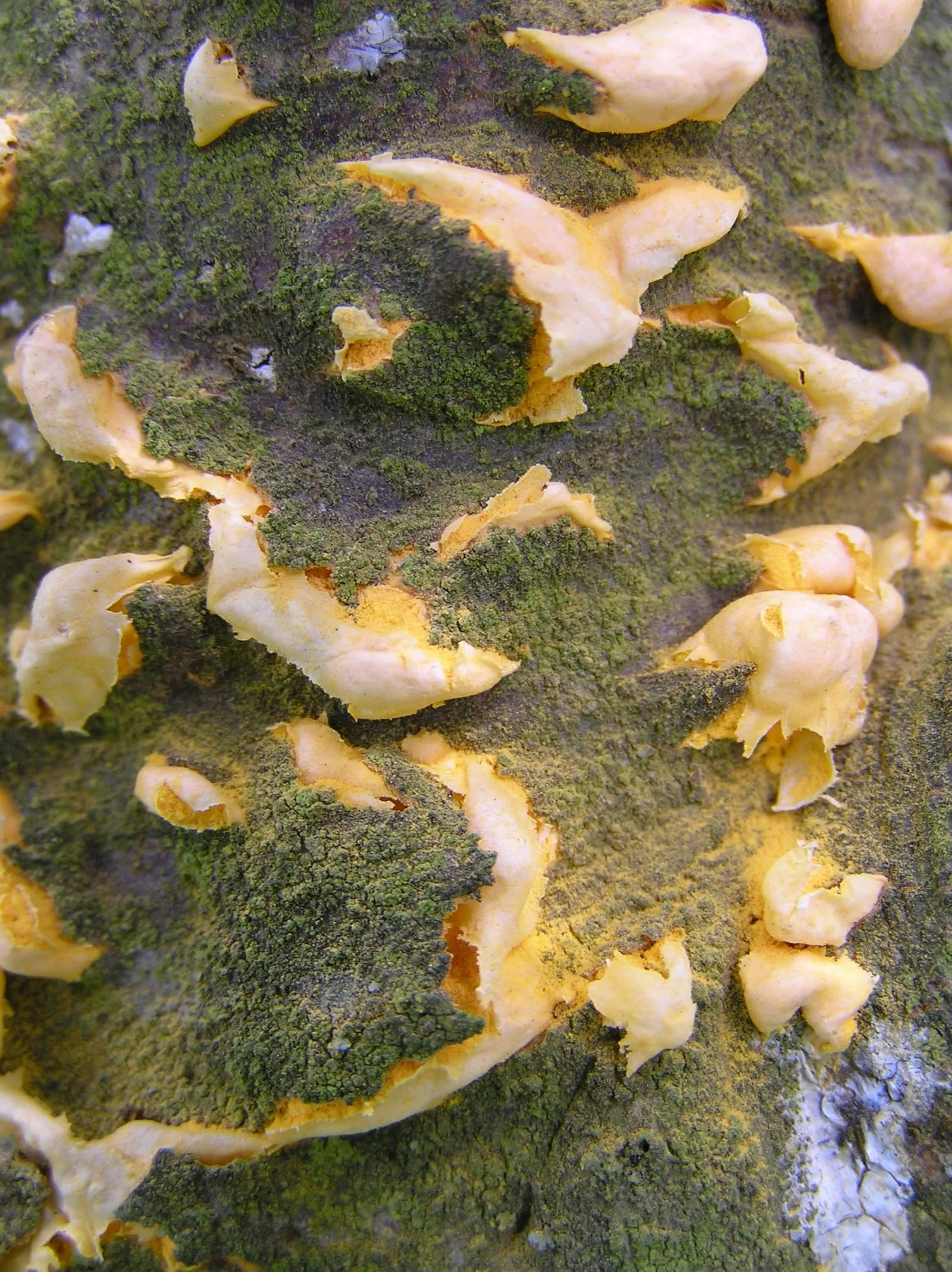
Cronartium ribicola
Two-host rust requiring both Ribes (currants and gooseberries) and white pines. Historically led to Ribes-planting bans in much of the US; some states still restrict black currant cultivation.
Modified care for zone 5a
The primary management adjustment in zone 5a is awareness of White Pine Blister Rust, a fungal disease that requires both black currant and five-needle pines to complete its life cycle. Planting within a few hundred feet of white pines substantially raises infection risk. Consort carries documented resistance to blister rust and is often the preferred choice where white pines are present in the landscape.
Late spring frost at bloom time warrants attention. Row cover applied during cold snaps in April can protect open flowers from crop-ending damage. Gray Mold (Botrytis) becomes more problematic in wet springs, which zone 5a frequently sees; maintaining an open canopy through annual pruning reduces humidity in the fruiting zone and is worth prioritizing. No supplemental winter protection is needed for the hardier varieties listed.
Black Currant in adjacent zones
Image: "Blackcurrant", by Tyler Hacking, via iNaturalist, licensed under CC-BY Source.
Related