berry in zone 4b
Growing black currant in zone 4b
Ribes nigrum
- Zone
- 4b -25°F to -20°F
- Growing season
- 130 days
- Chill needed
- 800 to 1500 below 45°F
- Suitable varieties
- 4
- Days to harvest
- 80 to 100
The verdict
Zone 4b (-25 to -20°F winters) is a genuine sweet spot for black currant, not a marginal case. The crop requires 800 to 1,500 chill hours annually, and zone 4b reliably exceeds that floor. Most sites in this zone accumulate 1,200 or more chill hours in a typical winter, so underchill is not a practical concern. The more relevant constraint is the 130-day average growing season, which is workable but leaves limited buffer if a late spring frost catches the bloom window or an early fall freeze arrives before harvest wraps. Dormant canes in this range tolerate the temperature extremes well when properly matured heading into winter. Varieties bred for cold climates, including Ben Sarek, Consort, and Titania, are the safest choices for zone 4b and were specifically developed for this kind of northern growing environment. Crandall, a musk currant type, also performs well here. Growers in sheltered sites with good air drainage will have fewer late-frost complications than those in low frost pockets.
Recommended varieties for zone 4b
4 cultivars suited to this zone, with disease-resistance and zone-fit annotations.
| Variety | Notes | Zone fit | Disease resistance |
|---|---|---|---|
| Consort fits zone 4b | Intensely musky, complex, tart; juice, jam, cordial, syrup. The defining black-currant flavor for British and Northern European traditions. Resistant to white pine blister rust (legal in restricted states). | |
|
| Crandall fits zone 4b | Sweet, mild, less musky than European blacks; fresh, jam, juice. American native species (Ribes odoratum), fragrant yellow flowers, more approachable flavor for newcomers. | |
|
| Ben Sarek fits zone 4b | Tart, intensely flavored, large berries; the classic European black-currant cordial flavor. Compact bush (3-4 ft), high yields, frost-resistant flowers. | | none noted |
| Titania fits zone 4b | Tart, complex, large firm berries; juice, jam, syrup. Productive Swedish variety, blister-rust resistant, vigorous and adaptable. | |
|
Critical timing for zone 4b
Black currant blooms early, typically in mid to late April across zone 4b. That window overlaps with the zone's spring frost risk, which can extend into early May in colder pockets. Bloom is not frost-tolerant; an open flower caught in a hard freeze will not set fruit. Harvest falls in July for most varieties, with Consort and Ben Sarek ripening in early to mid July and Titania arriving slightly later. The 130-day growing season is adequate to move from bloom to full ripeness without significant pressure. Growers at the colder end of zone 4b, where last frost dates push toward May 10 to 15, should consider later-blooming selections or site the planting on a north-facing slope to delay bloom by several days and reduce the overlap with frost.
Common challenges in zone 4b
- ▸ Spring frost timing
- ▸ Apple scab pressure
- ▸ Cane berry winter dieback
Disease pressure to watch for
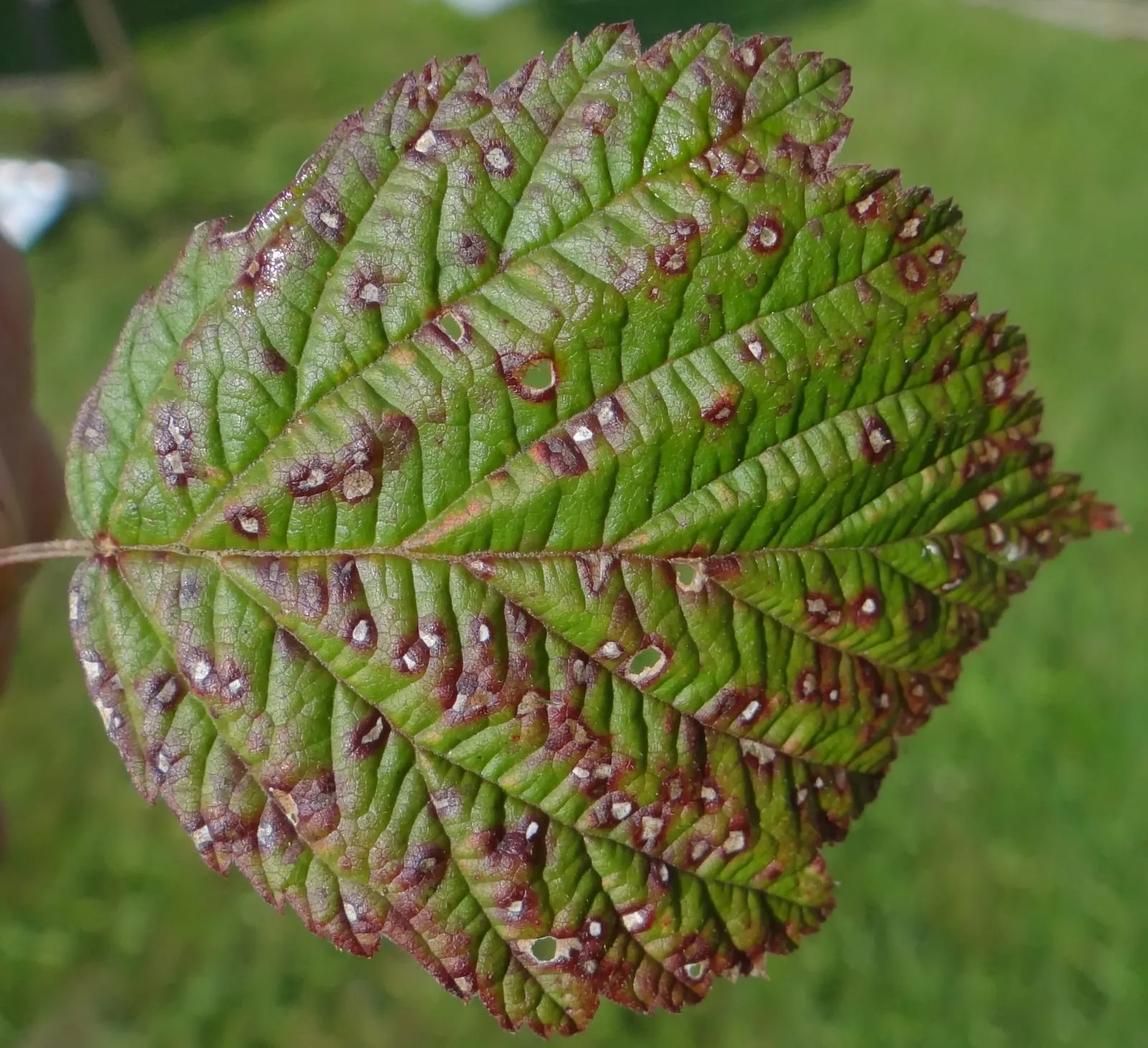
Elsinoe veneta
Fungal cane disease causing purple-bordered lesions that girdle and weaken bramble and Ribes canes, reducing yield over consecutive seasons.
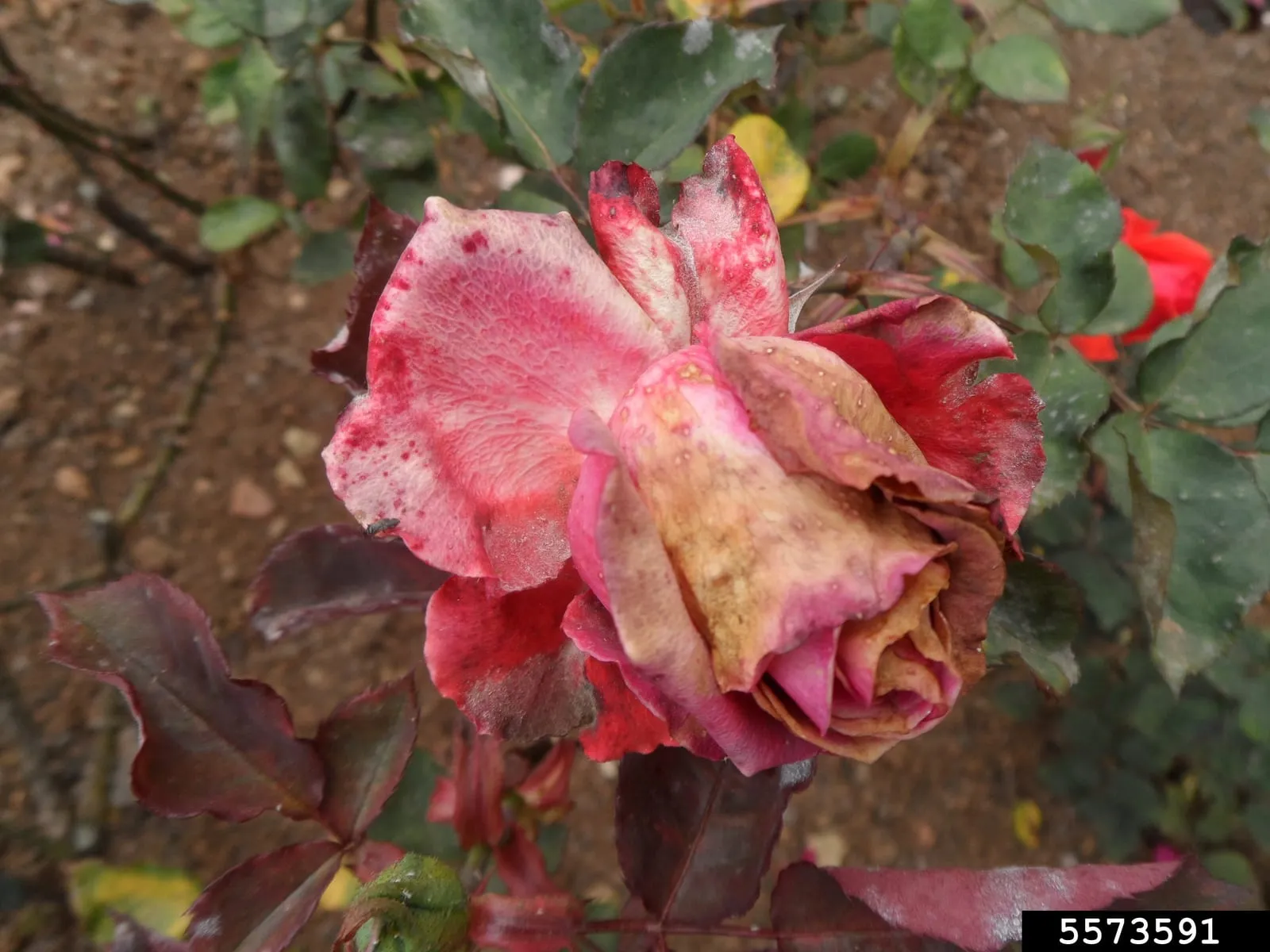
Botrytis cinerea
Ubiquitous fungal disease that causes fruit rot during cool wet weather, often the dominant berry disease in humid regions.
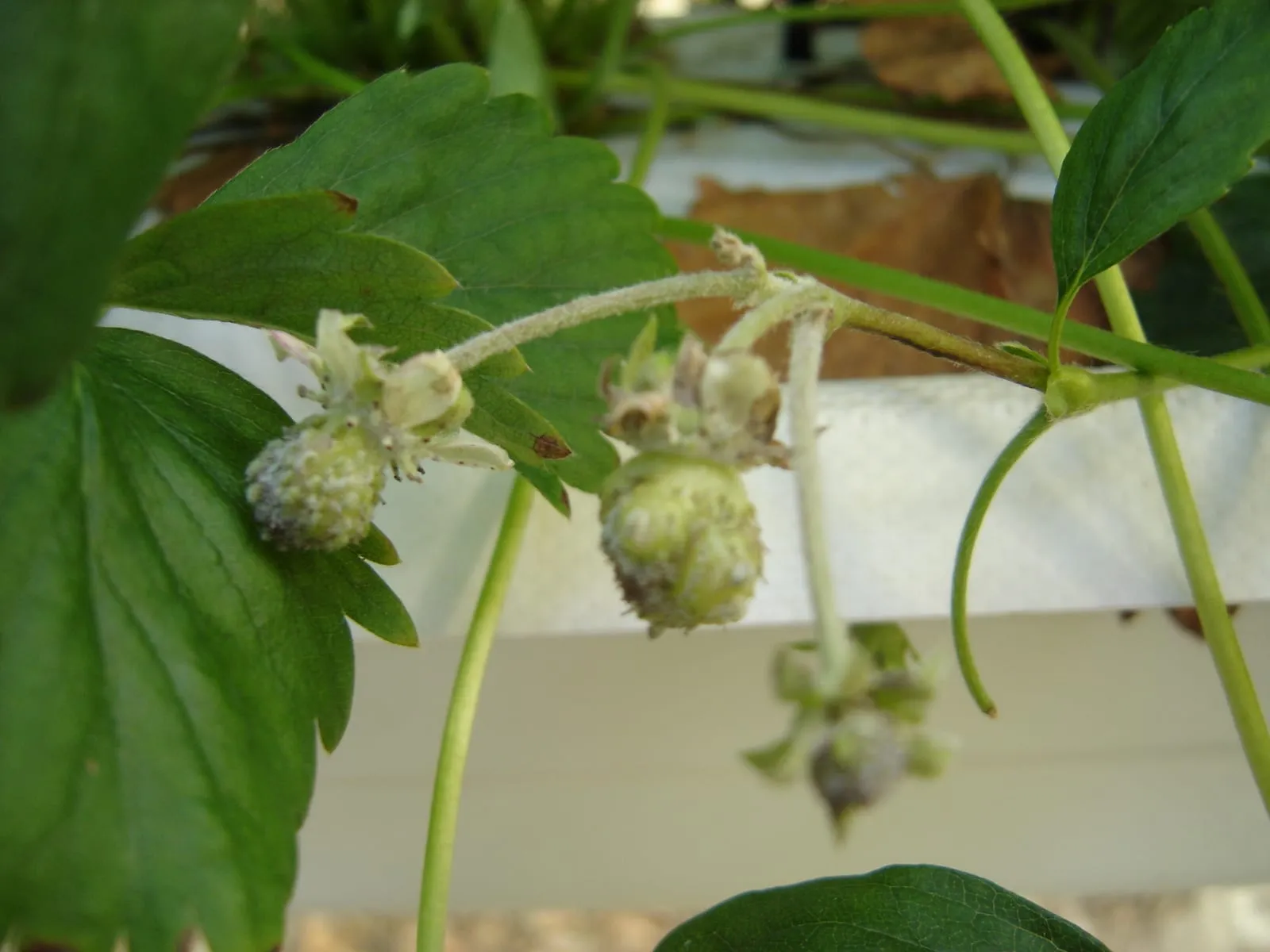
Podosphaera and Sphaerotheca species
Surface-feeding fungal disease producing white powdery growth on leaves and fruit, particularly damaging on gooseberries.
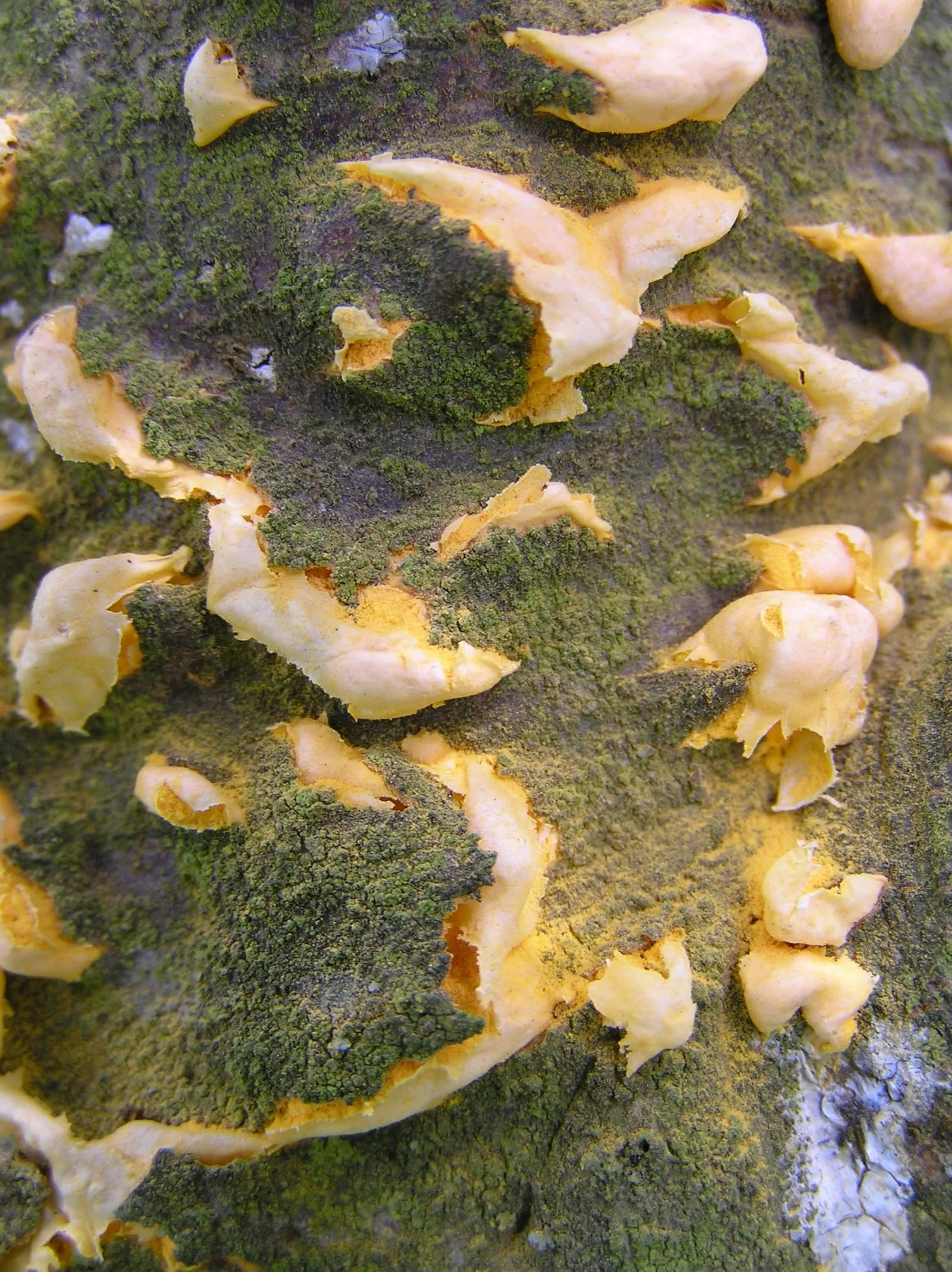
Cronartium ribicola
Two-host rust requiring both Ribes (currants and gooseberries) and white pines. Historically led to Ribes-planting bans in much of the US; some states still restrict black currant cultivation.
Modified care for zone 4b
The primary zone 4b adjustment is protecting canes against winter dieback on exposed sites and after ice events. Canes that carry excess late-season growth or that are nitrogen-pushed into fall are most vulnerable. Cutting nitrogen applications by mid-July allows canes to finish lignifying before the first hard freeze. A 3 to 4 inch mulch layer over the root zone buffers soil temperature swings during freeze-thaw cycles in early spring. White Pine Blister Rust is worth checking before planting: several states restrict or prohibit Ribes planting near white pine stands, and the regulations vary by county in some cases. Powdery mildew pressure is generally lower in zone 4b than in warmer regions, but Botrytis (Gray Mold) can be significant during cool, wet July harvests. Annual renewal pruning that removes old canes and keeps the center of the bush open is the most reliable way to reduce humidity and limit Botrytis infection.
Frequently asked questions
- Does black currant get enough chill hours in zone 4b?
Zone 4b consistently delivers well above the 800 to 1,500 chill hours black currant requires. Underchill is not a concern in this zone; the risk runs the other direction, with late spring frosts threatening early bloom rather than insufficient winter cold.
- Which black currant varieties do best in zone 4b?
Ben Sarek, Consort, and Titania are the most reliably cold-adapted varieties for zone 4b. Consort has the added advantage of being resistant to White Pine Blister Rust, which matters in states with planting restrictions near white pine.
- Is White Pine Blister Rust a planting restriction in zone 4b states?
In several northern states, regulations restrict or prohibit planting Ribes species within a set distance of white pine stands. The rules vary by state and sometimes by county. Check with the state department of agriculture before establishing a planting.
- When is black currant harvest in zone 4b?
Most varieties ripen in early to mid July in zone 4b, with Titania running slightly later than Consort or Ben Sarek. The 130-day growing season is sufficient to complete ripening in a typical year, though an early August cold snap can occasionally cut the season short.
+−
+−
+−
+−
Black Currant in adjacent zones
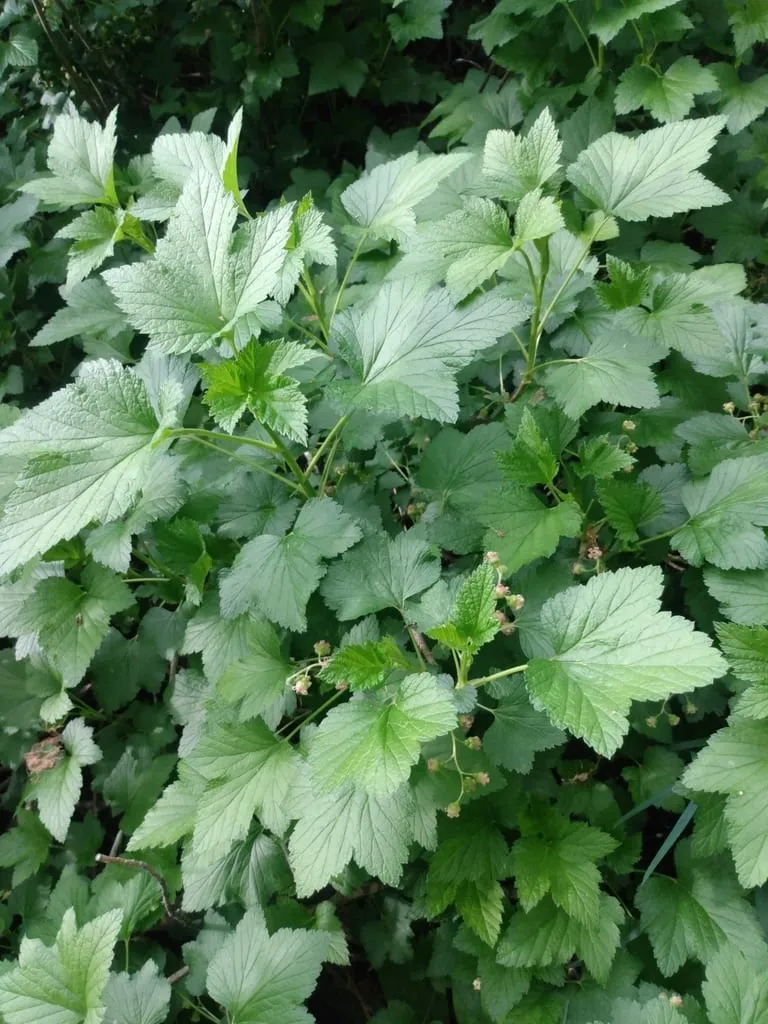
Image: "Blackcurrant", by Tyler Hacking, via iNaturalist, licensed under CC-BY Source.
Related