berry in zone 4a
Growing black currant in zone 4a
Ribes nigrum
- Zone
- 4a -30°F to -25°F
- Growing season
- 120 days
- Chill needed
- 800 to 1500 below 45°F
- Suitable varieties
- 4
- Days to harvest
- 80 to 100
The verdict
Zone 4a is a genuine sweet spot for black currant, not a marginal case. The crop requires 800 to 1500 chill hours annually; zone 4a winters reliably deliver well above that threshold, meaning dormancy is thorough and fruit set is not compromised by insufficient cold. Winter lows of -30 to -25°F are within the hardiness range of established plants, particularly for varieties selected for northern production.
The 120-day growing season is adequate. Black currant does not need a long season to ripen fruit, and the crop actually performs better in cooler summers than in the heat of zone 6 and south, where Berry Powdery Mildew pressure increases and fruit quality can suffer.
One constraint growers in zone 4a states must check before planting: White Pine Blister Rust regulations. Several states in the upper Midwest and Northeast either prohibit or restrict black currant cultivation to protect white pine timber. Verify current state rules before establishing a planting.
Recommended varieties for zone 4a
4 cultivars suited to this zone, with disease-resistance and zone-fit annotations.
| Variety | Notes | Zone fit | Disease resistance |
|---|---|---|---|
| Consort fits zone 4a | Intensely musky, complex, tart; juice, jam, cordial, syrup. The defining black-currant flavor for British and Northern European traditions. Resistant to white pine blister rust (legal in restricted states). | |
|
| Crandall fits zone 4a | Sweet, mild, less musky than European blacks; fresh, jam, juice. American native species (Ribes odoratum), fragrant yellow flowers, more approachable flavor for newcomers. | |
|
| Ben Sarek fits zone 4a | Tart, intensely flavored, large berries; the classic European black-currant cordial flavor. Compact bush (3-4 ft), high yields, frost-resistant flowers. | | none noted |
| Titania fits zone 4a | Tart, complex, large firm berries; juice, jam, syrup. Productive Swedish variety, blister-rust resistant, vigorous and adaptable. | |
|
Critical timing for zone 4a
Black currant blooms early, often in late April in zone 4a, before many other fruit crops. This creates a direct conflict with the zone's characteristic late frosts, which can extend into mid-May at higher elevations or in cold valleys. A single hard frost during bloom can eliminate most of that year's crop, so bloom timing relative to the last frost date is the primary production risk.
Harvest falls from late June through mid-July depending on variety. Consort and Ben Sarek tend toward the earlier end; Titania can run a week or two later. The 120-day growing season provides enough margin for fruit to fully ripen before fall frost, provided the season starts on time.
Common challenges in zone 4a
- ▸ Late frosts damage early bloomers
- ▸ Limited peach varieties
Disease pressure to watch for
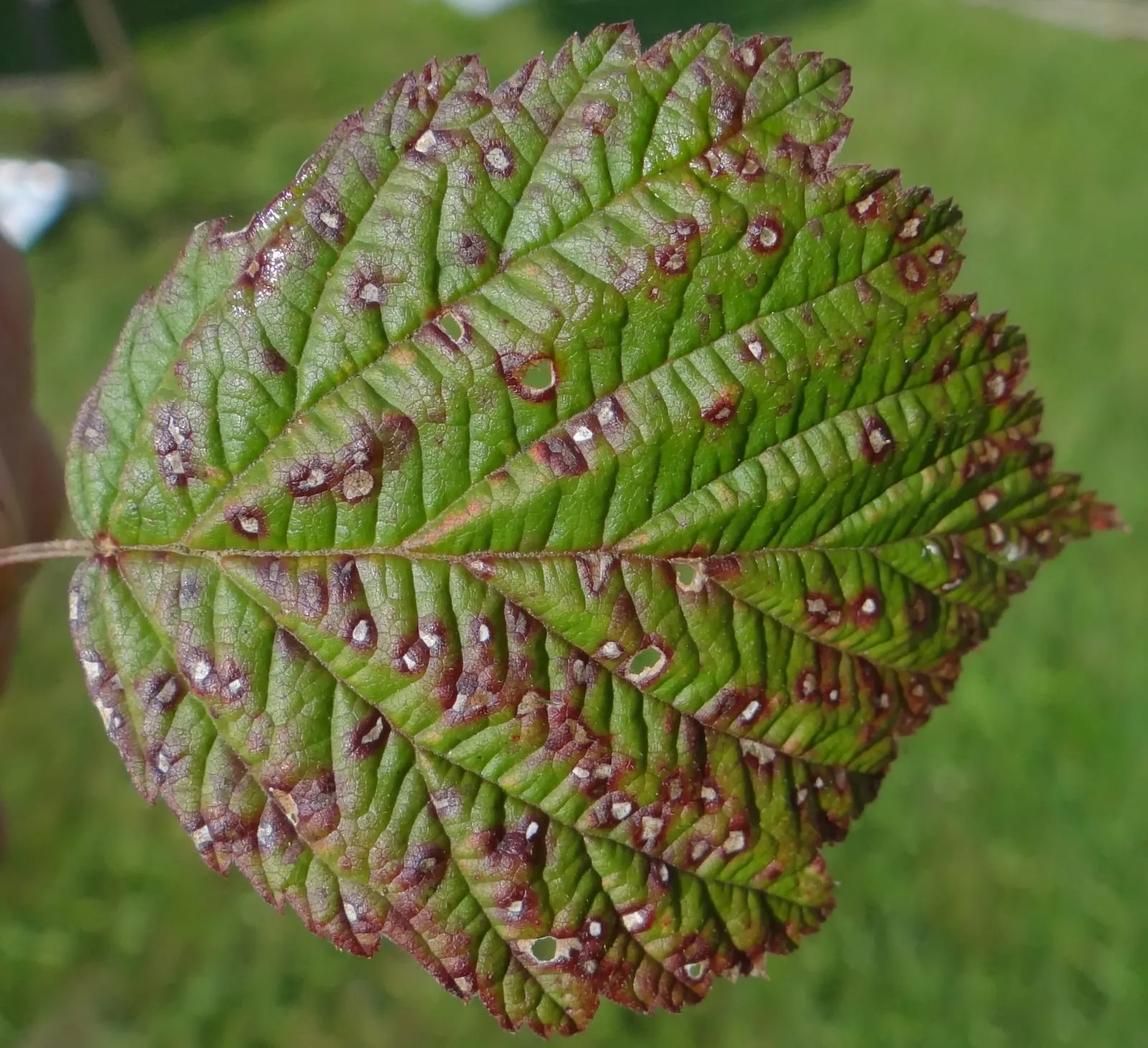
Elsinoe veneta
Fungal cane disease causing purple-bordered lesions that girdle and weaken bramble and Ribes canes, reducing yield over consecutive seasons.
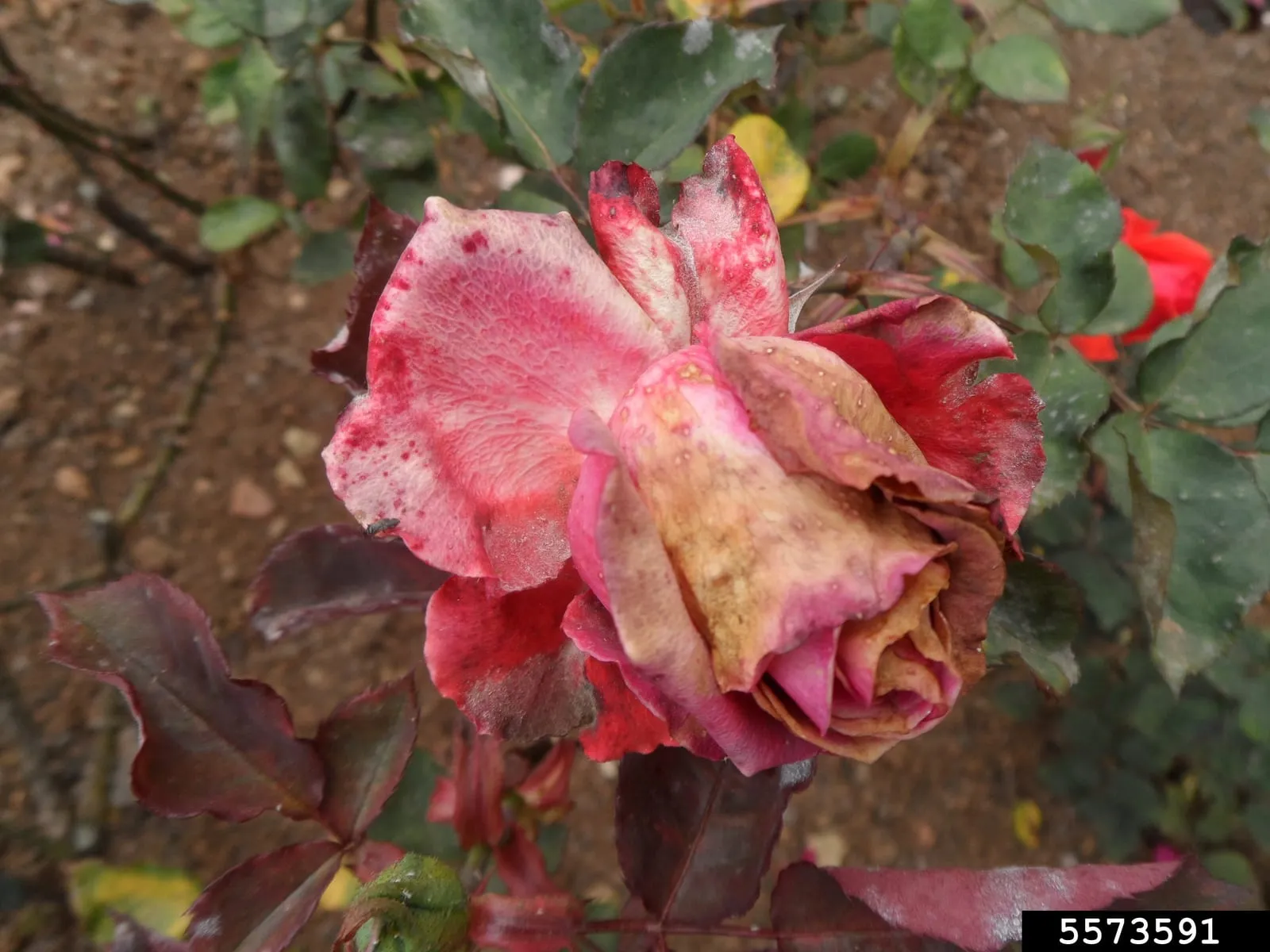
Botrytis cinerea
Ubiquitous fungal disease that causes fruit rot during cool wet weather, often the dominant berry disease in humid regions.
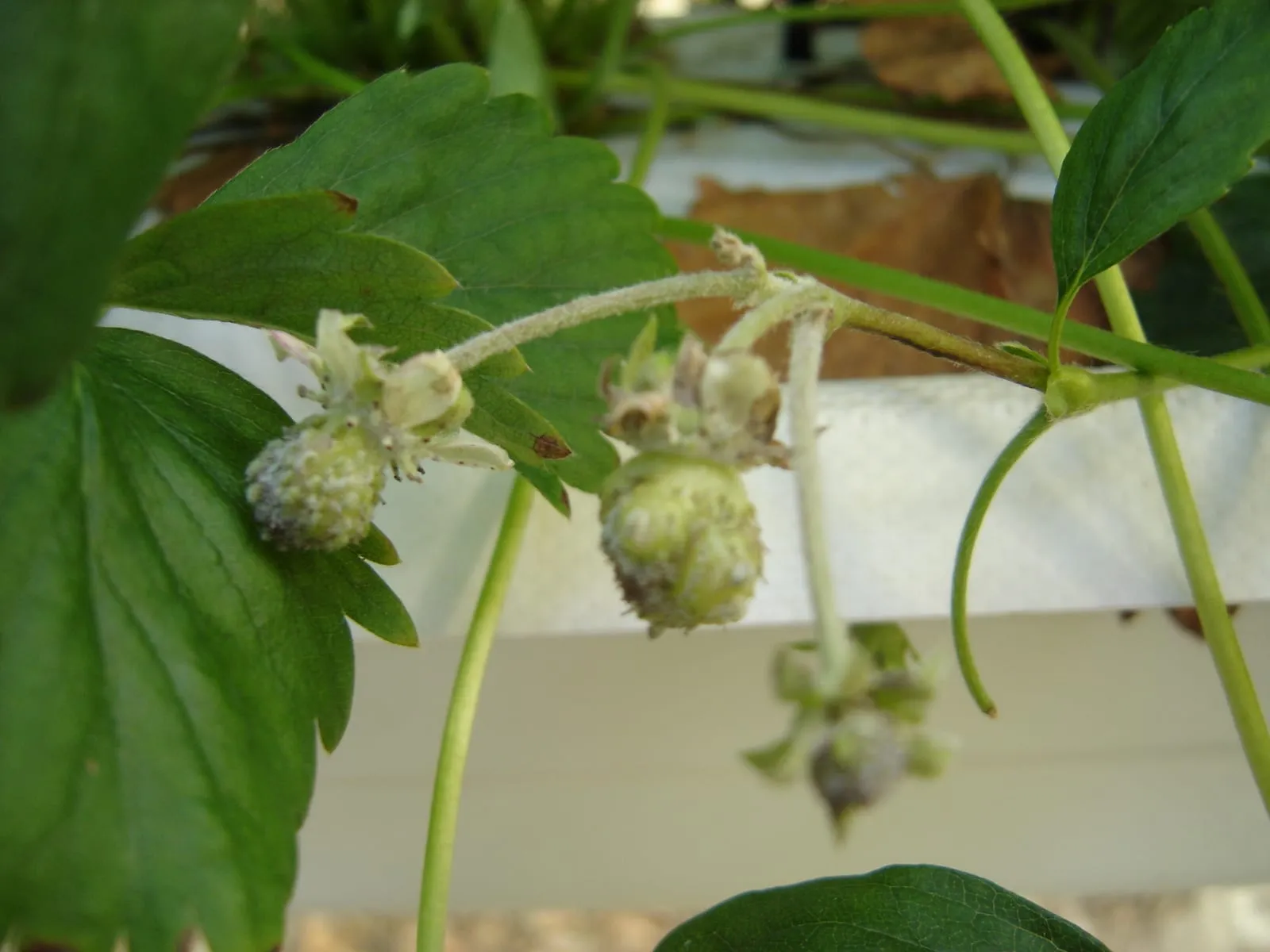
Podosphaera and Sphaerotheca species
Surface-feeding fungal disease producing white powdery growth on leaves and fruit, particularly damaging on gooseberries.
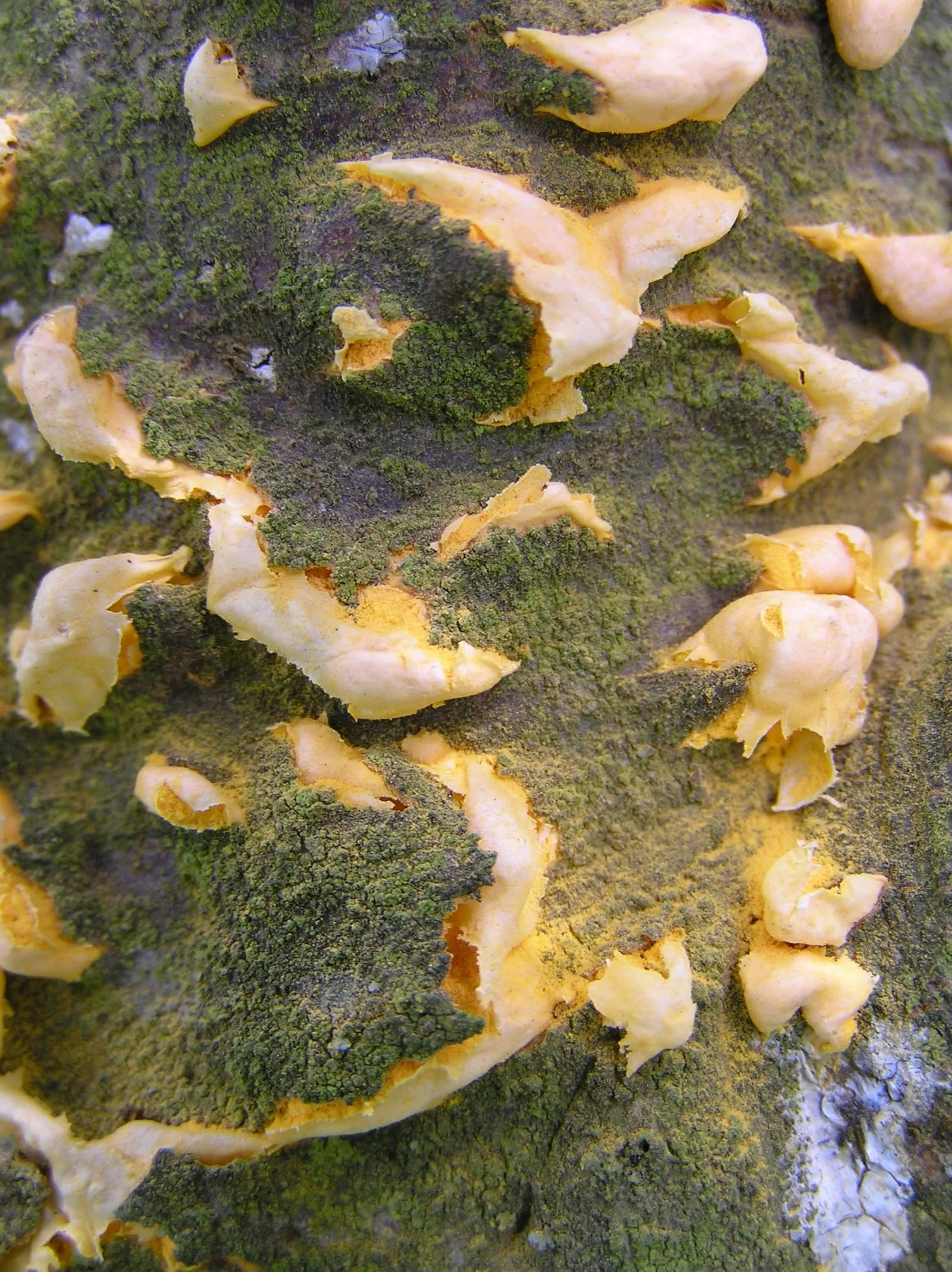
Cronartium ribicola
Two-host rust requiring both Ribes (currants and gooseberries) and white pines. Historically led to Ribes-planting bans in much of the US; some states still restrict black currant cultivation.
Modified care for zone 4a
The main zone 4a adaptation is frost protection during bloom. Row covers or overhead irrigation can protect flower clusters during late frost events; the investment is worthwhile given that bloom is both brief and early. Site selection matters too: avoid low-lying frost pockets and north-facing slopes that delay soil warming.
White Pine Blister Rust deserves specific attention in zone 4a states where white pine is present. Consort carries a gene for rust resistance and is the default choice where rust pressure is high or where state regulations restrict non-resistant cultivars. Cane Anthracnose and Gray Mold (Botrytis) are more active in wet springs; pruning for open canopy structure and removing infected wood before bud break reduces both. Fungicide applications are generally unnecessary in drier years but should be on hand for wet springs.
Frequently asked questions
- Are black currants hardy enough to survive zone 4a winters without protection?
Established plants of zone-appropriate varieties (Consort, Titania, Ben Sarek) handle zone 4a lows of -30 to -25°F without special protection. Young first-year plants benefit from a mulch layer over the root zone heading into winter, but mature shrubs do not require wrapping or wind barriers in most zone 4a sites.
- Is it legal to grow black currants in zone 4a states?
Regulations vary by state. Some upper Midwest and northeastern states historically banned black currant cultivation due to White Pine Blister Rust concerns; many have since lifted or narrowed those restrictions, often permitting rust-resistant cultivars like Consort. Check your state department of agriculture's current rules before planting.
- What is the biggest production risk for black currant in zone 4a?
Late spring frost during bloom is the primary risk. Black currant blooms in late April, well before the last frost date in most zone 4a locations. A single frost event at bloom can eliminate the year's crop. Site selection that avoids frost pockets and having row covers available during bloom are the most practical mitigations.
+−
+−
+−
Black Currant in adjacent zones
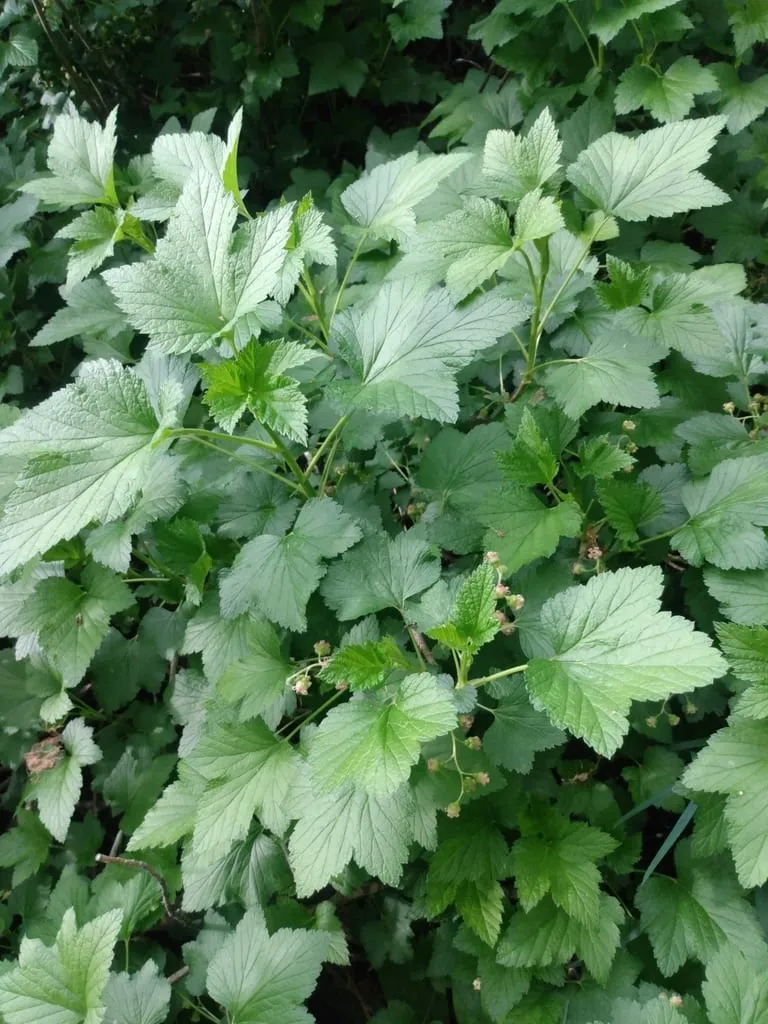
Image: "Blackcurrant", by Tyler Hacking, via iNaturalist, licensed under CC-BY Source.
Related